

Original photo by © O2O Creative—E+/Getty Images
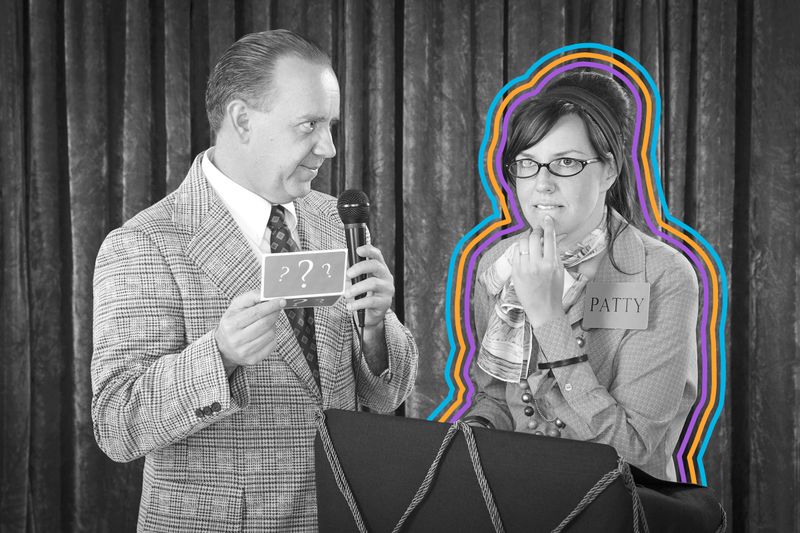
Have you ever spent a sick day lying on the couch watching The Price Is Right, absolutely certain you could guess the exact price of that dinette set and win the showcase? Or maybe you’ve considered auditioning for Jeopardy! convinced you would go home a winner.
You may also have wondered where all that cash and all those prizes come from. Understanding the behind-the-scenes economics of game shows reveals a surprisingly clever structure that keeps the lights on, the prizes rolling, and audiences glued to the screen.
The Prize Pool Is Budgeted For
Most game shows are fairly inexpensive to produce compared to other network television programs — typically costing about $1 million per hour, far less than many scripted dramas, which can run several million dollars per episode, or prestige streaming series that often exceed $10 million an episode. A portion of that game show production budget is specifically set aside for prizes, meaning every cash award, car, or vacation has already been factored into the costs before the cameras even start rolling.
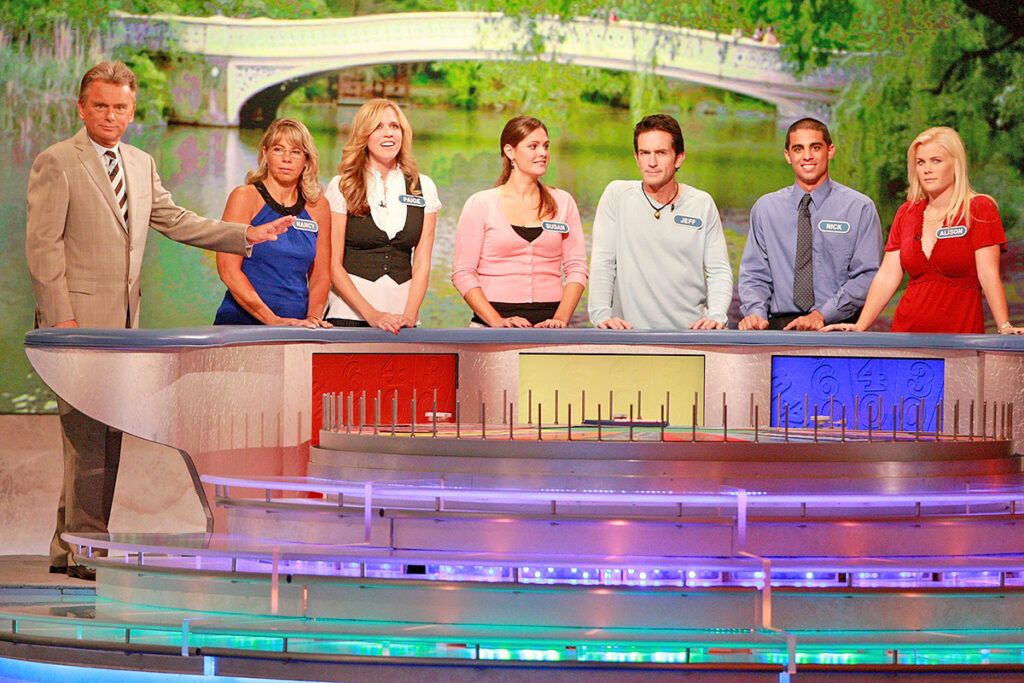
Big-budget shows such as Wheel of Fortune or Jeopardy! can dedicate $4 million to $8 million dollars in contestant winnings over the course of a typical season of 200 to 230 episodes — but the average episode payouts are usually far more modest than viewers might assume.
Typical Jeopardy! games, for example, often pay out in the range of $20,000 to $30,000 total, although championship runs and tournament episodes can push winnings higher. Smaller shows often have more modest budgets, which is why you may see $100 gift cards or small electronics as prizes on local game shows.
Insurance Policies Cover the Big Wins
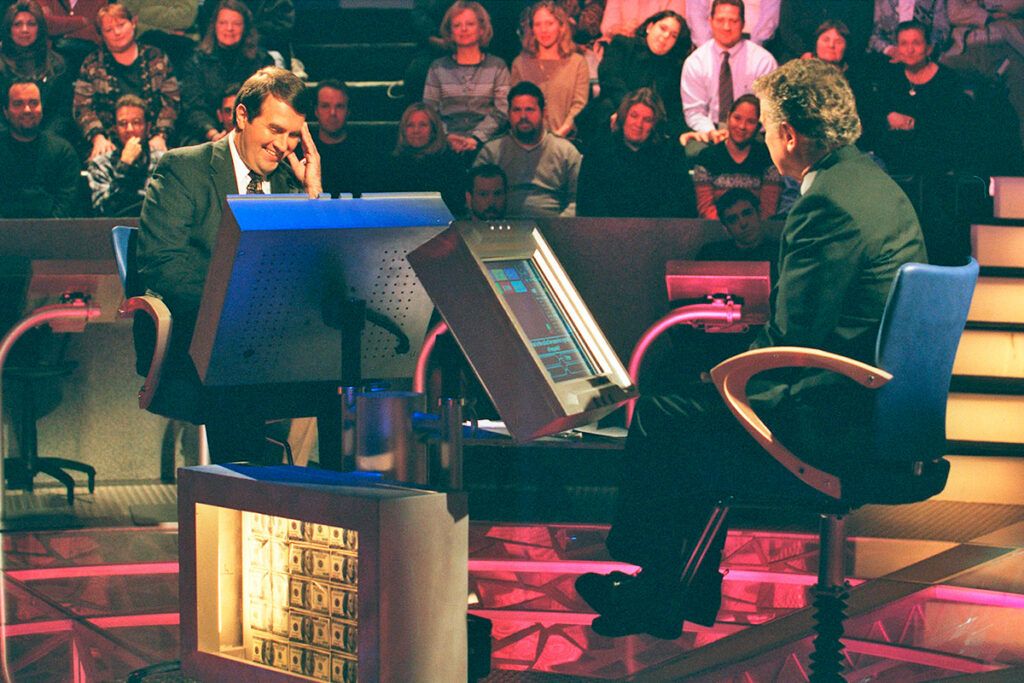
When shows dangle truly massive prizes — think the million-dollar jackpots on Who Wants to Be a Millionaire? — the production is not actually risking that full amount out of pocket. Instead, the show relies on prize indemnity insurance.
The show pays a premium, and if a contestant hits the top prize, the insurance company covers the payout. It’s a bit like insuring a lottery ticket because the risk is spread out, predictable, and manageable, even when the headline number sounds enormous. This approach is common not just for cash jackpots, but also for high-value prizes such as luxury cars or extravagant vacation packages.
Insurance gives producers the freedom to design bigger, flashier games and all-or-nothing bonus rounds. It’s what allows those nail-biting, “one question away” moments to exist in the first place. Otherwise, shows would have to scale way back on the high-stakes drama. Just think: If Who Wants to Be a Millionaire had to cap its prizes at $50,000, the tension would fizzle.
Sponsors Pitch In
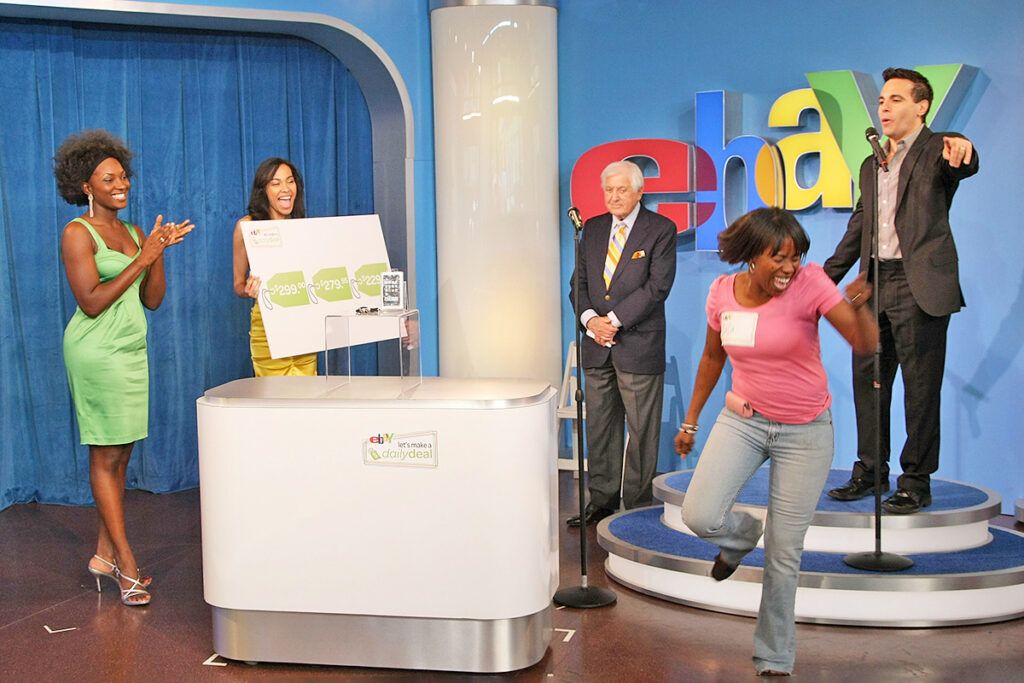
Of course, not all winnings are cold, hard cash. Many game shows use sponsorships to provide cars, electronics, and vacation packages as prizes. A car company may supply vehicles to the show at no cost for the free advertising, while a resort may offer free trips in exchange for on-air promotion.
Even cash prizes sometimes have sponsorship angles. Some shows offer “bonus rounds” funded by advertisers, meaning the big jackpot may actually be paid by a third-party brand rather than the show itself. In those cases, the prize is technically a marketing expense for the sponsor, cleverly disguised as part of the game.
More Interesting Reads


Winning Comes at a Price
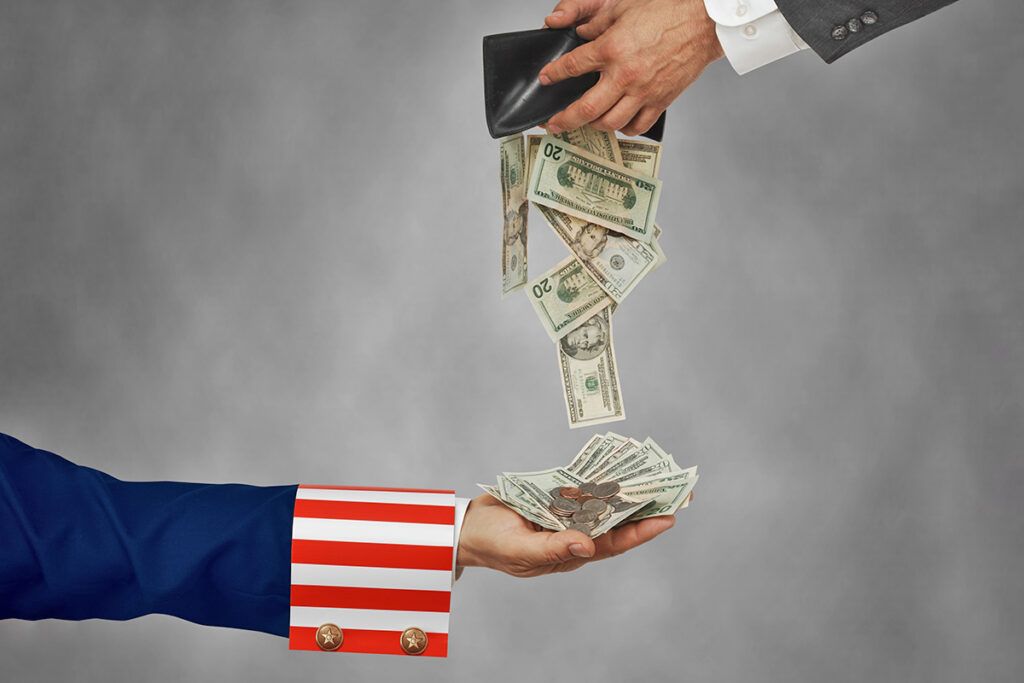
Winning on a game show sounds glamorous, but contestants quickly learn it’s not always as lucrative as it initially seems. In the United States, game show winnings are considered taxable income by the IRS. Cash prizes are taxed at regular income rates, and non-cash prizes are assigned a fair-market value for taxation.
This means if you win a $50,000 car, you could owe $10,000 to $15,000 in combined federal and state taxes, depending on where you live and your income bracket. And because shows often use the manufacturer’s suggested retail price when valuing prizes, contestants can end up being taxed on an amount higher than what the item would actually sell for in the real world.
Taxes also influence how shows structure prize payouts: While many prizes are awarded immediately, larger jackpots may be paid in installments or structured over time to help contestants better manage the tax hit and avoid receiving a large sum all at once. Sometimes, contestants even find they’re better off turning down their winnings to avoid a tax burden that could push them into a higher tax bracket. In those cases, the prize goes back to the sponsor or the production company keeps the money for the next lucky winner.

Kristina is a coffee-fueled writer living happily ever after with her family in the suburbs of Richmond, Virginia.
top picks from the Inbox Studio network
Interesting Facts is part of Inbox Studio, an email-first media company. *Indicates a third-party property.