

Original photo by © Ahmed/Unsplash.com
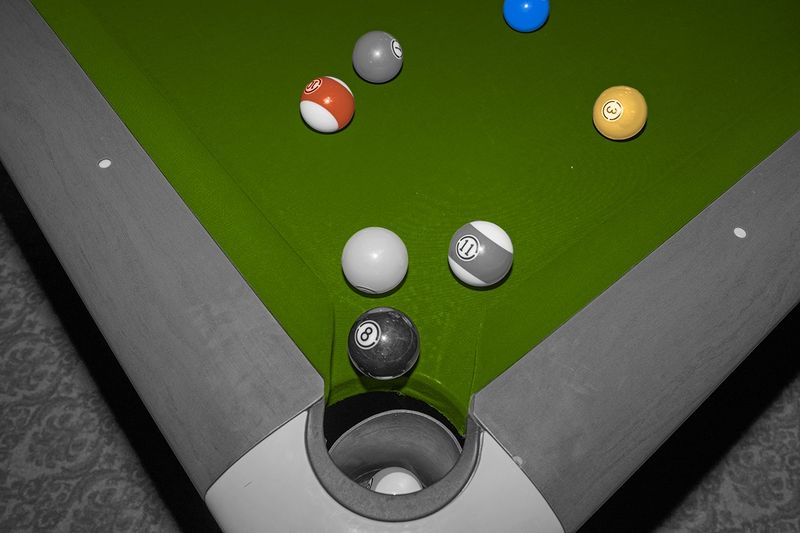
If you imagine a typical pool table, its surface is most likely green in your mind’s eye. And while it’s now possible to get pool tables in all manner of colors — including the popular “tournament blue” — if you’re a traditionalist, green is the classic choice.
But why that particular hue? The standard pool table color isn’t arbitrary — it can be traced back to the manicured lawns of medieval Europe. Here’s a closer look at the reason why pool tables are green, a story that also reveals the origins of the game itself.
It All Started Outside
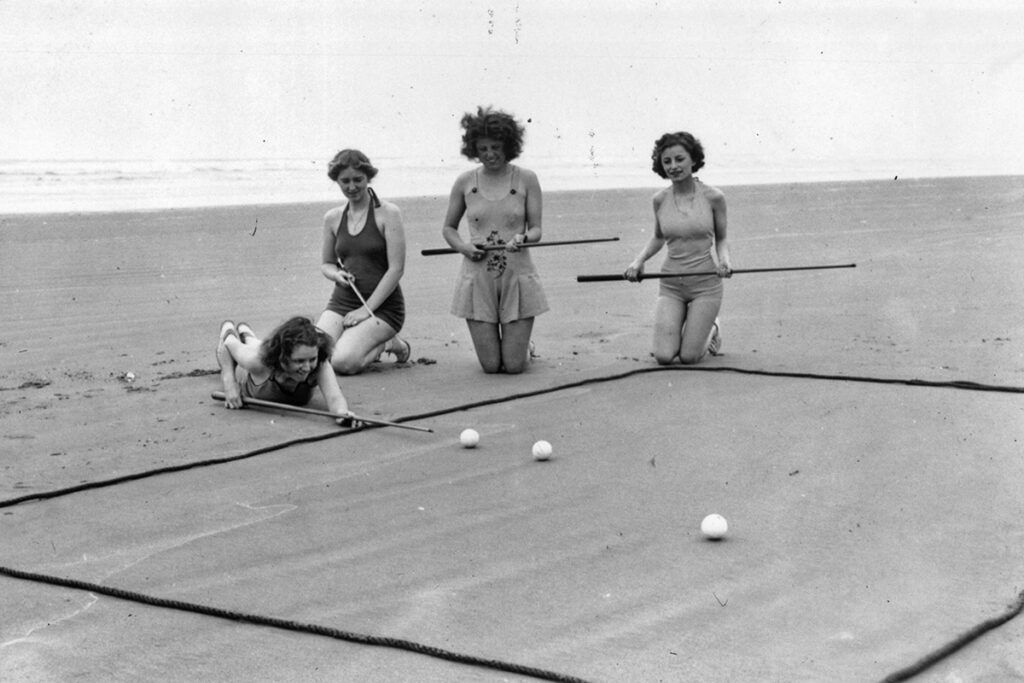
Pool, like snooker, billiards, and other cue sports, finds its origins not in any particular table-based game, but rather in lawn games played outdoors. Those games, some of which were known as “ground billiards,” most closely resembled croquet and were particularly popular among the European aristocracy, especially those in England and France, during the 15th century (and perhaps even earlier).
Ground billiards caught on among the upper classes, as it was a relatively simple sport that required skill rather than physical exertion, and it provided an excellent excuse to stand around looking wonderfully aristocratic on a neatly cropped lawn. The only problem was the weather: Opportunities to play were abundant during the summer months, but inclement weather meant that play was impossible throughout much of the rest of the year. The solution was to bring the game indoors — and that decision changed everything.
One of the first known indoor billiard tables ever recorded belonged to none other than King Louis XI of France, who had one made sometime during his reign from 1461 to 1483. That early table, however, looked quite different from the pool tables we know today, with just a single hole in the middle of the table, likely inspired by a golf putting green.
From there, pool table design evolved, gradually becoming ever more similar to the game we know today. But one constant remained: the color.
As Green as the Grass
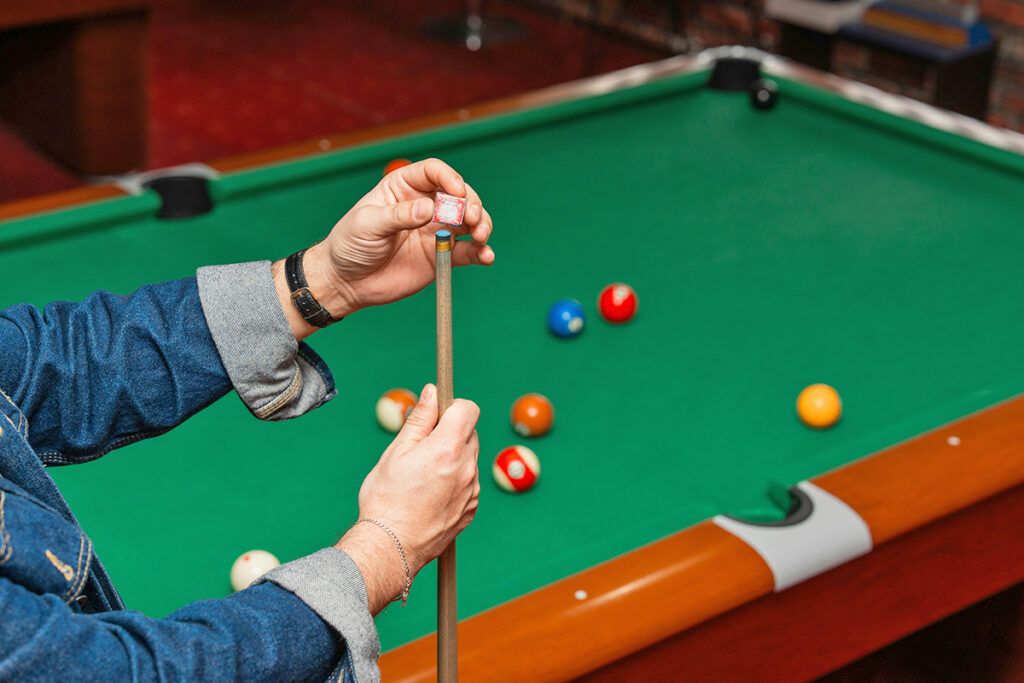
When the game moved indoors in the 15th century and became the precursor of modern pool, the table was made of wood. Wooden borders ran around the surface edges, and a cloth covered the playing surface to allow the balls to roll smoothly and uniformly.
As for the color of that cloth, there was only really one option: green. It was the logical choice, because the whole endeavor was an attempt to replicate the outdoor lawn games people were already so fond of.
Soon, baize (a soft, felt-like cloth) became the material of choice for the surface of those new indoor tables. Baize arrived in England from France in the 15th century, and the smooth, tightly woven material soon became the preferred covering for billiard tables. When dyed green, it reflected the sport’s outdoorsy origins. The rest, as they say, is history; green baize became the default material for pool, billiard, and snooker tables in pubs, pool halls, and sporting arenas across the globe.
The Move Toward Blue
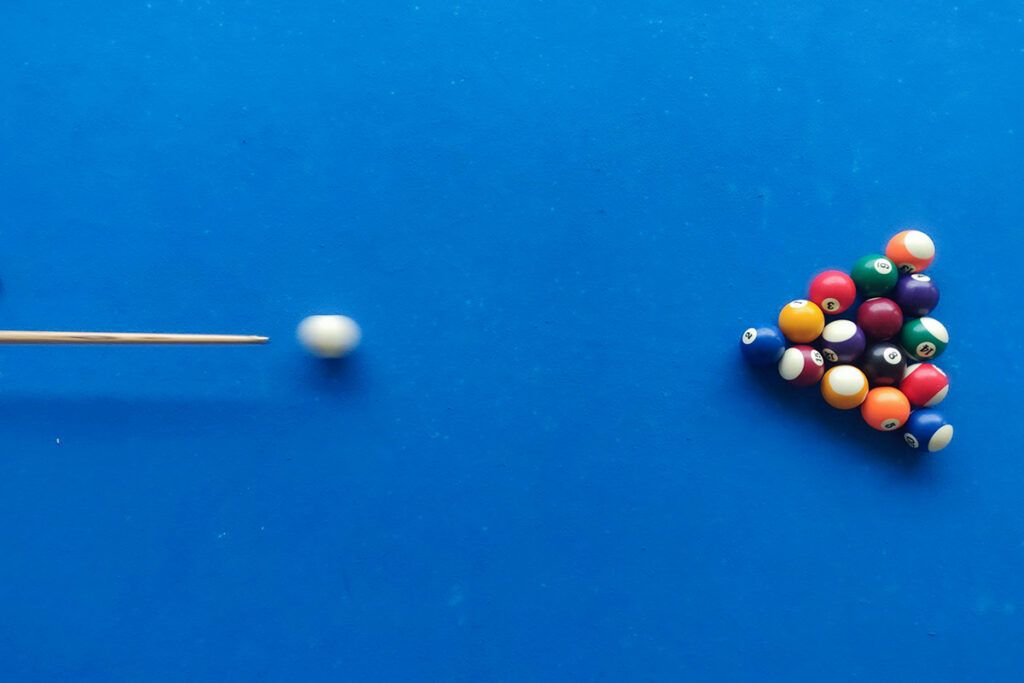
If you watch professional pool on television, however, you’ll notice that many tournament tables are blue rather than green. This is entirely a product of the television age. Blue became common for televised tournaments in the 1980s due to visibility concerns — the contrast between the balls and blue cloth is sharper onscreen, making it easier for viewers at home to follow the action. It also conceals blue chalk smudges better than green baize, keeping the whole look cleaner and more aesthetically pleasing.
Considering its association with tournament play — and because it looks kind of delightfully funky — blue has caught on outside the competitive stage. But if you want to follow a tradition that goes back half a millennium, then green remains the only way to go.

Tony is an English writer of nonfiction and fiction living on the edge of the Amazon jungle.
top picks from the Inbox Studio network
Interesting Facts is part of Inbox Studio, an email-first media company. *Indicates a third-party property.