

Original photo by © hsyncoban—iStock/Getty Images
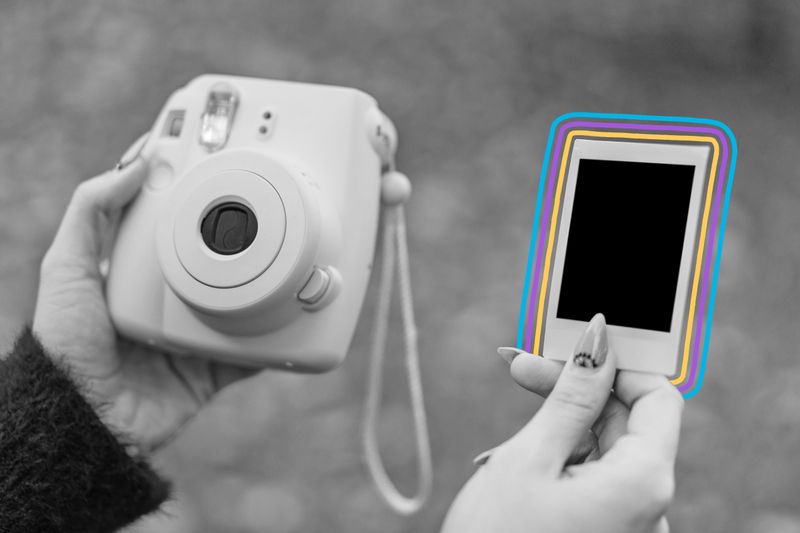
There was a time when few things felt more futuristic than watching a photograph develop in your hands moments after pressing the shutter button. Long before smartphones, the Polaroid camera offered that magical experience. When it hit shelves in 1948, the camera transformed photography from a waiting game into something far more immediate.
The earliest Polaroids used what’s now known as peel-apart film: After taking a picture, users waited while chemicals developed the image inside the print before physically peeling apart the layers to reveal the final photograph. Some early instant prints even required protective coatings after development. The company’s name itself came from the polarized plastic material that made the technology possible.
By the 1970s and 1980s, Polaroid cameras had become a cultural phenomenon — Largely thanks to the introduction of fully self-contained “integral” film systems such as the SX-70 in 1972. Unlike the earlier peel-apart process, the new film developed entirely inside the photo itself. Users no longer had to time the development process, peel layers apart, or apply coatings. The camera simply ejected a finished print that developed on its own within a minute or two.
Today, the idea of standing around waiting for a picture to develop can seem almost absurd. But that waiting was part of the experience, and somewhere during those moments of excitement and impatience, another ritual became attached to instant photography: shaking the photo. This practice became ubiquitous enough that it’s even been immortalized in the 2003 OutKast song “Hey Ya!” (“shake it like a Polaroid picture”). But does it actually help the photo develop faster?
What Actually Happens Inside a Polaroid Photo
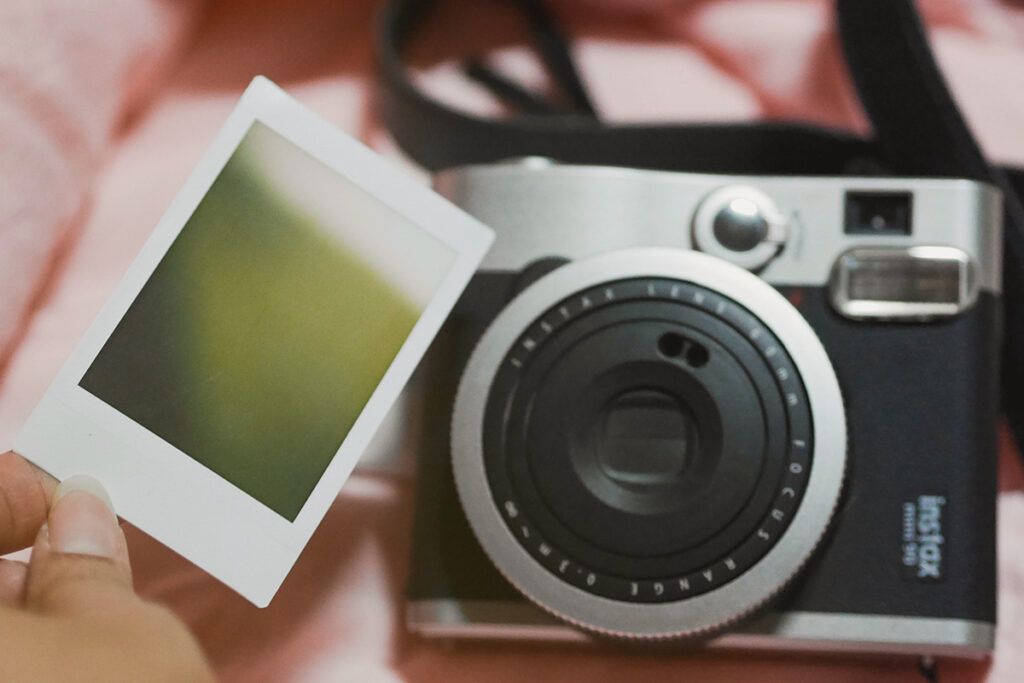
A Polaroid print is essentially a carefully engineered stack of chemical layers. When the photo ejects from the camera, rollers inside the camera burst a small pod of reagent chemicals and spread the developer paste evenly across the film’s surface. That chemical paste starts reacting with light-sensitive layers embedded inside the print. Different dye layers create cyan, magenta, and yellow tones that slowly combine into the final image. The film is designed so the chemistry develops at a controlled pace under normal temperatures.
The image forms internally rather than “drying” onto the surface in the way paint or ink dries. Once the chemicals are spread, the development process proceeds on its own timetable whether the photo is perfectly still or being waved around.
Why Shaking Became Popular
The belief that shaking a Polaroid speeds development likely came from the early days of instant photography when the process was more hands-on. In the early 1950s, Polaroid faced a serious issue when some of its black-and-white instant film images began fading after only a few months. Unlike traditional film photography, there were no negatives to fall back on, so a Polaroid snapshot was often the only existing copy, and customers were understandably upset when their photos began disappearing.
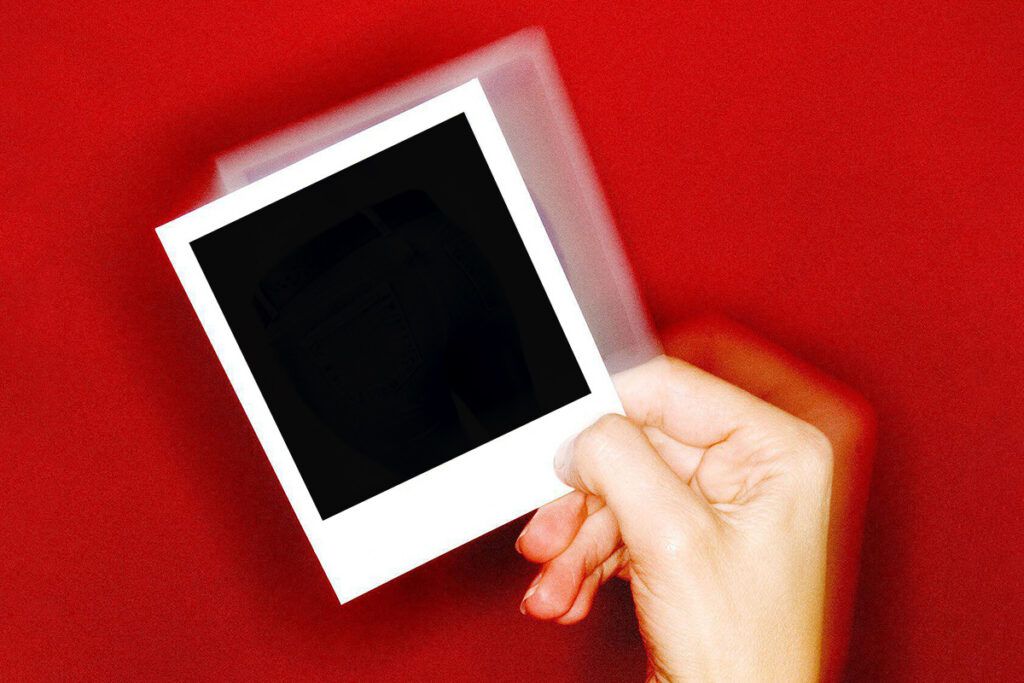
Polaroid’s researchers responded with a chemical solution called “the coater.” Beginning in 1951, film packs included a small vial of protective liquid that users applied to finished prints after development to preserve the image. Once coated, the photos remained wet for several minutes — leading people to wave or shake the prints to help them dry faster. In that case, the instinct at least made some practical sense because users were attempting to dry a surface coating exposed to the air, even if excessive handling could still risk smudges or damage.
That early habit carried over into later generations of Polaroid photography, even after the coating process disappeared and fully self-contained film systems arrived in the 1970s. Users could still see chemicals spreading through the print and images gradually emerging from blank film, which made it seem logical that movement could somehow help the chemistry along.
Shaking Does More Harm Than Good
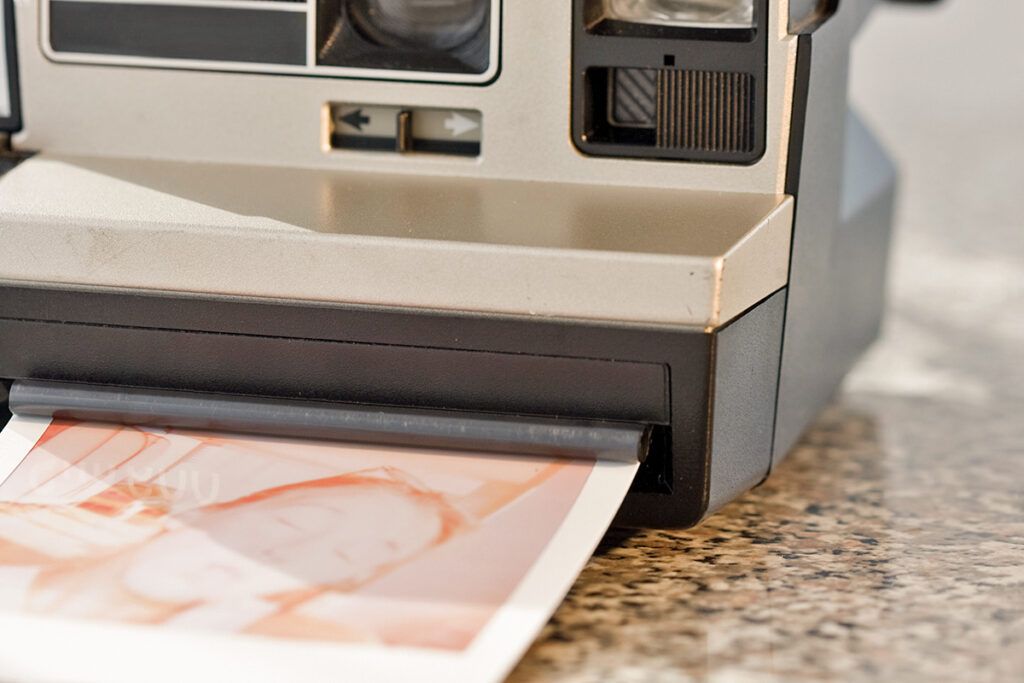
In reality, shaking a Polaroid photo does nothing to speed up development. In fact, the first self-contained Polaroid films were especially sensitive during the first moments after ejection. Excessive bending, shaking, or pressure could occasionally interfere with the even distribution of chemicals and create imperfections in the final image. Modern instant film is generally more durable, but manufacturers still recommend letting photos develop undisturbed.
The one thing that truly does matter is temperature. Warm conditions can help photos develop more consistently, while cold temperatures may slow the process or affect color balance. Putting the photo in a pocket would be more beneficial than waving it around.
Ironically, though, the slight imperfections of Polaroid photography have become part of its charm. The soft focus, muted colors, and chemical quirks give instant photos a sense of authenticity and immediacy that digital photography often lacks. In a way, they satisfy the very human urge to capture a fleeting moment and hold it in your hands before it disappears.

Kristina is a coffee-fueled writer living happily ever after with her family in the suburbs of Richmond, Virginia.
top picks from the Inbox Studio network
Interesting Facts is part of Inbox Studio, an email-first media company. *Indicates a third-party property.