

Original photo by © Getty Images/Unsplash
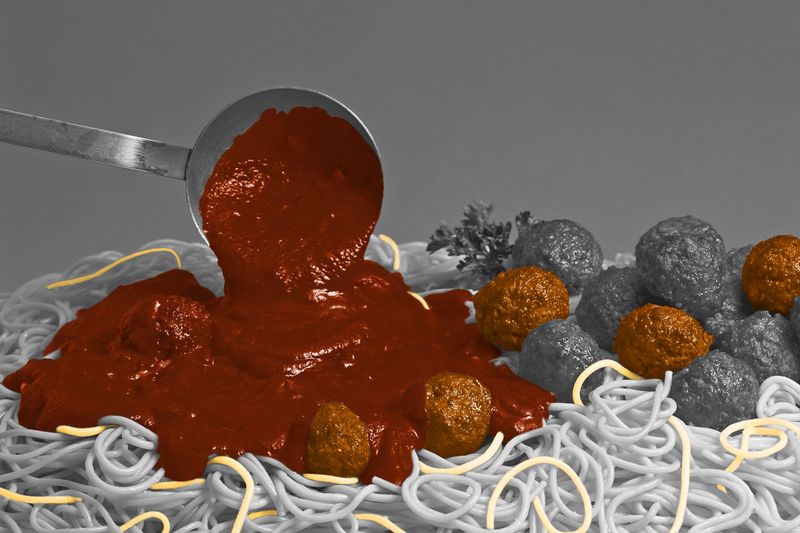
You can find international cuisine all over the United States, including Chinese buffets, Italian bistros, and Mexican-style cantinas. While those eateries may feel authentic, they typically serve up Americanized versions of traditional recipes — versions that look and taste quite different than their original forms. Here are five examples of international foods that were reinvented for American palates.
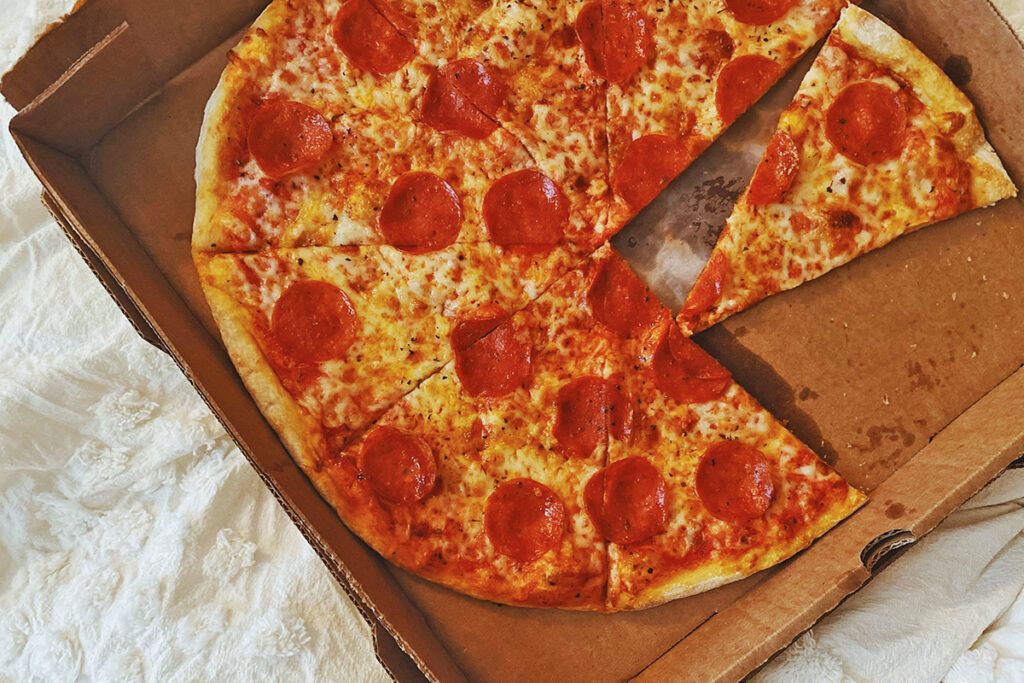
Pepperoni Pizza
Pepperoni perpetually ranks among the most popular pizza toppings in the U.S., but if you were to stroll down the streets of Rome, you’d struggle to find a pepperoni pie. That’s because the dish — and pepperoni itself, for that matter — was only created in early 20th-century America. In fact, the Italian word peperoni translates to “bell peppers,” and has nothing to do with sausage.
Food historian John Mariani told The New York Times that pepperoni is “purely an Italian-American creation,” with early printed references to the food first appearing around 1919. There’s no definitive answer as to who first put pepperoni on pizza, but in an interview with Thrillist, pizza scholar Colin Caplan said the earliest evidence he found for the topping was a photo taken in 1950 at a pizzeria in New Haven, Connecticut.
Traditional Italian pizza, on the other hand, is typically coated in a fresh tomato sauce, with fresh mozzarella, basil, and olive oil. Italians also sometimes top pizzas with spicy salami, such as the ‘nduja pork sausage that’s popular in the Calabria region. However, the meats in Italy are often coarser, contain high-quality ingredients and aromatic spices, and have no preservatives — unlike American pepperoni, which is mild, soft, and mass-produced.
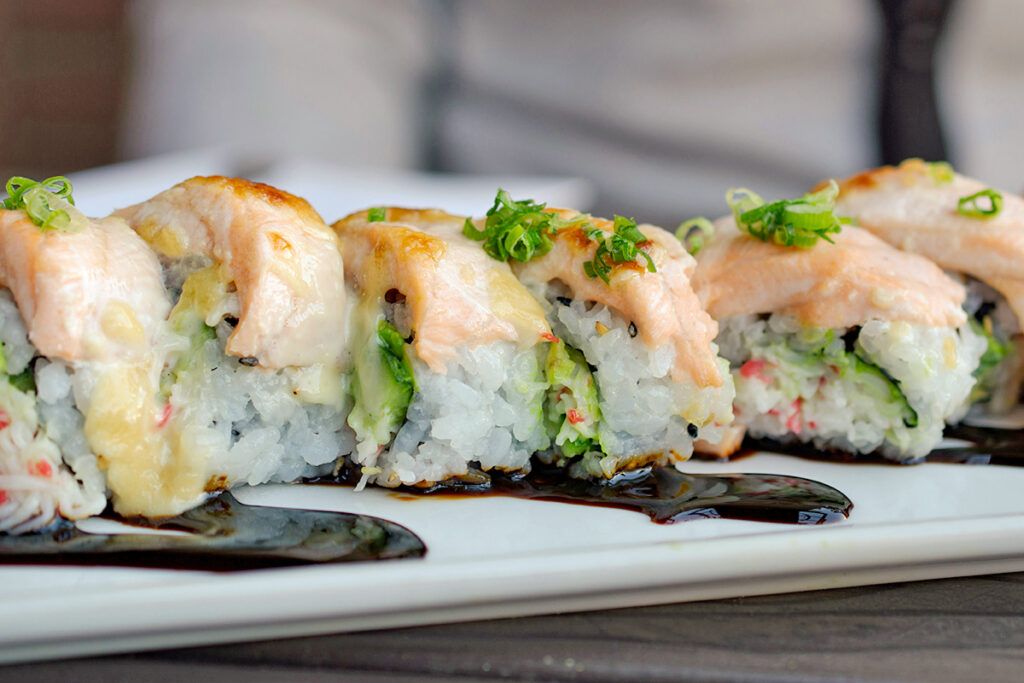
Sushi Rolls
In Japan, sushi is typically served either as nigiri (an oval-shaped rice mound topped with raw fish) or sashimi (thinly sliced raw fish served on its own). But due to a combination of cultural differences, available ingredients, and local palates, sushi soon took on an Americanized identity as it became popular in the U.S. around the 1960s. Many American sushi restaurants began incorporating high-fat ingredients such as tempura, mayo, and avocado.
Western sushi bars also presented the food in an easy-to-handle rolled form, with rice wrapped around the ingredients; one popular example is the California roll, which wasn’t created in Japan, but rather by a Vancouver, British Columbia-based chef in the early 1970s. And the sushi Americans were drawn to was brightly colored and elaborately presented — for instance, topped with orange fish roe, slivers of green avocado, or carefully laid out on a plate and drizzled with sauce. This was a far cry from the humble and understated pieces of sushi commonly served in Japan, often consisting of a simple sliver of fish served atop white rice and presented without any accoutrements.
As executive sushi chef Yohei Matsuki told the Michelin Guide, “American people want vibrant colors and highly decorated sushi. People in Japan think good sushi is simple — good sushi rice, and good tasting fish.”
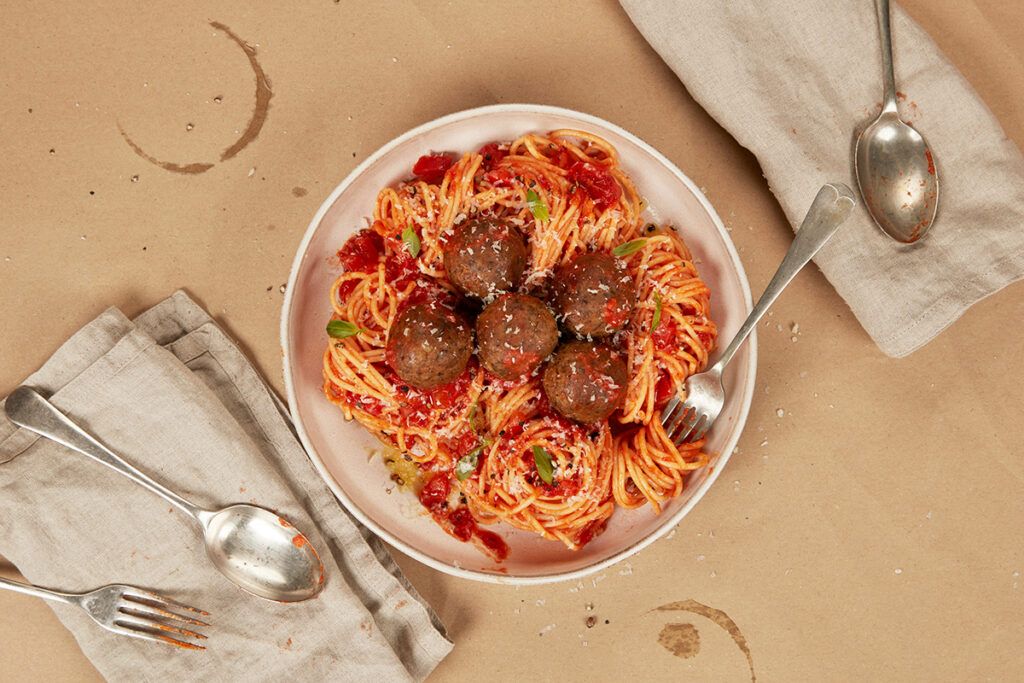
Spaghetti and Meatballs
Both spaghetti and meatballs are commonly eaten throughout Italy, but the combination is an American invention. If you happen to find a place serving spaghetti and meatballs during your trip to Rome or Florence, they’re almost certainly catering specifically to U.S. tourists.
True Italian spaghetti rarely, if ever, features meatballs or even meat sauce. In Italy, spaghetti is typically served as a smaller dish prior to the main course. It’s often topped with garlic and olive oil, a fresh tomato sauce, or even clams. As for meatballs (or polpette, as they’re called in Italy), Italians commonly eat them as a small appetizer or side, or they may be cooked into a soup. Pairing them with pasta is a rarity.
The spaghetti and meatball combo was created by Italian American immigrants around the turn of the 20th century — more out of necessity than tradition. In that time, many poor immigrants had to rely on whatever affordable foods were available. This often included canned tomatoes, packaged spaghetti, and ground beef, all of which were thrown together into a filling, budget-friendly meal.
By 1950, spaghetti and meatballs had become an American staple. In his 1950 memoir, Sicilian restaurateur Niccoló Quattrociocchi wrote about his experience dining at an Italian restaurant in the U.S., saying he was introduced to “traditional American specialties called ‘spaghetti with meatballs.’”
More Interesting Reads


Hard-Shell Tacos
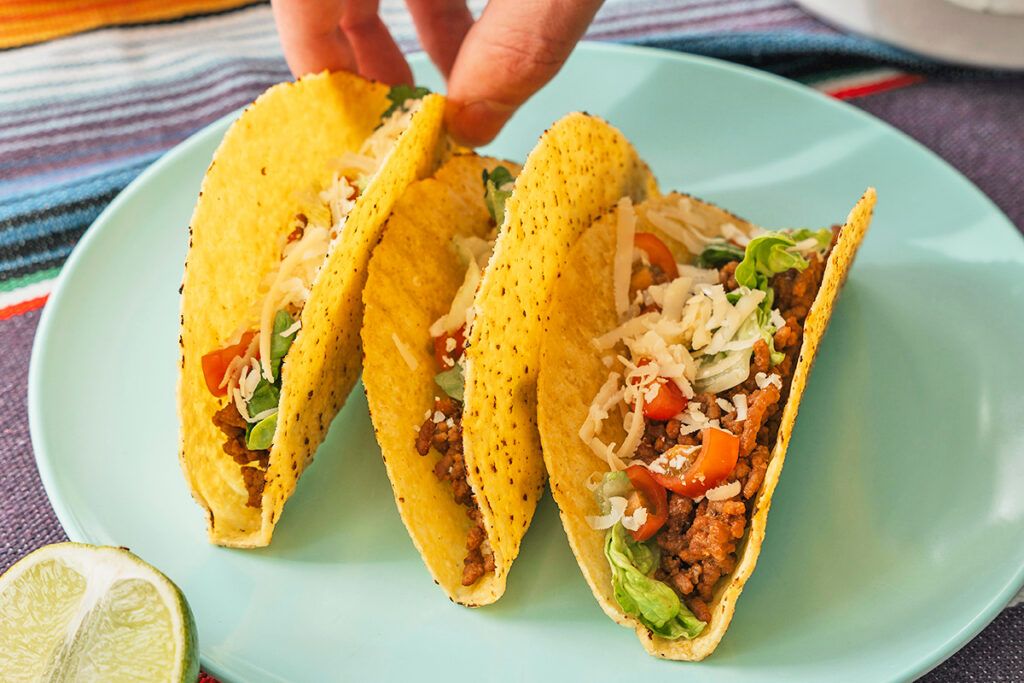
In Mexico, tacos are typically served in a soft tortilla made of corn or flour and topped with meat, raw onion, cilantro, lime, and salsa. There are of course a wide variety of fillings, and there’s even a recipe known as tacos dorados (“golden tacos”) which involves frying a taco to achieve a crispier shell. But soft tortilla shells are far and away the most common vessel used in authentic Mexican tacos.
Now if you visit a Taco Bell — which has no locations in Mexico — you may walk out with a hard-shell taco filled with ground beef, shredded cheese, and lettuce. This creation was borne from recipes that helped introduce tacos to the United States.
One of the earliest known American recipes for tacos comes from the 1914 book California Mexican-Spanish Cook Book by Bertha Haffner-Ginger. It describes a taco served in a “tortilla made of meal and flour; folded, edges sealed together with egg; fried in deep fat.” While it’s unclear what inspired Haffner-Ginger’s recipe, her fried take on the taco helped popularize the hard shell in the U.S.
Orange Chicken
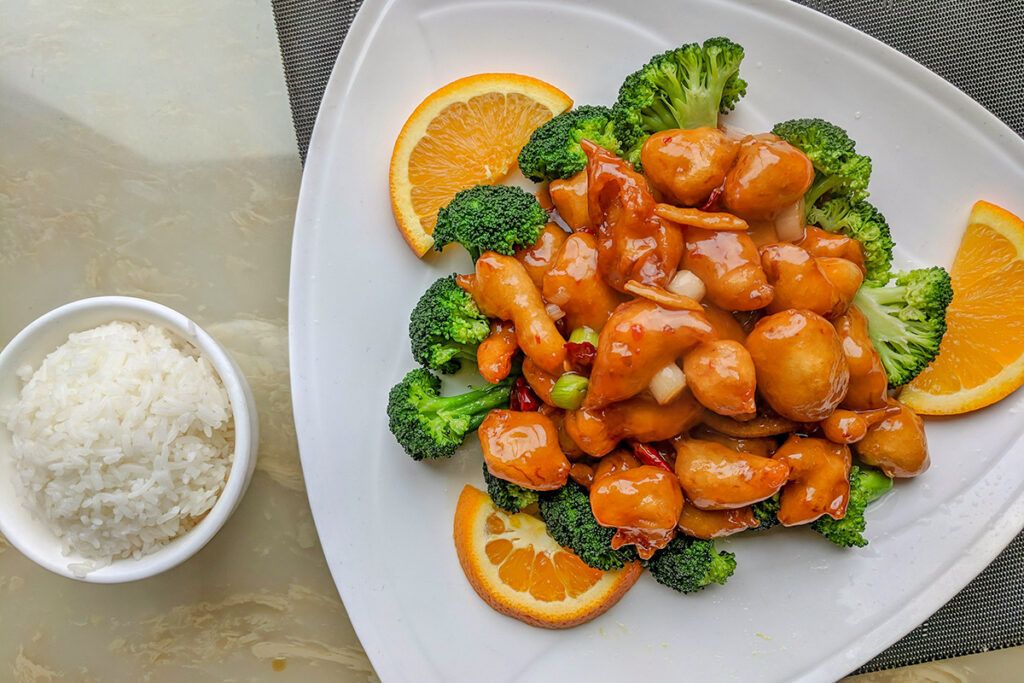
China is the world’s second-largest producer of oranges and the second-largest producer of chicken meat. But orange chicken, a staple of Chinese menus across the United States, is an American creation. The man behind this recipe is Andy Kao, who came up with it in 1987 while working as executive chef for Panda Express in Honolulu, Hawaii.
Kao took inspiration from three traditional culinary elements: a Taiwanese fried chicken recipe, a recipe for Sichuan beef stir-fry that used tangerine peels, and the sweet-and-sour flavoring commonly found in China’s Jiangsu region. Heinitially served orange chicken as a bone-in dish at a Panda Express in Hawaii before pivoting to making it boneless, battered, and fried. That change was inspired by the growing popularity of General Tso’s chicken (another nontraditional 20th-century innovation).
The pivot in orange chicken’s preparation paid off big time, as the dish skyrocketed in popularity throughout the United States. It remains among the most popular Chinese recipes in the U.S. today; Panda Express sold 148 million pounds of orange chicken in 2025 alone.

Bennett Kleinman is a New York City-based staff writer for Inbox Studio, and previously contributed to television programs such as "Late Show With David Letterman" and "Impractical Jokers." Bennett is also a devoted New York Yankees and New Jersey Devils fan, and thinks plain seltzer is the best drink ever invented.
top picks from the Inbox Studio network
Interesting Facts is part of Inbox Studio, an email-first media company. *Indicates a third-party property.