

Original photo by © Chronicle/Alamy
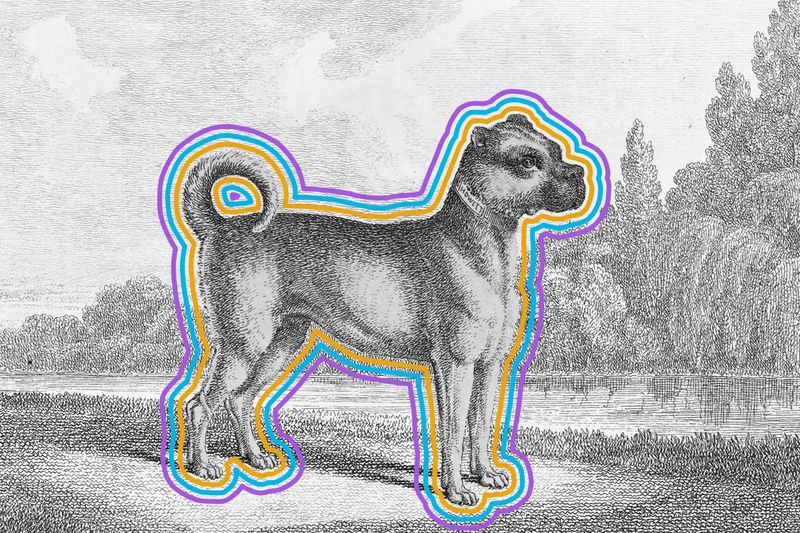
Dogs are the most physically diverse land-dwelling species on Earth. Through centuries of selective breeding, humans have poked and prodded at canine genetics to achieve an array of traits and characteristics, whether for hunting, herding, guarding, or simple appearance.
The result is a staggering variety of shapes, sizes, facial characteristics, and coat types — and, in some cases, dog breeds that look very different from their ancestors, even after just a century or so of separation. This has created some adorable-looking creatures, but it also has given rise to certain health consequences.
Here’s a look at some of the most dramatic before-and-after stories in canine history, from bulldogs to Saint Bernards.
English Bulldogs
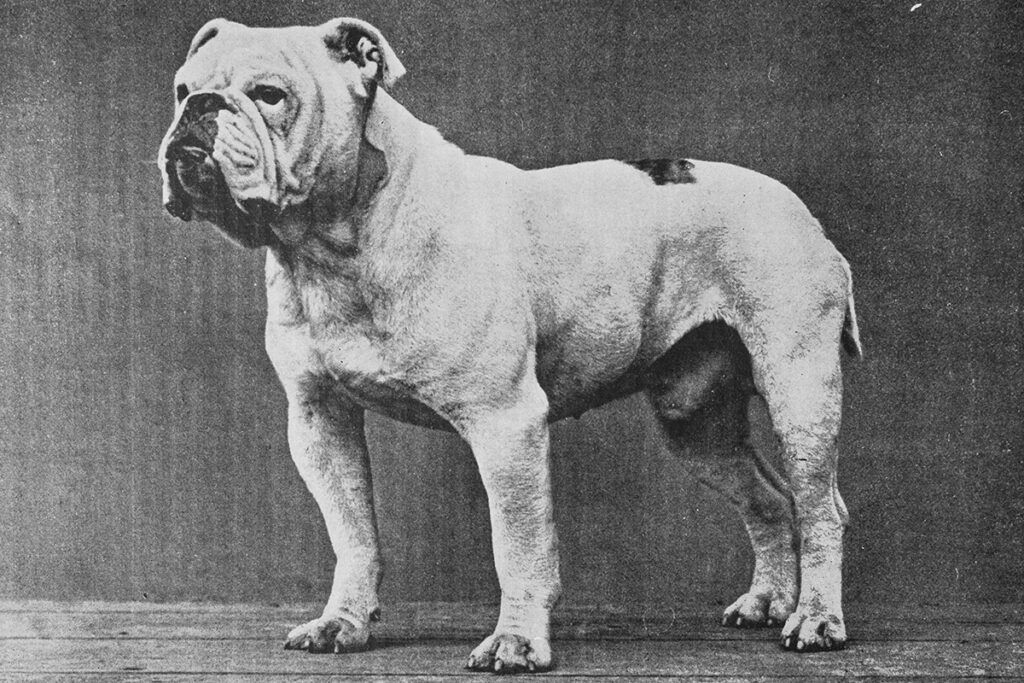
The English bulldog is the poster dog for dramatic breed transformation — and not entirely in a good way. The original bulldog was bred for bull-baiting, a horrific blood sport that pitted dogs against tethered bulls.
The bulldog was selected to be strong and agile with a flat face so it could still breathe while holding on to the bull. When bull-baiting was made illegal in 1835, bulldog breeders began selectively introducing or exaggerating certain other traits.
While earlier bulldogs were bred for physical abilities over appearance, the prohibition of bull-baiting pushed breeders toward more pronounced facial wrinkles, a thicker and squatter body, and a larger short-faced head for aesthetic purposes. The result was a breed that noticeably differed from its taller, longer-legged ancestor.
Unfortunately, the desire for saggy jowls, a squattier stance, and an ever-flatter face — driven by show-ring standards and preferred aesthetics — gave rise to severe health problems in the breed, including breathing difficulties and skin issues. It’s one of the most extreme examples of form being prioritized over function in dog breeding history.
Pugs
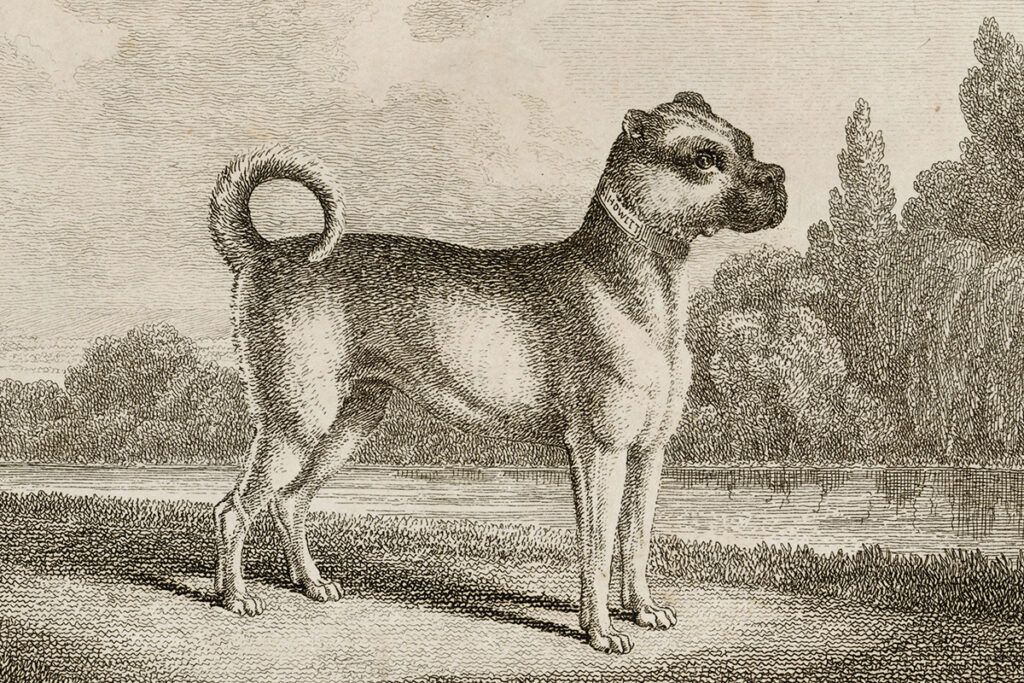
Pugs were introduced to Europe from China in the 16th century, and within 100 years the breed had become popular thanks in part to its adoption by the royal courts of England, Holland, and France. Back then, however, pugs looked significantly different, with longer and more muscular legs, a powerful frame, and, importantly, a more obviously elongated snout than that of its modern descendants. It was only during the latter half of the 19th century that the breed began to change significantly in Europe, with breed clubs establishing formal physical “standards” and dog show judges deliberately favoring certain traits.
Due to the relentless breeding meant to achieve an ever-flatter face, today’s pugs — while adorable — typically struggle with breathing due to their deformed respiratory tracts. This condition is so severe that researchers from the Royal Veterinary College concluded in a 2022 study that the pug “can no longer be considered as a typical dog from a health perspective.”
German Shepherds
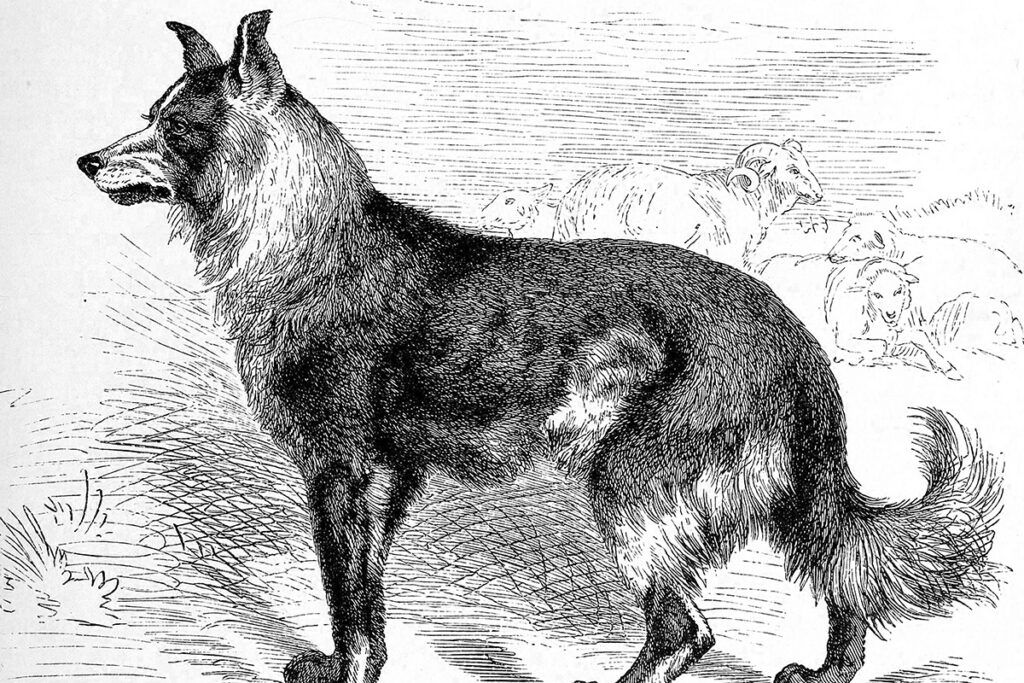
The German shepherd of a century ago was a lean, upright, athletic working dog, built for endurance across rough terrain. But over the last hundred years, it has evolved into a larger, more barrel-chested creature.
Many modern German shepherds also have one very significant difference when compared to their ancestors: a distinctive sloping back, with the hindquarters sitting noticeably lower than the shoulders. This trait doesn’t seem to provide any benefits over a straight back and was seemingly selected for purely aesthetic reasons, such as for dog shows.
The trend has caused concern among vets and dog lovers alike, as the excessive downward back slope places unnecessary stress on the hips and spine. The breed is now among those most prone to developing hip dysplasia.
More Interesting Reads


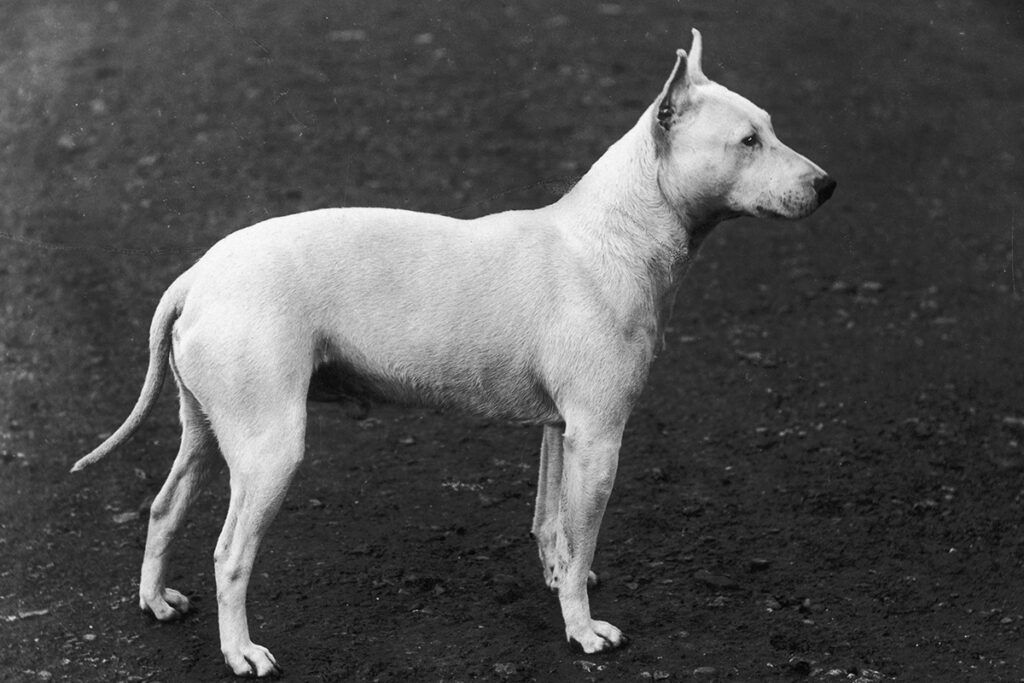
Bull Terriers
The bull terrier’s most famous feature — its distinctive egg-shaped head — is largely the result of human intervention. Originally a mix of bulldog and terrier, the bull terrier of the 19th century had a clear separation between its snout and forehead. Then breeders began molding its profile into a smooth arc from nose to skull, without hollows or indentations, creating the breed’s football-shaped head and triangular eyes, a purely aesthetic choice developed to achieve a visually unique breed.
This selective breeding has led to health issues among bull terriers, including problems with the teeth and jaws, as a direct result of reshaping their craniums. The breed also has unusually high rates of deafness — about 20% of pure white bull terriers suffer from hereditary deafness. This wasn’t caused by the skull shape, though, but rather by the selective breeding to achieve a white coat, the genes for which disrupted the pigment cells the inner ear needs to properly develop.
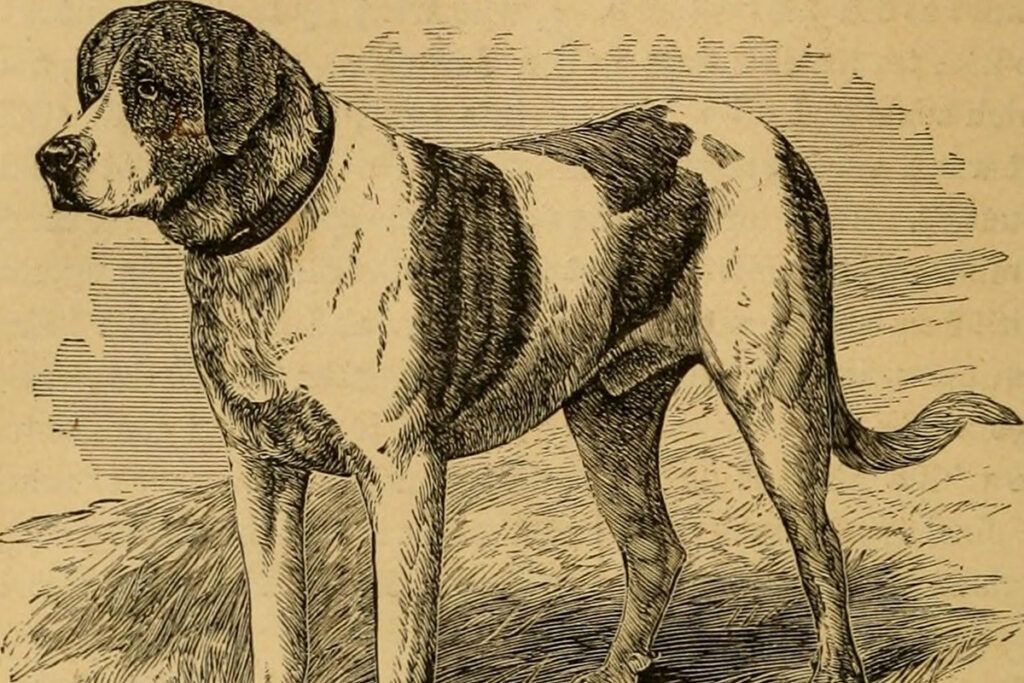
Saint Bernards
The Saint Bernard was originally bred during the 16th and 17th centuries as a guard dog, and then as a mountain rescue dog, by monks at the hospice of the Great St. Bernard Pass on the Italian-Swiss border. Over a period of almost two centuries, these gentle giants — well adapted to the snow and freezing temperatures of the Alps — saved some 2,000 lives.
The dogs used their keen sense of smell to locate people buried under the snow, physically warmed hypothermic survivors by lying on them, guided lost travelers through whiteout conditions, or ran back to get help from their human companions. Despite the many ways they did provide life-saving assistance, the classic image of a Saint Bernard carrying a barrel of brandy around its neck to help freezing travelers is, unfortunately, largely a myth.
But back then, the dogs looked significantly different, being smaller in size than their modern descendants, with shorter hair and a noticeably longer tail. During the last 100 or so years, they’ve been bred to have a cuddlier appearance, with longer hair, a deeper muzzle, a slightly droopier face, and an even more massive head.

Tony is an English writer of nonfiction and fiction living on the edge of the Amazon jungle.
top picks from the Inbox Studio network
Interesting Facts is part of Inbox Studio, an email-first media company. *Indicates a third-party property.