
Original photo by © Krish Parmar/Unsplash.com
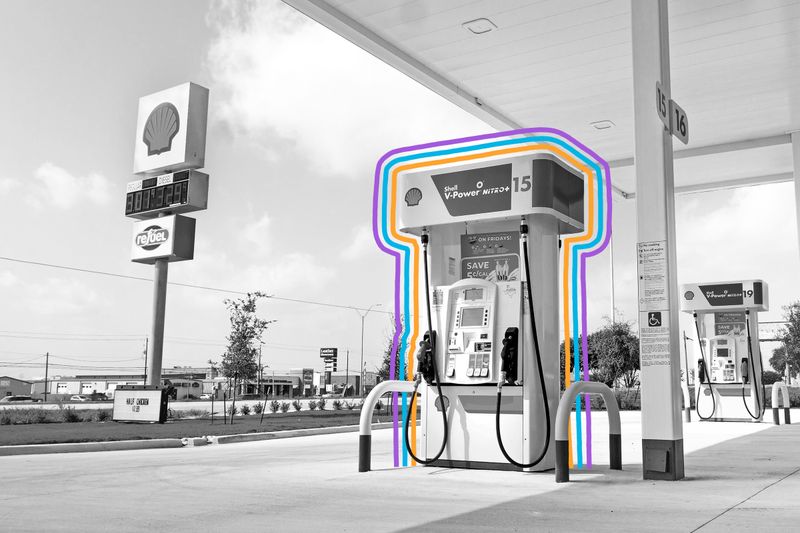
Filling up your gas tank may feel like second nature, but have you ever stopped to wonder how gas stations actually set their prices? It’s just one of many fascinating behind-the-scenes details about these petrol providers.
You may also be surprised to learn that these businesses don’t make the majority of their profit from gasoline, or where you can find America’s giant gas stations with more than 100 pumps. Here are five facts about gas stations that will fuel your thirst for knowledge.
Four Factors Largely Determine the Cost of Gasoline
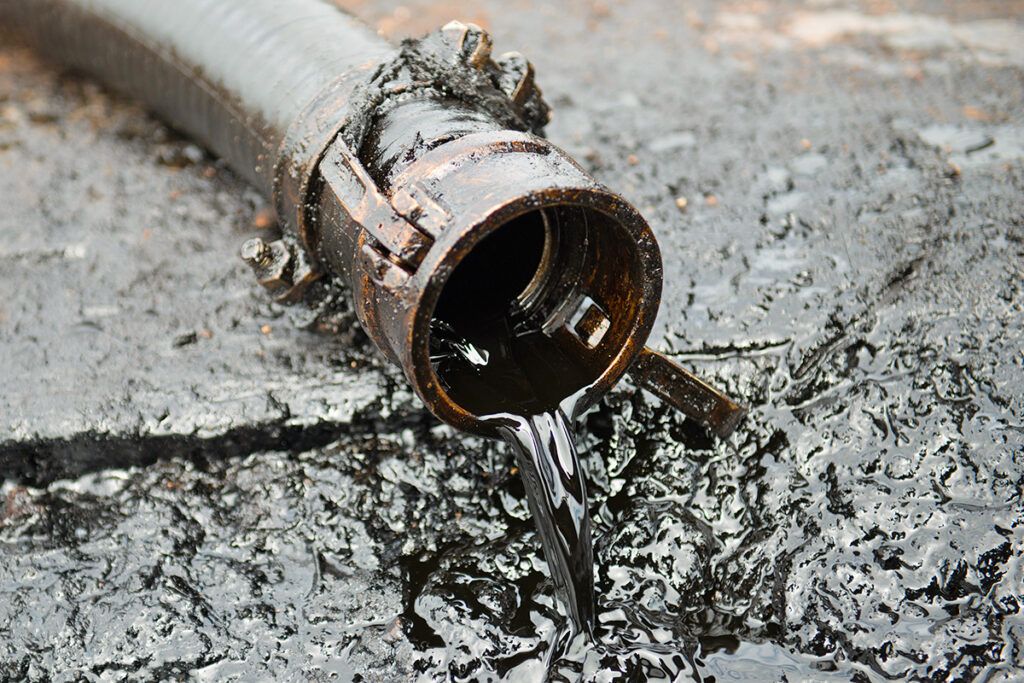
According to the U.S. Energy Information Administration, the price of retail gasoline is determined by a combination of four factors: the price of crude oil, taxes, refining costs and profits, and distribution and marketing costs. Crude oil makes up more than half the cost of regular gasoline; in January 2026, it accounted for 51%, with refining costs making up 20%, taxes 18%, and distribution and marketing costs 11%. The total cost of diesel, on the other hand, was 41% crude oil, 24% distribution and marketing costs, 18% refining costs, and 17% taxes.
Each of those four factors is impacted by additional subfactors. According to the American Petroleum Institute, the price of crude oil can be affected by global supply and demand, geopolitical developments, available inventories, and transportation costs, just to name a few. Then there are taxes, which combine the federal gasoline tax of 18.4 cents per gallon with local gasoline taxes (adding as little as $0.0895 per gallon in Alaska up to $0.7092 in California).
Refining costs are affected by operational costs at gasoline refineries, while distribution and marketing costs take into account the cost of transport, delivery, plus the overhead costs of running a gas station. Based on those ever-changing parameters, gas stations typically adjust their gas prices several times per week.
The World’s Largest Gas Stations Contain 120 Pumps
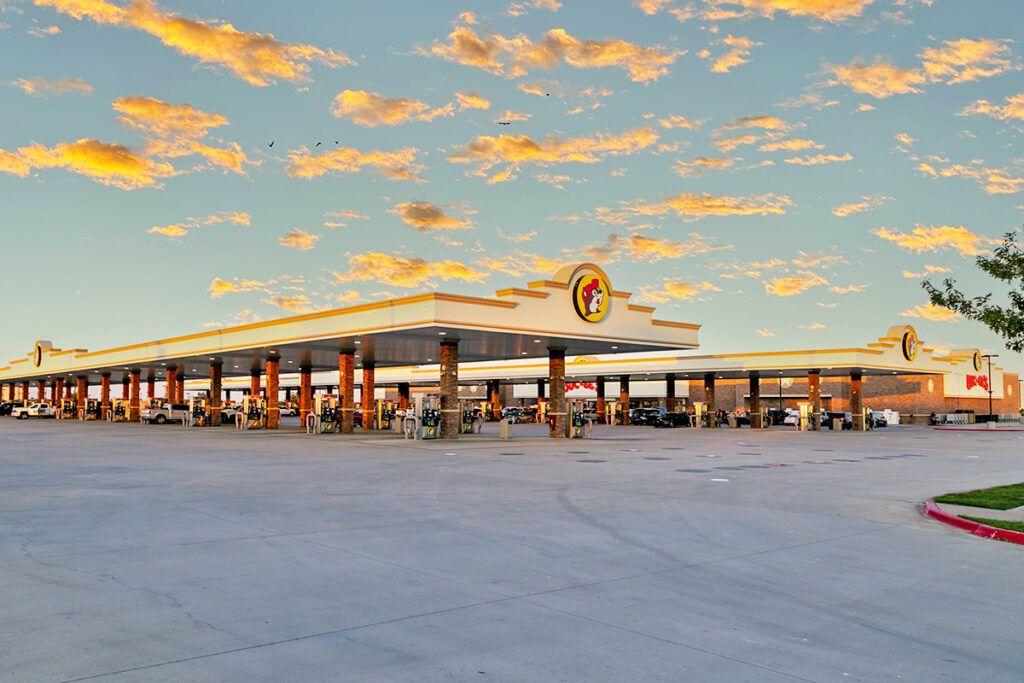
Buc-ee’s is a popular Texas-based U.S. gas station and convenience store chain that’s renowned for its pristine bathrooms, mouthwatering brisket, and seemingly endless line of gas pumps. Two Buc-ee’s franchises currently hold the record for the most gas pumps at 120. One is in Luling, Texas, where the 120 pumps are accompanied by a 75,593-square-foot retail space. The other location with 120 fueling slots is located in Sevierville, Tennessee.
Two other planned locations will soon be co-record holders: One opens in June 2026 in Goodyear, Arizona, while another location with 120 gas pumps is planned to open in Oak Creek, Wisconsin in early 2027.
Most U.S. Gas Stations Make Less Than Half Their Profit From Gasoline
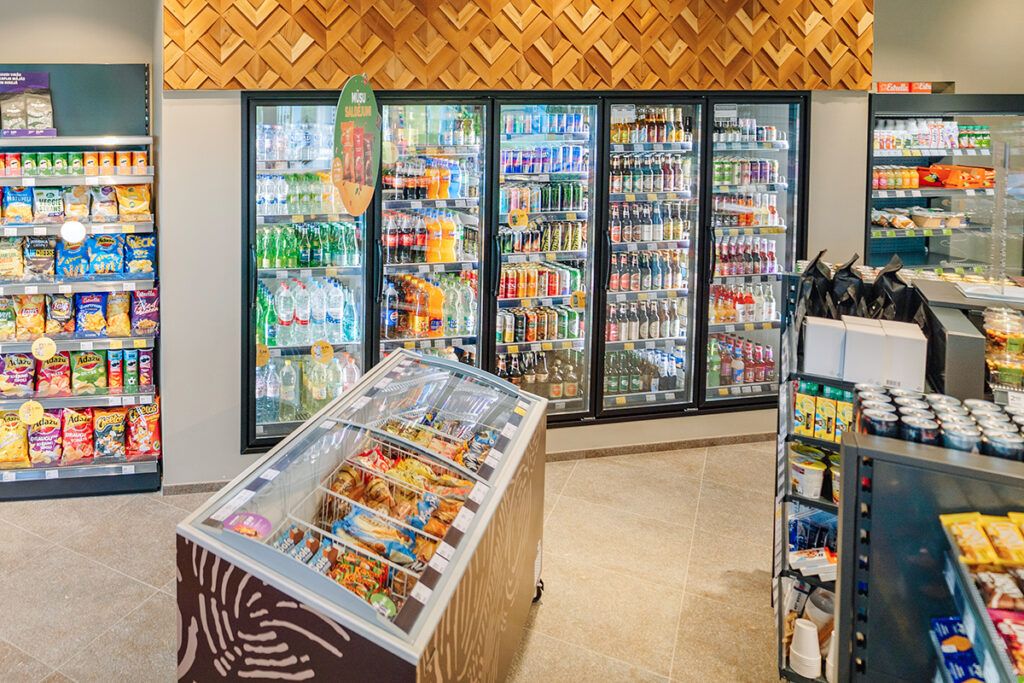
An estimated 80% of retail gasoline in the U.S. is sold at gas stations that also include a convenience store. And the sales from those stores actually make up most of the profits. While fuel sales account for 65% of the total sales at retail gas stations, the owners turn a profit of only $0.03 to $0.07 off each gallon of gas they sell. Those thin margins mean fuel sales account for just 38.8% of a gas station’s actual profit, according to a 2025 study from the National Association of Convenience Stores.
The study found that 38.9% of a gas station/convenience store business’ sales comes from food and drink sales, but with much higher profit margins. More than 73% of those sales are from prepared foods such as pizza, wraps, and sandwiches. That’s followed by packaged beverages, then snacks such as beef jerky and nuts, and finally sales from tobacco, merchandise, ATM fees, lottery tickets, and other common gas station purchases.
More Interesting Reads


KFC Started in a Gas Station
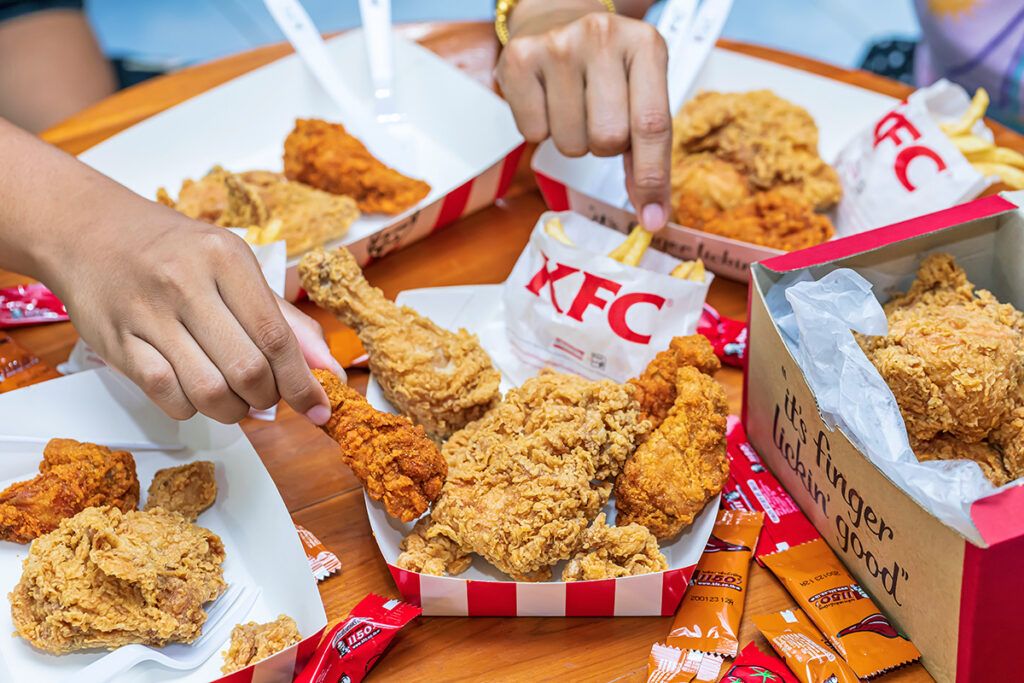
Though it’s become a global fast food juggernaut with more than 30,000 locations, Kentucky Fried Chicken started as a humble one-man operation out of a Kentucky gas station. In 1930, Harland Sanders — aka Colonel Sanders — was brought in to run a Shell gas station located on U.S. Route 25 near a place called North Corbin. But Sanders didn’t just sell gasoline; he also began whipping up fried chicken for hungry drivers.
The Colonel converted a storeroom into a dining area capable of seating six people and started selling meals such as steak, country ham, and his ultra-popular fried chicken. In 1937, the service station was converted into Sanders Café, which burned down in 1939, though it was later rebuilt as a restaurant and motel complex in 1940.
Sanders remained there until 1956, when he left the business to begin franchising KFC locations. The original locational was added to the National Register of Historic Places in 1990 and has since been repurposed into the Sanders Café and Museum. Vintage gas pumps on site pay homage to KFC’s roots, though the pumps themselves are no longer operational.
It’s Illegal To Pump Your Own Gas in New Jersey
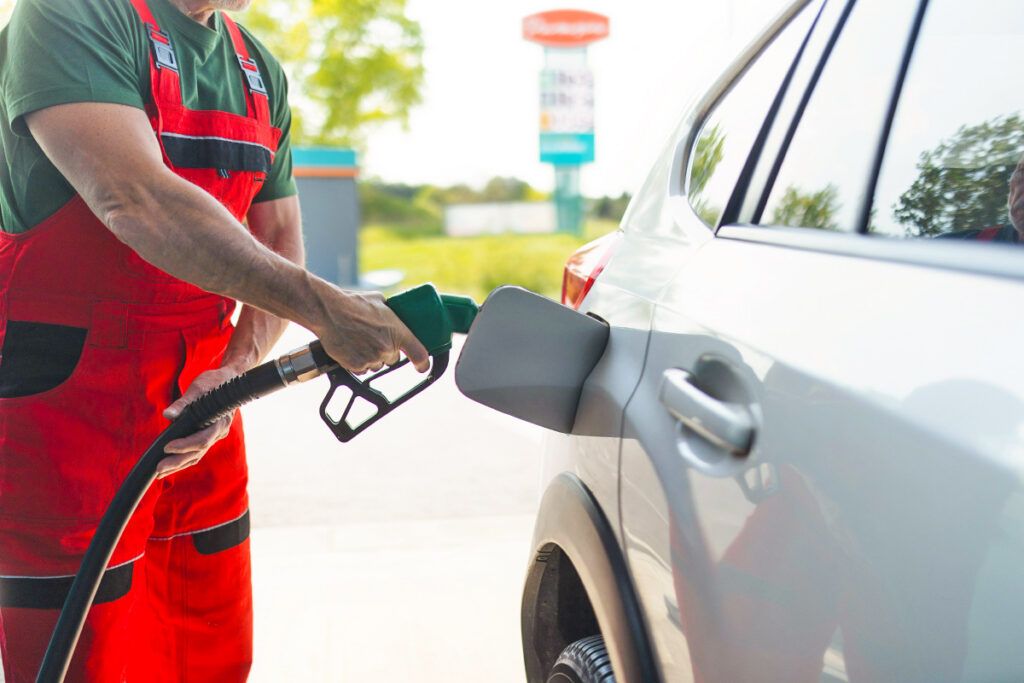
In 1968, it was illegal to pump your own gas in 23 states, as doing so was considered a fire hazard. But almost all those self-service bans were repealed, with Oregon being the most recent state to do so in August 2023. This leaves just one state that bans pumping your own gasoline to this day: New Jersey.
If you’re looking to fill up in the Garden State, you have no choice but to let attendants pump your gasoline. The reason for this can be found in the Retail Gasoline Dispensing Safety Act of 1949, which states, “Because of the fire hazards associated with dispensing fuel, it is in the public interest that gasoline station operators have the control needed over that activity to ensure compliance with appropriate safety procedures.”
New Jersey gas stations that allow customers to pump their gas are fined $250 for their first offense and up to $500 for each subsequent offense.

Bennett Kleinman is a New York City-based staff writer for Inbox Studio, and previously contributed to television programs such as "Late Show With David Letterman" and "Impractical Jokers." Bennett is also a devoted New York Yankees and New Jersey Devils fan, and thinks plain seltzer is the best drink ever invented.
top picks from the Inbox Studio network
Interesting Facts is part of Inbox Studio, an email-first media company. *Indicates a third-party property.