

Original photo by © Optical Chemist/Pexels.com
For humans, death is an inescapable fact of life — but in the rest of the animal kingdom, mortality isn’t always as inevitable as it is for us. While it’s true that all living things eventually die one way or another, nature has produced a handful of creatures that have a very different (and very lengthy) relationship with aging, living so long as to seem nearly immortal.
The word “immortal,” of course, comes with a caveat here. No known animal is truly indestructible, and all creatures can fall prey to disease, predators, or simply bad luck. But a handful of creatures have essentially found a way around dying from old age alone. Here’s a look at some of the longest-living animals on Earth and how they achieve such incredible staying power.
Immortal Jellyfish
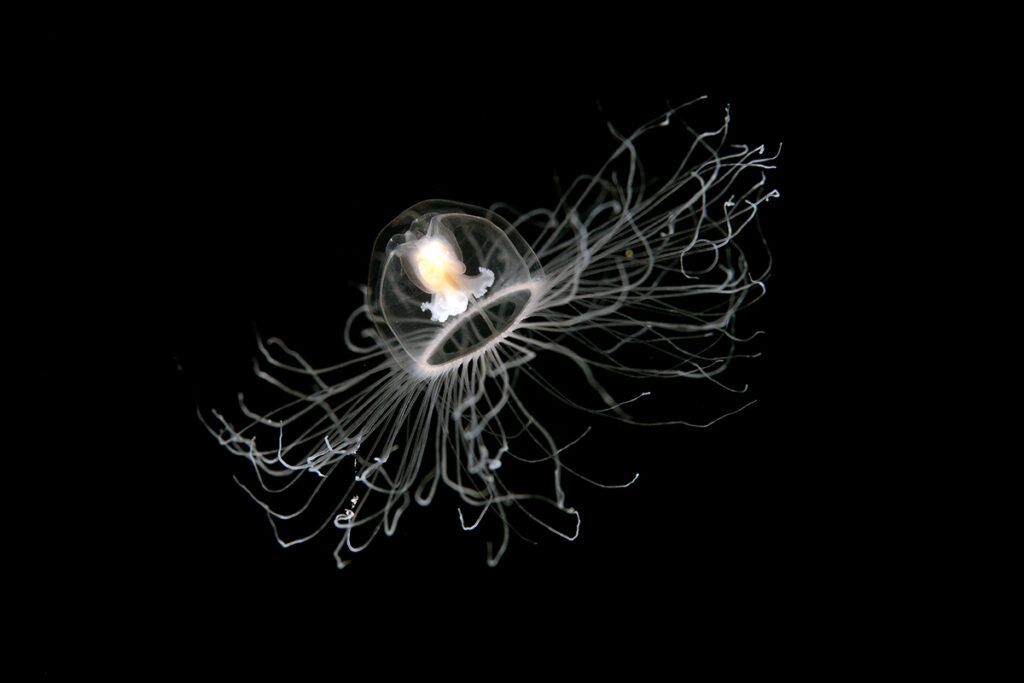
The appropriately named immortal jellyfish (Turritopsis dohrnii) is a tiny creature — about the size of a nail on a human’s little finger — that’s theoretically capable of living forever. When it “dies” — through environmental stress, predation, or sickness — the immortal jellyfish sinks to the ocean floor and begins to decay. This would spell the end for most other forms of life, but at that point the immortal jellyfish begins to regenerate its cells. It doesn’t become a new adult jellyfish (known as a medusa), but rather it reverts to an earlier stage of life called the polyp stage.
The jellyfish basically reprograms its own cells, rewinding the biological clock to the very beginning of its life cycle. The “reincarnated” polyp then produces new medusae that are genetically identical to the previous adult jellyfish. The process, known as transdifferentiation, is incredibly rare — and can, in theory, repeat indefinitely.
Planarian Flatworms
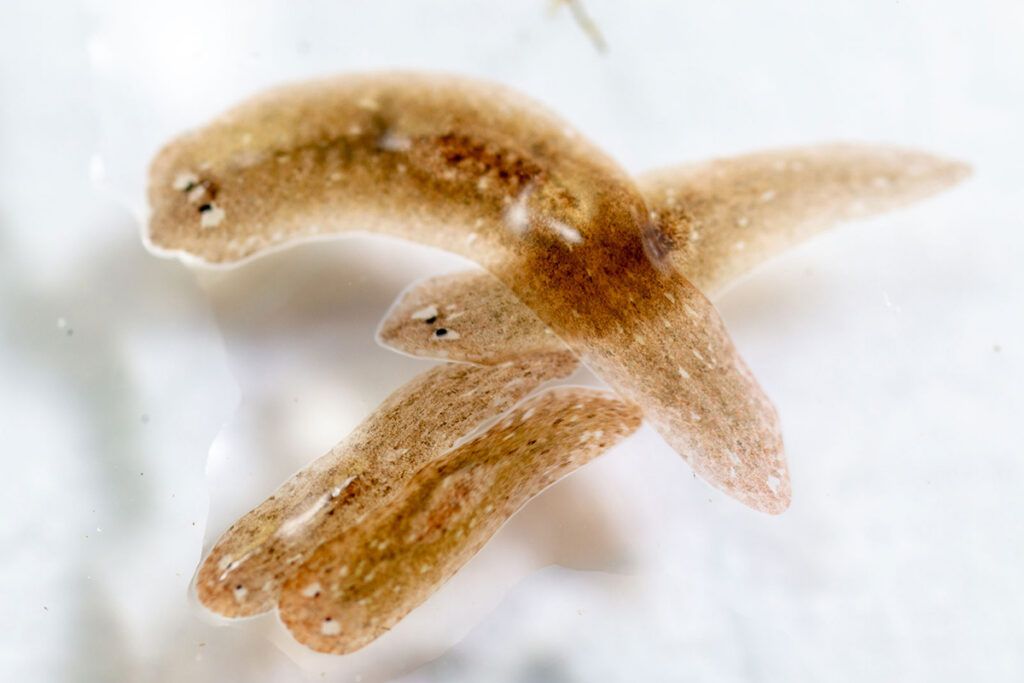
Planarian flatworms are another fairly unspectacular-looking creature whose otherwise primitive nature conceals an amazing ability to regenerate. These flatworms come in a variety of shapes and sizes and are found almost everywhere on Earth, including in freshwater, seawater, and on land.
Planarians are packed full of special stem cells called neoblasts, which can transform into almost any other type of cell in the body. So if a planarian is cut into pieces, even tiny fragments — as small as just 1/200th of the original organism — can regrow everything it needs to survive, including a new head and a working nervous system.
Hydras
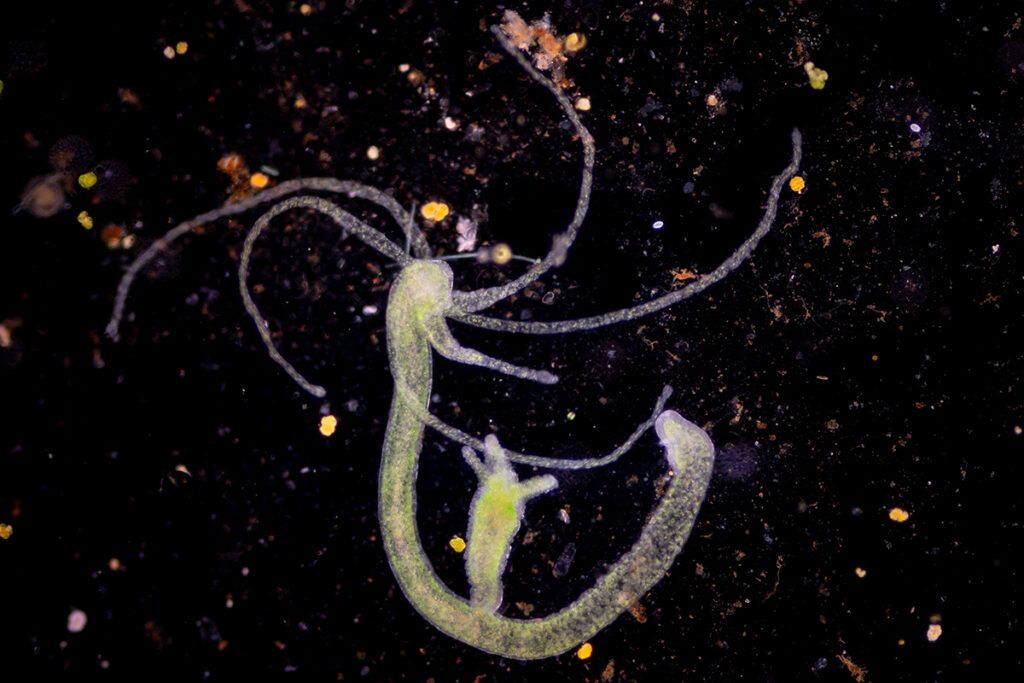
Not to be confused with the many-headed serpent from Greek mythology, Hydras are minuscule freshwater creatures related to sea anemones and jellyfish. They look like tiny tubes with a mouth and tentacles at one end — not exactly something you’d be particularly amazed by if you saw it in a pond. But Hydras are incredible little creatures, especially when it comes to their mortality.
Hydras’ stem cells are in a continuous state of renewal, so the creature shows no signs of aging. When kept safe and in isolation (e.g., away from predators, adverse weather extremes, and disease), they can theoretically regenerate endlessly by continuously replacing their own bodily tissues. Hence the name “Hydra,” which references the mythological creature that could regenerate its own head when one was cut off.
More Interesting Reads


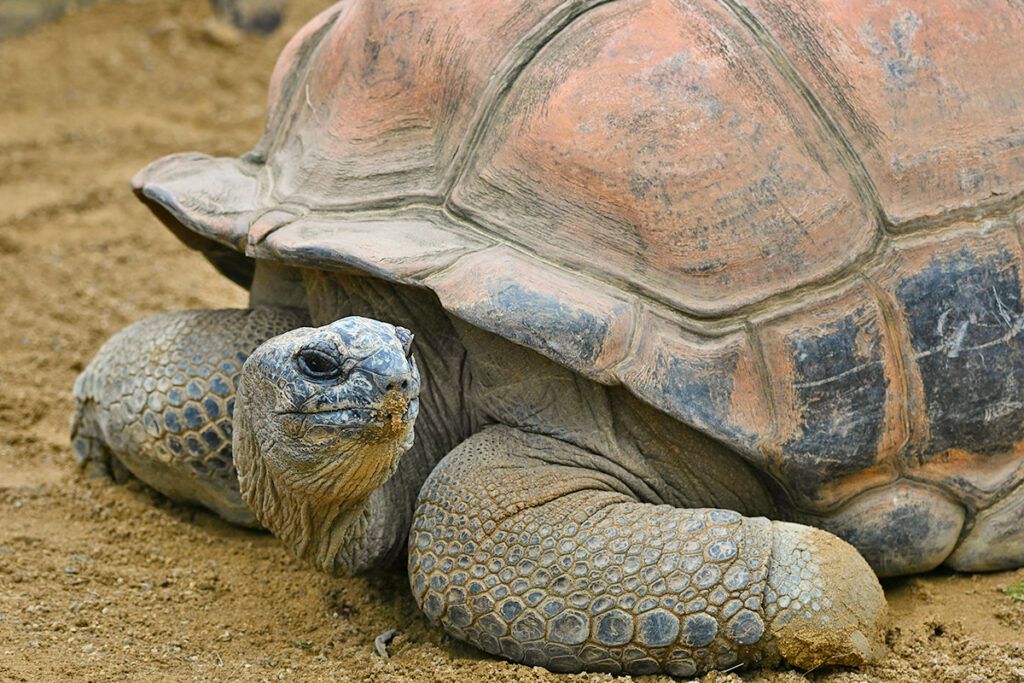
Turtles and Tortoises
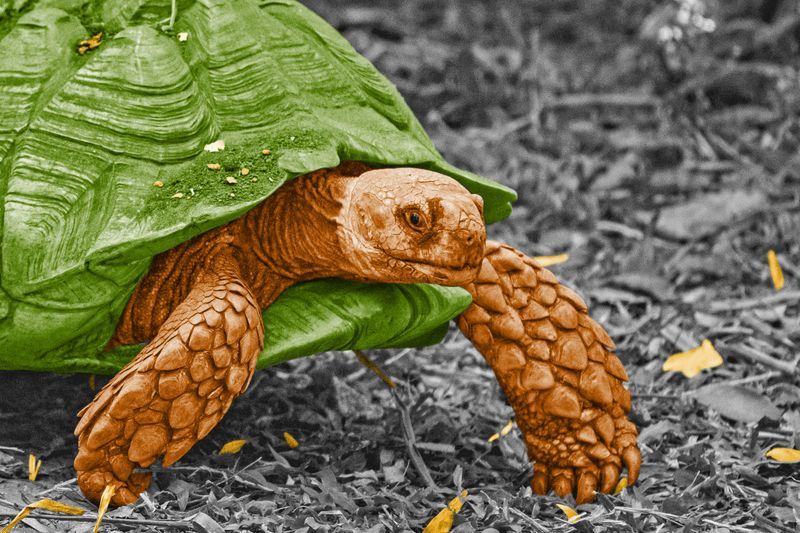
While not biologically immortal, many species of turtles and tortoises show little evidence of age-related decline. Unlike many animals, their risk of dying isn’t related to their age and doesn’t increase year to year.
Environment is a major factor in the lifespan of these creatures. In captivity, away from the risks of living in the wild, tortoises in particular age at a glacially slow pace. The world’s oldest known tortoise, Jonathan, is estimated to have hatched in 1832 and was still alive as of 2026.
One of the key factors in this impressive longevity is taking things slowly: Generally speaking, longevity increases as metabolic rate drops. Recent research also suggests that tortoises and turtles may have gene variants that grant enhanced immune response, DNA repair, and cancer suppression —all of which can add up to a very long life.
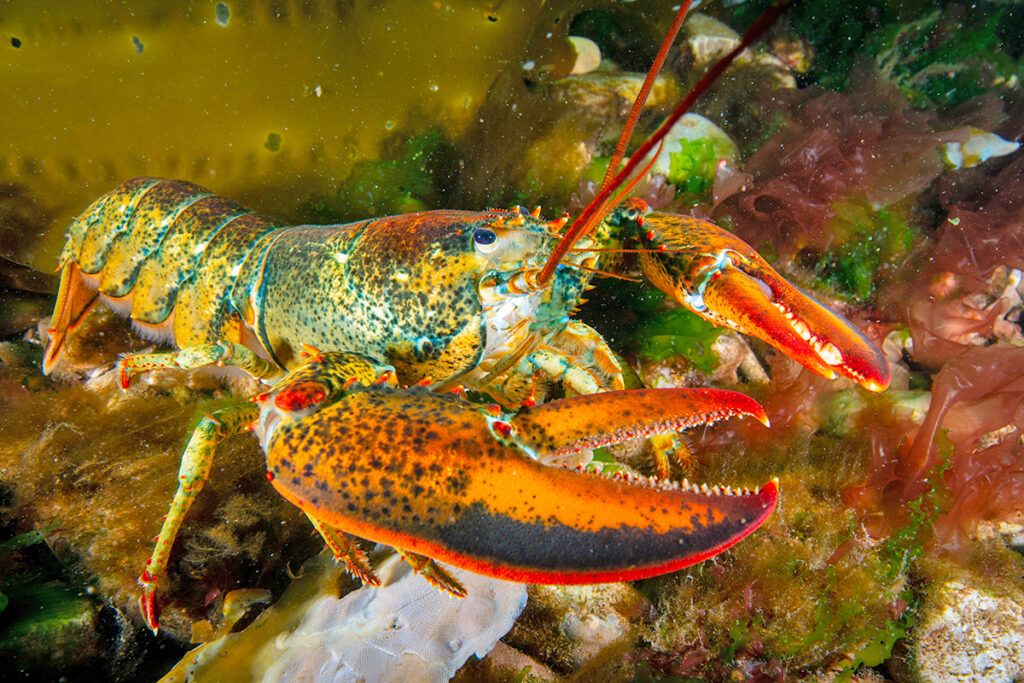
Lobsters
Lobsters are also not biologically immortal, but they do occupy a fascinating middle ground in the longevity debate. Research suggests that lobsters don’t weaken, slow down, or even lose fertility as they age. They also have indeterminate growth, meaning they have no terminal size and thus continue growing throughout their lives.
These animals show none of the typical signs of senescence (the gradual deterioration of functional characteristics in most living organisms) and can even regenerate limbs if they lose them, thanks to an enzyme called telomerase. Humans and other animals also produce telomerase, but lobsters have an infinite supply throughout their cells, which is basically an onboard cellular fountain of youth.
But there is a catch: As they get older and continually bigger, lobsters are significantly more likely to die from exhaustion during molting — the process in which they replace their shells due to their ever-increasing size. So, rather than shuffling off this mortal coil through aging, many lobsters eventually succumb to the energy demands of being too big.

Tony is an English writer of nonfiction and fiction living on the edge of the Amazon jungle.
top picks from the Inbox Studio network
Interesting Facts is part of Inbox Studio, an email-first media company. *Indicates a third-party property.