

Original photo by © spyrakotstock.adobe.com
The human body is amazing in its resilience and complexity — and sometimes it’s just amazingly gross.
The body can heal cuts, fight off infections, build memories, and keep your heart beating every second of every day without you having to think about it. It’s basically a miracle of biology and chemistry, one that we still don’t completely understand.
But for all its brilliance, the body can also be… kind of disgusting. It leaks, sheds, smells, and produces all kinds of substances you’d rather not think too hard about. But most of the “gross” things your body does are actually protective and surprisingly useful.
Here are answers to eight body mysteries you were too afraid to ask about.
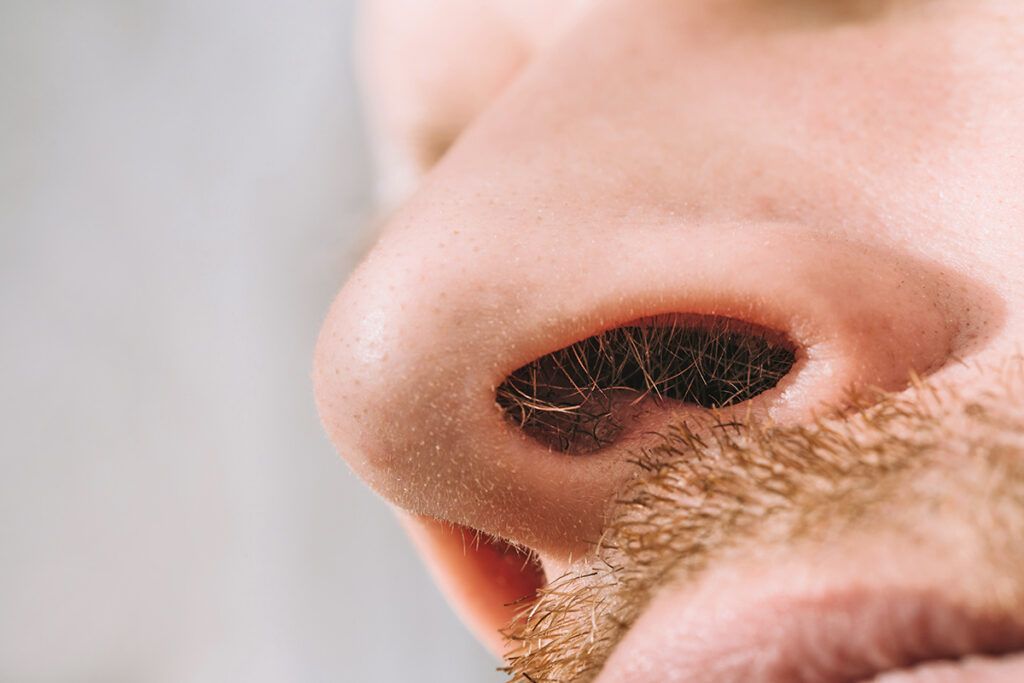
Why Do You Grow Hair in Weird Places as You Get Older?
One of aging’s rudest surprises is the random hair that shows up where it never used to be: ears, nose, chin, toes, knuckles — you name it. This mostly comes down to hormones, especially androgens such as testosterone, which both men and women have. As hormone balances shift with age, some hair follicles become more sensitive, causing fine, barely visible hairs to turn darker, thicker, and longer.
At the same time, the hair on your head may thin because scalp follicles respond differently to those same hormones. So yes, the same biology that gives you less hair where you want it can give you more where you absolutely don’t. It’s annoying, but it’s also a totally normal sign that your follicles are responding to lifelong hormonal changes.
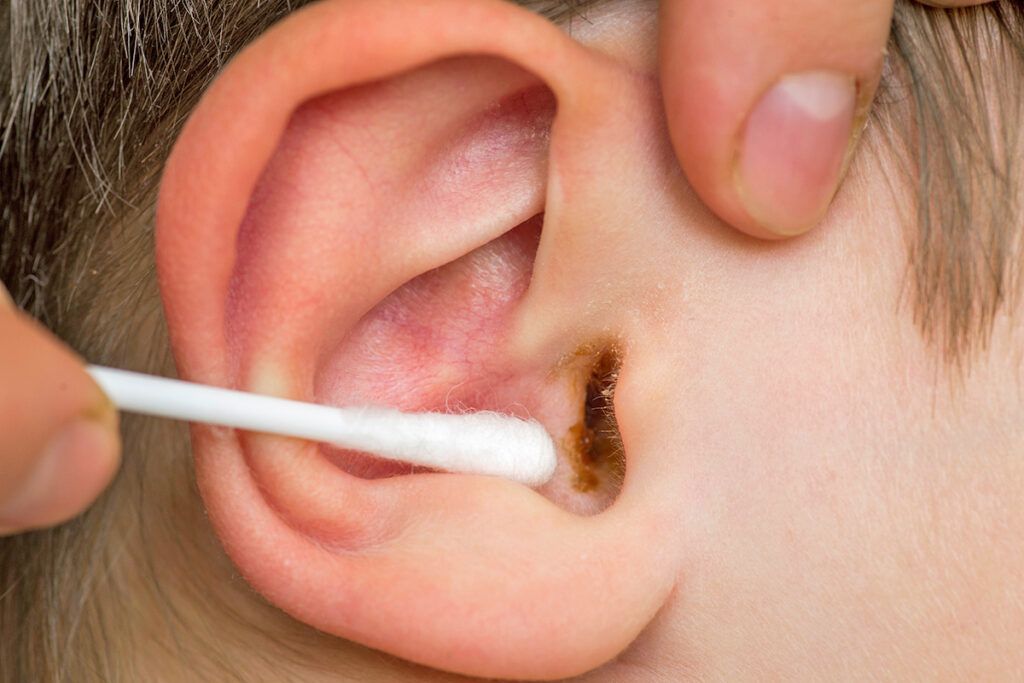
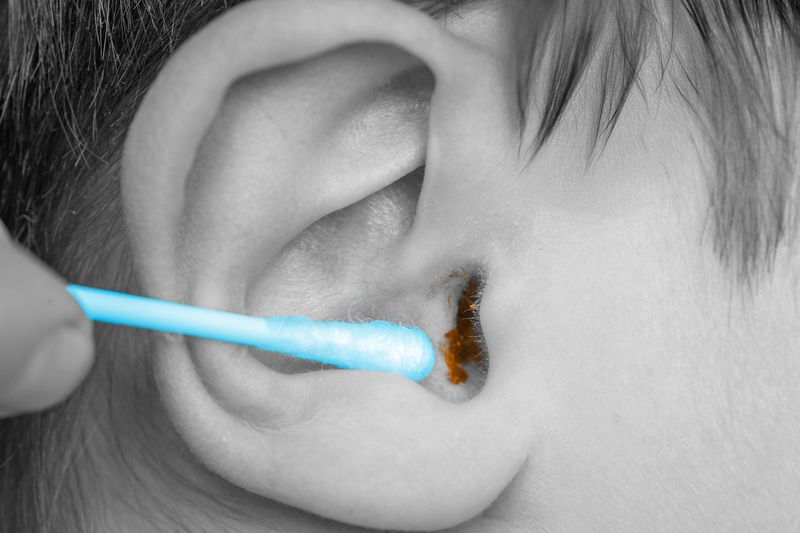
What Is the Purpose of Earwax?
Earwax, also known as cerumen, seems gross until you realize it’s basically your ear’s built-in cleaning and security system. It traps dust, dead skin, hair, and tiny particles before they can travel deeper into the ear canal and damage the eardrum. It also helps keep the skin inside your ears moisturized so it doesn’t dry out, crack, or itch.
Earwax is produced by two types of glands in the outer ear canal: Ceruminous glands secrete antimicrobial proteins that protect against germs, while sebaceous glands release oily substances (sebum) that help soften and waterproof the ear canal. Together, they create cerumen, a substance that works to clean and protect your ears.

Why Do Farts Smell So Bad?
The good news is that most body gas is actually odorless. The smell that follows a small percentage of flatulence comes from trace gases produced when gut bacteria break down certain foods — especially sulfur-rich ones such as eggs, broccoli, onions, beans, and meat. Those bacteria release compounds such as hydrogen sulfide, which is the same gas responsible for the smell of rotten eggs.
The reason some of your gas smells worse than others often comes down to what you ate, how fast your food moved through your digestive tract, and the specific mix of microbes living in your gut. A smellier fart doesn’t necessarily mean something’s wrong — it often just means your microbiome had a feast.
More Interesting Reads


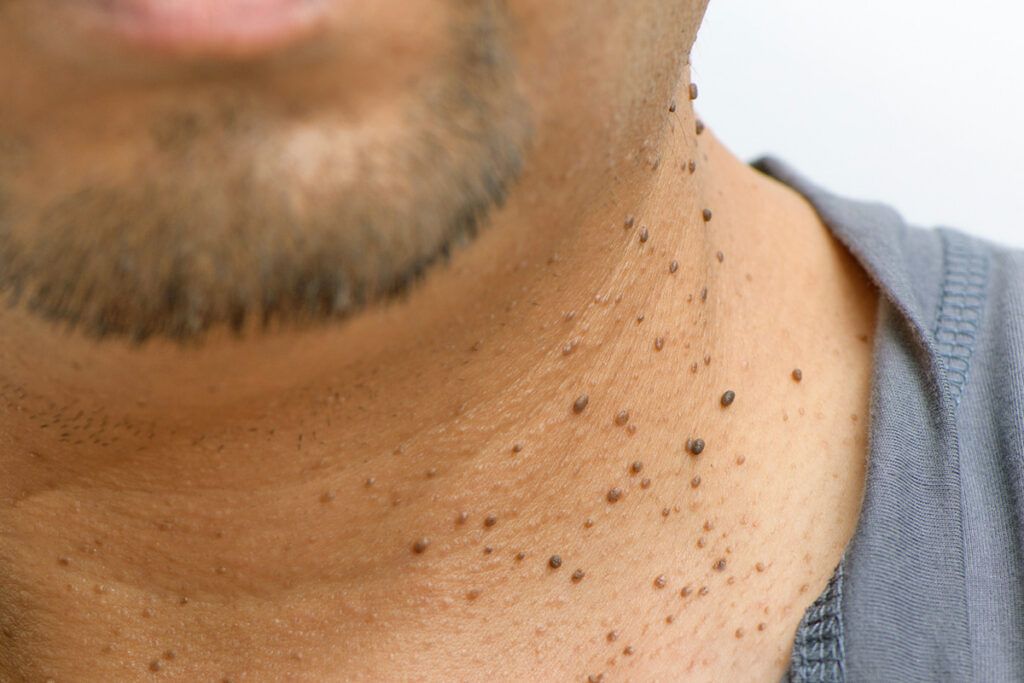
What Are Skin Tags?
Skin tags, also called acrochordons, are small, benign outgrowths of skin that typically arise in areas of friction such as neck creases, underarms, and the groin. They’re made up of loose collagen fibers and blood vessels surrounded by an outer layer of epidermis. Their formation is associated with mechanical irritation, genetic predisposition, metabolic factors, and increasing age.
Though the cause isn’t fully understood, it’s believed that skin tags result from the localized overgrowth of skin in response to chronic friction and microtrauma. Insulin resistance and hormonal factors have also been suggested. Despite their sometimes conspicuous appearance, skin tags have no malignant potential in the vast majority of cases.
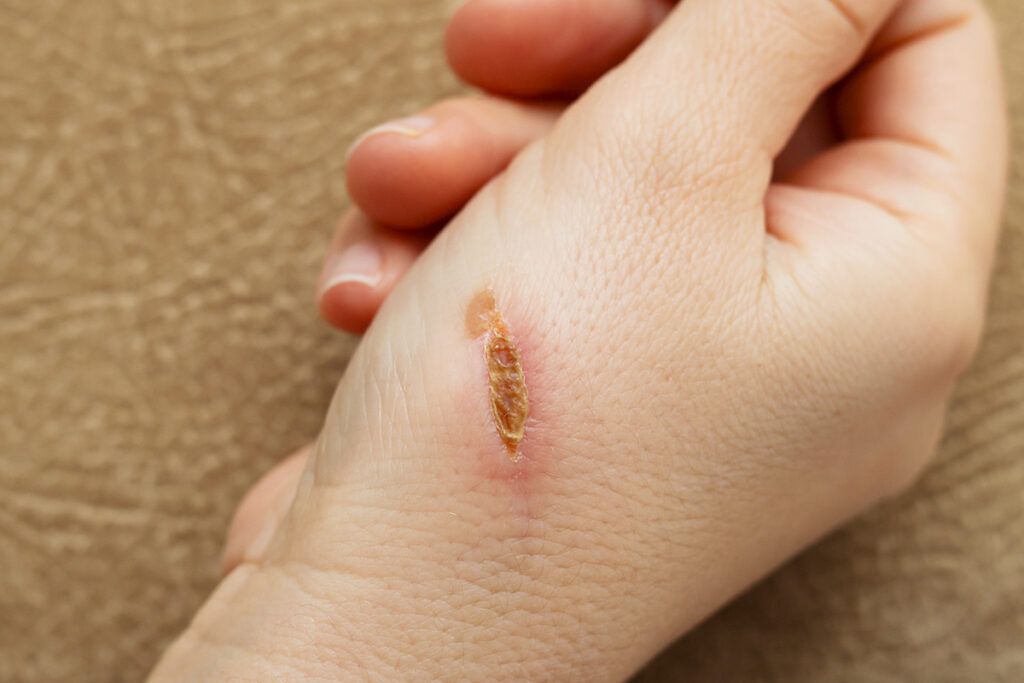
Why Do Scabs Form?
When skin breaks, platelets rush to the area and form a clot to stop bleeding. That clot dries into the crusty layer you see as a scab, acting as your body’s emergency bandage. It protects the wound underneath from bacteria, friction, and further injury while the skin begins to repair itself.
Underneath that hard, crusty layer, your skin rebuilds itself with new collagen and fresh cells. As the wound heals, the scab will gradually lighten and naturally fall off when it’s ready. White scabs are usually due to moisture, but yellow or greenish scabs could signal infection.
And yes, your parents were right — you shouldn’t pick at scabs, no matter how tempting it may be. Pulling them off too early can reopen the wound, slow healing, and increase the risk of infection or scarring.
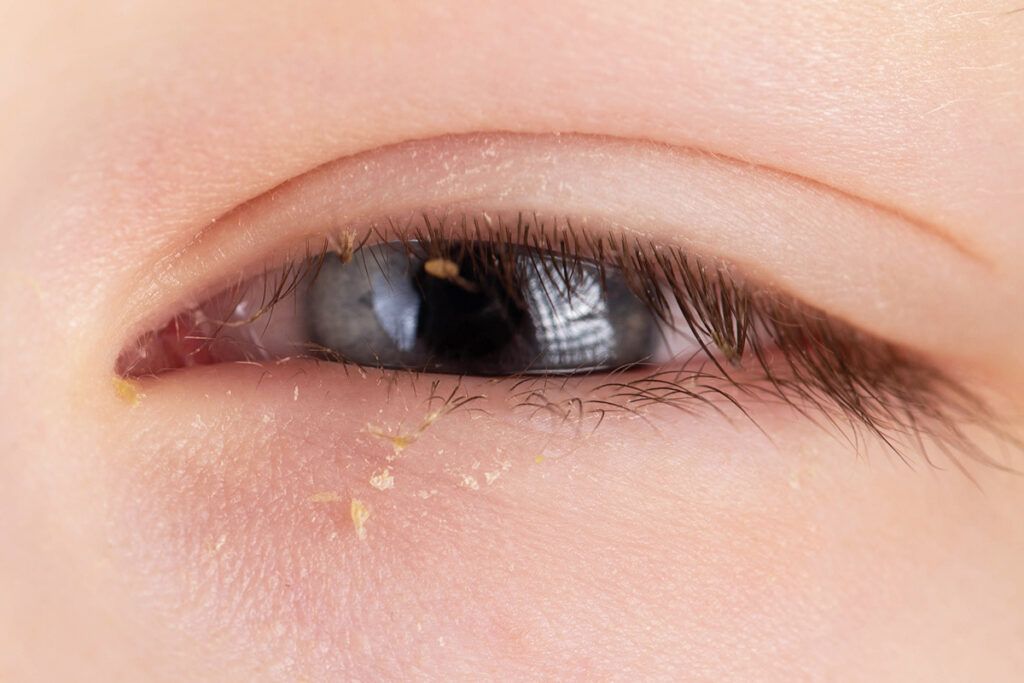
Why Is There Gunk in Your Eyes When You Wake Up?
Known as rheum, that crusty eye gunk in the morning is mostly a mix of mucus, oils, dead skin cells, and dust that your eyes cleared out while you slept. During the day, blinking constantly spreads tears across your eyes and washes debris into the tear ducts. At night, because your eyes stay closed, that material can collect in the corners instead of being continuously flushed away.
Your tear film is made of more than just water; it also includes oils and mucus that keep your eyes smooth and protected. Overnight, a small amount of that mixture can dry and thicken into a crust, which is usually normal. It can become a concern, though, if the discharge is excessive, thick, yellow or green, causes your eyelids to stick shut, or is paired with redness, pain, swelling, or vision changes, as those can be signs of infection, allergies, or another underlying issue.
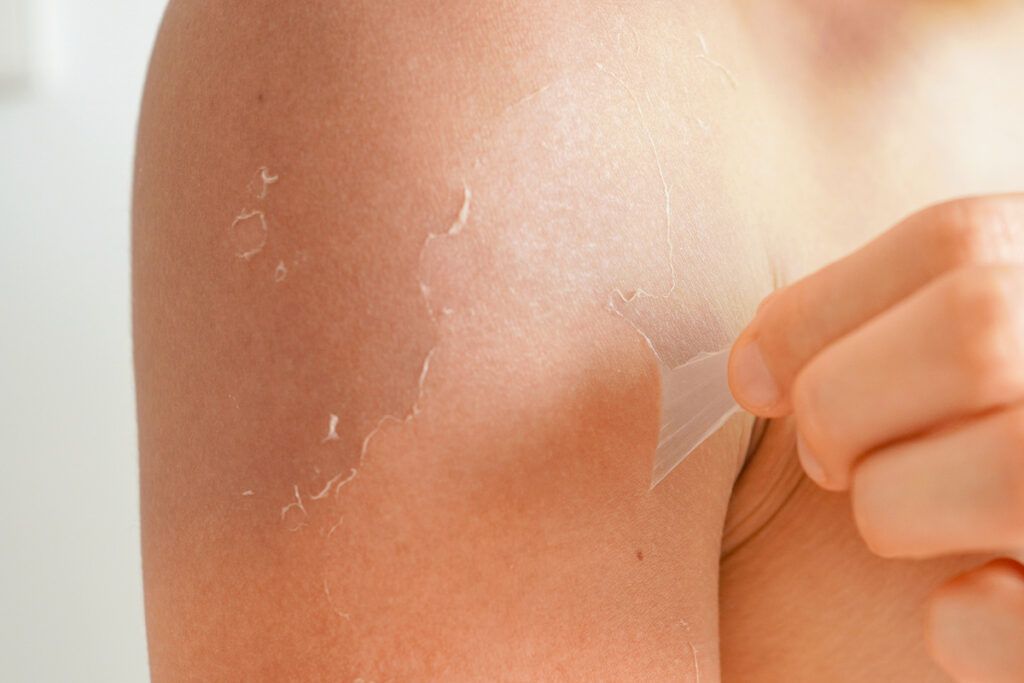
Why Does Your Skin Peel After a Sunburn?
Skin peeling after a sunburn happens because the top layer of your skin has been damaged by too much sun, especially ultraviolet (UV) rays. When skin cells are hurt beyond repair, your body gets rid of them on purpose. That’s why the affected skin may feel tight and dry, and eventually starts to peel. The peeling itself isn’t dangerous — it’s a normal part of healing — but it is a sign your skin has been significantly damaged.
Peeling begins once enough of those damaged cells have been shed, causing the outer layer of skin to loosen and flake off. At the same time, your body is busy making new skin cells underneath to replace what was lost. While your skin can recover, repeated sunburns increase the risk of long-term damage, including premature aging and skin cancer, so protecting your skin from too much sun is important.
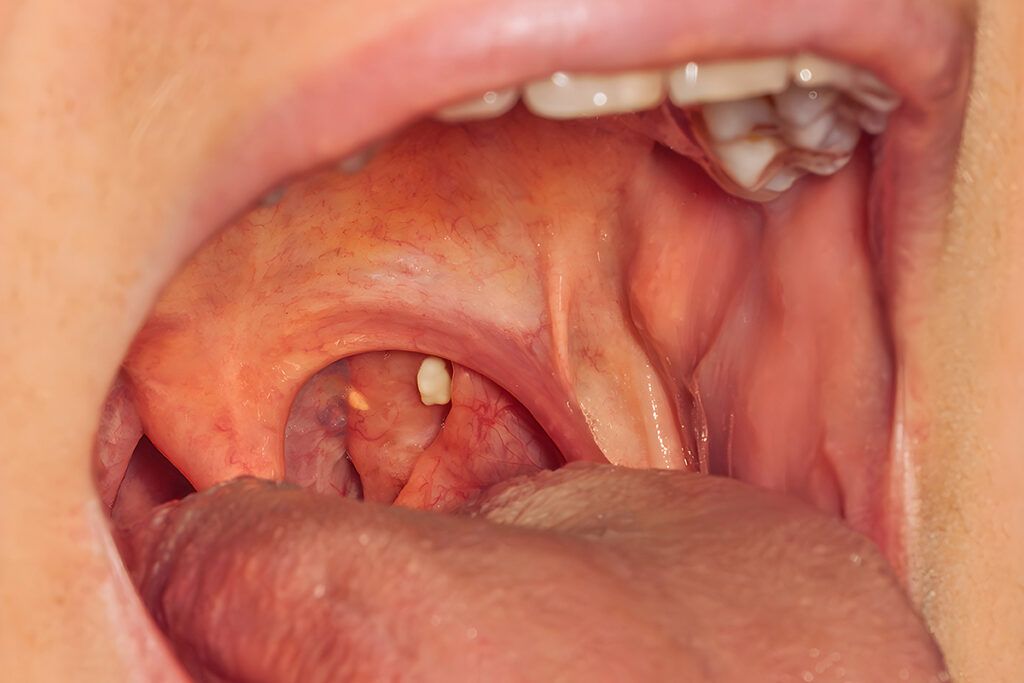
What Are Those Tiny Stones in Your Mouth?
Tonsil stones, or tonsilloliths, form in the small folds and pockets of your tonsils, which are part of your immune system. Those little crevices can collect bits of food, dead cells, and bacteria over time. Eventually, that material can harden and clump together — mostly because of calcium — forming the small, pale “stones” you may notice.
The strong smell often linked to tonsil stones comes from bacteria that thrive in low-oxygen environments. As bacteria break down the trapped debris, they release sulfur compounds that can cause bad breath. While tonsil stones can be annoying, they’re usually harmless and more about how your tonsils are shaped than a sign of anything serious.

Kristina is a coffee-fueled writer living happily ever after with her family in the suburbs of Richmond, Virginia.
top picks from the Inbox Studio network
Interesting Facts is part of Inbox Studio, an email-first media company. *Indicates a third-party property.