
The very first pencils arrived around the dawn of the 17th century, after graphite (the real name for the mineral that forms a pencil’s “lead”) was discovered in England's Lake District. But the eraser didn’t show up until the 1770s, at the tail end of the Enlightenment. So what filled the roughly 170-year-long gap? Look no further than the bread on your table. Back in the day, artists, scientists, government officials, and anyone else prone to making mistakes would wad up a small piece of bread and moisten it ever so slightly. The resulting ball of dough erased pencil marks on paper almost as well as those pink creations found on the end of No. 2 pencils today.
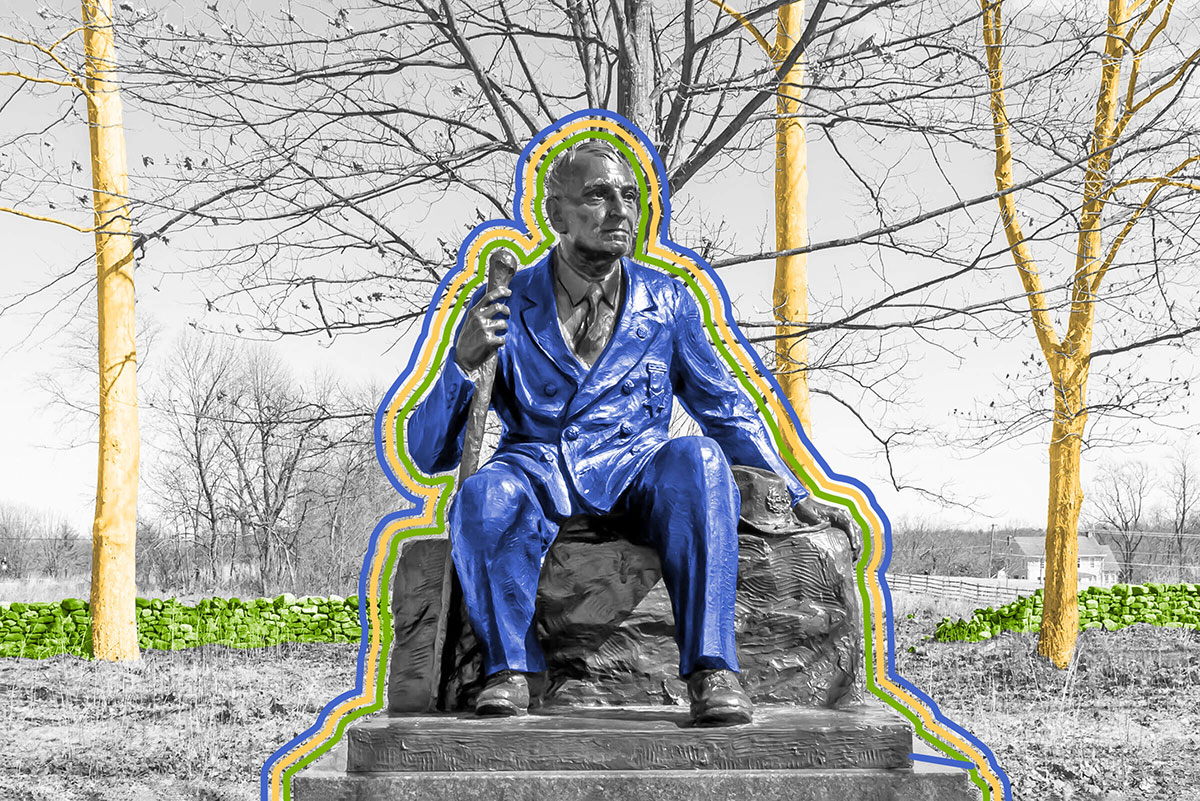
The writer and philosopher Henry David Thoreau invented a popular American pencil.
Known best for literary works such as “Walden,” Henry David Thoreau and his family owned a pencil company where Thoreau mixed clay with graphite to make a variety of pencils, including the first No. 2.
But in 1770, English chemist Joseph Priestly (best known for discovering oxygen) wrote about “a substance excellently adapted to the purpose of wiping from paper the marks of a black lead pencil.” This substance, then known as caoutchouc, was so perfect for “rubbing” out pencil marks that it soon became known simply as “rubber.” Even today, people in the U.K. still refer to erasers as “rubbers.” (The name “lead-eater” never quite caught on.)
The Japanese electronics company Sharp is named after the world’s first mechanical pencil.
Advertisement
Yellow pencils were first marketed as a luxury item.
When someone says “pencil,” a slender, yellow stylus topped with a pink eraser likely comes to mind — evidence that a 120-year-old ad campaign is still hard at work. In 1899, hoping to differentiate its pencils from the rest, a Czech manufacturing company named Hardtmuth Pencil decided to paint its “luxury pencil” yellow. At the time, painted pencils were usually red, purple, or black, since darker colors covered up imperfections. Yet Hardtmuth wanted to advertise its top-of-the-line graphite sourced from Siberia. The company went with yellow because of the color’s long association with royalty in China (Siberia’s next-door neighbor). Soon, other companies followed suit, and the yellow pencil became ubiquitous around the world.

Darren Orf
Writer
Darren Orf lives in Portland, has a cat, and writes about all things science and climate. You can find his previous work at Popular Mechanics, Inverse, Gizmodo, and Paste, among others.
Advertisement
top picks from the Inbox Studio network
Interesting Facts is part of Inbox Studio, an email-first media company. *Indicates a third-party property.
When folks learn that one of cotton candy’s creators cleaned teeth for a living, jaws inevitably drop. Born in 1860, dentist William J. Morrison became president of the Tennessee State Dental Association in 1894. But Morrison was something of a polymath and a dabbler, and his varied interests also included writing children’s books and designing scientific processes: He patented methods for both turning cottonseed oil into a lard substitute and purifying Nashville’s public drinking water. In 1897, Morrison and a fellow Nashvillian — confectioner John C. Wharton — collaborated on an “electric candy machine,” which received a patent within two years. Their device melted sugar into a whirling central chamber and then used air to push the sugar through a screen into a metal bowl, where wisps of the treat accumulated.
Morrison and Wharton debuted their snack, “fairy floss,” at the Louisiana Purchase Exposition of 1904 (better known as the St. Louis World’s Fair). Over the seven-month event, at least 65,000 people purchased a wooden box of the stuff, netting Morrison and Wharton the modern equivalent of more than $500,000. Despite the financial success, Morrison soon returned to dentistry. In the early 1920s, with the original patent expired, another dentist — Josef Lascaux of New Orleans — tried to improve on their rattling, temperamental gadget, but his lone contribution was the name “cotton candy.” Gold Medal Products finally made a more reliable machine by adding a spring-loaded base in 1949, and the Cincinnati-based company remains the top manufacturer of cotton candy machines today.
For more than 50 years, there’s been a desk stocked with candy in the U.S. Senate chamber.
Although actor-turned-politician George Murphy served just a single term in the Senate, he began a toothsome tradition that his Republican successors still maintain. During his fourth year in office, in 1968, the California senator moved to the 80th desk in the Senate chambers: a workspace on the Republican side, in the back row, near the room’s busiest entrance. No food was permitted in the chamber, yet Senator Murphy hid an assortment of candy in his drawers — which he made available to his colleagues. Later holders of the desk have also agreed to keep the “candy desk” stocked. When Senator Mark Kirk of Illinois occupied the digs, he filled its crannies with Chicago-made Tootsie Rolls and Wrigley’s gum. In 2015, his former seat went to Senator Pat Toomey of Pennsylvania, who stocked the desk with the pride of Hershey, Pennsylvania, including chocolate bars, 3 Musketeers, and Rolos. Since 2023, the desk has been occupied by Senator Todd Young of Indiana, who stows Hoosier-made candy such as Red Hots and Kraft caramels in the desk. To avoid ethical concerns, all the candy in the desk is donated. The treats are available to all senators, regardless of political affiliation.
Interesting Facts
Editorial
Interesting Facts writers have been seen in Popular Mechanics, Mental Floss, A+E Networks, and more. They’re fascinated by history, science, food, culture, and the world around them.
Advertisement
top picks from the Inbox Studio network
Interesting Facts is part of Inbox Studio, an email-first media company. *Indicates a third-party property.
There are around 6,500 currently recognized species of mammals, and all but five of them give birth to live young. The five exceptions, known as monotremes, are found exclusively in Australia and New Guinea. The platypus is the best-known of these, while four living species of echidna round out the list: short-beaked, western long-beaked, eastern long-beaked, and Sir David’s. Monotremes live fairly typical mammalian lives once they’ve hatched, including being nursed by their mothers’ milk.
There is exactly one mammal capable of true flight: bats. (They’re considered mammals, not birds, because they have fur and warm blood, among other reasons.) Sugar gliders, flying squirrels, and other adorable species can glide, but they don’t have wings and thus don’t actually fly.
Australia is well known for its biodiversity — more than 80% of its plants and mammals are exclusive to the continent, including such Aussie icons as kangaroos and koalas — whereas New Guinea’s is more of a secret. The Pacific island, whose western half is part of Indonesia and whose eastern half is the independent country of Papua New Guinea, has the most plant diversity of any island in the world. It’s home to at least 13,500 plant species, with researchers estimating that another 4,000 could be discovered in the next half-century. Even more incredibly, New Guinea is estimated to contain 5–10% of all species on the planet — not bad for an island that takes up less than 0.5% of the Earth’s surface.
Australia’s coat of arms features a red kangaroo and a(n) emu.
Advertisement
Papua New Guinea is home to one of the world’s only poisonous birds.
When we think of poisonous and/or venomous creatures, a few classics come to mind: black widow spiders, rattlesnakes, and scorpions, perhaps. Birds are generally considered nontoxic, but one exception is the hooded pitohui, which is found only in New Guinea. Small and elegant, it’s distinguished by its orange and black feathers — which, though beautiful, contain a neurotoxin known as homobatrachotoxin (also found in Colombian golden poison frogs). Homobatrachotoxin has been described as “one of the most toxic natural substances known to science” on a gram-for-gram level, which is to say that you wouldn’t want to get anywhere near it; even touching the feathers can cause numbness. Hooded pitohuis (and other pitohui species) were the first toxic birds identified by science, around 1989, but a small handful of others have since been documented.
Michael Nordine
Staff Writer
Michael Nordine is a writer and editor living in Denver. A native Angeleno, he has two cats and wishes he had more.
Advertisement
top picks from the Inbox Studio network
Interesting Facts is part of Inbox Studio, an email-first media company. *Indicates a third-party property.
Farmers aren’t the only ones with a vested interest in keeping bugs off crops. Plants themselves have a number of defenses against their entomological enemies, including, it turns out, caffeine. The chemical serves as a natural pesticide that “disturb[s] the behavior and growth of numerous insects and their larvae,” according to a New York Times report on the discovery of caffeine’s natural function in 1984. Until then, researchers had been mystified about why plants produce caffeine in the first place, as useful as it is for people.
In tests, caffeine proved effective against mosquitoes, tobacco hornworms, milkweed bugs, mealworms, and other pests; some of these tiny foes became uncoordinated, while others’ appetites were suppressed. (Aside from coffee and tea, plants that naturally include caffeine are kola, cacao, guarana, and yerba mate, among others.)
Though you can certainly become dependent on caffeine, experts don’t consider it an addiction because the withdrawal effects are minor when compared to those of alcohol and other drugs.
For all that, caffeine has yet to come into commercial use as an insecticide. Aside from a host of logistical issues (including its water solubility), its effectiveness is something of a double-edged sword, as it can seep into the soil of coffee farms to such an extent that it actually harms the plants themselves. As with humans consuming caffeine, moderation is key.
The country that drinks the most tea per capita is Turkey.
Advertisement
Caffeine improves bees’ memory.
When bees pollinate coffee flowers and some other plants, they get a caffeine buzz not unlike the one we receive after drinking a cup of joe. (And it’s not just coffee plants that pack the punch here — researchers estimate that as many as 55% of flowering plants may have caffeine-laden nectar.) Studies have shown that bees return to caffeinated nectar more frequently than the decaf kind, which is as good for the plants as it is for the bees. The caffeine seems to improve the bees’ memory and may act as a kind of reward for the buzzing creatures, making them more motivated to return to — and, more importantly, pollinate — flowers containing that sweet, sweet stimulant.
Michael Nordine
Staff Writer
Michael Nordine is a writer and editor living in Denver. A native Angeleno, he has two cats and wishes he had more.
Advertisement
top picks from the Inbox Studio network
Interesting Facts is part of Inbox Studio, an email-first media company. *Indicates a third-party property.
On October 15, 2002, Buffy the Vampire Slayer did something no U.S. TV show had ever done before: use the word “Google” as a verb. The moment came in “Help,” the fourth episode of the show’s seventh and final season, when Willow (Alyson Hannigan) and Buffy (Sarah Michelle Gellar) discussed a student with psychic powers and Willow asked, “Have you Googled her yet?” In typical Buffy fashion, that query was met with humorous misunderstanding from Xander (Nicholas Brendon): “Willow, she’s 17.” Willow then informed him that Google was a search engine — a clarification that isn’t exactly necessary anymore.
The directive was found in the introduction to the company's corporate code of conduct for nearly 20 years, and even served as the Wi-Fi password on the shuttles that ferried employees to company headquarters. It was quietly removed from the code of conduct in 2018.
Though it may sound counterintuitive, companies tend to be unhappy when their names are used this way. A brand name becoming so ubiquitous that it turns into a generic word for a product — think Kleenex, Band-Aid, and even Velcro — is called genericization, which in extreme cases can lead to the company losing its trademark. In legal terms, this is known as genericide. Google was well aware of this risk, and even went so far as to write a blog post about it in 2006: “We’d like to make clear that you should please only use ‘Google’ when you’re actually referring to Google Inc. and our services.” Their efforts have thus far been successful, with Google remaining a protected trademark.
The role of Buffy on “Buffy the Vampire Slayer” was originally offered to Katie Holmes.
Advertisement
Buffy inspired a field of academic study.
It’s called Buffy studies, and it’s exactly what it sounds like: a scholarly examination of the beloved TV series, whose influence and legacy have only grown since it went off the air in 2003. Few shows were taken seriously as works of art when Buffy the Vampire Slayer premiered in 1997, two years before The Sopranos ushered in what’s often called the Golden Age of Television — making the hundreds of academic papers devoted to the cult classic all the more remarkable. In addition to library guides and books, the show has even been the subject of college courses.
Michael Nordine
Staff Writer
Michael Nordine is a writer and editor living in Denver. A native Angeleno, he has two cats and wishes he had more.
Advertisement
top picks from the Inbox Studio network
Interesting Facts is part of Inbox Studio, an email-first media company. *Indicates a third-party property.
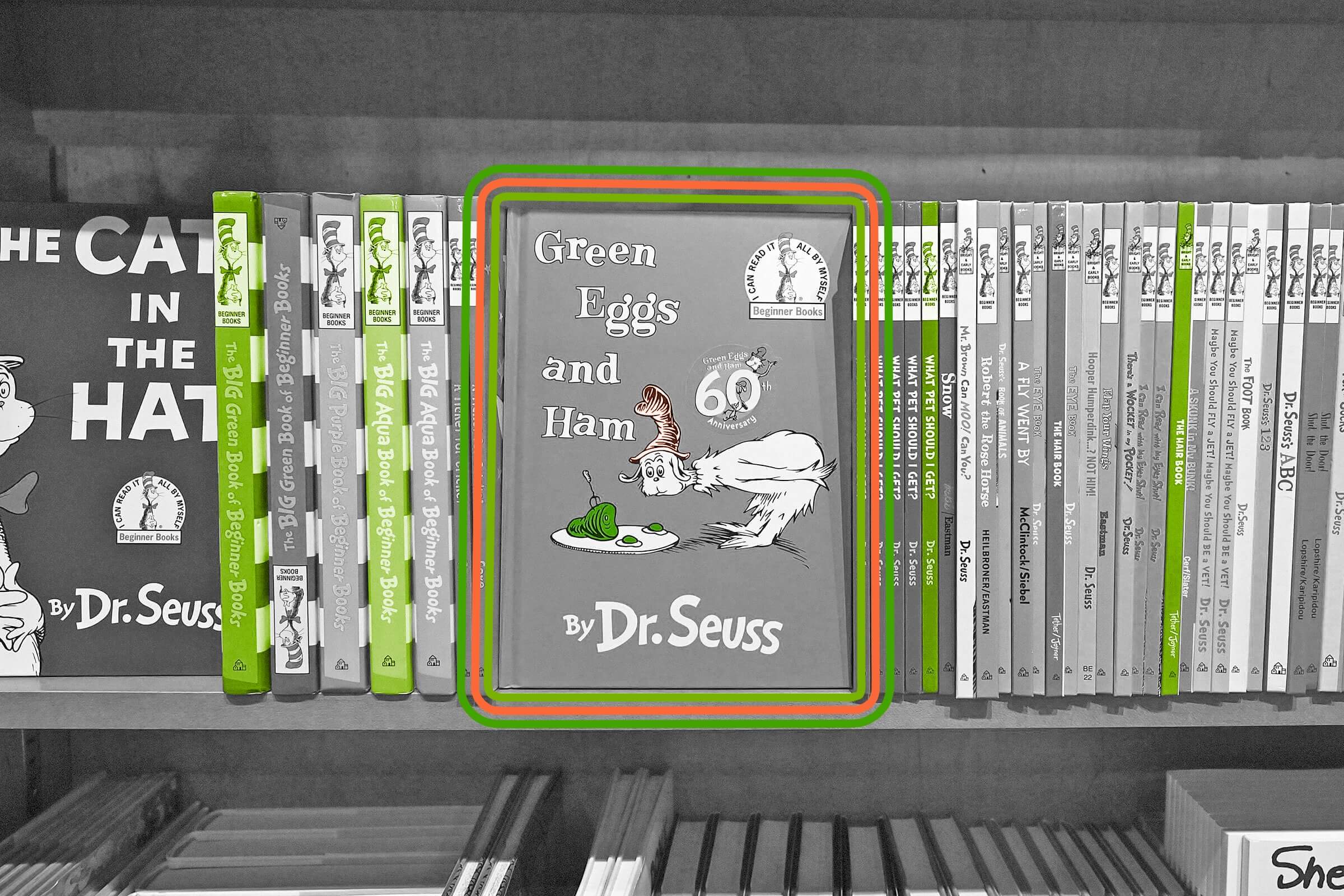
You'd think that a wildly imaginative children's author and illustrator famed for the use of nonsensical words like "Zizzer-Zazzer-Zuzz" would have trouble fitting a story into the strict confines of a pre-approved vocabulary list. Yet it was precisely that limitation that inspired Theodor Geisel, aka Dr. Seuss, to deliver two of his best-known works.
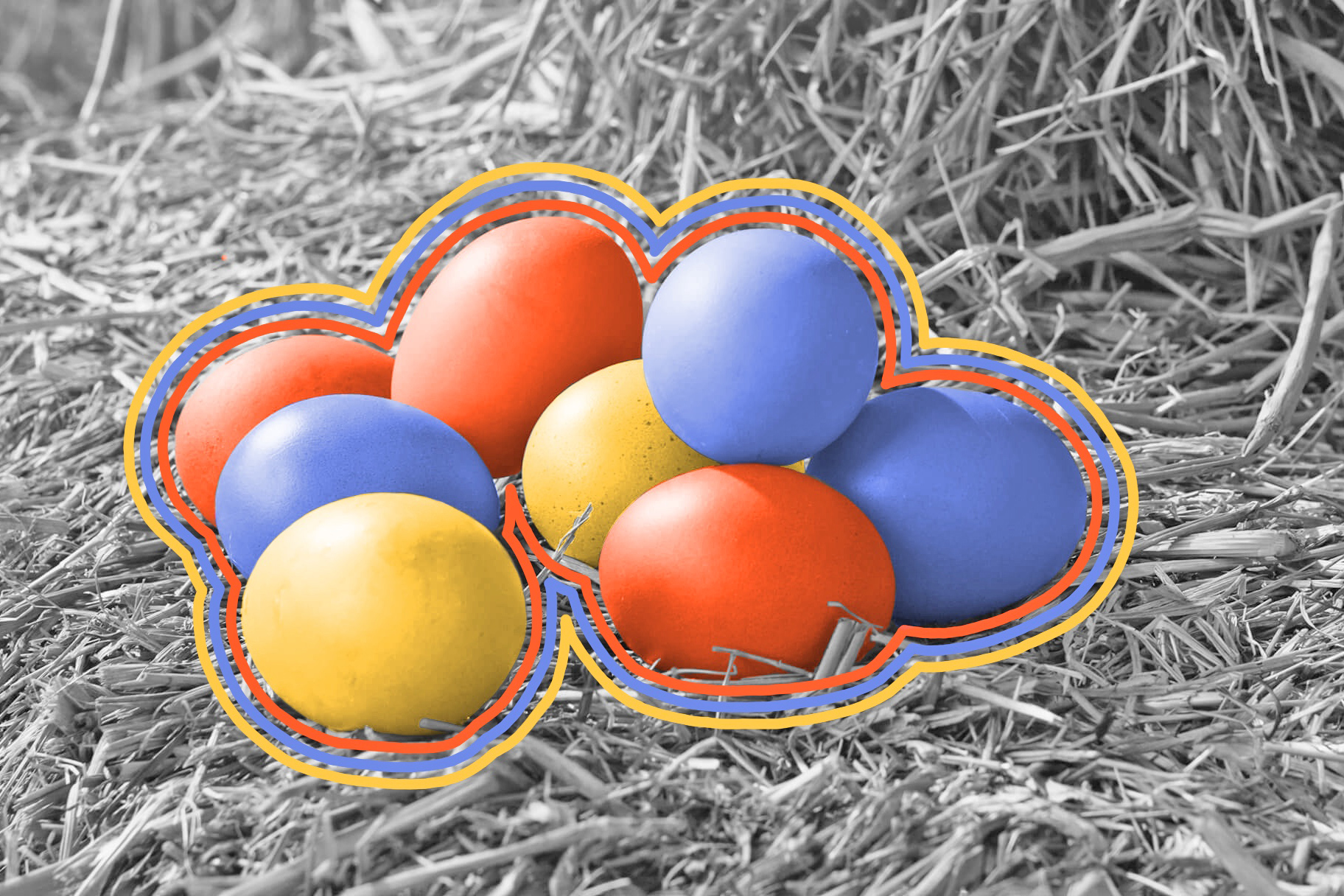
All eggs start out white, but some get coated in other pigments as the egg travels through the hen’s oviduct. Green eggs are the result of both brown and blue pigments being deposited. Several breeds of chickens can produce green eggs, including the aptly named Olive Eggers.
In the mid-1950s, a publishing executive named William Spaulding, dismayed by the uninspiring material being foisted on young readers, challenged Seuss to write "a story that first graders can't put down," using a list of around 300 words (meant to help children learn how to read). The assignment flummoxed Seuss for a spell, until he zeroed in on two words that rhymed. Nine months later, he finished the groundbreaking The Cat in the Hat (1957), his tale of a havoc-wreaking feline — composed of only 236 distinct words.
Another publisher, named Bennett Cerf, then upped the ante by asking Seuss to write a book using only 50 different words, and bet the author $50 that it couldn't be done. Seuss again wrung his hands over the project, plastering his wall with flowchart maps to work his way through the narrative. But once again he pulled it off, leaving Cerf shaking his head in amazement upon hearing the story of the persistent Sam-I-Am and the many ways to eat a particular dish. And while the publisher allegedly never paid up, things worked out just fine from a monetary standpoint for Seuss, as Green Eggs and Ham (1960) became the top-selling title of his long, distinguished career.
Dr. Seuss' famous pen name grew out of a college punishment.
In the spring of 1925, Dr. Seuss was still known as Ted Geisel and enjoying the final weeks of his senior year at Dartmouth College. Of course, there were strict rules governing certain types of enjoyment during Prohibition, and after he was caught drinking in his room with his buddies, Geisel was stripped of his role as editor of the college humor magazine, The Jack-o-Lantern. Undeterred, Geisel continued submitting his distinct cartoons under a series of pseudonyms, including “L. Burbank” and “D.G. Rossetti.” He eventually stuck with “Seuss,” his mother’s maiden name and his own middle name (albeit one that was originally pronounced something closer to “zoice”). The “Dr.” part came after graduation, reportedly while writing a “mock-zoological” humor feature, in a bid to make himself sound more scholarly.
Tim Ott
Writer
Tim Ott has written for sites including Biography.com, History.com, and MLB.com, and is known to delude himself into thinking he can craft a marketable screenplay.
Advertisement
top picks from the Inbox Studio network
Interesting Facts is part of Inbox Studio, an email-first media company. *Indicates a third-party property.
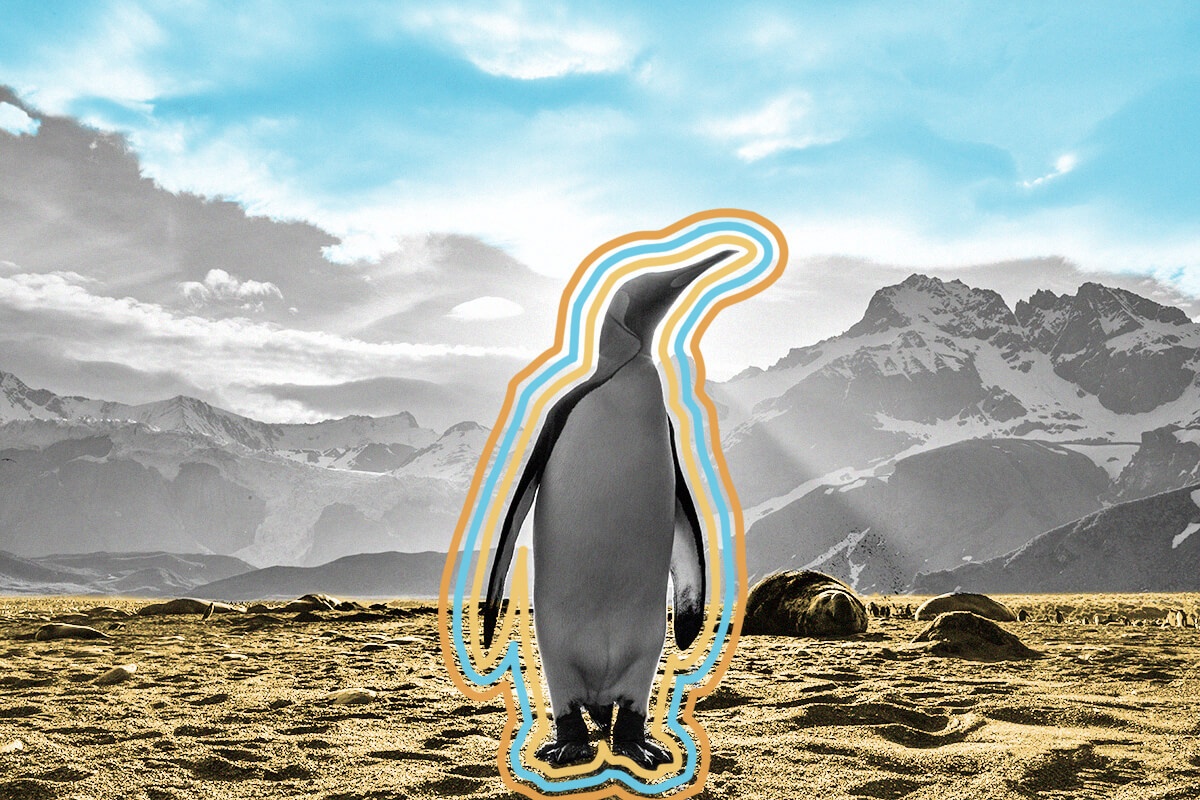
Before he was a knight, Sir Nils Olav was a king — king penguin, that is. The flightless seabird was made both mascot and an honorary member of the Norwegian King’s Guard after the battalion visited the Edinburgh Zoo in 1972 and Major Nils Egelien had the idea to adopt a penguin. Sir Nils (he’s named for both Egelien and former King of Norway Olav V) quickly ascended through his country’s military ranks, receiving a promotion each time the King’s Guard returned to the zoo around performances for the Edinburgh Military Tattoo. The 2008 knighthood took place before 130 guardsmen and a crowd of several hundred people, during which King Harald V of Norway read out a citation describing Sir Nils as a penguin "in every way qualified to receive the honor and dignity of knighthood.” The penguin knighted in 2008 wasn’t the original Nils Olav, however. He was preceded by two others, inheriting their name and title when they went to the great penguin colony in the sky. (Penguins often live about 15–20 years, though some king penguins can live over 40 years in captivity.)
Thanks to a gland above their eyes that connects to their bills, several species of marine birds can drink salt water — penguins among them. The gland prevents dehydration by removing excess sodium from their bloodstream.
Of course, Sir Nils isn’t the first animal with a more impressive resume than most humans. 10 Downing Street in London is home not just to the British prime minister but to Larry, the Chief Mouser. Back in World War I, a terrier named Sergeant Stubby participated in 17 battles as part of the U.S. 102nd Infantry’s 26th Yankee Division. And a number of cats, dogs, and goats have served as small-town mayors. Not bad considering none of them have thumbs.
Penguins were referred to as “strange geese” when Europeans first saw them in 1520.
Advertisement
Frozen pizza is a way of life in Norway.
With a population around 5.4 million, Norway eats more than 47 million frozen pizzas every year — nearly half of which are made by Grandiosa. The brand is so popular among Norwegians that 20% of respondents to a 2004 survey said they considered it an unofficial national dish. The 2006 single “Respekt for Grandiosa,” made by the company, was the country’s No. 1 single for eight consecutive weeks, and the company’s 2007 song “Full Pakke” even spawned its own dance a year later. Your move, DiGiorno.
Michael Nordine
Staff Writer
Michael Nordine is a writer and editor living in Denver. A native Angeleno, he has two cats and wishes he had more.
Advertisement
top picks from the Inbox Studio network
Interesting Facts is part of Inbox Studio, an email-first media company. *Indicates a third-party property.
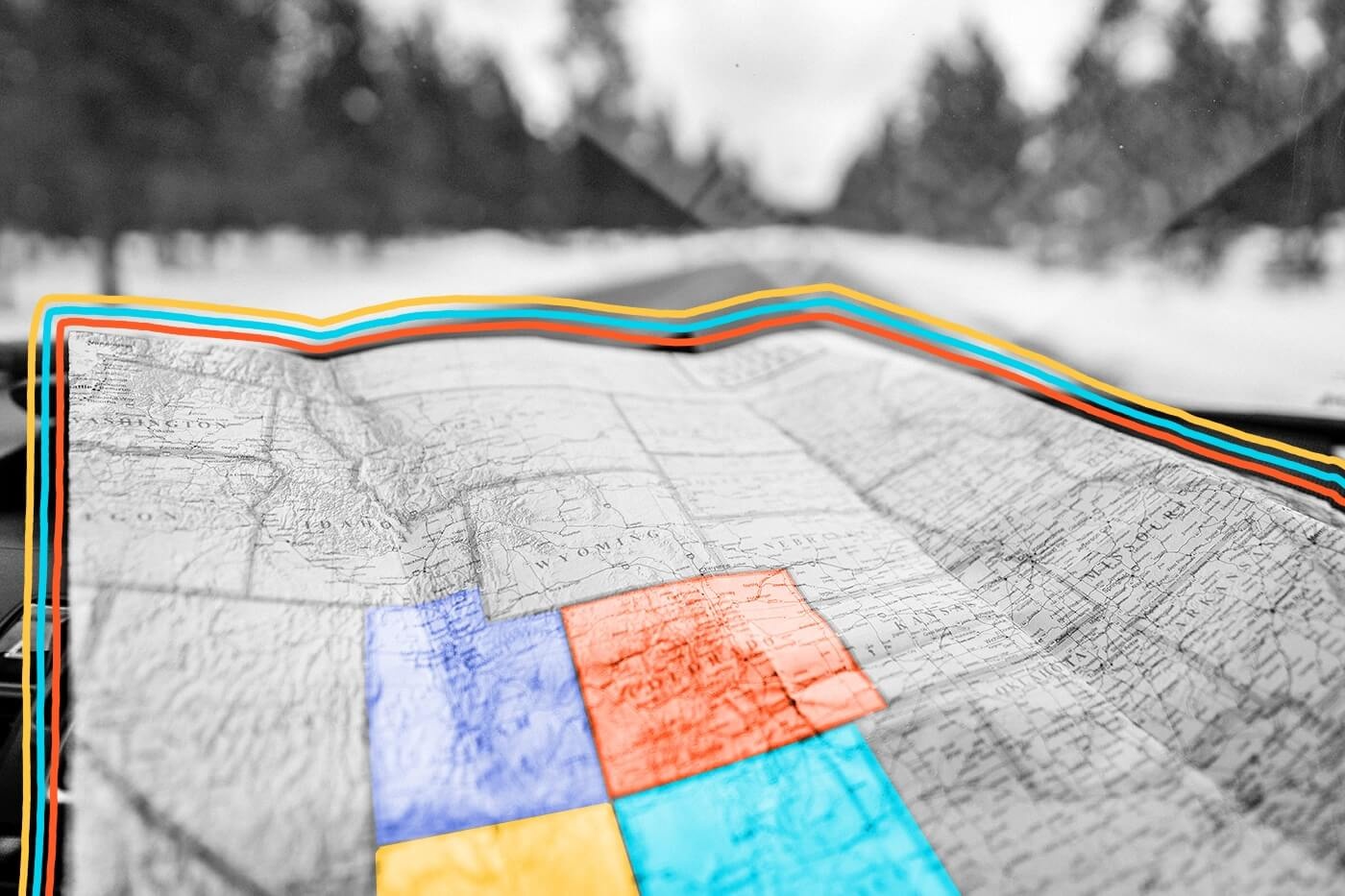
Want to try being in four places at once? Then get thee to the aptly named Four Corners Monument, which marks the intersection of Utah, Colorado, Arizona, and New Mexico. It’s the only place in America where so many states converge, which is especially impressive given that there are at least 60 spots where three states meet. The exact location of the quadripoint (the technical term for a place where four territories touch) was a matter of more debate than you might expect, with some surveyors arguing that it should have been about 2,000 feet to the west, thanks to changes in the technical reference systems used for various surveys. It wasn’t until a 1925 Supreme Court case that the matter was officially settled.
Kentucky borders seven states, but Missouri and Colorado take the cake with eight states each.
Ending the dispute was an especially lengthy process when you consider that the borders were first surveyed in the aftermath of the Civil War. What’s more, it isn’t just state boundaries that are marked by the Four Corners Monument: The lands of the Navajo Nation, which maintains the site, meet those of the Ute Mountain Ute Tribe there. The monument itself is fairly modest, with each state’s seal embedded in a cement pad around a circular granite disk that reads, “Here meet in freedom under God four states.” Sprawl just so on that disk, and you can have a different limb in Arizona, Colorado, Utah, and New Mexico each.
There’s only one four-nation quadripoint in the world.
Situated in southern Africa, it marks the intersection of Zambia, Zimbabwe, Botswana, and Namibia. As with the Four Corners in the U.S., there have been disagreements over the precise boundaries and whether they constitute a true quadripoint; because the intersection involves sovereign nations rather than neighboring states, the stakes of those debates have occasionally led to diplomatic spats. Unlike its American counterpart, however, there’s no monument to mark this quadripoint — mainly because it’s in the middle of a river — but it’s a gorgeous sight nevertheless.
Michael Nordine
Staff Writer
Michael Nordine is a writer and editor living in Denver. A native Angeleno, he has two cats and wishes he had more.
Advertisement
top picks from the Inbox Studio network
Interesting Facts is part of Inbox Studio, an email-first media company. *Indicates a third-party property.

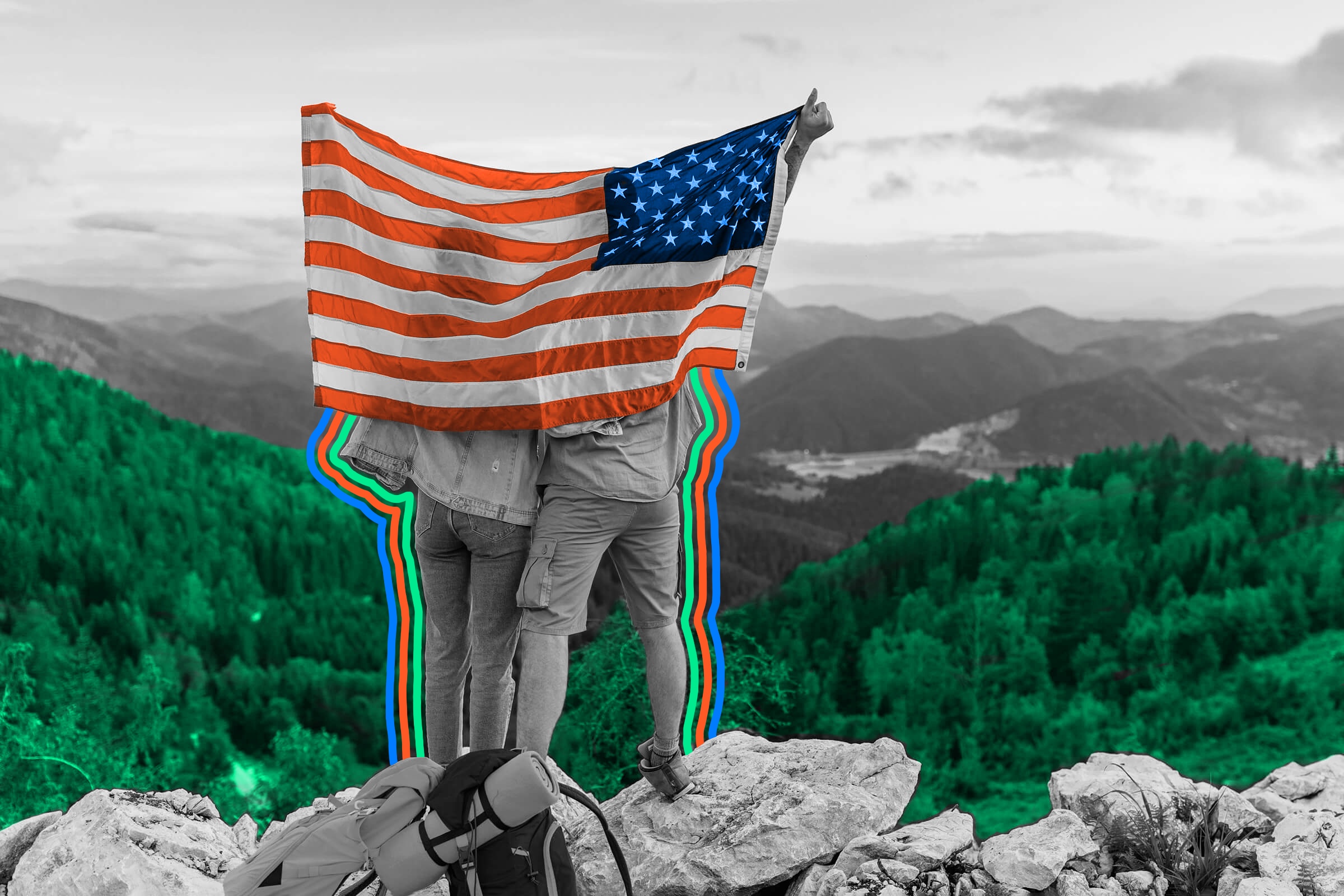
When it comes to the American flag, it’s not just about 13 stripes and 50 stars — the number 27 also has an important meaning. That’s how many different versions of Old Glory have been officially recognized since the nation began. The inaugural 13-star, 13-stripe flag was approved by the Continental Congress on June 14, 1777, and later underwent an update in May 1795. That redesign — due to Vermont and Kentucky joining the Union — featured 15 stars and 15 stripes. While the number of stripes initially continued to increase as more states were admitted, the government reverted back to 13 stripes in 1818, representing the original 13 colonies, and let the stars represent the number of states instead. The current and 27th official design was adopted on July 4, 1960, after Hawaii’s admission into the United States. It is the only version in U.S. history to remain unchanged for over 50 years.
Most historians think Betsy Ross designed the American flag.
Though many schoolchildren learn about Betsy Ross sewing the first American flag — and making some key design changes — the story only surfaced years after her death. Many historians credit Philadelphia-born judge, satirist, and artist Francis Hopkinson with designing the first flag.
Though there have been 27 official versions of the flag, there have also been some well-known yet unofficial variations. These include the Grand Union, the flag of the Revolutionary-era Continental Army, first raised in 1776 at the command of George Washington and featuring a 13-stripe design coupled with the Union Jack in place of where the stars now sit. Just a few years later, in 1789, a 13-stripe, 12-star layout that predated Rhode Island ratifying the Constitution was flown; it’s now considered one of the rarest unofficial flags ever, and only one example is thought to still exist. A 39-star flag was mass-produced around 1875 in anticipation of the Dakotas being admitted as one joint state, but in 1889 — after 14 years of unsanctioned use — the flag became obsolete when Congress decided to split the Dakotas in two.
The only state that observes Flag Day as an official holiday is Pennsylvania.
Advertisement
The current American flag was designed by a high school student.
In 1958, at a time when Alaska and Hawaii seemed likely to join the United States, a class at Lancaster High School in Ohio was tasked with creating a show-and-tell project related to American history. One student, Robert G. Heft, decided to make a new 50-star flag, spending 12 hours cutting out and sewing on stars in a pattern that included five rows of six stars and four rows of five stars. Alas, he received a lowly B-. Despite the negative reception, Heft gave the flag to local congressman Walter Moeller, who lived nearby and who promised to take Heft’s design to Washington, D.C. That promise paid off in a big way, as two years later Heft received a phone call from President Eisenhower himself. The President informed Heft that his design had been chosen for the new national flag. Heft’s creation was among an estimated 1,500 considered, and though many others featured a near-identical pattern, he ultimately received credit upon the flag’s adoption on July 4, 1960. In the wake of Eisenhower’s decision, Heft’s teacher retroactively raised his grade to an A.
Bennett Kleinman
Staff Writer
Bennett Kleinman is a New York City-based staff writer for Inbox Studio, and previously contributed to television programs such as "Late Show With David Letterman" and "Impractical Jokers." Bennett is also a devoted New York Yankees and New Jersey Devils fan, and thinks plain seltzer is the best drink ever invented.
Advertisement
top picks from the Inbox Studio network
Interesting Facts is part of Inbox Studio, an email-first media company. *Indicates a third-party property.
Traversing thousands of miles across eastern Asia, the Great Wall of China has stood as a symbol of the country's military and technological know-how for more than 2,000 years. And thanks to a team of scientists at Zhejiang University, we now know that the secret to its legendary endurance is … sticky rice soup?
As explained in Accounts of Chemical Research in 2010, the scientists stumbled upon this discovery while examining mortar samples from the Great Wall and other long-standing Chinese buildings. They realized the mortar was an unusual composite created from slaked lime and congee, the former a heated type of limestone exposed to water, and the latter a pudding-like rice porridge commonly eaten throughout Asia. When combined with the lime’s calcium carbonate, a complex carbohydrate in the congee known as amylopectin helped stymie the development of calcium carbonate crystals in the mortar, resulting in a compressed structure that gave the ancient barrier the strength to withstand earthquakes and bulldozers.
The Great Wall's similar coloring compared to the surrounding landscape renders its identification from the lunar surface a futile task. Experts say that the wall can only be discerned by the human eye in low orbit under favorable lighting conditions.
While not invented until around the fifth century CE, well after the initial parts of the Great Wall were raised, the sticky rice-lime mortar was used for the well-preserved sections that remain from the Ming dynasty (the 14th through 17th centuries). Which all goes to show that along with fueling the diet of a country of 1.4 billion people, this simple porridge packs enough power to keep historic structures upright through all sorts of human- and nature-instigated onslaughts.
Sticky rice has low amounts of the starch known as amylose.
Advertisement
Architects are exploring the possibilities of building with salt.
Porridge isn’t the only kitchen product used to build magnificent structures, as salt is capable of surprising results in that capacity as well. The concept of salt-based buildings is actually a pretty old one: First-century Roman dignitary Pliny the Elder wrote of seeing “towers built of square blocks of salt” in the Middle Eastern city of Gerrha, while 14th-century explorer Ibn Battuta described the salt mosques in the African village of Taghaza. Of course, the mineral was mainly prized in antiquity for its food storage and preparation capabilities, while its propensity to dissolve in water presented sustainability problems. Nevertheless, modern builders are increasingly hungering for salt as a versatile, environmentally friendly component of the construction and design processes. Given its widespread availability, it may not be long before salty projects like Bolivia’s Palacio de Sal hotel go from novelty dish to main course as architectural innovations continue to evolve.
Tim Ott
Writer
Tim Ott has written for sites including Biography.com, History.com, and MLB.com, and is known to delude himself into thinking he can craft a marketable screenplay.
Advertisement
top picks from the Inbox Studio network
Interesting Facts is part of Inbox Studio, an email-first media company. *Indicates a third-party property.