
Although not the most glamorous of methods, sweating is a biologically ingenious way to keep cool. Our sweat glands employ energy — in this case, heat — to evaporate water off our skin, which in turn cools us down. Humans, along with some monkeys and all of the great apes, use a similar cooling technique, but sweating isn’t as ubiquitous throughout the animal kingdom as you might expect. For example, pigs don’t sweat — not really, anyway.
Sweat itself doesn’t smell — the liquid is made up of lots of water and a little salt. However, sweat glands in our armpits and groin release a type of sweat that is protein-rich, which bacteria then feeds on. The byproduct of this microscopic meal is what actually causes body odor.
Pigs dohave some sweat glands, but they’re insufficient to play a significant role in regulating the creatures’ body temperatures. Instead, some of a pig’s internal body temperature is regulated by a thyroid-produced hormone, but the most fast-acting method for keeping cool is simply wallowing in mud. When the mud evaporates, it takes some heat with it, just as when human sweat evaporates. Pigs will also seek shaded areas, lie flat on cool ground, or even pant similarly to dogs. The fact that pigs don’t sweat (a lot) has created an inaccurate idea that eating a pig is unhealthy because they can’t release toxins through sweat — but that’s just a myth.
Hibernating during the summer to keep cool is called estivation.
Advertisement
The phrase “sweating like a pig” comes from iron — not the animal.
During the traditional iron smelting process, hot iron was poured into molds lined with sand and arranged with one runner feeding into many rows. The molds were said to resemble a row of piglets suckling a sow, which is how crude iron became known by its common name, “pig iron.” The phrase “sweating like a pig” comes from the fact that as the iron cools, water vapor condenses on its surface — a signal that it’s now safe to handle. Although this phrase is likely a 19th-century European invention, the Chinese first used pig iron thousands of years ago, and it’s still used today as a raw material for iron steelmaking.
Darren Orf
Writer
Darren Orf lives in Portland, has a cat, and writes about all things science and climate. You can find his previous work at Popular Mechanics, Inverse, Gizmodo, and Paste, among others.
Advertisement
top picks from the Inbox Studio network
Interesting Facts is part of Inbox Studio, an email-first media company. *Indicates a third-party property.
Climate change isn’t just raising the temperature of the world’s oceans — it’s alsochanging their color. As the oceansabsorb the excess heat generated by greenhouse gases, that heat is altering the aquatic life in their waters.New research published in Nature in 2023 shows that the familiar blue hue of the oceans has been steadily transforming over the past 20 years into a greener shade, especially in tropical and subtropical areas of the world.
The world’s largest migration happens in the ocean every single day.
Every night, trillions of sea creatures called zooplankton travel to the ocean’s surface to feed on photosynthesizing phytoplankton. Although the distance for some organisms is only 1,000 feet, that’s the equivalent of a human swimming 50 miles in an hour.
The color of the ocean is dependent on a variety of factors, but one key is thelight absorption of H2O. Water usually readily absorbs longer wavelengths of light — red, yellow, and green — and scatters blue. However, a concentration of marine life can cause emerald waters. The newly green hue detected by the 2023 research likely reflects a change in the ocean’sphytoplankton — the algae responsible for70% of the world’s oxygen, and which also provides the foundation for the marine food web. Scientists monitored ocean color usingNASA’s Aqua satellite, and found marked shifts toward green in about 56% of the world’s oceans between 2002 and 2022. Statistical simulations showed that added greenhouse gases are to blame, although it’s not exactly clear how, since areas that warmed the most at the surface weren’t the ones that turned green the most. Some scientists theorize that the change may have to do with reduced mixing in the layers of ocean water, caused by the heat, which limits the nutrients that rise to the surface and consequently affects the types of plankton that can survive. But don’t go color-correcting your photos just yet: While satellites can detect the change in ocean hue, the change is slight enough that most humans probably wouldn’t notice a difference.
The world’s cleanest and clearest large body of water is the U.S.’s Crater Lake.
Advertisement
Human eyes are most sensitive to the color green.
Human eyes can only perceive a small fraction of the electromagnetic spectrum. The visible spectrum, which excludes things like radio waves, X-rays, infrared, ultraviolet, and (very dangerous) gamma rays, stretches from around 380 nanometers (nm) to about 740 nm. Glimpse a rainbow — or recite the elementary school acronym ROYGBIV — and you’ll notice that green lies right in the middle of our visual sweet spot. The color occupies around 520 to 565 nm, and the light sensitivity of the human eye in daytime peaks at about 555 nm, which is a green that’s close to yellow. Because of this advantageous middle-of-the-road placement, the human eye can discern more shades of green than any other color. Since seeing green is also less of a strain on our visual system, the color positively affects our mood — essentially, our nervous system gets to relax. Green’s innate ability to “placate and pacify” is one reason the hue can often be found in places of healing, especially hospitals.
Darren Orf
Writer
Darren Orf lives in Portland, has a cat, and writes about all things science and climate. You can find his previous work at Popular Mechanics, Inverse, Gizmodo, and Paste, among others.
Advertisement
top picks from the Inbox Studio network
Interesting Facts is part of Inbox Studio, an email-first media company. *Indicates a third-party property.
For about as long as the country bridging Northern and Central America has been on the map, it’s gone by some form of the word “Mexico.” The term even appears in the 1603 English edition of the Theatrum Orbis Terrarum — the world’s first modern atlas. But in its 200 years of history, the country has never officially gone by “Mexico.” Instead, the country’s Constitution of 1824, inspired by the American Revolution, created Estados Unidos Mexicanos, or the United Mexican States. Two centuries later, this is still the country’s official name, though it’s mostly only used by government officials and diplomats conducting business with other countries.
Cinco de Mayo is celebrated more in the U.S. than in Mexico.
Cinco de Mayo commemorates the Mexican army’s unlikely victory at the Battle of Puebla in 1862. Although it’s sporadically celebrated in Mexico, the U.S. adopted the holiday in the ’50s and ’60s to bridge American and Mexican cultures and to celebrate Mexican American identity.
In recent years, there have been attempts to align the country’s name with the more common, simplified moniker. In 2012, outgoing Mexican President Felipe Calderon put forward a motion to finally adopt “Mexico” as the official name of the nation. “It’s time that we Mexicans retake the beauty and simplicity of our motherland’s name: Mexico,” Calderon said at the time, “a name that we use when chanting or singing, a name that identifies us throughout the world and that makes us proud.” However, nothing came of Calderon’s lame-duck effort. As of right now, the moniker crowning the country’s coat of arms — stamped on every Mexican passport — still reads “Estados Unidos Mexicanos.”
“Mexico” may come from Náhuatl words that mean “in the moon’s belly button.”
Advertisement
Mexico City wasn’t officially named “Mexico City” until 2016.
On January 29, 2016, Mexican President Enrique Peña Nieto officially recognized the name of the country’s capital as “Mexico City.” Although this sounds perplexing for foreigners who’ve always used the name, for residents of the capital (who are also known as chilangos, defeños, or capitalinos), this was big news. That’s because until that moment, Mexico City’s official name was “Distrito Federal,” or “Federal District” (D.F. for short), as stipulated by the nation’s 1824 constitution. The renaming of the capital was decades in the making, and followed the lackluster federal response to the 1985 earthquake in Mexico City. Being decoupled from the “federal” label, Mexico City, with its 9 million inhabitants, could lobby for a greater degree of autonomy as an equal among the 31 other states that make up the United Mexican States.
Darren Orf
Writer
Darren Orf lives in Portland, has a cat, and writes about all things science and climate. You can find his previous work at Popular Mechanics, Inverse, Gizmodo, and Paste, among others.
Advertisement
top picks from the Inbox Studio network
Interesting Facts is part of Inbox Studio, an email-first media company. *Indicates a third-party property.
For those of us not blessed with a green thumb, it’d certainly be helpful if our plant friends could tell us when they need attention. Well, it turns out they do — we just can’t hear them. In early 2023, scientists from Tel Aviv University revealed the results of an investigation into whether plants make sounds in ultrasonic frequencies. Previous studies had established that plants can hear sounds, despite not having ears, so it seemed possible that they could create sounds without mouths. After isolating plants in a soundproofed acoustic chamber and a greenhouse and then recording them, the researchers were able to train a machine learning algorithm to differentiate sounds among three disparate plant states: unstressed, cut, or dehydrated.
Camellia sinensis is an evergreen shrub native to East Asia, whose leaves produce all types of tea. The differences among green, black, oolong, and white teas come from the ways they’re processed. Drinks like rooibos or herbal infusions are technically not tea, but tisanes.
Unstressed plants made little noise and continued along in their usual happy routine of photosynthesizing, but cut and dehydrated plants let out frequent small pops and clicks in a range too high for humans to hear. Stressed plants produced up to 40 of these clicks per hour, while dehydrated plants increased clicks as they got more and more parched. Although tomato and tobacco plants were originally tested, other crops were found to produce similar noises. It’s possible some animals that can hear in frequencies beyond human capabilities could respond to these noises. If a moth were trying to find a suitable plant to lay its eggs, for example, it might skip one that’s popping in distress. But big mysteries remain: For one thing, scientists don’t know how plants are making these sounds in the first place. All we know for sure is that the quiet lives of plants are not nearly as quiet as they seem.
Plants appeared on land 460 million years ago during the middle of the Ordovician period.
Advertisement
Trees can “talk” to one another.
Since the mid-19th century, naturalists have often regarded trees as solitary, monolithic figures, but recent research refutes this idea and suggests that trees are remarkably social. That’s because trees in a forest can communicate via a symbiotic relationship known as mycorrhiza. The name, which is Greek for “fungus” and “root,” essentially explains how it works. Fungal threads called mycelium provide nutrients to trees, which in turn deliver sugars generated from photosynthesis. Because mycelium is ubiquitous throughout a forest, it essentially networks trees together — in what some scientists refer to as a “wood-wide web.” Trees can communicate when they are stressed, share information about potential threats, or deliver nutrients to struggling members of the web, especially if they’re in the same family. One study analyzed six different 10,000-square-foot stands of Douglas fir in British Columbia and discovered that nearly all the trees were connected to each other by at most three degrees of separation. They also discovered that one “hub tree,” an older specimen, was connected to at least 47 other trees (and likely many more), including cross-species trees such as the paper birch.
Darren Orf
Writer
Darren Orf lives in Portland, has a cat, and writes about all things science and climate. You can find his previous work at Popular Mechanics, Inverse, Gizmodo, and Paste, among others.
Advertisement
top picks from the Inbox Studio network
Interesting Facts is part of Inbox Studio, an email-first media company. *Indicates a third-party property.

Many experienced hikers are familiar with the phrase “leaves of three, let it be.” That’s because poison ivy and oak can be identified by their three-leaf clusters. (The leaves of a poison sumac, it’s worth noting, bunch in groups of seven to 13.) Despite its name, poison ivy (Toxicodendron radicans) isn’t actually poisonous. Instead, it contains the organic compound urushiol, produced by the ivy’s leaves, which causes irritating allergic skin reactions. It’s thought that poison ivy, as well as other members of the plant family Anacardiaceae, produce this compound to fight off insects. Unfortunately, our skin can become an innocent bystander if it’s in the wrong place at the wrong time.
Humans, some primates, and guinea pigs are skin sensitive to urushiol, but for most of the animal kingdom, poison ivy is actually a plentiful food source and is regularly snacked on by deer, raccoons, rabbits, and some birds.
However, urushiol isn’t sequestered in just these summertime foes — in fact, the compound is hiding among fruits at your local market. Poison ivy is in the same plant family as mangoes, and the skin of the fruit contains the same compound (though in a less concentrated form). Although the mango itself is safe to eat, reactions to mango skins — such as a rash — can vary in severity from person to person, and the amount of urushiol can vary from fruit to fruit. Green mangoes, for example, are known to contain more urushiol in their skin than ripe, multihued mangoes.
Yet mangoes aren’t the only food with this irritant at your local grocery store. Cashews, which are also part of the Anacardiaceae family, are botanically known as “drupe seeds” produced by cashew trees (Anacardium occidentale). However, you’ll never see cashews sold in their shells, because the shells contain urushiol. So while “leaves of three” remains a good rule when bushwhacking in the backcountry, urushiol takes many forms — including some notably delicious ones.
One of the world’s most poisonous plants is deadly nightshade, which is in the same family as tomatoes.
Advertisement
There are thousands of varieties of mango.
When it comes to apples, many of us are familiar with the fruit’s plentiful varieties — Honeycrisp, Red Delicious, Granny Smith, Pink Lady, Fuji, etc. But in the fruit section of the average supermarket, you’ll likely come across only one or two types of mango. Such a small selection greatly undersells the vast variety of mangoes in the world, with names such as Kesar, Bombay Green, Totapuri, Francis, Alphonso, and Tommy Atkins — the kind you often find in the U.S. Although Florida, Hawaii, and Southern California today produce mangoes, a majority of the fruit in the U.S. comes from Mexico, where the warm climate can support cold-sensitive mango trees (they can be severely damaged or even die at temperatures below 30 degrees Fahrenheit). Although the Tommy Atkins variety is the most widely produced, the mango is not nearly as sweet or flavorful as other varieties — although it crucially has a longer shelf life. So if you ever find yourself in a warm, mango-filled paradise, definitely take a moment to try the local fruit.
Darren Orf
Writer
Darren Orf lives in Portland, has a cat, and writes about all things science and climate. You can find his previous work at Popular Mechanics, Inverse, Gizmodo, and Paste, among others.
Advertisement
top picks from the Inbox Studio network
Interesting Facts is part of Inbox Studio, an email-first media company. *Indicates a third-party property.
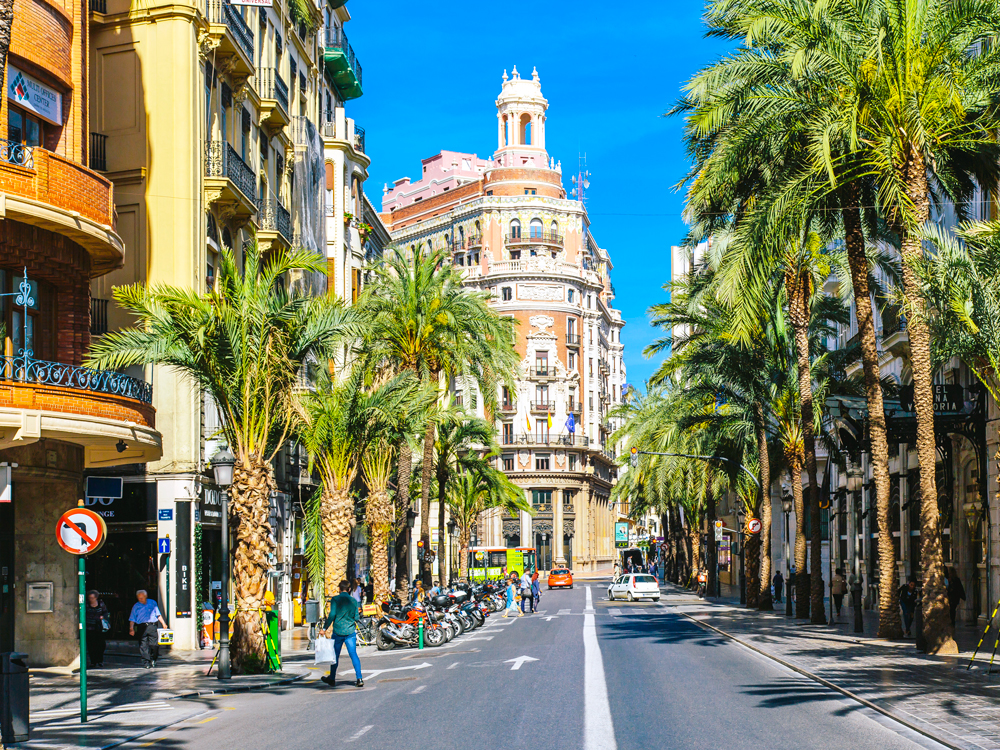
Humans love to think we’re the brainiest species around, but leeches have an impressive 32 brains (making them absolute shoo-ins if Mensa ever expands their ranks to include nonhuman animals). These bloodsucking invertebrates are biologically divided into around 32 separate sections, each of which features its own brain fragment. In addition to housing a leech’s thought centers, these segments serve additional functions: The first few contain a leech’s eyes and front sucker, the middle sections are where you can find the bulk of a leech’s nerves and reproductive system, and the rear portion is home to yet another sucker at its tail end.
Leeches have been used as medicinal tools for centuries.
From ancient Greece through the 19th century, leeches were used for bloodletting, which was believed to treat disease. Leeches are still sometimes used in a medical context, particularly to clean wounds and improve circulation after surgery.
Yet leeches are far from the only living things with more organs than you might expect. Cuttlefish, squid, and octopuses all have three hearts — a systemic heart to pump blood throughout the body, and two branchial hearts used for pumping blood through the gills. Cows famously have a stomach with four separate compartments, but that’s nothing compared to the Baird’s beaked whale, which can have as many as 13 stomachs. Perhaps no animal is more unusual, however, than the Ramisyllis multicaudata, a sea worm with hundreds of butts, each with its own set of eyes and brain.
The giant Amazon leech can grow up to 18 inches long.
Advertisement
Leeches were once used to predict the weather.
In 1851, an English doctor by the name of George Merryweather attempted to repurpose medicinal leeches for weather forecasting. Merryweather noted that leeches would rise in water as rain neared, perhaps reacting to the change in air pressure, and decided to use that phenomenon to create his Tempest Prognosticator. The machine was essentially a leech barometer, and featured a circle of glass bottles, each containing a leech in rainwater. As atmospheric conditions changed, the leeches would crawl to the top of the bottles, dislodging a pin that would ring a bell. Merryweather hypothesized that the more bells that rang, the more likely it was that a storm was approaching. The Tempest Prognosticator debuted at the Great Exhibition of 1851 and was later recreated for the Festival of Britain in 1951, although it failed to achieve any sort of widespread success, due to the dubious science behind the concept.
Bennett Kleinman
Staff Writer
Bennett Kleinman is a New York City-based staff writer for Inbox Studio, and previously contributed to television programs such as "Late Show With David Letterman" and "Impractical Jokers." Bennett is also a devoted New York Yankees and New Jersey Devils fan, and thinks plain seltzer is the best drink ever invented.
Advertisement
top picks from the Inbox Studio network
Interesting Facts is part of Inbox Studio, an email-first media company. *Indicates a third-party property.
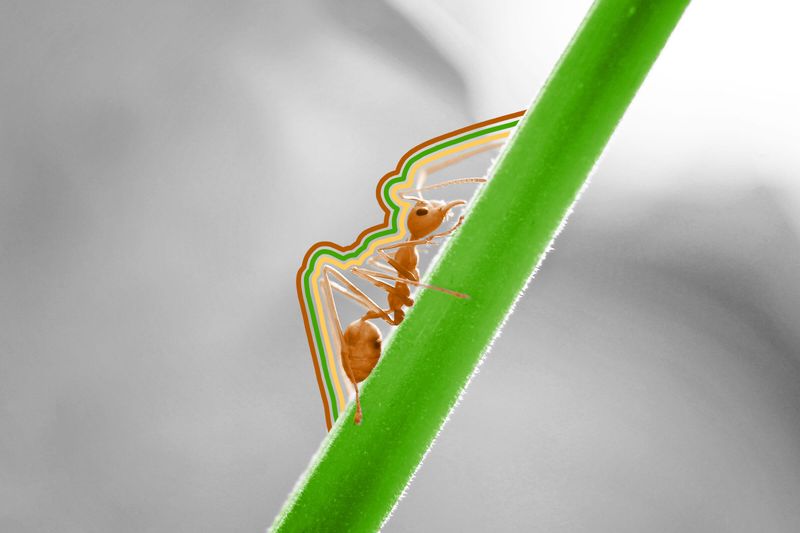
The languages we speak don’t just shape the way we communicate; they also influence how we perceive and understand the world — including something as fundamental as time. The direction in which a language is written, for example, can affect how we think about and refer to the passage of time. Because English speakers write from left to right, we tend to visualize the timeline of life to death from left to right, and describe the past and future as being “behind” us and “in front” of us, respectively — we say “looking forward” to the future and “looking back” at the past.
English was the most spoken language in the world as of 2023, based on the total number of speakers. The language with the highest number of native speakers, however, is Mandarin, the most widely spoken form of Chinese.
However, speakers of Aymara, an Indigenous language of the Andes with no traditional writing system, perceive the past as lying ahead of them because it’s known and visible, while the unseen, unpredictable future remains behind them. This element of their communication was discovered through gestures. Meanwhile, Mandarin has adopted a vertical view of time. Speakers of this language often refer to past events as "up" and future events as "down" — next week, then, becomes “down week."
Researchers have long been interested in metaphorical expressions — "spending time" or "feeling down,” for example — and whether the way we talk about abstract concepts does indeed shape how we think about them. These figures of speech fall under the umbrella of linguistic relativity: the thought that the language we speak influences our reality. But some critics argue that this theory — also known as the Whorf-Sapir hypothesis — overstates the influence of language on thought. They argue that while language can indeed shape our perceptions, it does not rigidly determine how we think, or how we understand the world.
Someone who can speak several languages fluently is known as a polyglot.
Advertisement
A watch made for Marie Antoinette took 44 years to make — and she never saw it.
In 1783, a spectacular watch was commissioned for Queen Marie Antoinette of France. It was to be made by pioneering Swiss watchmaker Abraham-Louis Breguet, with no expense spared or time limit put on its creation. The finished product was indeed something to behold: a gratuitous luxury befitting of the famously lavish monarch. “The Queen,” as the watch was dubbed, used gold instead of brass, and included a perpetual calendar, metallic thermometer, and sapphire mechanisms.
It took 44 years to complete — a time frame that exceeded the life not only of Antoinette, who was executed in 1793, but also of Breguet himself, who died in 1823. Breguet’s son finished the masterpiece in 1827. The watch later ended up in Jerusalem’s L.A. Mayer Museum for Islamic Art, but it was stolen in 1983 and vanished for decades. It was finally recovered in 2006, returned by the thief’s widow.
Nicole Villeneuve
Writer
Nicole is a writer, thrift store lover, and group-chat meme spammer based in Ontario, Canada.
Advertisement
top picks from the Inbox Studio network
Interesting Facts is part of Inbox Studio, an email-first media company. *Indicates a third-party property.

Jiggly, wiggly, and inexpensive — Jell-O has a reputation for being the ultimate affordable and fun dessert. But the moldable treat we’re familiar with today wasn’t always affordable fare for the masses. At one time, its key ingredient — gelatin — was difficult to come by, making any gelatin-rich dish a symbol of wealth and social standing. What’s more, the earliest gelatin dishes weren’t post-dinner treats; in medieval Europe, cooks used gelatin to preserve meats in aspics, making savory jellies similar to modern head cheeses. Extracting gelatin back then was time-intensive: Cooks spent days boiling animal bones and byproducts, then straining the liquid before letting it set into its gelatinous state. This lengthy, involved process meant that gelatin dishes were rarely served at the dinner tables of everyday folks who didn’t employ kitchen staff.
If you’ve been vaccinated against measles, chickenpox, or rabies, chances are your shot contained gelatin. The jiggly preservative is used in some vaccines to stabilize ingredients, protecting them from extreme temperatures during storage and transport.
Gelatin’s status as a high-class delicacy would only last a few centuries. Peter Cooper, an inventor who also designed the first American steam locomotive, created a “portable gelatin” in 1845 that was easily reconstituted with hot water. But Cooper was uninterested in marketing his invention, and his gelatin was largely ignored despite its potential success with cooks who yearned for an easier method for making gelatin — such as suffragette and cookbook author Mary Foote Henderson, whose 1876 Practical Cooking and Dinner Giving footnoted her gelatin recipe by saying she’d never again undertake the arduous task of making the stuff. Cooper’s creation was eventually sold to a New York cough syrup manufacturer, who added fruit flavors and branded it with its Jell-O name in 1897. By the early 20th century, Jell-O ads promoted the dessert as a low-cost, high-society wonder, and the Great Depression and World War II solidified Jell-O’s versatility as a budget- and rations stretcher — a reputation that has carried on for more than 100 years.
Photographers once used gelatin to print photographs.
Gelatin isn’t just for eating — it was once an important ingredient used in 19th- and 20th-century photo developing. Gelatin silver prints emerged around the 1870s, using a specialized photo paper that included a layer of silver salt particles infused in gelatin. The developing process was a photography breakthrough, because it created detailed images with refined clarity that were more stable and durable than other early photographs. Despite their detail, gelatin silver prints didn’t take off in popularity for nearly four decades — until World War I, when war-related shortages of other popular photo papers (specifically those made with platinum) led photographers to experiment with a variety of paper options. Finally recognized for their ability to provide crisp black-and-white images, gelatin silver prints remained popular through the 1970s. While not commercially used today, many of those early photographs live on, giving us crystal-clear glimpses of historical events.
Nicole Garner Meeker
Writer
Nicole Garner Meeker is a writer and editor based in St. Louis. Her history, nature, and food stories have also appeared at Mental Floss and Better Report.
Advertisement
top picks from the Inbox Studio network
Interesting Facts is part of Inbox Studio, an email-first media company. *Indicates a third-party property.
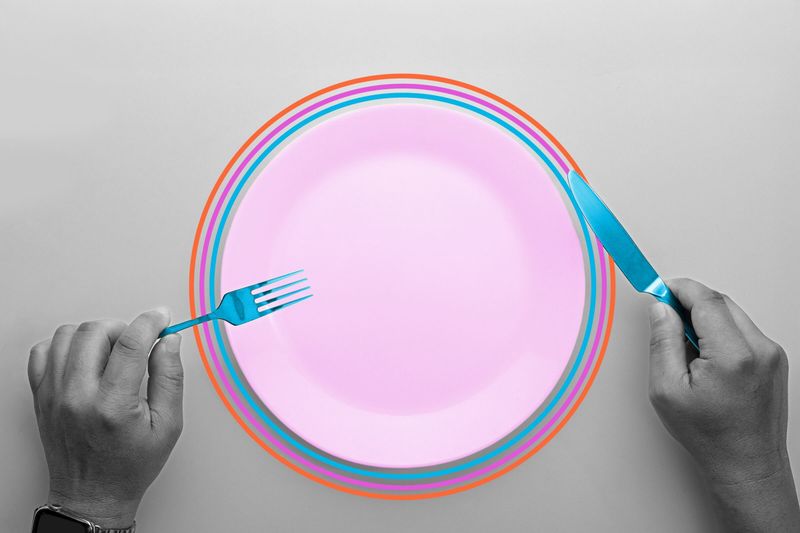
Today, cultures around the world have specific rules and phrases for the common toast. In South Korea, one accepts a drink with two hands, and in Italy, locking eyes is absolutely essential. But how exactly does the word “toast,” as in dry bread, figure into all of this? Well, it turns out dunking literal pieces of toast into a drink during celebrations in someone’s honor was commonplace centuries ago. Historians believe the practice came from the idea that the bread soaked up unwanted bitter or acidic sediments found in wine, thus making the drink more enjoyable. By the 18th century, the term “toast” somehow became more entwined with the person receiving the honor than the bread itself, which is also where the phrase “toast of the town” originates.
Jack Daniels is the top-selling liquor brand in the world.
While less than 5% of its sales come from the U.S., the top-selling liquor brand in the world is Jinro Soju. The national drink of South Korea, soju is a liquor typically made from rice or sweet potatoes. It’s popular in other parts of Asia as well, especially China and Japan.
Although dipping crusty bread into your beverage isn’t a common custom today, you don’t have to look hard to find remnants of the practice in literature. In William Shakespeare’s The Merry Wives of Windsor, the hard-drinking Falstaff quips, “Go, fetch me a quart of sack [wine]; put a toast in ’t,” a reference to the bread-dipping ritual. Lodowick Lloyd’s The Pilgrimage of Princes, written in 1573, also contains the passage “Alphonsus … tooke a toaste out of his cuppe, and cast it to the Dogge,” confirming that the alcohol-infused bread didn’t always go to waste after being dunked. Because general toasting in 16th- and 17th-century Europe was often an excuse to drink heavily, many temperance movements, including one in Puritan Massachusetts, banned the practice in the name of health. Of course, these bans didn’t stick, and today toasts — sans actual bread — are central to some of the biggest celebrations in our lives.
In Victorian England, a sandwich made of toast in between slices of bread was prescribed for invalids.
Advertisement
Libation is an ancient drink-pouring ritual found in many cultures.
Today the word “libation” is mostly used as a stand-in for “alcoholic beverage,” but such a definition omits the complex history of the religious and secular ritual known as libation — the act of pouring out a drink to honor the deceased or a deity. Libation is one of the most widespread yet least understood rituals in human history. The act of pouring out liquid (whether on the ground or on an elaborate altar) can be found in cultures throughout the world dating back to the Bronze Age. The Papyrus of Ani, dated 1250 BCE, reads, “Pour libation for your father and mother who rest in the valley of the dead,” and religions with seemingly little connection, such as Greek paganism, Judaism, Christianity, and traditional African religions, all feature some sort of libation ceremony. Even tribes in pre-Columbian South America, separated by an entire ocean from these other examples, performed similar liquid sacrifices. Today, forms of libation rituals still occur in Kwanzaa celebrations, weddings, the hit comedy show Key & Peele, and in bars around the world, where patrons (usually metaphorically) “pour one out” for the dearly departed.
Darren Orf
Writer
Darren Orf lives in Portland, has a cat, and writes about all things science and climate. You can find his previous work at Popular Mechanics, Inverse, Gizmodo, and Paste, among others.
Advertisement
top picks from the Inbox Studio network
Interesting Facts is part of Inbox Studio, an email-first media company. *Indicates a third-party property.

From the automatic tasks of regulating breathing and blood pressure to the voluntary efforts needed for muscle movement, the central nervous system puts in a lot of work to maintain the complex mechanisms of the human body. Pace is crucial to keep this system running smoothly — which is why some signals from our body’s command centers can reach a speed of 268 miles per hour.
Although this concept is a popular “fact” thrown out in movies and TV shows, people tend to use the entirety of their brains over the course of a day.
In a nutshell, nerve cells in the brain and spinal cord send information through branching nerve fibers known as axons, which release chemicals across microscopic gaps to be picked up by other cells and synthesized by the appropriate areas of the body. The speed of this process varies according to the size and properties of the nerve fiber; bulky A-alpha axons, which can be 20 micrometers in diameter, have the bandwidth to generate the fastest impulses. Additionally, gaps along axons that are covered by a sheath of fats and protein, known as myelin, contain positive sodium ions that keep signals charged for rapid transmission.
So which bodily act necessitates the thickest channels to conduct information at speeds approaching those of the world’s fastest cars? That would be the delicate balance required for proprioception, our ability to sense the movement and positioning of body parts without looking. At the other end of the spectrum are the unmyelinated fibers that relay pain signals at a near-crawl of 1 mile per hour — evidence that our central nervous systems at least attempt to cushion the blow when serving as the bearer of bad news.
The chemical messengers that carry signals from nerve cells to other cells are called neurotransmitters.
Advertisement
Multiple sclerosis destroys the fiber coating that aids brain-signal transmission.
Myelin does more than facilitate the high-speed transport of brain signals, as it also provides a layer of insulation for the fibers that execute this crucial process. When myelin is damaged, the central nervous system stimulates the production of cells called oligodendrocytes to repair the harm. However, neurological diseases such as multiple sclerosis attack both the myelin and the oligodendrocyte-producing cells, resulting in disrupted signals and telltale MS signs such as impaired vision and speech. To this point, the discovery of a clear method to undo nerve cell damage has largely eluded medical researchers, although some recent trials have pointed to a potential breakthrough. Among them, treatments involving the over-the-counter antihistamine clemastine have produced evidence of myelin regeneration, providing hope that a cure can be found in the lifetime of at least some of the 2.8 million people now living with MS.
Tim Ott
Writer
Tim Ott has written for sites including Biography.com, History.com, and MLB.com, and is known to delude himself into thinking he can craft a marketable screenplay.
Advertisement
top picks from the Inbox Studio network
Interesting Facts is part of Inbox Studio, an email-first media company. *Indicates a third-party property.