

Original photo by © Warren Umoh/Unsplash.com
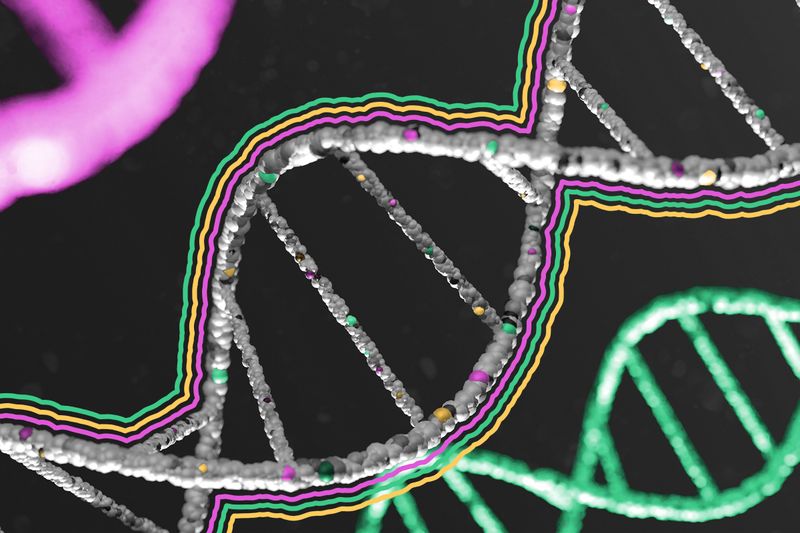
Nearly every cell in your body holds a remarkable amount of DNA. If you could carefully unwind every DNA strand from all your cells and place it end to end, it would stretch roughly 197 trillion to 243 trillion feet (60 trillion to 74 trillion meters). That’s enough to travel from the sun to Pluto and back around 10 to 12 times, depending on Pluto’s position in its orbit. The distance between Pluto and the sun is 39 astronomical units, and one astronomical unit equals roughly 491 billion feet or 150 billion meters.




Oops, incorrect!
It's a fibThe first successful animal cloning experiments were actually done on frogs in 1952. In 1996, Dolly became the first mammal cloned from an adult cell.
This estimate comes from the fact that a single human cell contains more than 6 feet of tightly packed DNA. Multiply that by the roughly 30 trillion cells in the average human body, and the total length becomes almost impossible to fathom.
What makes this even more mind-boggling is how efficiently it all fits in the body. That 6-foot strand of DNA inside each cell is folded, looped, and coiled into a microscopic nucleus just a few micrometers wide. Proteins called histones act like spools, wrapping and organizing DNA so an enormous amount of genetic information can be stored in an incredibly small space.

Numbers Don't Lie
More Interesting Reads



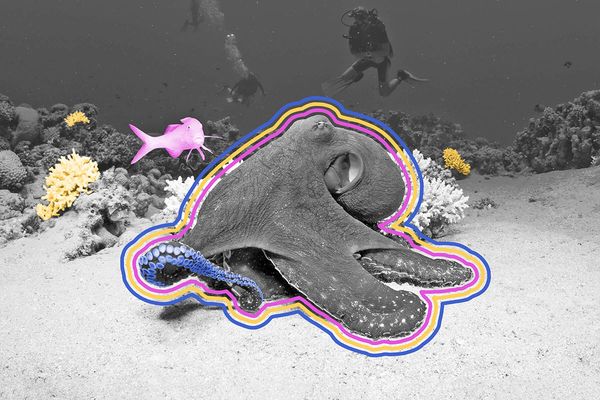


Nearly 75% of the disease-causing genes in humans are found in ______, making them useful for studying human diseases.
Ready to reveal?
Confirm your email to play the next question?
Nearly 75% of the disease-causing genes in humans are found in fruit flies, making them useful for studying human diseases.

DNA could one day store the world’s data.
Scientists are exploring ways to use DNA as a form of data storage — essentially turning it into a biological hard drive. Instead of storing information as 1s and 0s (as a computer does), DNA stores information using four chemical “letters”: A, T, C, and G. By translating digital data into those letters, researchers can encode text, images, and even video into synthetic DNA strands.
The appeal is density and durability. A single gram of DNA could theoretically hold hundreds of billions of gigabytes of data, far more than today’s storage devices are capable of. And unlike hard drives, which wear out over time, DNA can remain stable for thousands of years if kept in the right conditions. It’s still expensive and slow compared to modern storage, but the same molecule that stores the instructions for life could one day archive all of the information online.

Kristina is a coffee-fueled writer living happily ever after with her family in the suburbs of Richmond, Virginia.
top picks from the Inbox Studio network
Interesting Facts is part of Inbox Studio, an email-first media company. *Indicates a third-party property.