
Original photo by Jean-Claude Caprara/ Shutterstock

Although his name draws scant recognition from most today, John Duns Scotus was among the towering intellectual figures of medieval Europe. A Scottish Catholic priest and Franciscan friar, Scotus earned renown in the late 13th and early 14th centuries for his compelling arguments regarding the univocity of all creatures — i.e., humans are beings just as God is a being — and for his defense of the immaculate conception of the Virgin Mary. His academic achievements earned him the prestigious post of regent master of theology at the University of Paris, while his scrupulous reasoning yielded the nickname “Doctor Subtilis” — the Subtle Doctor.

National Dunce Day is celebrated on the anniversary of John Duns Scotus’ death.

Ready to reveal?

Oops, incorrect!

It's a fact

Grouped among other lesser-known commemorations such as National Sandwich Day and King Tut Day, National Dunce Day is indeed observed on the anniversary of Scotus’ accepted death date of November 8, 1308.

However, by the late 16th century, Europe’s rising humanist movement had taken aim at the old-fashioned rationale of the Scotists, and the Dunsmen (also known as the Duns), as his followers were known, were derided as outdated and overly pedantic. Eventually, the term “dunce” came to refer to someone who was slow or dim-witted. It’s not entirely clear exactly when dunce caps came on the scene, but they may have been modeled on the fools’ caps worn by jesters or clowns, and by 1791 they were being put on the heads of British schoolchildren who had made too many mistakes in class or otherwise misbehaved. (Some accounts say the Subtle Doctor and his followers actually wore such hats themselves because they believed the conical shape would capture free-flowing knowledge, but evidence is lacking.) 

Whether adorned with a telltale “D” or other embellishments like donkey ears, the dunce cap served as a common if crude form of punishment across European and American schools in the 19th and early 20th centuries. Although it largely disappeared from the American education system by the 1950s, the concept survives in popular culture as a visual shorthand for stupidity. But don’t feel too bad for Scotus. He was beatified by Pope John II in 1993, and renewed interest in his works in recent years has reaffirmed the decidedly non-dunce-like essence of his brain-twisting logic.

Numbers Don't Lie

Numbers Don't Lie

Year of Scotus’ ordainment to the priesthood
1291
Price, in U.S. dollars, of a dunce cap from Walmart.com
28.99
Height, in inches, reached by the stalks of the Chinese Dunce Cap
6
Words that can be formed from the letters in “dunces”
47

The Scotist term for “thisness,” a feature that makes every person unique, is “______.”

Ready to reveal?

Confirm your email to play the next question?

The Scotist term for “thisness,” a feature that makes every person unique, is “haecceity.”

Placeholder Image

Vanderbilt University researchers have created a real-life “thinking cap.”

While students have dutifully heeded instructions to don their thinking caps for generations, even the dunces among us grasp the concept of its existence being metaphorical as opposed to physical. In recent years, however, a team led by Vanderbilt University psychologists has developed something resembling a real-life thinking cap designed to stimulate and measure brain activity. This futuristic-sounding piece of headwear is actually just a cloth EEG cap fitted with tin disks. After electrodes are attached to a subject’s head and face, through which mild electrical currents are applied, the disks record brain waves as the subject undertakes a learning task. Early rounds of testing have shown that subjects learn faster when a current is directed from the top of the head to the cheek, with the effects of this stimulation lasting for about five hours. While it’s highly unlikely this electrical setup will appear in elementary school classrooms any time soon, its proponents have suggested that the caps could provide a boost to people suffering from neurological disorders or brain injuries.

Tim Ott
Writer

Tim Ott has written for sites including Biography.com, History.com, and MLB.com, and is known to delude himself into thinking he can craft a marketable screenplay.

Original photo by Venti Views/ Shutterstock

The Golden Gate Bridge is the most recognizable part of San Francisco’s misty skyline, not least because of its vibrant orange color, but the iconic structure was almost painted an entirely different hue. The idea of connecting parts of California’s Marin County with San Francisco via a bridge dates back to 1869, but plans for the architectural wonder didn’t take shape until 1916. Despite a hefty $35 million bill amid the Great Depression, the bridge project broke (underwater) ground in 1933. When it came time to choose a paint color two years into the build — a necessity to prevent rust on the steel caused by the underlying salt water — there was no obvious choice. The U.S. Navy recommended a black-and-yellow-striped design intended to increase visibility for ships and airplanes operating in foggy weather. Architect Irving Morrow rejected the idea (along with the commonly used gray and silver), settling on the vivid “International Orange” after seeing the bridge primed in a vermillion hue and believing the color would complement the surrounding landscape while providing high visibility. The bridge officially opened on May 27, 1937, painted in its gleaming new hue.

The Golden Gate Bridge has its own fog horns.

Ready to reveal?

Oops, incorrect!

It's a fact

Despite its blazing hue, the Golden Gate Bridge is known for disappearing into San Francisco’s famous fog. Two fog horns protect the bridge from boats below, blaring upwards of five hours a day — or more — during August’s peak fog.

Exactly how the Golden Gate maintains its iconic glow is something of a maintenance marvel that’s shrouded in myth. Popular theories suggest that the 1.7-mile overpass is entirely repainted from end to end annually, or just once every seven years, but in fact caretakers continuously have paint brushes in hand. Crews note areas of the bridge where paint has worn away, then spot-paint sections as needed. The work is tedious, requiring high climbs atop the structure’s 746-foot towers and its underbelly, which sits just 200 feet above the bay. Workers use specialized equipment and brushes to remove old paint, prime the underlying steel, and lacquer on the standout shade. The bridge has only been fully repainted one time — beginning in 1968 — to remove its failing, original lead-based paint; the task took 27 years and wasn’t finished until 1995.

Numbers Don't Lie

Numbers Don't Lie

Gallons of “International Orange” used to initially paint the Golden Gate Bridge
110,000
Number of individual wires in each of the bridge’s two main support cables
25,572
Toll cost for crossing the Golden Gate Bridge one way in 1937 (about $10.29 today)
$0.50
Year the first movie monster destroyed the bridge on screen (in “It Came From Beneath the Sea”)
1955

San Francisco’s iconic fog is nicknamed ______.

Ready to reveal?

Confirm your email to play the next question?

San Francisco’s iconic fog is nicknamed Karl.

Placeholder Image

The Golden Gate Bridge isn’t named for its color.

While the Golden Gate Bridge does seem to shimmer in the California sun, it wasn’t named for its vibrant paint job. The moniker actually refers to the Golden Gate Strait, the underlying waterway connecting the San Francisco Bay to the Pacific Ocean. Captain and explorer John C. Frémont came up with the name in 1846, inspired by the similarities between the 377-foot-deep channel and Istanbul’s Golden Horn harbor. Incidentally, Frémont — who later held political office in California, ran as the nation’s first Republican presidential candidate in 1856 (losing to James Buchanan), and served as a Union general in the Civil War — has been timelessly memorialized on street signs and city designations, including a bridge bearing his own name in Portland, Oregon.

Interesting Facts
Editorial

Interesting Facts writers have been seen in Popular Mechanics, Mental Floss, A+E Networks, and more. They’re fascinated by history, science, food, culture, and the world around them.

Original photo by Jurga Jot/ Shutterstock

In the United Kingdom, black currants are a go-to flavor for candies, beverages, and some medications, but less than an estimated 1% of Americans have ever sampled the fruit. The small, purple-black berries (which taste like a blueberry-cranberry blend) grow in clusters on the Ribes nigrum bush, and were once enjoyed by American colonists and early presidents. In 1899, an estimated 12,000 acres of commercial farmland were dedicated to this crop, which was harvested for wine, baked into pies, and preserved as jam — but the success of American black currants was short-lived, thanks to an ecological snafu. 

Black currants can prevent scurvy.

Ready to reveal?

Oops, incorrect!

It's a fact

Black currants are high in vitamin C, a deficiency of which causes scurvy. During World War II, when import blockades made citrus harder to find, the British government distributed Ribena — a black currant juice beloved by Brits — as a vitamin C supplement.

In the early 1900s, researchers discovered that pine trees near black currant plantings often became sick with a type of fungus known as white pine blister rust. The disease causes lesions on branches and trunks; as the blisters spread, the tree begins to die, and its evergreen needles turn a rusty hue. In an effort to protect the white pine logging industry — one of the most valuable in the nation at the time, and worth up to $1 billion — Congress banned black currants in 1911, going so far as to destroy currant farms with herbicides. Five decades later, botanists lobbied in favor of a return to currant farming, arguing that newly developed bushes were disease-resistant and posed little risk when planted away from pine trees. But despite federal approval for growing the currants in 1966, many states upheld their bans. Connecticut’s 1929 law fined anyone in possession of currant plants up to $25 until 1988, and New York — the top currant producer of old — held out until 2003. Today, black currants are making a slow comeback, with berry farmers in New York, Minnesota, Connecticut, and elsewhere hoping these fast-growing vines will be restored to their former glory.

Numbers Don't Lie

Numbers Don't Lie

Species of shrubs in the Ribes family, including currants and gooseberries
150-200
Species of North American pine trees that are susceptible to white pine blister rust
14
Percentage of the world’s currant crop commercially grown in Europe
99
Safe distance (in feet) needed between currants and pine trees to prevent disease transmission
1,000

Black currant Skittles are replaced with ______-flavored candies in the U.S.

Ready to reveal?

Confirm your email to play the next question?

Black currant Skittles are replaced with grape-flavored candies in the U.S.

Placeholder Image

Bristlecone pine trees keep their needles for 30 years.

Pine trees are known among arborists for their longevity, with some species living 300 to 500 years. Bristlecone pines are especially long-lived, with the slow-growing elders of the species reaching nearly 5,000 years old. Bristlecones are in no rush to grow, a feature that helps these hardy conifers survive in challenging climates. Primarily found among the Sierra Nevada and Rocky Mountain ranges, the trees survive despite short growing seasons, often intensely cold temperatures, rocky soils, and winds that form their trunks and branches into gnarly twists. To thrive, the trees conserve much of their energy by retaining their needles; unlike other pine trees that replace their bristly leaves every two to seven years, bristlecones hold onto their needles for about 30 years or more.

Nicole Garner Meeker
Writer

Nicole Garner Meeker is a writer and editor based in St. Louis. Her history, nature, and food stories have also appeared at Mental Floss and Better Report.

Original photo by Upesh Manoush/ Unsplash

Many of us consider blushing embarrassing, but Charles Darwin called it “the most peculiar and the most human of all expressions.” There’s a good reason for that: We’re quite literally the only species known to do it, aside from birds (although researchers are still teasing out whether our feathered friends blush for the same reasons we do). Whether the result of committing a social faux pas or just being paid a compliment, the involuntary reaction occurs in humans when the blood vessels in our face dilate and more blood flows to our cheeks. Part of our fight-or-flight response, it also entails an adrenaline rush and an increased heart rate. The reaction may be mostly unique to humans in part because our facial skin is relatively well exposed, and because embarrassment requires knowing (or imagining) what others are thinking about you — pretty complex cognitive stuff, actually.

Your stomach lining reddens when you blush.

Ready to reveal?

Oops, incorrect!

It's a fact

It isn’t just your cheeks that turn red when you blush. The same thing happens to your stomach lining, a response caused by the sympathetic nervous system increasing blood flow throughout the body.

For all that, we still don’t know exactly why we blush. Some theorize that it helps keep us honest (it can’t be faked, after all), while one study suggests that blushing after a social transgression “serves to signal the actor’s genuine regret or remorse over a wrongdoing” — in other words, it acts as physical evidence that we know we’ve made a mistake. This, in turn, makes others more likely to not only forgive our slight but also view us in a more favorable light. This is doubly true when it results from being given a compliment — who doesn’t find that reaction endearing? Maybe it’s not so embarrassing after all.

Numbers Don't Lie

Numbers Don't Lie

2019 sales of L’Oreal True Match blush
$17.1 million
Percentage of people who have cheek dimples
20–30
Times per minute the average person blinks
12
Length (in seconds) of the average yawn
6.5

In the Middle Ages, wealthy women used a combination of ______ and water as blush.

Ready to reveal?

Confirm your email to play the next question?

In the Middle Ages, wealthy women used a combination of strawberries and water as blush.

Placeholder Image

Blushing has a phobia associated with it.

It’s called erythrophobia, and it’s most common in those who experience such severe blushing that they avoid situations that might cause it — think public speaking or meeting new people. If a person is embarrassed by the fact that they’re blushing, this can often cause them to blush more; for some, reddening of the skin extends to the upper chest, neck, and ears. This often goes hand in hand with social anxiety, with each condition intensifying the other. The good news is that there are ways to mitigate or even move past erythrophobia, including exposure therapy and general mindfulness.

Interesting Facts
Editorial

Interesting Facts writers have been seen in Popular Mechanics, Mental Floss, A+E Networks, and more. They’re fascinated by history, science, food, culture, and the world around them.

Original photo by dpa picture alliance/ Alamy Stock Photo

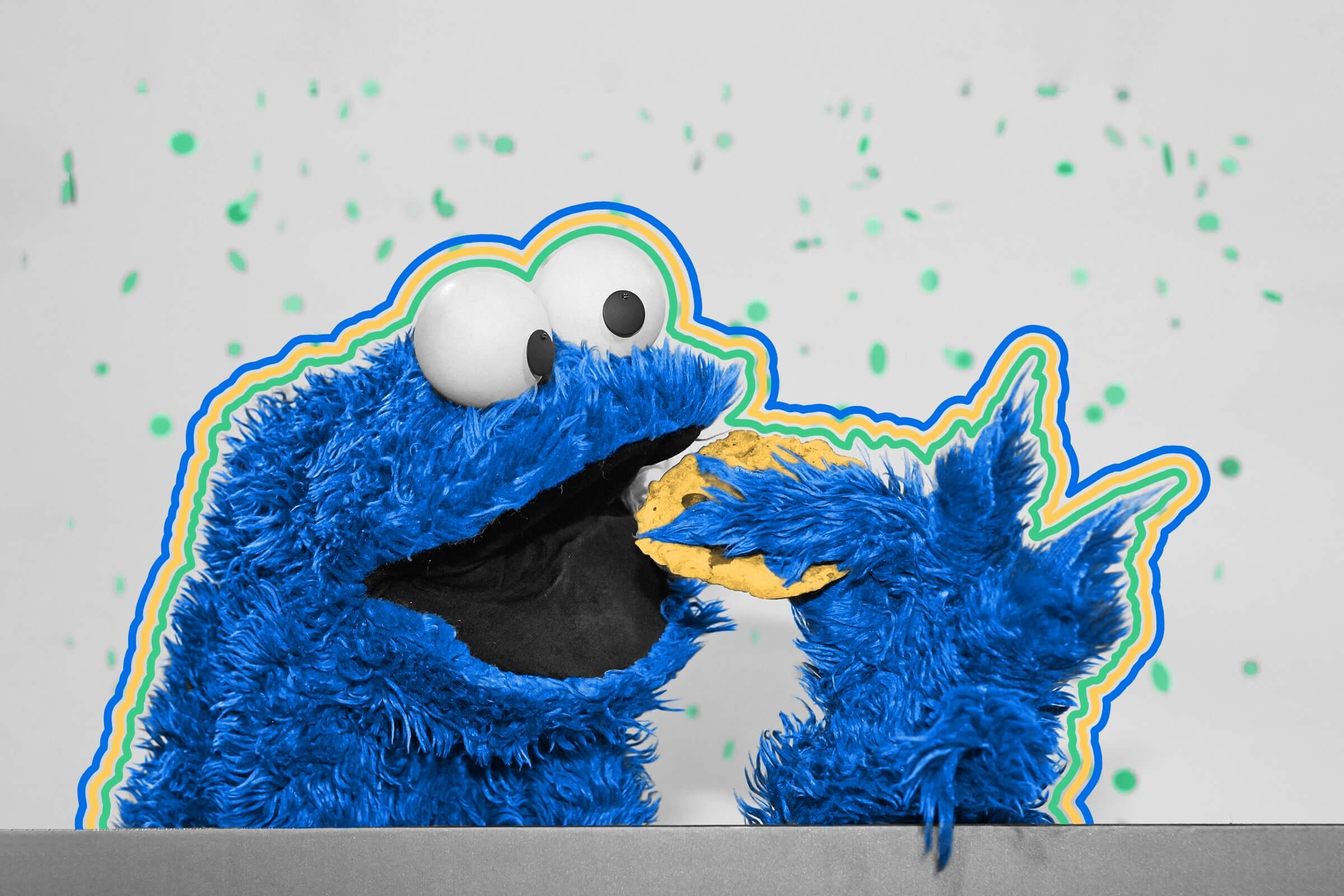
If you’ve ever wondered what appears on Cookie Monster’s birth certificate, the answer isn’t “Cookie Monster” — it’s “Sid.” Sesame Street’s resident cookie-lover joins the likes of Cap’n Crunch (Horatio Magellan Crunch), Yoshi (T. Yoshisaur Munchakoopas), and other fictional characters who have “real” names you might not know. (Speaking of Sesame Street, Snuffleupagus’ first name is actually Aloysius.) Cookie Monster revealed his actual name in the 2004 segment “The First Time Me Eat Cookie,” which includes the line, “In fact, back then, me think me name was Sid.” Despite this, many were still shocked when, in October 2022, the character tweeted, “Did you know me name is Sid? But me still like to be called Cookie Monster.”

Oscar the Grouch has always been green.

Ready to reveal?

Oops, incorrect!

It's a fib

In his original drawings of the character, Jim Henson designed Oscar the Grouch as a “spiky, grumpy-looking magenta monster.” But because early color TVs didn’t handle magenta well, Oscar’s color was changed to orange. He didn’t premiere his current look until the second season.

Though he made waves with the 2004 song “A Cookie Is a Sometimes Food,” Cookie Monster’s love of his namesake treat remains undiminished — and no, he isn’t going to change his name to Veggie Monster. Sid was designed by Jim Henson for an unaired General Foods Canada commercial in 1966, made his Sesame Street debut on the beloved show’s first episode three years later, and has remained a fan favorite in the more than half-century since.

Numbers Don't Lie

Numbers Don't Lie

Seasons of “Sesame Street” as of November 2022
53
Position on the Billboard Hot 100 Singles chart reached by “Rubber Duckie, You’re the One” in 1970
16
Fingers on each of Cookie Monster’s hands (the other Muppet monsters have four)
5
Daytime Emmys won by “Sesame Street,” the most of any show
142

Elmo’s favorite food is ______.

Ready to reveal?

Confirm your email to play the next question?

Elmo’s favorite food is wasabi.

Placeholder Image

“Sesame Street” almost had a different name.

While still in the development stage, the show was going to be called 123 Avenue B. There were two overlapping problems with that title, however: It was a real address in New York City, and the creators feared that viewers outside the city wouldn’t be intrigued by it. Sesame Street was chosen in part to evoke the “Open, sesame” command from “Ali Baba and the Forty Thieves,” a story in One Thousand and One Nights. Traces of the original title can be found in the show’s most famous address — 123 Sesame Street — a two-story brownstone apartment where Bert and Ernie live.

Interesting Facts
Editorial

Interesting Facts writers have been seen in Popular Mechanics, Mental Floss, A+E Networks, and more. They’re fascinated by history, science, food, culture, and the world around them.

Original photo by Sueddeutsche Zeitung Photo/ Alamy Stock Photo

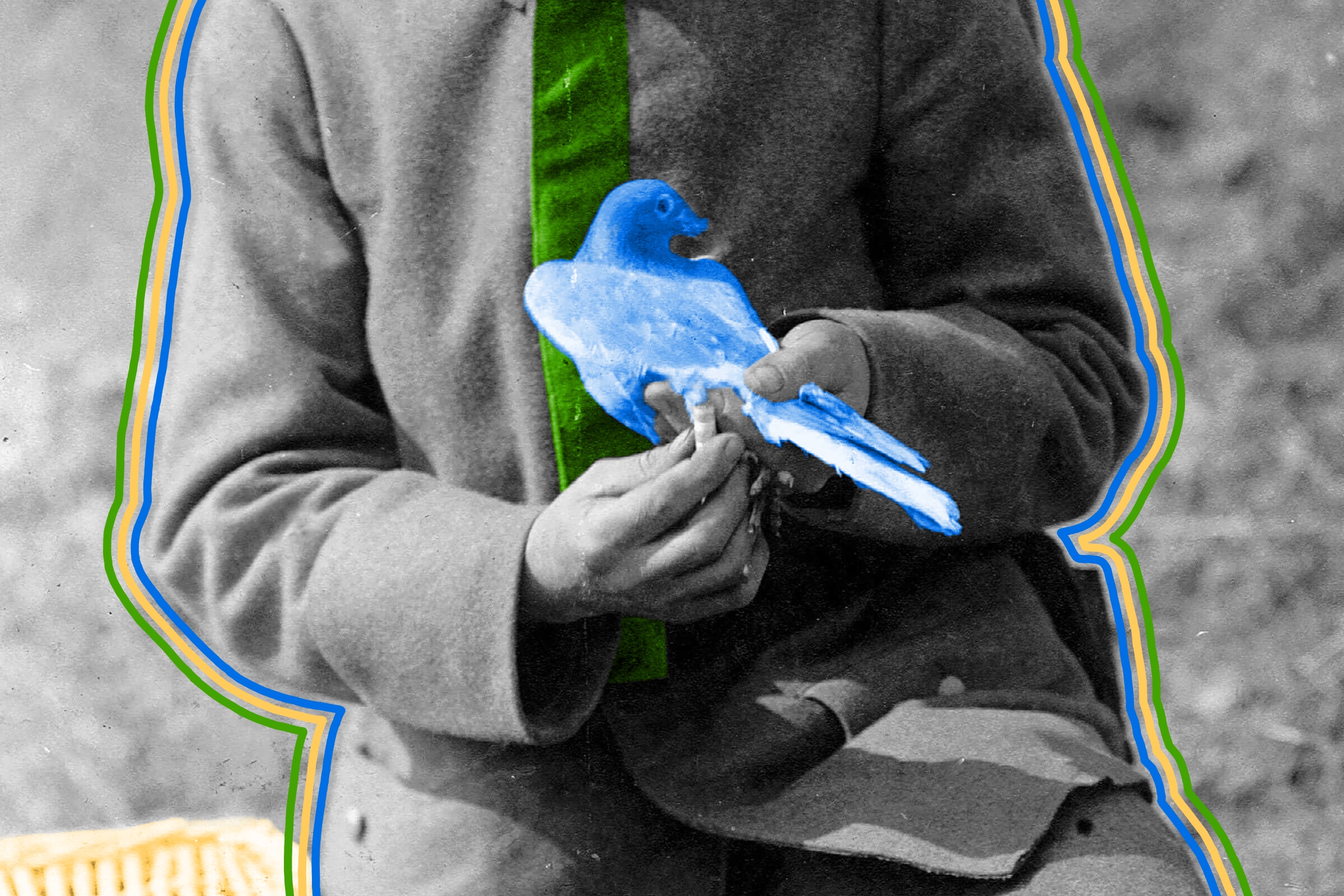
Pigeons tend to get a bad rap among urban dwellers, but the birds have a distinguished history of service. Bred for their instinctive ability to find their way home from long distances, homing pigeons were trained as message-bearers as far back as in ancient Egypt. With their deployment by besieged Parisians during the Franco-Prussian War of 1870, the era of the military pigeon was underway. 

Pigeons can recognize letters of the alphabet and learn words.

Ready to reveal?

Oops, incorrect!

It's a fact

A 2016 study demonstrated that pigeons could be trained to pick out words from a group of nonwords, marking the first time that a nonprimate was shown to have an orthographic brain.

By the time the United States entered World War I, homing pigeons were being used on both sides of the fighting for their ability to reliably deliver progress updates from planes, tanks, and mobile lofts on the front lines. While telephone and radio communications were more advanced heading into World War II, there were still times when conditions rendered such technologies useless, and the only solution was to strap a message to a pigeon and send it airborne through a hail of gunfire. Sometimes, a lone bird’s efforts saved the lives of hundreds of soldiers: One such instance occurred in Italy in 1943, when an American pigeon named G.I. Joe was dispatched to an Allied air base in the nick of time to call off the planned bombing of a village that had just been liberated by British troops.

That year, White Vision, Winkie, and Tyke became the first three of the 32 pigeons to receive the People’s Dispensary for Sick Animals (PDSA) Dickin Medal for exceptional wartime accomplishments. Although the award came into being too late to honor pigeon predecessors like Cher Ami and President Wilson, the more recent creation of the Honorary PDSA Dickin Medal in 2014 honored all the winged warriors and other service animals who served during World War I. And although the PDSA is based in the U.K., the Dickin Medal is awarded to animals in theaters of war around the world, and recognized worldwide.

Numbers Don't Lie

Numbers Don't Lie

Number of pigeons supplied by the United States to Allied forces in WWII
54,000
Year the U.S. Army pigeon service was disbanded
1957
Speed, in miles per hour, of the fastest recorded pigeon
110
Price, in dollars, paid for racing pigeon New Kim in 2020
1.9 million

The sense that enables pigeons to perceive direction via Earth’s magnetic field is ______.

Ready to reveal?

Confirm your email to play the next question?

The sense that enables pigeons to perceive direction via Earth’s magnetic field is magnetoreception.

Placeholder Image

One cat has won the Dickin Medal.

That would be Simon, a tomcat who had the misfortune of getting caught in the strife of the Chinese Civil War in 1949. A crew mascot aboard the British HMS Amethyst, Simon sustained shrapnel injuries when the ship was attacked and cornered by communist forces on the Yangtze River. Not only did Simon get back on his feet and provide comfort to his rattled shipmates, but he also fought off the rats that attempted to raid the dwindling food supply as the crew waited for weeks for safe passage to freedom. Simon then became something of a celebrity after the Amethyst made news with its escape to Hong Kong, with a designated “cat officer” assigned to handle his fan mail. Sadly, the battle-scarred feline died shortly before he was scheduled to receive his Dickin Medal late in 1949, although TIME magazine provided an additional salute by featuring his picture on its obituary page.

Tim Ott
Writer

Tim Ott has written for sites including Biography.com, History.com, and MLB.com, and is known to delude himself into thinking he can craft a marketable screenplay.

Original photo by solidcolours/ iStock

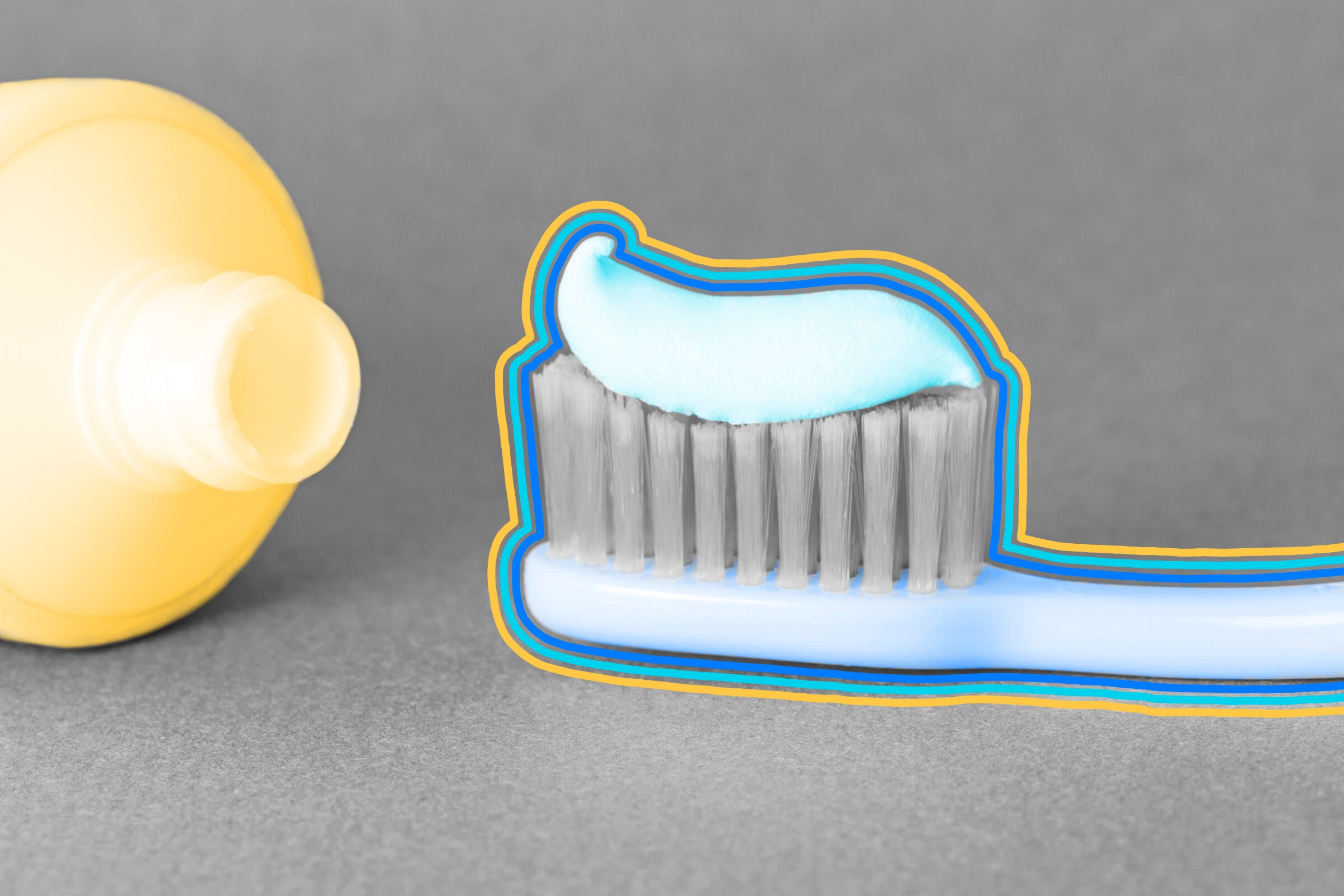
The ancient Egyptians are known for many firsts. Hieroglyphics, papyrus, the calendar, and even bowling all come from the minds of the ancient people along the Nile. Egyptians were also some of the first to pay particular attention to oral care. They invented the first breath mint, toothpicks have been found alongside mummies, and they created the oldest known formula for toothpaste. 

Teeth are considered bones.

Ready to reveal?

Oops, incorrect!

It's a fib

Teeth and bones are the hardest materials in the human body, but they’re very different. Bones are made of living tissue, so they’re constantly growing or regenerating throughout your life. Teeth are not living tissue, and are the only part of the human body that doesn’t regenerate.

One of the earliest medicinal texts, the Ebers Papyrus contains an astoundingly accurate understanding of the human circulatory system as well as an assortment of medicinal remedies. Written around 1550 BCE, this ancient text also describes an ancient form of toothpaste. This early dentifrice was likely made from ingredients such as ox hooves, ashes, burnt eggshells, and pumice (a type of volcanic rock), but by the fourth century CE, when Egypt was under Roman rule, the recipe evolved to include salt, pepper, mint, and dried iris flower, based on descriptions in another papyrus. Egyptians may have applied the paste with toothbrushes made from frayed twigs.

Although Egyptian toothpaste may seem unrecognizable compared to the science-y ingredients found in modern tubes of Colgate or Crest, these ancient toothpaste recipes essentially do the same thing. Modern toothpaste uses materials known as abrasives to remove gunk from teeth, lessening the potential for decay and cavities. While Egyptians used salt and pepper (or pumice) for this task, today we use hydrated silica for that same abrasive purpose — though thankfully it’s gentler on our gums. And the mint the Egyptians used helped freshen their breath, just as today’s mint-flavored toothpaste does. So while our modern tubes of toothpaste are a relatively modern creation, cleaning our teeth is a habit that goes back at least as far as the ancients.

Numbers Don't Lie

Numbers Don't Lie

Number of teeth in an adult human mouth (wisdom teeth included)
32
Year William Colgate founded his eponymous company, first selling soaps and candles
1806
Amount of fluoride (in milligrams per liter) in toothpaste
1,000
2021 over-the-counter toothpaste revenue in the U.S.
$3.2 billion

Invented in China in 1498, the first modern toothbrush used coarse hair from a ______ for bristles.

Ready to reveal?

Confirm your email to play the next question?

Invented in China in 1498, the first modern toothbrush used coarse hair from a hog for bristles.

Placeholder Image

Agriculture is why so many people need braces.

Every year millions of people get braces or have their wisdom teeth pulled. That’s because there isn’t enough dental real estate in the average human mouth. Although a boon for the dental profession, humanity’s mass malocclusion (or misalignment of teeth) wasn’t always this way. In our distant past, before we put down the hunting bow for the dirt-churning plow, human jaws comfortably accommodated all the teeth in our mouth. Yes, even our wisdom teeth. A study in 2015 analyzed the lower jaws of 292 skeletons ranging from 28,000 to 6,000 years old — an age range that straddles our adoption of agriculture some 12,000 years ago. Scientists noticed that early farmers had smaller jaws than their hunter-gatherer forebears. This is likely because before agriculture, Homo sapiens chomped hard-shelled nuts, uncooked vegetables, and tough meats, which required larger, stronger jaws. With the advent of farming, diets consisted of softer foods like beans and cereals, causing the size of the human jaw to decline over time because it’s not subject to the same amount of chewing time. Although our jaws are smaller, our number of teeth has remained the same, leading to the dental traffic jam experienced by millions today.

Darren Orf
Writer

Darren Orf lives in Portland, has a cat, and writes about all things science and climate. You can find his previous work at Popular Mechanics, Inverse, Gizmodo, and Paste, among others.

Original photo by Ildar Abulkhanov/ iStock

There are a few ways to avoid the itch-inducing bites of summer’s biggest pest: the mosquito. Wearing long-sleeved apparel and dousing yourself in insect repellent can help, but avoiding some beverages — particularly alcohol — might further protect you. According to a 2010 study of mosquito biting preferences, beer makes humans more attractive to the paltry pests. 

Researchers found that Anopheles gambiae, a mosquito species in the genus responsible for transmitting malaria, were more attracted to humans who had consumed beer (compared to those who consumed only water), and the results were evident as soon as 15 minutes after the humans began drinking. Other studies have produced similar findings; one examination of alcohol’s role in mosquito meal choices found that those who imbibed just one 12-ounce beer were more likely to be pestered by the insects. It’s unclear why beer primes humans to become bite victims, though some scientists believe it could be partly linked to body temperature; alcohol expands the blood vessels, a process that slightly increases the skin temperature and also makes us sweat, two factors that may attract more hungry mosquitoes.

Only female mosquitoes bite.

Ready to reveal?

Oops, incorrect!

It's a fact

Not every mosquito you see is out for blood. That’s because only female mosquitoes bite, in search of blood that provides them with enough protein to develop eggs and successfully reproduce, while males feed on nectar.

For being such tiny insects, mosquitoes are incredibly effective in their ability to feast on larger prey. Their proboscises — aka mouths — are created from a complex system that includes six needlelike mouthparts called stylets; when a mosquito bites, the stylets are used to hunt for nearby blood vessels. That makes a mosquito’s job of finding food quick and easy work — a necessity when dinner comes with a risk of being swatted.

Numbers Don't Lie

Numbers Don't Lie

Species of mosquitoes found worldwide, 200 of which live in the U.S.
3,500
Number of eggs an adult female mosquito can lay at one time
50-200
Top speed (in miles per hour) of a flying adult mosquito
1.5
Times a mosquito flaps its wings each second, faster than any similarly sized insect
800

______ is the only country free of mosquitoes.

Ready to reveal?

Confirm your email to play the next question?

Iceland is the only country free of mosquitoes.

Placeholder Image

London’s subway system has a type of mosquito named after it.

There are thousands of mosquito breeds throughout the world, but London has one subspecies informally named for its subway system. Scientists believe the Culex pipiens molestus, often called the London Underground mosquito, is a variation of the Culex pipiens, the most widespread mosquito in the world. The London Underground mosquito is thought to have lived beneath the city’s streets for around 150 years. While the pests were acknowledged during World War II, when Brits sheltering below ground were bitten by the hungry insects, it wasn’t until decades later that researchers began to study them in earnest. By 1999, English researcher Katharine Byrne determined that the mosquitoes living in London’s subway tunnels had morphed into their own subspecies, unable to even breed with other species. However, more recent research suggests the pests didn’t evolve inside the Underground, but possibly in Egypt and nearby areas centuries ago. Today, Culex pipiens molestus is found in underground locations in many parts of the world.

Nicole Garner Meeker
Writer

Nicole Garner Meeker is a writer and editor based in St. Louis. Her history, nature, and food stories have also appeared at Mental Floss and Better Report.

Original photo by MediaPunch Inc/ Alamy Stock Photo

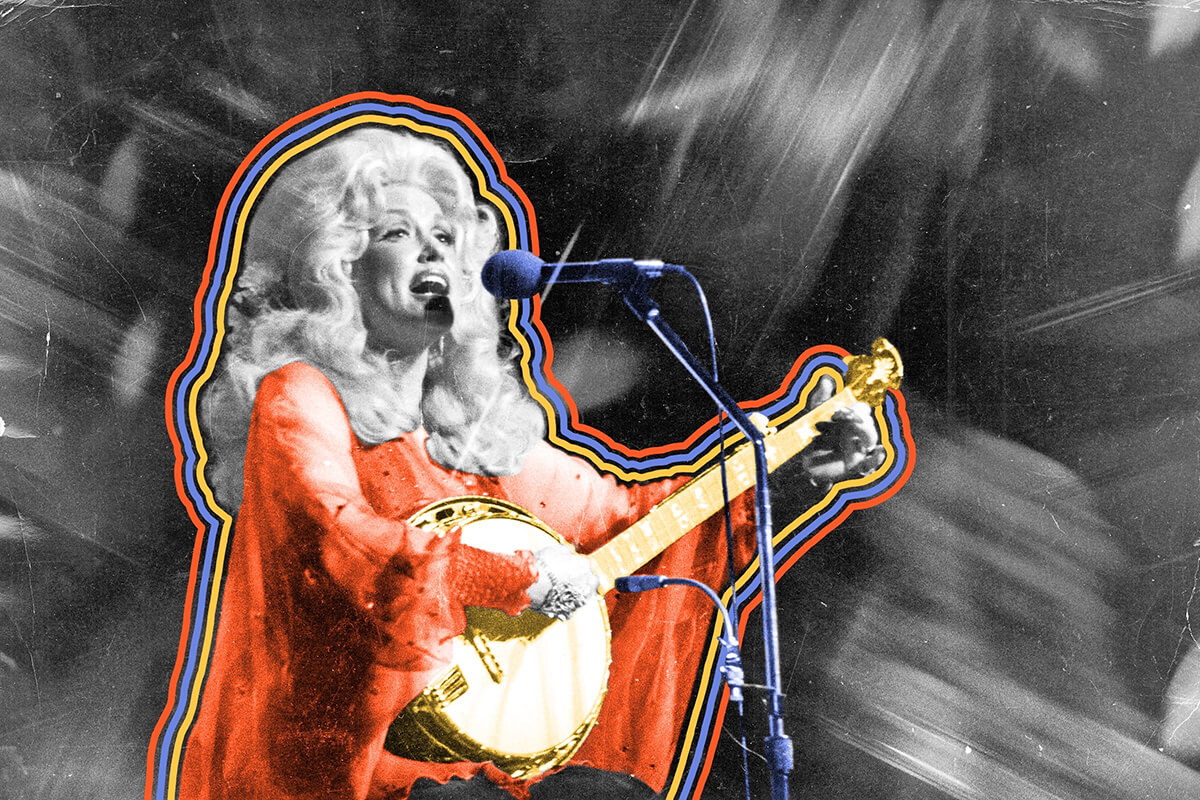
Is there a word for the opposite of writer’s block? If there isn’t, Dolly Parton should get to coin it, since the country music legend says she penned “I Will Always Love You” and “Jolene” in one day. “That was a good writing day” is how the ever-humble fan favorite described the process of writing the two eventual Billboard Country Music No. 1 hits in 1972. They remain two of her best-known songs a full half-century later, with “I Will Always Love You” taking on a second life when Whitney Houston covered it for the 1992 blockbuster The Bodyguard. Parton, who used some of her royalties from the cover to invest in a Black neighborhood in Nashville, is a fan of Houston’s version and has said she “would’ve loved” to perform a duet with Houston even though “she’d have outsung me on that one for sure.”

Dolly Parton has several tattoos.

Ready to reveal?

Oops, incorrect!

It's a fact

Though she’s never revealed them publicly, Parton has “a few little tattoos here and there.” The singer apparently scars easily, and has used her ink — including beehives, butterflies, and ribbons — to cover them up.

“Jolene” and “I Will Always Love You” aren’t the only megahits in history that were written quickly, of course. It took Mariah Carey and songwriter Walter Afanasieff just 15 minutes to co-write “All I Want for Christmas,” while the Beatles’ “Yesterday,” Lady Gaga’s “Just Dance,” the Guess Who’s “American Woman,” and several other famous tunes were all put together in around 10 minutes. Sometimes when inspiration strikes, it really strikes.

Numbers Don't Lie

Numbers Don't Lie

Dolly Parton albums sold worldwide (as of 2014)
100 million
Number of Parton’s No. 1 hits on Billboard’s Hot Country Songs chart, the most of any woman
25
Free books delivered by Parton’s Imagination Library
172 million
Copies sold worldwide of the soundtrack to “The Bodyguard”
45 million

Parton’s father paid the doctor who delivered her with ______.

Ready to reveal?

Confirm your email to play the next question?

Parton’s father paid the doctor who delivered her with a sack of oatmeal.

Placeholder Image

Dolly Parton is Miley Cyrus’ godmother.

By the time Miley Cyrus was born in 1992, Dolly Parton had been a country music icon for more than two decades. Thanks to Parton’s close friendship with Miley’s dad, “Achy Breaky Heart” singer Billy Ray Cyrus, she was chosen as Miley’s godmother. “When Miley came along, I said, ‘She’s got to be my fairy goddaughter,’” Parton recalled in an interview. Parton has also said that the “Wrecking Ball” singer “just had a light about her” from a young age. The relationship is both personal and professional, and Parton appeared on Hannah Montana with her goddaughter several times. And though Cyrus has elicited occasional controversy throughout her career, Parton has vowed to “never, ever bad-mouth Miley, no matter what she does. I just always hope she comes out the other end alright.”

Michael Nordine
Staff Writer

Michael Nordine is a writer and editor living in Denver. A native Angeleno, he has two cats and wishes he had more.

Original photo by Album/ Alamy Stock Photo

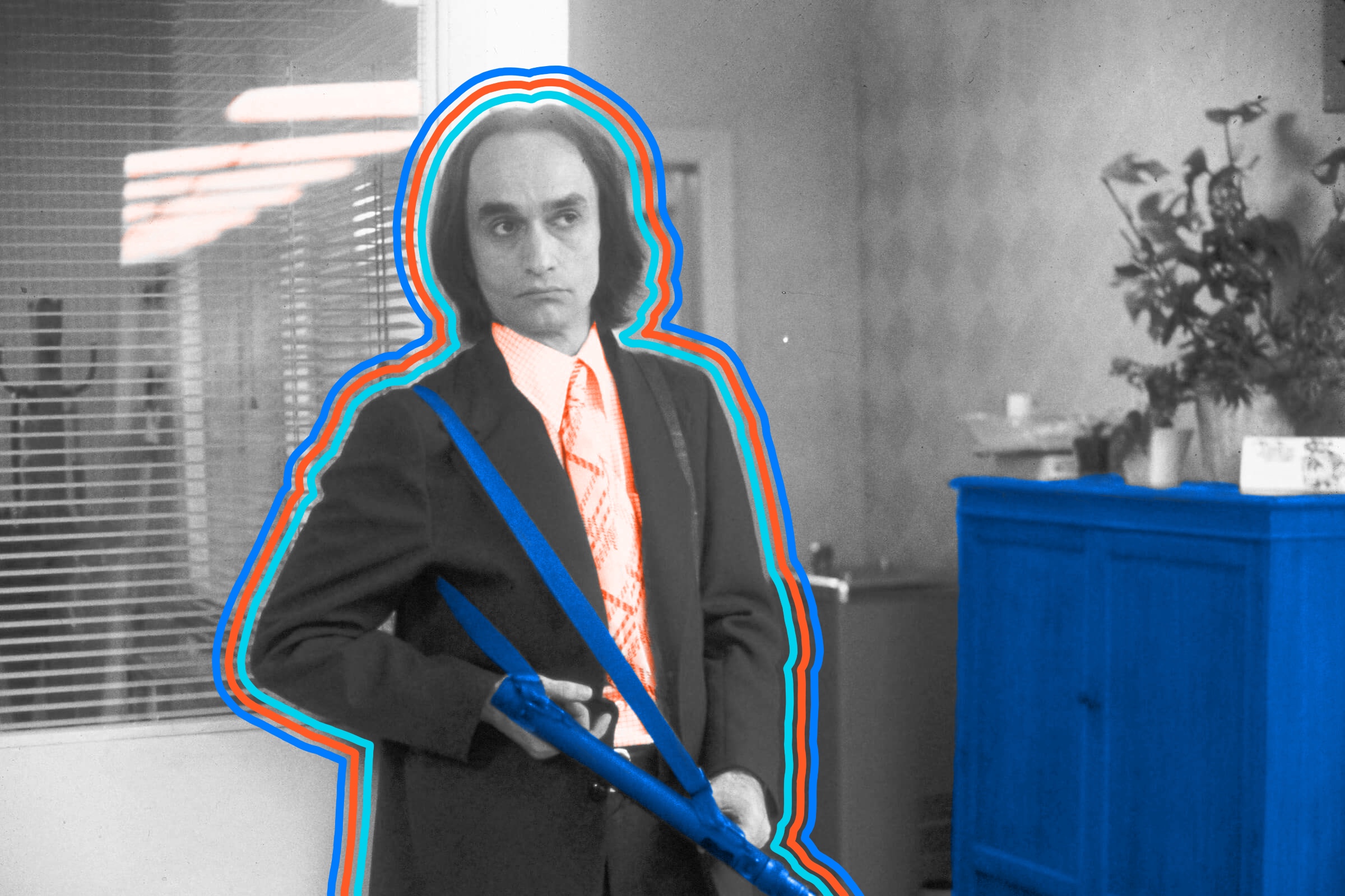
There are impressive filmographies, and then there’s John Cazale's. The actor only appeared in five films during his lifetime, all of which were nominated for Best Picture at the Academy Awards: The Godfather (1972), The Conversation (1974), The Godfather Part II (1974), Dog Day Afternoon (1975), and The Deer Hunter (1978). Even more remarkably, three of them — both Godfathers and The Deer Hunter — won the top prize. The last of these was released after Cazale’s untimely death from bone cancer in March 1978, at which time the 42-year-old thespian was the romantic partner of fellow great Meryl Streep. (He was also in 1990's The Godfather Part III via archival footage, which didn’t break his streak — that sequel was also up for Best Picture.)

John Cazale was nominated for an Oscar himself.

Ready to reveal?

Oops, incorrect!

It's a fib

Despite receiving widespread praise for his performances, Cazale was never nominated for an Academy Award himself. He fared better during his stage career, winning an Obie for his performance in 1968’s “The Indian Wants the Bronx” — as did Pacino, with whom he shared the stage.

Described by no less an authority than his Godfather co-star Al Pacino as “one of the great actors of our time — that time, any time,” Cazale remains best known for playing the tragic Fredo Corleone in Francis Ford Coppola’s mafioso saga. Revered by everyone from contemporaries Gene Hackman and Robert De Niro to more recent admirers such as Michael Fassbender and Steve Buscemi, he was the subject of the 2009 documentary I Knew It Was You: Rediscovering John Cazale. The film was well received upon its premiere at the Sundance Film Festival, and further cemented Cazale’s status as one of the most respected performers of his generation.

Numbers Don't Lie

Numbers Don't Lie

Oscars won by Cazale’s five films
15
Global box-office gross for “The Godfather”
$250 million
Golden Globe nomination received by Cazale, for “Dog Day Afternoon”
1
Copies sold of Mario Puzo’s novel “The Godfather”
20 million–30 million

John Cazale and Al Pacino met while working for ______.

Ready to reveal?

Confirm your email to play the next question?

John Cazale and Al Pacino met while working for Standard Oil Company.

Placeholder Image

Two actors won Oscars for playing the same "Godfather" character.

Marlon Brando won the Academy Award for Best Actor twice during his legendary career, the first time for 1954’s On the Waterfront (“I coulda been a contender”) and the second time for The Godfather (“I’m gonna make him an offer he can’t refuse”). Few silver-screen characters are as iconic as “Don” Vito Corleone, not least because Brando wasn’t the only all-time great to play him. The Godfather Part II is both a sequel and a prequel, with Robert De Niro playing a young Vito Corleone as he emigrates from Sicily to New York and ascends to power. Like Brando before him, De Niro won an Oscar for his performance — this time as Best Supporting Actor. It was the only time two actors had earned Oscars for playing the same character until Joaquin Phoenix was named Best Actor for playing the title character in 2019’s Joker 11 years after Heath Ledger’s performance as Batman’s nemesis in The Dark Knight. The feat was repeated again in 2022, when Ariana DeBose got a trophy for playing West Side Story’s Anita 60 years after Rita Moreno did likewise.

Michael Nordine
Staff Writer

Michael Nordine is a writer and editor living in Denver. A native Angeleno, he has two cats and wishes he had more.