
Original photo by ClaudioVentrella/ iStock
Astronomer Carl Sagan wrote in his 1980 book Cosmos that there were more stars in the universe than grains of sand on beaches on Earth — a statement that’s both wondrous and impossible to prove. But some scientists pondering similar ideas believe that there may be more trees on Earth than stars in the Milky Way galaxy. The theory stems from a 2015 study that attempted to determine how many living trees could be found on the planet, by estimating the number of trees living in different environments. Tropical and subtropical forests appear to have 43% of the world’s tree population, nearly double that of frosty boreal forests found in places such as Canada, Russia, and Norway. Other regions, including the temperate biome (central Europe and the U.S. Northeast), generally have the fewest number of trees. The combined estimates per zone lead some scientists to believe that Earth is home to roughly 3 trillion trees. Compared to NASA’s estimate of more than 100 billion stars in the Milky Way, it appears that trees far outnumber the Milky Way’s sparkling orbs.

There are more planets in the Milky Way galaxy than stars.

Ready to reveal?

Oops, incorrect!

It's a fact

Our own solar system has eight planets orbiting one star (the sun), and astronomers believe that multiple planets per star is more common than not in our galaxy. On average, each star seen from Earth has at least one planet.

However, the scientific community acknowledges that we’ll likely never know the true number of stars in the sky or how many trees are rooted in the Earth, because there are too many factors at play. Astronomers can guess at the number of stars by observing how the galaxy rotates and calculating its mass, though not all stars are visible from Earth, and it’s impossible to count them individually to confirm the math. On Earth, humans cut down 15 billion trees annually but replace some, with an estimated 1.3 billion saplings produced in the U.S. each year in the hopes of balancing the count. After all, even if we have trillions of them, each tree on the planet is precious.

Numbers Don't Lie

Numbers Don't Lie

Stars visible to the human eye from Earth on an average night
5,000
Year the first telescopes were created, in the Netherlands
1608
Estimated species of trees worldwide
73,300
Number of kaikōmako trees, the world’s rarest, remaining in the wild
1

The South American nation of ______ is the most heavily forested country by percentage of land.

Ready to reveal?

Confirm your email to play the next question?

The South American nation of Suriname is the most heavily forested country by percentage of land.

Placeholder Image

Coulter pine trees produce 11-pound pine cones.

Most pine trees produce pine cones, the woodsy mechanisms through which they distribute their seeds. Some species, like North America’s eastern hemlock, produce tiny, half-inch seed pods. These pale in comparison to the Coulter pine’s pine cones, which max out at 11 pounds — the largest pine cones on Earth. Coulter pine cones grow over the course of two years and can reach up to 20 inches in length. They’re so large that they’re often nicknamed “widow-makers” because of the danger they present to people below. However, your chances of encountering a Coulter pine are relatively small, since the species — first recorded in 1831 — is not especially widespread. It’s native to the mountains of Southern California and northwestern Mexico, where the trees grow along ridges and dry, rocky slopes.

Interesting Facts
Editorial

Interesting Facts writers have been seen in Popular Mechanics, Mental Floss, A+E Networks, and more. They’re fascinated by history, science, food, culture, and the world around them.

Credit: Pravruti/ Shutterstock

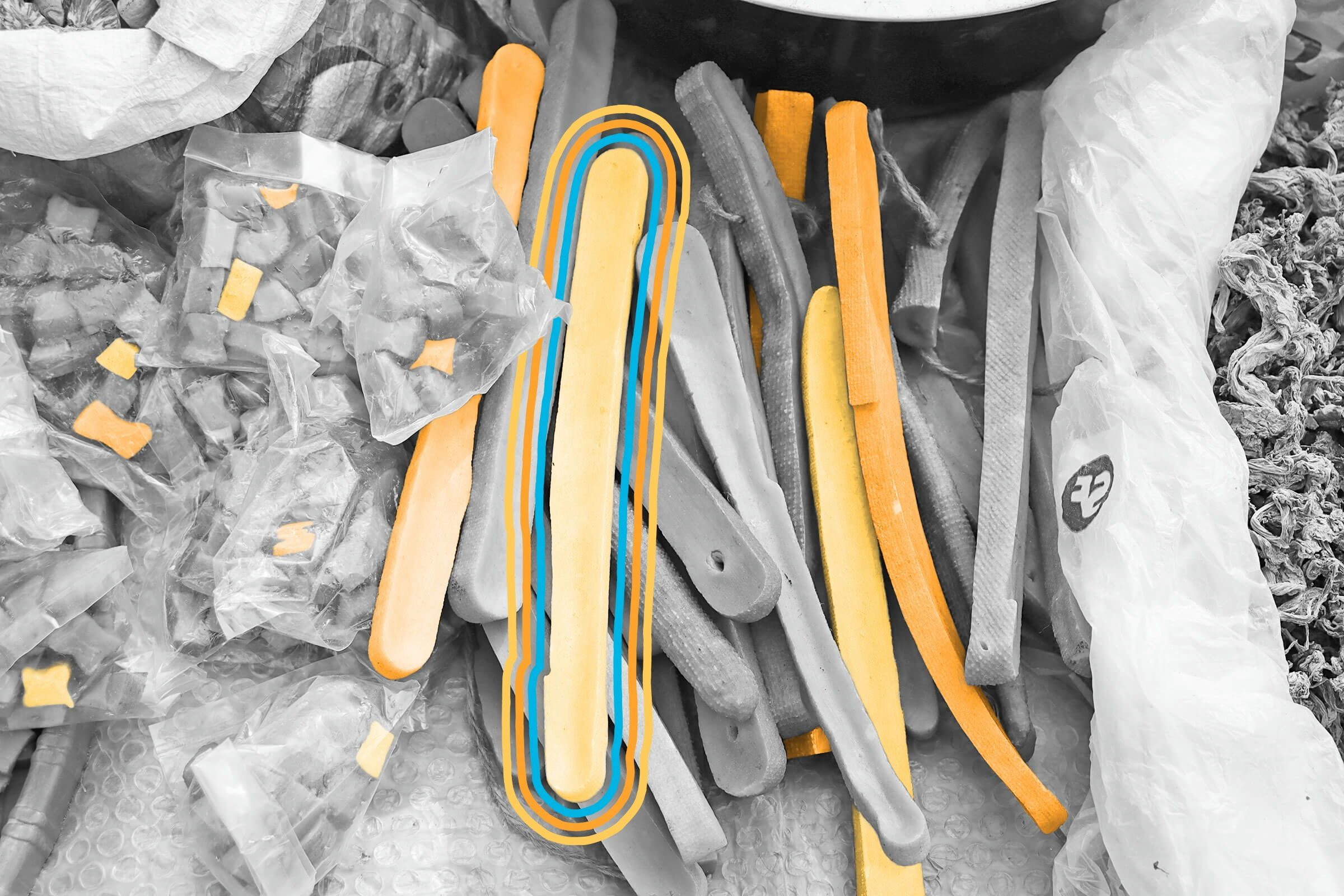
It’s frustrating when you buy a block of cheese at the supermarket and it grows mold before you can enjoy the whole thing. But that’s rarely an issue with chhurpi, the world’s hardest cheese that can last for up to 20 years. Chhurpi originated in the Eastern Himalayas region of Nepal and China, and it comes in both a softer variety produced from cow’s milk and a hard variety made from yak’s milk. Soft chhurpi lasts for only a week or two and is often pickled or enjoyed in curries. But the version made from yak’s milk is a special culinary treat you won’t find anywhere else in the world.

Wisconsin produces the most cheese of any U.S. state.

Ready to reveal?

Oops, incorrect!

It's a fact

Wisconsin produces about 26% of cheese made in the U.S. each year. This is thanks to an estimated 1,290 licensed cheesemakers from Wisconsin who put out more than 3.5 billion pounds of cheese annually. The state also makes around 32 billion pounds of milk each year.

Hard chhurpi is produced by curing fresh cheese curds at room temperature for several days. The curds are then sliced into blocks and left to dry either outside or in a low-heat oven, which gives it a smoky flavor and a dense consistency. While chhurpi is best enjoyed within six months, it’s said to last for up to two decades if properly stored in yak skin. Part of chhurpi’s everlasting freshness is due to its extreme lack of moisture. While this helps preserve the cheese, the low moisture content also makes it quite difficult to chew. The most effective way to eat it is to hold it in one’s mouth until it becomes moist and softens slightly, then begin chewing it like a gum. Consuming chhurpi in this way can make one block of the stuff last for up to two hours. That’s what makes chhurpi so popular in this isolated region of the world, as people can rely on it for continual sustenance during long journeys through mountainous terrain.

Numbers Don't Lie

Numbers Don't Lie

Year the world’s first commercial cheese factory opened
1815
Cheese varieties mentioned in Monty Python’s “Cheese Shop” sketch
43
Price for 1 pound of the world’s most expensive cheese (Pule cheese)
~$600
Weight (in pounds) of the largest slice of cheese in history
298.73

______ consumes the most cheese per capita of any country.

Ready to reveal?

Confirm your email to play the next question?

France consumes the most cheese per capita of any country.

Placeholder Image

A French town produces electricity using cheese.

Albertville, France, is a small commune that’s most famous for hosting the 1992 Winter Olympics. It’s also known for being the site of an untraditional power station that uses cheese to produce electricity. This unusual process relies on whey, a yellowish liquid byproduct that comes from the Beaufort cheesemaking process. Experts realized they could ferment the whey to create methane gas, which could then be used to heat water and produce electricity. In October 2015, a new cheese-based power plant opened with the ability to produce 2.8 million kilowatt-hours each year — enough to power a community of 1,500 people. It is the largest power plant of its kind, though it’s actually not the first. That distinction goes to a small prototype plant that was built in the mid-2000s near a French abbey that’s been producing cheese since the 12th century. Today, there are more than 20 of these small cheese-fueled power plants located throughout Europe and Canada.

Bennett Kleinman
Staff Writer

Bennett Kleinman is a New York City-based staff writer for Inbox Studio, and previously contributed to television programs such as "Late Show With David Letterman" and "Impractical Jokers." Bennett is also a devoted New York Yankees and New Jersey Devils fan, and thinks plain seltzer is the best drink ever invented.

Original photo by naruedom/ iStock

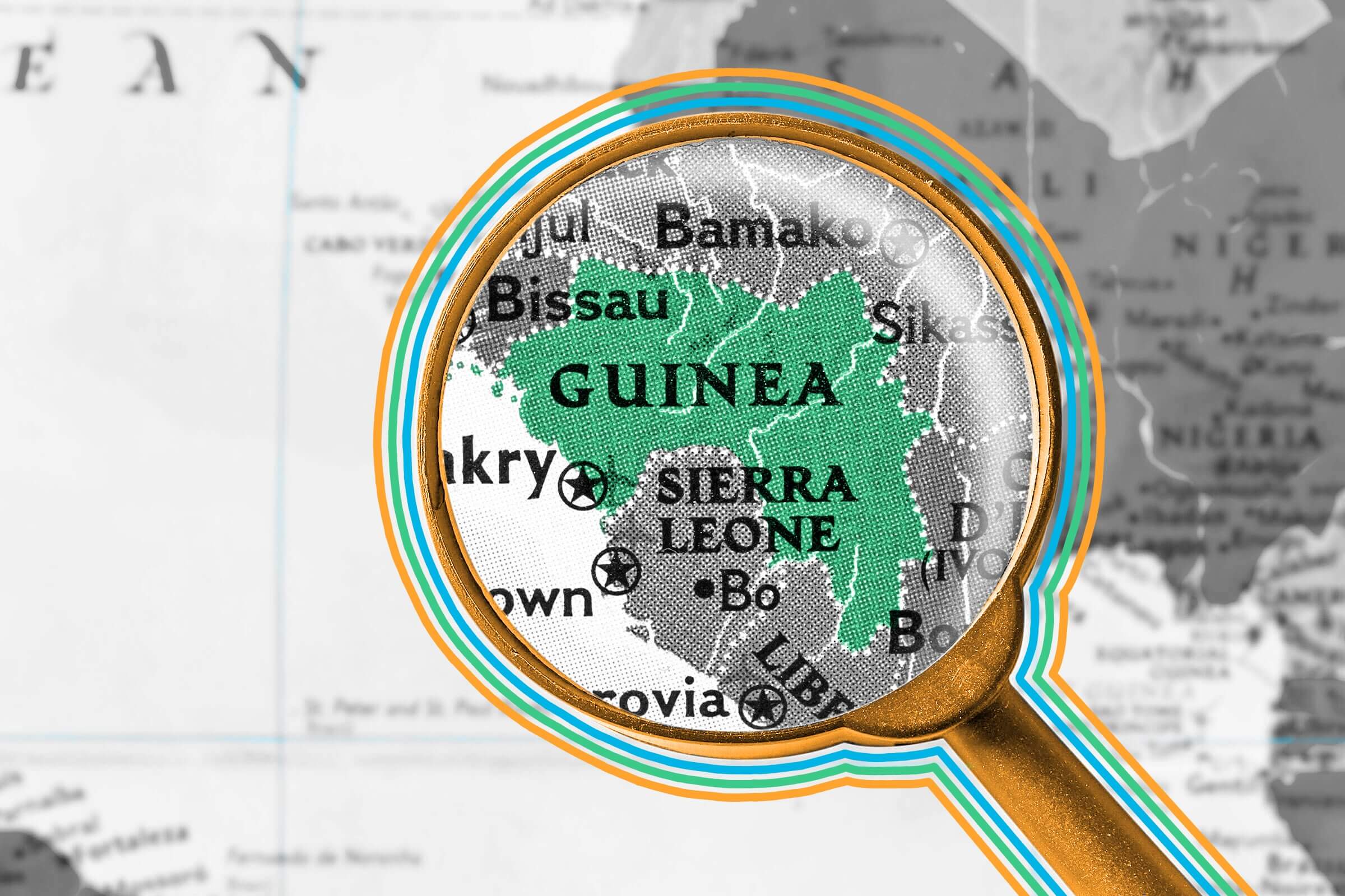
It’s not unusual for cities to share names, but it happens less frequently with countries. Yet four nations — three of which are in Africa — use the word “Guinea” in their titles: Guinea, Guinea-Bissau, Equatorial Guinea, and Papua New Guinea. How is it possible to have so many countries using the same word? It has to do with the colonization of Western Africa. The exact origin of the word “Guinea” is unknown, though some linguists believe the term comes from the Portuguese word “Guiné,” which appeared around the mid-1400s to describe a region south of the Senegal River along Africa’s western coast. A competing theory suggests that the name comes from Djenné, an ancient city in modern Mali that was an important stop along the trans-Saharan gold trading route; it’s possible “Djenné” transformed into “Genawah,” which was then used to describe all people in Western Africa. 

An African country has Spanish as one of its official languages.

Ready to reveal?

Oops, incorrect!

It's a fact

Equatorial Guinea is the only country on the African continent to have Spanish as one of its official languages, along with French and Portuguese. The nation was a colony of Spain from 1778 through 1968; today about 67% of its citizens can speak Spanish.

By the late 1880s, many European countries had laid claim to African land in a race historians call the “Scramble for Africa.” Spain, France, and Portugal (among other powers) all shared control of the Guinea region in Western Africa; the area was divided, and land was generally identified by its controlling country. However, the names we know today wouldn’t emerge until well into the 20th century, when each nation broke away from European control. French Guinea retained the name Guinea after gaining independence in 1958, Spanish Guinea became Equatorial Guinea in 1963, and Portuguese Guinea took on the name Guinea-Bissau (referencing its capital city Bissau) in 1974.

As for Papua New Guinea, located thousands of miles to the east across the Indian Ocean, two explorers gave it its name. In 1526, Portuguese sailor Jorge de Meneses dubbed part of the island “ilhas dos Papuas,” from the Malay word papuwah (referencing the islanders’ curly hair), while Spanish explorer Yñigo Ortiz de Retez declared another portion New Guinea, believing its citizens resembled the people of Africa’s Guinea coast.

Numbers Don't Lie

Numbers Don't Lie

Languages spoken in Papua New Guinea, the most of any country
840
First year athletes from Guinea-Bissau competed in the Olympics
1996
Rivers that originate in Guinea, flowing throughout parts of Western Africa
20+
Population of Equatorial Guinea in 2022, the smallest of any “Guinea” country
1.5 million

Guinea pigs are native to ______.

Ready to reveal?

Confirm your email to play the next question?

Guinea pigs are native to South America.

Placeholder Image

New Guinea is the world’s second-largest island.

Situated in the western Pacific Ocean, north of Australia, New Guinea (home to most of Papua New Guinea and parts of Indonesia) is the second-largest island on the globe, measuring more than 317,000 square miles. While that may seem large, it’s less than half the landmass of Greenland, the world’s largest island. Making that distinction was probably a tricky feat, however, because mapping New Guinea proved difficult for cartographers for centuries. The island’s rugged terrain — complete with mountains, rainforests, and large wetlands — can make exploring and charting its boundaries difficult; even attempts at aerial photography have often been limited thanks to heavy cloud cover in many areas. It wasn’t until 1971 that mapmakers were able to draft more accurate sketches of the island with the help of radar imagery.

Nicole Garner Meeker
Writer

Nicole Garner Meeker is a writer and editor based in St. Louis. Her history, nature, and food stories have also appeared at Mental Floss and Better Report.

Original photo by sethakan/ iStock

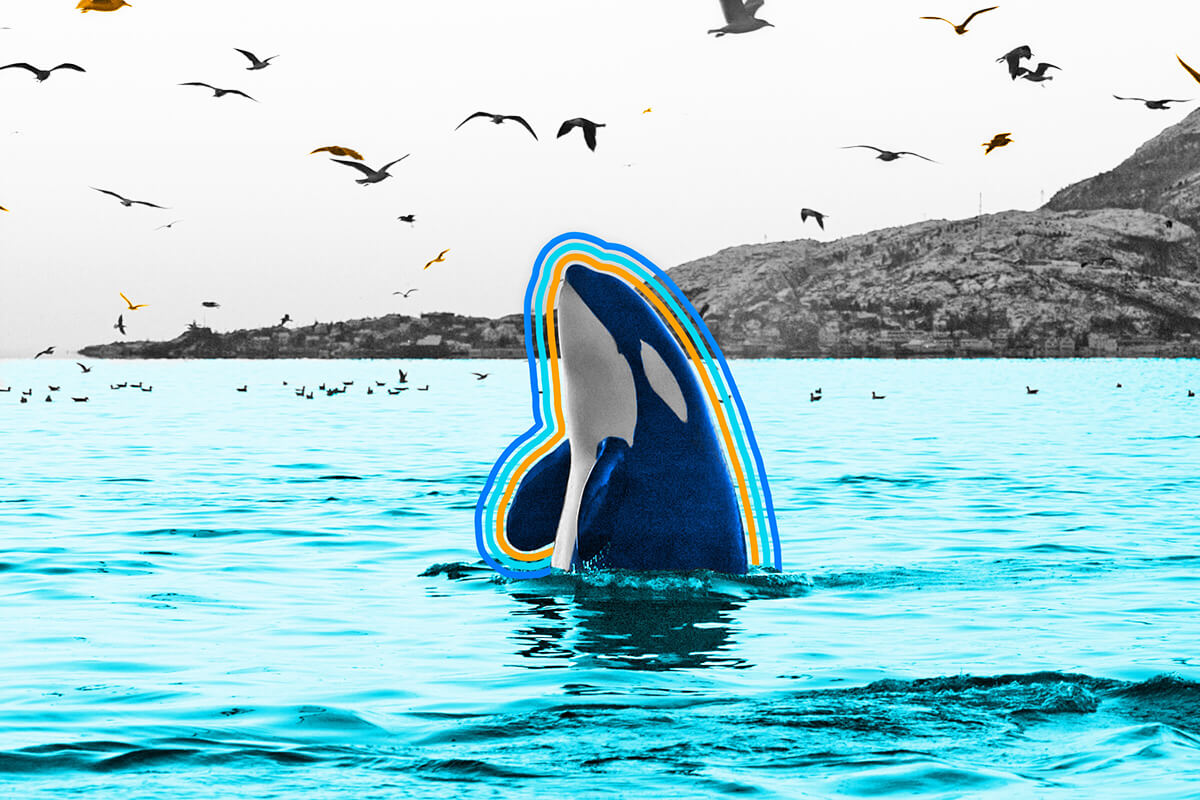
There are a few common misconceptions about killer whales, such as how they’re often seen as bloodthirsty creatures that hunt humans. (They don’t — killer whale attacks are incredibly rare.) But the biggest confusion about these black-and-white ocean dwellers is right in their name: They aren’t really whales. The Orcinus orca is actually the largest species in the Delphinidae (aka dolphin) family, weighing as much as 350 pounds at birth and growing up to 32 feet long during its 30- to 50-year lifespan. But in comparison to most whales — like the 100-foot blue whale, the largest animal on our planet — orcas are relatively small. Biologists also group killer whales with dolphins because of their aerodynamic body shape, which helps them reach speeds of up to 34 miles per hour, and their use of echolocation for hunting and navigation.

Dolphins never fully sleep.

Ready to reveal?

Oops, incorrect!

It's a fact

Getting a good night’s rest is a necessity for most animals, but dolphins have a tricky way of sleeping since they must remain conscious to breathe. By sleeping with only half their brain at a time, dolphins can stay somewhat alert, which helps protect them from predators and obstacles.

So why do we call them killer “whales”? The name stems from sailors of old, who witnessed the massive dolphins hunting whales (and other large marine mammals) together, and originally called them “whale killers.” Over time, the name was reordered, giving orcas a reputation as fierce and dangerous predators. These oceanic dolphins are clever hunters, known for beaching themselves to feast on seals and sea birds, and for working in pods to take down larger prey like great white sharks. But they’re also extremely social marine animals that spend their lives in matriarchal groups with as many as 40 members. Killer whales are so focused on community building that pods often host “greeting ceremonies” to meet members of other groups or welcome new babies, and hold aquatic funerals to mourn podmates. And the most reputation-busting research shows they might just like belly rubs.

Numbers Don't Lie

Numbers Don't Lie

Largest recorded weight (in pounds) of a killer whale
22,000
Number of known dolphin and porpoise species
49
Estimated number of wild orcas, as of 2021
50,000
Total worldwide movie ticket sales for 1993’s “Free Willy”
$153.7 million

Whales and dolphins are ______, not fish.

Ready to reveal?

Confirm your email to play the next question?

Whales and dolphins are mammals, not fish.

Placeholder Image

The U.S. military trains dolphins for special underwater missions.

Dolphins are known for their intelligence and use of echolocation, which is why the U.S. military has been training them as underwater operatives since 1959. Naval scientists first began researching bottlenose dolphins and how they swim in part to create better torpedoes, but quickly expanded to training, sending the first skilled dolphins to guard ships and perform surveillance in Vietnamese waters in 1965. By the early 1990s, the dolphin program — initially kept secret — was so successful that the U.S. Navy relied on more than 100 of the animals to transport tools to underwater crews and patrol naval bases in the Persian Gulf and elsewhere. The Navy’s Marine Mammal Program was officially declassified in 1992, but dolphins are still important military members. Their use of sonar (echolocation) makes them especially adept at mine-clearing tasks, in which they’re trained to distinguish (from a safe distance) between naturally occurring ocean features and human-made items that could be bombs, and then tag the locations for human divers to examine.

Interesting Facts
Editorial

Interesting Facts writers have been seen in Popular Mechanics, Mental Floss, A+E Networks, and more. They’re fascinated by history, science, food, culture, and the world around them.

Original photo by tartanparty/ Shutterstock

Yard sales are an American tradition — especially along U.S. Route 127. It’s there that you can find the famous 127 Yard Sale, an annual event on the first Thursday through Sunday in August featuring thousands of vendors on front lawns and in church parking lots in Alabama, Georgia, Tennessee, Kentucky, Ohio, and Michigan. All in all, the “world’s longest yard sale” covers 690 miles, starting near Addison, Michigan, and ending in Gadsen, Alabama. The inaugural event took place in 1987, when a Tennessee county executive named Mike Walker conceived of the idea to encourage travelers to bypass the big interstate highways in favor of experiencing life in more rural communities. 

The concept of a “yard sale” originated at old shipyards.

Ready to reveal?

Oops, incorrect!

It's a fact

The word “rummage” was originally used to describe arranging objects stowed in the hold of a ship. Upon arriving at port, sailors would take all of the leftover and damaged cargo and resell it on the pier — hence the origins of the modern phrase “rummage sale.”

Yard sales aren’t just a great way for vendors to declutter, though — they can also be a literal treasure trove. In 2013, a seemingly nondescript ceramic bowl that had been purchased at a garage sale for $3 in 2007 sold at Sotheby’s for $2.2 million; it turned out to be a 1,000-year-old piece of pottery from the Northern Song dynasty. Even the Declaration of Independence has found its way to the bargain bin — a first printing was purchased at a flea market in 1991 because the buyer wanted the picture frame. It later went on to sell at auction for $2,420,000.

Numbers Don't Lie

Numbers Don't Lie

Year ​​U.S. Route 127 opened
1926
Average number of yard sales held each week in the U.S.
165,000
Average price of an item at a yard sale
$0.85
Estimated number of items sold at yard sales each week
4,967,500

National Garage Sale Day occurs on the second Saturday in ______.

Ready to reveal?

Confirm your email to play the next question?

National Garage Sale Day occurs on the second Saturday in August.

Placeholder Image

Oprah Winfrey hosted a “yard sale” that raised over $600,000 for charity.

In 2013, Oprah Winfrey decided to declutter her various homes and hold a massive auction-style yard sale that she called “the biggest yard sale ever” to support one of her charities, the Leadership Academy for Girls in South Africa. The sale included items from her Montecito mansion and three additional properties in Santa Barbara. The value of each item was, of course, boosted through its association with Oprah, including a nondescript teapot worth less than $100 that ultimately went for over $1,000. That’s not to say all the items were so mundane — a set of six 18th-century Louis XVI armchairs fetched $60,000. With that major sale, plus several velvet-clad sofas that sold for $8,750, a print of one of Oprah’s “TV Guide” covers that raked in $3,000, and many more household items, the event — held at the Santa Barbara Polo and Racquet Club — raised more than $600,000 in all.

Interesting Facts
Editorial

Interesting Facts writers have been seen in Popular Mechanics, Mental Floss, A+E Networks, and more. They’re fascinated by history, science, food, culture, and the world around them.

Original photo by mesut zengin/ Stock

Popping an afternoon snack of popcorn in the microwave generally isn’t a messy affair, considering most popcorn cooking is contained to a bag. But if it weren’t, you might have to watch out for flying kernels, since popcorn can pop as high as 3 feet while it transforms from kernel to puff. However, the tiny grains don’t just fly straight skyward as they expand; high-speed recordings of popcorn as it cooks show that the kernels actually flip like a high-flying gymnast, thanks to starches that push off a cooking surface and propel the corn into the air. 

All corn can be used for popcorn.

Ready to reveal?

Oops, incorrect!

It's a fib

Farmers divide corn species into six major types, including dent (used for animal feed), sweet (eaten at dinner tables), and flour (ground into the baking ingredient). All corn is generally grown the same way, but only one type pops when heated: popcorn, aka Zea mays everta.

The way popcorn transforms from a hard nugget to a soft and springy morsel can seem like magic, except scientists say it’s really just a trick caused by heat and pressure. Each kernel has three parts: the germ (seed) found deep within the shell, the endosperm (a starch section used to nourish the germ if planted), and the pericarp (aka the hard exterior). Moisture and starch are also packed into each tiny kernel; when heated, that microscopic amount of water creates pressurized steam. By the time a popcorn kernel reaches 350 degrees, the pressure is too much to contain and the pericarp explodes, causing the starchy endosperm to expand outward. When the process is finished, the resulting popcorn has puffed up to 40 times its original size.

While the popcorn industry strives to get 98% popability from each bag of kernels, there’s likely still going to be duds at the bottom of the microwave bag. In those cases, it’s likely the pericarp was cracked or the kernel didn’t have enough internal moisture, both of which prevent any pressure buildup — which means that no amount of extra microwaving will give you a few more bites.

Numbers Don't Lie

Numbers Don't Lie

Quarts of popcorn consumed each year by Americans
14 billion
Year General Mills patented the first modern microwave popcorn bag
1981
Pounds of popcorn grown in Nebraska, the most of any U.S. state
350 million
Internal temperature (in degrees Fahrenheit) of a kernel before it explodes into popcorn
430

Popcorn is the official state snack food of ______.

Ready to reveal?

Confirm your email to play the next question?

Popcorn is the official state snack food of Illinois and Indiana.

Placeholder Image

Popcorn pops into two distinct shapes.

When popcorn is all lumped together in a bowl, it just looks like… popcorn. But an up-close inspection shows that kernels actually pop into one of two shapes, transforming into “butterflies” and “snowflakes” (winged, multifaceted shapes) or “mushrooms” (rounded puffs). Butterflies occur when the popped kernel turns inside out, while mushrooms are created when the kernel’s endosperm expands instead of flipping. Generally, mushrooms are sturdier and can withstand the additional cooking process to become caramel or kettle corn. Whether your bowl of popcorn gets more mushrooms or butterflies mostly depends on factors uncontrollable from your kitchen, like the popcorn plant’s genetics or how much water the plant received while it was growing in the field.

Nicole Garner Meeker
Writer

Nicole Garner Meeker is a writer and editor based in St. Louis. Her history, nature, and food stories have also appeared at Mental Floss and Better Report.

Original photo by Chris Dorney/ Alamy Stock Photo

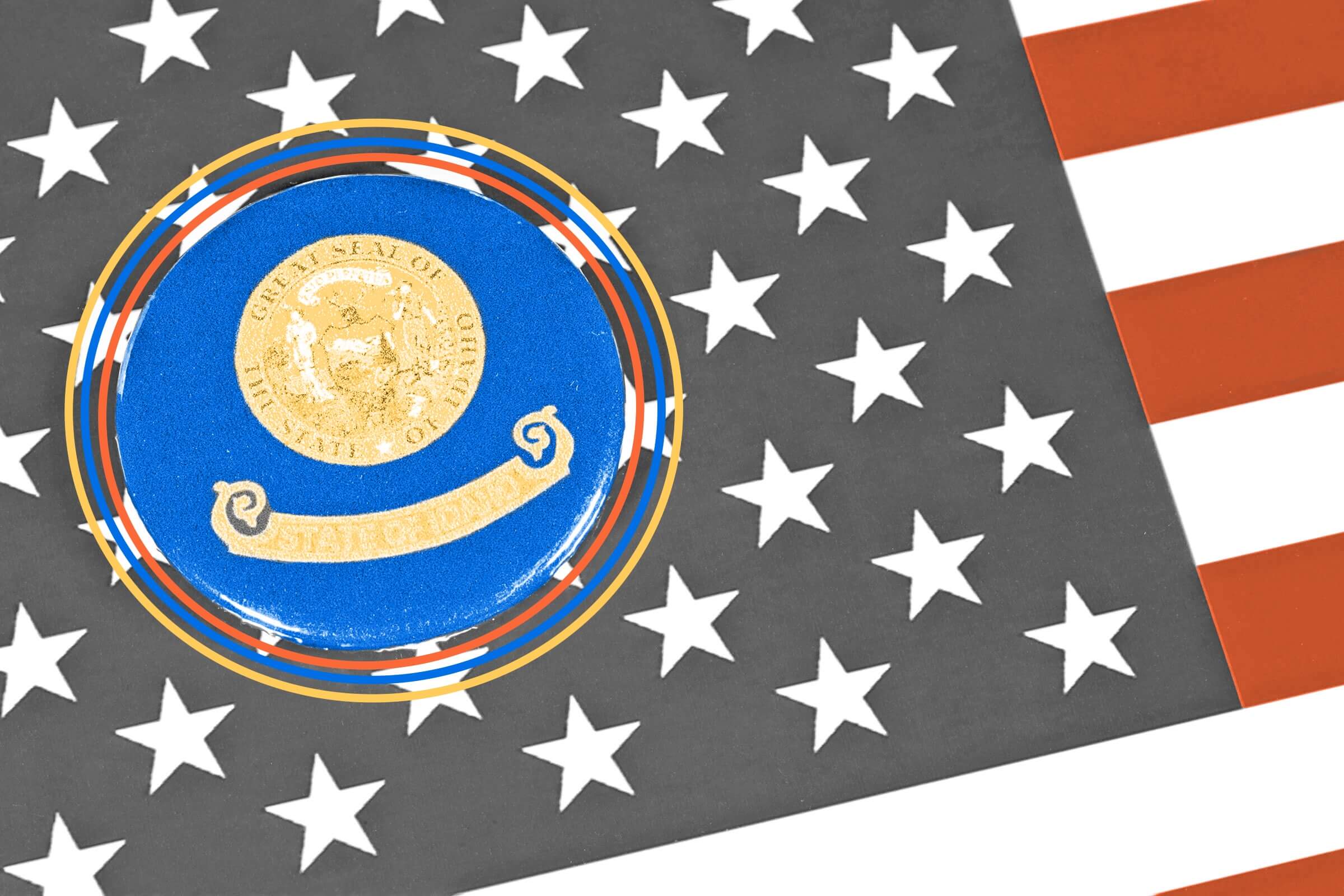
State seals are often crimped or stamped on legal documents, lending them authenticity. Yet these small symbols have another role, as miniature visual histories specific to each state, often simultaneously representing hopes for the future. At least that’s how artist Emma Edwards Green viewed the seal she created for Idaho in 1891 — which just so happens to be the only state seal designed by a woman.

Idaho became the 43rd state on July 3, 1890, formed from a territory that had once included land in present-day Montana and Wyoming. Upon statehood, Idaho legislators looked to commission the state seal’s design by way of a competition, with a generous $100 prize (about $3,300 today) for the winning artist. Green, an art teacher who had relocated to Boise after attending school in New York, was in part inspired by the fact that it seemed Idaho would soon give women the right to vote. In March 1891, Green’s work was selected as the winner, beating out submissions from around the country.

Idaho was the first state to use a slogan on its license plates.

Ready to reveal?

Oops, incorrect!

It's a fact

In 1928, the Western state embossed “Idaho Potatoes” on its plates, a reference to its spud farms, which produce nearly one-third of the country’s crop. (The motto later became “Famous Potatoes.”) Many other states have since followed the trend for slogans and mottos on plates.

The final design, which is also featured on Idaho’s flag, is packed with symbolism. Worked into the design are cornucopias and wheat to represent Idaho’s agriculture, a tree meant to be reminiscent of the state’s vast timberlands, and a pick and shovel held by a miner. Green’s most forward-thinking detail, however, is an image of a man and woman standing at equal heights in the seal’s center, a symbol of gender equality that would eventually come with voting rights for all. True to their word, Idaho legislators passed women’s suffrage in 1896 — five years after Green’s seal became the state’s official symbol — making Idaho the fourth state to enfranchise women, more than 20 years before the 19th Amendment gave the same right to women nationwide.

Numbers Don't Lie

Numbers Don't Lie

Year Emma Edwards Green was born
1856
Idaho’s population, according to the 2020 Census
1.83 million
Pounds of potatoes harvested in Idaho each year
13 billion
Types of precious and semiprecious gemstones found in Idaho
72

Idaho’s official nickname is “______.”

Ready to reveal?

Confirm your email to play the next question?

Idaho’s official nickname is “the Gem State.”

Placeholder Image

Some of Idaho’s ancient volcanoes could once again become active.

South-central Idaho is home to Craters of the Moon National Monument, a 750,000-acre preserve at the foot of the Pioneer Mountains. Established in 1924 by President Calvin Coolidge, the park has rugged lava fields resembling the moon’s pitted surface, likely created 2,000 to 15,000 years ago from a series of volcanic eruptions. Surprisingly, the site’s more than 25 cinder cone volcanoes are considered dormant — not extinct — despite 2,000 years passing since their last activity. That’s because volcanologists believe they erupt on a 3,000-year cycle. In fact, the USGS believes it’s possible another eruption will happen in the next 1,000 years. However, Craters of the Moon is graded as a “low threat” volcanic site, since cinder cone volcanoes are the smallest kind (no more than 1,200 feet tall), with only moderately explosive eruptions lasting less than a year.

Interesting Facts
Editorial

Interesting Facts writers have been seen in Popular Mechanics, Mental Floss, A+E Networks, and more. They’re fascinated by history, science, food, culture, and the world around them.

Original photo by ANURAK PONGPATIMET/ Shutterstock

In many countries, a baby’s first birthday marks a joyous milestone for parents, honoring the many months of sleepless nights and hard work involved in welcoming a new family member. But in some places — like South Korea — babies are already considered 1 year old at birth. Korean culture calculates age in three different ways, and the oldest and most traditional way (often called “Korean age”) may have gotten its start by accounting for the time spent in utero, rounding up a nine-month gestation to a full year

“Happy Birthday to You” was originally written for kindergarteners.

Ready to reveal?

Oops, incorrect!

It's a fact

Teacher Patty Smith Hill and her sister, pianist Mildred Jane Hill, are credited with composing the song, though its original words were “good morning to you,” welcoming students to class. The duo crafted the simple melody so it would be easy for young singers to learn.

Under this measurement, everyone gains another year of age on January 1, regardless of their actual birth date — meaning it’s possible for a baby born on December 31 to turn 2 years old the following day. Yet individual birthdays are still recorded and celebrated; in fact, South Korea has used the “international age” system that counts age by date of birth for medical and administrative purposes since 1962. A third age-counting method acts as a compromise between accuracy and culture: Babies are born at age 0, but gain a year on New Year’s Day. 

Knowing someone’s age is culturally important in Korea; it’s tied to language, impacting how people address their elders and interact on social occasions. However, the traditional method of determining age does cause some confusion when it comes to administering medications, vaccinations, and health care procedures that are determined by one’s years, and has also caused issues with legal disputes. In December 2022, the South Korean government passed laws that standardized the use of international age, meaning many Koreans will technically become one to two years younger.

Numbers Don't Lie

Numbers Don't Lie

Population of South Korea as of 2022
51.8 million
Year South Korea first hosted the Olympics, in Seoul
1988
Estimated number of babies born around the globe each day
385,000
Number of animals in the Korean zodiac, rotating to represent each new year
12

______ has the most births per day in the U.S.

Ready to reveal?

Confirm your email to play the next question?

September has the most births per day in the U.S.

Placeholder Image

In Korean culture, blood types are used to determine compatibility.

Knowing your blood type is just as important as knowing your age in South Korea, where many people believe it can make or break a relationship. For nearly 100 years, Koreans have associated personality traits with blood types in the same way believers of astrology use birth dates to understand someone’s identity. People with Type A blood supposedly have a hard time trusting others but are highly creative, while Type Bs are known for being passionate and independent. People with AB blood types are categorized as rational introverts, while Type Os are often considered natural leaders. Many scientists say there’s no known link between a person’s blood type and their personality, though the idea has taken hold in Korean pop culture, featured as a plot point in books and movies.

Nicole Garner Meeker
Writer

Nicole Garner Meeker is a writer and editor based in St. Louis. Her history, nature, and food stories have also appeared at Mental Floss and Better Report.

Original photo by Holger Kirk/ Shutterstock

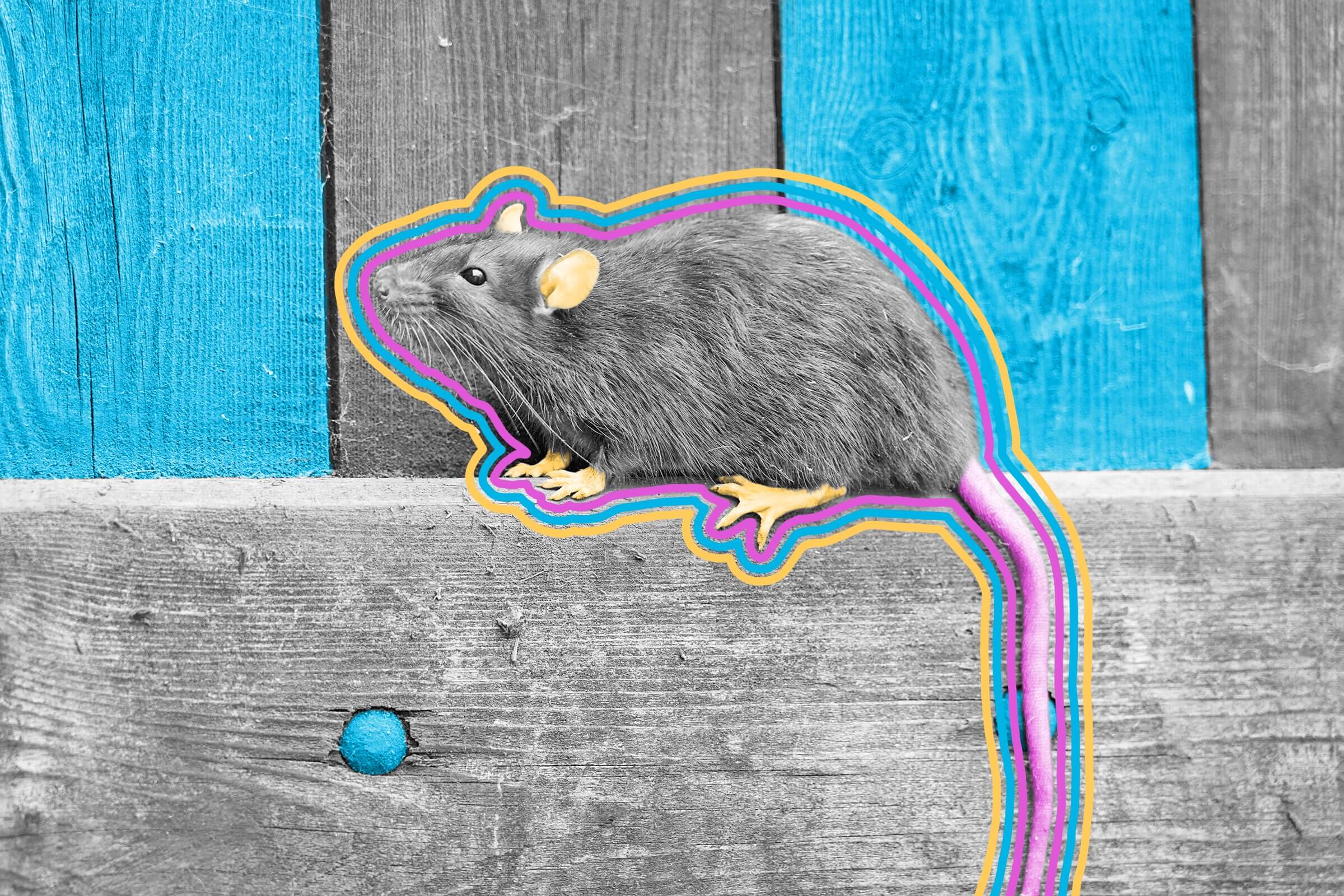
Most rats live their lives entirely unseen by humans. As kings of the background, they often scurry through human environments just out of sight or after dark, looking for leftover morsels. But researchers believe rats might be picking up more than just our food crumbs — they could also be picking up on the beats in our music. A study published in 2022 suggests rats may have a humanlike sense of rhythm, which they express by bopping their heads to the beat. Scientists once believed that few animals were beat-sensitive (aside from some birds), but rats exposed to music made microscopic head movements that were picked up by tiny, wireless motion detectors. The researchers hypothesized that rats would prefer faster jams thanks in part to their rapid heartbeats, though surprisingly, lab rats synced up best with music in the 120 to 140 beats-per-minute range — just like humans.

Some rats can detect land mines.

Ready to reveal?

Oops, incorrect!

It's a fact

Magawa, a trained African giant pouched rat, sniffed out more than 100 explosives in Cambodia before dying in 2022. Five years of mine-detecting work landed him a medal, though he wasn’t the only rat with a job; an organization called APOPO has trained hundreds to detect land mines.

Humans have long wondered if animals respond to music the way we do. Charles Darwin’s studies examined the relationship between animals and music, believing rhythm could be found throughout nature and may have been the precursor to music. Today, some experts believe only certain species have the ability to really respond to changing beats — notably bats, birds, dolphins, and elephants, which all have the complex ability to learn and repeat new sounds. However, some studies show other animals interact with music, too; one experiment found that pigs exposed to certain music became playful and wagged their tails. Additionally, many farmers report their cows are calmer when the radio is on, with a supporting study reporting that dairy cows produce 3% more milk while listening to slow tunes (fast music had no effect). And when it comes to our best pet companions, music is known to soothe anxious dogs in shelters and adoption centers, though felines — known for being a bit finicky — couldn’t care less about human music. However, they do respond positively to tailored tunes that use beats and frequencies similar to their own meows.

Numbers Don't Lie

Numbers Don't Lie

Average number of baby rats born per litter, with up to 12 litters per year
8-9
Length (in feet) of the slender-tailed cloud rat Phloeomys cumingi, the largest rat species
3.25
Average lifespan (in years) of a domesticated pet rat
2-4
Number of American households reporting unwanted rodents in 2020
14.8 million

Rats are found on every continent except ______.

Ready to reveal?

Confirm your email to play the next question?

Rats are found on every continent except Antarctica.

Placeholder Image

Rats are picky eaters.

If you’ve ever been hesitant about trying a new food, you have something in common with rats. That’s because rats are known for being picky eaters. These discerning rodents are cautious for good reason — they’re unable to vomit, so avoiding potential poisoning is top of mind with every new food they find, since they can’t purge toxins the way humans do. Wild rats are known to test out new foods in small amounts, taking a few nibbles and waiting hours to see if they have any unfortunate side effects before diving into their scavenged meals. And just like humans, rats appear to gain more sophisticated palates as they age; younger rats seem to prefer sugary treats, though they eventually learn to enjoy more bitter flavors as they get older.

Nicole Garner Meeker
Writer

Nicole Garner Meeker is a writer and editor based in St. Louis. Her history, nature, and food stories have also appeared at Mental Floss and Better Report.

Original photo by Heritage Image Partnership Ltd/ Alamy Stock Photo

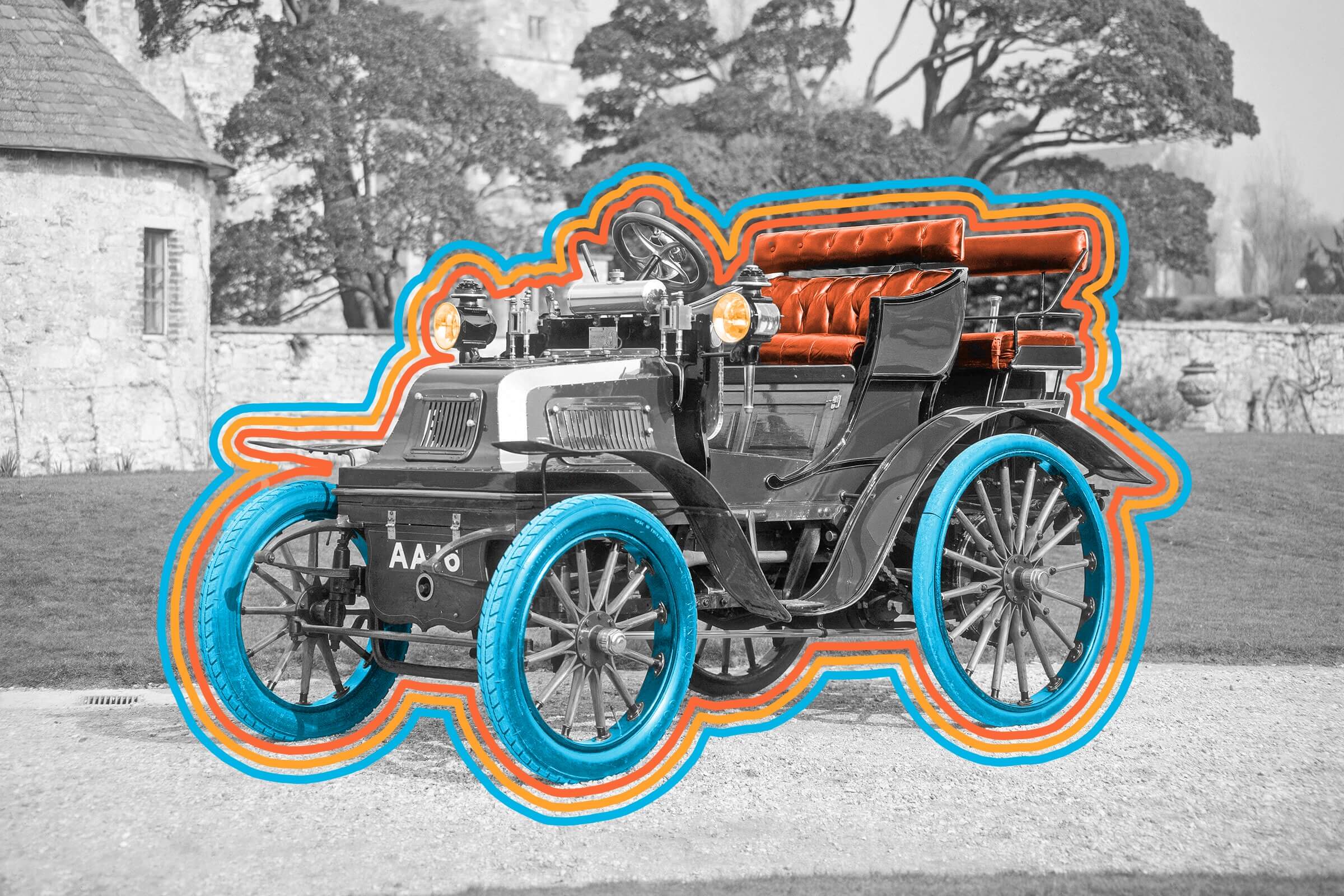
For centuries, getting around by horse and cart was the standard mode of transportation. By the 1800s, however, these hay-powered haulers were causing problems on busy city streets. As more people moved into cities, the number of horses dramatically increased, and with so many equines on the roads — New York City had around 150,000 horses in 1890 — public health concerns emerged over disease and mountains of manure. Horse travel, frankly put, was dirty in comparison to making way by horseless carriage, aka the first electric vehicles. Marketed as clean, quiet, and easy to drive, early electric cars, which resembled traditional carriages, became so popular that by 1900 they accounted for around one-third of all automotive vehicles on roadways.

The first hybrid car was a Porsche.

Ready to reveal?

Oops, incorrect!

It's a fact

Ferdinand Porsche, inventor of the luxury car brand, created the first hybrid vehicle powered by both gas engine and battery. Dubbed “Semper Vivus” (“Forever Alive” in Latin), the car sported a 926-pound battery and was renamed “Mixte” when it hit the market in 1901.

The earliest known full-sized electric car was designed by Robert Anderson, a Scottish inventor who built his version in the 1830s, though that car (and many of its successors) didn’t go very far; at the time, batteries were rudimentary and couldn’t be recharged. It took about three decades for electric car batteries to improve, and starting in 1881, battery-operated buses began ferrying passengers in Paris, Berlin, London, and New York. A few years later, Iowa chemist William Morrison applied for a patent for his electric carriage, which could travel around 50 miles on one charge at a top speed of 20 miles per hour. By 1897, the top-selling car in the U.S. was powered by battery, though electric vehicles would hold the market for a relatively short time. By 1913, manufacturer Henry Ford had fine-tuned the mass production of gas-powered cars, dropping their price and helping to usher in a new era of private transportation.

Numbers Don't Lie

Numbers Don't Lie

Pounds of manure produced on NYC streets each day in the 1890s
2.5 million
Year GMC debuted its “Rapid” line of vehicles, the company’s first electric trucks
1913
Price of an electric car in 1912 (over $53,000 today)
$1,750
Cost of Ford’s Model T in 1912 (nearly $20,000 today)
$650

The first vehicle Henry Ford built was called the “______.”

Ready to reveal?

Confirm your email to play the next question?

The first vehicle Henry Ford built was called the “Quadricycle.”

Placeholder Image

Henry Ford’s wife, Clara, preferred driving electric cars.

While anyone of means could purchase an electric car at the turn of the 20th century, many models were particularly advertised to women as “ladies’ cars,” tied to a belief (however offensively) that they were easier to drive than steam- and gas-powered alternatives. Early advertisements appealed to social norms of the time, suggesting that women could attend to their errands and social events without dirtying their attire. Ads had an element of truth — electric cars didn’t produce fumes and were quieter than gas-powered vehicles. That’s part of the reason even Henry Ford’s wife, Clara, preferred to drive one. (Clara set about her business in a Detroit Electric car, and purchased a new model every two years.) Despite the gendered advertising, electric vehicles did offer women the freedom to travel without anyone’s help, and many high-profile women carried keys to their own battery-powered vehicles, including five first ladies: Helen Taft, Ellen Wilson, Edith Wilson, Florence Harding, and Grace Coolidge.

Interesting Facts
Editorial

Interesting Facts writers have been seen in Popular Mechanics, Mental Floss, A+E Networks, and more. They’re fascinated by history, science, food, culture, and the world around them.