
Original photo by stephen searle/ Alamy Stock Photo

From Spencer Tracy and Katharine Hepburn to Brad Pitt and Angelina Jolie, the entertainment industry is rife with tales of co-stars who fell in love while performing together. Given the sweet feelings their famous characters consistently displayed to one another, it's not surprising that the same fate befell longtime Mickey and Minnie Mouse voice actors Wayne Allwine and Russi Taylor.

At the time Taylor beat out approximately 200 competitors to claim the voice role of Minnie in 1986, both she and Allwine (by then already established as Mickey for almost a decade) were married to other people. But their rapport as co-workers and friends soon blossomed into genuine affection, especially after each obtained a divorce, and they were married in Hawaii in 1991. The couple refused to talk publicly about their romance, preferring to keep the focus on the iconic characters they were tasked with portraying, although the cartoon hearts they radiated in one another’s presence were clear to all. According to one former colleague, Allwine would bring a ukulele to joint interviews with Taylor, and while he would launch into song as Mickey to serenade Minnie, "You knew it was Wayne talking to Russi."

Mickey and Minnie Mouse are married.

Ready to reveal?

Oops, incorrect!

It's a fact

Although there's been no official on-screen ceremony, Walt Disney attested to their marital status in a 1933 interview: "In private life, Mickey is married to Minnie. … In the studio we have decided that they are married already."

After Allwine died in 2009, Taylor naturally had a difficult time returning to work with Bret Iwan, the new Mickey. Yet she pulled it together to continue with Minnie's various big- and small-screen adventures, even earning her first Primetime Emmy nomination in 2018, before joining her beloved in the great soundbooth in the sky the following year.

Numbers Don't Lie

Numbers Don't Lie

People who have officially served as the voice of Mickey Mouse
4
Year Mickey and Minnie Mouse first appeared together on-screen
1928
Height requirement (in inches) for Mickey and Minnie actors at Disney World
56-62
Year Mickey got a star on the Hollywood Walk of Fame, the first cartoon character to do so
1978

The first Disney character to earn a full-length feature film was ______.

Ready to reveal?

Confirm your email to play the next question?

The first Disney character to earn a full-length feature film was Snow White.

Placeholder Image

Walt Disney provided the original voices for both Mickey and Minnie Mouse.

Long before Wayne Allwine and Russi Taylor were making eyes at each other in the recording studio, it was Walt Disney himself supplying the voices for what became the Magic Kingdom’s first couple. Of course, the “speaking” in early Disney shorts largely consisted of yelps, whistles, and other noises, and by the time the studio settled into a groove with sound synching in the 1930s, Minnie’s parts were being delivered by Marcellite Garner. Yet Disney insisted on retaining the voice of Mickey for himself; according to Neal Gabler’s Walt Disney: The Triumph of the American Imagination, the chief was “often embarrassed” to perform as the mouse protagonist, but felt that his version offered “more pathos” than that of his would-be replacements. It wasn’t until 1947 that he finally relinquished the voice to sound effects man Jimmy MacDonald (Allwine’s immediate predecessor), though Disney reclaimed the role for himself when the Mickey Mouse Club TV series began airing in 1955.

Tim Ott
Writer

Tim Ott has written for sites including Biography.com, History.com, and MLB.com, and is known to delude himself into thinking he can craft a marketable screenplay.

Original photo by New Africa/ Shutterstock

Teddy Roosevelt is often thought of as one of America’s toughest presidents, and for good reason. In addition to delivering a speech immediately after getting shot (“It takes more than that to kill a bull moose,” he said during his remarks) and fighting in the Spanish-American War as part of the Rough Riders, he was also a skilled martial artist who received an honorary black belt in judo (and, according to some, was the first American to receive a brown belt). He accomplished the latter under the tutelage of Yamashita Yoshitsugu, also known as Yamashita Yoshiaki, a Japanese judoka who holds the distinction of being the first person to receive a 10th-degree red belt (jūdan).

Teddy Roosevelt was the youngest president.

Ready to reveal?

Oops, incorrect!

It's a fact

The elder Roosevelt was 42 when he became president, making him the youngest person ever to hold the office. Next on the list are JFK (43), Bill Clinton (46), Ulysses S. Grant (46), and Barack Obama (47).

Even more impressively, he did all this while serving as president. Already a skilled boxer and wrestler, he first encountered judo on a trip to Japan and sought to study it further upon his return stateside. Yamashita described the president as “his best pupil” but also “very heavy and very impetuous” in a way that “cost the poor professor many bruisings, much worry, and infinite pains.” As in most aspects of his life, Roosevelt was extremely enthusiastic about this endeavor — sometimes in a way that others struggled to keep up with.

Numbers Don't Lie

Numbers Don't Lie

Electoral votes received by Roosevelt in the 1904 election
336
Black belt degrees in judo
10
Year judo became an Olympic sport
1964
Eye in which Roosevelt was mostly blind
1

Teddy Roosevelt’s vice president was ______.

Ready to reveal?

Confirm your email to play the next question?

Teddy Roosevelt’s vice president was Charles W. Fairbanks.

Placeholder Image

Teddy Roosevelt was the first U.S. president to win the Nobel Peace Prize.

Roosevelt received this honor in 1906 “for his role in bringing to an end the bloody war recently waged between two of the world’s great powers, Japan and Russia.” Prior to his intervention, the Russo-Japanese War had gone on for more than a year and a half and led to significant casualties on both sides. Not everyone was pleased about Roosevelt winning — Swedish newspapers suggested that Alfred Nobel, the prize’s namesake, was “turning in his grave” — but defenders have pointed to Roosevelt’s role in settling a dispute between France and Germany over Morocco. As of 2024, three other U.S. presidents and one vice president have  received the Nobel Peace Prize: Woodrow Wilson (1919), Jimmy Carter (2002), Al Gore (2007), and Barack Obama (2009).

Michael Nordine
Staff Writer

Michael Nordine is a writer and editor living in Denver. A native Angeleno, he has two cats and wishes he had more.

Original photo by Katya123ua/ Shutterstock

To most grocery shoppers, there’s nothing particularly exciting about cauliflower. While the dense and crunchy stalks of this cruciferous plant are great as a side dish or snack, they’re consumed far less than the most popular produce-aisle picks (potatoes, tomatoes, and onions). However, some farmers might say that cauliflower has at least one unique and unexpected property that’s worth your attention: If you listen closely, you can hear it growing.

In the U.S., nearly all cauliflower is grown in one state.

Ready to reveal?

Oops, incorrect!

It's a fact

There’s a good chance that the majority of cauliflower you’ve ever eaten in the U.S. has come from one state: California. The Golden State is a produce powerhouse, and its farmers produce around 90% of the country’s cauliflower supply. (Arizona and Oregon also contribute.)

While most plants are silent, cauliflower is able to eke out a barely audible sound thanks to how quickly it grows. The vegetable can add as much as 1 inch per day under the right growing conditions. That rapid expansion means the florets of the plant’s popcorn-like heads often rub against one another as they grow, creating a noise many farmers call “cauliflower creak.” Some agriculturalists describe the tone as a soft squeak, while others say it’s best described as the faint popping noise made by Rice Krispies cereal when doused in milk. However, there are occasions when cauliflower fields reach a more detectable decibel, like in 2015, when British farmers were graced with optimal weather conditions for their cauliflower harvests. That year, some cauliflower cultivators alerted vegetable enthusiasts to what they believed would be the loudest cauliflower creak in decades.

Numbers Don't Lie

Numbers Don't Lie

Water content in a head of cauliflower
92%
Weight (in pounds) of the world’s largest cauliflower, harvested in the U.K.
60.5
Amount (in pounds) of fresh cauliflower eaten per person in the U.S. in 2020
2.61
Pounds of cauliflower harvested in the U.S. in 2020
1.003 billion

The edible head of a cauliflower plant is called a “______.”

Ready to reveal?

Confirm your email to play the next question?

The edible head of a cauliflower plant is called a “curd.”

Placeholder Image

Vienna is home to a group of vegetable musicians.

The Austrian city of Vienna is often called the “capital of classical music” — after all, it’s where some of history’s most prominent composers (such as Mozart and Beethoven) spent much of their time. It also happens to be a spot where modern experimental artists, like the Vegetable Orchestra, perform regularly. Founded in 1998 as a joke, the group of nearly a dozen musicians builds its own instruments from fresh produce purchased at nearby markets, fashioning drums from pumpkins, recorders from carrots, and more than 150 other produce contraptions. Each concert requires around 70 pounds of vegetables, which are made into instruments over two to three hours and last only one performance. However, audiences who attend Vegetable Orchestra concerts don’t just hear their veggies; they get a chance to eat them, too, since the band’s produce scraps are crafted into a soup that is served after every performance.

Nicole Garner Meeker
Writer

Nicole Garner Meeker is a writer and editor based in St. Louis. Her history, nature, and food stories have also appeared at Mental Floss and Better Report.

Original photo by auns85/ Shutterstock

Humans are masters of navigation. Over the course of history, we’ve developed tools to help us explore not only Earth but other planets. Yet strip away all those tools, blindfold us, and tell us to walk in a straight line, and inevitably we become a directional mess, turning in tight loops. Many studies in the past century — though mostly informal — have cataloged this phenomenon again and again. Without some form of reference, such as a mountain, a building, or even the sun, humans are incapable of walking in a straight line, no matter how hard we try. It happens whether we’re blindfolded or just lost in the forest. So what’s going on?

The compass wasn’t originally used for navigation.

Ready to reveal?

Oops, incorrect!

It's a fact

The Chinese created the first compass — made with a lodestone — in the third century BCE. Early compasses were used for divination and other spiritual purposes rather than navigation, but eventually their useful wayfinding attributes won out.

We don’t know for sure, but scientists have been able to rule out some popular go-to explanations. Researchers from the Max Planck Institute for Biological Cybernetics in Germany discovered that body asymmetries (different-sized legs, right-handedness vs. left-handedness, etc.) didn’t account for such vast misdirection. Additionally, the idea that people can’t correctly calculate the movement of their legs doesn’t explain the tight-looped pattern. The Max Planck scientists theorize that with every blindfolded step, a very small directional discrepancy from a straight line is introduced, which then compounds with every additional step. Without the aid of visual references to unconsciously correct for these discrepancies, blindfolded people are poor at navigating a straight line, and will inevitably begin walking in tight-looped circles. While this theory explains why humans do this, scientists aren’t sure of the biological how (though they think errors in the inner ear may be to blame). For now, this straight-line conundrum remains one of the many mysteries of the human brain and body.

Numbers Don't Lie

Numbers Don't Lie

Length (in miles) of the longest straight line possible at sea, connecting Pakistan and Russia
19,940
Number of satellites that make up the modern GPS constellation
31
Year the National Highway Traffic Safety Administration developed the walk-and-turn sobriety test
1981
Highway number of the world’s longest straight road (149 miles), in Saudi Arabia, per Guinness World Records
10

For centuries, sailors used an instrument called a mariner’s ______ to navigate the seas.

Ready to reveal?

Confirm your email to play the next question?

For centuries, sailors used an instrument called a mariner’s astrolabe to navigate the seas.

Placeholder Image

The Earth’s North Star won’t always be Polaris.

When it comes to navigation, the North Star — known to astronomers as Polaris — is an important one. Because the star sits roughly above the Earth’s North Pole, being able to pick out Polaris from the tapestry of the night sky can be useful in finding your way. For centuries, seafarers measured the angle of the North Star from the horizon to determine latitude and position in the Northern Hemisphere. But although Polaris has been humanity’s navigational friend for many centuries, the North Star won’t always be Polaris — in fact, it’s only held the position since 500 CE. That’s because the Earth’s rotation wobbles in a roughly 26,000-year-long cycle known as axial precession. In about a thousand years, the Earth’s North Pole will instead point to Errai (Gamma Cephei), followed by a variety of other stars, until Polaris once again becomes the North Star some 24,000 years from now.

Darren Orf
Writer

Darren Orf lives in Portland, has a cat, and writes about all things science and climate. You can find his previous work at Popular Mechanics, Inverse, Gizmodo, and Paste, among others.

Original photo by Gina Guarnieri/ iStock

Umbrellas have been around for a long time — at least 3,000 years, according to T.S. Crawford's A History of the Umbrella — but they were used by only select segments of the population for much of that history. Ancient Egyptians used them to shade their pharaohs, setting the tone for an association with royalty and nobility that would also surface in China, Assyria, India, and other older civilizations. Meanwhile, they were deemed effeminate by ancient Greeks and the Romans who assumed many of their cultural habits. It should be noted that these early umbrellas protected against the sun, not rain, and were generally used by women to shield their complexions. The association between women and umbrellas persisted through much of Europe for centuries, and stubbornly remained into the 18th century, even after the first waterproof umbrellas had been created (around the 17th century in France).

Baltimore was once the umbrella capital of the world.

Ready to reveal?

Oops, incorrect!

It's a fact

The nation’s first umbrella factory opened in Baltimore in 1828. The Beehler Umbrella Factory motto was “Born in Baltimore, Raised Everywhere!” By the 20th century, Baltimore factories made 1.5 million umbrellas annually, and the city was deemed the umbrella capital of the world.

In England, at least, the man credited with ushering in a new age of gender-neutral weather protection was merchant and philanthropist Jonas Hanway. Having spotted the umbrella put to good use during his many travels, Hanway took to carrying one through rainy London in the 1750s, a sight met with open jeering by surprised onlookers. The greatest abuse apparently came from coach drivers, who counted on inclement weather to drive up demand for a dry, comfy ride. But Hanway took the derision in stride. Shortly after his death in 1786, an umbrella advertisement surfaced in the London Gazette, a harbinger of sunnier days to come for the accessory’s reputation as a rain repellant for all.

Numbers Don't Lie

Numbers Don't Lie

Umbrellas owned by the average person in Japan, per a 2014 survey
3.3
Diameter (in meters) of the world’s largest umbrella
24.5
Number of umbrellas sold annually in the United States
33 million
Consecutive weeks Rihanna’s “Umbrella” topped the Billboard Hot 100 in 2007
7

The English word "umbrella" originates from the Latin term "umbra," meaning ______.

Ready to reveal?

Confirm your email to play the next question?

The English word "umbrella" originates from the Latin term "umbra," meaning shade/shadow.

Placeholder Image

Umbrella champion Jonas Hanway was a pronounced opponent of tea drinking.

You’d expect a man bold enough to navigate the hardscrabble streets of 18th-century London with a dainty umbrella to possess a certain determination to get things done, and indeed, Jonas Hanway was a champion of many causes. He founded the Marine Society to recruit cadets for the navy, served as an executive for the Foundling Hospital children’s home, advocated for the safety of chimney sweepers, and even attempted to convince a nation of tea drinkers that they were doing something profoundly wrong. This last effort came by way of his 1756 work “An Essay on Tea,” which summed up the evils of the seemingly benign refreshment with the subtitle: “Considered as pernicious to health; obstructing industry; and impoverishing the nation.” As with his umbrella crusade, his zealous stance on tea drinking was met with a degree of public mockery, most notably in a response by famed British writer and lexicographer Samuel Johnson in Literary Magazine. But there was no posthumous redemption to be earned in this particular arena, as his countrymen and women went right on indulging themselves with the beverage, and continue to do so to the tune of 100 million cups daily.

Tim Ott
Writer

Tim Ott has written for sites including Biography.com, History.com, and MLB.com, and is known to delude himself into thinking he can craft a marketable screenplay.

Original photo by Ben Iwara/ Unsplash+

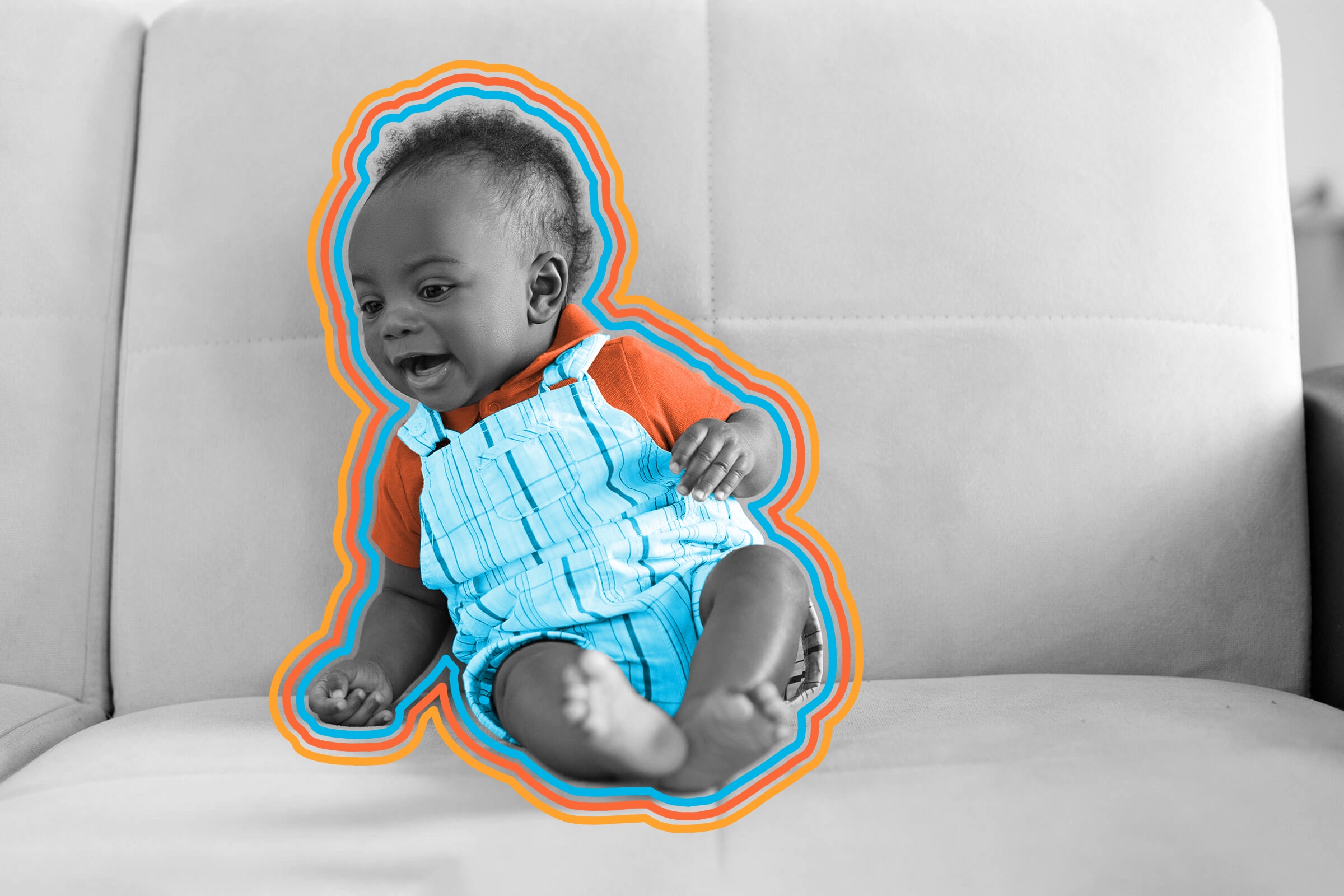
The average adult blinks about 15 times a minute, whether to lubricate the eyes, clear unwanted irritants, or refocus attention. Babies, on the other hand, blink far less often — only two to three blinks per minute on average. So, why do infants blink less than adults? The answer may lie with our brain’s dopamine levels, which control human blinking. Scientists initially made connections between this feel-good neurotransmitter and blinking because people with schizophrenia, who usually have excess dopamine production, may blink more frequently. The inverse is also true — Parkinson’s disease, caused by damaged dopamine-producing neurons, makes people blink less often. So a baby’s infrequent blinking may be a clue about how the brain forms after we’re born, showing that a baby’s dopamine system is likely still forming and thus impacting blinking frequency. 

Birds blink just like humans.

Ready to reveal?

Oops, incorrect!

It's a fib

Like humans, birds have an upper and lower eyelid — but they also possess a third eyelid, known as a nictitating membrane. This transparent nictitating membrane sweeps sideways across the cornea, keeping it clean and moist. As a result, most birds don’t blink like humans do.

However, dopamine production is only one piece of the mystery. Scientists also theorize that because a baby’s eyes are small, they likely require less lubrication than adult peepers. Babies may also blink less often because it’s actually pretty demanding to be a baby, requiring more active attention to gather the necessary visual information for survival (and thus leaving less energy for blinking). So while babies may seem like pint-sized layabouts, they’re actually putting in a lot of work to become functioning and frequently blinking members of society. 

Numbers Don't Lie

Numbers Don't Lie

Years ago animals evolved the ability to blink
375 million
Average number of times a person blinks in a single day
16,800
Percentage of waking hours humans spend blinking
10
Number of studio albums by rock band Blink-182
8

Babies perceive the color ______ first.

Ready to reveal?

Confirm your email to play the next question?

Babies perceive the color red first.

Placeholder Image

Blinking neurologically resets our brain.

Blinking is vitally important for the healthy upkeep of our eyes, but it also gives our brain a much-needed rest throughout the day. In 2012, scientists from the University of Osaka observed participants as they watched a television show by recording their blinks at 600 frames per second. When the TV scene changed or actors exited the frame, subjects would often blink. Scientists theorized that this blinking activated a “default mode network” causing sections of the brain associated with attention to temporarily shut down. This brief mental reprieve explains a variety of behaviors involved with blinking, including why humans tend to nictitate far more than mere lubrication requires. Blinking essentially allows the human brain to refocus, and this momentary suppression of attention — which also switches off the visual system — is why humans have little to no perception of blinking at all.

Darren Orf
Writer

Darren Orf lives in Portland, has a cat, and writes about all things science and climate. You can find his previous work at Popular Mechanics, Inverse, Gizmodo, and Paste, among others.

Original photo by Venimages/ Alamy Stock Photo

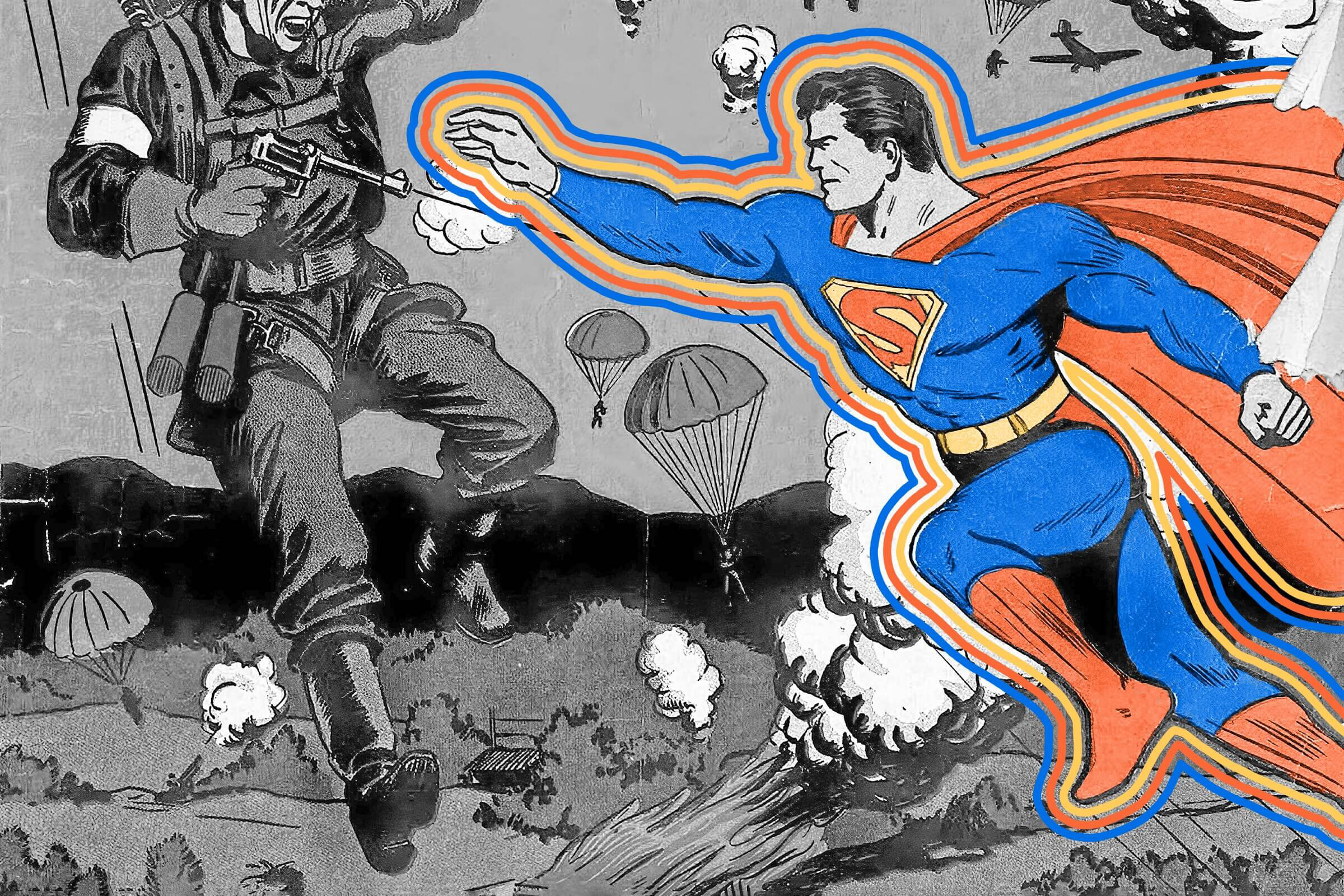
Since his 1938 debut in Action Comics No. 1, Superman has evolved into an even more powerful superhero than the original character. While he’s always been super strong and super fast, he didn’t initially have his now-famous ability to fly. You’ve probably heard the slogan “able to leap tall buildings in a single bound” — that comes from his ability to jump an eighth of a mile at a time, which is originally as close as he came to being able to fly.

Kryptonite was introduced on the Superman radio show before the comic books.

Ready to reveal?

Oops, incorrect!

It's a fact

Kryptonite became official Superman lore in 1943, five years after the character debuted. It was introduced on the “Adventures of Superman” radio show as a tool to incapacitate the character, which allowed the voice actors to take a break. It was later added to the comics in 1949.

The first implied instance of Superman taking flight was on an August 1939 cover of the British magazine Triumph, where the superhero appears to be flying into space. It was also hinted at in the second episode of The Adventures of Superman radio program in 1940. Then came artist Leo Nowak, who, assuming the hero had been given the power of flight, mistakenly drew Superman hovering above the ground in 1941’s Superman No. 10, which some now consider to be the first example of the character midflight. Funnily enough, Nowak was also the first to portray the villainous Lex Luthor as bald (earlier drawings depicted him as having red hair).

Superman officially gained the ability to fly in 1941’s The Mad Scientist, the first of 17 animated shorts from Fleischer Studios. The studio found it challenging to animate Superman’s leaping ability and asked DC Studios’ permission to make the character fly, which was easier to portray. (The request was granted.) In the comics, the first formal mention of this ability came in 1944’s Superman No. 30. While chasing a character named Mr. Mxyzptlk through the sky, Superman quips, “I thought I was the only one who could fly!!”

Numbers Don't Lie

Numbers Don't Lie

Cost of the most expensive Superman comic ever sold
$6 million
Top speed (in mph) of the Superman roller coaster at Six Flags New England
77
Movies in which Superman is portrayed by Christopher Reeve
4
Price paid by DC Comics for the exclusive rights to Superman
$130

Superman appeared in an episode of the beloved sitcom “______.”

Ready to reveal?

Confirm your email to play the next question?

Superman appeared in an episode of the beloved sitcom “I Love Lucy.”

Placeholder Image

Superman was originally conceived as a villain.

Superman wasn’t always the goody two-shoes we know him to be today; in fact, the original version was a villainous character. In January 1933, comic book writer Jerry Siegel published a short story titled “The Reign of the Superman” in an edition of Science Fiction. It centered around an evil supervillain with telepathic abilities who was dead set on world domination. The story also featured illustrations from Siegel’s friend and comic book artist Joe Shuster, but it wasn’t the smash hit they hoped it to be. In the wake of Adolf Hitler’s rise to power that same year, Siegel, who was Jewish, reimagined the “super man” as a force for good. The duo got to work on a new comic featuring the Superman character as a hero. The pair struggled in shopping around the idea until 1938, when DC Comics finally purchased the inaugural Superman story.

Bennett Kleinman
Staff Writer

Bennett Kleinman is a New York City-based staff writer for Inbox Studio, and previously contributed to television programs such as "Late Show With David Letterman" and "Impractical Jokers." Bennett is also a devoted New York Yankees and New Jersey Devils fan, and thinks plain seltzer is the best drink ever invented.

Original photo by Daniel Villalobos Oliver/ iStock

The internet is unfathomably vast, but it’s also quite small. In fact, a researcher in 2006 found that in physical terms, it only weighed about 50 grams — roughly the same as three large strawberries. That estimate was updated to 141 grams in 2018, and as the internet continues to grow exponentially, we can assume it’s well on its way to the equivalent of a whole crate of strawberries. What’s actually being weighed in that calculation are the electrons inside the computer servers that make the internet run. The weight of that energy is considerably heavier than that of the actual stored data on the internet itself, which in 2007 was measured as low as 0.2 millionths of an ounce — about the same as the smallest grain of sand you can imagine. There are at least 100 million internet servers in existence, which weigh quite a lot when combined.

Strawberries are berries.

Ready to reveal?

Oops, incorrect!

It's a fib

They actually belong to the rosaceae (rose) family and have been called a “false fruit” by botanists.

These are all estimations, of course. The internet is growing at a rapid pace, and any calculations of its size — whether in terms of the information contained therein or the actual mass of the infrastructure — could quickly become outdated. Even so, the disparity between how simultaneously big and tiny the web can seem by different measurements remains striking.

Numbers Don't Lie

Numbers Don't Lie

Tons of strawberries produced in the U.S. in 2023
1.4 million
Estimated gigawatts of electricity it takes to power the internet each year
84-143
Pounds of strawberries eaten per capita by Americans in 2021
6.7
Internet users in the world
5.45 billion

The internet doubles in size every ______ years.

Ready to reveal?

Confirm your email to play the next question?

The internet doubles in size every five years.

Placeholder Image

Each seed of a strawberry is its own fruit.

Despite the “false fruit” designation they’ve received from some botanists, strawberries are actually what’s called accessory fruits. This means the fleshy, bright-red pulp is derived from the plant’s receptacle (the thickened part of the plant’s stalk that connects to the flower), and the individual seeds are the actual fruit. As the average strawberry has about 200 seeds, that’s a lot of fruit per strawberry. The garden strawberry (as the common strawberry is known) is actually a hybrid of two different species, Fragaria virginiana (from North America) and Fragaria chiloensis (from Chile), and was first bred in Brittany, France, in the 1750s.

Interesting Facts
Editorial

Interesting Facts writers have been seen in Popular Mechanics, Mental Floss, A+E Networks, and more. They’re fascinated by history, science, food, culture, and the world around them.

Original photo by NurPhoto SRL/ Alamy Stock Photo

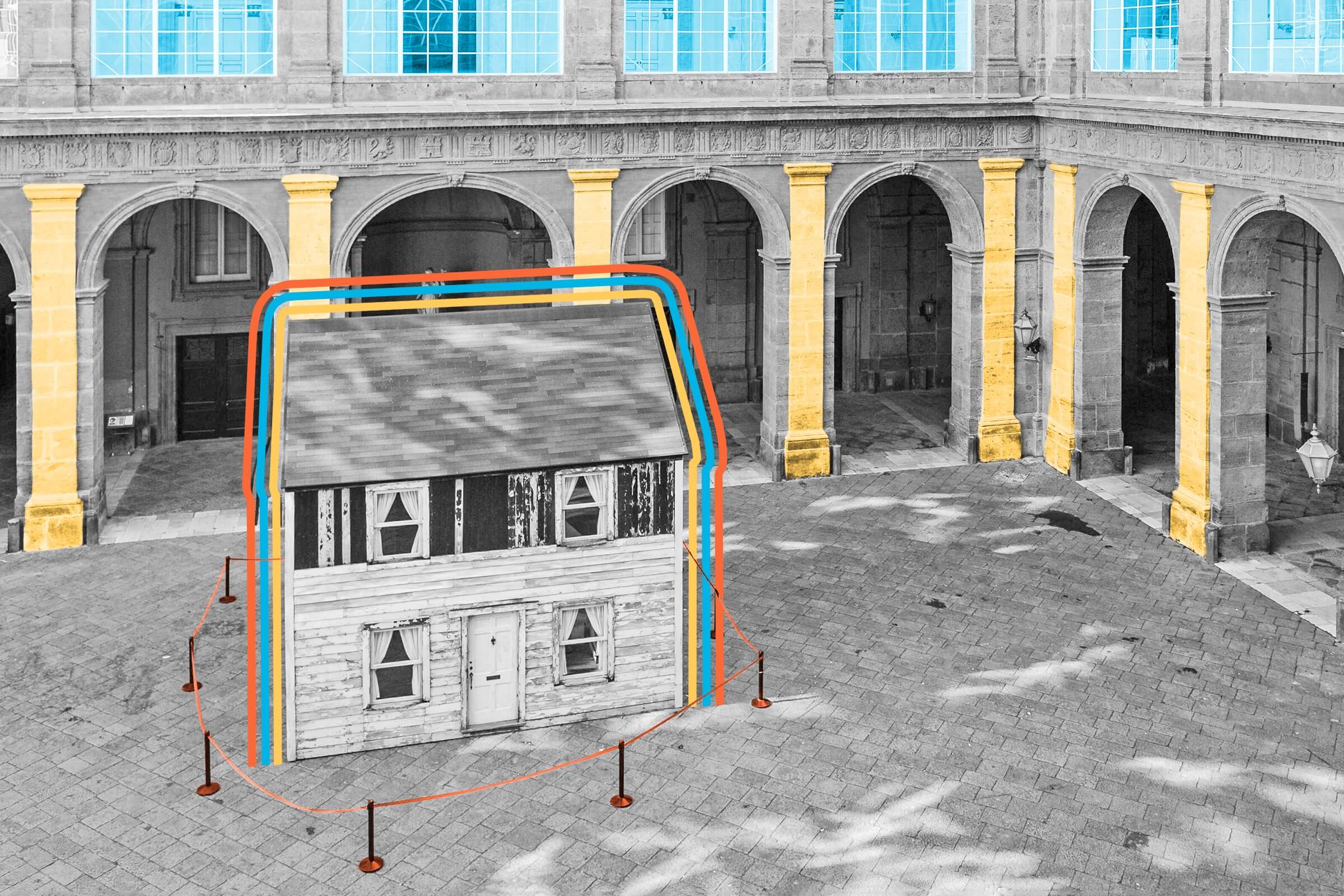
Civil rights icon Rosa Parks spent more than 40 years living in her home state of Alabama before moving to Detroit, Michigan, in 1957. There, she briefly resided in a house owned by her brother, located at 2672 S. Deacon Street. While there’s some debate over how long Parks lived there, what’s certain is she spent a great deal of time at the house with her family. Despite the house’s historic significance, however, it was set to be demolished by the city until Rhea McCauley — Parks’ niece — purchased the home from city officials in 2014 for $500. McCauley then gifted the home to artist Ryan Mendoza, and thus began its whirlwind adventure around the world.

Rosa Parks was the first woman to lie in state in the U.S. Capitol.

Ready to reveal?

Oops, incorrect!

It's a fact

In October 2005, Rosa Parks became the first woman to lie in honor in the rotunda of the U.S. Capitol, and only the second African American to earn the distinction. A statue of Parks was unveiled in the National Statuary Hall in 2013, the first full-scale statue of a Black American inside the U.S. Capitol.

After trying and failing to convince the city of Detroit to preserve the building, Mendoza dismantled the home and relocated it to his art studio in Berlin, Germany, where it was rebuilt. The house returned to the U.S. in 2018 as part of the Rosa Parks House Project, an art installation that honored the legendary activist. It was then briefly exhibited in the WaterFire Arts Center in Providence, Rhode Island, before it was sent back overseas to Europe. In 2020, the house found its way to Naples, Italy, where it was displayed in the courtyard of the Royal Palace of Naples for several months as part of an art exhibit. While the future status of the home is currently unclear, Mendoza has repeatedly expressed hope for it to permanently return to the United States and be converted into a national monument.

Numbers Don't Lie

Numbers Don't Lie

Fine imposed on Parks for refusing to give up her bus seat
$14
Length (in days) of the Montgomery bus boycott
381
Selling price of the Rosa Parks bus at a 2001 auction
$492,000
Year Rosa Parks received the Congressional Gold Medal
1999

Rosa Parks was a ______ by trade.

Ready to reveal?

Confirm your email to play the next question?

Rosa Parks was a seamstress by trade.

Placeholder Image

Claudette Colvin refused to give up her bus seat before Rosa Parks.

It’s impossible to deny the impact of Rosa Parks’ act of defiance, which acted as a major catalyst during the Civil Rights Movement. But she actually wasn’t the first Black woman to refuse to give up her bus seat in Montgomery, Alabama. Nine months earlier, on March 2, 1955, 15-year-old Claudette Colvin was riding a bus home from school with three other Black classmates when the driver demanded they move to make room for white passengers. While Colvin’s friends obliged, she insisted it was her constitutional right to stay, and she stood her ground until she was forcibly removed from the bus and arrested. The NAACP considered using this event to challenge extant segregation laws, but worried Colvin’s teen pregnancy could potentially attract negative attention. However, Colvin later served as a plaintiff in the 1956 court case Browder v. Gayle, which established that Montgomery’s segregated bus system was indeed unconstitutional. Several other women who had also refused to give up their bus seats in Montgomery between Colvin and Parks, including Aurelia S. Browder, Susie McDonald, and Mary Louise Smith, served as plaintiffs alongside Colvin.

Bennett Kleinman
Staff Writer

Bennett Kleinman is a New York City-based staff writer for Inbox Studio, and previously contributed to television programs such as "Late Show With David Letterman" and "Impractical Jokers." Bennett is also a devoted New York Yankees and New Jersey Devils fan, and thinks plain seltzer is the best drink ever invented.

Interesting Facts

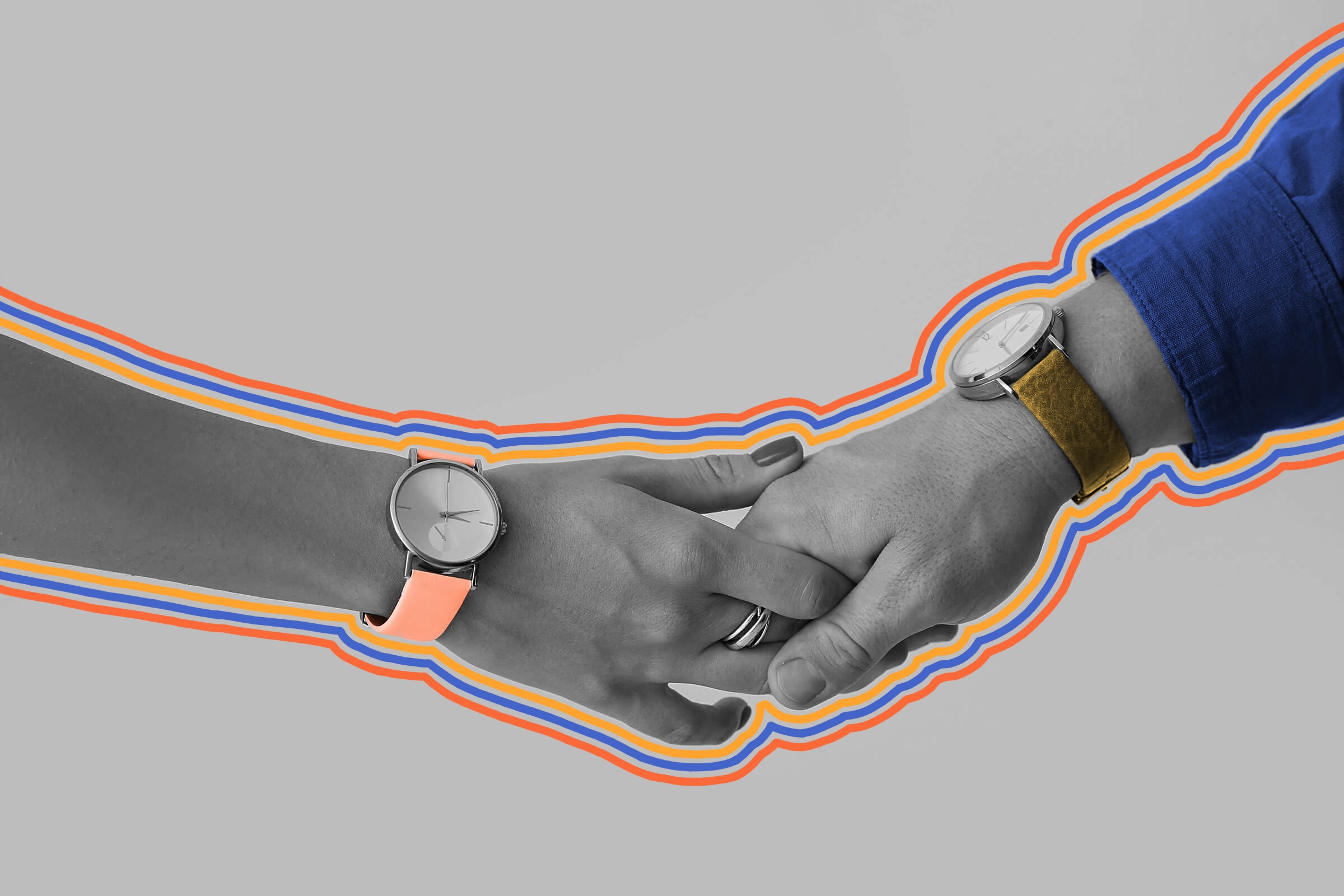
No two humans smell exactly alike, because odor is a complex medley of aromatic influences that come from our environment, genes, and various secretions; all of these add up to what’s known as our volatile organic compound (VOC). Gender can also be a differentiating factor, as a 2023 study from Florida International University discovered. As part of the experiment, 30 self-described men and 30 self-described women grasped cotton balls for 10 minutes in hands that hadn’t been washed for at least an hour. Those cotton balls were then analyzed using gas chromatography and mass spectrometry to identify the individual chemicals that made up the various VOCs of the participants. Using a type of data analysis known as chemometrics, the researchers were able to identify the gender of the participant based on their hand odor with stunning 96.67% accuracy. In other words, men’s and women’s hands seem to produce different odors. 

The bacteria that make body odor are good for you.

Ready to reveal?

Oops, incorrect!

It's a fact

Most human sweat is essentially odorless salt water, but when skin bacteria eat proteins in our sweat, they produce odor. Yet many of these stinky types of skin bacteria actually protect us from eczema, as well as from dangerous infections such as MRSA.

Such a fact aligns with a variety of evidence that humans have subtle aromatic differences. Diseases have particular smells (acute diabetes smells like rotten apples, for example) and diet can also play a role. One study even discovered that single males smell differently than their partnered counterparts, mainly due to differences in testosterone levels. As for our hands, this subtle chemical fingerprint could one day inspire new tools for forensic scientists to analyze crime scenes. But for now, our fragrant hands remain primarily an aromatic oddity.

Numbers Don't Lie

Numbers Don't Lie

Value (in USD) of the worldwide hand sanitizer market as of 2023
$3 billion
Rough age (in years) of handprints left by children in Tibet, possibly the world’s oldest cave art
200,000
Position of the “thumbs up” in Adobe’s 2022 ranking of most popular emojis in the U.S.
2
Approximate number of bacteria found on an average young man
39 trillion

Only about ______ in 10 people are left-handed, though estimates vary.

Ready to reveal?

Confirm your email to play the next question?

Only about one in 10 people are left-handed, though estimates vary.

Placeholder Image

The evolution of the human hand begins with a 380 million-year-old fish.

Go back far enough in time, and all humans share the same fishy ancestor. Therefore, it’s not surprising that some scientists think that certain aspects of the human body still reflect our past life in the water. Hiccuping, for example, has been theorized as a leftover spasm from back when we sported gills, and humans (as well as most other animals) look distinctly fishlike when we’re embryos. Even features that seem uniquely human, such as our dexterous hands, may be evolutionary gifts from our water-dwelling ancestors. For decades, scientists believed that the evolutionary journey of the human hand began with tetrapods, otherwise known as our four-legged, terrestrial forebears. However, recent research found that an ancient fish known as Elpistostege watsoni, which lived during the Late Devonian period, evolved the digits and radial bones that eventually became our hands and feet. Scientists theorize that hands developed in these ancient fish as a way to support body weight, allowing the animals to perform “push-ups” in shallow water for gulping down fresh air. As hard as it may be to fathom that land-dwelling Homo sapiens actually has an aquatic origin story, it’s an ancient tale that’s etched into our very biology.

Darren Orf
Writer

Darren Orf lives in Portland, has a cat, and writes about all things science and climate. You can find his previous work at Popular Mechanics, Inverse, Gizmodo, and Paste, among others.