
Original photo by Camerauthor Photos/ Unsplash
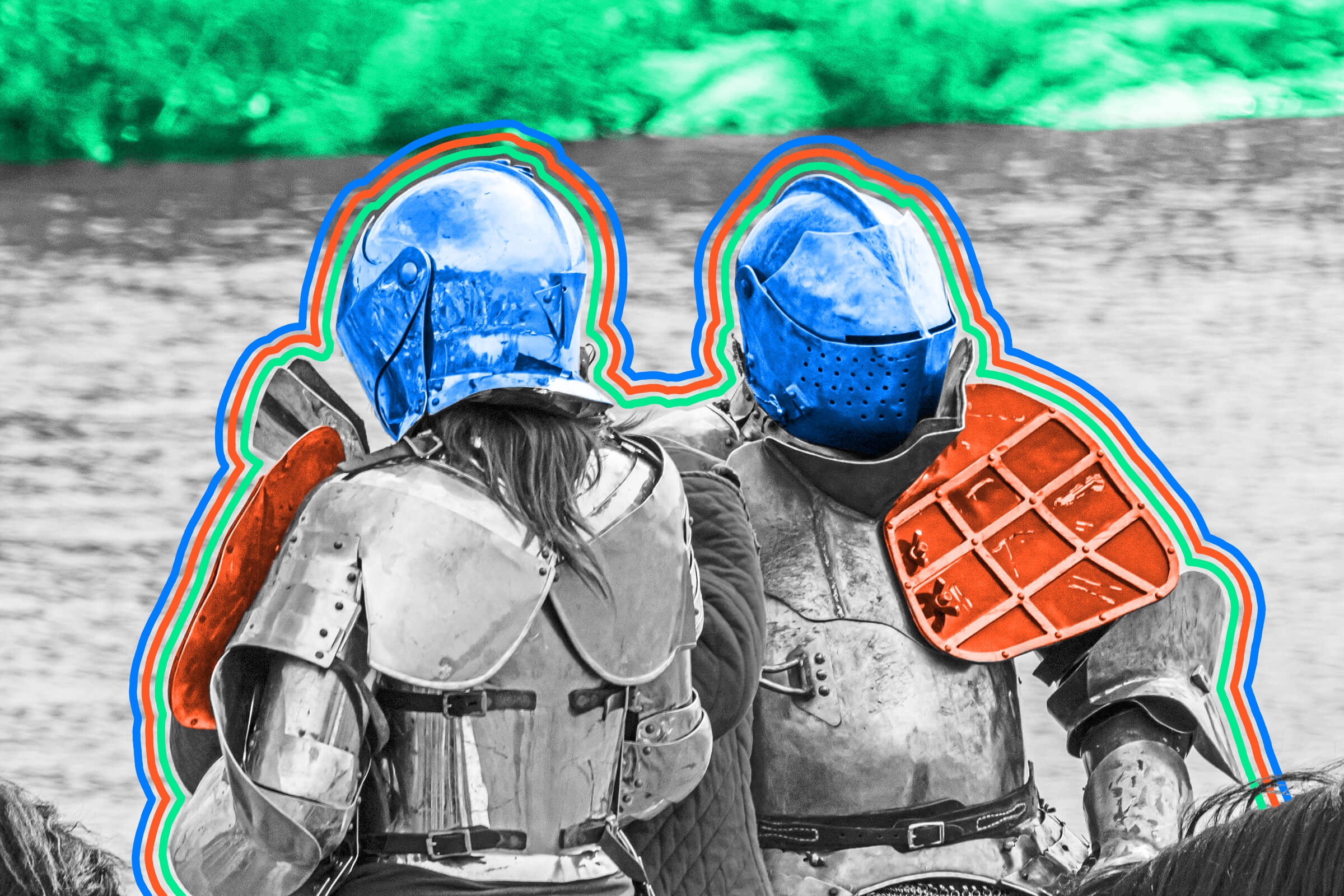
The military origins of jousting date back to sometime in the late 11th century in northwestern France, as a form of combat training. But it wasn’t until the 13th century that the sport became the central event of medieval tournaments, with knights galloping headlong toward armored opponents, aiming wooden lances, and smashing against each other in an explosion of splinters, sometimes with deadly results. By the mid-17th century, the sport had migrated to North America, taking root in one British colony in particular — Maryland

Maryland’s flag is the only state flag based on heraldic banners.

Ready to reveal?

Oops, incorrect!

It's a fact

Maryland’s flag comes from the coat of arms of the Calvert and Crossland families. George Calvert, the first Lord Baltimore, founded the Maryland colony in 1632; the Crosslands were his maternal family.

Jousting tournaments were held in Maryland in colonial times, but really gained steam in farming communities during the Civil War. According to the president of the Maryland Tournament Jousting Association, these events became an effective method of fundraising after the war, by which time they had lost their military trappings and become strictly for sport. The tradition stuck, and the state’s love of jousting culminated in a 1962 law making it the official sport of Maryland. Not only was Maryland the first to choose jousting as its state sport, but it was also the first state to have an official sport at all.

Today, jousters in Maryland don’t put on medieval-style displays. Instead, participants maneuver their lances into various-sized rings suspended above the ground, capturing the rings for points. This “ring jousting” ensures that no one — horse or human — gets injured. Fortunately, the appetite for blood sports has lessened considerably since jousting began, even as the passion for the sport itself remains.

Numbers Don't Lie

Numbers Don't Lie

Year the arcade game Joust was released
1982
Size (in square miles) of Maryland, the 42nd-largest state in the U.S.
12,407
Rough length (in feet) of a medieval jousting lance
12
Year Pope Innocent II banned the “sinful” game of jousting
1130

Maryland is named after ______, wife of the English King Charles I.

Ready to reveal?

Confirm your email to play the next question?

Maryland is named after Queen Henrietta Maria, wife of the English King Charles I.

Placeholder Image

A famous jousting accident in 1536 changed the course of English history.

On January 24, 1536, 44-year-old King Henry VIII suffered a devastating jousting accident at Greenwich Palace’s tiltyard (aka jousting courtyard). Crushed under the weight of his fully armored horse, Henry VIII lay unconscious for as long as two hours. Things looked so dire that Anne Boleyn, the second of Henry’s six wives, was told that her husband wouldn’t survive. Although Henry VIII proved his advisers wrong, he was no longer the athletic and charismatic leader he once was. Shortly after the accident, Boleyn miscarried (possibly due to this traumatic event) and the king began displaying increasingly erratic behavior. Today, some experts believe Henry VIII’s tyrannical turn — not to mention his dramatic health deterioration — can be explained by his traumatic brain injuries. Other Tudor historians think Henry’s ulcerated leg, an injury also received during the accident, was the cause of his erratic behavior. It’s impossible to know what Henry’s reign might’ve looked like had he avoided the tiltyard that January day — he was already in hot water with the pope over his first divorce, after all — but it’s possible that England would be a much different place even today.

Darren Orf
Writer

Darren Orf lives in Portland, has a cat, and writes about all things science and climate. You can find his previous work at Popular Mechanics, Inverse, Gizmodo, and Paste, among others.

Original photo by Andriiii/ Shutterstock

Your eyes are how you see the world, but they’re also how you see yourself — including inside of your own eye. You may have experienced this while having your eyes examined, such as when the doctor shines a light on your pupils. When light comes from a small point and hits your eye just right, you can see your own blood cells as they move through the capillaries on your retina. The light reflects off the vessels, casting a shadow onto the light-sensitive cells in the retina and rendering them visible to your brain in a pattern of orange or red coloration. Each heartbeat sends those blood cells surging, adding a rhythmic quality to this strange phenomenon. 

The eye muscle is the fastest in the body.

Ready to reveal?

Oops, incorrect!

It's a fact

The orbicularis oculi, the muscle that controls the eyelids, is indeed faster than any other muscle. Each eye contains one, which closes and opens the eye in less than 100 milliseconds.

You may also have experienced what’s called the blue field entoptic phenomenon while staring at the clear blue sky and noticing clear, floating cells moving through your field of vision. Unlike red blood cells, white blood cells don’t absorb the short wavelength of the blue light, allowing you to see them as they flow through the blood vessels in front of the retina. These are different from floaters (small spots that move through your field of vision), which tend to increase with age as the vitreous fluid in your eye changes thickness. In most cases, floaters are a normal aspect of aging, though in excess they could be a sign that you should have your eyes checked.

Numbers Don't Lie

Numbers Don't Lie

Eyes a box jellyfish has
24
Percentage of the world population with brown eyes
79%
Genes that affect eye color
~16
Times most people blink in a minute
14-17

The rarest of the main eye colors is ______.

Ready to reveal?

Confirm your email to play the next question?

The rarest of the main eye colors is green.

Placeholder Image

Owls don't have eyeballs.

There’s a good reason owls can crane their neck so well: They can’t move their eyes. That’s because they don’t actually have eyeballs but rather eye tubes or cylinders that are fixed in place and only allow them to look straight ahead. As countless field mice can attest, their vision doesn’t exactly suffer from this lack of movement. Owls’ binocular vision allows them to see with both eyes at the same time, a relatively rare trait shared by humans, snakes, wolves, and other predators. Their field of vision is roughly 110 degrees, 70 degrees of which are binocular; humans, by contrast, have a visual field of 180 degrees, with 140 degrees being binocular.

Michael Nordine
Staff Writer

Michael Nordine is a writer and editor living in Denver. A native Angeleno, he has two cats and wishes he had more.

Original photo by Olivie Strauss/ Unsplash+

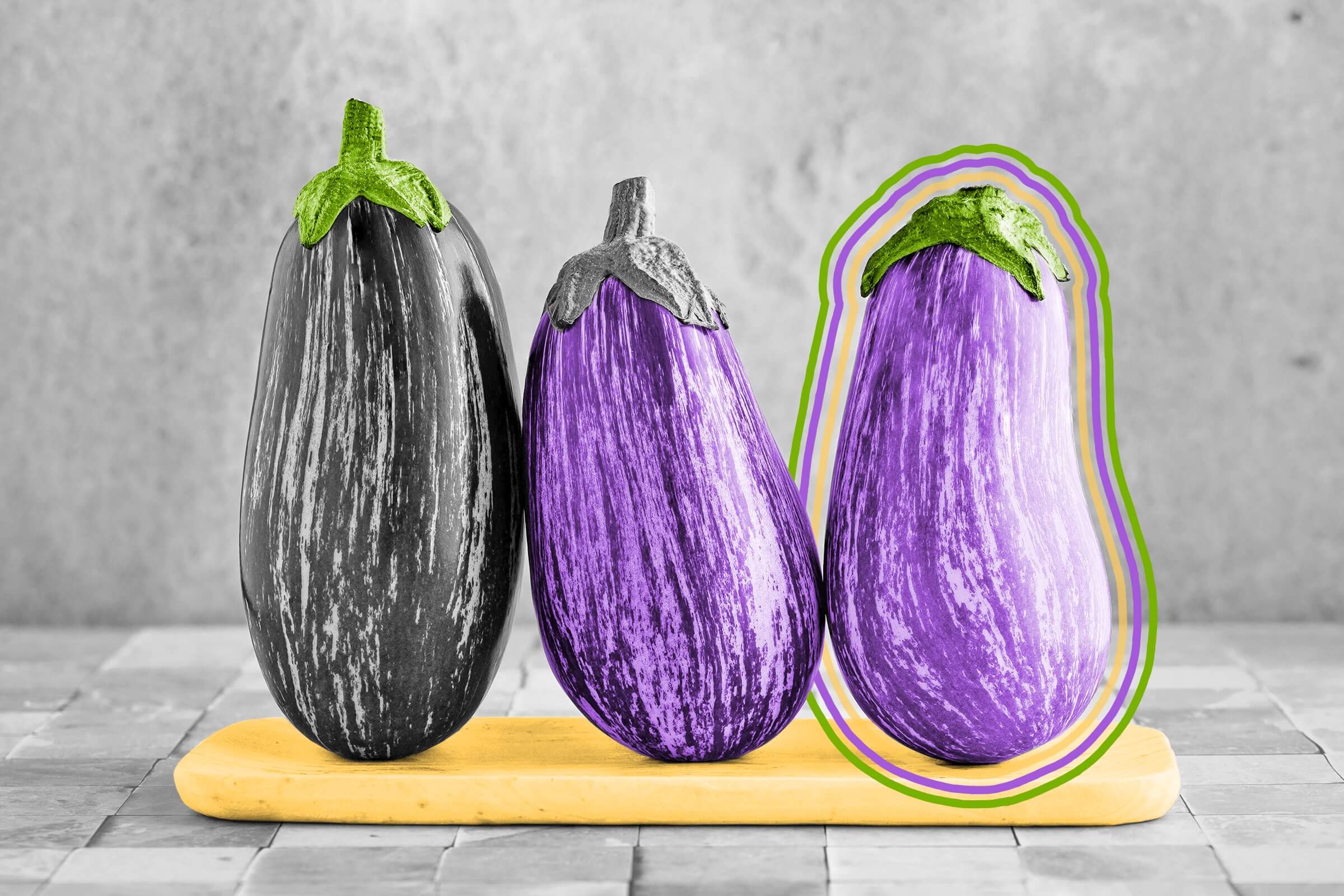
You may wonder how a long, purple fruit came to be called an “eggplant.” It all has to do with a specific popular variety from the 18th century known for its egglike color and circular shape. Eggplants were domesticated in the Indo-Burma region as early as 300 BCE and were called vatingana — a Sanskrit word derived from vani, meaning “wind.” During the British occupation of India, English horticulturist John Abercrombie took note of a particularly common local cultivar that looked white and spherical, much like a typical bird’s egg. In 1767, he wrote about this “egg-plant” in the book Every Man His Own Gardener, denoting the first use of the term in English literature.

New Jersey harvests more eggplants than any other U.S. state.

Ready to reveal?

Oops, incorrect!

It's a fact

While China is the biggest global exporter of eggplants, New Jersey harvests the most of any U.S. state. According to a 2019 report by New Jersey’s Department of Agriculture, the state harvests an annual average of 849 acres of eggplant, ahead of California’s average of 705 acres each year.

While these white, circular eggplants have since fallen out of fashion, similar varieties including the Easter eggplant are still grown. But in general, the most widely grown type of eggplant is known for its dark purple color and elongated shape. It wasn’t until the early 19th century that a shift to this variety took place in the United States, when new eggplant seeds were brought over by immigrants from various parts of Asia. In time, those colorful eggplant varieties came to displace the once-standard pale, ovate type.

Despite the fruit’s change in appearance, the original nomenclature stuck in the United States and Canada. However, other areas have coined names of their own. In the United Kingdom, the fruit is known as an “aubergine” (a French loanword). A brightly colored variant is referred to as a “garden egg” throughout parts of Africa and the Caribbean. And around the 16th century, eggplants were also briefly called “mad apples” in Europe, a name inspired by the fact that they’re members of the nightshade family and thus were once believed to be poisonous if eaten.

Numbers Don't Lie

Numbers Don't Lie

Days it takes for an eggplant to fully mature
~100
Percentage of an eggplant that’s made up of water
95%
Weight (in pounds) of the heaviest recorded eggplant
8.33
Tons of eggplant produced by China in 2022
38,318,525

Eggplants contain trace amounts of ______.

Ready to reveal?

Confirm your email to play the next question?

Eggplants contain trace amounts of nicotine.

Placeholder Image

The Caesar salad wasn’t named after Julius Caesar.

It’s a common misconception that the Caesar salad was named after Roman statesman Julius Caesar. In reality, it was named for Italian American restaurateur Caesar Cardini. After Prohibition became law in the United States in 1920, the California-based Cardini decided to open a new restaurant across the border in Tijuana, Mexico, so he could legally serve alcohol. But it wasn’t the booze that kept people coming back — it was the salad he became known for. While the exact origin of the dish is debated, there are some theories. According to his daughter, Rosa, the salad was improvised on a busy Fourth of July weekend when the restaurant ran out of various ingredients. The one thing we know for sure is that Cardini claimed credit for the recipe, and in 1938, he moved back to Los Angeles and opened a shop to sell bottles of his beloved namesake salad dressing.

Bennett Kleinman
Staff Writer

Bennett Kleinman is a New York City-based staff writer for Inbox Studio, and previously contributed to television programs such as "Late Show With David Letterman" and "Impractical Jokers." Bennett is also a devoted New York Yankees and New Jersey Devils fan, and thinks plain seltzer is the best drink ever invented.

Original photo by David Havel/ Shutterstock

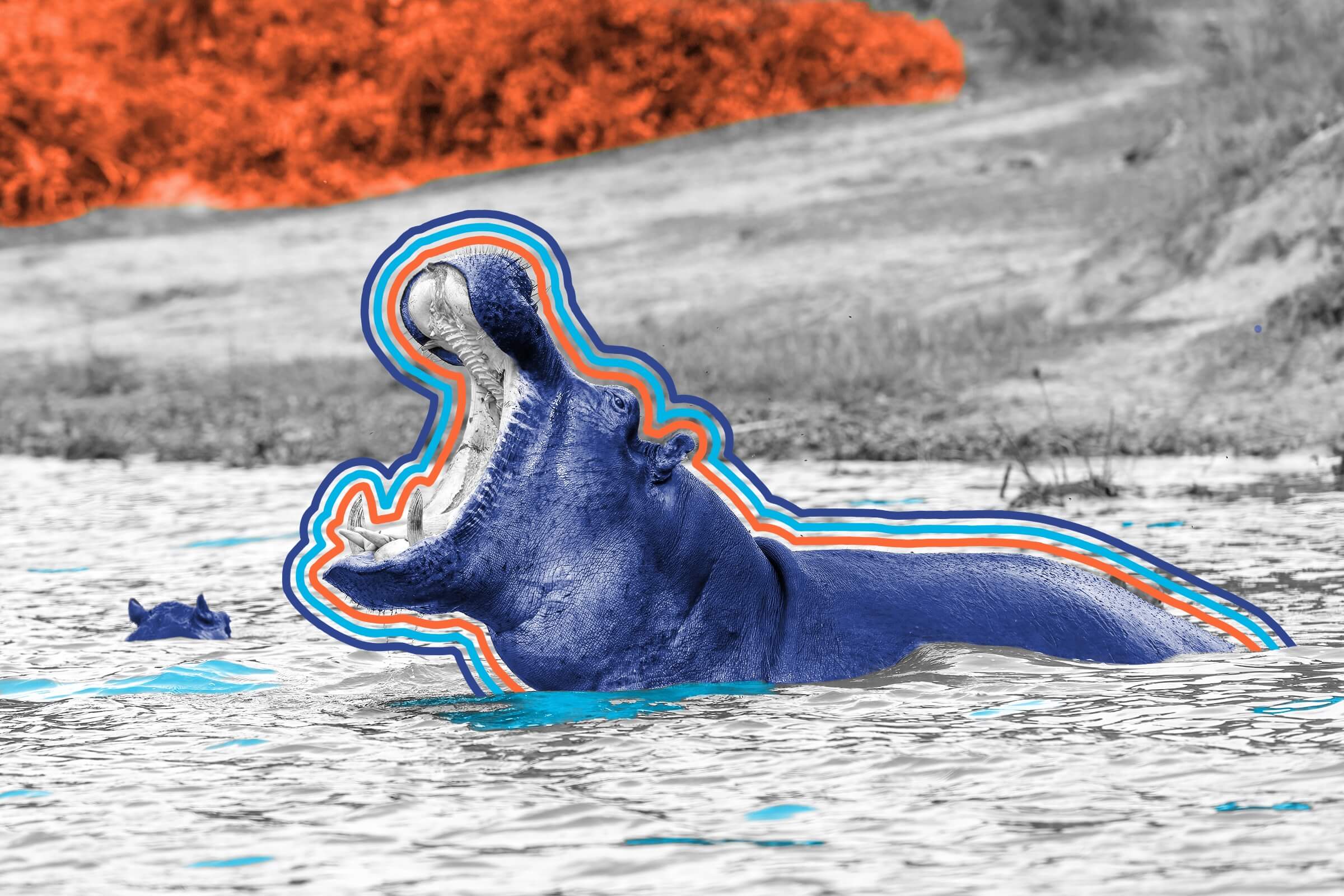
As evidenced by Moo Deng, the pygmy hippopotamus whose pint-sized appearance and big personality took the internet by storm, hippos can be adorable. They’re also highly unusual creatures for several reasons, including the fact that their sweat is red. Some biologists disagree with calling it “sweat” because it serves a different purpose, moisturizing the animals’ skin and repelling water rather than cooling them down, but no one denies the color — it’s even sometimes known as “blood sweat.” In fact, the ancient practice of bloodletting stemmed from ancient Egyptians’ mistaken belief that hippopotamuses intentionally injured themselves when they were sick in order to drain their veins of apparently bad blood.

Hippos are the world’s most dangerous land mammal.

Ready to reveal?

Oops, incorrect!

It's a fact

Despite being herbivores, hippos are highly aggressive and are responsible for the deaths of around 500 people a year.

It took several years to safely and accurately figure out why this substance is red, as hippopotamuses, despite their endearing appearance, are in fact quite dangerous. Chemists eventually discovered that, when first secreted, the sweat is actually clear. It doesn’t turn red until it’s exposed to air, which reacts with two molecules aptly named hipposudoric acid and norhipposudoric acid to give the sweat its distinct hue. Depending on how further studies go, the substance may have useful applications for humans one day — it apparently works quite well as a lip balm and could potentially even serve as an effective sunscreen.

Numbers Don't Lie

Numbers Don't Lie

Species of hippopotamus (common and pygmy)
2
Global hippo population
115,000-130,000
Year Hungry Hungry Hippos was released
1978
Minutes an adult hippo can hold its breath underwater
5

The name "Moo Deng" means ______.

Ready to reveal?

Confirm your email to play the next question?

The name "Moo Deng" means bouncy pork.

Placeholder Image

Hippos are most active at night.

Though not nocturnal, hippos tend to be most productive at night. This is partly due to the weather, as they’re native to Sub-Saharan Africa and spend most of the day submerged in water to keep cool. After leaving their resting waters at dusk, they’ll spend as many as five hours per night foraging for food, sometimes 2 to 3 miles away, and sleep on land. Grazing tends to be a solitary rather than communal affair, with the notable exception being mothers still caring for their calves, and the herd finds its way back to the water in the morning.

Michael Nordine
Staff Writer

Michael Nordine is a writer and editor living in Denver. A native Angeleno, he has two cats and wishes he had more.

Original photo by Farhad Ibrahimzade/ iStock

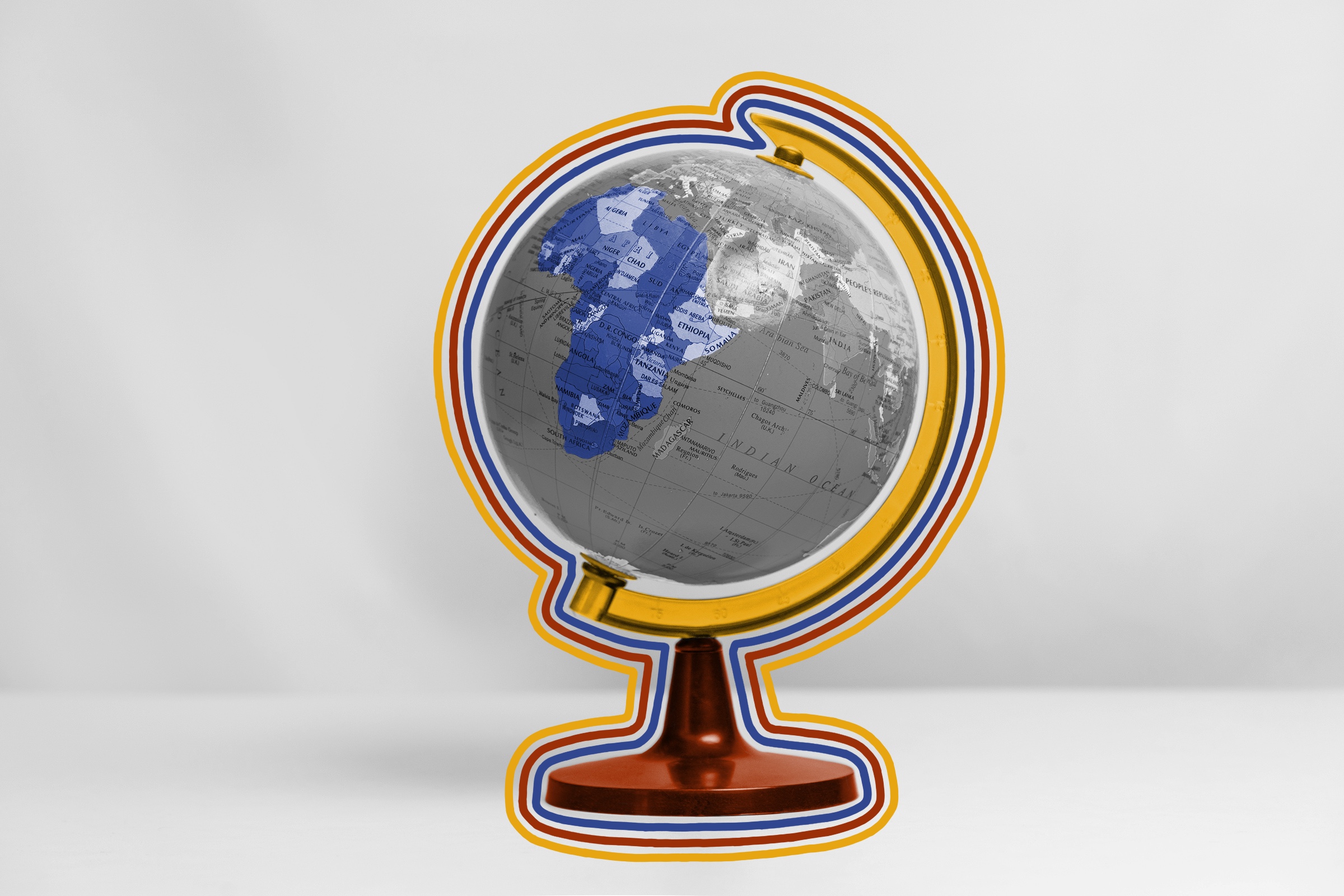
There are only two countries in the world whose official names start with the word “the”: The Bahamas in the Caribbean and The Gambia in West Africa. The Bahamas is also officially known as the Commonwealth of The Bahamas, but the nation is formally referenced as simply “The Bahamas” many times in its constitution. Similarly, The Gambia’s name is technically the Republic of The Gambia, but it’s almost exclusively referred to as just “The Gambia” in its constitution.

The Bahamas is home to a beach inhabited by pigs.

Ready to reveal?

Oops, incorrect!

It's a fact

Known as Pig Beach, Big Major Cay is home to about 20 to 25 swimming pigs. This includes tiny piglets and Big Momma, the oldest and largest pig on the island. No one is sure how the pigs first got there, but one theory is they were discarded by people who were displeased with the pigs’ odor.

In both cases, the countries were named after geographical features, hence the inclusion of definite articles in their names. The Bahamas was named after an island chain of the same name, which was (and still is) always referred to using “the.” The Gambia, meanwhile, was named by Portuguese explorers after the Gambia River. When the nation achieved independence in 1965, it held onto the word “the” as part of an effort to differentiate it from the similar-sounding Zambia, which achieved independence one year prior.

There are some countries that include “the” in the middle of their official names, including Democratic Republic of the Congo, and other countries — such as the Maldives and the Solomon Islands — that are often referred to using “the” even though the word is not officially part of the name. El Salvador is unique in that its name begins with “the” but in a different language, as “el” is Spanish for “the.”

Numbers Don't Lie

Numbers Don't Lie

Islands that make up the Bahamian archipelago
~700
Year The Bahamas achieved independence from the U.K.
1973
Maximum width (in miles) of The Gambia
30
Species of birds in The Gambia
600+

Gambians vote using ______.

Ready to reveal?

Confirm your email to play the next question?

Gambians vote using marbles.

Placeholder Image

No sovereign nations begin with the letters “w” or “x” in English.

In the English language, the names of all the world’s sovereign nations begin with 24 of the 26 letters — none begins with the letters “w” or “x.” (There are, however, some uncommon letters that begin the name of only one country, such as “o,” “q,” and “y” in the names Oman, Qatar, and Yemen.) This wasn’t always the case, though. From 1825 until 1917, the United States recognized the sovereign state of Württemberg, which is now part of Germany. Additionally, the country of Samoa was known as Western Samoa from 1962 until 1997, when its name changed to reflect its new status as an independent nation. The “w” and “x” rule, of course, only applies to English. In the Catalan language, for instance — which is spoken in parts of Spain, Italy, France, and Andorra — several countries start with “x,” including Xile (Chile), Xina (China), and Xipre (Cyprus).

Bennett Kleinman
Staff Writer

Bennett Kleinman is a New York City-based staff writer for Inbox Studio, and previously contributed to television programs such as "Late Show With David Letterman" and "Impractical Jokers." Bennett is also a devoted New York Yankees and New Jersey Devils fan, and thinks plain seltzer is the best drink ever invented.

Original photo by DNY59/ iStock

Coin flipping is a time-honored tradition for making decisions. Long before the NFL used the method to determine opening kickoffs, Romans employed coin tossing to settle personal disputes (though they called it “heads or ships,” a reference to the Roman coin’s two-faced Janus on one side and the prow of a ship on the other). While the mechanics of coin flipping are simple enough — guess a side and flip — the physics of how a coin flips are anything but. By exploring this complicated motion, scientists have discovered that coin flips are not as random (and thus impartial) as most of us think.

The Wright brothers decided who’d fly first with a coin toss.

Ready to reveal?

Oops, incorrect!

It's a fact

On December 14, 1903, Orville and Wilbur Wright flipped a coin to decide who’d be the first pilot of their eponymous flyer. Although Wilbur won, his luck didn’t last — his flight attempt failed, allowing Orville to soar into the history books three days later.

A 2023 study from the University of Amsterdam flipped 350,757 coins across 46 different currencies and discovered that a coin flipped to its starting position 50.8% of the time — close to 50/50, but not quite. In other words, if a coin started heads up, there was a slightly greater chance it would land heads up, too. This proves a previous theorem, developed in 2004, which argued that coin tosses landed as they started about 51% of the time. This small difference likely won’t dissuade humans from practicing the coin flip tradition, however. A more serious concern comes from a 2009 study, which revealed that coin tosses can be easily manipulated with just a few minutes of practice. So if you’re relying on the “randomness” of a coin toss to determine important decisions, make sure you trust the person doing the flipping.

Numbers Don't Lie

Numbers Don't Lie

Year Italian Gerolamo Cardano completed “Liber de Ludo Aleae,” the first treatise on probabilities
1564
Number of coins the U.S. Mint struck for circulation in 2022
12 billion
Auction price of the 1933 St. Gaudens Gold Double Eagle, the most expensive U.S. coin ever minted
$18.9 million
Diameter (in mm) of the oldest U.S. coin, the Fugio, minted in 1787
28

The study of coins is known as ______.

Ready to reveal?

Confirm your email to play the next question?

The study of coins is known as numismatics.

Placeholder Image

The U.S. was one of the first countries to have a decimal currency.

The United States has been pretty slow on the metric uptake, but when it comes to rationalizing currency, it’s actually one of the leaders. Although the first (incomplete) example of decimalization occurred in Czarist Russia around 1704, the U.S. decimalized its currency with the Coinage Act of 1792, which established that 100 pennies make a dollar. This was a huge improvement, especially for the nonmathematically inclined, over the British system, wherein 1 pound equals 20 shillings, 1 shilling equals 12 pence, and 1 pence equals 4 farthings. However, this decimal system only pertained to coins at the time. Paper money didn’t enter circulation until 1861, when an embattled Union government, desperate for money during the Civil War, produced the first banknotes — known as “greenbacks.”

Darren Orf
Writer

Darren Orf lives in Portland, has a cat, and writes about all things science and climate. You can find his previous work at Popular Mechanics, Inverse, Gizmodo, and Paste, among others.

Original photo by AtlasStudio/ Shutterstock

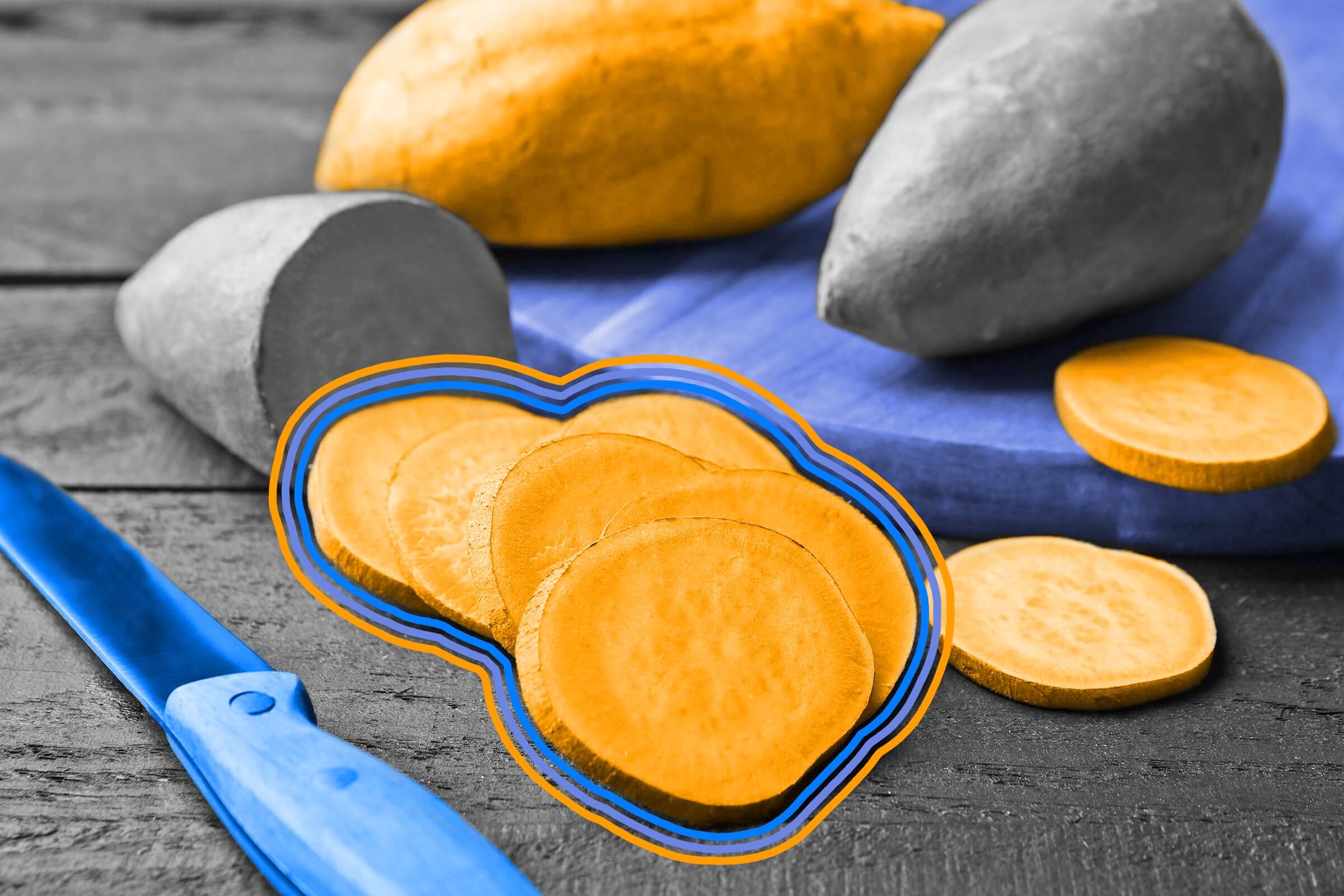
Sweet potatoes and common potatoes share part of a name and the spotlight at Thanksgiving meals, but the two are entirely different plants — and sweet potatoes aren’t even potatoes. While both root vegetable species are native to Central and South America, they’re classified as unrelated. Sweet potatoes belong to the Convolvulaceae family, a group of flowering plants that’s also called the morning glory family. Potatoes belong to the nightshade (Solanaceae) family, and are cousins to peppers, tomatoes, and eggplants. 

Sweet potatoes were served at the first Thanksgiving.

Ready to reveal?

Oops, incorrect!

It's a fib

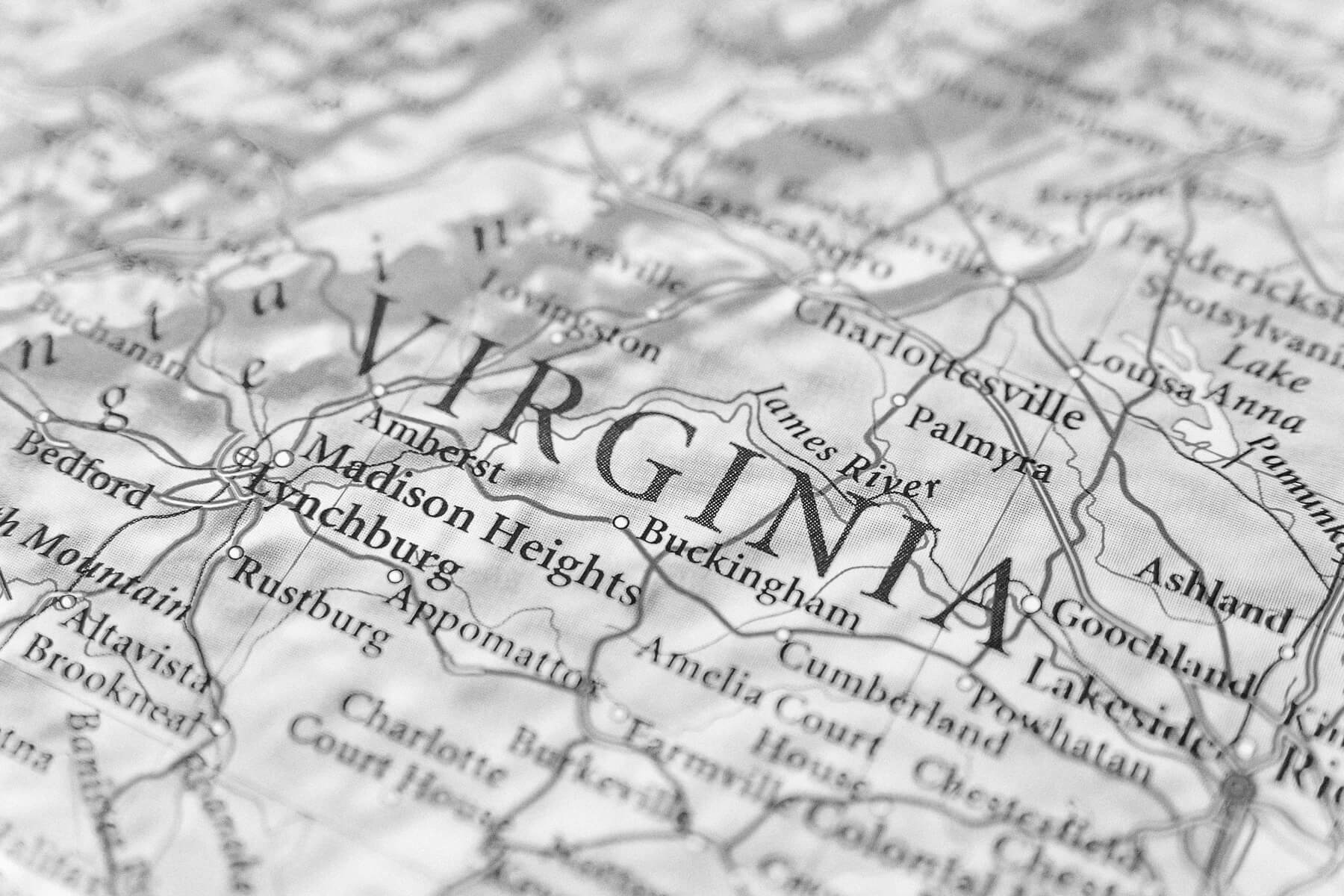
The orange-fleshed tubers are typical feasting fare, but they didn’t grace the holiday spread at the first Thanksgiving in 1621. That’s because sweet potatoes weren’t yet grown in North America; the first known crops were planted in Virginia nearly three decades later in 1648.

Both species get their name from an Indigenous Caribbean term, batata, which eventually morphed into the English “potato.” By the 1740s, “sweet” was added to the orange-fleshed tuber’s name to differentiate the two root crops.

Then there are yams. Although they’re often served interchangeably with sweet potatoes at Thanksgiving dinners, this third root crop is biologically unrelated to either sweet potatoes or common potatoes. These tubers belong to the Dioscoreacea family, a group of flowering plants usually cultivated in tropical areas. Luckily, you don’t have to know their scientific classification to distinguish between the two nonspuds at the grocery store: Sweet potatoes have tapered ends and relatively smooth skin, while true yams are generally larger with rough bark and a more cylindrical shape. At most U.S. grocery stores, what you’re seeing labeled as a yam is probably actually a sweet potato.

Numbers Don't Lie

Numbers Don't Lie

Weight (in pounds) of the world’s heaviest sweet potato (Spain, 2004)
81.5
Varieties of sweet potatoes
400+
Approximate weight (in pounds) of the largest sweet potato pie (Japan, 2018)
703
Year the first marshmallow-topped sweet potato recipe appeared
1917

Some 60% of American sweet potatoes are grown in ______.

Ready to reveal?

Confirm your email to play the next question?

Some 60% of American sweet potatoes are grown in North Carolina.

Placeholder Image

George Washington Carver invented more than 100 uses for sweet potatoes.

Peanuts are often considered the primary fascination of scientist George Washington Carver, who devised 325 uses for the legumes in the early 20th century, but the botanist also studied sweet potatoes extensively. In his writings, Carver advised farmers how to successfully grow the tubers and eat them, including dozens of recipes for pureed, scalloped, and baked sweet potatoes, along with desserts such as pies and doughnuts. Carver’s research included the development of sweet potato coffee, vinegar, and synthetic silk, but one of his most successful inventions was sweet potato flour, a culinary wonder that would help stretch rations amid World War I’s wheat shortage. The U.S. Department of Agriculture used Carver’s know-how to produce the wheat alternative until the war’s end; it soon after fell out of popularity, but is still available today as a gluten-free baking alternative.

Nicole Garner Meeker
Writer

Nicole Garner Meeker is a writer and editor based in St. Louis. Her history, nature, and food stories have also appeared at Mental Floss and Better Report.

Original photo by Kara Capaldo/ iStock

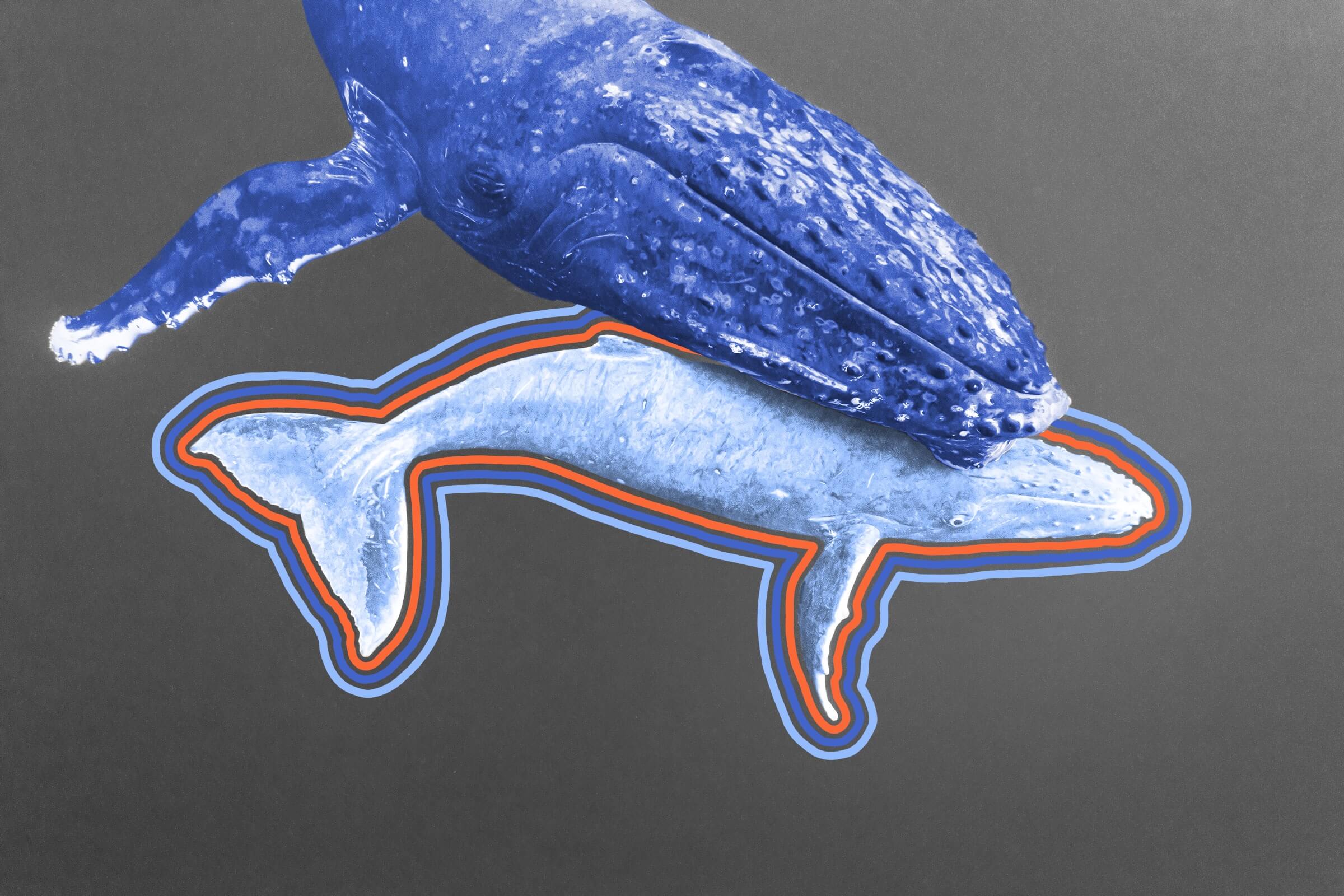
In their first year of life, human babies nearly triple their weight. And while that sounds like an impressive stretch of growth, it’s nothing compared to blue whales. These cetacean newborns, which already weigh around 3 tons at birth, pack on upwards of 200 pounds a day, meaning baby blue whales bulk up at a rate of about 8 pounds an hour. This incredible growth spurt makes sense when you analyze a young blue whale’s diet, which consists exclusively of 100 gallons of its mother’s milk every day — and this isn’t anything like the milk you buy at the grocery store. Where cow-supplied whole milk contains around 3.25% milk fat, a female blue whale’s milk contains upwards of 50% milk fat. A blue whale calf will nurse with its mother for about seven months until reaching around 52 feet in length and tipping the scales at around 23 tons. 

Blue whales are the largest animals ever known to live on Earth.

Ready to reveal?

Oops, incorrect!

It's a fact

Blue whales aren’t just the largest animals on Earth today — they’re the largest animals ever. A female blue whale can weigh as much as 30 elephants, its heart weighs as much as a gorilla, and its body stretches as long as three school buses end-to-end.

Although weighing around 400,000 pounds fully grown seems like a drag (literally), it actually comes with numerous benefits. For one, blue whales have almost no natural predators (other than the occasional orca) due to their immense size, and their massive bulk helps them swim faster to feeding and mating grounds. However, unlike other whale species, blue whales need to eat almost constantly — one adult blue whale can consume up to 4 tons of krill daily. In other words, their voracious appetite isn’t so much a childhood fad as it is a lifelong strategy for survival. 

Numbers Don't Lie

Numbers Don't Lie

Maximum estimate of the blue whale population (one of the most endangered of the great whales)
25,000
Average estimate (in years) of the life expectancy of a typical blue whale
85
Year the blue whale was first described, in the book “Phalainologia Nova” by Scottish physician Robert Sibbald
1692
Fraction of a kilogram that equals 1 pound
0.45359237

The Roman predecessor of the pound is the ______ (hence the abbreviation “lb”).

Ready to reveal?

Confirm your email to play the next question?

The Roman predecessor of the pound is the libra (hence the abbreviation “lb”).

Placeholder Image

Blue whales, among the loudest animals on Earth, are louder than jet engines.

The blue whale is no stranger to superlatives, in terms of size and sound. Scientists estimate these gigantic cetaceans are among the loudest animals in the world. A lion’s roar, for example, clocks in at around 114 decibels, and can be heard up to 5 miles away. Blue whales, however, can emit sounds at an ear-splitting 180 decibels, which is much louder than a jet plane, and can be heard up to 1,000 miles away. Although this is impressively loud, blue whales will also often vocalize rumbling groans as low as 14 Hz, which is below the threshold of human hearing. So even though we can’t always hear it, the world’s oceans are thrumming with the hauntingly beautiful voices of these real-world leviathans.

Darren Orf
Writer

Darren Orf lives in Portland, has a cat, and writes about all things science and climate. You can find his previous work at Popular Mechanics, Inverse, Gizmodo, and Paste, among others.

Original photo by RealPeopleGroup/ iStock

Sunlight tends to be good for us. It helps our bodies create vitamin D and mood-lifting serotonin, and even syncs our circadian rhythms. However, some people experience an unexpected side effect after glancing into the sun: sneezing. As many as one in four people have the reaction, appropriately called ACHOO syndrome (short for autosomal dominant compelling helio-ophthalmic outburst). The sun isn’t the only thing to blame — the reaction can occur when moving from dark to light settings, after seeing bright lights, or even from witnessing a camera flash.

It’s impossible to sneeze with your eyes open.

Ready to reveal?

Oops, incorrect!

It's a fib

Keeping your eyes open during a sneeze might feel uncomfortable — and difficult — but it can be done. However, some doctors suspect there’s a good reason our bodies reflexively close our eyelids: Doing so helps protect your eyes from the irritants being expelled from your nose.

ACHOO syndrome — also called “photic sneeze reflex” or “sun sneezing” — isn’t an allergy. While researchers aren’t entirely sure why it happens, one theory is that it’s caused by a nervous system misfire involving the trigeminal nerve, which connects the eyes and nose with the brain. Within seconds of seeing bright light, the pupils of the eyes contract and stimulate this nerve, possibly causing the nose to accidentally sneeze. People who experience ACHOO syndrome may get a runny nose and watery eyes, too, though these symptoms tend to disappear within a few minutes. Sun sneezing also has a genetic component; children of parents who have the photic sneeze reflex have a 50% chance of experiencing the same phenomenon

Some people diagnosed with ACHOO syndrome also reflexively sneeze when undergoing anesthesia, though for the most part the condition is more of an annoyance than a health concern. While there’s no treatment for sun sneezing, it is possible to reduce occurrences of the involuntary reaction with a few handy accessories, like hats and sunglasses, which block sudden bursts of light.

Numbers Don't Lie

Numbers Don't Lie

Estimated number of times the average person sneezes a day
4
Max speed (in mph) of a sneeze
100
Record (in days) for the world’s longest sneezing fit, held by a British woman
976
Number of droplets that leave your nose when sneezing
100,000

“______” is the medical term for sneezing.

Ready to reveal?

Confirm your email to play the next question?

Sternutation” is the medical term for sneezing.

Placeholder Image

Marine iguanas sneeze salt.

Humans aren’t the only beings on Earth that sneeze — elephants, whales, and even fish do it, too. Marine iguanas, however, may be one of the only animals whose sneeze particles are mostly made up of salt. Found in the Galapagos Islands, they are the only kind of lizard that can survive in aquatic conditions, swimming in the ocean and feasting on algae. To thrive in their salty habitat, which would prove fatal to other lizards, marine iguanas are able to filter the excess salt from their blood, then excrete it via forceful snorts and sneezes.

Nicole Garner Meeker
Writer

Nicole Garner Meeker is a writer and editor based in St. Louis. Her history, nature, and food stories have also appeared at Mental Floss and Better Report.

Original photo by Ewing Galloway/ Alamy Stock Photo

In October 1910, Theodore Roosevelt soared into the sky, a passenger on a two-person airplane flown above St. Louis’ Kinloch Field. With just three minutes of flight time, Roosevelt became the first U.S. president to fly — what he called the “bulliest experience” he’d ever had — though historians point out that he wasn’t the first sitting president to do so, considering that he had recently left office. Instead, that honor went to his cousin Franklin D. Roosevelt, who became the first president to fly on official business some three decades later.

Franklin D. Roosevelt was the longest-serving president.

Ready to reveal?

Oops, incorrect!

It's a fact

First elected to the Oval Office in 1932, Roosevelt held the role for 12 years, winning again in 1936, 1940, and 1944. FDR was the only president to serve four terms; Congress passed the 22nd Amendment in 1947, two years after his death, limiting presidents to two terms.

FDR’s history-making flight in January 1943 was made out of wartime necessity. That month, he attended the famed Casablanca Conference, crossing the Atlantic Ocean to meet with Winston Churchill in Casablanca, Morocco, where the two leaders agreed to demand an unconditional surrender from World War II’s Axis powers. But getting to northern Africa was no easy feat at a time when the heavy presence of German U-boats throughout Atlantic waters created perilous travel for American ships. Reluctantly, Roosevelt's advisers agreed to send the president by plane, keeping the journey so secretive that even the flight crew was surprised to see the president when he boarded. 

The Roosevelts weren’t unfamiliar with flying; Franklin had flown before taking office, and First Lady Eleanor had traveled that way many times. But planes hadn’t been considered safe enough to transport presidents until Roosevelt’s 17,000-mile round trip to Morocco aboard the Dixie Clipper (which translated to 50 hours in the air) proved otherwise. While Roosevelt’s first flight as president didn’t have all the comforts of modern Air Force One flights, he still traveled with adequate accommodations, notably slicing into a cake for his 61st birthday in the skies above Haiti.

Numbers Don't Lie

Numbers Don't Lie

Year the classic “Casablanca” premiered in New York City
1942
“Fireside Chat” radio speeches given by FDR during his presidency
31
Presidents related to FDR, including John Adams and Ulysses S. Grant
11
Year the current Air Force One planes were put into service
1991

Planes carrying the vice president are called ______.

Ready to reveal?

Confirm your email to play the next question?

Planes carrying the vice president are called Air Force Two.

Placeholder Image

The name “Air Force One” was created by air traffic controllers.

The early days of presidential plane travel weren’t as polished as they are today — take, for example, the near-miss incident that helped create the Air Force One name. In December 1953, President Dwight D. Eisenhower was aboard the Columbine II above New York City. In the sky, air traffic control refers to planes by their tail numbers; in this case, Eisenhower’s aircraft went by the call sign Air Force 8610. But in an unusual coincidence, another plane with the same tail number entered nearby airspace, causing confusion between both planes and air traffic control that almost caused a collision. The incident prompted the FAA to adopt a special designation for the president’s plane: Air Force One. The term is now synonymous with the official aircraft, though it can be used to distinguish any plane a sitting president boards.

Nicole Garner Meeker
Writer

Nicole Garner Meeker is a writer and editor based in St. Louis. Her history, nature, and food stories have also appeared at Mental Floss and Better Report.