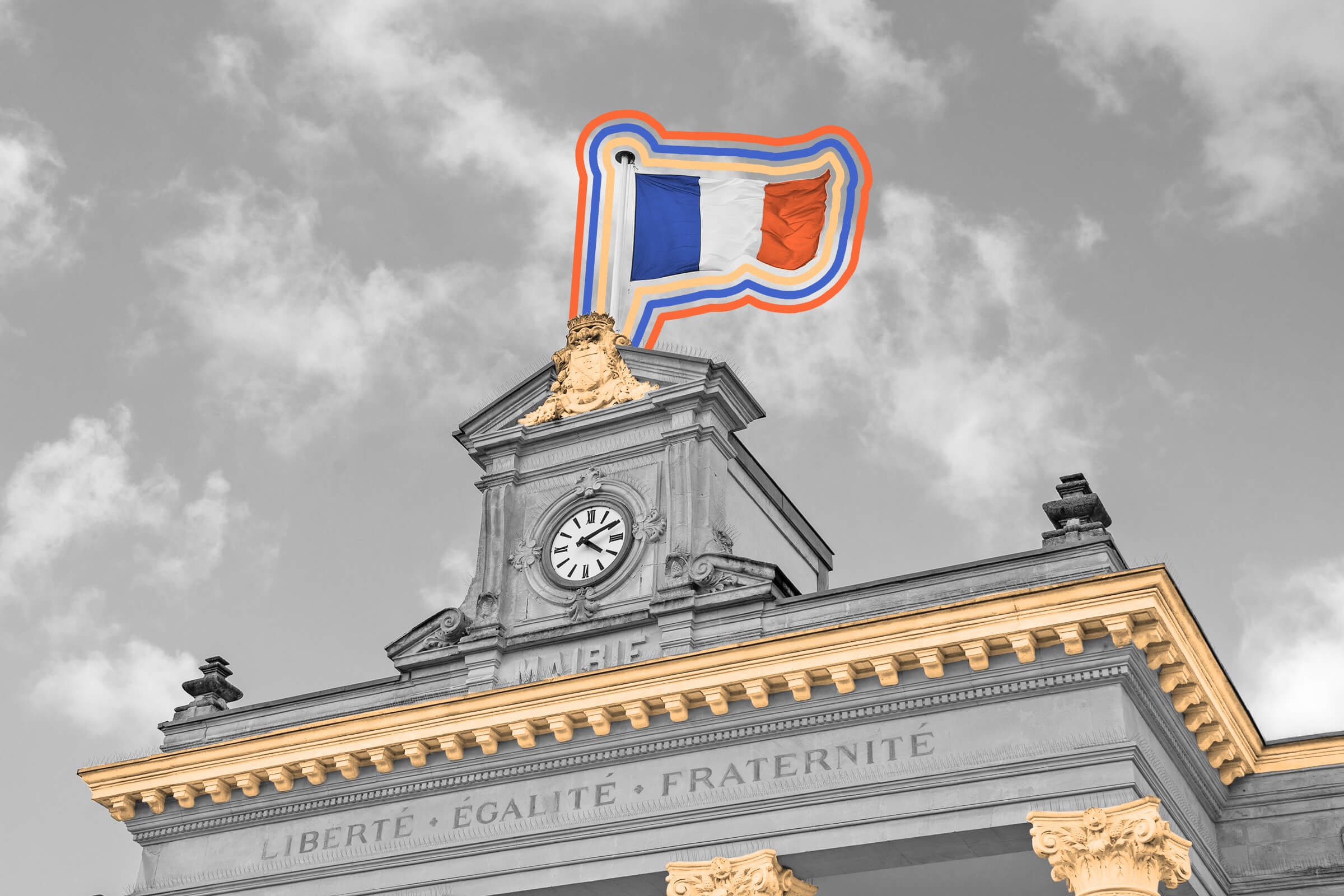

Seeing as Russia is the largest country in the world by land area, you may suppose it also contains the most time zones. And while it does have a lot (11, to be precise), it actually has fewer than France, which contains 12 time zones. France’s main landmass, France métropolitaine, keeps Central European Time, while its many dependencies observe 11 others. Those other regions include French Polynesia (Tahiti Time), Martinique (Atlantic Standard Time), and Mayotte (Eastern Africa Time), to name just a few, and when Saint-Pierre and Miquelon observes daylight saving time, the total number of time zones goes up to 13.
North America used to have more than 144 local times.
Before official time zones were established by the railroads, keeping track of time was a ramshackle, decentralized affair that occasionally resulted in trains arriving in their destination earlier than they’d departed.
Russia might technically be more impressive in this regard, however, as 10 of its 11 time zones are contiguous; the only exception is Kaliningrad, which is situated between Poland and Lithuania. The United States has nine official time zones, four of which are contiguous — the rest are kept by the likes of Alaska, Hawaii, Puerto Rico, Guam, and the U.S. Virgin Islands.
The two U.S. states that don’t observe daylight saving time are Arizona and Hawaii.
Advertisement
China has only one time zone.
As the world’s third-largest country by area and second-largest by population (having recently been surpassed in the latter category by India), China could reasonably be expected to have many time zones. So you may be surprised to learn it observes only one, Beijing Time, which was implemented by the Communist Party in 1949 in the name of national unity. Reducing the number of time zones from five to one means that residents of the western city Ürümqi now keep the same time as those in Shanghai, despite being more than 2,000 miles apart. This has resulted in any number of oddities and logistical issues, including midnight sunsets and confusing business hours.

Michael Nordine
Staff Writer
Michael Nordine is a writer and editor living in Denver. A native Angeleno, he has two cats and wishes he had more.
Advertisement
top picks from the Inbox Studio network
Interesting Facts is part of Inbox Studio, an email-first media company. *Indicates a third-party property.
Original photo by Cosmin-Constantin Sava/ Alamy Stock Photo
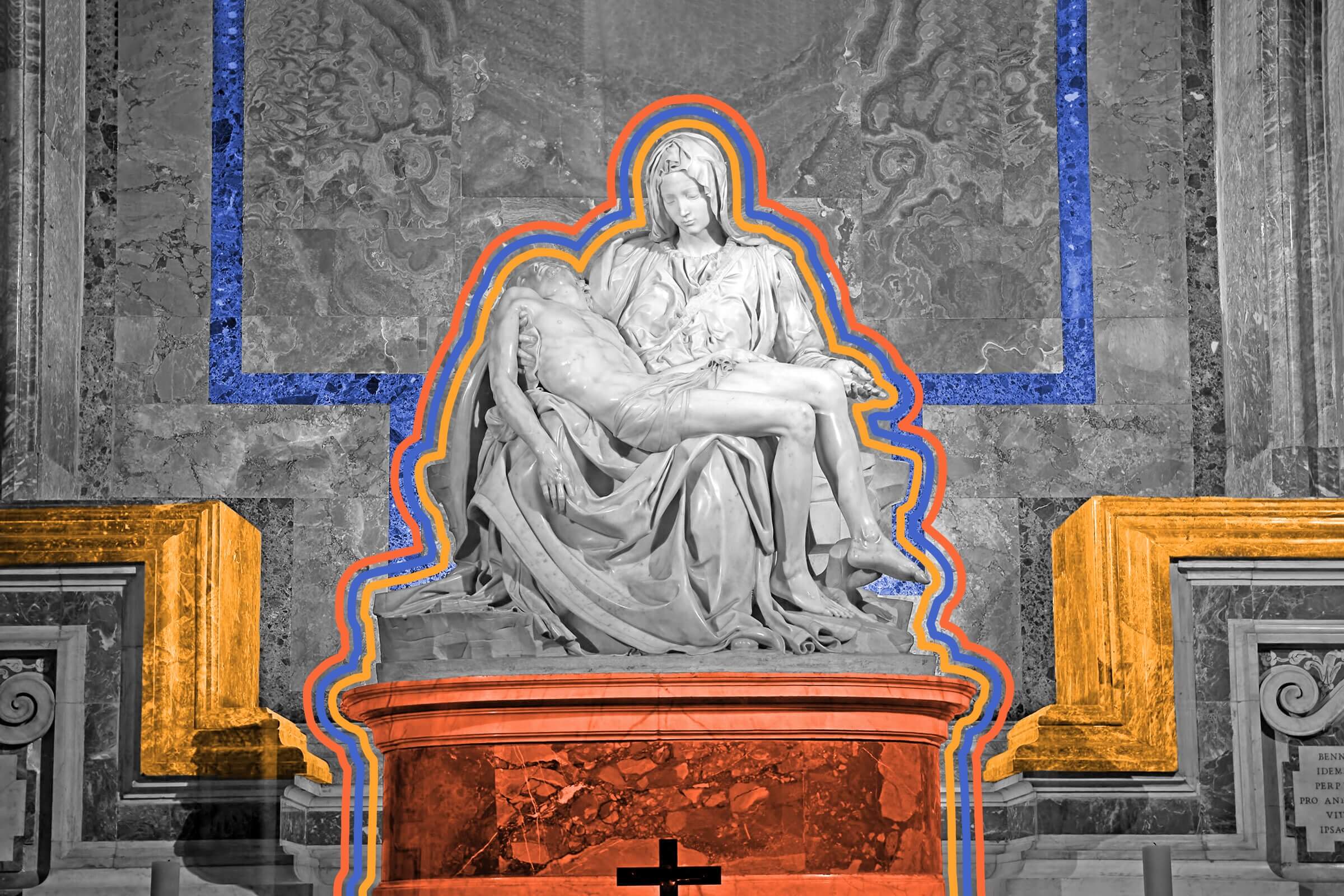
Michelangelo is one of the few people in history whose work has spanned the centuries with no need for a last name. Hundreds of his surviving works of art — including sculptures, paintings, and drawings — don’t even bear an artist’s mark. That’s because the artist only ever signed one piece, the Madonna della Pietà, and his doing so likely stemmed from misplaced credit.
Michelangelo’s David sculpture was carved from scrap stone.
Michelangelo was known for being selective about the marble used to chisel his sculptures. However, David was produced from a partially carved slab discarded by other artists due to its poor quality. Repurposing the stone into the famous statue took Michelangelo nearly three years.
Michelangelo was commissioned to sculpt the Pietà in the late 1490s. As he was just 24 years old at the time, it was one of his earliest projects, and a piece that helped launch him into the spotlight. The sculpture, which was created as a funeral monument for French Cardinal Jean de Bilhères, depicts the Virgin Mary holding the body of Jesus following the Crucifixion. The young artist sculpted the piece from one cut of marble and finished the job in under two years. According to fellow Renaissance artist and friend Giorgio Vasari, Michelangelo’s statue initially bore no indication of its creator, but the artist supposedly changed his mind after overhearing his work credited to a rival; he snuck back to chisel his name prominently onto the sash across Mary’s chest.
Shame at the rash decision likely kept Michelangelo from signing his future works of art, though the artist did find other ways of inserting his likeness into his work. In the Sistine Chapel, Michelangelo imposed his own features onto St. Bartholomew — who was skinned alive — possibly as a joke meant to share his disdain for the physically grueling project.
Michelangelo wrote more than 300 poems during his lifetime.
Advertisement
Michelangelo’s David sculpture was once censored thanks to Queen Victoria.
A replica of Michelangelo’s David has been housed at the Victoria & Albert Museum in London since 1857, but there was a time when it underwent some adjustments thanks to the queen of England. Several plaster replicas of David have been made, and in the mid-1800s, one was shipped to Great Britain as a gift from Leopold II, the Grand Duke of Tuscany, to Queen Victoria. Victoria had two main issues with the sculpture — its staggering 20-foot height and its nudity — and sent the statue to the museum, where, based on the queen’s initial horrified response, curators created a 2-foot plaster fig leaf to cover the offending organ. According to the Victoria & Albert Museum, the leaf was attached with the help of “strategically placed hooks” any time museum staff believed royal ladies might visit. However, today the David replica stands frondless, as the artist originally intended.
Nicole Garner Meeker
Writer
Nicole Garner Meeker is a writer and editor based in St. Louis. Her history, nature, and food stories have also appeared at Mental Floss and Better Report.
Advertisement
top picks from the Inbox Studio network
Interesting Facts is part of Inbox Studio, an email-first media company. *Indicates a third-party property.
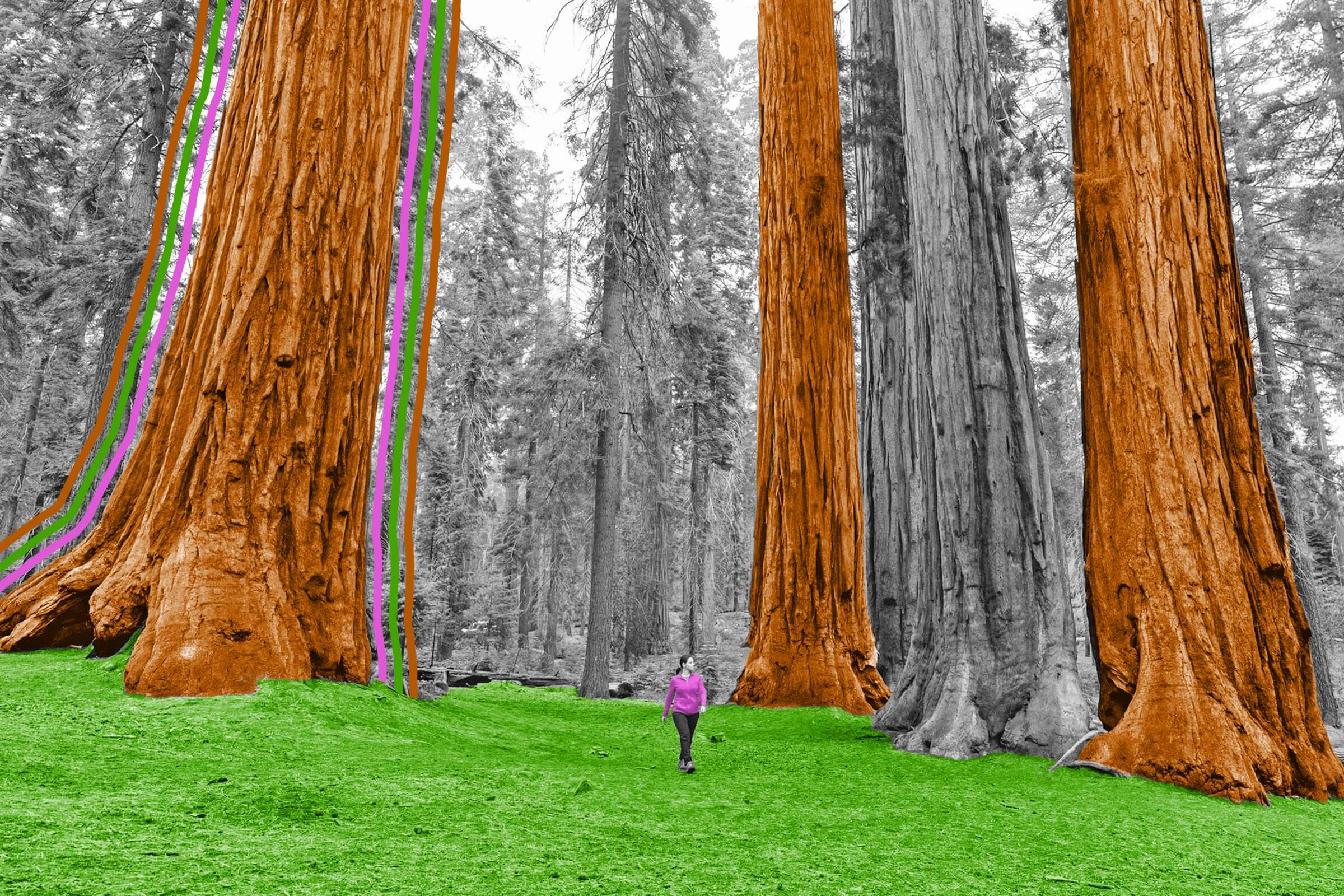
There are people who commit to a cause, and then there’s Julia Butterfly Hill. At age 23, the environmental activist protested the planned logging of a 200-foot-tall redwood tree near Stafford, California, by climbing it and living there for 738 days. Luna, as the famous tree has since come to be known, is 1,500 years old and was occupied by Hill from December 10, 1997, to December 18, 1999 — a two-year "tree sit" that was ultimately successful. Pacific Lumber Company agreed to save Luna in addition to every other tree within a 200-foot buffer zone after being paid $50,000; the company, which was founded in 1863, ultimately went out of business in 2008.
Sequoia sempervirens, also known as coastal redwood and California redwood, is indeed the tallest tree species on Earth. These trees frequently live between 1,000 and 2,000 years.
Hill’s stay in the tree was far from ideal. She lived on a pair of 6-by-4-foot platforms, had supplies hoisted to her by a group of supporters, and zipped a sleeping bag around her entire body (save for a small hole to breathe through) on cold nights. On top of all that, she also braved El Niño winds up to 40 mph and harassment and intimidation from Pacific Lumber (including helicopter flyovers). Hill achieved a kind of celebrity status throughout her two years atop Luna, appearing on radio shows with the help of a satellite phone and earning the admiration of many.
The aforementioned Methuselah isn’t the only extremely old tree. Fellow bristlecone pine Prometheus was at least 4,900 years young when it was cut down in 1964, and a Patagonian cypress in Chile called Gran Abuelo is somewhere between 3,653 and 5,484 years old. Living or otherwise, these super-agers share an important trait: They all have the potential to live indefinitely. There’s little scientific evidence suggesting that trees can or do die of old age in the same way many other organisms do; instead, they’re usually felled by external forces such as storms, fires, or axes. Of course, as “forever” hasn’t happened yet, no tree has lived that long yet — but that doesn’t mean it’s impossible.
Michael Nordine
Staff Writer
Michael Nordine is a writer and editor living in Denver. A native Angeleno, he has two cats and wishes he had more.
Advertisement
top picks from the Inbox Studio network
Interesting Facts is part of Inbox Studio, an email-first media company. *Indicates a third-party property.
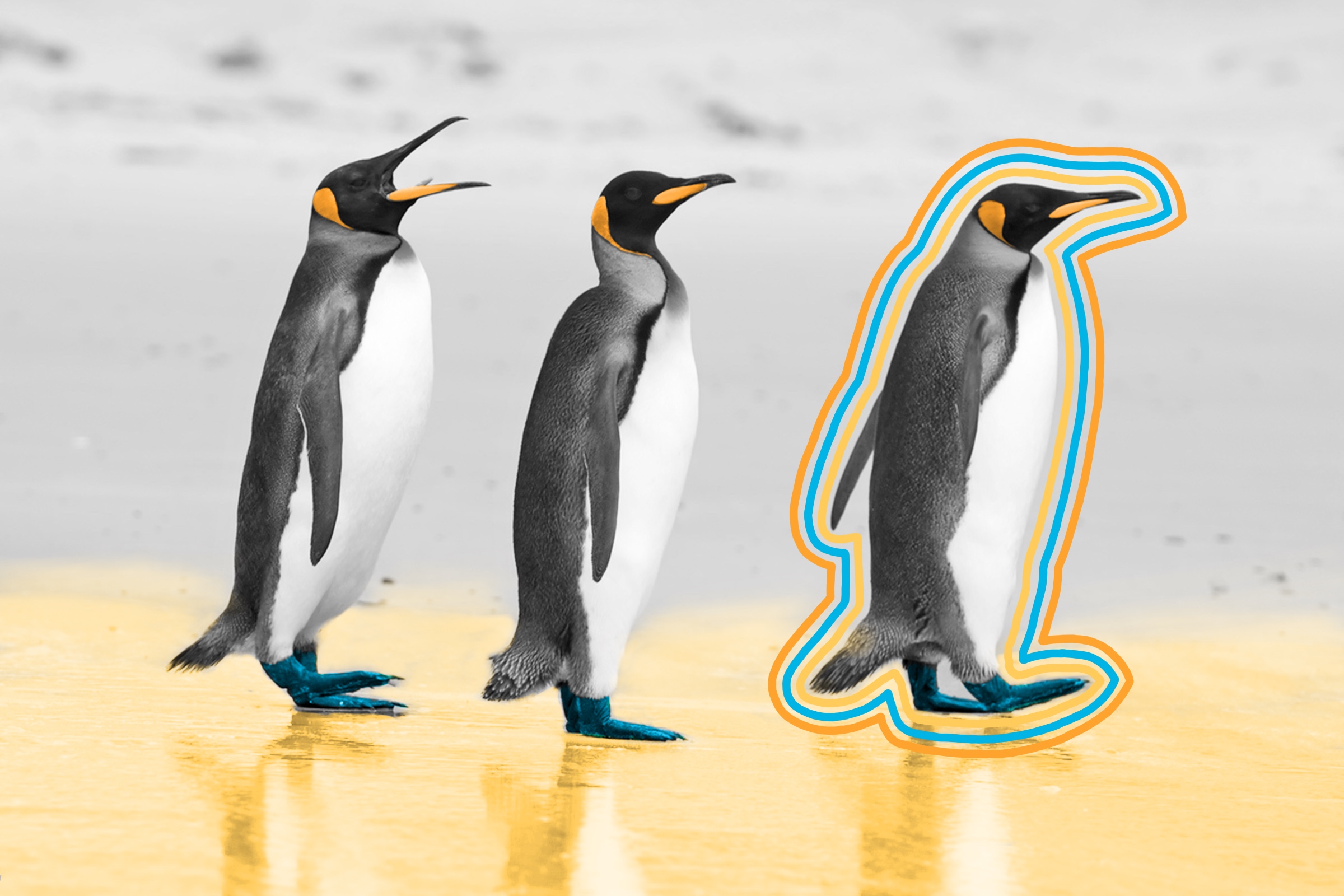
We hate to break it to you penguin lovers, but those flightless birds we know and adore aren’t actually penguins — in fact, there are no true penguins left anymore. The term “penguin” was originally used as an alternative name for the great auk, whose binomial name is Pinguinus impennis, meaning “plump or fat without feathers.” Great auks sadly went extinct more than 180 years ago. The birds we call penguins today aren’t closely related to those original penguins at all. They belong to the Spheniscidae family rather than Alcidae, and the Sphenisciformes order rather than Charadriiformes, which is to say that puffins, guillemots, and other auks are more closely related to actual penguins than today’s penguins are.
Penguins are the only birds that can’t fold their wings.
Penguin wings are short, stiff, and fused straight in such a way that they’re unable to fold. Their strength and rigidity has earned more comparisons to flippers rather than conventional wings.
It’s believed that everyone’s favorite Antarctica residents got their name from errant sailors who called them penguins simply because of their strong resemblance to the great auk. Both species are flightless yet excellent swimmers, with black backs, white bellies, an upright stance, and webbed feet. Pinguinus impennis lived in the coastal waters of the North Atlantic and could be found everywhere from the East Coast of the United States to the western shores of Europe, as well as Iceland and Greenland. They went extinct for the same reason that many other species did: People liked the way they tasted and were careless, even cruel, in their treatment.
The most abundant penguin species in the world is the macaroni penguin.
Advertisement
Several penguin species mate for life.
Among those penguins that choose one partner and stick with them through thick and thin are the macaroni, gentoo, Adélie, and Magellanic penguins. Others, such as the mighty emperor, stick with one mate per breeding season. Monogamy isn’t the only romantic practice among gentoos, either: Males have been known to offer rocks and pebbles to females as a courtship ritual. Only the smoothest, shiniest stones will do, and the bachelor in question also has to first ensure their would-be mate is single.
Michael Nordine
Staff Writer
Michael Nordine is a writer and editor living in Denver. A native Angeleno, he has two cats and wishes he had more.
Advertisement
top picks from the Inbox Studio network
Interesting Facts is part of Inbox Studio, an email-first media company. *Indicates a third-party property.
Compared to other members of the animal kingdom, humans are pretty good at tasting things. Our primate biology gives us the ability to detect five basic tastes: sweet, salty, sour, bitter, and umami (or savory). These five basic tastes create the nearly limitless flavor profiles of all the foods we enjoy (or detest) — but not all animals are so lucky. Birds, for example, can’t detect spiciness in foods, which is why a pigeon could munch on a Carolina Reaper without a second thought. Taste also varies widely among mammals, and dolphins and whales may be some of the worst off, because they have devolved to only taste salt. That’s right — these unfortunate creatures have slowly lost their sense of taste over millions of years.
Humans have between 2,000 and 10,000 taste buds (we lose some as we age), and a majority of them are located on the tongue. However, other parts of the mouth, including the soft palate, inner cheek, esophagus, and epiglottis, also contain taste buds.
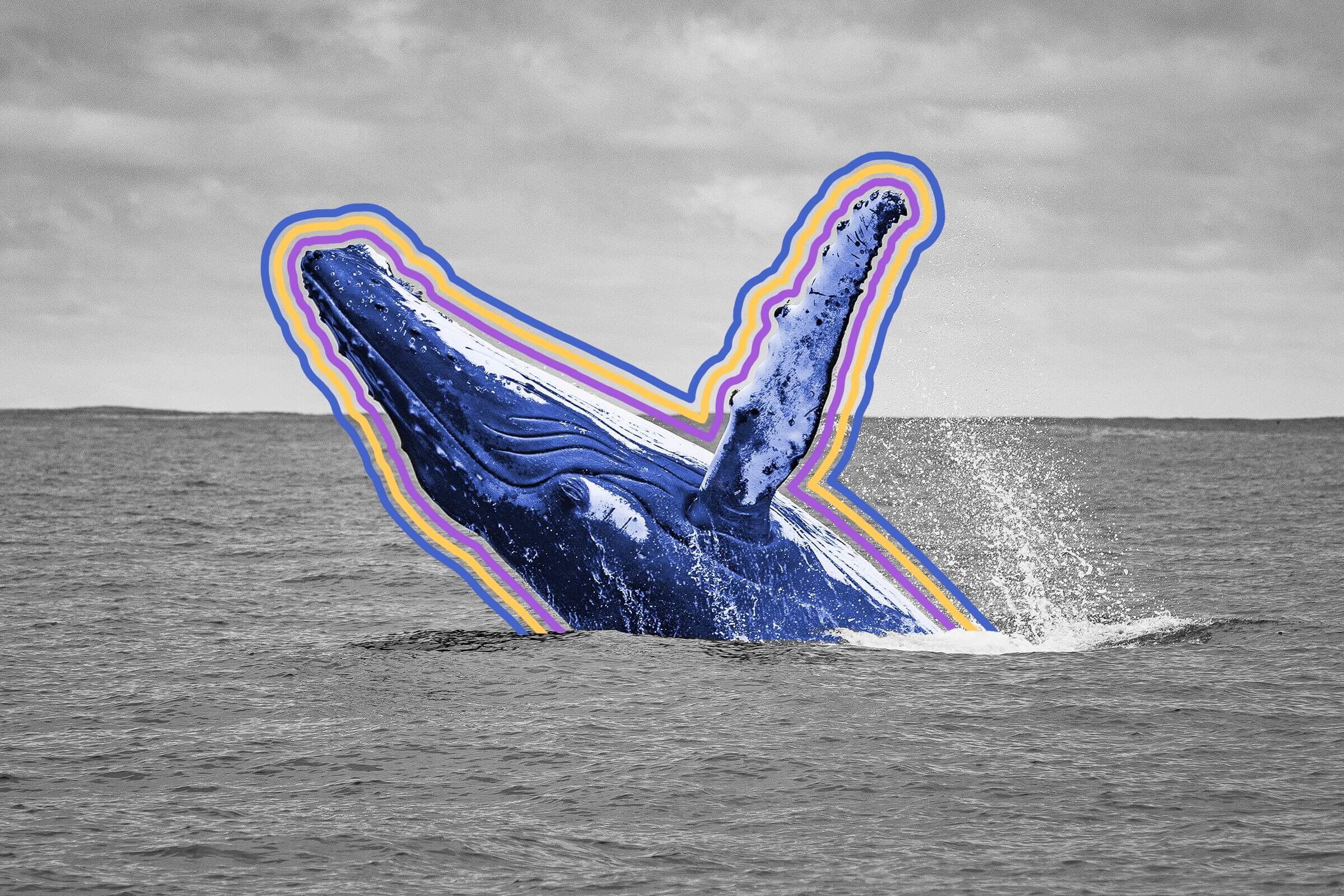
In 2014, scientists analyzed the genomes of 15 species of baleen and toothed whales, and found a massive loss of taste receptors across the board. Although these receptors were technically still present, they had been irreparably damaged by genetic mutations. Researchers were particularly surprised by the loss of bitter receptors, as many toxins in the sea have a bitter taste. This slow-but-steady loss of taste is likely tied to how whales and dolphins eat, as they tend to swallow prey whole rather than chew like many fellow mammals do. So while slowly losing their sense of taste is certainly a bitter pill to swallow, luckily these cetaceans can’t taste it anyway.
The world’s largest dolphin species is the Orca (Orcinus orca).
Advertisement
Whales and dolphins sleep with only half of their brain at a time.
Whales and dolphins are mammals, and that means they breathe air into lungs just like we do. So without water-breathing evolutionary advantages like gills, how do whales and dolphins sleep without drowning? One big benefit is that marine mammals are much better at holding their breath underwater than us primates. Sperm whales (Physeter macrocephalus), for example, can go 90 minutes without having to come up for air. But over millions of years, whales and dolphins have also developed a few strategies for catching some z’s on the go. Young cetaceans, for example, will swim alongside their mothers and rest within her slipstream. This gives calves time to develop sleeping strategies as well as put on enough blubber to keep them afloat. As adults, whales and dolphins will sleep with half of their brain still operating at a low level of alertness. The other half, along with the opposite eye, is completely asleep. This helps a cetacean keep one eye out for predators, while also periodically breaching the water’s surface to take in gulps of air through its blowhole.
Darren Orf
Writer
Darren Orf lives in Portland, has a cat, and writes about all things science and climate. You can find his previous work at Popular Mechanics, Inverse, Gizmodo, and Paste, among others.
Advertisement
top picks from the Inbox Studio network
Interesting Facts is part of Inbox Studio, an email-first media company. *Indicates a third-party property.
Original photo by Panther Media GmbH/ Alamy Stock Photo
By the end of the 1970s, Hollywood screenwriter Robert Towne had reached the pinnacle of his profession by way of his celebrated work on classics such as Chinatown and Shampoo. Set to make his directing debut with the sports drama Personal Best, he was also heavily invested in a film adaptation of Edgar Rice Burroughs' Tarzan books, which he intended to direct.
Rin Tin Tin garnered the most votes for Best Actor at the first Academy Awards.
Although legend has it that the winning votes for the prolific German shepherd actor were overturned by organizers who wanted the 1929 ceremony to be treated seriously, further research has shown that consideration for Rin Tin Tin came from a studio executive’s joke ballot.
Of course, it's a dog-eat-dog world in the high-stakes business of moviemaking, and after a 1980 Screen Actors Guild strike halted production of Personal Best, Towne sought out independent financing in a deal that ultimately forced him to relinquish his rights to the Tarzan property. And when Personal Best flopped at the box office in 1982, Warner Bros. handed Tarzan to director Hugh Hudson, who subsequently brought in writer Michael Austin to revise Towne's sprawling, unfinished script.
Unhappy with the wholesale changes to his story, Towne took a page from the disgruntled directors who disown their films under the pseudonym of Alan Smithee and insisted on being credited as "P.H. Vazak" — the name of his Hungarian sheepdog — for his contributions to the script. Lo and behold, the completed Greystoke: The Legend of Tarzan, Lord of the Apes garnered a Best Adapted Screenplay Oscar nomination in 1985 for the duo of Michael Austin and P.H. Vazak. The awards ceremony seemed ripe for comedy, but ultimately human Peter Shaffer received the trophy for Amadeus.
The voice of Andie MacDowell, who played Jane in “Greystoke,” was overdubbed by actress Glenn Close.
Advertisement
Animal actors once had an annual ceremony called the PATSY Awards.
While our favorite screen animals are normally excluded from Oscar recognition, they once enjoyed their own annual awards ceremony, complete with Hollywood pageantry and celebrity. Conceived by the American Humane Association, the Picture Animal Top Star of the Year (PATSY) Awards debuted in 1951 with Ronald Reagan as emcee and Jimmy Stewart on hand to award the night’s biggest prize to Francis the Talking Mule. The Performing Animal Television Star of the Year division was added in 1958, providing a stage for stalwarts like Lassie and Mister Ed to receive their due, and by 1973, the awards were being broadcast nationally. Sadly, the PATSYs were canceled after the 1987 ceremony.
Tim Ott
Writer
Tim Ott has written for sites including Biography.com, History.com, and MLB.com, and is known to delude himself into thinking he can craft a marketable screenplay.
Advertisement
top picks from the Inbox Studio network
Interesting Facts is part of Inbox Studio, an email-first media company. *Indicates a third-party property.
Bioluminescence, the strange biology that causes certain creatures to glow, is usually found at the darkest depths of the ocean where the sun’s light doesn’t reach. While these light-emitting animals seem otherworldly, the trait is actually pretty common — in fact, you’re probably glowing right now.
The largest known bioluminescent creature is the anglerfish.
While the anglerfish is perhaps the creepiest bioluminescent animal, the “largest” accolade belongs to the Dana octopus squid, with the biggest measuring some 7.5 feet long and weighing 130 pounds. Scientists think the squid uses its lights to blind prey in the dark ocean depths.
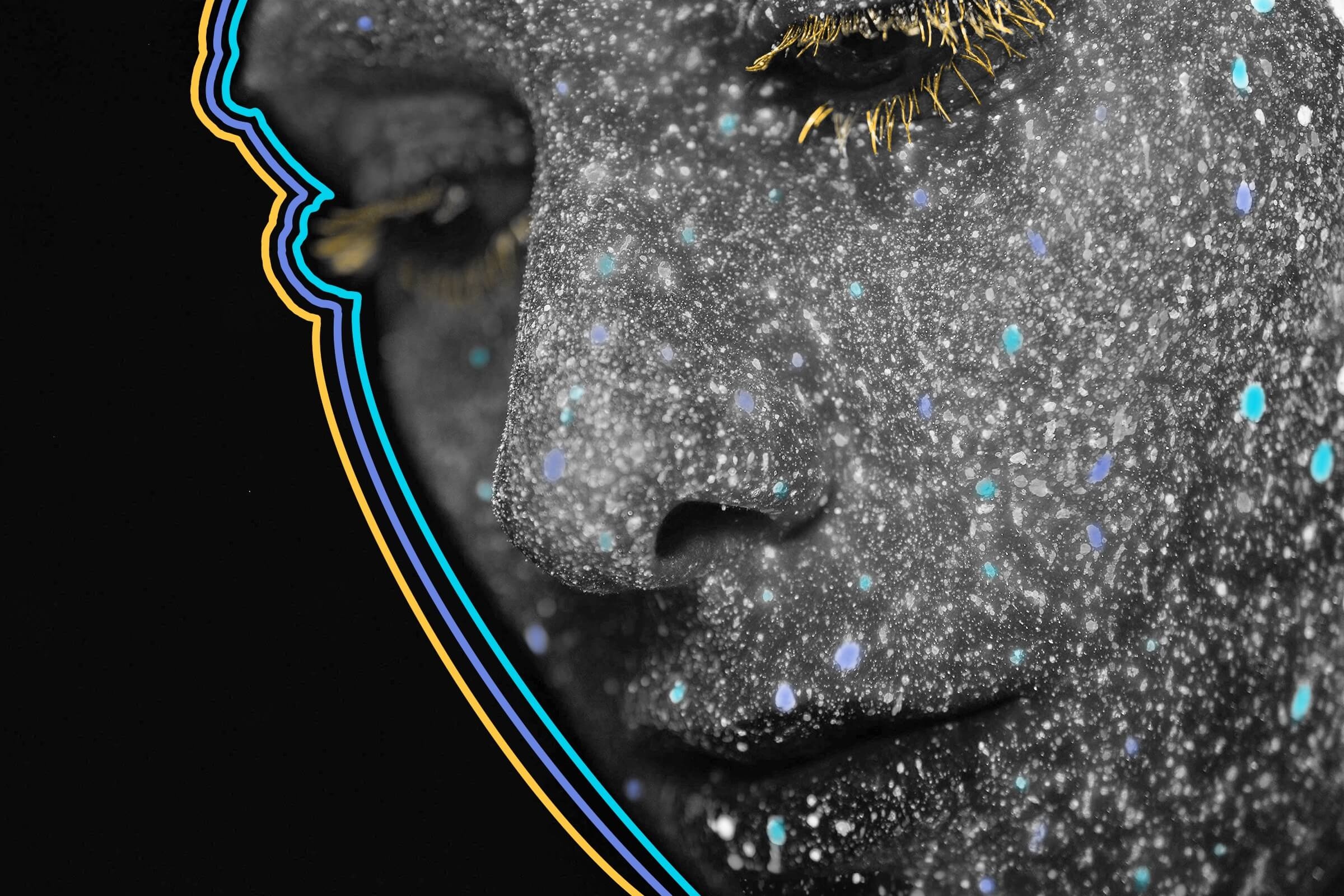
According to researchers at Tohoku Institute of Technology in Japan, humans have their own bioluminescence, but at levels 1,000 times less than our eyes can detect. This subtle human light show, viewable thanks to ultra-sensitive cameras, is tied to our metabolism. Free radicals produced as part of our cell respiration interact with lipids and proteins in our bodies, and if they come in contact with a fluorescent chemical compound known as fluorophores, they can produce photons of light. This glow is mostly concentrated around our cheeks, forehead, and neck, and most common during the early afternoon hours, when our metabolism is at its busiest. At such a low level, human bioluminescence likely isn’t an intentional product of evolution as it is for deep-sea fish, fireflies, and many other animals. And most other bioluminescent creatures rely on a compound called luciferin (Latin for “light bringer”) — which humans lack — for their light show. Fortunately, we have unique ways of making light that are all our own.
In antiquity, Lucifer was the name given to Venus as the morning star at dawn.
Advertisement
The man who discovered the glowing element phosphorus was trying to make gold using human urine.
German merchant Hennig Brand was a dedicated believer in alchemy, a pseudoscience that thought certain elements could be transmuted into gold using what was called a philosopher’s stone. In 1669, Brand focused his attention on turning distilled crystals from human urine into the precious stone. After stockpiling 1,200 fermented gallons of the stuff, he began boiling it. The astonishing result was a white, waxy residue that glowed in the dark, which Brand called phosphorus (Greek for “light bringer,” the equivalent of “lucifer”), and which more fearful folk called the “Devil’s Element.” Brand’s moment of discovery was immortalized in Joseph Wright of Derby’s painting “The Alchymist.” The discovery sparked a new era of chemistry and was one of the first new elements discovered by modern science. Brand never found his philosopher’s stone, but phosphorus wasn’t a bad consolation prize.
Darren Orf
Writer
Darren Orf lives in Portland, has a cat, and writes about all things science and climate. You can find his previous work at Popular Mechanics, Inverse, Gizmodo, and Paste, among others.
Advertisement
top picks from the Inbox Studio network
Interesting Facts is part of Inbox Studio, an email-first media company. *Indicates a third-party property.

Even if you’ve never heard of Alan Smithee, there’s a chance you’ve seen one of his movies. Well, kind of. For decades, directors followed guidance from the Directors Guild of America by using the pseudonym when they didn’t want their actual name on a film. That most often occurred when the finished product was far removed from the director’s original vision due to studio interference or other issues. Most films carrying this dubious distinction aren’t well known — you probably haven’t heard of The Barking Dog, Let’s Get Harry, or Ghost Fever — but there are exceptions, including a Hellraiser sequel and one segment of a Twilight Zone episode.
The Coen Brothers have used a pseudonym on several movies.
Joel and Ethan Coen have been writing, directing, producing, and editing movies together for decades, but they haven’t always used their real names. In order to avoid repetition, they’ve given editing credit to the pseudonym Roderick Jaynes, who has received multiple Oscar nominations.
Perhaps the most revered and well-known filmmaker to be credited as Alan Smithee is David Lynch, who disowned his ill-fated 1984 adaptation of Dune due to studio meddling; he has since insisted on having final cut on all his projects in order to avoid a repeat of that experience. (Lynch has called the film a “huge, gigantic sadness,” and though his name appears on the theatrical version, Alan Smithee is credited on subsequent editions.) Sometimes the reason for the pseudonym was less dramatic, as when movies such as Michael Mann’s Heat or Martin Brest’s Scent of a Woman were edited for television or airlines and the director didn’t agree with the changes in those versions. Smithee officially retired in 2000 following a decision by the Directors Guild of America, though nonmembers have continued to use the name on occasion.
The first movie credited to Alan Smithee was “Death of a Gunfighter.”
Advertisement
A made-up screenwriter was nominated for an Oscar.
When Charlie Kaufman set out to write Adaptation (2002), his follow-up to the mind-bending Being John Malkovich, he “honestly did not think [the] movie would ever see the light of day.” But the beguiling metafictional drama about writing, orchids, and twin brothers did indeed get made — albeit with a little help from Kaufman’s fictional twin Donald, who appears as a character in the film (played by Nicolas Cage) and also received a co-screenwriting credit. “Their” script went on to receive an Academy Award nomination for Best Adapted Screenplay, making Donald the first fictional screenwriter to be so honored. Kaufman later won the Oscar for Best Original Screenplay in 2004 for Eternal Sunshine of the Spotless Mind, a feat he achieved without the aid of his cinematic, and entirely made-up, sibling.
Michael Nordine
Staff Writer
Michael Nordine is a writer and editor living in Denver. A native Angeleno, he has two cats and wishes he had more.
Advertisement
top picks from the Inbox Studio network
Interesting Facts is part of Inbox Studio, an email-first media company. *Indicates a third-party property.
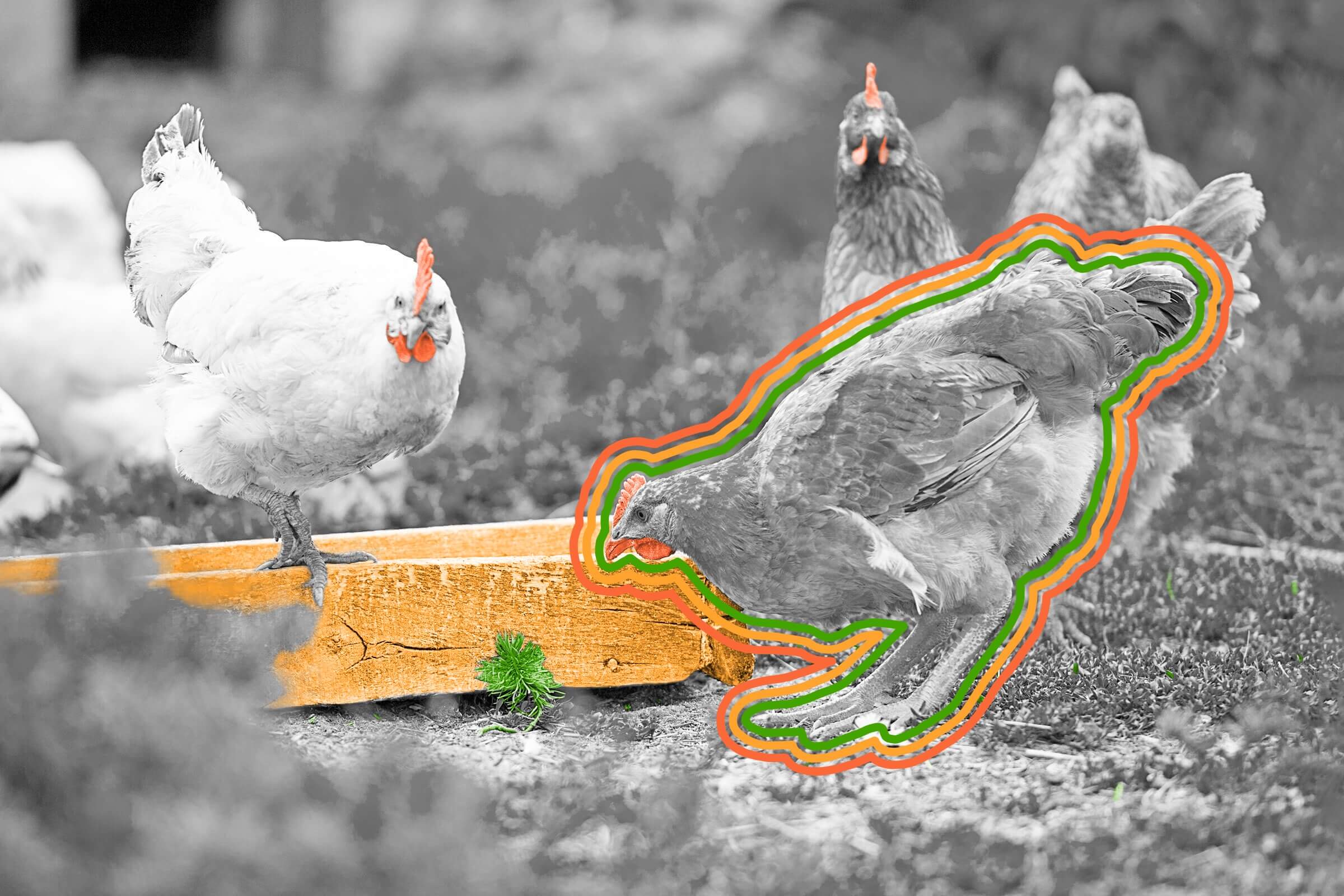
The end of the dinosaurs is often pictured as an apocalyptic event complete with a giant asteroid, a cataclysmic collision, and general fire and brimstone-type stuff, but the ends of biological epochs are rarely so cut-and-dried. In fact, the story of the dinosaurs didn’t even end on that unfortunate spring day 65 million years ago, because dinosaurs still live among us — we just call them birds.
Chickens are the most abundant wild birds in the world.
Chickens are the most abundant domesticated birds, but the most plentiful wild bird is the red-billed quelea (Quelea quelea). This sparrow-like bird, native to sub-Saharan Africa, flies in synchronized hordes, and has an estimated world population of 1.5 billion.
Today, scientists consider all birds a type of dinosaur, descendants of creatures who survived the mass extinction event at the end of the Cretaceous. And yes, that even includes the chicken. In 2008, scientists performed a molecular analysis of a shred of 68 million-year-old Tyrannosaurus rex protein, and compared it to a variety of proteins belonging to many different animals. Although proteins from alligators were relatively close, the best match by far belonged to ostriches — the largest flightless birds on Earth — and the humble chicken.
Today’s chicken is a descendant of a still-extant tropical bird known as the red junglefowl, and a member of an order of birds known as Galliformes (gallus means “rooster” in Latin). Following the initial 2008 study, further research has proved that a chicken’s genetic lineage closely resembles that of its avian dinosaur ancestors. Scientists have even concluded that a reconstruction of T. rex’s chromosomes would likely produce something similar to a chicken, duck, or ostrich. So the next time you eat a chicken for dinner, you might pause to consider its connection to some of the most fearsome beasts to ever stalk the planet.
The cassowary, the most dangerous bird in the world, is known as a “living dinosaur.”
Advertisement
The egg came before the chicken.
There’s a well-known riddle that seems to present a biological paradox: What came first, the chicken or the egg? At first glance, the question may seem impossible to answer, but that actually depends onwhat you mean by “egg.” Sexual reproduction emerged in nature some2 billion years ago, and the ancestors of birds began laying eggs around 300 million years ago. With the modern chicken onlyemerging some 10,000 years ago, the egg — if we mean any kind of egg — clearly predates the chicken. When discussing specifically a chicken egg, the answer changes. Although scientists can’t pinpoint the exact moment, at some point ancient landfowl breeders chose two ofthe tamest red junglefowls (Gallus gallus) and produced an egg with an embryo mutated just enough to be considered a modern chicken (Gallus gallus domesticus). In 2010, researchers found that chicken eggs can’t be produced without a protein found in chicken ovaries called ovocledidin-17 — which suggests that the first chicken had to come before the first chicken egg, which was probably laid when that first chicken reached maturity at around 18 weeks of age.
Darren Orf
Writer
Darren Orf lives in Portland, has a cat, and writes about all things science and climate. You can find his previous work at Popular Mechanics, Inverse, Gizmodo, and Paste, among others.
Advertisement
top picks from the Inbox Studio network
Interesting Facts is part of Inbox Studio, an email-first media company. *Indicates a third-party property.
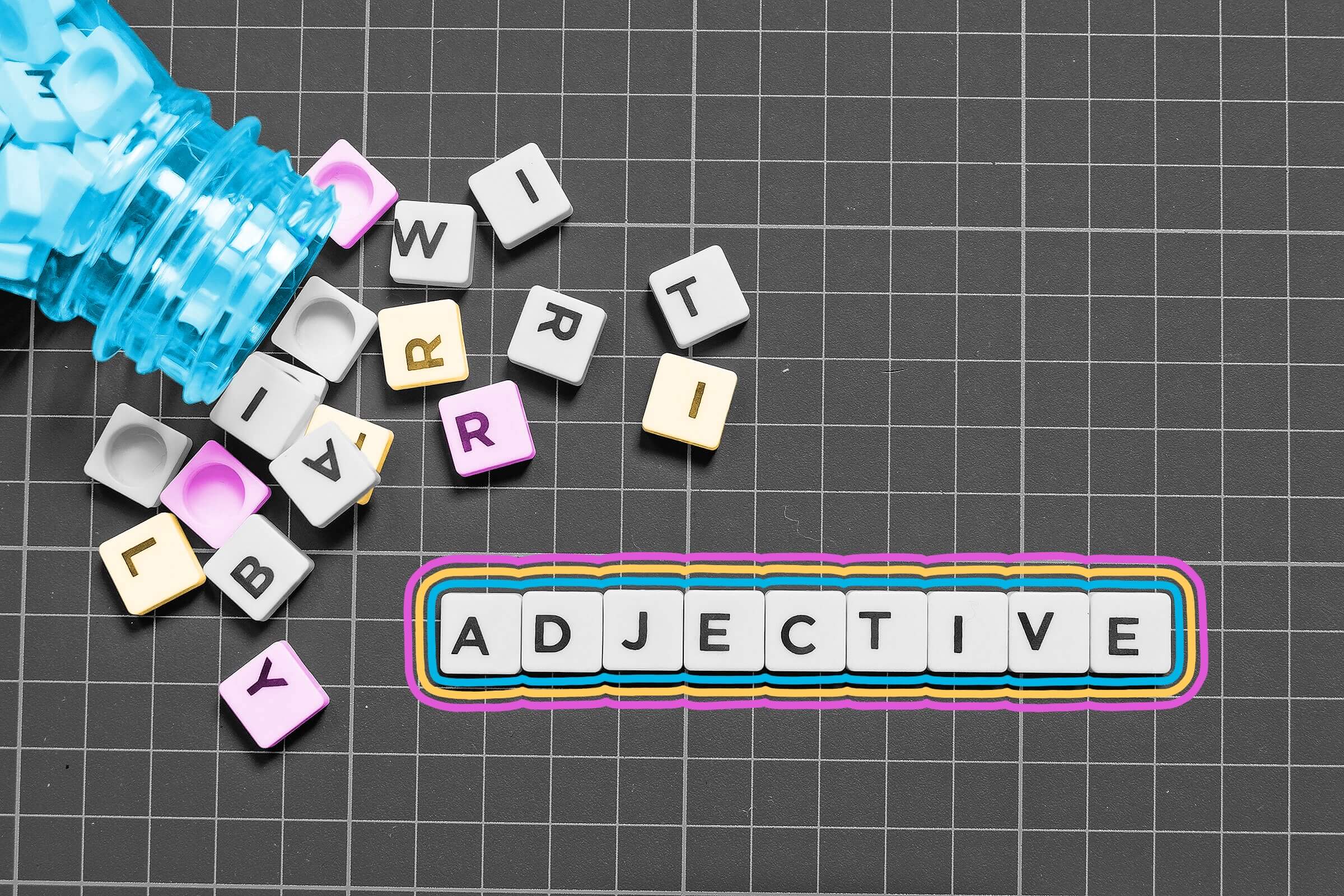
Rules are meant to be broken, except when they’re not. To wit: There’s a rule for the order of adjectives in English that almost everybody follows without realizing it. It’s called order force, and it goes as follows: opinion, size, age, shape, color, origin, material, purpose. If that sounds hard to wrap your head around, think of a pet. You would refer to your beloved tabby who’s been getting on in years as “my old orange cat” rather than “my orange old cat,” which sounds strange and somehow wrong even if you’re not sure why. Order force is why, just as it’s the reason My Big Fat Greek Wedding wasn’t called My Greek Fat Big Wedding — the latter conveys the same information, but seeing it in that order just doesn’t feel right.
The language was actually brought to Britain in the fifth century by three Germanic tribes (the Angles, Saxons, and Jutes) from what’s now Germany and Denmark. It’s thought that Britons at the time spoke a Celtic language, whereas the invaders spoke a forerunner to Old English.
According to Mark Forsyth’s book The Elements of Eloquence: How To Turn the Perfect English Phrase, the stakes are higher than you might think: “If you mess with that order in the slightest you’ll sound like a maniac,” he writes. Forsyth might be exaggerating for effect, but it’s still true that mixing up the order of adjectives in his example — “a lovely little old rectangular green French silver whittling knife” — into, say, “a rectangular old French little green lovely silver whittling knife” makes the description almost incoherent. Fortunate, then, that we all abide by order force whether we mean to or not.
If you’ve ever wondered why English is considered a fairly difficult language to learn for non-native speakers, consider “ough.” Depending on the context, it can be pronounced at least 10 different ways — and it isn’t always readily apparent which is correct. Those 10 different ways are off (as in cough), uff (as in tough), ow (as in plough), oh (as in though), uh (as in the British pronunciation of thorough), oo (as in through), up (as in hiccough, the British spelling of hiccup), aw (as in thought), ock (as in hough, a primarily Scottish way of spelling hock), and och (as in lough, another way of spelling loch). Here’s a sentence that uses nine of them: “A rough-coated, dough-faced, thoughtful ploughman strode through the streets of Scarborough; after falling into a slough, he coughed and hiccoughed.” Try saying that five times fast.
Michael Nordine
Staff Writer
Michael Nordine is a writer and editor living in Denver. A native Angeleno, he has two cats and wishes he had more.
Advertisement
top picks from the Inbox Studio network
Interesting Facts is part of Inbox Studio, an email-first media company. *Indicates a third-party property.