
Original photo by Valerie Loiseleux/ iStock

While almost all other objects are required to be boxed up before being mailed, the U.S. Postal Service makes a specific exception for potatoes and coconuts. Both foods can be mailed unwrapped, so long as you write the destination and return address either directly on the product or on a label affixed to the skin or husk. Simply take the item to the post office, where it’ll be weighed to determine appropriate postage, stamped, and sent off to be delivered just like any other package.

The U.S. Postal Service doesn’t explicitly say why this is permitted, but there is some precedent for sending strange items through the mail, so long as they’re paid for and don’t endanger the carrier. In an experiment conducted for a 2000 edition of Annals of Improbable Research, researchers successfully mailed a ski, a deer tibia, a rose with a card tied to the stem, and other unusual objects.

The first U.S. city to offer free mail delivery was Cleveland, Ohio.

Ready to reveal?

Oops, incorrect!

It's a fact

Cleveland was the first U.S. city to offer free mail delivery to its residents. The Free City Delivery Service was the brainchild of postal employee Joseph Briggs. The service began in 1862, and by the end of the 19th century had grown to more than 400 cities, employing 10,000+ mail carriers.

Mailing coconuts is especially popular on the Hawaiian island of Molokaʻi, where the Hoʻolehua post office established the Post-a-Nut service in 1991, allowing people to mail coconuts to the mainland U.S. and around the world — no box required. Post-a-Nut ships roughly 3,000 coconuts annually (around 700 of which are sent to international locations), generating 40% of that post office’s total revenue. Dedicated businesses for mailing potatoes also exist, including Mail a Spud — a service that ships out russet potatoes adorned with personalized messages.

Numbers Don't Lie

Numbers Don't Lie

Length (in feet) of a potato-shaped hotel in Idaho
28
Peak Billboard ranking for “Coconut” by Harry Nilsson
8
Retail offices managed by USPS
31,123
Year the U.S. postal system was established
1775

______ has appeared on more U.S. postage stamps than any other person.

Ready to reveal?

Confirm your email to play the next question?

George Washington has appeared on more U.S. postage stamps than any other person.

Placeholder Image

A coconut was investigated for its role in rigging a Maldivian presidential election.

In 2013, Maldivian police detained a suspicious coconut discovered near a polling place on Guraidhoo Island. The coconut was initially thought to be evidence of black magic — a practice that had purportedly been used to influence the outcome of local elections in the past. In this case, the kurumba (young coconut) featured a Quranic verse written on its husk, which was believed to possibly be an instance of fanditha (black magic).

Police enlisted the help of a ruqyah (white magic practitioner) to deduce whether the coconut actually possessed black magic. It was determined to be fake, and as one source told a Maldivian news outlet, “It seems like it was a joke, just a prank, so that people will become aware, learn the moral, and not do it again.” In the wake of this event, police ramped up surveillance of the polling place in question to be sure no black magic was used on election day.

Bennett Kleinman
Staff Writer

Bennett Kleinman is a New York City-based staff writer for Inbox Studio, and previously contributed to television programs such as "Late Show With David Letterman" and "Impractical Jokers." Bennett is also a devoted New York Yankees and New Jersey Devils fan, and thinks plain seltzer is the best drink ever invented.

Original photo by Lisa Crawford/ Shutterstock

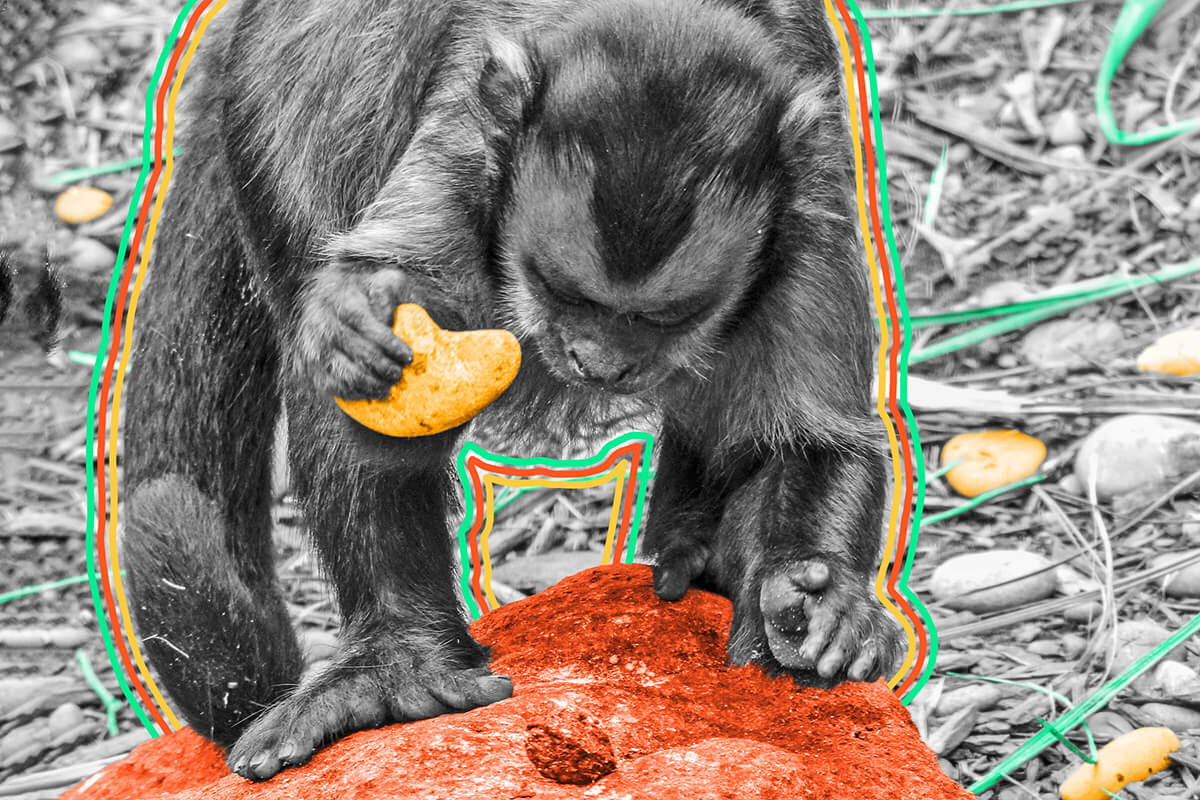
Humans are often thought of as the smartest animals, and one of the perks of our top-notch brains (with a little help from our opposable thumbs) is supposedly that we’re the only species that can use tools. That’s what we used to think, anyway. More recently, research has shown that our tool-use ability is not as unique as we once believed. Take, for instance, the capuchin monkey. Research published in 2019 showed that these pint-sized creatures, native to Central and South America — and sometimes known as “organ grinder” monkeys — have been using stone tools to process food for more than 3,000 years. 

Cappuccinos and capuchin monkeys were both named for the same thing.

Ready to reveal?

Oops, incorrect!

It's a fact

The words “cappuccino” and “capuchin” both come from Capuchin friars, a Christian order established in 1528. The friars were known for their hoods, or “cappucio” in Latin, and brown robes — whose color was similar to the monkeys and the coffee beverage.

Archaeologists analyzing a site in Brazil’s Serra da Capivara National Park discovered that the monkeys had used rounded quartzite stones to smash open cashew husks against tree roots or stone “anvils.” After digging through layers of sediment in four phases of excavation, the scientists found stone tools that had been used by the capuchins dating back around 3,000 years. The researchers also found signs that the monkeys’ tool use had changed over time — the creatures first used smaller stone tools, and then around 560 years ago, switched to larger ones, which may have meant they were eating harder foods, according to National Geographic. This evolution could have occurred due to different groups of capuchins moving into the area, or a change in the local plants. Either way, the study marked the first time such an evolution in tool use had been seen in a nonhuman species. Scientists suspect that further exploration of this site, and others like it, could give an unprecedented look at humanity’s own tool-use evolution, which began millions of years ago. Furthermore, primates — the taxonomic order to which humans also belong — aren’t the only ones gifted with brains capable of using tools. Elephants, dolphins, and a variety of birds are only a few of the other species that use tools — whether sticks, rocks, or tree limbs — to survive and thrive on planet Earth.

Numbers Don't Lie

Numbers Don't Lie

Age (in years) of the oldest known tool made by a human ancestor
3.3 million
Approximate number of monkey species
200
Estimated maximum number of wild Popa langur, a new monkey species discovered in late 2020
250
Number of studio albums released by the L.A.-based alternative metal band Tool
5

Famous primatologist ______ first discovered tool use among chimpanzees in October 1960.

Ready to reveal?

Confirm your email to play the next question?

Famous primatologist Jane Goodall first discovered tool use among chimpanzees in October 1960.

Placeholder Image

Orangutans know how to make instruments.

When it comes to primitive tools, instruments don’t usually count — that is, unless you’re an orangutan. In 2009, scientists revealed that orangutans use folded leaves to make sounds that may trick predators into thinking they’re bigger than they actually are. These musical noises, called “kiss squeaks,” were even used by wild orangutans who sensed the human researchers as a threat. This discovery is the first known nonhuman instrument and nonhuman tool used for communication. It’s also not even the extent of the orangutans’ impressive, tool-making abilities. A 2018 study revealed that orangutans were better at making tools than human children up to age 8. This growing body of scholarship only shows that complex intelligence is not a trait exclusively enjoyed by Homo sapiens.

Darren Orf
Writer

Darren Orf lives in Portland, has a cat, and writes about all things science and climate. You can find his previous work at Popular Mechanics, Inverse, Gizmodo, and Paste, among others.

Original photo by Orla/ Shutterstock

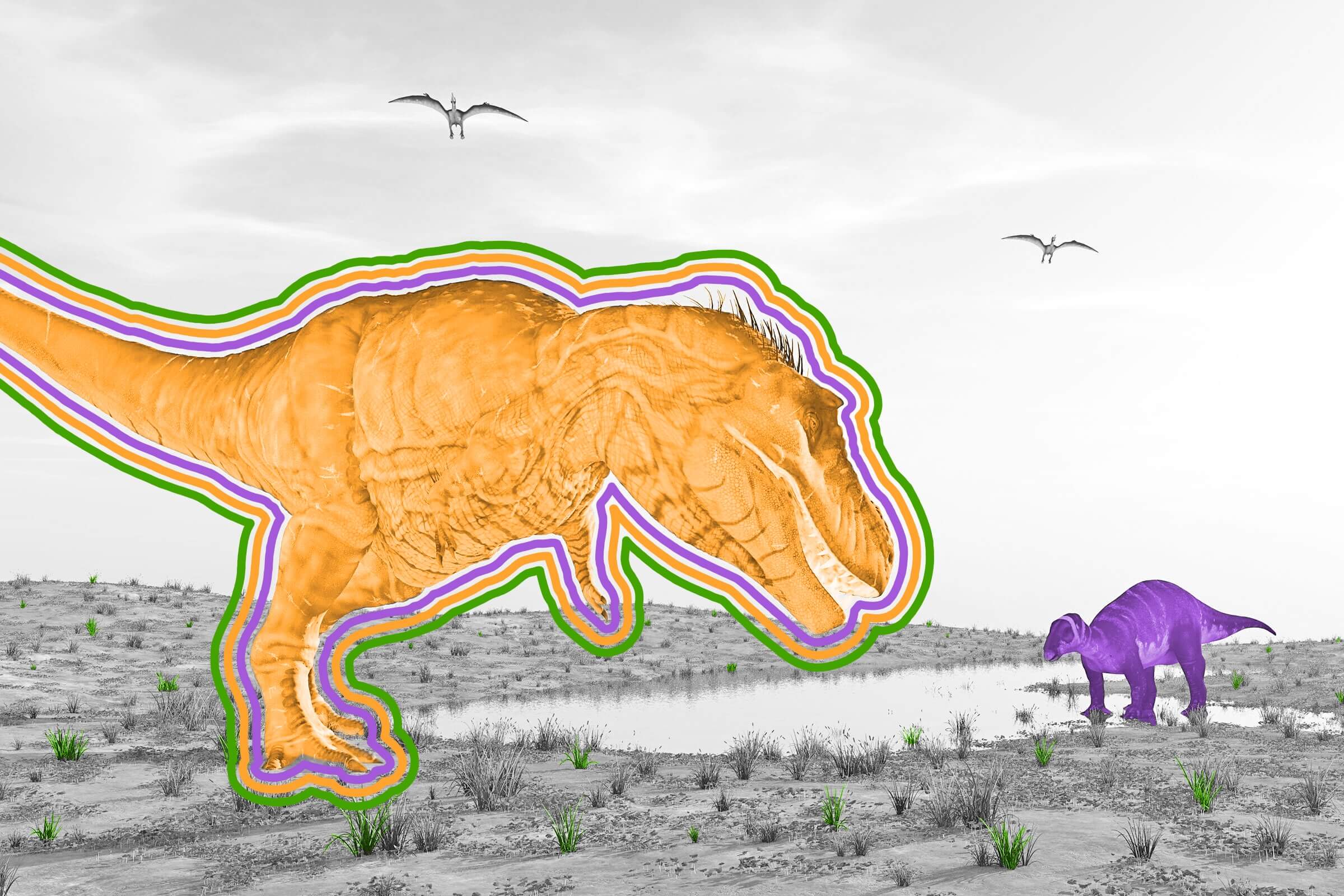
Think there aren’t enough hours in the day? Have some sympathy for the dinosaurs. Whether it’s the eye-catching stegosaurus of the Late Jurassic or the world-famous T. rex, the dinosaurs that once roamed the Earth experienced only 23-hour days. This isn’t some weird quirk — the Earth’s rotation has been slowing down for billions of years (at least until recently; more on that below). 

Dinosaurs lived on every continent except Antarctica.

Ready to reveal?

Oops, incorrect!

It's a fib

Dinosaurs also lived on Antarctica, especially around the northern tip of the Antarctic peninsula. Ninety million years ago, Antarctica was much different than it is today. The now-frozen tundra was actually about as warm as Italy and even hosted a temperate rainforest.

Some 1.4 billion years ago — a billion years before life first walked on land — a day on Earth was only 18 hours and 41 minutes, according to a paper published in Proceedings of the National Academy of Sciences in 2018. As time progressed, the Earth’s rotation steadily slowed down as the moon escaped further and further into its modern orbit. According to the calculations in the paper, the Earth added approximately 0.0000135 seconds every year, so that by the time the dinosaurs rolled around (about 252 million years ago), an Earth day had expanded to 23 hours. By the time the very first Homo sapiens began walking the Earth only a scant 300,000 years ago, a day on Earth was more or less in its current 24-hour form. Some estimates state that the length of one Earth day has increased 0.047 seconds since the collapse of the Bronze Age, in 1200 BCE. Hey, it’s still slightly more time to get through your to-do list.

Numbers Don't Lie

Numbers Don't Lie

Year the first leap second was introduced to account for the Earth’s slight rotational fluctuations
1972
Approximate length (in years) of the sun’s orbit around the Milky Way
230 million
Percentage of animal species that died out when an asteroid (likely) ended the age of dinosaurs
75%
Estimated number of identified dinosaur species
700

______ was the first civilization to use 24 hours to tell time.

Ready to reveal?

Confirm your email to play the next question?

Ancient Egypt was the first civilization to use 24 hours to tell time.

Placeholder Image

The Earth’s rotation has been speeding up recently.

The Earth’s 24-hour rotation is a rough estimate, since planetary quirks such as its molten core, imperfect shape, explosive volcanoes, and even wind patterns can affect its spin. Overall, tidal forces should be continuing to steadily slow down the planet’s rotation, but instead the opposite is happening. On June 29, 2022, the Earth pulled off its fastest daily rotation in recent memory, ending its usual 24-hour spin some 1.59 milliseconds early. Scientists aren’t sure why the planet’s spin is now speeding up, though culprits like climate change or other atmospheric anomalies might be to blame. In light of this unexpected rotational acceleration, scientists could one day decide to subtract a second from our clocks in order to keep things in sync.

Darren Orf
Writer

Darren Orf lives in Portland, has a cat, and writes about all things science and climate. You can find his previous work at Popular Mechanics, Inverse, Gizmodo, and Paste, among others.

Original photo by Ondrej Prosicky/ iStock

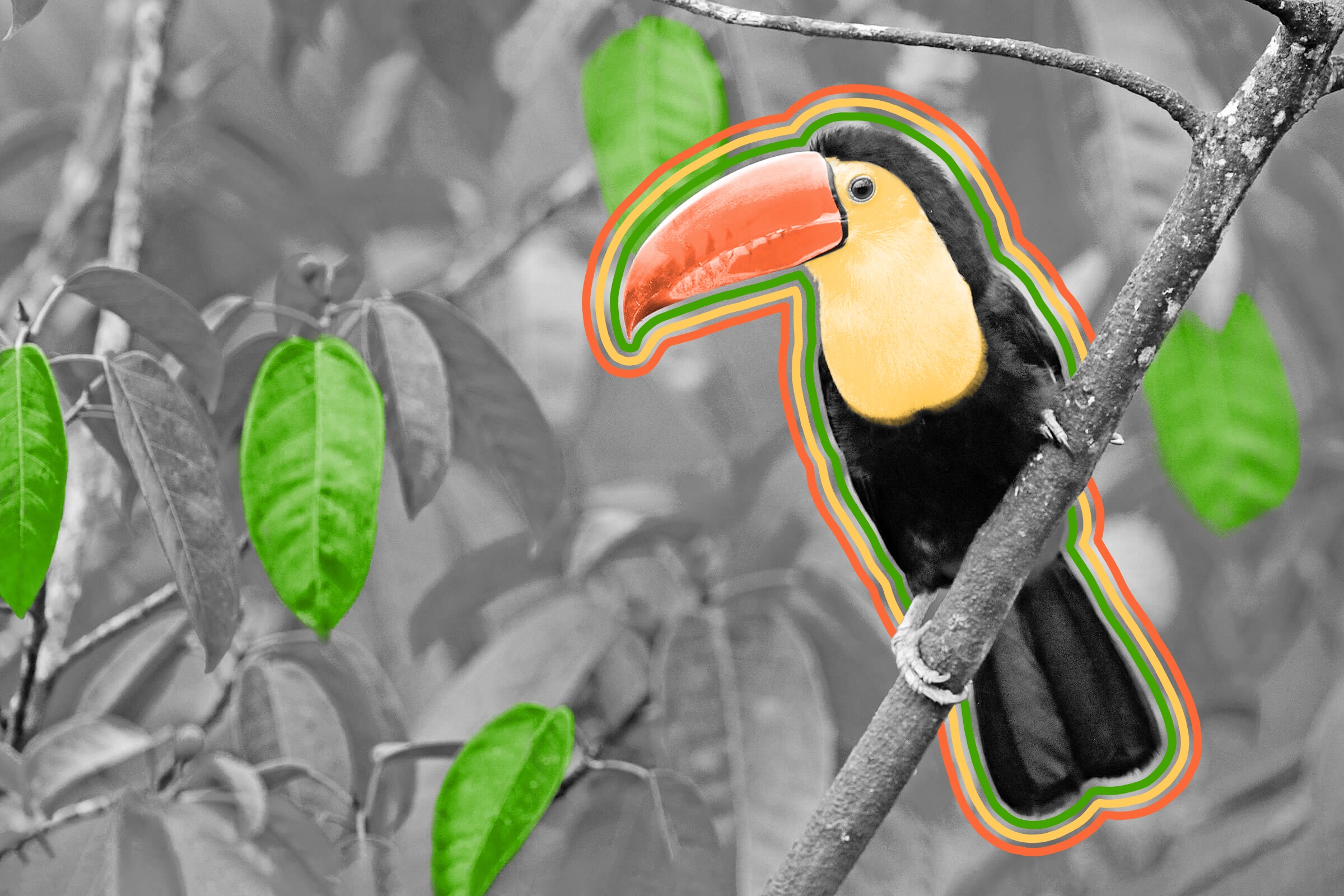
South America is known for its stunning avian diversity, with colorful toucans, ubiquitous parrots, and an untold number of other feathered friends. (Seriously, there are new species being discovered every year.) But no country in South America — or the world, for that matter — compares to Colombia. With around 1,900 bird species within its borders, the country hosts nearly 20% of all avian species in the world, which is more than any other nation. Although some of the most common varieties — like sparrows, tanagers, and finches — may be recognizable to birders in more northern climates, the critically endangered blue-billed curassow (Crax alberti) and the rare Cauca guan (Penelope perspicax) are just a few of the dozens of species endemic to Colombia.

The toucan is the national animal of Colombia.

Ready to reveal?

Oops, incorrect!

It's a fib

Although Colombia is home to many toucans, the country’s national animal is the Andean condor (Vultur gryphus). One of the world’s largest birds of prey, it even adorns Colombia’s coat of arms.

And the country takes its natural wonders seriously. As one of the most biodiverse nations in the world, with the Amazon taking up 35% of the country’s landmass, Colombia committed to declaring 30% of its land a protected area by 2030 — and got it done eight years early. A 2023 study also found that Colombia takes an unusual approach to conserving its natural areas by adding biodiversity protection as a secondary goal of many other policy initiatives, such as ones addressing poverty and civil strife. That doesn’t mean Colombia is immune to threats of deforestation and climate change, but the country is working hard to protect its bounty — which includes 10% of the world’s total species. 

Numbers Don't Lie

Numbers Don't Lie

Year Colombia declared independence from Spain
1810
Number of endemic bird species in Colombia
84
Size (in acres) of Colombia’s national conservation area
70.1 million
Bird species in the U.S.
800+

______ has been called the most biodiverse urban area in the world.

Ready to reveal?

Confirm your email to play the next question?

Cape Town, South Africa, has been called the most biodiverse urban area in the world.

Placeholder Image

Colombia is home to a world-famous river known as the “liquid rainbow.”

Some of the world’s rivers are known for historical reasons (Italy’s Rubicon) or their proximity to major centers of power (London’s Thames), but one of the most amazing rivers in the world lies in the backwoods of Colombia. In fact, it was so well hidden that the river was only discovered by non-Indigenous people a little more than 50 years ago. Called Caño Cristales, or the “Crystal Channel,” the river is located in central Colombia’s Sierra de La Macarena National Natural Park and is known for its vibrant display of colors, earning it the nickname “liquid rainbow.” The river gets its mixture of yellows, greens, blues, blacks, and especially reds from the reproductive process of aquatic plants (Macarenia clavigera) that live in the riverbed. Because water levels are affected by the country’s wet and dry seasons, the best time to glimpse this river is from May until November.

Darren Orf
Writer

Darren Orf lives in Portland, has a cat, and writes about all things science and climate. You can find his previous work at Popular Mechanics, Inverse, Gizmodo, and Paste, among others.

Original photo by Stephen Leonardi/ Unsplash

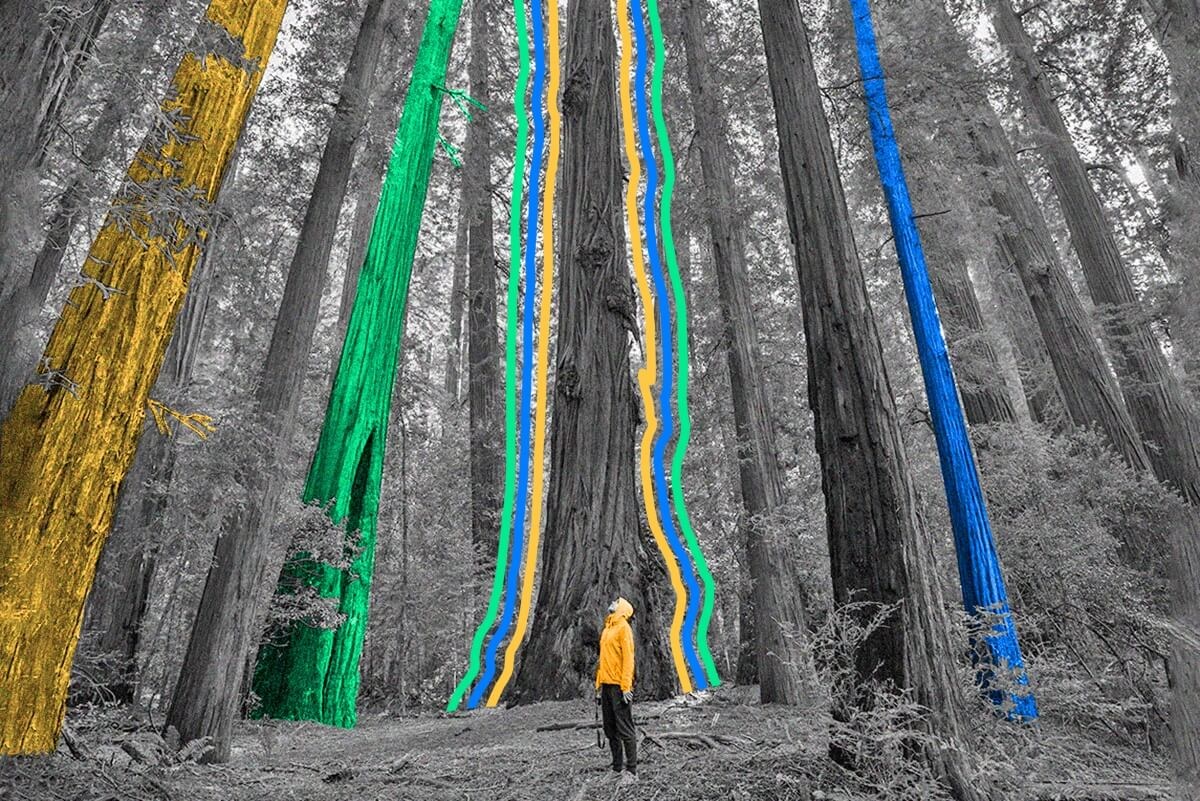
With a narrow range stretching for about 450 miles, from Big Sur to southern Oregon, coast redwoods (Sequoia sempervirens) are the tallest living beings in the world — and one in particular surpasses them all. Named after a titan in Greek mythology and found in California’s Redwood National Park, Hyperion stands 380 feet tall. That’s 65 feet taller than London’s Big Ben and 10 feet taller than the previous record holder, another coast redwood. 

The world’s largest organism is a fungus.

Ready to reveal?

Oops, incorrect!

It's a fact

While redwoods loom over the competition for tallest being, one fungus (Armillaria solidipes) in Oregon is the world’s largest living organism by biomass, stretching 2,385 acres. Colloquially, it’s known as “the Humongous Fungus.”

A redwood’s size is only one of its many fascinating features. The trees’ root systems are relatively shallow (only 6 to 12 feet deep), but can grow more than 100 feet outward from the trunk, giving them stability against heavy winds and flooding. They’re also old — really old — with some redwoods alive today estimated at more than 2,000 years old. That means they were around during the Roman Republic (sempervirens means “always flourishing,” after all). In fact, their age may be one reason these trees can grow so tall. And today, redwoods are more important than ever, because they soak up more CO2 than any other tree on Earth. A typical coast redwood removes 250 tons of carbon from the atmosphere during its lifetime, compared to just 1 ton for a typical tree. That’s why scientists are now finding ways to clone some of the oldest coast redwoods that have ever lived, in the hopes of combating climate change.

Numbers Don't Lie

Numbers Don't Lie

Year Europeans first spotted coast redwoods
1769
Size (in millimeters) of microbe Nanoarchaeum equitans, the world’s smallest organism
0.0004
Number of trees on Earth per human, approximately
400
Average distance (in miles) that the moon Hyperion is from Saturn
932,637

Some ______% of the U.S.’s old-growth redwoods have been cut down since the 1850s.

Ready to reveal?

Confirm your email to play the next question?

Some 95% of the U.S.’s old-growth redwoods have been cut down since the 1850s.

Placeholder Image

Sequoias are named after a famous member of the Cherokee Nation.

In 1847, Austrian botanist Stephan Endlicher decided that redwoods were a different genus than originally believed, so he gave them a new scientific name. Today, many believe he was inspired by the Cherokee polymath Sequoyah (circa 1775 to 1843), who created the Cherokee writing system, thus giving his people the same “talking leaves” — or words on paper — that Europeans used. Sequoyah likely never laid eyes on what would one day be his namesake, but like Sequoia sempervirens, he remains a towering figure in history.

Darren Orf
Writer

Darren Orf lives in Portland, has a cat, and writes about all things science and climate. You can find his previous work at Popular Mechanics, Inverse, Gizmodo, and Paste, among others.

Illustration by Diana Gerstacker; Photo by Jake Hills/ Unsplash

In the early days of moviegoing, you didn’t just buy a ticket for one feature-length film and leave once the credits started rolling. You were instead treated to a mix of shorts, newsreels, cartoons, and, eventually, trailers — which, per their name, played after the movie rather than before — with people coming and going throughout the day. The idea for trailers came from Nils Granlund, who in addition to being a business manager for movie theaters worked as a producer on Broadway, which explains why the first trailer was actually for a play: 1913’s The Pleasure Seekers.

Many theater owners think trailers are too long.

Ready to reveal?

Oops, incorrect!

It's a fact

If you’d prefer not to spend 20 minutes before every movie watching trailers, you aren’t alone. The National Association of Theater Owners has tried to impose a two-minute limit on previews, which is about 30 seconds shorter than their average individual running time.

Chicago producer William Selig took the idea further that same year by ending each installment of his serialized action-adventure short films with a tantalizing preview of the next chapter — a precursor to ending movies and TV shows on a cliffhanger. Today there are production houses that exclusively make trailers and are handsomely rewarded for their efforts, sometimes to the tune of millions of dollars. 

Numbers Don't Lie

Numbers Don't Lie

Views received by the “Avengers: Endgame” trailer in its first 24 hours
289 million
Length (in minutes) of the longest trailer ever made, for the 30-day-long experimental film “Ambiancé”
440
Nominations the trailer for the World War I drama “1917” received at the 2021 Golden Trailer Awards
11
Trailers narrated by “King of Coming Attractions” Don LaFontaine
5,000

Trailers began playing before movies in the ______.

Ready to reveal?

Confirm your email to play the next question?

Trailers began playing before movies in the 1930s.

Placeholder Image

One company made almost every trailer for 40 years.

Between 1919 and 1960, almost every movie trailer was produced by the National Screen Service (NSS) — a near-monopoly that also included posters and other marketing materials. As is the case for a lot of cinematic innovations from the era, we have Alfred Hitchcock to thank for changing that: The “master of suspense” began making his own trailers, including a six-and-a-half-minute preview of Psycho, and other filmmakers followed suit. Trailers have long been recognized as an art form unto themselves, with many moviegoers arriving to theaters early just to see them.

Michael Nordine
Staff Writer

Michael Nordine is a writer and editor living in Denver. A native Angeleno, he has two cats and wishes he had more.

Original photo by Richard Stephen/ iStock

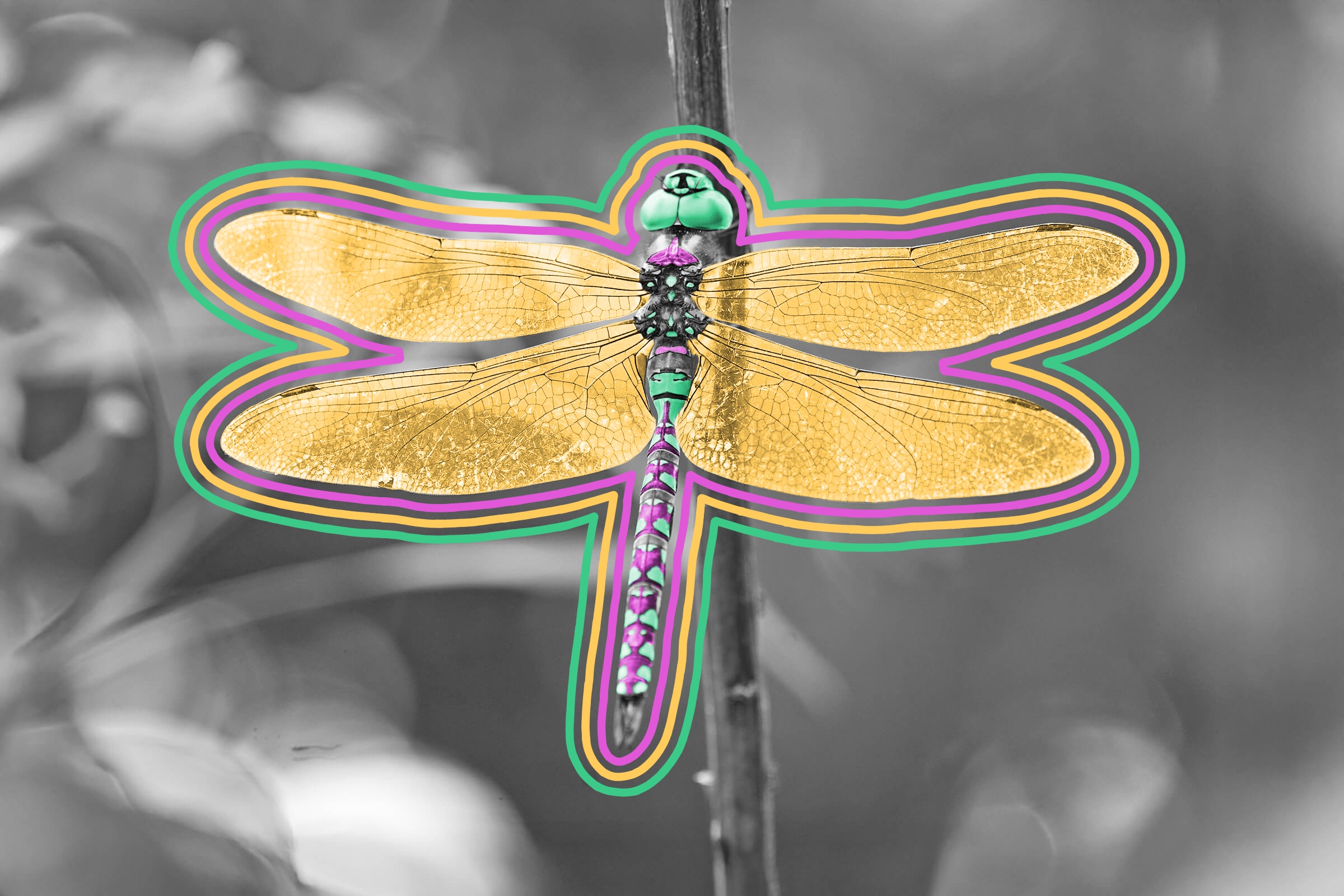
On a statistical level, some of the world’s most fearsome predators aren’t actually that fearsome. Wolves succeed in about only 20% of their attempts to catch prey, whereas lions enjoy a success rate of around 30% when working as a pack. Those numbers, though respectable, pale in comparison to the success rate of the mighty dragonfly, which catches about 95% of the prey it pursues — making it the world’s most successful hunter.

These insects do all their hunting in midair, of course, making the feat even more impressive; they mainly prey on small insects such as mosquitoes, flies, or butterflies. Scientists attribute this prowess to dragonflies’ nearly 360-degree field of vision, their individually controlled wings, and their brains’ unique ability to coordinate these instantaneous actions.

Most dragonflies are aquatic for the majority of their lifespan.

Ready to reveal?

Oops, incorrect!

It's a fact

Baby dragonflies reside in water before reaching their adult form, and their larval stage can last between one and three years. As adults, they typically live just six to eight weeks.

Other surprisingly adept hunters include the harbor porpoise, whose success rate hovers at around 90% (allowing them to chow down on more than 500 small fish per hour), and African wild dogs, which capture their prey more than 60% of the time — though they often lose them to larger predators such as lions and hyenas.

Numbers Don't Lie

Numbers Don't Lie

Maximum mosquitoes a single dragonfly can eat in a day
100+
Years dragonfly-like creatures have existed
300 million
Known species of dragonflies
3,000+
Speed (in mph) a dragonfly can reach
35

The world’s smallest dragonfly is the ______.

Ready to reveal?

Confirm your email to play the next question?

The world’s smallest dragonfly is the scarlet dwarf.

Placeholder Image

One dragonfly species’ migration has been called “the most extraordinary journey in nature.”

The more you learn about dragonflies, the more astonished you’ll be by these tiny creatures. Consider the globe skimmer, for instance, which more than lives up to its name: The “winged wanderer,” as it’s often referred to, completes the longest migration of any insect, an 11,000-mile journey between India and Africa that Discover Magazine called “the most extraordinary journey in nature” — in part because it takes several generations to complete, meaning no single dragonfly can complete it itself.

At just a few centimeters long, globe skimmers can fly for 90 hours straight — albeit with a fair bit of assistance from wind, which is why the journey can only be undertaken at certain times of year. To keep their energy up, they eat small insects and aerial plankton. Their exact route has yet to be plotted, however, because globe skimmers are literally too small for any existing tracking devices.

Michael Nordine
Staff Writer

Michael Nordine is a writer and editor living in Denver. A native Angeleno, he has two cats and wishes he had more.

Original photo by ljubaphoto/ iStock

If you look closely in the mirror at the inside corner of either of your eyes, you’ll notice a pinkish protuberance. This thin, curved membrane sits directly adjacent to the eyeball and is called the plica semilunaris, which is an evolutionary remnant of the nictitating membrane, known colloquially as the “third eyelid.” (This is not to be confused with the lacrimal caruncle, a tiny bump at the very edge of the eye that helps keep the eye moist.) Though the third eyelid is useless for us modern humans, it once served a purpose for our prehistoric ancestors.

Many animals, including dogs, cats, and some birds, reptiles, and fish, still have a functioning nictitating membrane. This translucent membrane protects the eye while still allowing the animal to see, and also essentially acts like windshield wipers by removing debris and maintaining moisture. Birds rely on their nictitating membrane while in flight and fish while swimming. Its purpose in prehistoric humans remains unclear due to the lack of definitive fossil records.

Human embryos form tails during development.

Ready to reveal?

Oops, incorrect!

It's a fact

During development, human embryos briefly grow tails. This posterior appendage forms around the fifth gestational week and is usually absorbed into the body eight weeks after conception. In rare cases — fewer than 40 recorded instances to date — humans have been born with these tails.

In fact, the third eyelid is believed to have lost its usefulness in humans long before the first appearance of Homo sapiens roughly 300,000 years ago. This is due to relaxed selection — an evolutionary phenomenon wherein formerly advantageous traits become less prominent with infrequent use. However, these traits can continue to physically stick around if they don’t actively hinder survival. The plica semilunaris is an example of one of these vestigial structures — a useless, harmless feature that shrunk but never fully disappeared.

Numbers Don't Lie

Numbers Don't Lie

Most recorded human blinks in a single minute
277
Weight (in ounces) of the average human eyeball
0.25
Muscles in the human eye
6
Percentage of males who are red-green colorblind (0.5% for females)
8%

The largest eyes of any living creature belong to the ______.

Ready to reveal?

Confirm your email to play the next question?

The largest eyes of any living creature belong to the colossal squid.

Placeholder Image

Charles Darwin waited more than two decades to publish his theory of evolution.

From 1831 to 1836, naturalist Charles Darwin traveled the world researching evolution — but even after his return to England, he didn’t reveal his findings to the public for another two decades. Some claim Darwin feared a negative reaction from scientific and religious communities, while others suggest he used the gap to ensure his theory was irrefutable, hoping to compose an extensive, unassailable treatise before informing the world.

In 1858, Darwin received an essay from naturalist Alfred Russel Wallace that proposed similar evolutionary theories to his own. This unexpected development prompted Darwin to divulge his findings to the scientific community alongside Wallace. In 1859, he introduced his theory of natural selection in his work On the Origin of Species. Later, in 1871, Darwin published The Descent of Man, and Selection in Relation to Sex, in which he first publicly posited that humans descended from apes.

Bennett Kleinman
Staff Writer

Bennett Kleinman is a New York City-based staff writer for Inbox Studio, and previously contributed to television programs such as "Late Show With David Letterman" and "Impractical Jokers." Bennett is also a devoted New York Yankees and New Jersey Devils fan, and thinks plain seltzer is the best drink ever invented.

Original photo by Anna-Nas/ Shutterstock

Deciding when to observe holidays isn’t always an exact science. George Washington wasn’t born on the third Monday of February, for example. Memorial Day’s precise date on the calendar shifts from year to year (it’s always the final Monday of May, in case you’d forgotten), but at least the reasoning behind it is sound: The late spring date was chosen because it was when flowers would be in full bloom. Since adorning the graves of fallen soldiers with wreaths was once the most important part of the holiday, it’s difficult to imagine Memorial Day taking place at another time of year — especially considering that it was first celebrated in the 1860s, when floristry wasn’t quite as commercially developed as it is today.

Memorial Day has always been called that.

Ready to reveal?

Oops, incorrect!

It's a fib

It was originally known as Decoration Day, due to the fact that graves were decorated with flowers. By the late 19th century, as the holiday became more widespread, the name Memorial Day gradually replaced the original moniker.

Certain aspects of the holiday’s origins are murky, but we know that in the wake of the Civil War, many different communities around the country decorated the graves of dead soldiers with blossoms and said prayers. In 1868, General John A. Logan, who led an organization for Northern Civil War veterans, chose May 30 “for the purpose of strewing with flowers, or otherwise decorating the graves of comrades who died in defense of their country during the late rebellion, and whose bodies now lie in almost every city, village and hamlet churchyard in the land.” Originally set aside specifically for the Civil War, Memorial Day came to encompass all military casualties during World War I. And while initially it was celebrated on a state and community-wide basis, it became an official federal holiday in 1971.

Numbers Don't Lie

Numbers Don't Lie

Number of Veterans Affairs’ national cemeteries
155
Annual revenue of the U.S. floral industry in 2020
$5.1 billion
Number of retail flower shops in the U.S.
15,000
National holidays
11

______ are a symbol of Memorial Day.

Ready to reveal?

Confirm your email to play the next question?

Red poppies are a symbol of Memorial Day.

Placeholder Image

More than 20 towns claim to be Memorial Day’s birthplace.

Only one of them is recognized as such, however: Waterloo, New York. President Lyndon B. Johnson made it official with a 1966 proclamation that also recognized the centennial of its first observation of Memorial Day, which took place in the town on May 5, 1866. According to Richard Gardiner, co-author of The Genesis of the Memorial Day Holiday in America, however, no such celebration took place in 1866, and Waterloo’s claim to the title is dubious — not that it’s at risk of being taken away. Other towns with their own claims of being the holiday’s birthplace include Boalsburg, Pennsylvania; Carbondale, Illinois; and both Columbus, Mississippi, and Columbus, Georgia, among many others.

Michael Nordine
Staff Writer

Michael Nordine is a writer and editor living in Denver. A native Angeleno, he has two cats and wishes he had more.

Original photo by baibaz/ iStock

Some personalities are born, while others are cooked up. The latter was the case with Betty Crocker. In October 1921, the Washburn-Crosby Co. (which would later evolve into General Mills) advertised a contest giveaway in the back of The Saturday Evening Post. In order to get a pincushion shaped like the company’s principal product — Gold Medal Flour — 30,000 readers completed a cut-out puzzle of townspeople rushing past a Gold Medal sign. Lots of the finished puzzles were bundled with letters containing baking queries from women.

At the time, the Gold Medal advertising department had an all-male staff, while the home services personnel (initially charged with developing recipes and giving demonstrations) were entirely female. For a while, the advertising team responded to the letters, seeking insight from the home services staff. But advertising manager Samuel Gale thought the women writing in would rather hear from another woman, so he had his reports invent a chief of correspondence named Betty Crocker. The advertisers thought “Betty” sounded wholesome and friendly; “Crocker,” meanwhile, was a nod to the company’s recently retired director, William G. Crocker. 

Betty Crocker was once affiliated with a lifestyle magazine called “Zest.”

Ready to reveal?

Oops, incorrect!

It's a fib

From 1972 to 1975, General Mills partnered with Forum Communications on “Sphere,” a monthly periodical featuring food, fashion, and crafts. The magazine eventually parted ways with Betty Crocker when it proved too hard to sell ads to other companies.

Beginning in 1924, a new Washburn-Crosby home economist named Marjorie Child Husted voiced (and wrote) the Betty Crocker character on daytime radio’s first cooking show, “Betty Crocker Cooking School of the Air.” Although the show was based in Minneapolis, national distribution soon followed — as did hundreds of marriage proposals. Among the longest-running radio broadcasts in U.S. history, “Betty Crocker Cooking School of the Air” lasted for 24 years, even overlapping with “Our Nation’s Rations,” a 1945 program Betty Crocker (Husted) hosted at the request of the U.S. Office of War Information (the show was devoted to helping home cooks make the most of rationed foods).

Betty Crocker then made her way to television with The Betty Crocker Show (1950–1952) and Betty Crocker Star Matinee (1951–1952). Actress Adelaide Hawley Cumming assumed the namesake role in both projects, and afterward provided in-character baking demonstrations in walk-on commercials during The George Burns and Gracie Allen Show for several years. While Betty Crocker was taking on the entertainment world, General Mills commissioned a line of Betty Crocker products, starting with a dried soup mix in 1942. Today, Betty Crocker groceries are sold on every continent except Antarctica. And if you call the General Mills headquarters in Minnesota, there’s always a “Betty Crocker” standing by, ready to answer your culinary questions. 

Numbers Don't Lie

Numbers Don't Lie

Varieties of Betty Crocker products for sale today
200+
Year “Fortune” magazine declared Betty Crocker the “second best-known woman in America”
1945
Weight (in pounds) of the biggest marble cake ever, created by Betty Crocker Middle East in Jeddah, Saudi Arabia
1,613.78
Copies sold of the “Betty Crocker Cookbook”
75 million

Betty Crocker's logo featuring a red ______ first appeared in 1954.

Ready to reveal?

Confirm your email to play the next question?

Betty Crocker's logo featuring a red spoon first appeared in 1954.

Placeholder Image

A psychologist convinced Betty Crocker to make their cake mixes less convenient.

Hoping to sell more flour, General Mills — Betty Crocker’s parent company — entered the cake mix industry in 1947. (The first mixes Betty Crocker sold were for Ginger Cake, then Devil’s Food Cake.) All of the brand’s early mixes included powdered milk and eggs, meaning customers only needed to add water. Cake mix sales doubled between 1947 and 1953, the period when Pillsbury — a future General Mills property — also entered the market. However, sales increased only 5% from 1956 to 1960. To improve on this disappointing data, General Mills sought help from Ernest Dichter, a Vienna-born psychologist, marketing consultant, and author who popularized focus groups. Based on his interviews with housewives, Dichter determined that the women felt guilty and self-indulgent when they relied on these simple cake mixes. He proposed tasking home cooks with providing their own eggs, so they could feel like they’d contributed to the final dish. Thus Betty Crocker omitted the powdered eggs from their recipes, heralding the change with the slogan, “Add an egg.” Sales figures began to soar once again — although Something From the Oven: Reinventing Dinner in 1950s America author Laura Shapiro is wary of giving Dichter too much credit for the sales spike. She notes that cakes made with fresh eggs also tend to have a better texture and taste. In addition, food magazines of the era harnessed the idea that cake baking is merely the prelude to cake decorating — a more creative and impactful way to share love through food.

Jenna Marotta
Writer

Jenna is a writer whose work has appeared in The New York Times, The Hollywood Reporter, and New York Magazine.