

Original photo by © Liudmila Chernetska/iStock
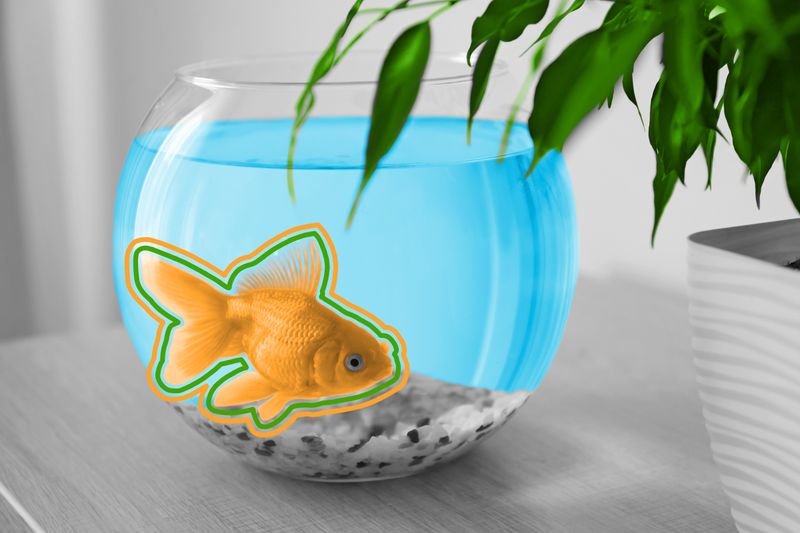
Are goldfish the most misunderstood pet? Given how many misconceptions surround them, they may very well be. For one thing, their memory extends far beyond the span of 5 to 10 seconds you’ve likely heard before: Goldfish can actually remember things for months, if not years, and they can even recognize their owners. For another, they can live for decades; the reason they often don’t is because they’re kept in small bowls without bubbles (which oxygenate their water) and tend to be poorly cared for in general.
“We’ve known about the reasonably good memories of goldfish since the ’50s and ’60s,” Culum Brown, an expert in fish cognition at Australia’s Macquarie University, told Live Science. “Despite what everybody thinks, they're actually really intelligent.” Numerous other studies have turned up similar results.




Oops, incorrect!
It's a factLocated in the back of the fish’s throat, they’re called pharyngeal teeth and are blunt rather than sharp. Like sharks, goldfish constantly lose and regrow their teeth.
Brown also noted that the humble goldfish has been shown to be a good problem-solver. As for why these misconceptions persist, he offers a sobering theory: “I suspect it’s got more to do with making us feel good about putting them in a tiny little bowl. It probably says more about us than it does about the goldfish.” So if you ever bring one of these little fish home from a fair in a plastic bag, be sure to get your new pet a proper tank so your new pet and its impressive memory can flourish.

Numbers Don't Lie
More Interesting Reads



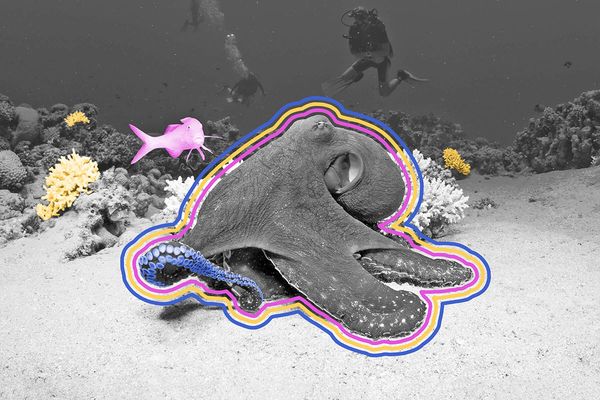


Goldfish were originally domesticated in ______.
Ready to reveal?
Confirm your email to play the next question?
Goldfish were originally domesticated in ancient China.

Goldfish are a highly invasive species.
Though you may be tempted to release your goldfish into the wild to give it a better life, you’re better off getting it a bigger aquarium. They’re considered highly invasive in novel environments, as they possess a “triple threat” of qualities that help them thrive at their new ecosystem’s expense: insatiable appetites, tolerance for cold water, and bold behavior that helps them outcompete other fish for food.
They’ll eat just about anything, which disrupts the food chain of native species and diminishes resources. They even reduce the amount of sunlight that penetrates the surface of whatever pond or lake they inhabit by stirring up mud when they forage for food, which limits the growth of native plants. The problems they pose are compounded by the fact that they can grow far larger than most people think. Underestimate these mighty creatures at your own peril, dear reader.

Michael Nordine is a writer and editor living in Denver. A native Angeleno, he has two cats and wishes he had more.
top picks from the Inbox Studio network
Interesting Facts is part of Inbox Studio, an email-first media company. *Indicates a third-party property.