Zen gardens are a treasured facet of Japanese culture. The neatly raked gravel, carefully placed stones, and sparse design is instantly relaxing — fitting, since the gardens were developed to encourage quiet reflection.
Today, Zen gardens aren’t just found at historic temples; they’ve made their way into residential home landscaping and there are even miniature versions for your desktop. But no matter the size or location, the purpose is the same: to give the mind space to slow down and enter a meditative state. Here’s a closer look at how that works.
Japanese Zen gardens — which are only so called outside Japan; in Japan they’re known as karesansui, or “dry landscapes” — date back about a thousand years. Early Zen gardens were inspired by the rock gardens of China’s Song Dynasty, wherein stones were placed to mimic mythological mountains, while sand or gravel were meant to evoke water features.
After Zen Buddhism was introduced to Japan around the 12th century, Buddhist temples began incorporating elements from karesansui into their designs. By the 14th century, dry landscape gardens had become a defining feature of temple grounds in Japan.
Unlike the country’s lush pond gardens or foliage-filled tea gardens, Zen gardens strip the landscape down to its fundamentals: gravel, rocks, and occasionally sparse plantings. The gravel is carefully raked into patterns that mimic rippling water, while stones suggest islands or mountains. The purposefully simplified structure gives the mind room to wander and imagine, focusing on the subtle details rather than chaos around you.
These gardens aren’t just about aesthetics. Zen Buddhism emphasizes mindfulness, simplicity, and impermanence, with meditation at its core. Zen gardens were designed to embody those principles and to invite a meditative state.
Empty spaces or raked indentations represent the Buddhist notion of emptiness, the view that things have no fixed nature and exist only in relation to one another. Carefully placed rocks reflect the Buddhist idea that while things may appear solid, they are ultimately fleeting, helping visitors reflect on life’s impermanence without clinging to things. Meanwhile, flowing lines in the sand conjure mental images of water and the movement of the natural world.
The act of raking itself is also a form of movement-based meditation, cultivating patience and awareness of the present moment. Some of the most famous gardens, such as Kyoto’s Ryōan-ji, with its 15 carefully placed stones, or Kennin-ji’s subtemple Seirai-in and its white sand depicting drifting clouds, demonstrate those principles through minimalism, asymmetry, and abstraction, creating spaces that encourage reflection without distraction. Zen gardens are a living lesson in simplicity and presence.
Credit: Moment via Getty Images
The Science of Calm
Zen gardens aren’t just spiritually soothing — they also have real effects on the mind and body. Environmental psychology studies have shown that being in and observing nature can reduce stress, lower blood pressure, and improve focus.
The minimalism of Zen gardens also contributes to their calming effect. Architect and Zen garden expert Mira Locher explains that the Japanese concept of yohaku no bi, or the beauty of blankness, is a defining aspect of the Zen garden. Uncluttered visuals help quiet the mind and foster meditation.
Those wide-open, minimal spaces give the eye and mind room to rest. Observing asymmetry can help us slow down and notice subtle details. The smooth, flowing lines in raked gravel, meanwhile, echo the visual complexity of natural patterns, which the brain interprets as harmonious, helping reduce stress.
Most of us, of course, don’t have a sprawling temple courtyard at home. But Zen gardens can be created and benefitted from even in small spaces. Even tiny desktop Zen gardens offer a similar sense of calm.
Raking sand or arranging stones with your hands can provide a soothing tactile sensory experience. It’s a small-scale reminder that slowing down, even for a few minutes, can reset the mind, improve focus, and help reduce the endless noise and mental clutter of modern life.
Nicole Villeneuve
Writer
Nicole is a writer, thrift store lover, and group-chat meme spammer based in Ontario, Canada.
Advertisement
top picks from the Inbox Studio network
Interesting Facts is part of Inbox Studio, an email-first media company. *Indicates a third-party property.
Human beings have an extraordinary way of turning emotions into visible expressions. A burst of joy can light up the face with a smile, while a wave of sadness leaves our eyes brimming with tears. These physical reactions are caused by the remarkable relationship between the brain and body.
When we experience emotions, a cascade of chemical signals and nerve impulses activates muscles and glands, producing observable expressions. Over millions of years of human evolution, these reactions have developed not only as individual responses but also as tools for social connection, signaling our inner state to those around us.
But why do certain physical reactions correspond to certain emotions? Why do the corners of our mouths lift up when we’re happy, and salty tears roll down our cheeks when we’re sad? The answers reveal a lot about the design of our nervous system, and the deeply social nature of human beings.
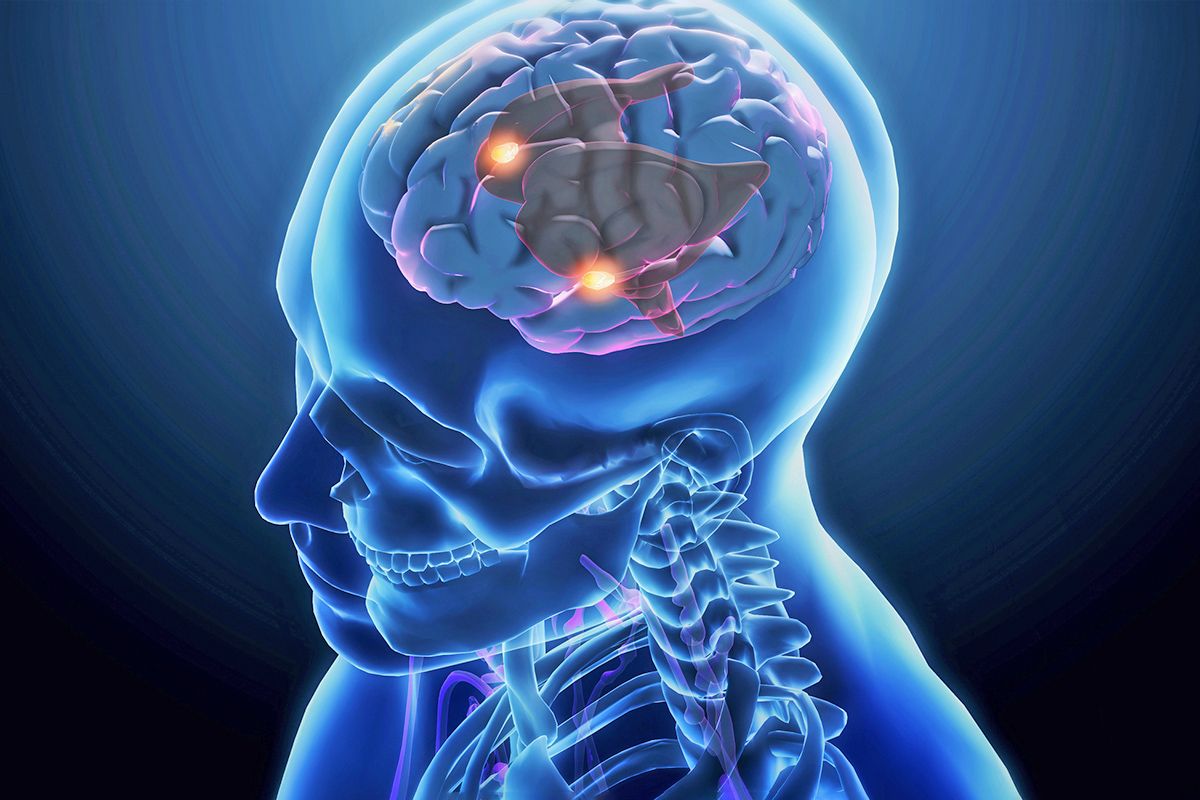
At the heart of both smiling and crying lies the brain’s emotional control center: the limbic system. This network, which includes the amygdala, hippocampus, and hypothalamus, serves as a switchboard for our feelings.
When we experience joy, the limbic system triggers activity in the brain’s reward circuits, releasing dopamine, serotonin, and endorphins. Those chemicals signal the muscles in the face, through cranial nerves, to contract in a way that forms a smile.
Sadness activates the same brain region, but in a different way. In this case, the amygdala and hypothalamus respond by activating the autonomic nervous system, which influences tear production. The lacrimal glands just above our eyes receive the signal and respond by producing emotional tears distinct from reflex tears (the kind that protect the eyes from dust or onions).
In both scenarios, the limbic system is the unseen conductor, arranging expressions that not only reflect how we feel but also how we communicate it to the outside world.
Smiling primarily involves the facial muscles, especially the zygomaticus major, which lifts the corners of the mouth. A genuine, involuntary smile — known as a Duchenne smile — also engages the orbicularis oculi muscles around the eyes, creating the crinkling effect that distinguishes true happiness from a polite grin. These smiles are triggered by the brain’s release of “feel-good” neurotransmitters including dopamine and serotonin, reinforcing pleasurable experiences.
Interestingly, the act of smiling can actually create a positive feedback loop in the brain. Psychologists have found when we smile, even if by force, it can trick the brain into releasing more dopamine and reinforce the sense of happiness. This is known as the facial feedback hypothesis, the idea that our expressions don’t just reflect emotions but can also help generate them.
From an evolutionary perspective, smiles likely developed as a social tool. A smile can signal friendliness, cooperation, or safety, helping people build social bonds. In early human societies, this would have strengthened trust and encouraged group cohesion — an essential advantage for survival.
Crying when we’re sad may feel like a loss of control, but it’s a deeply human response. Emotional tears differ from basal tears (also called continuous tears), which keep our eyes lubricated or the reflex tears that flush out irritants. Emotional tears contain higher levels of stress hormones such as cortisol, as well as endorphins that help stabilize your mood after crying.
This process begins in the hypothalamus, which detects emotional stress and sends signals to the parasympathetic nervous system. The lacrimal glands then produce tears, while the orbicularis oculi muscles contract around the eyes. Crying slows breathing and lowers heart rate, allowing the body to shift into a calmer state — a built-in form of self-soothing.
Like smiling, crying also has a strong social function. Tears are a nonverbal signal to others that we’re in need of comfort, support, or empathy, and studies show people are more likely to approach and console someone who is visibly crying. This social response likely explains why humans evolved the capacity for emotional tears — something no other animal seems to have.
Beyond individual biology, emotional expressions have deep evolutionary roots due to the social purposes they serve. Our friendly smiles and vulnerable tears promote group cohesion and mutual support to this day, but they were also vital for early human survival.
Research shows that emotional expressions are instinctive rather than learned.Babies smile and cry long before they can speak, suggesting these behaviors are hardwired. And cross-cultural studies confirm people around the world recognize basic emotions through facial expressions — even when factoring in cultural differences in how emotions are expressed — highlighting the universal biology at play here.
Throughout human history, evolution likely favored individuals who could effectively convey emotions to their community, ensuring understanding and cooperation within their groups.
In modern life, our emotional expressions continue to serve important purposes. Smiling when we’re happy can strengthen our personal relationships, improve our mood, and even influence how others perceive us, while crying when we’re sad can provide relief and foster empathy. Brain imaging studies show observing a smile or tears can activate similar regions in the observer’s brain, demonstrating how expressions promote emotional connection.
In these ways, our face becomes more than just a reflection of your inner state — it also sends messages to others around us, reinforced by millions of years of evolution.
Kristina Wright
Writer
Kristina is a coffee-fueled writer living happily ever after with her family in the suburbs of Richmond, Virginia.
Advertisement
top picks from the Inbox Studio network
Interesting Facts is part of Inbox Studio, an email-first media company. *Indicates a third-party property.
Weather affects nearly every aspect of our daily lives — from what we wear to how we travel and even how farmers plan their crops. Predicting the weather, however, is one of the most complex challenges in science, requiring large networks of satellites and sensors feeding information into powerful computers to mirror the dynamics of the ever-changing atmosphere. While it may seem like forecasting tomorrow’s rain or sunshine is a simple guess, it’s actually the result of careful analysis of data gathered from around the globe.
Modern weather forecasting blends centuries-old observation methods with cutting-edge technology. From satellites orbiting the Earth to sensors placed deep in the ocean, meteorologists track countless variables that influence the atmosphere. Those variables — including temperature, air pressure, wind, humidity, and more — interact in complex ways, creating the constantly shifting weather patterns that forecasters must interpret.
Long before scientific forecasting, people relied on folklore, observation of the skies, and seasonal almanacs to anticipate weather. The Old Farmer’s Almanac, first published in 1792, used a formula that was said to include solar activity, weather patterns, and astronomical cycles.
Farmers and households turned to it for long-range forecasts, sometimes with uncanny accuracy, but just as often with results no better than chance. Folk sayings such as “red sky at night, sailor’s delight. Red sky in morning, sailor’s warning,” based on observations passed down through generations, also acted as early weather guides.
While those early methods provided some rough counsel, they lacked the precision we expect today. Weather forecasting as a true science began in the mid-19th century, when telegraph systems allowed rapid sharing of weather observations across regions, enabling the first warnings of approaching storms. Still, predictions in those days were only reliable a few hours in advance.
Today, the first step in predicting weather is gathering data. Meteorologists monitor the atmosphere using a combination of ground-based instruments, weather balloons, satellites, and radar. Ground stations measure temperature, humidity, wind speed, and air pressure in specific locations. Weather balloons carry instruments called radiosondes high into the atmosphere, providing readings of conditions at various altitudes.
Each observation provides a piece of the larger puzzle. For example, a sudden drop in air pressure can indicate an approaching storm, while wind patterns help predict where weather systems will move next. Collecting this data continuously from hundreds of thousands of points on Earth allows meteorologists to track the ever-changing atmosphere with remarkable detail.
Satellites and radar are essential tools for modern meteorology. Weather satellites were first launched in the 1960s, giving meteorologists a powerful new tool for weather observation. As they orbit the Earth, satellites provide continuous images and measurements regarding factors such as cloud cover, temperature, humidity, and wind at different altitudes. Some can even measure rainfall and detect severe storms including hurricanes or typhoons before they reach populated areas.
Radar systems complement satellites by offering detailed, real-time information about precipitation. Doppler radar in particular can measure the speed and direction of rain droplets, allowing meteorologists to detect rotation in storms, which is a key factor in predicting tornadoes. By combining satellite imagery, radar data, and surface observations, forecasters can track storms as they develop and issue timely warnings to protect lives and property.
Once data is collected, meteorologists turn to computer-based weather models to make sense of it. These models are mathematical simulations of the atmosphere that use physics and fluid dynamics to predict how weather systems will evolve. Essentially, the models take current conditions and calculate how they’re likely to change over time, producing forecasts that can range from a few hours to several days ahead.
There are many types of weather models, each with their own strengths. Some are global, simulating weather across the entire planet, while others are regional, focusing on a specific area for more precise predictions.
Small changes in the atmosphere can have large ripple effects on the weather, so forecasters often run multiple models and compare results to find the most likely outcome. This process, called ensemble forecasting, helps account for uncertainty and increases the reliability of predictions.
After collecting data and running models, meteorologists interpret the results to create forecasts for the public. They consider model predictions, historical patterns, and the effects of local geographic features, such as mountains or large bodies of water, which can influence local weather. While computers run billions of calculations, it’s human expertise that ensures the final forecast adjusts for uncertainties and translates complex data into useful information.
Forecasts are usually presented as probabilities, such as a 70% chance of rain, to reflect the atmosphere’s unpredictability. Short-term forecasts can be highly accurate, sometimes down to the hour, while long-range forecasts beyond a week are less reliable.
Still, accuracy has improved dramatically over the past few decades due to our evolving technology: A seven-day forecast today being as accurate as a three-day forecast was in the 1980s. According to the National Oceanic and Atmospheric Administration (NOAA), today’s five-day forecasts are accurate about 90% of the time, while seven-day forecasts are correct about 80% of the time.
Kristina Wright
Writer
Kristina is a coffee-fueled writer living happily ever after with her family in the suburbs of Richmond, Virginia.
Advertisement
top picks from the Inbox Studio network
Interesting Facts is part of Inbox Studio, an email-first media company. *Indicates a third-party property.
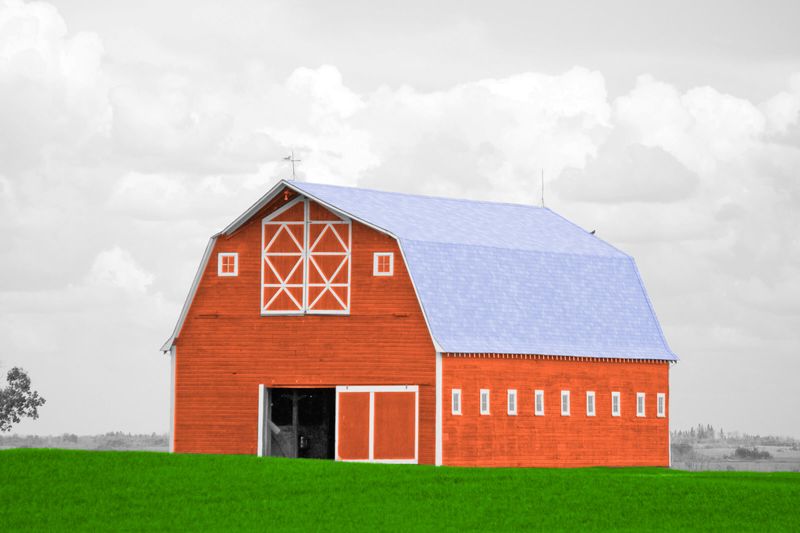
From fire trucks to big dogs named Clifford, certain things are inseparable from the color red. That category of objects also includes barns, which are painted red more often than they are any other hue.
This isn’t a coincidence — there’s a pragmatic reason for this decision that originated in Europe and was later brought to the Americas by early settlers. But over time, painting barns red became less of a practical choice and more of a pastoral tradition among farmers. Without further ado, let’s take a look at the origins of this colorful trend and its continued prevalence in modern agriculture.
Credit: Arterra/ Universal Images Group via Getty Images
Early European Origins
The tradition of deliberately painting pastoral structures red is believed to have derived — at least in part — from a practice that originated in 16th-century Sweden. At that time, it was common to construct cottages and even castles out of wood, which was a readily available resource.
But many northern European nobles, including Sweden’s King John III, admired the Gothic-era brick structures that were so common in the Netherlands. In an effort to emulate that desirable reddish brick aesthetic, the king issued a 1570s mandate to apply a coat of red paint to two wooden castles in Stockholm and Turku. This was possible thanks to paint dyed with iron oxide (rust), which was used to create a reddish pigment.
The iron oxide came from a famous ninth-century copper mine located in Falun. The mine collapsed in 1687, but even though mine operators could no longer access any precious ore, they still had enough waste byproduct available to manufacture red paint. This led to a rise in the production of red paint throughout the 18th century, and use of the color permeated society.
Given its earlier association with nobility, many Swedes considered the color red to be a proud part of the country’s overall identity, and they used the paint to coat their pastoral cottages in the countryside. Those people also noticed red paint provided practical benefits, as its chemical makeup helped preserve those cottages against the harsh Nordic climate.
So while the practice of painting barns red may have begun as a status symbol, it helped maintain pastoral structures in practice. This brings us to how it became such a popular choice among American farmers.
As European settlers migrated to the Americas, they brought many traditions with them across the ocean. Those included painting barns and other pastoral structures red, which, as the Swedes had learned, also turned out to have scientific benefits for the many American farmers who continued this practice.
As barns were raised across American farms, weather damage proved to be a major concern. Barns were subjected to harsh winds and torrential rain, and the risk of mold growth further complicated things. In an effort to ensure their barns’ durability, many farmers turned to red paint as a protective varnish.
This emerged as a particularly common practice throughout 18th-century New England. Farmers relied on a mixture whose main ingredient was linseed oil — a brownish-orange sealant that hydrated the wood and offered protection from the elements. Lime and milk were also added to help the oil stick to the barn.
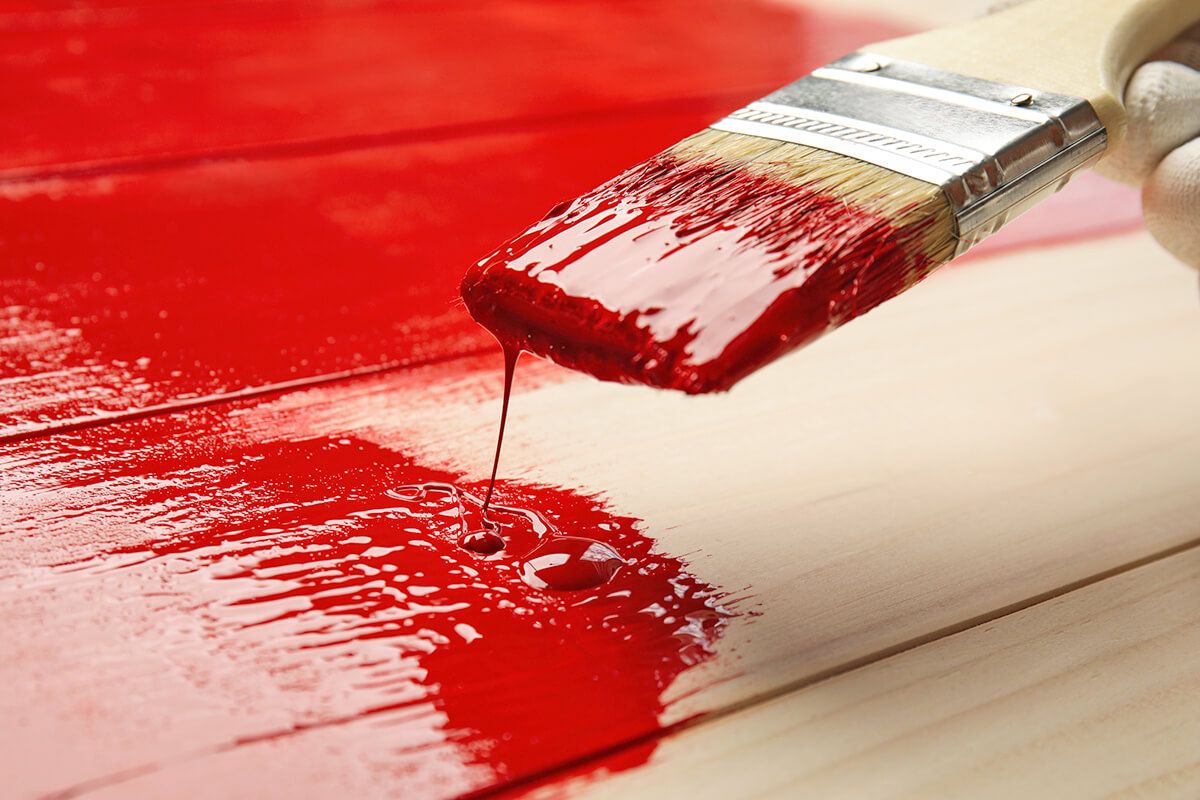
But the striking red color came from the addition of reddish iron oxide, also known as rust, which acts as a natural poison for any fungi, mold, moss, or other similar growths that could cause wooden barns to decay.
With this in mind, farmers sourced rust from the old tools and weatherworn equipment found on so many farms. Once mixed with linseed oil, milk, and lime, it created the ideal varnish to protect against weather and decay, thus helping to keep barns standing for years to come.
So while the Swedes may have used red paint as a symbol of status that just so happened to come with additional practical benefits, almost the opposite was true of American farmers who lacked the connection to Swedish nobility. For Americans, the preservative nature of red paint was far and away the most important factor, and the picturesque red color just so happened to be an aesthetically pleasing perk that accompanied it.
As weatherproofing technology developed, farmers relied less on homemade mixtures to preserve their barns. But red continued to be a popular choice for painting barns because of its low cost compared to other paint colors.
In the U.S., “ready-mixed” paints were made available by 1867, and commercialization expanded rapidly throughout the remainder of the 19th century. During this period, it proved to be cheapest for manufacturers to produce red paint, as the pigment was easier to acquire at a lower cost. For proof of this, look no further than the 1922 Sears Roebuck catalog: The cost of a gallon of red paint was just $1.43 (roughly $27.50 today), making it far cheaper than other hues at the time, which cost $2.25 or more per gallon.
Though preventing decay and keeping costs low were top of mind, farmers discovered painting their barns red came with other benefits.
For instance, some noted that red barns stayed warmer in the winter, as the darker red tones better absorbed sunlight than lighter shades of paint. Red barns also provided better visibility, as they stood out against the tones of the surrounding natural landscape. This was especially useful in the winter or during storms, when visibility was lower than normal.
Long gone are the days of relying on iron oxide to kill fungi or of red paint being notably cheaper than alternative colors. So why are so many barns still painted red today? Well, for some, the answer lies solely in tradition.
Many farmers view red-colored barns as a proud symbol of their heritage and the many hardworking individuals who preceded them. Not only that, but red barns also stand out and look good. So while you’re bound to see barns painted white, green, and a variety of other colors, red remains a popular choice steeped in tradition.
Bennett Kleinman
Staff Writer
Bennett Kleinman is a New York City-based staff writer for Inbox Studio, and previously contributed to television programs such as "Late Show With David Letterman" and "Impractical Jokers." Bennett is also a devoted New York Yankees and New Jersey Devils fan, and thinks plain seltzer is the best drink ever invented.
Advertisement
top picks from the Inbox Studio network
Interesting Facts is part of Inbox Studio, an email-first media company. *Indicates a third-party property.
They say a picture is worth a thousand words, and if you ask any marketing expert, that adage applies to brand logos as well. Symbols such as McDonald’s golden arches and the Olympic rings represent more than just the brands behind them — they also embody the circumstances that led to the emblem’s conception.
Some of these crests represent larger societal trends, while others were chosen for their striking aesthetic nature. Let’s take a look at six fascinating backstories behind some of the world’s most recognizable brand logos.
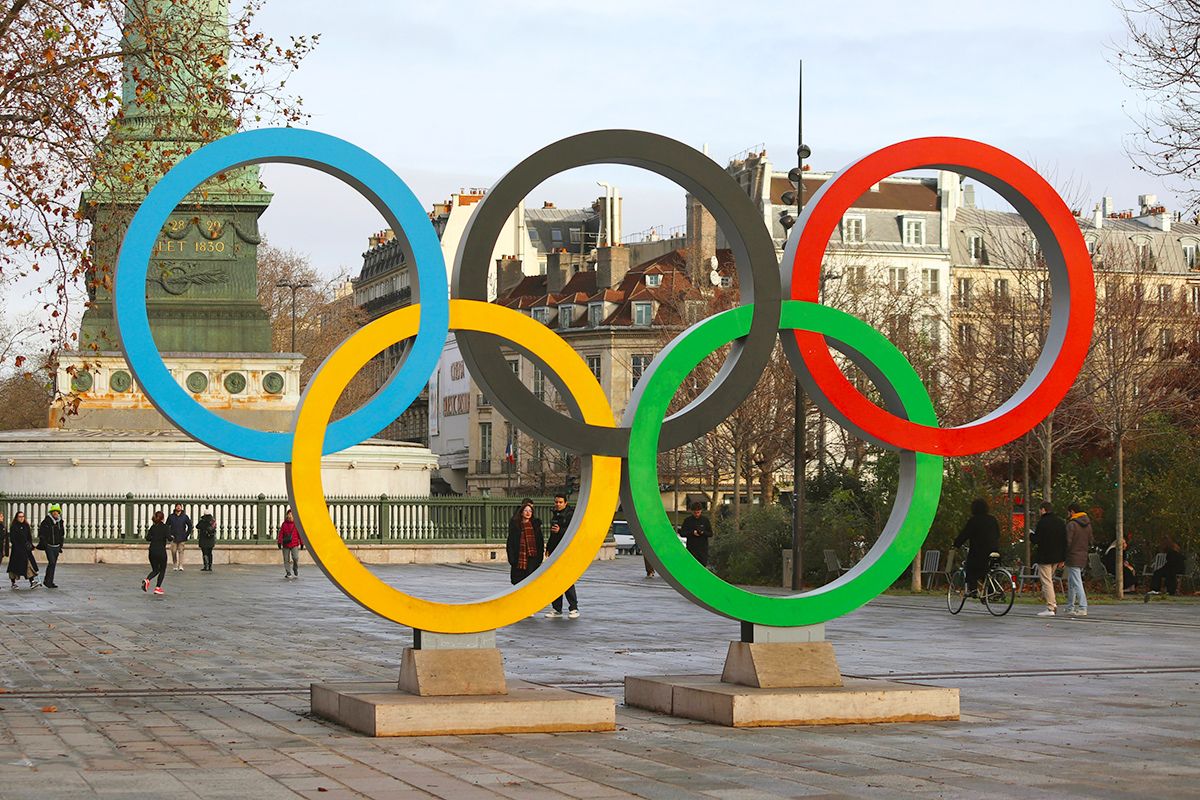
Whether flown on flags or tattooed onto an athlete’s body, the Olympic rings are among the world’s most familiar symbols. The five colorful, interlocking rings are the brainchild of Pierre de Coubertin — a man who helped organize the first modern Olympiad in 1896.
The first set of Olympic rings was hand-drawn and colored by de Coubertin, who debuted the logo at the top of a letter he’d written in 1913. The symbol’s meaning was expounded upon in the August edition of the Olympic Review that same year.
A translation of the original French reads, “These five rings represent the five parts of the world now won over to Olympism,” referencing Olympic participants from Africa, the Americas, Asia, Europe, and Oceania. The six colors (black, blue, green, red, yellow, and the white background) were chosen because they represented the flag colors of every competing nation at the time.
The rings were formally added to the official Olympic flag when it was created in Paris in 1914, though the ensuing 1916 Berlin Games were canceled due to World War I. The logo finally made its formal debut at the 1920 Antwerp Games and has remained ever since.
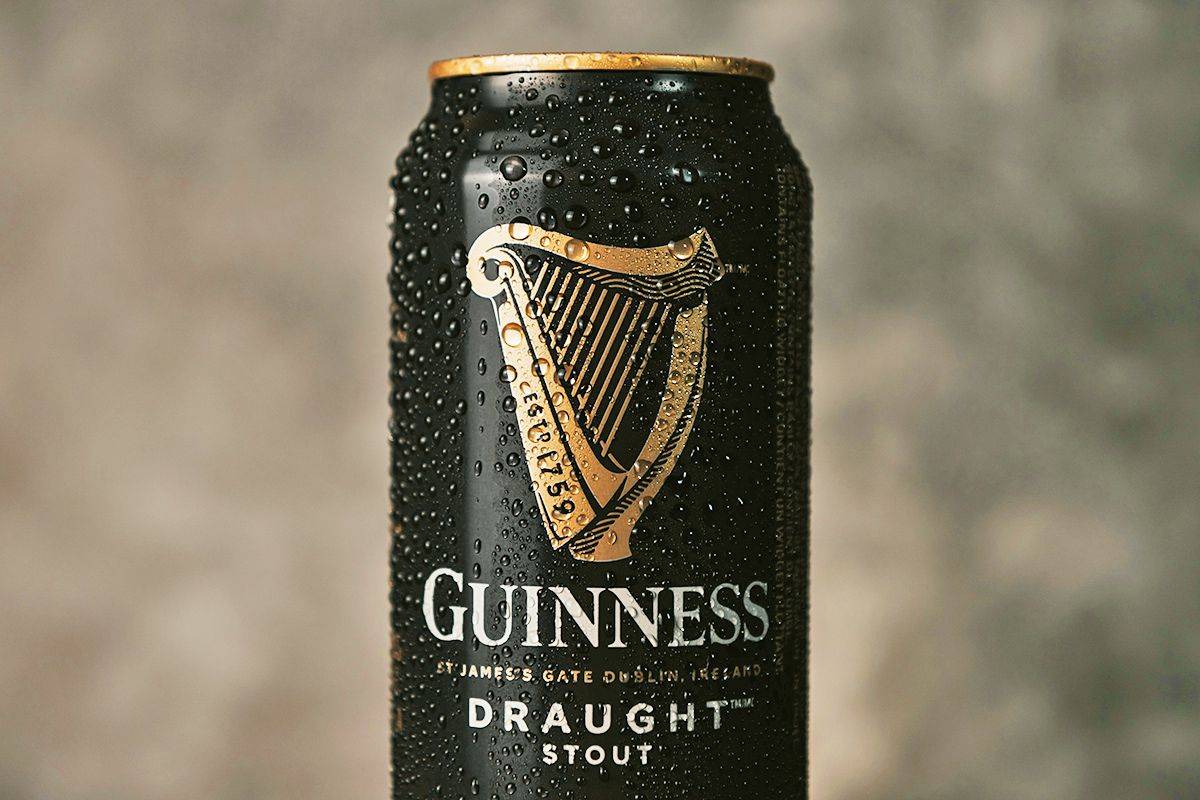
The Trinity College harp has been on display at its namesake school in Dublin since 1782, though its history dates back much earlier. The harp was once thought to have been owned by the legendary Brian Boru — the former High King of Ireland who died in battle in 1014 — and the instrument became widely regarded as a proud symbol of the Irish people (even though more recent evidence suggests there’s no connection between Boru and the medieval-era harp). This harp was thus selected by Guinness as their brand logo.
Guinness was founded in 1759 and began to export its popular stout beer before the end of the century. In an effort to ensure everybody knew the beer was an authentically Irish product, Guinness adopted the harp as its logo in 1862. It later trademarked the harp in 1876 — the first year trademark registration began in the United Kingdom, which Ireland belonged to at the time.
When the Irish Free State was established in 1922, it also featured the harp on its Great Seal. However, since Guinness had already trademarked the logo, the Irish Free State was forced to flip the harp so it faced the other way and therefore complied with trademark regulations. This remains the case, and if you examine the harp on a Guinness glass, you’ll see it faces the opposite direction from the harp depicted on Irish coins.
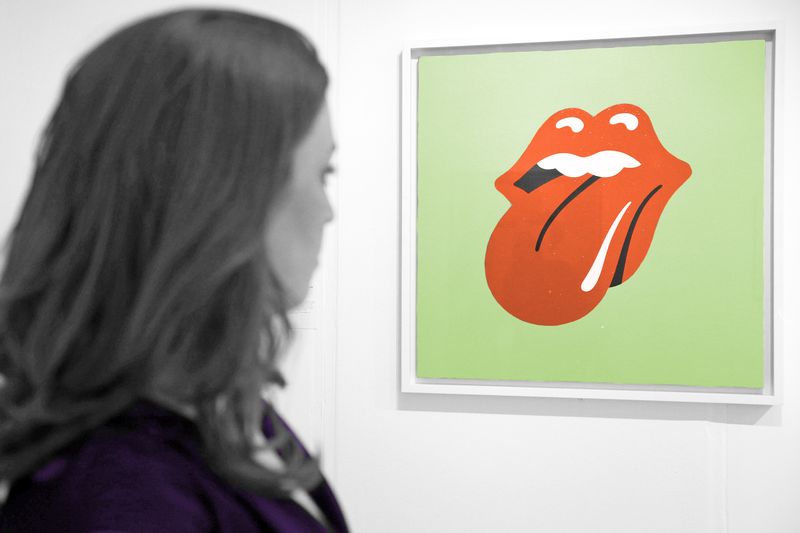
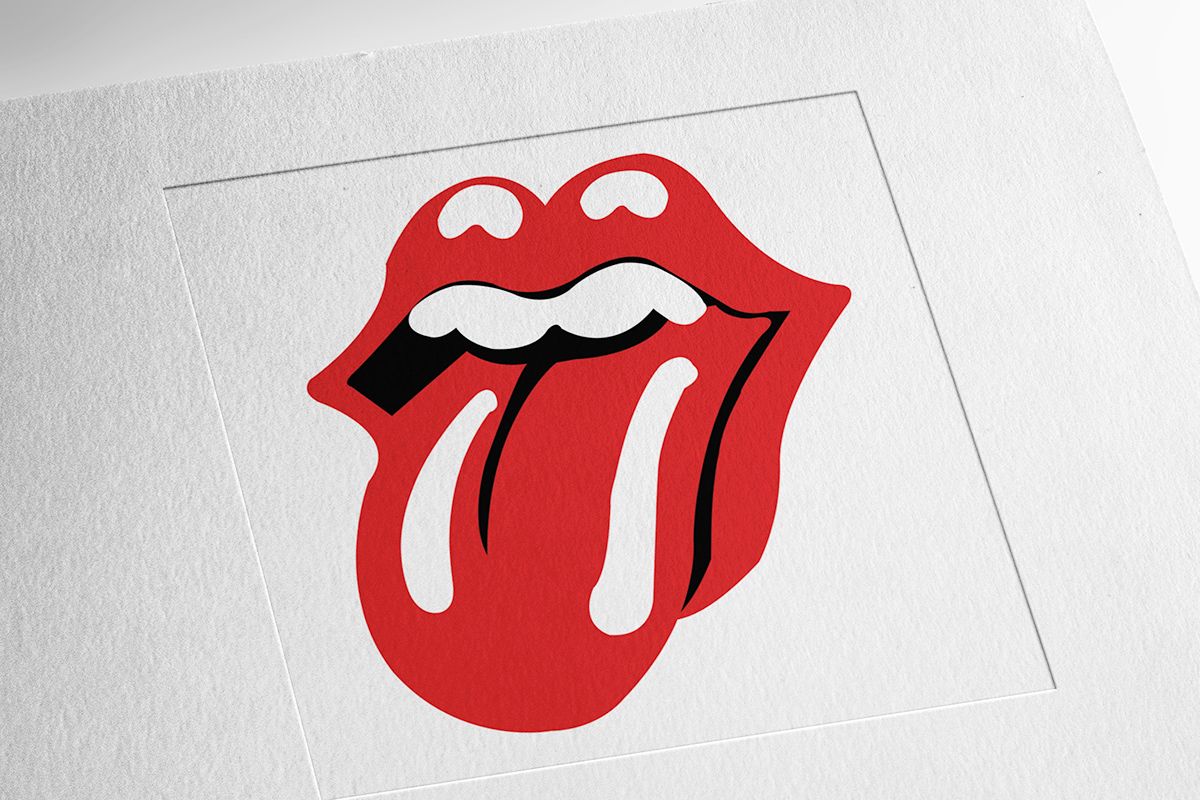
Graphic designer John Pasche was a 25-year-old art student at London’s Royal College of Art when he created an iconic rock ’n’ roll symbol: the bright red tongue and lips used as the logo of the Rolling Stones. In a 2016 interview with the Victoria & Albert Museum, Pasche explained that in 1970, the school received a call from the band asking for a recommendation for someone who could help design a tour poster (not the logo Pasche would later become famous for).
At the school’s suggestion, Pasche met with lead singer Mick Jagger, and after a lukewarm first attempt, he created a design that ended up being to Jagger’s liking, featuring a cruise liner, Concorde jet, vintage car, and other elements related to the touring lifestyle.
Based on that initial success, Pasche was also commissioned to create a band logo. In a subsequent meeting with Jagger, the singer presented Pasche with a clipping he’d picked up in a local corner shop. It depicted the Hindu goddess Kali — a powerful figure boasting a pointed red tongue — and Jagger said it was just the type of thing he liked.
Pasche was drawn to Kali’s bright red mouth and tongue and spent two weeks sketching out a few concepts. One was the now-iconic lips and tongue, which Jagger and his fellow bandmates approved. Pasche was paid £50 (about $1,344 USD today) for his creation, and the logo debuted as an insert in the 1971 album Sticky Fingers. When asked to respond to rumors that the logo was based on Jagger’s own prominent set of lips, Pasche told Radio X, “It wasn’t initially, but it might have been something that was unconscious.”
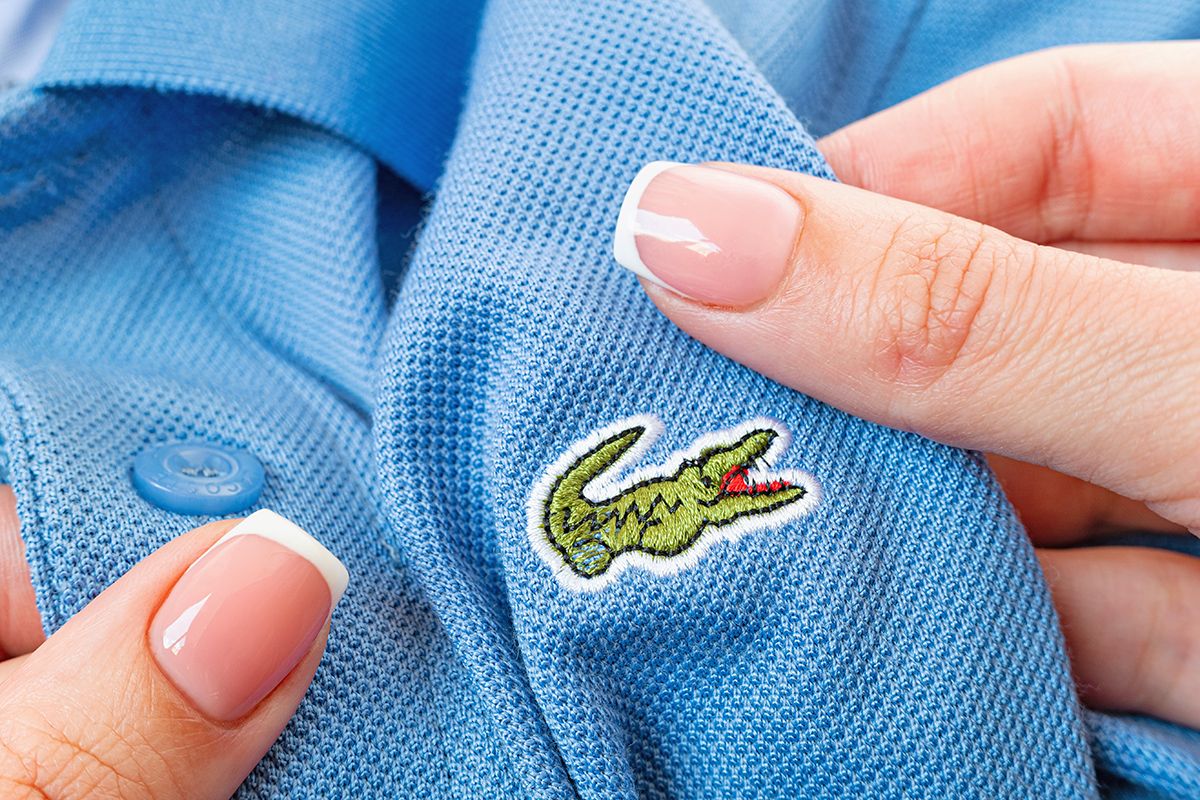
Crocodiles aren’t native to France, which may make you wonder why the worldwide fashion brand Lacoste uses the reptilian creature as its logo. It all has to do with founder and namesake René Lacoste, who was a world-class tennis champion before becoming a fashion mogul. His nickname “the Crocodile” ultimately inspired the brand’s emblem.
The nickname itself came about in 1923, when sports journalist George Carens wrote about Lacoste’s performance at a Davis Cup match in Boston, writing in the Boston Herald Traveler, “He fought like a real crocodile … and never gave up on his prey.”
According to Carens’ grandson, the nickname was partially inspired by not just his playing style, but also by a possibly apocryphal story that made waves and caught the journalist’s ear at the time. It’s said that the 19-year-old Lacoste made a bet with his team captain, in which Lacoste was promised a crocodile-skin suitcase if he won a big match. Lacoste welcomed the moniker, saying it “highlighted my tenacity on the tennis court,” according to the International Tennis Hall of Fame.
The crocodile logo was brought to life in 1927 by Lacoste’s friend and artist Robert George, when it was sewn onto a blazer Lacoste frequently wore. When the brand was founded in 1933, the crocodile was featured prominently in advertising campaigns and sewn atop the left breast of the company’s popular polo shirts.
From its founding in 1926 to the 1950s, NBC employed the use of several primarily black-and-white logos that were minimalistic in nature. But in the 1950s, the TV industry shifted away from black-and-white programming toward color, and in turn, NBC unveiled a series of colorful logos, including one that incorporated one of the more flamboyant and colorful creatures in the animal kingdom: the peacock.
NBC’s first peacock logo debuted in 1956, having been created by artistic director John J. Graham and a team of fellow designers. Graham and others believed the colorful logos would help capture viewers’ attention.
As the story goes, symbols such as rainbows and butterflies were initially considered, though ultimately they were deemed too simple. It’s said that Graham’s wife, Candella, is the one who helped him land on a peacock. The bird is still the network’s mascot today, but the original differed slightly from the current logo, as it featured 11 colorful feathers back then (compared to six now).
The peacock logo disappeared in 1975 but returned in a slightly altered form with new colors in the early 1980s. The original image had red, orange, yellow, green, blue, and purple colors, and the updated version had dark red, orange, gold, blue, indigo, and violet instead.
In 1986, the number of feathers was dropped from 11 to six, with each of the six new colors representing a different element of NBC: yellow for news, orange for sports, red for entertainment, purple for radio, blue for network, and green for production. This was the last major update for the peacock, which has remained largely unchanged ever since.
In 1952, Dick and Mac McDonald were discussing plans for the first-ever McDonald’s franchise location. Dick believed incorporating two bright yellow, half-circle arches into the building’s design could help catch the eye of passing motorists, and an architect named Stanley Clark Meston agreed.
Those inaugural arches were created by sign maker George Dexter and debuted on the sides of the first McDonald’s franchise in Phoenix, Arizona. The arches were installed on opposite ends of the building and looked like two upside-down “U’s” rather than one interlocked “M.” But when viewed from a certain angle, the arches appeared as though they interlocked, which influenced the logo’s eventual creation.
When Ray Kroc purchased McDonald’s from its namesake brothers in 1961, he was interested in rapid expansion, which he believed required a recognizable logo. Jim Schindler — the company’s head of engineering and design — sketched out an idea that he based on the Phoenix location’s look. That rudimentary logo incorporated two interwoven arches as well as a slanted line cutting through them to represent the restaurant’s sloping roof.
In 1968, the slanted line was removed and the arches were moved inches apart, forming the golden arches logo we know today. There was a brief time when Kroc thought about doing away with the logo altogether, but he was told to keep it by psychologist and brand consultant Louis Cheskin. Cheskin claimed the logo subliminally communicated a nurturing message to the customer base, as it represented “mother McDonald’s breasts” — a comment purportedly overheard by Davis Masten, who once ran the consulting firm Cheskin started.
Bennett Kleinman
Staff Writer
Bennett Kleinman is a New York City-based staff writer for Inbox Studio, and previously contributed to television programs such as "Late Show With David Letterman" and "Impractical Jokers." Bennett is also a devoted New York Yankees and New Jersey Devils fan, and thinks plain seltzer is the best drink ever invented.
Advertisement
top picks from the Inbox Studio network
Interesting Facts is part of Inbox Studio, an email-first media company. *Indicates a third-party property.
Cats and humans have coexisted for thousands of years. In fact, this mutually beneficial relationship emerged between 10,000 and 15,000 years ago, when humans transitioned from hunting and gathering to farming. They needed help controlling rodent populations in their crops, and cats found a steady food source in field mice.
This was the start of a beautiful human-animal camaraderie, a bond that eventually grew so strong some humans have even been buried with their furry pals. One of the earliest known human-cat burials was discovered in a 9,500-year-old grave in Cyprus (where cats are not native), highlighting their early domestication.
Since then, cats have become beloved companions, now living in more than 30% of U.S. households. Despite their popularity, there’s still much to discover about our feline friends, from deciphering their signature “meows” to revealing instincts inherited from their wild ancestors. Here are eight fascinating facts about cats.
They’re Divided Into Two Categories: Roarers and Purrers
The Felidae family, comprising all 37 species of felines, is divided into two subfamilies: Pantherinae (commonly known as the “big cats”), which includes lions, tigers, and leopards; and Felinae, which encompasses smaller species such as cougars, bobcats, and domestic cats. Cats within the Pantherinae family roar, while members of the Felinae family purr.
Those vocal differences are due to structural variations in and around the vocal cords. Felinae species have an extra layer of fatty tissue that allows their vocal cords to vibrate at low frequencies, producing a purr. By contrast, Pantherinae cats have tough cartilage at the base of their throats, which prevents purring but gives the larynx the flexibility needed to produce a roar. A lion’s roar measures around 114 decibels — far louder than the average housecat’s 25-decibel purr.
Domestic cats meow for many reasons — to greet, complain, or request — but interestingly, they primarily do it only around humans. This behavior originates in kittenhood, when young cats meow to get their mother’s attention. As they grow, they take this behavior into adulthood but repurpose it to interact with their human companions.
Animal behavior psychologist Dr. John Wright explained in an interview with Live Science that cats use vocal communication to manipulate their humans. Cats choose meowing over other forms of interaction because humans’ senses aren’t as finely tuned as theirs, meaning we can’t communicate as easily through smell or touch; their meowing elicits the greatest response from us.
Different meows serve different purposes. For example, a short, high-pitched “meow” may be a simple greeting, while a longer, more urgent “mrroooow” may signal hunger or danger. And domestic cats aren’t the only species that use meowing to communicate: Larger cats such as snow leopards, cheetahs, cougars, and even lion cubs also meow occasionally, mostly to locate each other or, in the case of young cats, to request food or affection.
The International Cat Association (TICA) is a genetic registry for pedigreed cats and is one of the world’s largest sanctioning bodies for cat shows. As of 2025, TICA officially recognizes 73 breeds of domestic cats, each with unique characteristics, mannerisms, and aesthetics, from the ancient Abyssinian breed to the water-loving Turkish Van.
One of the newest recognized breeds is the Highlander, a cross between the Desert Lynx (bred to resemble a bobcat) and the Jungle Curl (known for its curled ears). Weighing between 10 and 20 pounds, this muscular breed is playful and affectionate, boasting the size of its wild ancestors without their aggression.
Often depicted as a white or calico cat with one paw raised, the maneki-neko (“beckoning cat”) is a popular Japanese figurine believed to bring good fortune or prosperity. In stark contrast to Western superstition, even black maneki-neko are considered lucky in Japan.
There are various origin stories, but one popular legend hails from Tokyo’s Gōtokuji Temple during the Edo period (1603 to 1868). According to temple historians, a feudal lord was saved from being struck by lightning by a cat named Tama, who beckoned him into the safety of the temple just in time. In gratitude, the lord made the cat a temple patron. Today, thousands of maneki-neko statues are displayed in Tama’s honor.
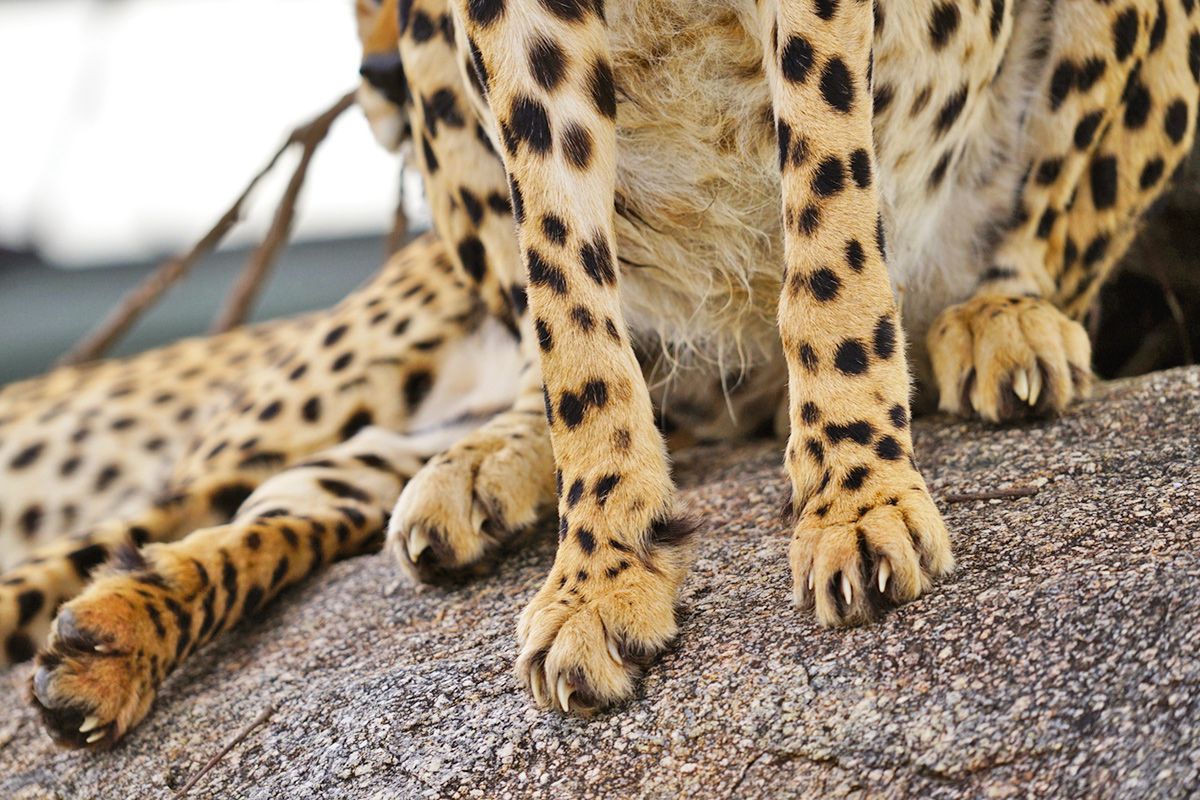
Retractable claws are a defining feature of most cat species. When unsheathed, claws are valuable tools for defense and hunting. Both big and small cats — from lions to housecats — share this trait. However, one species breaks the mold: the cheetah.
Cheetahs have semi-retractable claws that remain at least partially extended at all times, similar to those of dogs. Their claws are also somewhat blunt, providing better grip and traction, akin to an athlete’s cleats. This helps cheetahs achieve speeds of more than 70 mph. Their unique paw pads (which are hard like rubber) and long tails also aid in maneuverability while sprinting.
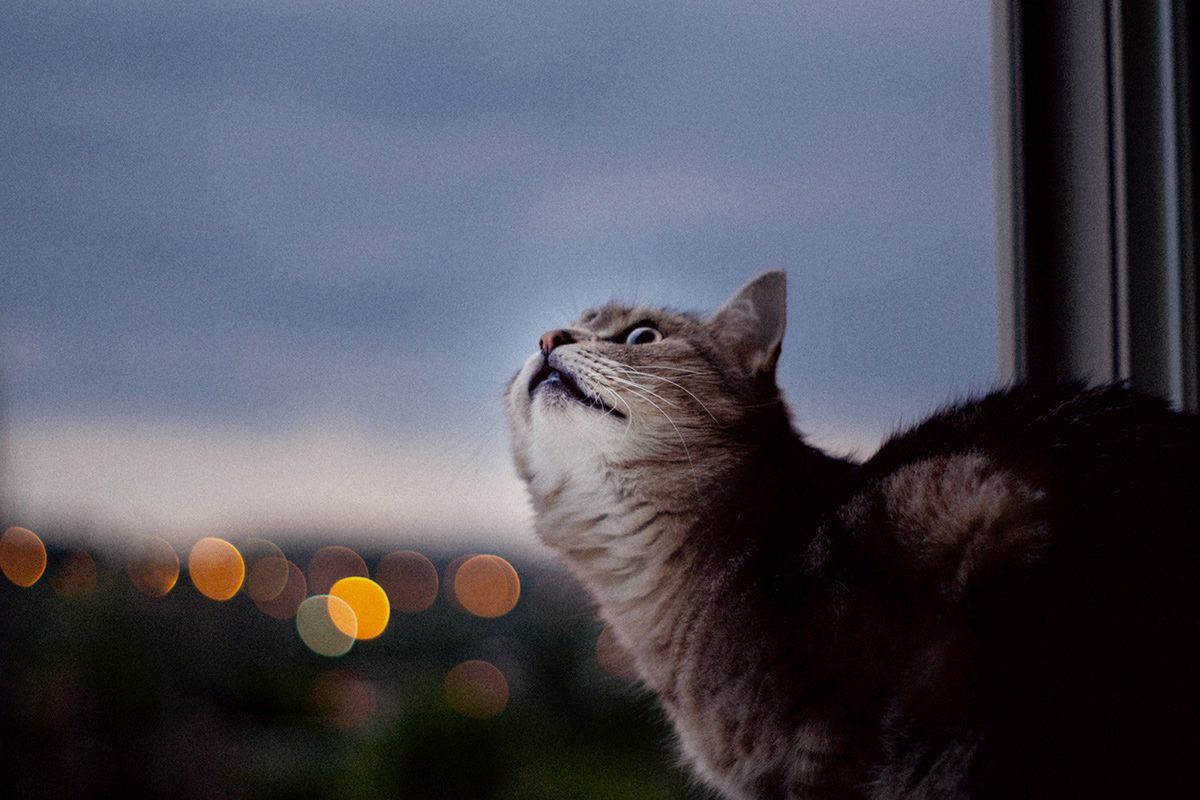
Domestic cats are active at dawn and dusk, making them crepuscular animals. This natural rhythm helps explain the daytime napping habits of housecats, which sleep an average of 10 to 13 hours a day, conserving energy for their instinctual “hunt” during twilight hours. This habit is the result of millions of years of evolution.
In the wild, other species of cats also exhibit crepuscular or nocturnal behaviors, depending on their environment and hunting patterns. For instance, leopards are typically nocturnal and do most of their hunting at night.
Cats have evolved to thrive in low-light conditions; they require a mere one-sixth of the illumination levels humans need to see well. Moreover, their distinctly shaped pupils dilate up to 135 times their smallest size, maximizing light intake. Cats’ eyes also feature a layer of cells behind the retina called the tapetum lucidum, which reflects ambient light, further enhancing night vision and giving cats their iconic “glowing” eyes in the dark.
They Spend up to 50% of Their Time Doing This One Thing
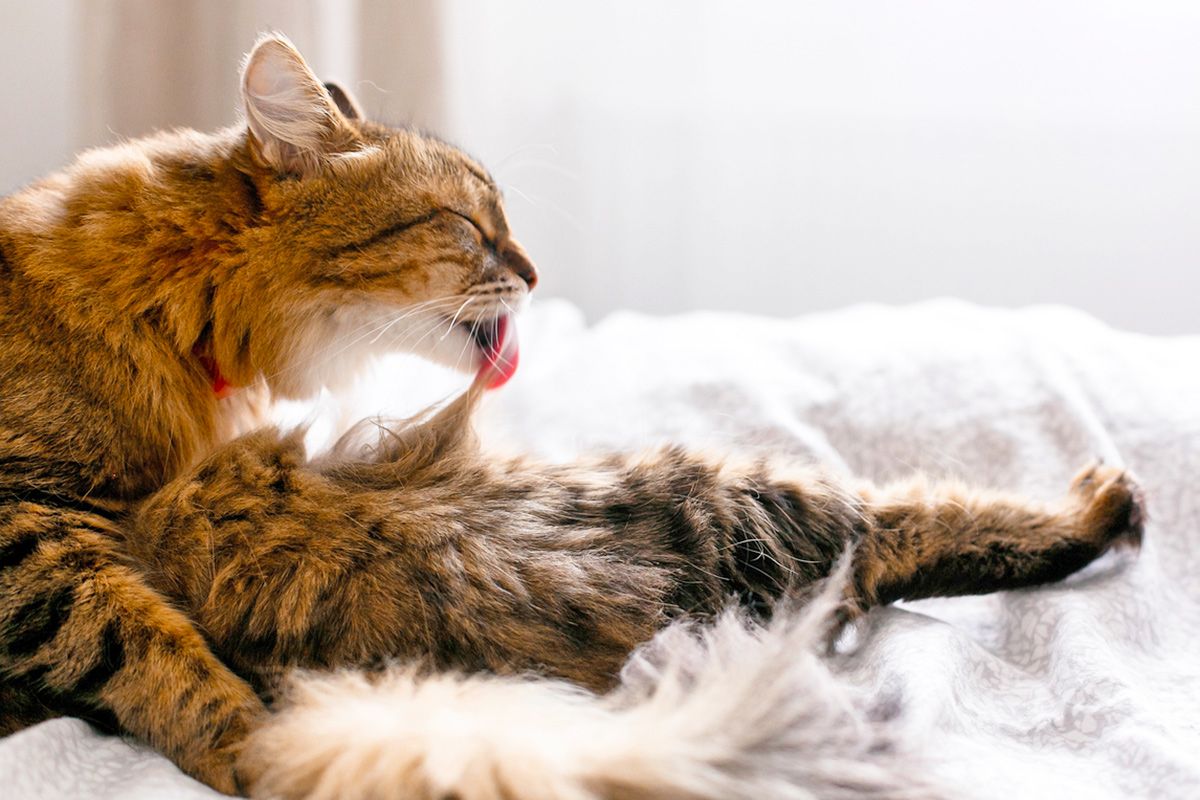
Domestic cats spend up to half their waking hours grooming themselves, a behavior that has both health and social benefits. Their barbed tongues clean away dirt, dust, dead skin cells, and other debris, which is why cats generally don’t need to be bathed by their owners. Undomesticated cats frequently groom themselves as well, because it removes odors that could attract predators in the wild.
Grooming also plays a key role in cats’ social behaviors. They often groom each other in a bonding behavior known as “allogrooming,” which is observed in many mammalian species, including chimpanzees. You may even find your cat licking you — not just for attention, but as a sign of affection. As a bonus, grooming is soothing for cats, helping them self-regulate stress after experiences such as visits to the veterinarian or time away from their human companions.
Credit: Fine Art/ Corbis Historical via Getty Images
Ancient Egyptians Mummified Their Cats
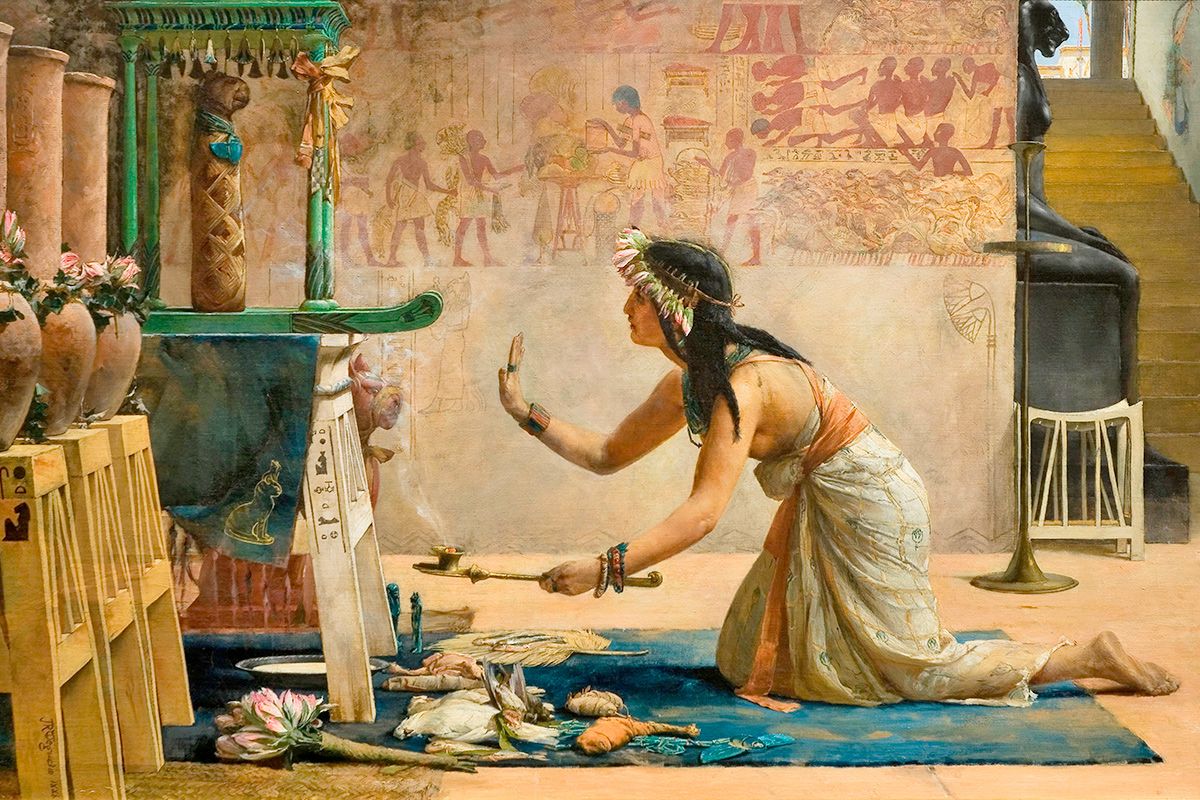
Cats have held a sacred place in human culture for millennia, and perhaps the best example of this is in ancient Egypt. What began as a practical alliance to protect grain stores evolved into spiritual reverence. Cats played many roles in ancient Egypt, serving as companions, protectors, and even divine beings. Many Egyptians viewed cats as talismans of good fortune, and some believed they were vessels gods chose to inhabit, as seen with the cat-headed goddess Bastet.
Cats were so cherished in ancient Egypt that humans chose to take them along to the afterlife as mummified companions. Evidence of their significance is found in tombs around Egypt, often alongside mummified mice as offerings for the cats. This practice reflected the Egyptian belief that the tomb was one’s eternal home in the afterlife, and for many, no home was complete without a cat.
Rachel Gresh
Writer
Rachel is a writer and period drama devotee who's probably hanging out at a local coffee shop somewhere in Washington, D.C.
Advertisement
top picks from the Inbox Studio network
Interesting Facts is part of Inbox Studio, an email-first media company. *Indicates a third-party property.
If you look at the anatomy of a wine bottle, you’ll typically see eight parts. From top to bottom, we have the closure (the cork or screw cap), capsule (the thin metal sheet that wraps around the closure), neck, shoulder, body, label, heel (the part that makes contact with the table), and finally, the punt.
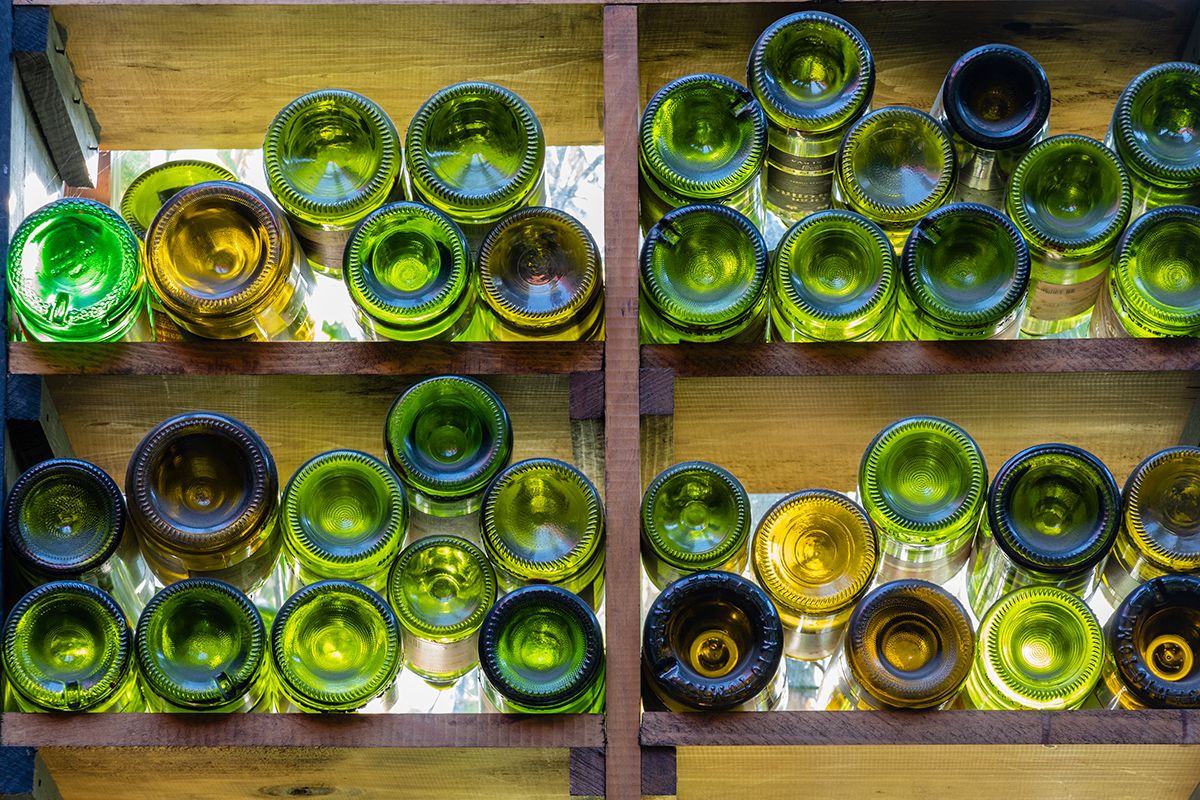
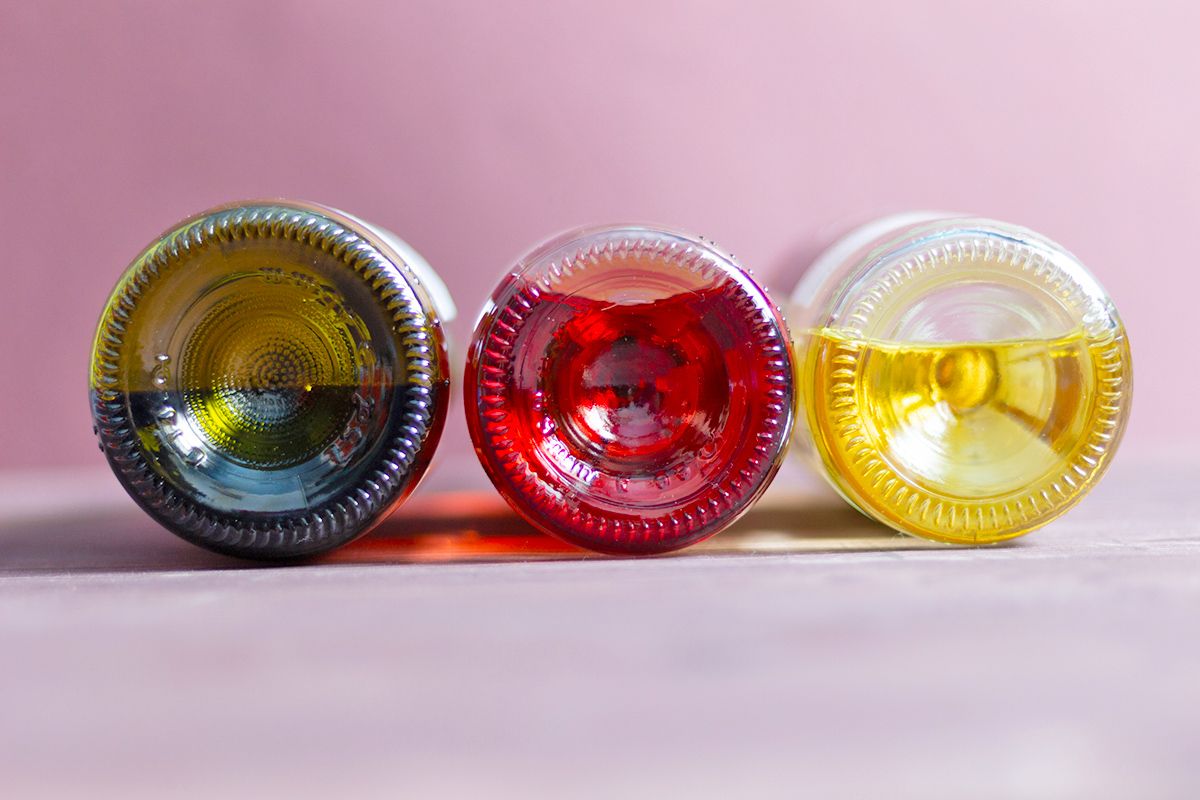
That last element is arguably the most curious. The punt is the indentation in the bottom of the bottle, found on wines across the world. Bottles have been designed with punts for centuries, and today some have deep, pronounced punts, some have shallow ones, and some have none at all. But why exactly does the punt exist, and does it serve any practical function?
Before the Industrial Revolution and rise of mass production, all wine bottles were crafted individually by skilled glassblowers. During this process, the glassblower would attach a metal rod called a pontil (or punty) to the bottom of the bottle to manipulate and shape the glass. When the blowing process was complete, the pontil was removed, but it often left behind a sharp, jagged scar known as a pontil mark.
That protrusion could make the bottle unstable and at risk of scratching a table surface or causing the bottle to break. So glassblowers pushed the pontil mark up into the bottle, making sure the container could stand upright with no sharp points on the bottom. This practice created the punt, which is still found on bottles centuries later.
While glassblowing techniques can explain the punt’s original presence, they don’t explain why machine-manufactured bottles still have these indents today. One explanation is they add to a bottle’s structural integrity, making the glass less likely to break when knocked against something or dropped. The Romans were famously fond of using arches in their aqueducts and bridges because they knew arches add strength by distributing weight through compression — and the indent in the bottom of a wine bottle is itself an arch.
Adding structural integrity to a bottle is particularly important for sparkling wines such as Champagne or prosecco. According to Wine Spectator, the pressure per square inch inside a bottle of bubbly is somewhere around 70 to 90 pounds — about double to triple the pressure in a car tire. The curved surface of the punt helps the bottle withstand this pressure without exploding, acting just like arches do in architecture to help distribute forces more evenly in the bottle.
While it may only be a happy coincidence rather than an intentional design choice, the punt also helps filter the sediment that may be present in natural red wines, older bottles of red, and vintage ports. The indent at the bottom of the bottle allows sediment to settle evenly, collecting in a ring around the base rather than forming a flat layer on the bottom. This makes it easier for sommeliers and oenophiles (the fancy name for wine aficionados) to pour their wine while leaving the sediment behind.
While punts continue to serve some practical purposes, their persistence in modern winemaking may have just as much to do with tradition and consumer perception. The depth of the indentation is often seen as a sign of quality and craftsmanship due to perceived links with traditional, high-end, and vintage wines. Some consumers — perhaps subconsciously — therefore associate a pronounced punt with a higher-quality product.
There may also be more advanced marketing trickery in play. A larger punt means more glass, which makes the bottle heavier, which again can be subconsciously connected with a higher-quality product. Having a more pronounced punt can also make the bottle appear larger, and if a potential buyer is comparing two bottles and one looks slightly larger, they may be more inclined to go with that one — despite both bottles being clearly labelled as 750 ml of wine.
Tony Dunnell
Writer
Tony is an English writer of nonfiction and fiction living on the edge of the Amazon jungle.
Advertisement
top picks from the Inbox Studio network
Interesting Facts is part of Inbox Studio, an email-first media company. *Indicates a third-party property.
In 1901, the Austrian immunologist and pathologist Karl Landsteiner made a breakthrough discovery: He found there were four major blood groups, which he classified in his ABO blood type system. Prior to his discovery, blood transfusions were incredibly risky and often fatal. Early attempts, including animal-to-human transfusions, frequently resulted in severe adverse reactions and were eventually banned across much of Europe.
Some human-to-human transfusions were successful, but not consistently, and doctors struggled to understand why. Landsteiner’s work cracked the code, making safe blood transfusions possible for the first time in history — an achievement for which he received the Nobel Prize in 1930.
Today, blood typing saves millions of lives. But what exactly is the science behind it, and what do the different blood types mean?
Our blood is made up of red blood cells, white blood cells, and platelets in a liquid called plasma. Our blood type, also known as our blood group, is determined by special proteins called antigens that sit on the surface of red blood cells. Landsteiner discovered that the nature of those antigens differs between people and that four main blood groups exist, which he defined as the ABO system.
If you have type A blood, your red blood cells carry A antigens. Type B blood has B antigens and type AB has both A and B antigens. Type O blood, meanwhile, has neither A nor B antigens. But the classification doesn’t end there.
In 1940, Landsteiner and his colleague A.S. Weiner discovered a second significant blood group factor based on the presence or absence of the Rh antigen, often called the Rh factor, on the cell membranes of red blood cells. Your blood type is classified as positive (+) if the Rh factor is present in your blood and negative (-) if it’s absent. Taken together, this creates the eight common blood types: A positive, A negative, B positive, B negative, AB positive, AB negative, O positive, and O negative.
Everyone inherits their blood type from their parents, just like eye color, height, handedness, and freckles. Blood types follow simple inheritance rules: Each parent gives you one blood type gene, and the combination determines your blood type. The genes for A and B blood types are codominant — in other words, they dominate equally — while the gene for blood type O is recessive.
So if you inherit an A gene from one parent and an O gene from the other, you’ll have Type A blood because A is stronger. You need two O genes (one from each parent) to have Type O blood. If you receive both A and B genes, you’ll have Type AB blood since both are equally strong.
Globally, the most common blood type is O positive, with more than a third of the population sharing it, followed by A positive. The rarest of the standard blood types are AB positive (2% of the population) and AB negative (1%), which can make finding a match difficult in some cases.
Rh status is also inherited from our parents, albeit separately from our blood type. If you inherit the dominant Rh antigen from one or both of your parents, then you’re Rh-positive (about 85% of the population). If you don’t inherit the Rh antigen from either parent, then you’re Rh-negative — and therefore your blood type will be negative.
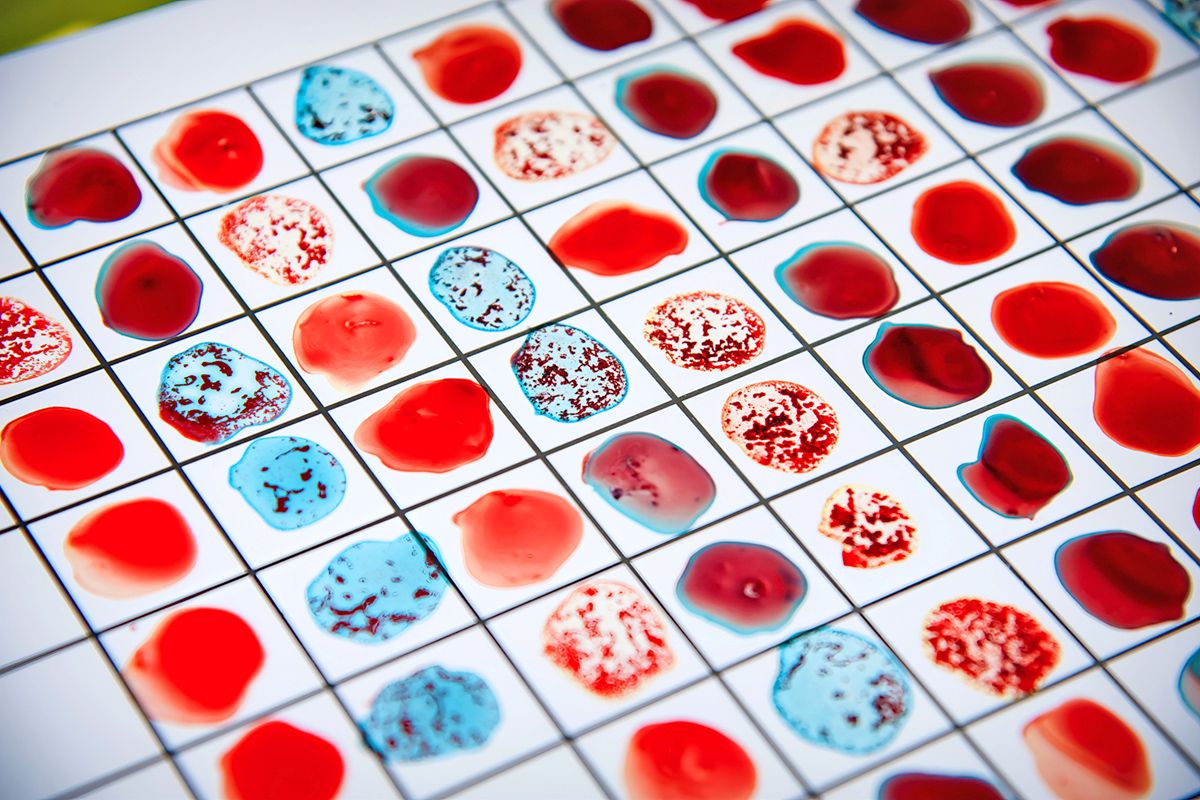
Blood type compatibility is crucial for enabling safe medical procedures. Before the discovery of blood types, blood transfusions that weren’t a match could result in clumping, or agglutination, of red blood cells. Those clumps could block small blood vessels throughout the body, depriving tissues of oxygen and nutrients, causing numerous problems and even fatality.
Receiving blood from the wrong ABO group can be life-threatening because antigens present on red blood cells can trigger an immune response if they’re not compatible. For example, if someone with group B blood is given group A blood, their anti-A antibodies will attack the group A cells.
The exception to this is type O, as those red blood cells don’t have any A or B antigens. Type O negative, specifically, can safely be given to any other blood type because it’s compatible with all groups. This is why people with O negative blood are considered “universal donors” (in the U.S., only about 7% of the population are O negative) and also why, during medical emergencies when the blood type is not immediately known, doctors will often use O negative blood.
Conversely, people with O positive blood can only receive transfusions from O positive or O negative blood types, because their anti-A and anti-B antibodies would attack any donor blood with A or B antigens. The only blood type that can receive blood from any other type is AB positive, which is therefore known as the universal recipient.
Tony Dunnell
Writer
Tony is an English writer of nonfiction and fiction living on the edge of the Amazon jungle.
Advertisement
top picks from the Inbox Studio network
Interesting Facts is part of Inbox Studio, an email-first media company. *Indicates a third-party property.
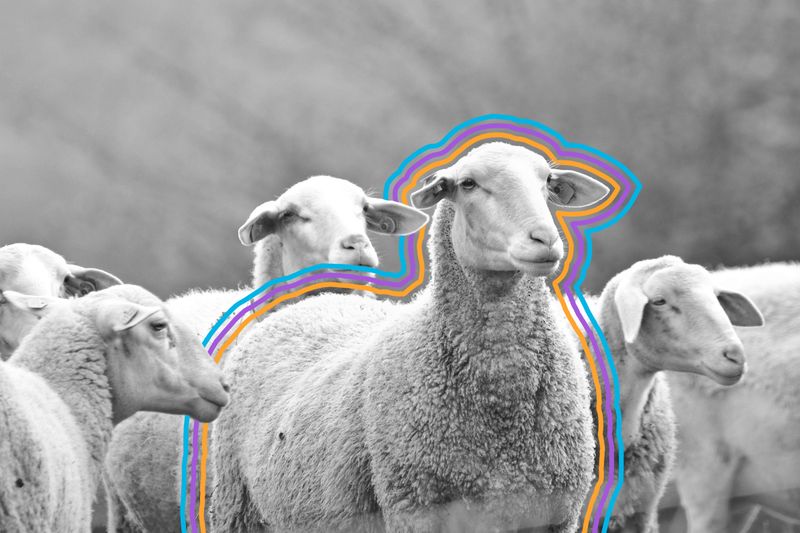
Sheep are fascinating animals. They’ve played a pivotal role in human history, from the early days of domestication to more recent scientific advances in the world of cloning.
These woolly animals also boast unique genetic features, experience a complex range of emotions, and are just plain cute to boot. Here are six ewe-nique facts about sheep that will make you see them in a new light.
Sheep, along with goats, are believed to be the earliest livestock ever domesticated. This groundbreaking agricultural advancement occurred around 10,500 years ago in the Fertile Crescent region of Mesopotamia, an area that includes parts of modern-day Iran, Iraq, Turkey, and other countries.
It’s theorized that domesticated sheep are genetically derived from the wild Asiatic mouflon and Bezoar ibex, which were selectively bred to produce a domesticated animal that could be farmed for its meat. This remained the primary purpose of sheep for millennia, as they weren’t selectively bred for wool until approximately 6000 BCE.
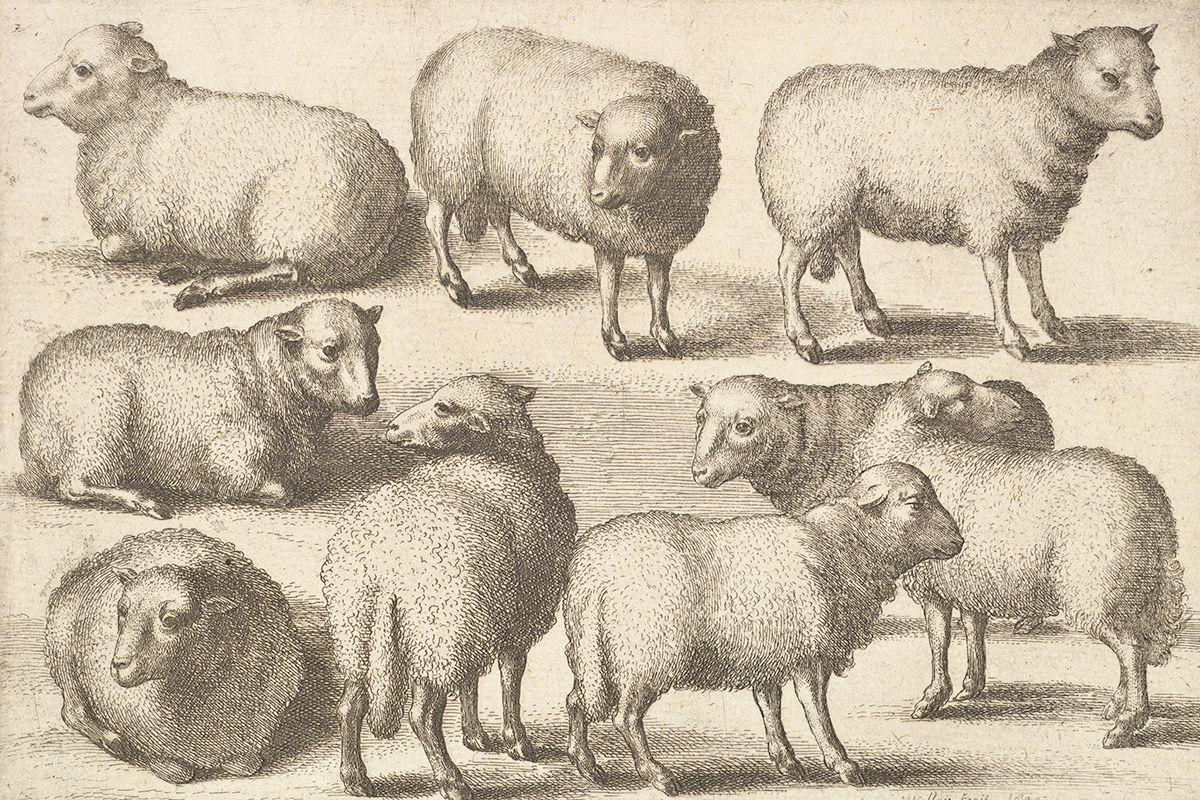
Prior to being selectively bred for their wool, early sheep were hairy (not fluffy), smaller than a typical sheep today, and sometimes had prominent horns. Sheep came to physically resemble the animals we know today no later than 3000 BCE, as evidenced by drawings from Mesopotamian and Babylonian art books of the era.
Domesticated sheep eventually migrated to other continents, making their way into Africa via the Sinai Peninsula between 7,575 and 7,075 years ago. Data shows domesticated sheep arrived in Europe via southwestern France by around 5000 BCE, and they were later brought to the Americas during Christopher Columbus’ second voyage in 1493.
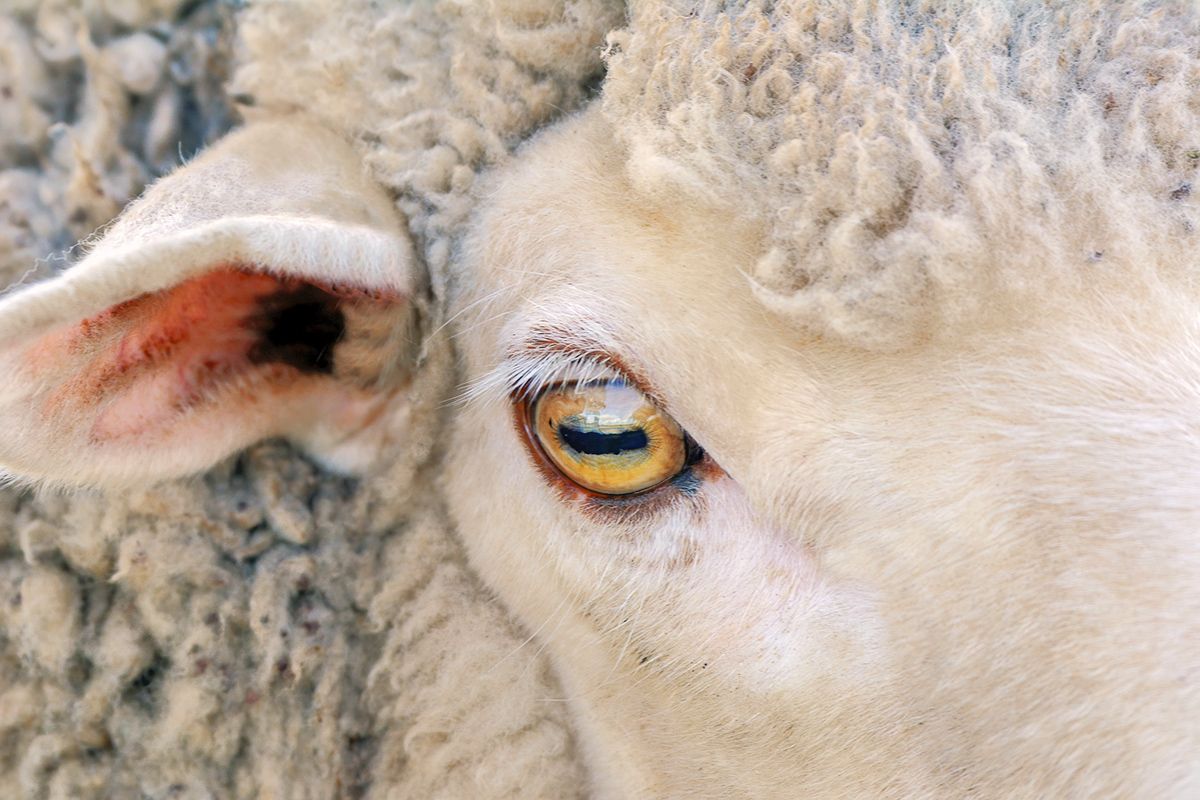
Unlike the circular pupils seen in humans and most animals, sheep’s pupils are rectangular (as are goat’s). This odd optical quirk actually functions as a useful defense mechanism: The horizontal pupils increase the animal’s peripheral vision. Most sheep can see 270-320 degrees horizontally — by comparison, humans with normal vision can only see about 160-180 degrees horizontally without moving their head. In practice, this greater field of vision allows sheep to easily spot potential predators while they have their heads down grazing in a field.
Sheep also experience a concept called “cyclovergence.” In layman’s terms, this means a sheep’s eyeballs can rotate to be parallel to the ground at all times, keeping their pupils horizontal instead of vertical. This is ideal for monitoring the surrounding environment, as sheep largely have to worry about predators running up on the ground and not diving down from above.
A Sheep Was the First Mammal Cloned From Adult Cells
Sheep have played an important role in the study of cloning, starting in 1984, when a U.K.-based research team cloned a sheep from an embryo cell. In 1995, researchers at Edinburgh’s Roslin Institute cloned two sheep named Megan and Morag, and six more sheep were cloned from embryonic and fetal cells the following year.
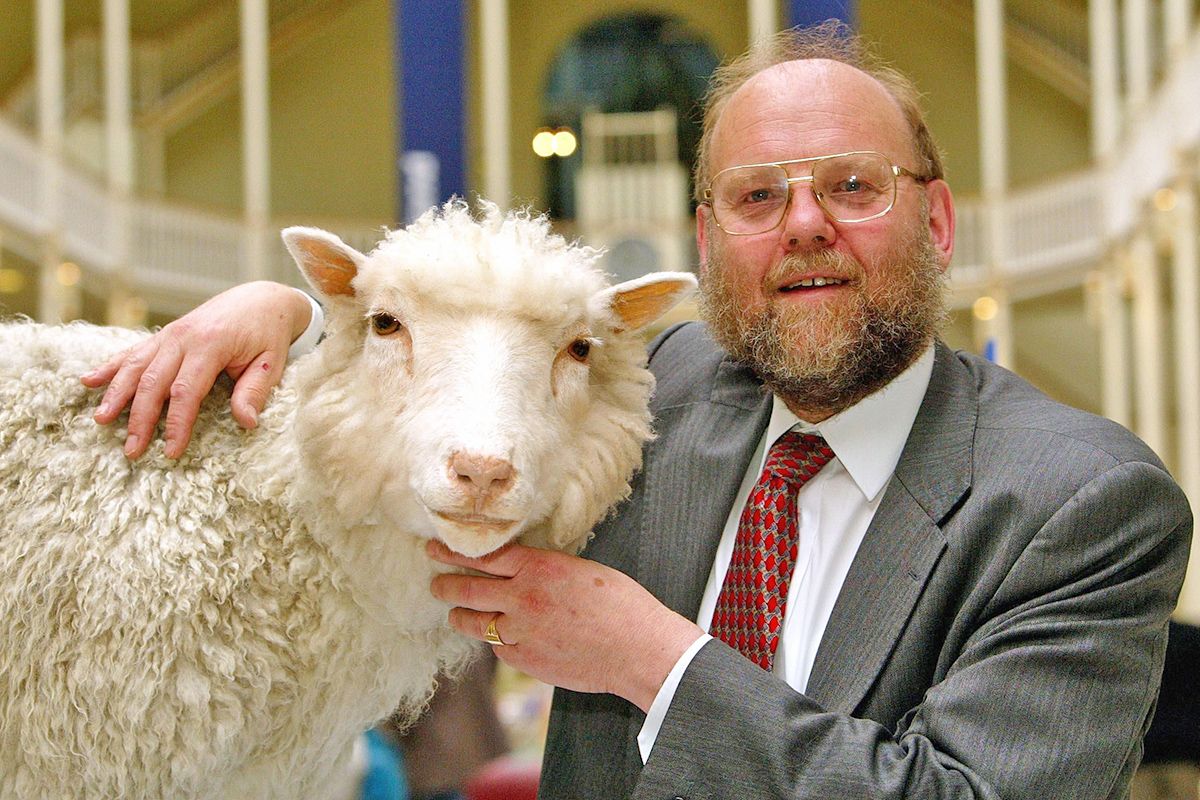
Using embryonic cells was thought to be essential at the time, as they contained all the genetic data necessary for creating a new creature. Then in 1996, the cloning world was turned on its head with the creation of Dolly the sheep, named after country music superstar Dolly Parton. Dolly was born at the Roslin Institute on July 5, marking the first time a mammal was successfully cloned using an adult cell instead of an embryonic one.
Prior to this, researchers assumed adult cells only contained genetic data relevant to the part of the body it came from. But Dolly — who was created using a single adult mammary cell — proved that adult cells contain the necessary genetic data to produce an entire animal and not just one part of the body.
Sheep are highly perceptive creatures, so much so that they can recognize humans, even in images taken of the same person at different angles.
In a 2017 study conducted by the University of Cambridge, researchers showed sheep pictures of various celebrities such as Barack Obama and Emma Watson. The animals were then shown the images alongside similar-looking people as well as images of the celebrities taken at various angles. In the end, the sheep were able to successfully identify the celebrity they’d been trained to recognize eight out of 10 times.
The study also showed that sheep could also recognize photographic portraits of their handlers compared to similar-looking strangers without any prior training.
In a dental sense, sheep are just about the opposite of beavers, as they lack upper front teeth. All told, sheep have eight incisors on the front lower jaw plus 24 molars, but nothing on the front and center of the upper jaw.
Instead, sheep have a “dental pad,” which is a thick, tough, fibrous layer of tissue that helps them graze on forages such as grass and hay. When eating, sheep press their lower teeth against the dental pad to grip and sever blades of grass, which they then use their molars to grind down.
This trait is present in most ruminants — a suborder of mammals that includes giraffes and cows in addition to sheep. As sheep age, they tend to develop what’s known as a “broken mouth,” in which their lower incisors either bend or fall out. Even when that happens, sheep can use the hard gums on their upper and lower jaws to grip and eat grass and other nutritious fibers.
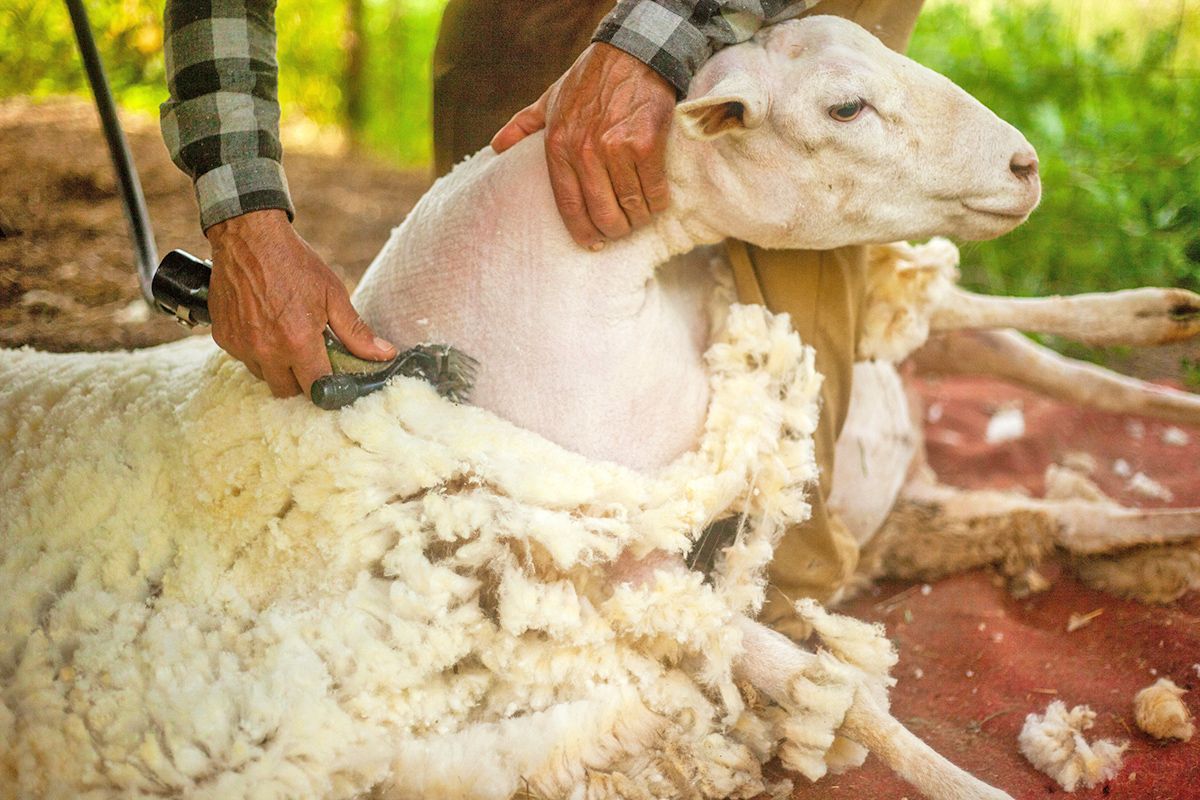
More than 1.7 million metric tons of shorn wool are produced worldwide each year, an estimated 90% of which comes from domesticated sheep, with animals such as goats, rabbits, and alpacas accounting for the remaining 10%. Wool-producing sheep also make up the vast majority of sheep species — roughly 90%.
The average wool-producing sheep produces just under 10 pounds of wool annually, which, according to the International Wool Textile Organization, equals enough material for six sweaters or enough fabric to cover a large sofa.
But beyond the average numbers, sheep can produce anywhere between 2 to 30 pounds of wool each year — a range that’s largely due to genetics, as some breeds produce more wool than others. For instance, Delaine Merino sheep are highly regarded for producing high-quality wool, and lots of it.
Bennett Kleinman
Staff Writer
Bennett Kleinman is a New York City-based staff writer for Inbox Studio, and previously contributed to television programs such as "Late Show With David Letterman" and "Impractical Jokers." Bennett is also a devoted New York Yankees and New Jersey Devils fan, and thinks plain seltzer is the best drink ever invented.
Advertisement
top picks from the Inbox Studio network
Interesting Facts is part of Inbox Studio, an email-first media company. *Indicates a third-party property.
Have you ever wondered why food looks so much more appealing in commercials than it does in real life? The difference is largely due to the work of food stylists — professional chefs who cook for the cameras, whether in commercials, television shows, movies, or digital and print ads.
Stylists have a wide range of tools in their arsenal to give on-screen dishes a visual boost — including sometimes using fake food. From painted hamburgers to ice cream that never melts, here are six fascinating techniques food advertisers use to make their dishes look irresistible.
Fast-food burgers may not live up to the expectations set by their advertisements, and that’s because those on-screen versions are often inedible.
The production company The Garage revealed its secrets for creating mouthwatering burgers and other foods to Business Insider during a behind-the-scenes test shoot for Burger King. To create the perfect burger, food stylists start with a real patty, but that patty isn’t cooked on a traditional fast-food grill.
First, it’s partially cooked in a skillet, leaving the inside raw to prevent shrinkage. A mixture of pulverized meat and Vaseline is used to fill any gaps in the patty. Then, to achieve a rich, grilled look, it’s painted with a mixture of gravy, darkener, and soap — though most food stylists use their own custom blend.
Once the patty is the right color, grill marks are added using heated metal skewers to create perfectly spaced lines. When it’s time to add cheese, a clothes steamer provides the right amount of heat and moisture for a deliciously melted look. Finally, the burger is finished off with other toppings, all fixed together with denture cream for a picture-perfect shape.
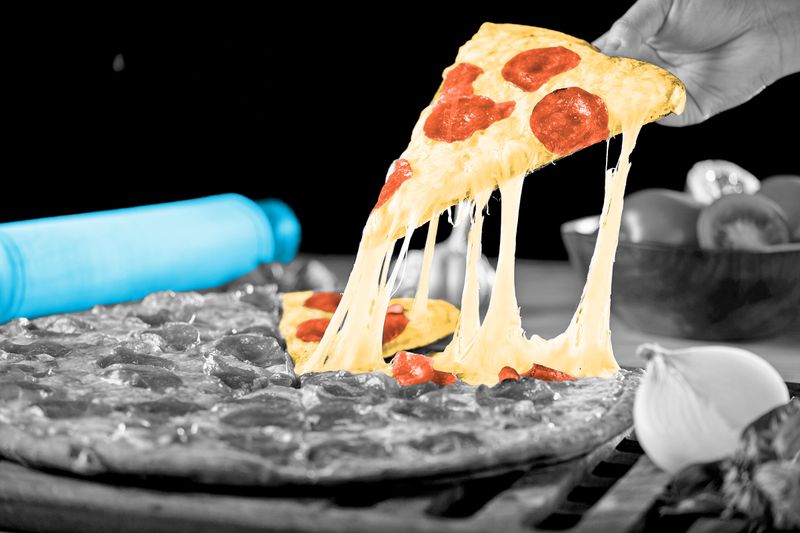
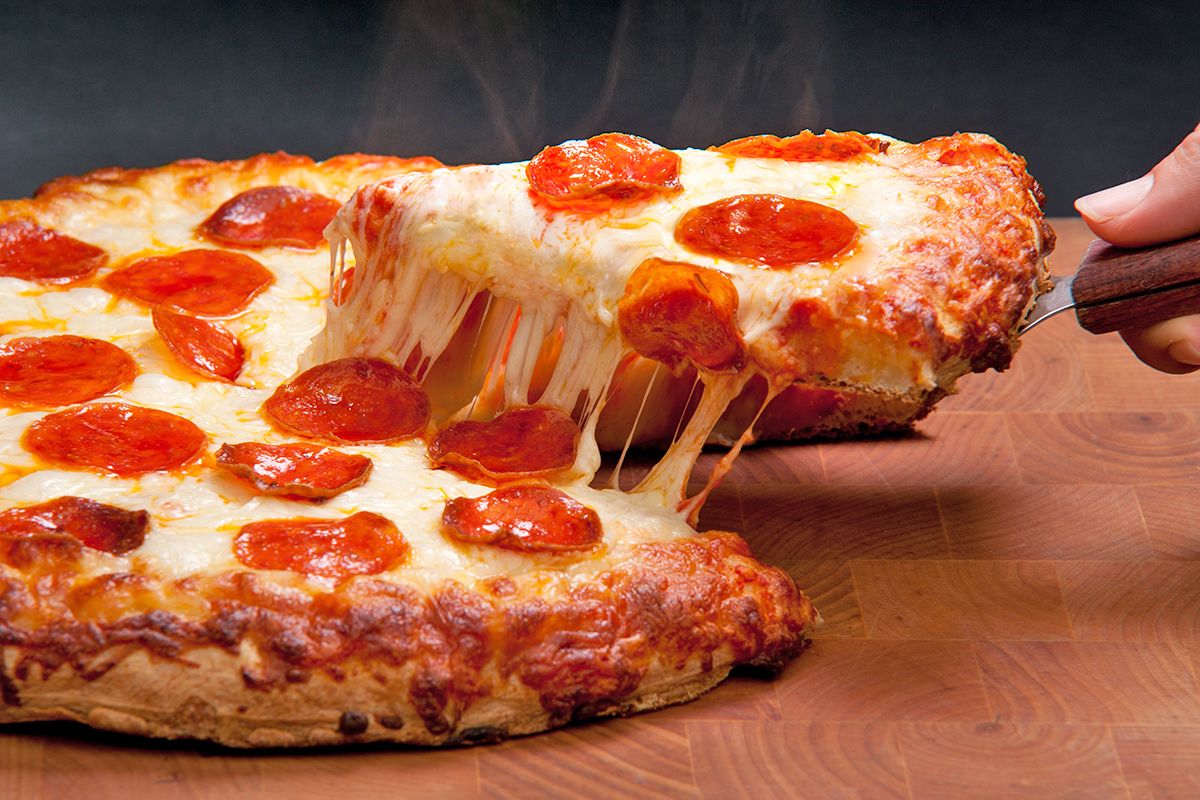
That gloriously gooey “cheese pull” you see in pizza commercials is no accident. Chef and food stylist Lish Steiling explained the mechanics of this effect to Vanity Fair using a Pizza Hut shoot as an example. And the process is quite different from the way a traditional pizza is made.
Food stylists begin by baking a plain pizza crust without any toppings before cutting it into the desired slice shapes for the shoot. Only after that do they add the toppings and cheese. This clever method prevents any cutting through the freshly melted cheese, which preserves that dramatic, satisfying stretch.
Steiling emphasizes that the best cheese to use for this trick is fresh mozzarella, as pre-shredded cheeses contain anti-caking agents that can hinder the desirable look. As she explains, “It gives you that amplified stretch that you want in a commercial.”
And here’s another saucy secret: Paper towels are sometimes tucked between the tomato sauce and the cheese to prevent the sauce from leaking and ruining the cheese pull.
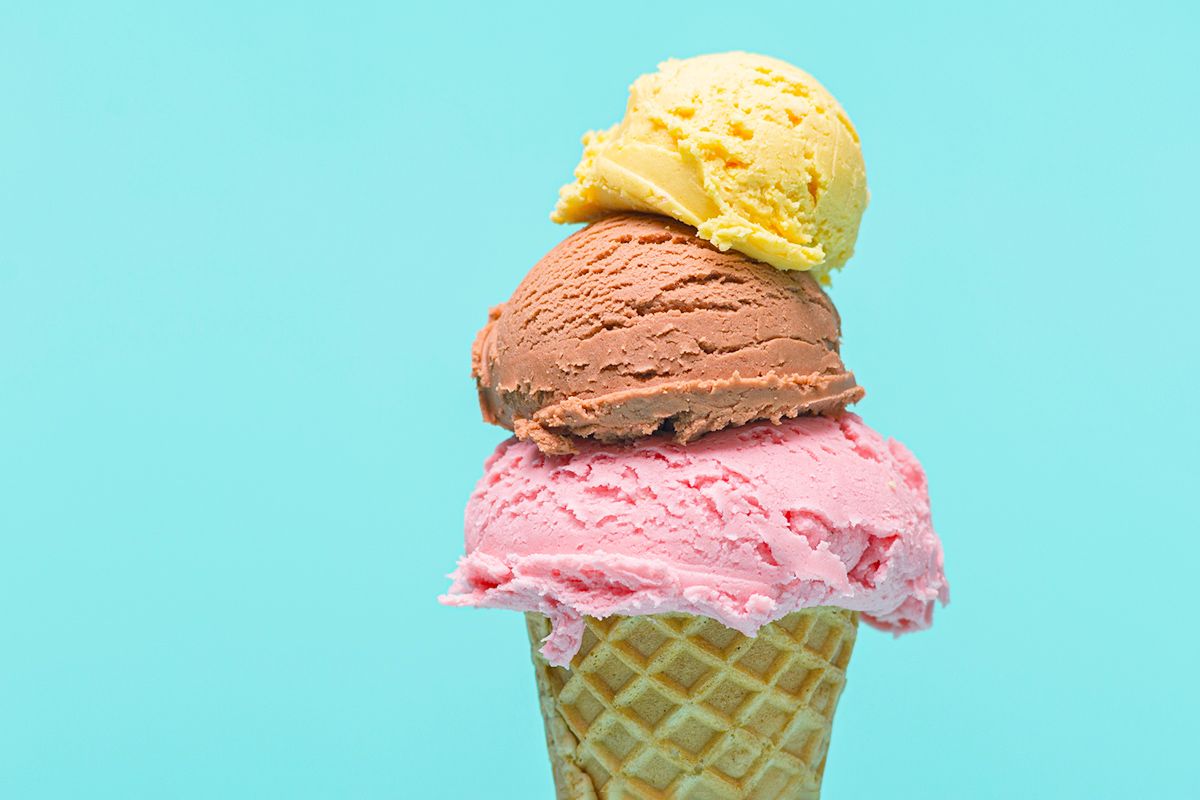
Ice cream can melt within minutes under hot studio lights, so savvy stylists have had to devise some clever, edible alternatives for this sweet treat. Food stylist Diana Jeffra, who specializes in commercials and food packaging, shared some of her top secrets with Good Morning America, including an interesting hack for creating “ice cream.”
Instead of racing against the clock, Jeffra buys production more time by using food products that don’t melt. She says, “Overall, I like to use real products and real food as much as I can, but sometimes you need to improvise.” Her recipe for creating a few perfect scoops of “ice cream” consists of two tubs of ready-made frosting and one pound of powdered sugar. The result is a creamy, scoopable texture that looks identical to real ice cream but holds its shape for hours.
Food stylists, including Jeffra, often need to replicate other tricky dairy products as well. Her faux chocolate milkshake, for instance, is made by mixing chocolate syrup and instant mashed potatoes. This thick mixture tricks viewers into believing they’re really looking at a delicious frosty milkshake on their screen instead of a rather unappetizing concoction of chocolate-flavored potatoes.
Delicate foods are challenging to work with, especially on film; Hollywood food stylists not only need to prepare those foods, but they also must do so in large quantities due to the multiple takes required during filming.
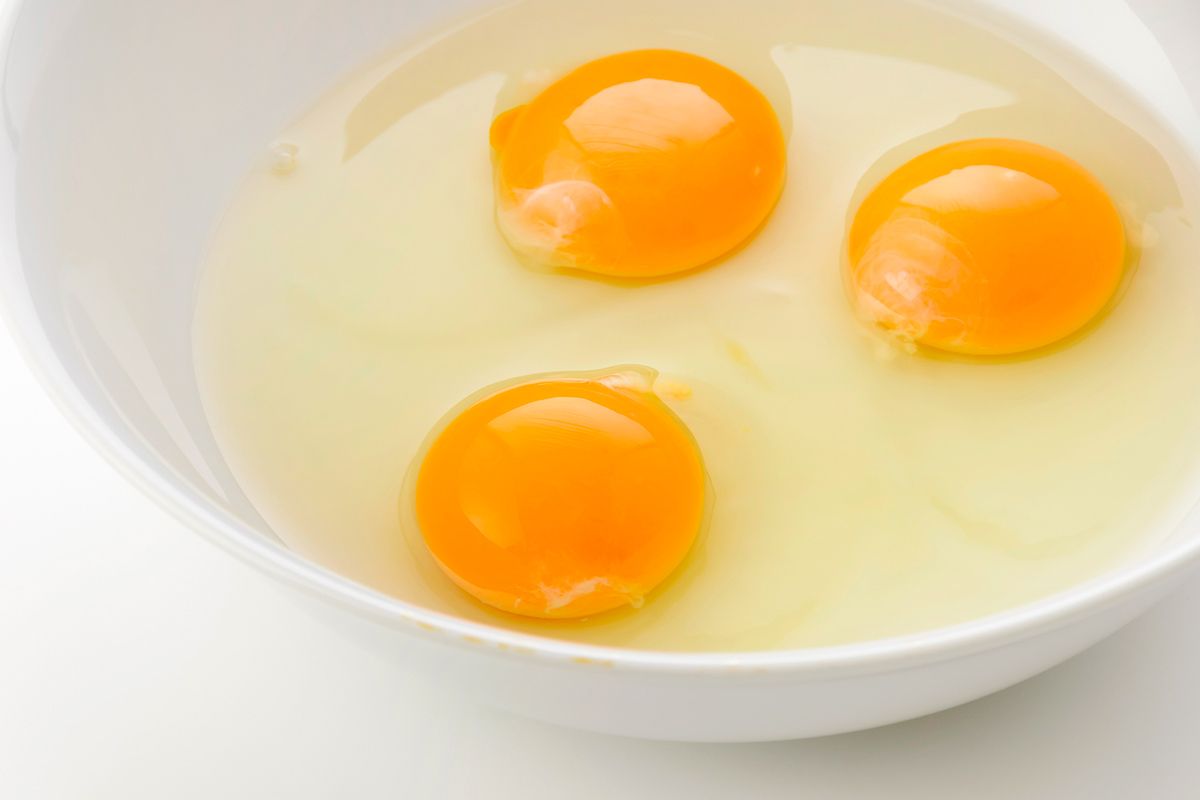
For example, in the horror movie Midsommar, chef andfood stylist Zoe Hegedus had to create hundreds of dishes featuring egg yolks for an outdoor festival scene, but using real yolks posed several challenges. They dried out quickly under the hot sun, several cast members were also allergic to them.
To mitigate those issues, Hegedus got creative by shaping a mixture of mango and orange into frozen spheres, which she then dropped into a special solution to form a thin membrane around them, replicating the glossy look of a real egg yolk. The difference between the real and fake yolks is undetectable on screen.
Another food styling trick Hegedus used during filming involved spraying a mixture of water and oil on foods, such as the vegetables and fruits surrounding the egg yolks in the festival dish, to help them appear fresher for longer — a trick that’s a go-to for many food stylists.
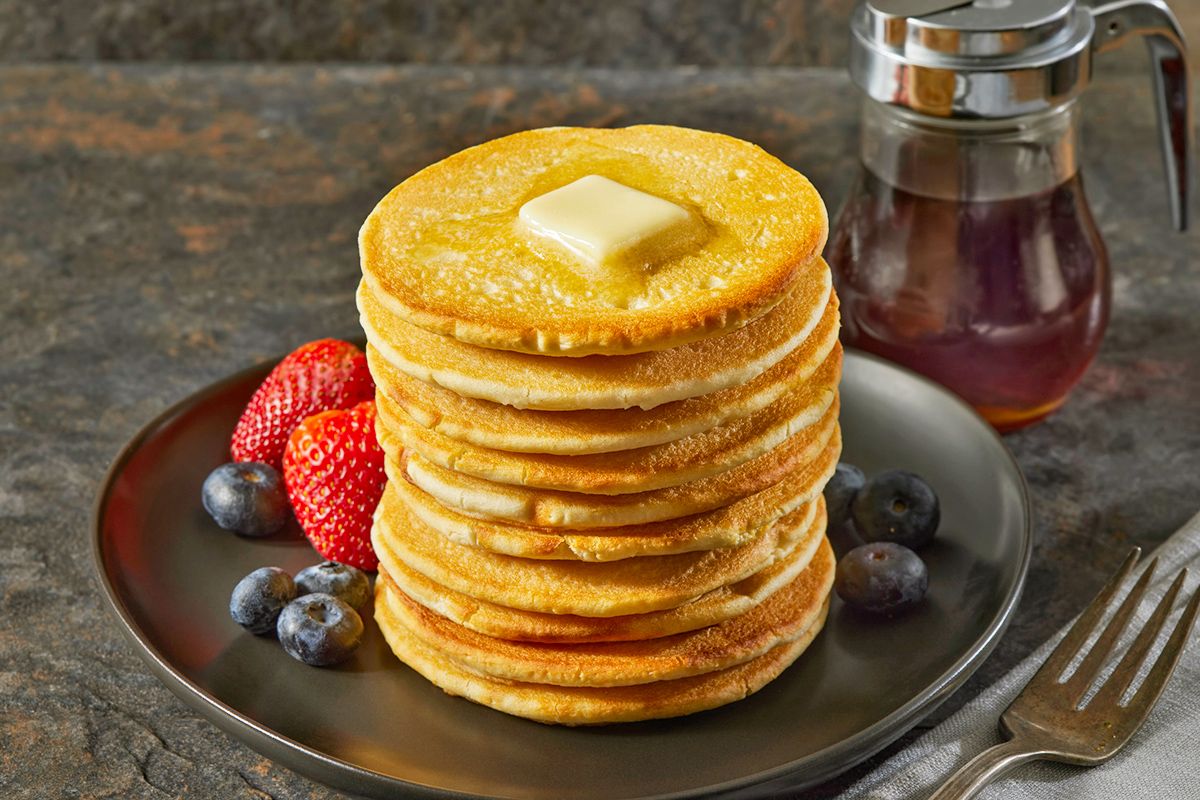
No one likes a mushy pile of pancakes, and writer andfood stylist Lisa Bolton has shared some of her best tips for capturing the perfect stack. One particularly effective technique many food stylists use is layering with cardboard.
Bolton recommends cutting small discs to place between each pancake (the trick also works for waffles and crepes) to create a perkier, sturdier stack. This method works best with cold pancakes, as hot foods tend to sag.
Bolton also suggests adding dry toppings such as powdered sugar, fruit, and nuts first. It’s best to wait to add wet toppings including syrup and whipped cream until just before shooting to avoid a melted, soggy mess.
Rachel Gresh
Writer
Rachel is a writer and period drama devotee who's probably hanging out at a local coffee shop somewhere in Washington, D.C.
Advertisement
top picks from the Inbox Studio network
Interesting Facts is part of Inbox Studio, an email-first media company. *Indicates a third-party property.