
Original photo by AYO Production/ Shutterstock

When we dine out, we’re in search of a great meal at a fair price. However, many restaurants operate on thin profit margins, especially in recent years with rising ingredient costs and a sluggish labor market. To attract and retain customers — and get them to spend as much as possible — restaurant owners employ a variety of strategies, from adjusting the ambience to how they design their menu. Such tactics can be essential for staying afloat in a competitive industry where a bad year, or even a few slow months, can mean the difference between a restaurant remaining open or closing their doors for good. While these practices aren’t dishonest — many are practical and based on common sense — they can involve subtle psychological manipulation designed to influence your perception, improve your experience, and increase your spending.  

From the layout of the menu to the brightness of the lighting and the tempo of the music, here are five tricks restaurants use to make us spend more.
Credit: Syda Productions/ Shutterstock

They Use Menu Psychology

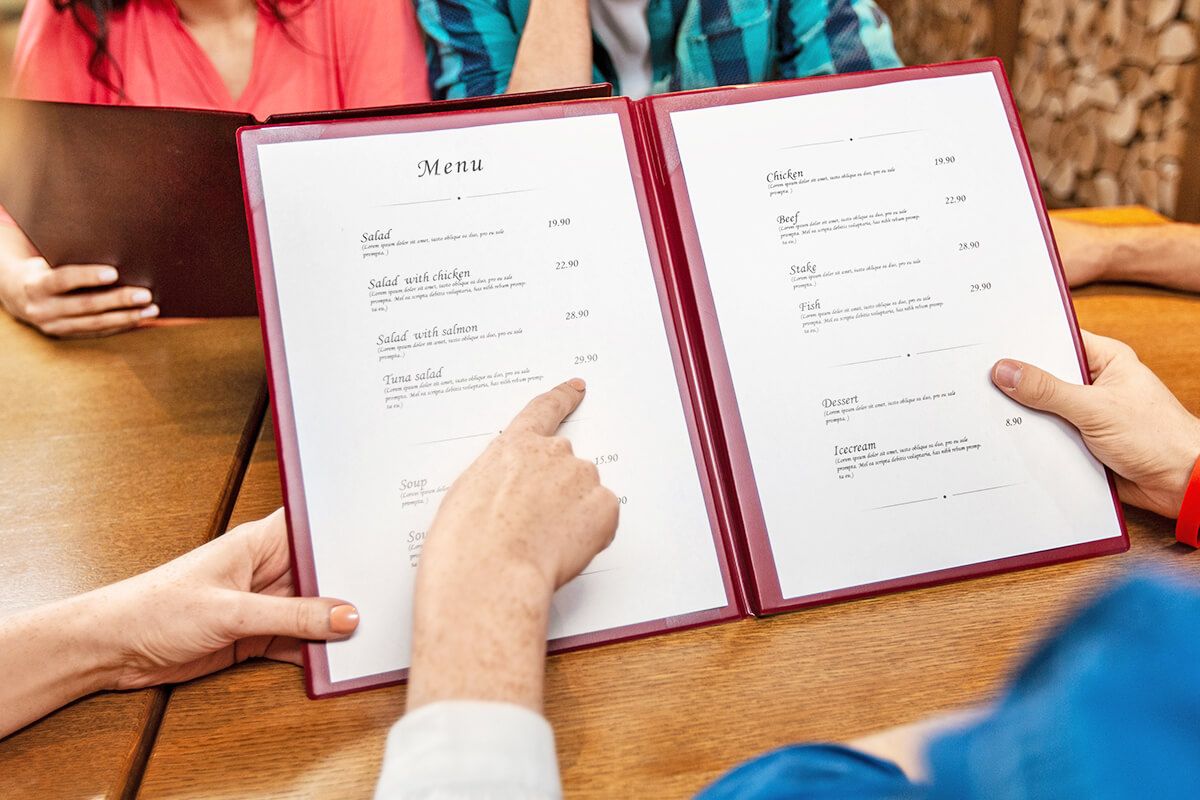
What catches your attention when you read a menu isn’t coincidence – it’s science. Every element of a menu is carefully chosen and research-based, from what colors are used to how many menu items are offered. For example, restaurant menus that feature appetite-stimulating colors such as orange, red, and yellow can effectively pull a customer’s eye to certain areas of the menu. The menu’s color scheme, such as blue for a seafood restaurant or green for a farm-to-table experience,  can also help define the restaurant’s brand and subconsciously build anticipation for the meal.

When it comes to the number of dishes offered, research suggests that fewer is better and that seven dishes per section is the magic number. Limiting the number of items offered keeps diners from feeling overwhelmed by choice and helps guide them toward specific, often high-profit-margin selections. This careful balance is designed to craft a menu that’s visually appealing and simple to read in order to enhance your dining experience.
Credit: tomazl/ iStock

They Know the Power of Buzzwords

Restaurants also use psychology to entice diners and encourage higher spending through the use of buzzwords. We typically ignore outrageous claims such as “the world’s finest ingredients” or “the best steak you’ve ever had,” but our interest may be piqued by appealing adjectives that spark the imagination and promise an elevated dining experience, such as “grass-fed,” “fire-roasted,” and “stone-ground.”

Detailed and engaging menu descriptions can also create a unique narrative and influence diners in a variety of profitable ways. We may feel nostalgic when we read a description of an apple pie that starts with a “golden, flaky crust just like Grandma used to make.” Our sense of adventure may be stimulated by a free-range chicken dish “marinated in sun-drenched spices from the Mediterranean.” Alternatively, we might be drawn to the familiarity of a beloved brand name, such as “a creamy and decadent Oreo cheesecake.”
Credit: Moonstone Images/ iStock

They Charm Us With Strategic Prices

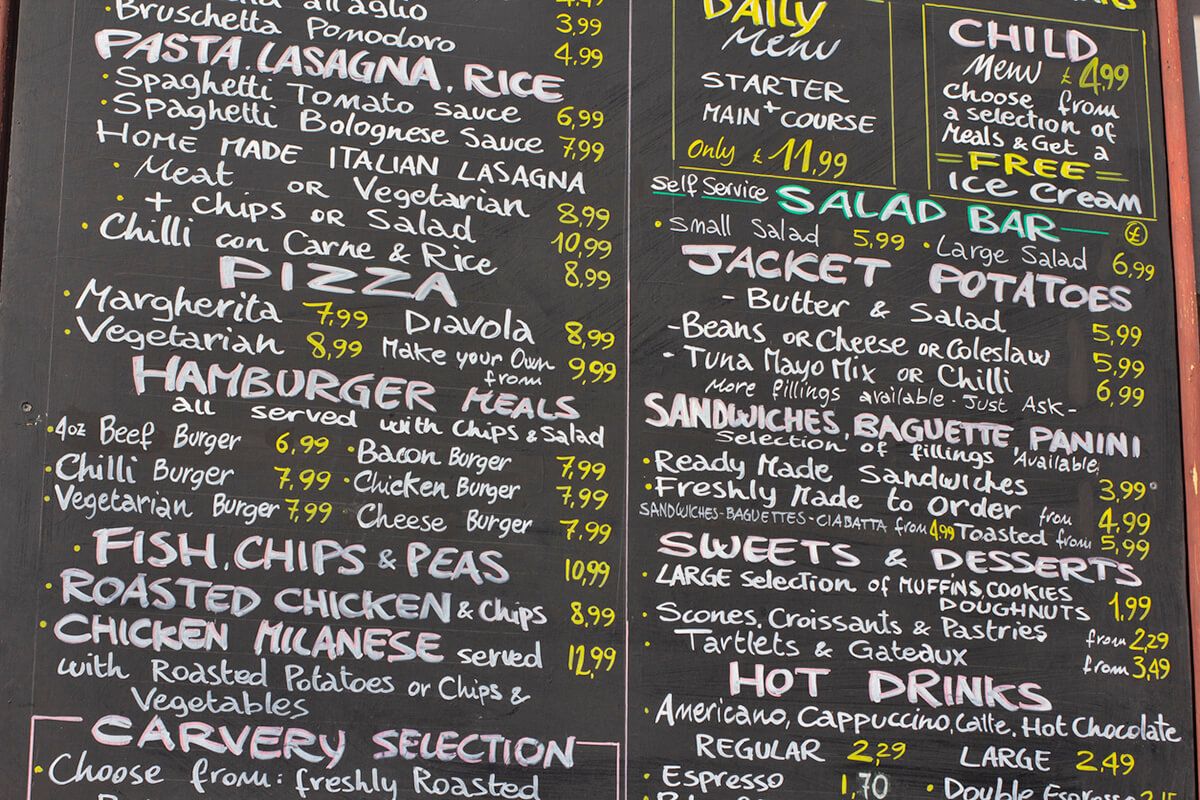
We have a lot of options when it comes to where we dine, so restaurants do their best to make sure their prices are competitive. They also employ psychological tactics when listing the prices of menu items, such as the common practice of not using currency signs. For instance, a salad that costs nine dollars might be listed as “9” rather than “$9.00.” Some restaurants even spell out the prices of menu items, which research shows can encourage people to spend up to 30% more.

Restaurants also use strategic pricing techniques to appeal to customers. Rather than listing prices in a column next to menu items, which forces you to compare prices, the cost of dishes will be listed directly below the description of the dish and in the same font. This directs your attention to the description and encourages you to skim over the price. When we do notice the price, it may be in the form of charm pricing, or left-digit effect, a technique businesses use to create perceived value. When a menu item is priced for $9.99 instead of $10.00, the brain reads the number nine first and interprets the cost of the dish as nine dollars.
Credit: Ezume Images/ Shutterstock

They Use the Decoy Effect

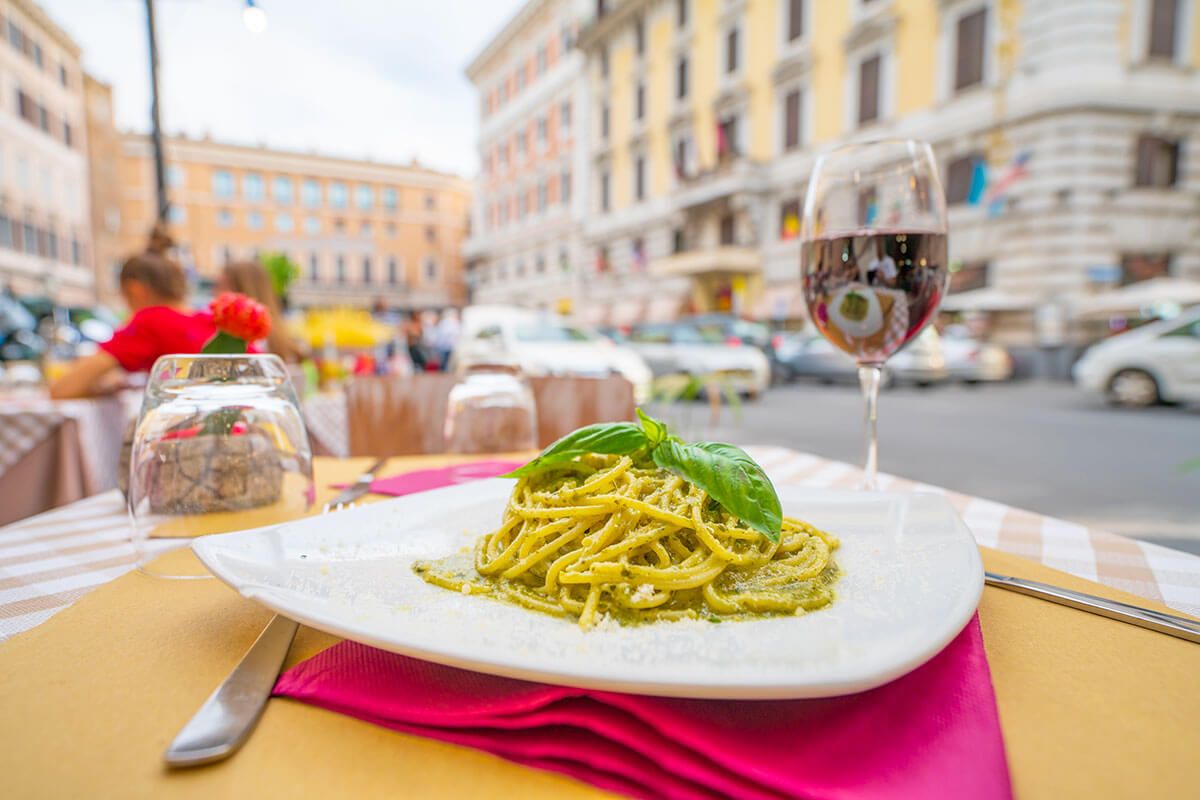
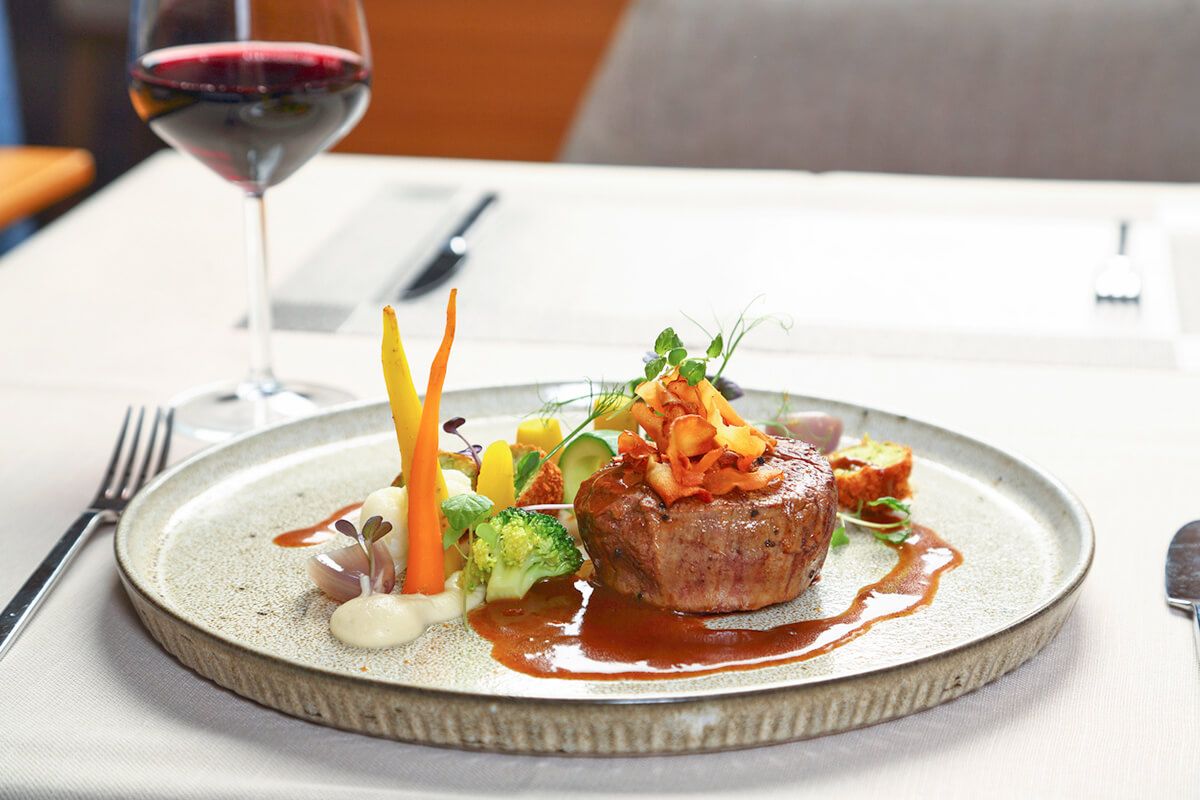
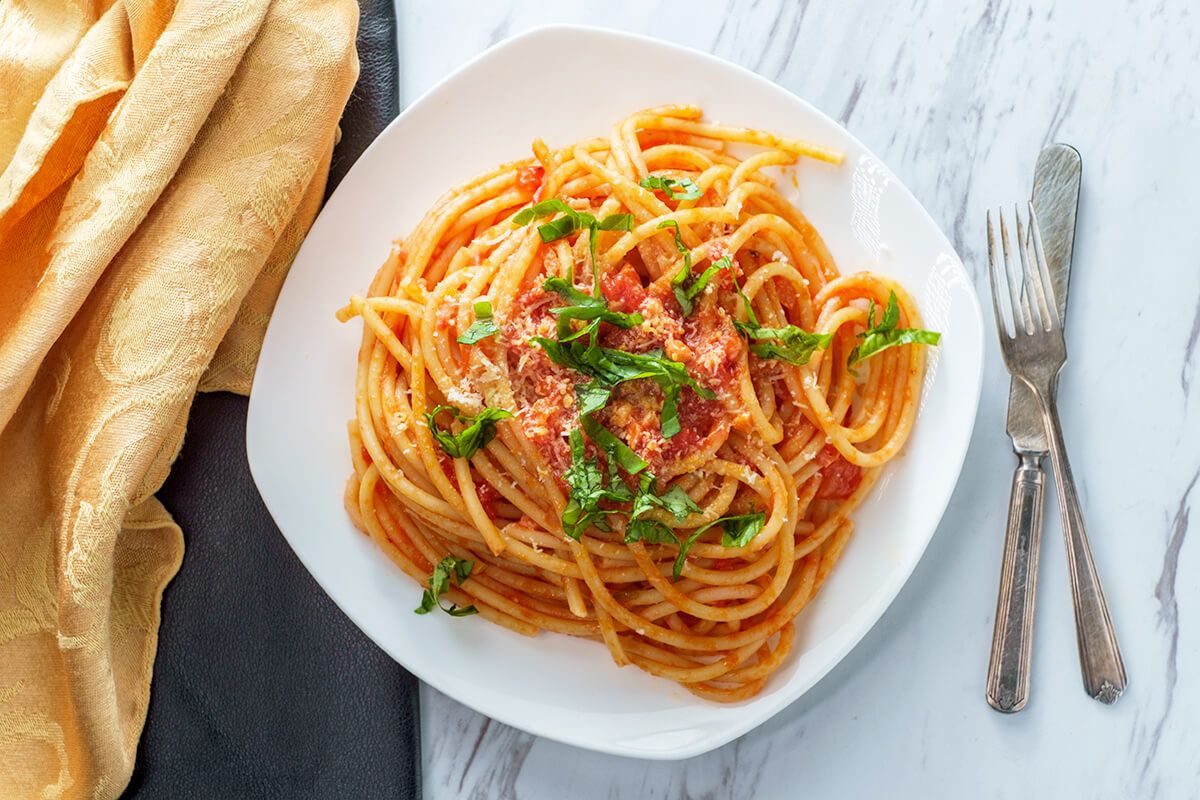
In the restaurant industry, a high-profit-margin item is one that’s low-cost to make but that’s priced relatively high by comparison, resulting in a significant profit margin. For example, a pasta dish such as spaghetti with marinara sauce is inexpensive to prepare, but restaurants can charge a premium due to presentation and perceived value. To attract your attention to these profitable items, restaurants will often list them on the menu near a much more expensive “decoy” item.

Restaurants know most people likely won’t order the most expensive entrée on the menu, but they do expect you to notice how expensive it is. Known as the decoy effect, this psychological trick can make us spend more than we intend because we make our decision based on what seems like the more reasonable choice. For instance, when a high-profit item such as the aforementioned pasta dish is placed near a decoy item, such as a wagyu beef dish, the pasta dish seems even more appealing — and affordable. A couple well-placed high-ticket items on a menu can actually convince people to spend more than they would if every item was around the same price.
Credit: dauf/ Shutterstock

They Create An Ambience That Makes Us Want to Linger

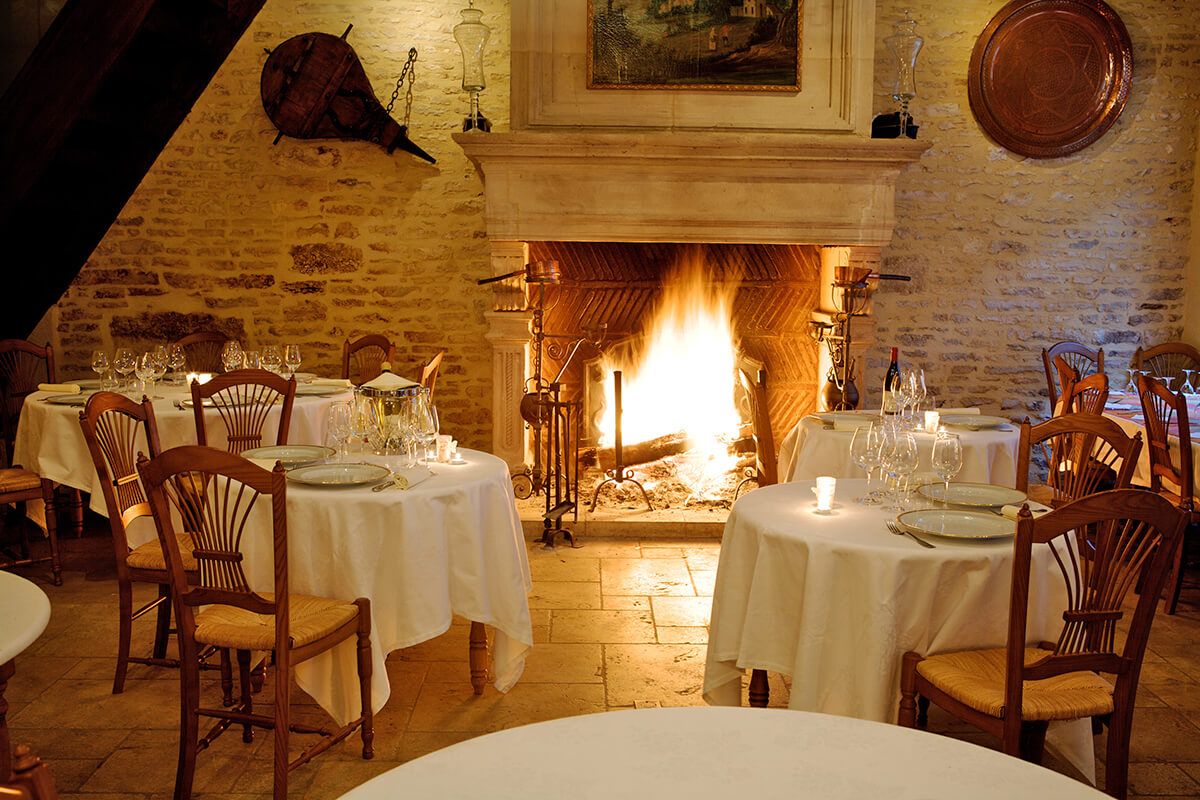
From the color of the décor, to the brightness of the lighting, to the type of the music they play, restaurants are constantly looking for ways to create a welcoming environment that encourages you not only to linger, but also to spend more money. If your favorite restaurant is decorated in shades of red, it’s because that color has been shown to increase heart rate, quicken breathing, and stimulate the appetite, encouraging people to eat more than they typically would when surrounded by other colors.Researchers also know that light and sound can influence how we dine. Softer lighting and music have been linked to restaurant diners consuming fewer calories and enjoying their food more. Diners connect lower levels of light with higher prices and higher service quality, while slow, ambient music inspires more leisurely dining, which can ultimately result in higher spending. If people are eating slowly, restaurants can raise prices and cut menu portions to save money on ingredients, knowing diners will still feel satisfied when they leave.

Kristina Wright
Writer

Kristina is a coffee-fueled writer living happily ever after with her family in the suburbs of Richmond, Virginia.

Original photo by sandorgora/ iStock

Around the world, people are living longer than ever before. In 1900, the global average life expectancy was just 32 years; in 2024, it was 73.33 years. This also means the world has an increasing number of centenarians — people who live to be 100 or older. According to United Nations data, there are an estimated 722,000 centenarians worldwide. This number is expected to continue rising with longevity trends, with the global centenarian population projected to be around 4 million by 2054. With all that in mind, and considering our own increased likelihood of one day being centenarians, let’s take a look at some fascinating facts about the people who achieved this senior status.

Credit: Maliutina Anna/ Shutterstock

Women Are More Likely To Live To 100

In the United States, centenarians account for just 0.03% of the overall population, a number that’s expected to rise to 0.1% by 2054. Of the more than 100,000 centenarians in the United States, an astounding 78% are women. Several factors contribute to women being more likely to live to 100, including the fact that women age more slowly than men, delaying the onset of health issues such as cardiovascular disease and stroke. Women also tend to be more risk-averse than men and are less likely to engage in behaviors such as smoking, drinking alcohol, and using recreational drugs, all of which can lead to long-term health issues.

Credit: illustrissima/ Shutterstock

Genetics Play a Bigger Role Than Lifestyle for Centenarians

Scientists believe that lifestyle factors such as eating healthy and staying physically active play a more important role than genetics in influencing our health and lifespan until we’re in our 70s. But as we age into our 80s and beyond, genetics start to play a larger part in our health and longevity. The study of longevity genes is still developing, but genome sequencing studies have identified certain gene variants that can influence lifespan. Among these gene variants are ones that support the function and maintenance of the body’s cells and those that are linked to lipid levels, inflammation, and the cardiovascular and immune systems. Some, but not all, centenarians have these gene variants, and scientists believe there may be other variants contributing to longer lifespans that have not yet been identified.
Credit: Olena Yakobchuk/ Shutterstock

Centenarians Are Resilient in Many Ways

Centenarians often seem to be remarkably resilient with regard to their health, which can be attributed to both lifestyle and genetic factors. However, there are three other kinds of resilience that are connected to longevity: cognitive resilience, economic resilience, and personal resilience. Key factors including strong intellectual function, economic and social support, and a robust personality are essential for maintaining the quality of life that contributes to longevity. Researchers are interested in better understanding how the oldest members of society maintain their resilience in these areas, in the hopes that the answers may help improve the health and longevity of the population at large.

Credit: LightField Studios/ Shutterstock

25% of Centenarians Retain Their Cognitive Health

Not everyone who lives to 100 and beyond maintains their cognitive health, but we know cognitive resilience — maintaining or regaining cognitive function despite aging, brain damage, or disease — contributes to quality of life and supports longevity. Studies indicate 50% of centenarians have clear symptoms of dementia and 25% show some signs of cognitive impairment, while the remaining 25% are considered cognitively healthy. Researchers speculate that some people are resistant to the brain-damaging effects of Alzheimer’s disease while others are cognitively resilient, demonstrating a cognitive reserve that allows them to better cope with the pathological brain changes of the disease.

While we cannot prevent dementia or Alzheimer’s disease, studies have noted that certain lifestyle factors can contribute to our cognitive resilience, including consuming a Mediterranean-style diet and exercising regularly, as well as socializing with other people and engaging in intellectual pursuits through education and employment.   

Credit: MEDITERRANEAN/ Shutterstock 

Many Centenarians Share Two Specific Traits

Despite differences in lifestyle, studies have shown centenarians tend to share two specific personality traits: a positive attitude and a high degree of emotional awareness. In studies, many centenarians describe themselves as being optimistic, easygoing, and extroverted, and often mention laughter as essential to their lives — all qualities that reduce anxiety and depression and contribute to good overall mental health. Many centenarians also report being comfortable with openly expressing their emotions, which helps maintain healthy relationships and contributes to our overall well-being. That said, researchers continue to study whether these traits directly contribute to longevity or whether they may simply be a byproduct of living longer.

Kristina Wright
Writer

Kristina is a coffee-fueled writer living happily ever after with her family in the suburbs of Richmond, Virginia.

Original photo by Jodi Jacobson/ iStock

The animal kingdom provides a cacophony of sounds, from subtle quacks to deafening roars and even aquatic rumbles. Some particularly noisy creatures have evolved to produce sounds of a truly extraordinary volume. These are sometimes created through vocalizations such as growls, howls, and shouts, or by more mechanical means — for example, the rubbing together of two body parts, otherwise known as stridulation. These sonorous adaptations may serve various purposes, such as communication, echolocation, hunting, and mating rituals. Here, we explore some of the world’s loudest animals — in ascending order — from the jungle canopy to the depths of the ocean. 

Credit: Lmplatt1/ Shutterstock

Howler Monkey (90 dB)

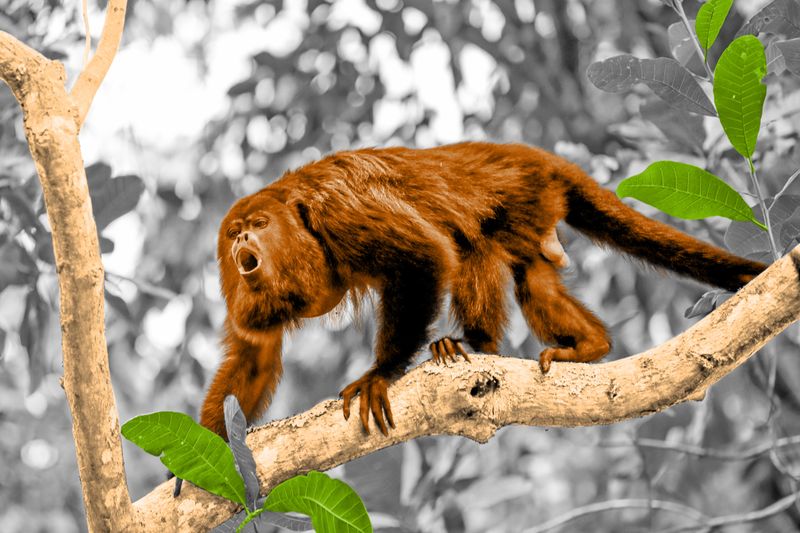
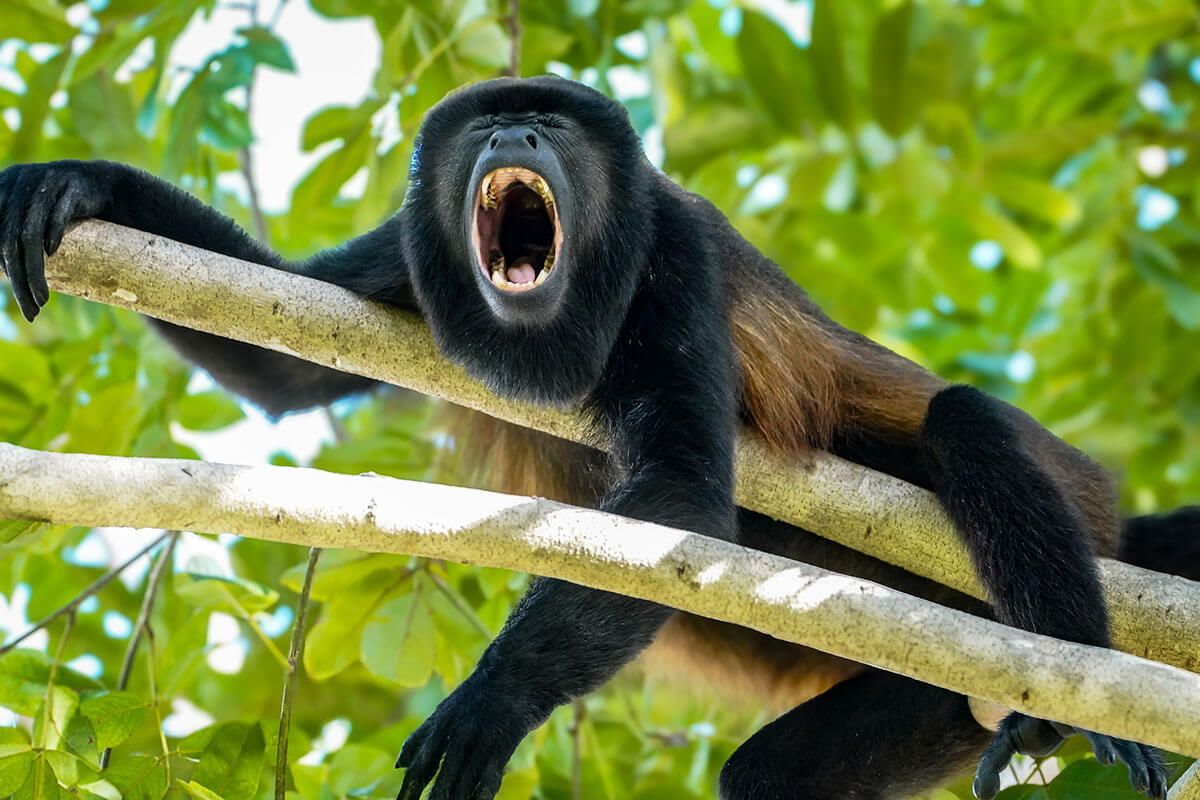
The howler monkey, native to the forests of South and Central America, is the loudest of all the primates — and has a claim to be the loudest land animal relative to its size. These noisy creatures can produce calls of at least 90 decibels, roughly as loud as a lawnmower. Their distinctive whooping howls can travel for miles through dense forest canopies, helping them communicate with other group members, attract potential mates, and warn rivals to stay away. Howler monkeys achieve this volume thanks to their enlarged hyoid bone, which acts as a resonating chamber (the bigger the hyoid, the deeper the howl).  

Credit: FeatherStalker Don/ Shutterstock

Kakapo (132 dB)

The kakapo — also known as the “mighty moss chicken” — is a particularly peculiar parrot, being both flightless and nocturnal. The critically endangered New Zealand native is the world’s heaviest and longest-living parrot as well as one of the loudest birds in the world. During mating season, male kakapos produce a distinctive booming call that can reach up to 132 decibels (louder than a jackhammer) and can be heard more than 4 miles away. They achieve this noise by first inflating their thoracic air sac, then emitting a deep, low-frequency boom every one or two seconds. After 20 to 30 booms, the male kakapo makes a high-pitched metallic “ching” sound, satisfied that any interested females will now be able to pinpoint his location. 

Credit: Sapodorado26/ Shutterstock

Greater Bulldog Bat (140 dB)

Native to Latin America, the greater bulldog bat is a master of echolocation with a surprisingly supercharged voice. These bats can emit calls up to 140 decibels in volume, which is louder than fireworks and about the same as a jet engine at takeoff, placing it above the human pain threshold for sound. Their ultrasonic calls, however, are typically beyond the range of human hearing. Bulldog bats use their intense vocalizations primarily for echolocation, allowing them to navigate and hunt in complete darkness. The high-frequency sound pulses are also crucial for detecting prey such as small fish and insects just below the surface of water. 

Credit: Joost van Uffelen/ Shutterstock

Atlantic Spotted Dolphin (163 dB)

Dolphins are renowned for their cheerful whistles, clicks, and chirps, but few people may realize how loud they can be. The loudest of them all is the Atlantic spotted dolphin, a charismatic marine mammal found in warm temperate and tropical waters of the Atlantic Ocean. These dolphins can generate sounds of at least 163 decibels using a mass of fatty tissue in their forehead called a melon, which acts as a sound lens to scatter sound waves similar to how an optical lens scatters light. They typically use clicks to sense their surroundings through echolocation and whistles to communicate with other members of their species (and possibly even some other species). 

Credit: Pavaphon Supanantananont/ Shutterstock

Pistol Shrimp (210 dB)

The pistol shrimp, also known as the snapping shrimp, is a small crustacean with a big and surprisingly noisy attitude. These creatures, which only reach a few inches in size, are capable of producing a sound that can reach an astounding 210 decibels, louder than a gunshot. Studies of Synalpheus pinkfloydi — a species of pistol shrimp named after the rock band Pink Floyd — have revealed how and why this little shrimp manages to be so loud. By snapping shut one oversized claw with tremendous speed and force, the shrimp creates a cavitation bubble that shoots out with such intensity it produces an ear-splitting snap and a shockwave capable of stunning or killing small prey. 

Credit: CoreyFord/ iStock

Sperm Whale (230 dB)

The sperm whale is generally regarded as the loudest animal in the world. These marine mammals can produce vocalizations reaching a whopping 230 decibels, loud enough to kill prey and, theoretically, even humans. Producing such incredible sounds involves a complex process in which the whale forces air through its right nasal passage to a pair of clappers near the front of its head known as the phonic lips or “monkey lips.” These then clap shut, producing a loud click that’s amplified and shot out into the watery world. These sounds allow sperm whales to navigate and hunt in the darkness of the ocean depths and communicate with other sperm whales over vast distances — in some cases thousands of miles.

Tony Dunnell
Writer

Tony is an English writer of nonfiction and fiction living on the edge of the Amazon jungle.

Original photo by aycan balta/ Shutterstock

Genes are the basic units of inheritance, passing traits from parents to offspring and containing the information that determines our physical and biological attributes. To put it simply, they carry the instructions that make all of us unique. Contained within chromosomes, which are located in the nuclei of almost every cell in our bodies, each gene contains information that tell our cells to make proteins, which perform a wide array of tasks from making eye pigments to attacking invading bacteria. As such, our genes hold the secrets to our physical traits, our predispositions to certain diseases, and even aspects of our behavior.

The study of genetics has revolutionized our understanding of biology, medicine, and human evolution. And as we continue to unravel the complexities of the human genome, we discover ever more intriguing aspects of these tiny yet powerful units of heredity. Here are some facts about our genes that highlight the wonder and complexity of the genetic code that connects and shapes us all.

Credit: yacobchuk/ iStock

The Human Genome Contains Far Fewer Genes Than Expected

In 1990, the Human Genome Project began identifying, mapping, and sequencing all the genes of the human genome, and determining the base pairs that make up human DNA. (DNA, genes, and chromosomes all work together to make us who we are.) Initially, it was estimated that humans have around 100,000 genes. But the findings of the project, which was concluded in 2003, revealed this number to be significantly lower; today, scientists estimate the number of genes at just under 20,000

Credit: RollingEarth/ iStock

We Share a Surprising Number of Genes With Other Animal Species

While we humans may look markedly different from one another, we are remarkably similar at the genetic level. Any two individuals share approximately 99.9% of their DNA sequence, meaning a miniscule 0.1% difference accounts for all the genetic variation among humans — our size, shape, facial features, and so on. Perhaps even more surprising are the genetic similarities between humans and other species. Humans and chimps, for example, share a surprising 98.8% of their DNA. Most of the genes in humans and chimps are nearly identical, but identical genes are used in different ways and in varying amounts across species, which explains our very notable differences. For example, a wide range of species have the PAX6 gene, which is responsible for the development of distinctly different eyes in everything from humans to fish, flatworms, parakeets, and water fleas. 

Credit: Osobystist/ iStock

Genes Have a Significant Influence on Our Behavior

Our genes certainly shape our physical traits, but they might be responsible for far more than just our looks. Studies suggest many routine aspects of our daily lives are also partially driven by our genome. Our genes can play a role in our inclination for or aversion to all manner of different activities, from our preference for tea or coffee, to our enjoyment (or not) of exercising, to whether we like gardening or doing crossword puzzles. Researchers have also discovered, using data collected from a large sample of fraternal and identical twins, that our genes may even shape our political beliefs.

Credit: Explode/ Shutterstock

Genetic Mutations Can Be Beneficial, Harmful, or Neutral

Mutations happen when a change occurs in a gene or chromosome. It can be caused by external factors, such as ionizing radiation or chemical mutagens, or it can occur spontaneously or through inheritance. The idea of mutation tends to have a negative connotation, but not all mutations are bad; they’re typically described as being beneficial, harmful, or neutral. Beneficial or advantageous mutations are necessary for the long-term survival of populations and species — this is how we evolve and adapt. In humans, having some mutations is commonplace at birth — every baby has around 70 brand-new or “de novo” mutations in their genes.

Credit: Kittyfly/ Shutterstock

Genes Can Be Turned On and Off

Our genes can be activated or deactivated without changing the actual DNA sequence itself, in a process known as epigenetics. This involves minute chemical tags that are added or removed from our DNA in response to changes in our environment. In other words, our genes can essentially be turned on and off. This allows us to adapt to our surroundings and lived experiences without requiring a more drastic or permanent shift in our genomes. When it comes to the age-old debate of nature versus nurture, epigenetics proves that our genes are certainly not set in stone once we’re born, and that both nature and nurture play their part when it comes to our development.

Tony Dunnell
Writer

Tony is an English writer of nonfiction and fiction living on the edge of the Amazon jungle.

Original photo by Archive PL/ Alamy Stock Photo

For more than seven decades, Carol Burnett has delighted audiences with her witty and uproarious brand of humor. The Carol Burnett Show, in particular, remains one of the funniest and most creative variety programs to ever grace our television screens. Throughout her prolific career, Burnett has excelled not just on TV, but also on stage and film, carving out a path for the many comedic female voices she inspired along the way. Here’s a look at her incredible life and career, including some lesser-known facts that may surprise you.

Credit: Screen Archives/ Moviepix via Getty Images

Strangers Helped Launch Her Career 

Burnett was born in San Antonio, Texas, and as a young girl she moved into an impoverished neighborhood in Hollywood, California. In 1951, she was admitted to UCLA, where she hoped to pursue journalism. However, the family was unable to afford the annual $50 tuition (around $605 today), and it appeared at first that her college education might be an unreachable dream. But one day, a mysterious envelope arrived in her mailbox containing enough money to cover the cost of tuition. To this day, Burnett says she has no idea who provided the funds.

Once at UCLA, Burnett switched her focus from journalism to theater. One night during her junior year, she and several classmates were performing at a home in San Diego when she was approached by a wealthy stranger. The businessman asked Burnett about her dreams, to which she replied that she hoped to move to New York City with her husband, Don, and pursue a career as a performer. In response, the benefactor gifted $1,000 interest-free loans to both Burnett and her husband on three conditions: that they be repaid within five years, that his identity never be revealed, and that Burnett would help others pursue their dreams if she became a success. Burnett held true to her word, and the loan allowed her to travel to NYC in pursuit of fame.

Credit: Bettmann via Getty Images

Her Breakout Role Was on Broadway

Before achieving fame on the small and silver screens, Burnett’s acting career began in New York City with revues at the Rehearsal Club, a boarding house for young women hoping to carve out careers in the performing arts. In 1957, Burnett took to performing at cabaret clubs around the city. She became popular for performing a parody song titled “I Made a Fool of Myself Over John Foster Dulles” — Dwight D. Eisenhower’s secretary of state — earning her appearances on The Tonight Show and The Ed Sullivan Show.

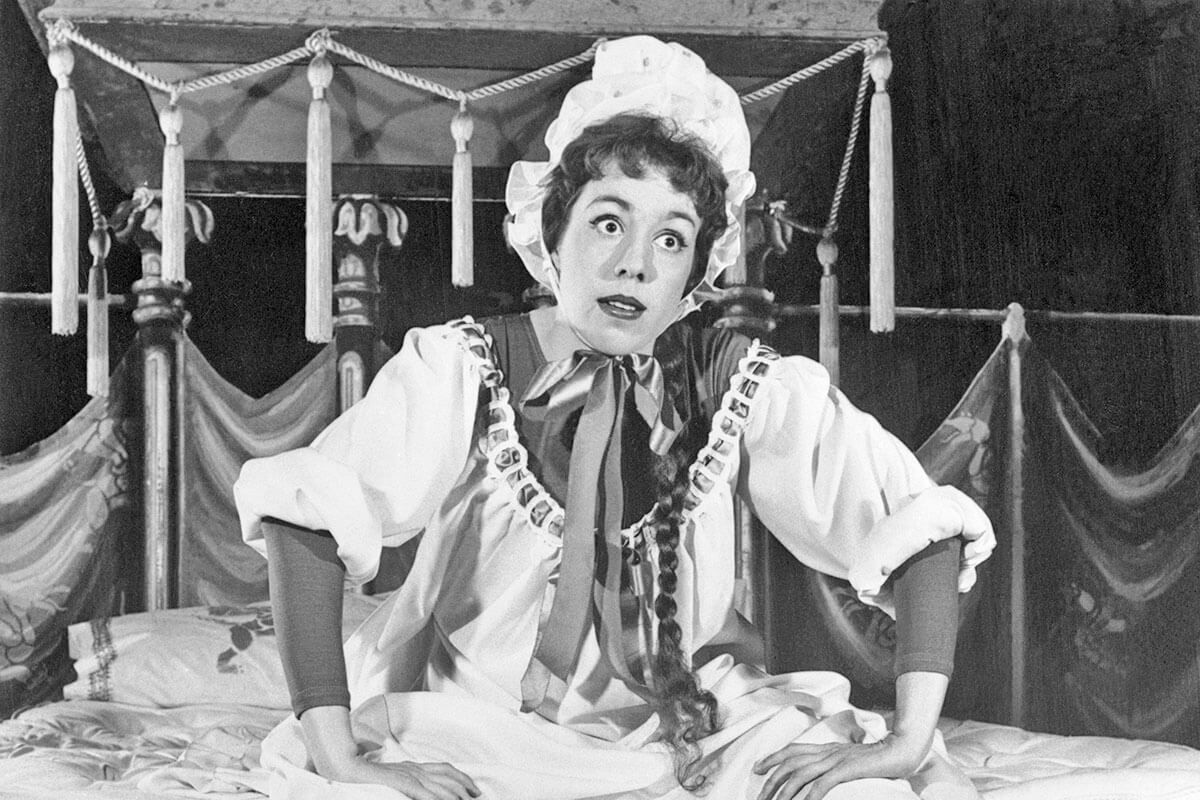
Her big break came in 1959, when she booked the role of Princess Winnifred in the first Broadway production of Once Upon a Mattress. This memorable performance earned Burnett a Tony Award nomination for Best Performance by a Leading Actress in a Musical. The success of this gig also afforded her the ability to repay the $1,000 she owed the California businessman, a feat she accomplished five years to the day after receiving the loan. By this time a huge name in her own right, Burnett booked a recurring role on The Garry Moore Show and later headlined Carnegie Hall alongside Julie Andrews in 1962.

Credit: Vinnie Zuffante/ Archive Photos via Getty 

Her Signature Ear Tug Was a Message to Her Grandmother

From 1967 to 1978, every episode of The Carol Burnett Show ended with a sign-off song, after which Burnett would tug on her left earlobe. This gesture was actually a secret, heartwarming message for her grandmother Mae. Mabel Eudora “Mae” Jones raised Burnett for most of her childhood and often took her to the movies, which helped cultivate her love of the performing arts. Burnett has admitted she borrowed the gesture from a dance troupe she saw, who used the ear tug to say “hi” to their kids while on stage.

After Burnett made it to New York, she called to tell her grandmother she was going to be on television, to which Mae replied, “Well, you gotta say hello to me.” Burnett took this request to heart. Though Mae passed away the same year The Carol Burnett Show premiered, Burnett continued to tug on her ear at the end of each episode as a way of saying “I love you” to her dear grandmother.

Credit: Ken Lubas/ Los Angeles Times via Getty Images

She Taught Her “Tarzan Yell” to an Opera Singer

When Burnett was around 9 or 10 years old, she learned to do a bellowing “Tarzan yell,” which eventually became a trademark part of her act as an adult. During the Q&A portion of each episode of The Carol Burnett Show, audience members frequently requested that Burnett perform this comedic yodel.

During a 2013 interview with Larry King, Burnett explained she’d figured out how to perform the yell after seeing an early Tarzan film in theaters. She also noted how she taught the yell to world-famous opera singer Beverly Sills. Burnett and Sills were contemporaries who became friends while working on the 1976 musical TV special Sills and Burnett at the Met. Sills specifically asked Burnett how to do the yell, and Burnett happily obliged to teach her. Sills immediately replicated the yell with perfection and called it an excellent vocal exercise.

Credit: Phillip Harrington/ Alamy Stock Photo

Each Episode of The Carol Burnett Show Was Taped Twice

Although the program had a live feel, each episode of The Carol Burnett Show was actually taped two times in front of two separate studio audiences. The first taping often stuck closely to the script, with actors delivering the jokes as written. The second taping allowed for more improvisation and ad-libbing, often resulting in even funnier jokes.

After each taping was complete, producers spliced the best moments together into a single episode that made the air. There were rarely — if ever — any additional retakes past that point, meaning if someone flubbed a line during both tapings, that mistake would be included in the final cut. In the end, this made for a final product that still emulated the feel of a single live taping.

Credit: Christopher Polk/ Variety via Getty Images

She’s One Award Short of an EGOT

Burnett has racked up a plethora of accolades throughout her illustrious career, including several Emmys very early on — in 1962 for her role on The Garry Moore Show and in 1963 for Julie and Carol at Carnegie Hall. Between 1972 and 1975, she took home three Emmys for The Carol Burnett Show, and she then won another in 1997 for her guest role on Mad About You. Most recently, she won the 2023 Emmy for Outstanding Variety Special for Carol Burnett: 90 Years of Laughter + Love.

In addition to her numerous TV honors, Burnett was awarded a Special Tony Award in 1969, in addition to nominations for Once Upon a Mattress in 1960 and Moon Over Buffalo in 1996. She was also the winner of a 2017 Grammy for Best Spoken World Album (for the audiobook of her memoir In Such Good Company), putting her just one Oscar away from achieving the highly coveted EGOT (Emmy, Grammy, Oscar, Tony). In commemoration of a lifetime of entertainment, Burnett was awarded the Presidential Medal of Freedom in 2005, and was also the 2013 winner of the Mark Twain Prize for American Humor.

Interesting Facts
Editorial

Interesting Facts writers have been seen in Popular Mechanics, Mental Floss, A+E Networks, and more. They’re fascinated by history, science, food, culture, and the world around them.

Original photo by Cavan-Images/ Shutterstock

Humans have been cultivating fruit for around 11,400 years. Evidence suggests figs were the first, propagated by the people of ancient Jericho. Nowadays, there are estimated to be upwards of 2,000 varieties of fruit grown around the world. While we’re likely all familiar with apples, oranges, and bananas, there are also hundreds of fruits you may never have heard of, let alone tried for yourself. Many of these unfamiliar fruits are staple crops in the places they’re grown, but can be difficult to find in markets outside their native lands. So if you’re looking to expand your palate and try out some new delicious flavors, here are seven fruits you’ve probably never encountered.

Credit: Supun Dhanushka Silva/ iStock

Ackee

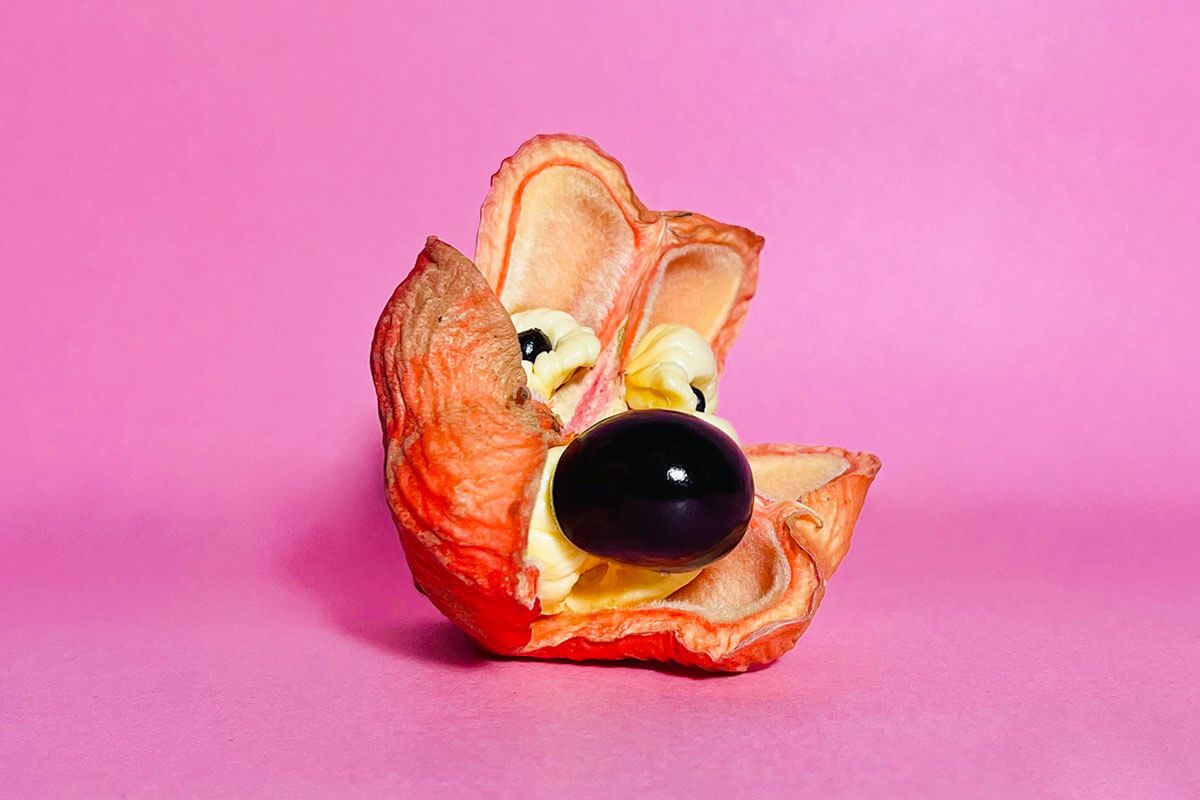
The ackee tree is native to West Africa, and it produces one of the tastiest yet potentially dangerous fruits grown around the world. The fruit itself is visually comparable to a peach on the outside, but on the inside, it contains three fleshy white arils, each with a large black seed. Eating ackee before it’s ripe can induce poisoning, so you need to be careful before consuming it. But a well-ripened ackee fruit is known for having a creamy texture and a mild, nutty flavor, making it an absolute delight.

While the ackee originated in West Africa, it’s now particularly popular in Jamaica. Back in the 1700s, the ackee was brought to the Caribbean aboard ships carrying enslaved people. In the years that followed, the plant thrived in the island’s tropical climate. Ackee is so beloved in Jamaica that it’s a key ingredient in the country’s national dish: ackee and saltfish. In this recipe, ackee is boiled until it looks like scrambled eggs and is then served alongside fried saltfish such as cod or mackerel. The completed dish is garnished with bacon, tomatoes, chiles, or whatever else the eater desires.

Credit: Hakim Ngainan/ Shutterstock

Mangosteen

Mangosteen is a sweet, juicy fruit that’s believed to have originated on the Sunda Islands of the Malay Archipelago. Today, the fruit is eaten throughout all of Southeast Asia and is particularly popular in Vietnam. Each mangosteen is roughly the size of a small orange, and features a hard purple shell on the outside with white fleshy fruit on the inside. It can be eaten fresh, dried, or canned and is often served in fruit salads, as a sorbet, or turned into a syrup or smoothie.

Mangosteen wasn’t introduced to the Western Hemisphere until the mid-19th century. It began to be grown in English greenhouses in 1855 and eventually made its way to the Americas. The fruit became particularly popular throughout Central America and the Caribbean, though it was actually banned in the United States until 2007 due to fears of importing fruit flies. Mangosteen must now be exposed to radiation to sterilize potential pests before it’s brought into the U.S.

Credit: Lanywati/ Shutterstock

Sapodilla

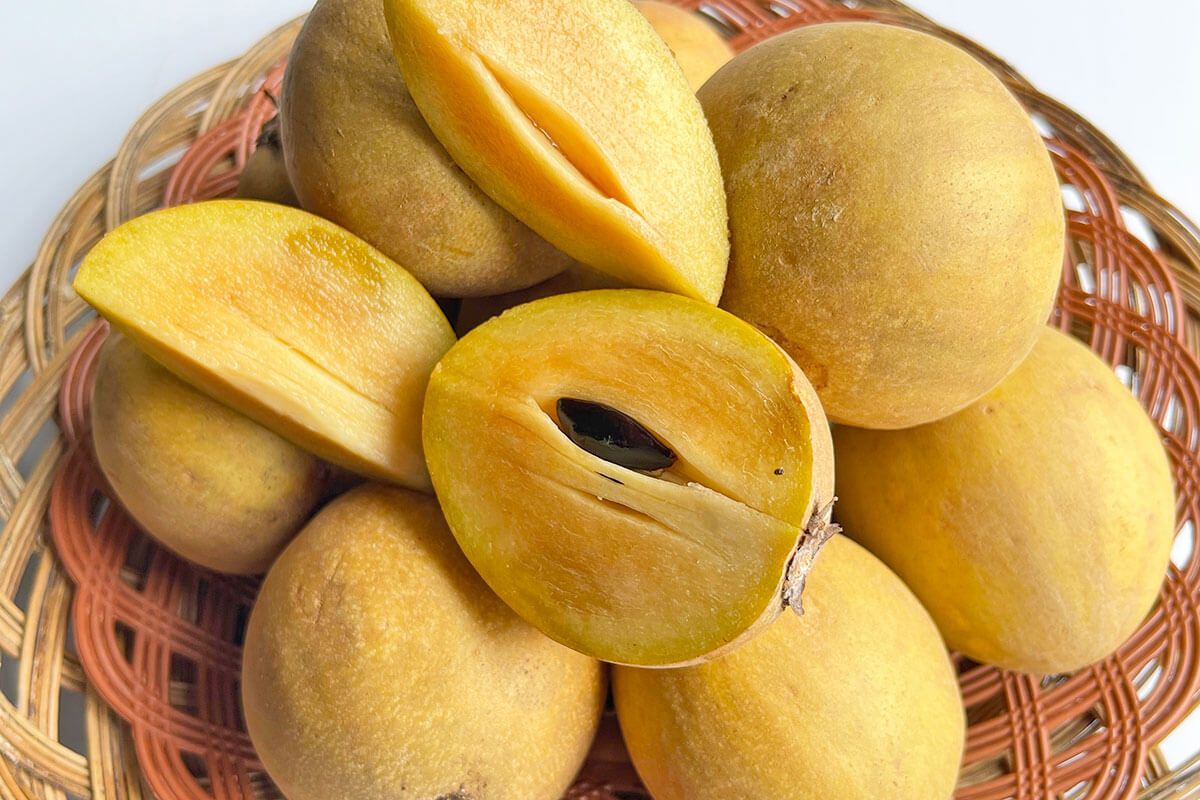
Cultivated throughout Mexico and Central America, sapodilla is a tan-colored fruit with a roughly textured coating. In much the same way you might determine an avocado’s ripeness, you should make sure a sapodilla feels hard to the touch before eating. In fact, if you eat an unripe sapodilla, the flesh will induce an unpleasant sensation akin to cotton mouth. Once the rind begins to soften, the sapodilla is ready to consume, and it should have a musky and malty flavor similar to molasses.

Sapodillas are often blended into smoothies, served alongside ice cream, or mixed with other fruits to create jams and jellies. Historically, chicle — milky sap from the sapodilla tree — was actually used as chewing gum by the ancient Aztecs. The tree was also cultivated by the Maya, who used its wood for carving; these 1,000-year-old carvings can still be found throughout Maya ruins in the region.

Credit: Ms. Trouble Maker/ Shutterstock

Kiwano

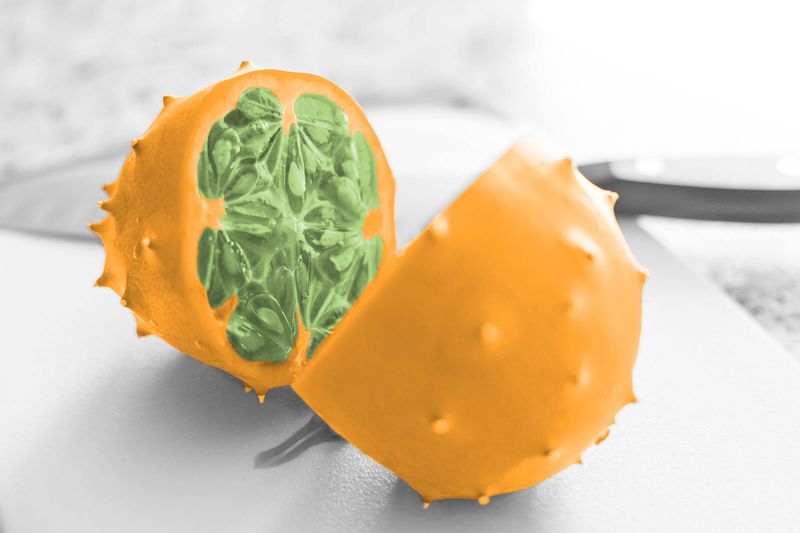
The kiwano melon is a fruit native to Kenya, Malawi, Sierra Leone, and other parts of Africa that’s known for its striking appearance. On the outside, the fruit has a spiky yellow shell, which explains why it’s been given the moniker “African horned cucumber” in the U.S. On the inside, however, the fruit is full of gooey green flesh and seeds. If eaten when still immature, the flesh of the kiwano is said to taste like a cucumber. But once it’s ripe, the fruit develops flavors reminiscent of melon and kiwi.

The otherworldly appearance of the kiwano melon has also earned it a unique place in American pop culture. The fruit was used as a prop in an episode of Star Trek: Deep Space Nine titled “Time’s Orphan.” In the episode, the kiwano was referred to as a  “Golana melon” and is said to be cultivated on the alien planet of Golana.

Credit: Ivant Weng Wai/ iStock

Durian

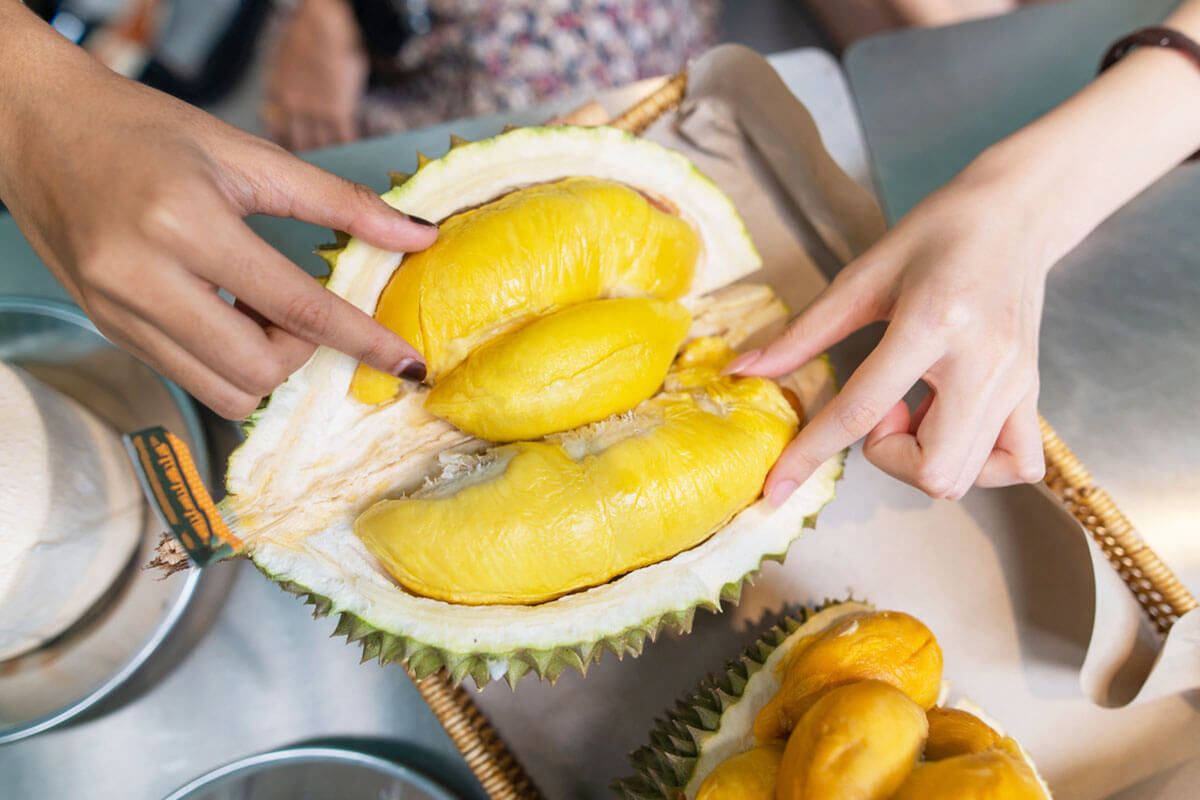
The durian is one of the most notorious fruits in Southeast Asia, as it’s both beloved for its flavor and reviled for its odor. Each durian has a large spiky shell that protects the creamy and almost custard-like flesh inside. This soft interior is said to taste like a mix of caramel, vanilla, almonds, and even cheese. Durian fans adore the complex flavor profile and will eat it on its own, bake it into cakes and pastries, or serve it up in a smoothie. Some even say durian is best enjoyed when it’s overly ripe, as it develops a texture akin to sour cream.

But when you crack open a durian, you’re also overcome by a pungent aroma that’s been compared to rank garbage or rotten eggs. Because of its powerful and off-putting smell, durian has been banned in many Southeast Asian countries on public transport and in other communal gathering places such as hotels.

Credit: NPvancheng55/ Shutterstock

Jackfruit

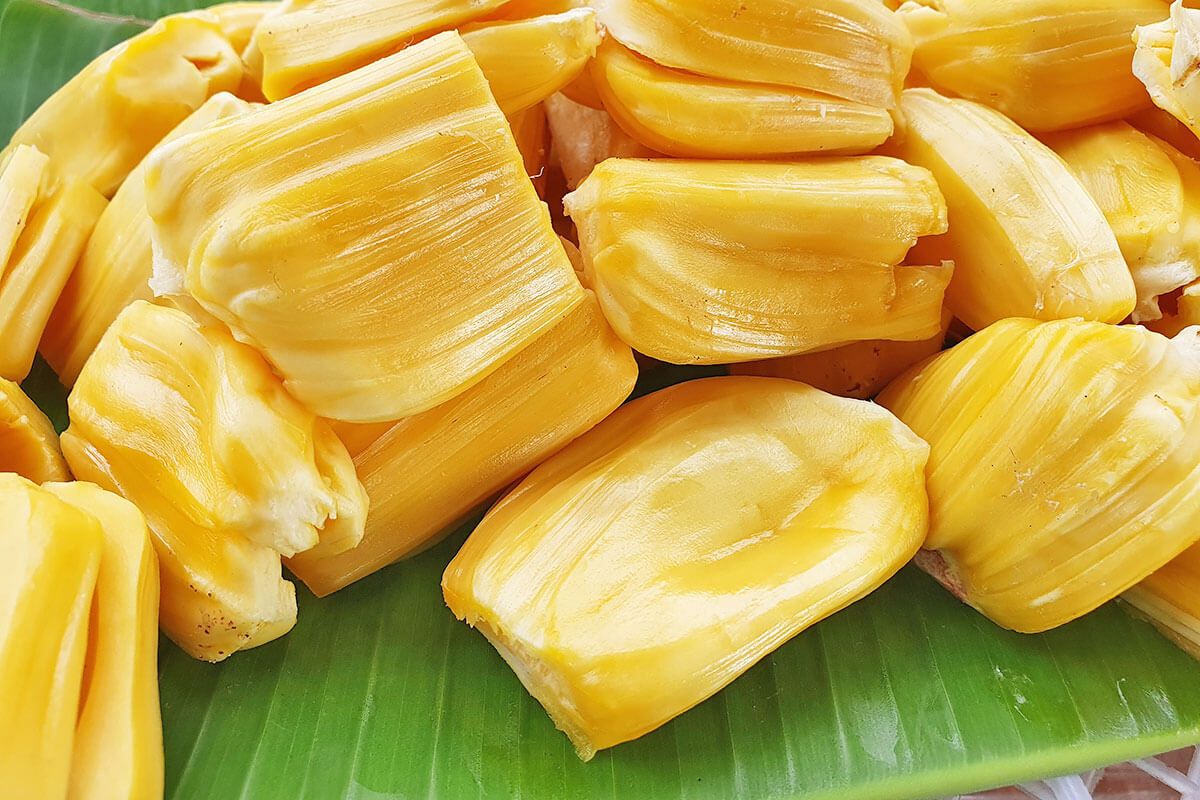
Jackfruit is the largest tree-borne fruit in the world, weighing anywhere from 10 pounds to a whopping 80 pounds. The fruit is particularly popular in Bangladesh, where it’s considered a staple crop, though it’s also widely popular throughout the rest of Southeast Asia. It takes five to seven years for a jackfruit tree to begin producing fruit, but once it does, it’s likely to produce between 150 and 200 fruits annually. The jackfruit has a spiky rind with a yellowish-green color, and the creamy flesh inside is said to bear a similar texture to an overripe banana.

While jackfruit has been cultivated for thousands of years, it’s become particularly popular in recent years among vegetarians and vegans. When it’s cooked and shredded, jackfruit develops a texture akin to pulled pork, and it’s great at absorbing the flavors of the other foods it’s cooked with, making it a fantastic alternative to meat.

Credit: Andriy R/ Shutterstock

Monstera Deliciosa

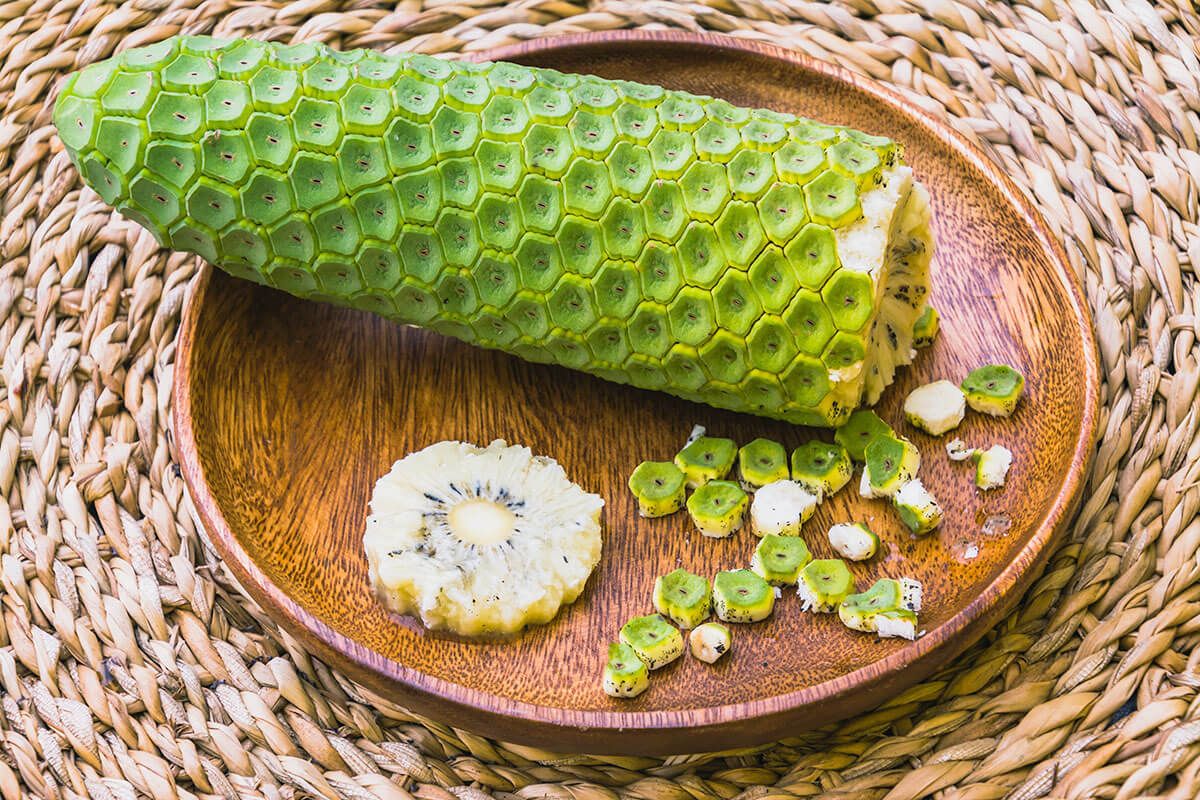
The name monstera deliciosa means exactly what it sounds like — “delicious monster.” The fruit comes from a plant native to Central America that’s also known as the “swiss cheese plant,” as its leaves are riddled with natural holes, resembling swiss cheese. The shell of the fruit looks like an ear of corn, only harder and greener. The fruit inside even resembles the kernels of a corncob — but the flavor isn’t corn-like at all.

If you eat monstera deliciosa too soon before it ripens, you’re bound to have a deeply unpleasant experience. The sour, bitter taste is no friend to your tastebuds, and the oxalic acid can irritate your throat. But that acid dissipates as the fruit ripens, and the flavor becomes more akin to a blend of pineapple and banana. You can tell the fruit is ripe once its outer scales begin to naturally peel. When that happens, throw it in a fruit salad or just eat it on its own for a wonderfully sweet treat.

Bennett Kleinman
Staff Writer

Bennett Kleinman is a New York City-based staff writer for Inbox Studio, and previously contributed to television programs such as "Late Show With David Letterman" and "Impractical Jokers." Bennett is also a devoted New York Yankees and New Jersey Devils fan, and thinks plain seltzer is the best drink ever invented.

Original photo by Nano Calvo / VWPics/ Alamy Stock Photo

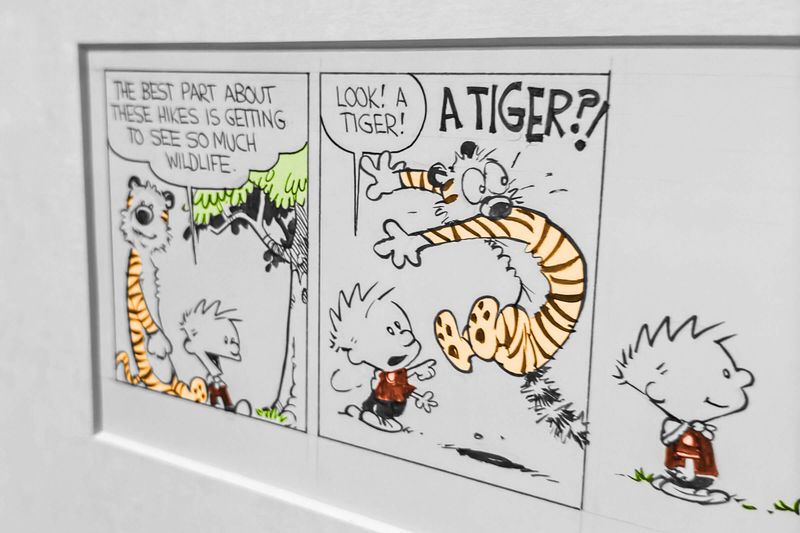
Calvin and Hobbes has captured the hearts and imaginations of readers worldwide since its debut in 1985. Created by Bill Watterson, the beloved comic strip follows the adventures of Calvin, a precocious and mischievous 6-year-old boy, and his sardonic stuffed tiger, Hobbes. Together, they navigate the challenges of childhood and family life, engage in philosophical discussions, and embark on a whimsical array of fantastical journeys.

Watterson’s comic strip extended beyond the realm of typical newspaper comics. With its unique blend of humor, artistry, and profound observations about human nature, Calvin and Hobbes stood out from the crowd. During its 10-year run, it garnered a loyal and dedicated fanbase that continues to grow even decades after its conclusion. Despite its relatively brief lifespan in the world of syndicated comics — Peanuts, for example, ran for half a centuryCalvin and Hobbes left an indelible mark on popular culture, influencing generations of cartoonists and readers alike, and it is often regarded as the last great newspaper comic strip

Here, we dive into some fun facts about Calvin and Hobbes to shed some light on the enduring legacy of this singular comic strip.

Credit: Hulton Archive & Bettmann via Getty Images

Calvin and Hobbes Were Named After Historical Figures

Calvin and Hobbes were both named after heavyweight historical figures. Calvin was named after John Calvin, the 16th-century theologian and Protestant reformer who was a principal proponent of the idea of predestination. Hobbes, meanwhile, got his name from Thomas Hobbes, a 17th-century philosopher who didn’t have the highest regard for human beings — he famously described human life without governance as “solitary, poor, nasty, brutish, and short.” Watterson was very deliberate in naming his two protagonists, with both monikers reflecting the more complex and philosophical side of Calvin and Hobbes

Credit: BAZA Production/ Shutterstock

The Creator Eschewed Merchandising

In our merch-obsessed world, Calvin and Hobbes was a surprisingly and uncommonly defiant exception to the norm. Watterson strongly resisted the commercialization of his creation, believing it would cheapen the artistic integrity of the strip. So, unlike many popular comic strips (and almost every other beloved brand in modern pop culture), Calvin and Hobbes has no official merchandise beyond the comics and associated books. Watterson famously turned down lucrative licensing deals, including offers for animated adaptations and plush toys, which could have potentially made him hundreds of millions of dollars

Credit: Evgeny Gromov/ iStock

Calvin Has Numerous Alter Egos

Throughout the history of the comic strip, Calvin creates various alter egos for himself. Some of these are generic personas that appear only fleetingly, while others are fully fleshed-out characters who went on to make multiple appearances. Some of the most prominent alter egos include Stupendous Man (a superhero who only ever achieves moral victories), Tracer Bullet (a hard-boiled detective who often comes to the wrong conclusion), and his most iconic alter ego, Spaceman Spiff (a spaceman who flies around the galaxy and achieves some actual victories). Other alter egos included dinosaurs, monsters, Calvin the Bold, Captain Napalm, and The Incredibly Annoying Human Echo. 

Credit: Axel Bueckert/ Shutterstock

The Inspiration for Hobbes Came From the Author’s Own Cat

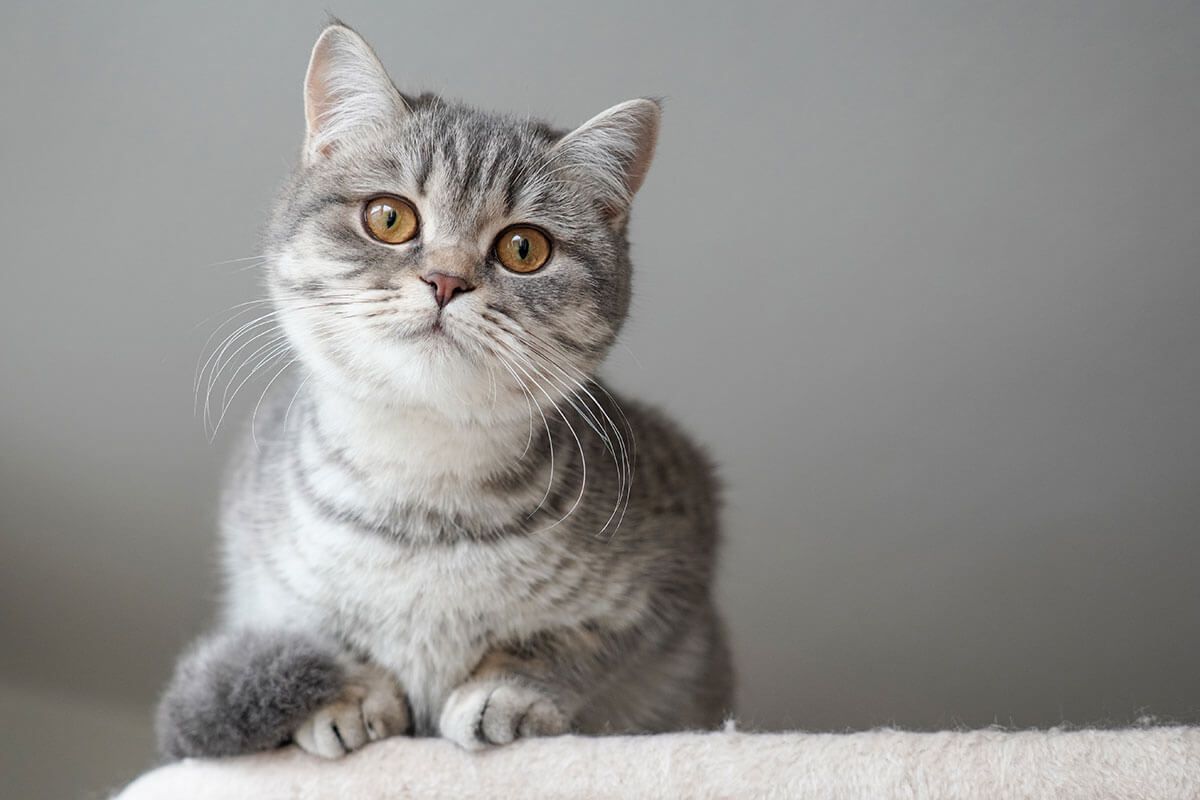
The character of Hobbes was at least partially inspired by Watterson’s cat, a gray tabby named Sprite. Sprite provided the long body and facial characteristics of Hobbes, as well as his personality and mannerisms. According to Watterson, Sprite was “good-natured, intelligent, friendly, and enthusiastic in a sneaking-up-and-pouncing sort of way.”

Credit: oatawa/ Shutterstock

Hobbes Was a Figment of Calvin’s Imagination — Or Was He?

One of the most fun and intriguing aspects of Calvin and Hobbes is the ambiguous nature of Hobbes’ existence. To Calvin, Hobbes is very much alive — a walking, talking tiger who is his best friend and partner in crime. However, to everyone else in the strip, including Calvin’s parents, Hobbes appears as nothing more than a stuffed toy. The natural assumption, therefore, is that Hobbes is simply an imaginary friend. That, however, is up for debate, and Watterson leaves it up to the reader to decide for themselves. Watterson himself, when asked about Hobbes’ imaginary status, replied, “The strip doesn’t assert that. That’s the assumption that adults make because nobody else sees him, sees Hobbes, in the way that Calvin does … Hobbes is more real than I suspect any kid would dream up.”

Credit: conzorb/ Shutterdtock

The Final Farewell Strip Has a Fittingly Uplifting Ending

The final Calvin and Hobbes strip was published on December 31, 1995. After a decade, Watterson decided it was time to bring the comic to a conclusion, even though the comic was still at the height of its popularity. The last-ever strip shows Calvin and Hobbes walking across a snowy landscape, at which point Calvin declares, “It’s a magical world, Hobbes, ol’ buddy … Let’s go exploring!” The two friends then ride away on their sled, into their joyous wintry world. The inspiring ending reinforced the comic strip’s central message that the world is a magical place with plenty to discover and explore, as long as we embrace imagination and our sense of adventure.

Tony Dunnell
Writer

Tony is an English writer of nonfiction and fiction living on the edge of the Amazon jungle.

Original photo by Album/ Alamy Stock Photo

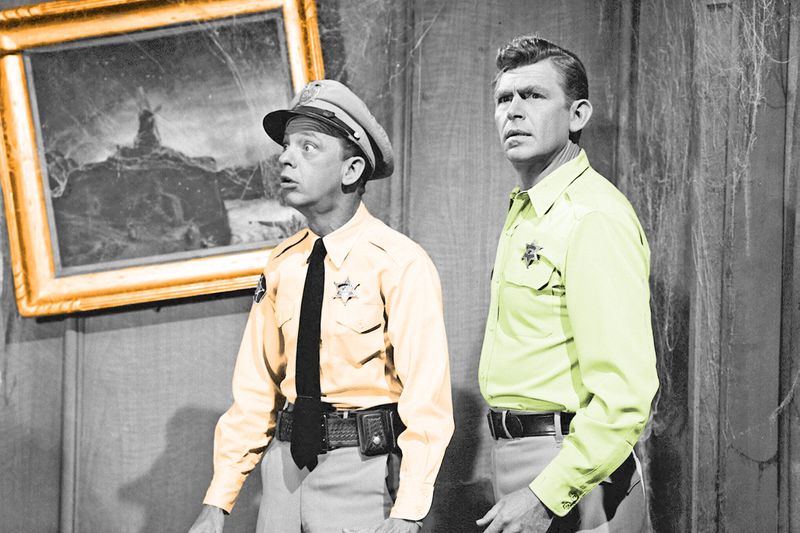
The Andy Griffith Show is one of the most beloved sitcoms ever to be broadcast into our living rooms. The series ran for 249 episodes over eight seasons, starring the iconic Andy Griffith as Sheriff Andy Taylor, Frances Bavier as his Aunt Bee Taylor, Don Knotts as the oafish Deputy Barney Fife, and a young Ron Howard as Andy’s son Opie. Today, this TV classic is considered not just one of the greatest shows of the 1960s, but of all time. But despite the show’s enduring popularity, there are still a few interesting tidbits that may surprise even the most avid fans. Here are five fun facts about The Andy Griffith Show.

Credit: Bettmann via Getty Images

Don Knotts Wasn’t in the Original Cast

The pilot episode of The Andy Griffith Show was originally broadcast as an episode of The Danny Thomas Show, a sitcom that ran from 1953 to 1964. The pilot featured appearances from Griffith, Bavier, and Howard, but Knotts’ Barney Fife was notably missing. In fact, Knotts was sitting at home watching television when he saw the pilot starring his friend Andy. According to Griffith, Knotts called up after the episode aired and said, “Andy, you’re going to be a sheriff, you’ll need yourself a deputy.” Just like that, the character of Barney Fife was born.

Interestingly enough, rumor has it Knotts was only initially offered a one-episode contract. However, after witnessing the on-screen chemistry between the two friends, executive producer Sheldon Leonard changed his mind and offered Knotts a series regular contract. Knotts went on to portray Fife throughout the first five seasons of the show before leaving to explore new career opportunities, though he reprised his role as Fife in later projects.

Credit: Silver Screen Collection/ Moviepix via Getty Images

The Theme Song Has Lyrics

Each episode of The Andy Griffith Show opens with that iconic sequence of Andy and Opie carrying their fishing poles down to the river. This is soundtracked by a catchy little ditty whistled by the composer Earle Hagen. Hagen, along with his writing partner Herbert Spencer, wrote the theme song without having any idea how popular it would become. In fact, the song was so beloved it was later given a title and lyrics.

In 1961, actor Everett Sloane — who later appeared on the show as Jubal Foster in 1962 — orchestrated an expanded version of the tune with lyrics, and the song was named “The Fishin’ Hole.” Shortly after, Capitol Records released a mass-produced record of the tune featuring Andy Griffith on vocals. The song featured the lines: “We may not get a bite all day, but don’t you rush away / What a great place to rest your bones and mighty fine for skippin’ stones / You’ll feel fresh as a lemonade, a-settin’ in the shade / Whether it’s hot, whether it’s cool, oh what a spot for whistlin’ like a fool / What a fine day to take a stroll and wander by the fishin’ hole.”

Credit: Andre Jenny/ Alamy Stock Photo

The Setting Was Based on Griffith’s Hometown

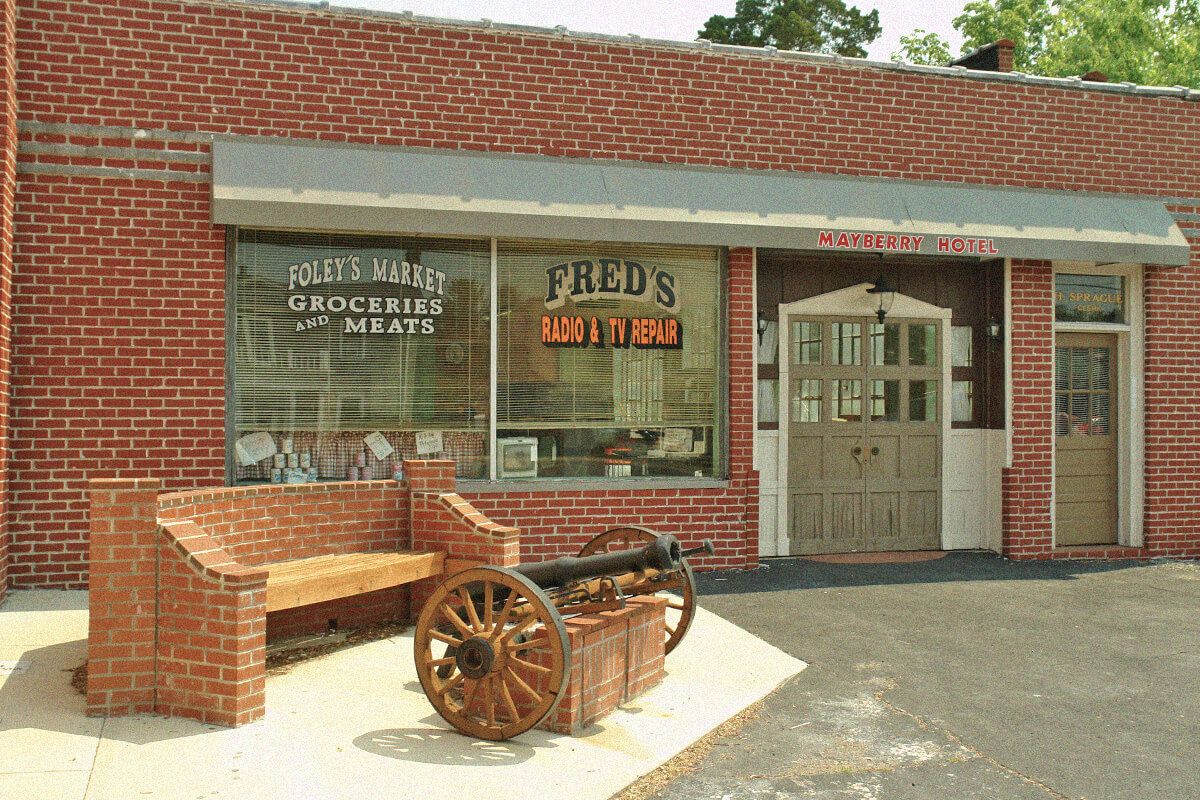
While the fictional town of Mayberry, North Carolina, was created exclusively for the show, it was inspired by Andy Griffith’s birthplace of Mount Airy, North Carolina. In fact, people and places in and around Mount Airy were frequently referenced within the fictional world of The Andy Griffith Show. Take for example the fictional town of Mount Pilot, which was located near Mayberry in the show. Its name was taken from the very real town of Pilot Mountain, which is located about 12 miles down the road from the real-life Mount Airy.

Today, the residents of Mount Airy have embraced this legacy and transformed the town into a must-see destination for fans of the series. Locations from the show that were once entirely fictional have been transformed into real-life institutions, such as Floyd’s City Barber Shop and the Old Mayberry Jail. Visitors can even take a squad car tour in a vintage police cruiser just like Sheriff Taylor drove or pop into the Andy Griffith Museum to check out some memorabilia from the show.

Credit: Hulton Archive/ Archive Photos via Getty Images

It Was the No. 1 Rated Show When It Ended

TV shows have a tendency to overstay their welcome and end up becoming less popular in later seasons. But this fate didn’t befall The Andy Griffith Show, which is one of only three shows in history to end its run at the top of the Nielsen ratings charts, a feat it shares with I Love Lucy and Seinfeld.

During its entire eight-season run, The Andy Griffith Show maintained a top-seven spot in the ratings, even during later seasons after the beloved Don Knotts left the program. When the final episode aired on April 1, 1968, The Andy Griffith Show was sitting firmly in the No. 1 spot on the charts. In fact, during its final season, the show was viewed by an estimated audience of around 15.6 million viewers, beating out The Lucy Show; Gomer Pyle, U.S.M.C. (an Andy Griffith spin-off); and Gunsmoke, as well as every other program on television at the time.

Credit: PBH Images/ Alamy Stock Photo

One Spin-off Ran for Three Seasons

Although The Andy Griffith Show came to a close in 1968, it wasn’t the last we saw of those characters. During the show’s final season, producers began work on a spin-off called Mayberry R.F.D. (Rural Free Delivery). In fact, The Andy Griffith Show introduced new characters such as Sam Jones and his son Mike during its final season, with the idea that they’d become the main focus of Mayberry R.F.D. The final episode of The Andy Griffith Show was even titled “Mayberry R.F.D.,” serving as the de facto pilot for the new spin-off.

With Griffith staying on as executive producer and appearing in a few early episodes, Mayberry R.F.D. first hit the air in 1968. The inaugural episode — titled “Andy and Helen Get Married” — featured appearances by Griffith, Knotts, and Howard. It went on to enjoy a 78-episode run over the course of three seasons before the series finale aired in 1971. But that still wasn’t all: A made-for-TV reunion movie called Return to Mayberry was produced in 1986. Sixteen original Andy Griffith cast members reprised their roles for the movie, which centers on Andy Taylor as he returns home to visit his son Opie and help his friend Barney Fife run for sheriff.

Interesting Facts
Editorial

Interesting Facts writers have been seen in Popular Mechanics, Mental Floss, A+E Networks, and more. They’re fascinated by history, science, food, culture, and the world around them.

Original photo by Boris Bulychev/ Shutterstock

Offices have been around in one form or another since antiquity, but it wasn’t until the 18th century — and the Industrial Revolution — that purpose-built workspaces as we know them today began to appear. Now, of course, offices are found everywhere. And if the walls of the average office could talk, they would sing the praises of the unsung heroes of the workplace: the humble office supplies that help maintain the daily flow of business, order, and bureaucracy.

While they may seem mundane, many of these items contain rich histories and surprising facts. Here are some of these lesser-known details, from the royal history of the humble stapler to Charles Darwin’s office chair.

Credit: Sasun Bughdaryan/ Shutterstock

Staplers Have a Royal History

It’s believed that one of the first known staplers was made by an artisan in the 18th century as a gift for King Louis XV of France. Each elaborate, handmade staple was decorated with the royal insignia, and they were used to fasten together court documents. 

Credit: Natalia Blauth/ Unsplash+

Sticky Notes Were Invented by Accident

In 1968, Spencer Silver, a scientist at 3M, was tasked with developing a super-strong adhesive. Instead, he accidentally created a very weak adhesive with one interesting property: It could be attached to a surface, peeled off, and then reattached without damaging the surface or losing stickiness. A colleague later used Silver’s unintended invention to create the original Post-it notes. 

Credit: Liudmila Chernetska/ iStock

Highlighters Were Invented a Year After Felt-Tip Pens

The felt-tip pen was invented in Japan in 1962 by Masao Miura and Yukio Horie, who ran an art materials business. Just a year later, American Francis J. Honn of the Carter’s Ink Company invented another pen that used water-based ink, but his marker contained an eye-catching translucent ink that, due to its see-through nature, could be used to delineate a piece of text without obscuring it. It was dubbed the Hi-Liter.

Credit: Altayb/ iStock

People Used Breadcrumbs Before Erasers Were Invented

Before rubber erasers, people used bread and breadcrumbs to erase pencil marks. Erasers emerged in Europe in the 1770s after Edward Nairne, an English optician who made scientific instruments, accidentally picked up a piece of rubber instead of breadcrumbs to erase his work. While he didn’t necessarily invent the eraser, his rubber eraser business certainly helped popularize them.

Credit: pmphoto/ iStock

A Secretary Made Millions by Inventing Correction Fluid 

In the 1950s, Bette Nesmith Graham was working as a secretary in a Texas bank, and she eventually grew frustrated at having to retype entire pages because of one small error. One day, while watching painters decorate the bank windows, she realized they simply covered any of their errors with an additional layer of paint and began again. Thus was born the idea for “Mistake Out,” a corrective fluid that would later become “Liquid Paper.” The invention made Graham a millionaire, and provided an auspicious start in life for her son, Michael Nesmith, who went on to become a member of the Monkees. 

Credit: Pixabay/ Pexels

Even in the Digital Age, Paper Is Still Vital

Despite the electronic revolution and the shift toward digital documents, the average office worker still uses 10,000 sheets of copy paper each year. In the U.S. alone, offices use 12.1 trillion sheets annually.

Credit: Evkaz/ iStock

The First Pushpin Company Was Founded With Just $112.60

The pushpin was invented and patented in 1900 by Edwin Moore of Newark, New Jersey, who described the invention as “a pin with a handle.” Four years later, he founded the Moore Push-Pin Company with an investment of just $112.60 (roughly $4,200 today). Pushpins went on to become one of the most widely used office supplies in the world. 

Credit: Konektus Photo/ Shutterstock

Pen Caps Contain Holes To Save Your Life

Through boredom or heightened concentration, office workers around the world often chew on their pen caps — but this seemingly innocuous act can be perilous. In the United States alone, around 100 people die each year as a result of choking on their pen lids. This number used to be higher, but it’s declined ever since companies such as BIC started putting holes in their pen caps. Now, if someone accidentally swallows a pen cap and it blocks their windpipe, the hole allows for the passage of air, potentially saving their life. 

Credit: Spiderstock/ iStock

Charles Darwin Created the Modern Office Chair

The earliest known example of the office chair was designed and created by none other than Charles Darwin. The father of evolutionary biology placed cast-iron bed legs with casters onto a regular armchair, allowing him to easily roll from one of his specimens to another.

Credit: Angelina Litvin/ Unsplash

A Regular Pencil Can Write 45,000 Words

In 2007, Discover magazine claimed that an average pencil holds enough graphite to draw a line about 35 miles long, or to write roughly 45,000 words. The estimated word count was later tested and found to be fairly accurate, while the 35-mile claim remains somewhat dubious (and practically impossible to test).

Tony Dunnell
Writer

Tony is an English writer of nonfiction and fiction living on the edge of the Amazon jungle.

Original photo by Drazen Zigic/ iStock

Pasta is a wonderfully simple foodstuff that has become a staple in many parts of the world over the thousands of years since its creation. Made, at its simplest, from just wheat flour or semolina mixed with water, it comes in a wide variety of shapes and sizes, from wiry spaghetti strands to flat sheets of lasagna. 

The precise origins of pasta are the source of ongoing debate, not to mention a fair amount of national pride. Both China and Italy have claimed its invention, while pasta-like foods — albeit not quite the same as what we eat today — were consumed in ancient Greece and Rome. Whatever its true origins, pasta is undoubtedly most associated with Italian culture. References to various common pasta dishes, including macaroni, ravioli, gnocchi, vermicelli, and more, have come out of the Italian Peninsula since at least the 13th century

Here are seven facts about pasta, from its multitude of shapes to why you should refrain from throwing spaghetti at the wall. 

Credit: alvarez/ iStock

There Are Hundreds of Different Pasta Shapes

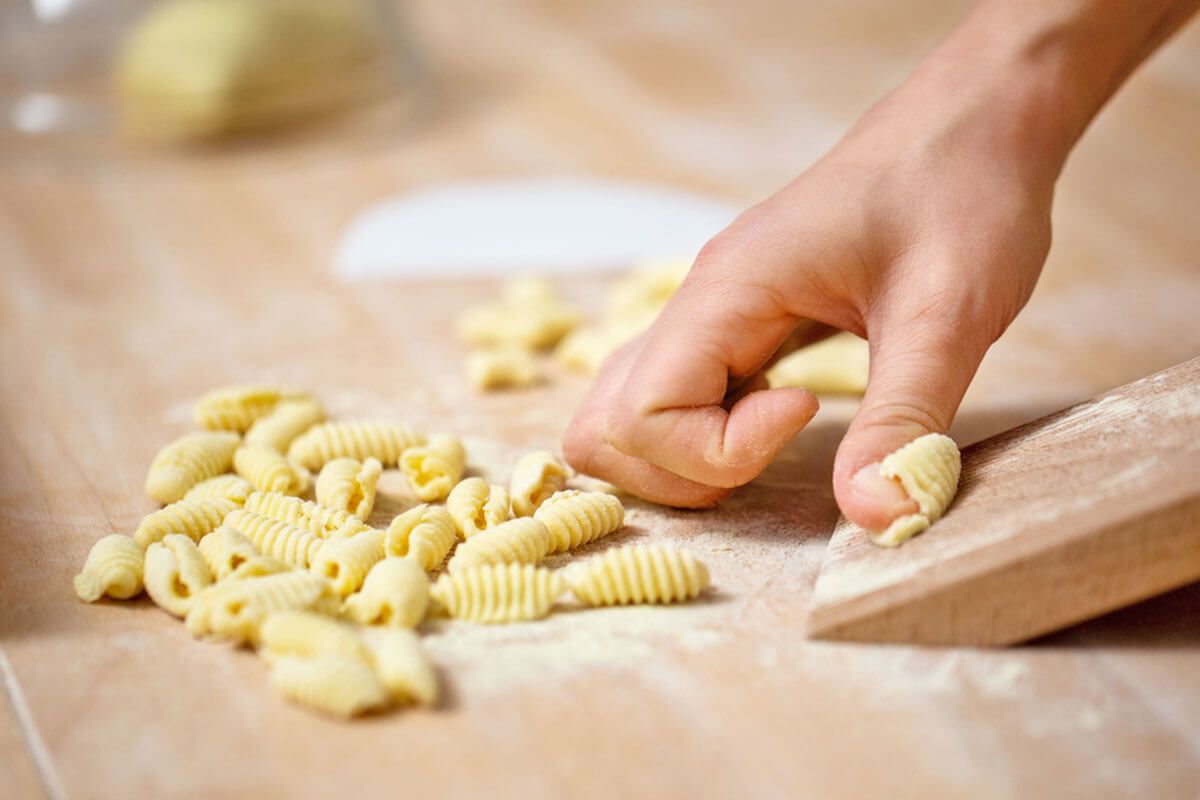
Bigoli, capellini, fettuccine, pappardelle, linguine — the list of pasta shapes goes on and on. According to the International Pasta Organization, there are more than 500 different shapes of pasta, while the Encyclopedia of Pasta lists a whopping 1,300 shapes. Nailing down a precise number is complicated by the fact that one particular form of pasta can have many different names. Cavatelli, for example, are known by at least 28 different names depending on where in Italy you eat them. 

Credit: The History Collection/ Alamy Stock Photo

Thomas Jefferson Was a Prominent Proponent of Pasta

Thomas Jefferson often traveled to Europe, where he fell in love with pasta. He made notes and drawings on how to make the food with a pasta machine while traveling in Italy, and in the 1780s he procured a pasta mold from Naples, Italy, which he had shipped to the U.S. While he was not the first person to introduce pasta — or “maccaroni,” as he called it — to America, he certainly helped popularize it, and he may have been one of the first Americans to own a pasta-making machine, which he kept at his Monticello home. 

Credit: Olga Miltsova/ Shutterstock

Pasta Played a Key Role in One of the First Televised April Fools’ Pranks

On April Fools’ Day in 1957, 8 million Brits tuned in to watch the BBC’s flagship current-affairs program Panorama. Unsuspecting viewers were then presented with a three-minute feature on the “Swiss spaghetti harvest,” which showed a family harvesting spaghetti from a “spaghetti tree” amidst a bumper harvest caused by a mild winter and the disappearance of the “spaghetti weevil.” The spoof report was broadcast in an era before pasta became a staple part of the British diet (which began in earnest in the 1960s), and so a large number of viewers were entirely fooled. A few concerned audience members even phoned the BBC asking where they could buy a spaghetti tree of their own. The clip is believed to be one of the first — and greatest — televised April Fools’ pranks.

Credit: Pajor Pawel/ Shutterstock

Italians Eat a Whole Lot of Pasta

Unsurprisingly, Italy is the world’s largest consumer (and producer) of pasta. On average, Italians eat a whopping 51 pounds (roughly 23 kg) of pasta per year. That’s significantly more per capita than their closest pasta-eating rivals, which include Tunisia, Venezuela, and Greece. The average American, by comparison, eats approximately 20 pounds (9 kg) of pasta each year, which really puts the Italian love of pasta into perspective. 

Credit: Jensoa/ Shutterstock

The First American Pasta Company Was Founded in Brooklyn

In 1848, a 32-year-old French émigré named Antoine Zerega founded the first pasta factory in the United States: A. Zerega’s Sons, Inc., now a subsidiary of Philadelphia Macaroni Company. Located on the waterfront in Brooklyn, New York, the factory had just one horse to power the machinery, and the strands of pasta were laid out in the sun to dry. The business was passed on from one generation to the next, and by the 1960s, the factory was providing pasta to hungry customers across the nation. 

Credit: Drazen Zigic/ iStock

October 25 Is World Pasta Day

In October 1995, pasta aficionados gathered in Rome for the inaugural World Pasta Congress. They enthusiastically agreed that pasta was in need of its own official day of recognition, and thus was born World Pasta Day, to be held annually on October 25. If nothing else, it’s an excellent excuse to go to your favorite Italian restaurant and load up on some delicious carbohydrates. 

Credit: Pixel-Shot/ Shutterstock

Throwing Spaghetti at a Wall Doesn’t Actually Work

An oft-repeated piece of kitchen wisdom recommends testing the readiness of cooked spaghetti by throwing a strand or two at a wall (or fridge, or ceiling). If it sticks, we’re told, it’s cooked and ready to serve. However, this theory has been tested and debunked. As it turns out, all boiled pasta will stick to the wall whether it’s undercooked, perfectly done, or overcooked. Rather than mussing up your wall with a piece of stuck spaghetto (the correct word for a single strand of spaghetti), it’s more effective — if less fun — to simply take a bite or pinch a strand to test the resistance and see if it’s ready.

Tony Dunnell
Writer

Tony is an English writer of nonfiction and fiction living on the edge of the Amazon jungle.