
Original photo by © Resource Database/ Unsplash.com

Celebrities may seem larger than life, but they aren’t immune to the phobias many of us experience. Take Jennifer Aniston’s fear of flying, for instance, or Justin Timberlake’s aversion to spiders.

But some famous folks have more unusual fears — phobias you’ve possibly never even heard of. Look no further than the Oscar-winning actress who gets freaked out by butterflies or the film star who’s repulsed by old European furniture. Here are six celebrities that have gone on record about their surprising phobias.

Credit: © Matt Carr—Getty Images Entertainment/Getty Images

Billy Bob Thornton: Antiques

In a 2004 interview with The Independent, actor Billy Bob Thornton discussed his fear of antiques. “I don’t have a phobia about American antiques, it’s mostly French,” he said, noting he’s especially unsettled by items such as “big, old, gold-carved chairs with the velvet cushions.” 

He also noted his aversion to real antique silver: “You know, like the big, old, heavy-ass forks and knives, I can’t do that.” When asked why, Thornton admitted the fear isn’t rooted in logic, saying, “I just don’t like old stuff. I’m creeped out by it, and I have no explanation why.”

Thornton spoke about the fear again in a 2012 interview with The New York Times. That French/English/Scottish old mildewy stuff,” he said. “Old dusty heavy drapes and big tables with lions’ heads carved in it. Stuff that kings were around. That’s the stuff I can’t be around.”

Credit: © Vera Anderson—Wireimage/Getty Images

Nicole Kidman: Butterflies

Nicole Kidman may be one of the most talented actresses in Hollywood, but there’s one animal she can’t act calm around: butterflies. The Oscar winner has a fear called lepidopterophobia, defined as an intense and irrational aversion to butterflies. 

Kidman developed the phobia during her childhood in Australia, when she would often come home from school to discover a giant butterfly or moth perched on her home’s front gate. “I would climb over the fence, crawl around to the side of the house — anything to avoid having to go through the front gate,” Kidman told World Entertainment News Network in 2005.

She has also admitted she’s unsuccessfully attempted to overcome her fear. During a trip to New York City, she visited the butterfly cage at the American Museum of Natural History and allowed the insects to crawl all over her — but to no avail.

Credit: © Kevin Winter—Getty Images Entertainment/Getty Images

Christina Ricci: Houseplants

For many people, houseplants add a welcome touch of warmth and greenery into the home. But actress Christina Ricci finds them more disturbing than inviting. 

Ricci’s phobia applies strictly to indoor plants, as she’s never expressed concerns with outdoor gardens or even cut flowers. But in a 2003 interview with British Esquire, Ricci said she considers houseplants to be dirty, and the sheer sight of them makes her uneasy. She said, “If I have to touch one, after already being repulsed by the fact that there is a plant indoors, then it just freaks me out.”

In the interview, Ricci professed a second uncommon fear: swimming in pools alone. “I won’t swim in a pool by myself,” she said. “I think that somehow a little magic door is going to open up and let the shark out.”

Credit: © Matt Carr—Getty Images Entertainment/Getty Images

Megan Fox: Dry Paper

In a 2009 interview on Late Night With Jimmy Fallon, actress Megan Fox admitted to a rare case of papyrophobia, or a fear of touching paper. She further specified, “I don’t like dry paper. Scripts, newspapers, or anything that’s not laminated.” She compared the feel of dry paper to the sound of nails on a chalkboard, adding that it gives her goosebumps and makes her deeply uncomfortable.

Of course, as an actress, Fox has to read scripts, so she’s developed some solutions to work around the phobia. Fox told Fallon that she either continually licks her fingertips to keep them moist or keeps a glass of water nearby so she can repeatedly dip her fingers into the cup to keep them wet. That small bit of moisture is enough to push past the discomfort.

Credit: © Gareth Cattermole—Getty Images Entertainment/Getty Images

Adele: Seagulls

Unlike ornithophobes who fear every type of bird, Grammy-winning singer Adele has laridophobia — a fear, specifically, of seagulls. In an interview with the U.K. publication Metro, Adele said her fear can be traced back to a formative and harrowing experience she had with the birds when she was 9 years old. 

While strolling along a promenade holding an ice cream cone, a hungry seagull suddenly attacked and snatched the snack from her hands. “I’ve still got a scar from its claw on my shoulders,” Adele said. “I thought it was going to take me away with it.”

Credit: © Tristan Fewings—Getty Images Entertainment/Getty Images

Channing Tatum: Porcelain Dolls

On a 2014 episode of Ellen, actor Channing Tatum was asked about his unresolved fears. He replied, “I am terrified of porcelain dolls,” noting the fear may stem from a childhood viewing of a Friday the 13th TV episode featuring a possessed porcelain doll. 

“I just think they’re freaky,” said Tatum. “I just imagine when I walk by them their heads turn with you the whole time.” Of course, host Ellen DeGeneres then brought out two porcelain dolls, causing Tatum to viscerally recoil in fear.

The actor mentioned the fear again in a 2024 interview with IGV Presents. “I will smash them, I’ll burn them, I hate them,” said Tatum. He noted being particularly icked out by porcelain dolls whose eyes open when you pick them up and close when you lay them down.

Bennett Kleinman
Staff Writer

Bennett Kleinman is a New York City-based staff writer for Inbox Studio, and previously contributed to television programs such as "Late Show With David Letterman" and "Impractical Jokers." Bennett is also a devoted New York Yankees and New Jersey Devils fan, and thinks plain seltzer is the best drink ever invented.

Original photo by trekandphoto/ Adobe Stock

When you see the Nike Swoosh on a sneaker, spot one of Tiffany’s blue boxes, or recognize the unique contour of a Coca-Cola bottle, you’re not just noticing design flourishes. Those are trademarks, the symbols that signal a company’s identity. 
A trademark can be a name, logo, slogan, color, sound, shape, or, in rare cases, even a scent — anything that tells consumers, quickly and clearly, who stands behind a product or service.

Because trademarks are meant to prevent consumer confusion, not to eliminate competition, trademark law has firm restrictions. Federal protection applies only to marks that truly function as source identifiers. 

Over the years, applicants have tried to claim exclusive rights to everything from everyday phrases to pieces of shared culture, only to discover that the system carefully defines what can and cannot be monopolized. Here are five examples of what cannot be protected as a trademark.

Credit: U.S. Forest Service/U.S. Department of Agriculture

Cultural Symbols and Historic Phrases

Some symbols and phrases are too culturally significant to be privately owned. After the September 11 attacks, for example, multiple applications sought to trademark “9/11” and related phrases for merchandise. Those attempts were quickly rejected, as the U.S. Patent and Trademark Office has concluded such terms refer to a historic event, not a commercial source. Similar efforts involving national symbols, patriotic slogans, and civil rights references have consistently failed.

In limited cases, a historic symbol or phrase can receive trademark protection when it becomes closely associated with a specific organization. The National September 11 Memorial, for example, has trademarked a stylized “9/11 Memorial” logo — with “11” represented by two parallel vertical bars evoking the form of the World Trade Center’s twin towers — to protect its official identity.

Another example is Smokey Bear, the wildfire prevention mascot who began as a public service character for the U.S. Forest Service in 1944. Congress later granted the federal government exclusive rights to his name, image, and famous slogan — “Only You Can Prevent Forest Fires” — to prevent misuse and commercial exploitation, while leaving the public free to reference the character.

Credit: © 1957 Metro-Goldwyn-Mayer Inc.; photograph, Library of Congress, Washington, D.C.

Famous Names That Aren’t Yours

A personal name can function as a trademark — but only under the right circumstances, and usually only with the consent of the person whose name it is. Elvis Presley’s name, for instance, became a valuable commercial asset after his death in 1977. His estate consolidated control of licensing in the 1980s through Elvis Presley Enterprises, which registered trademarks covering his name, signature, and likeness for everything from recordings to memorabilia. 

Over the years, outsiders have tried to register “Elvis” for unrelated merchandise, only to be rejected or challenged. Courts have consistently held that a famous name can’t simply be claimed by someone with no connection to it.

Under U.S. trademark law, living individuals must give written consent before their name can be federally registered as a trademark. After death, the commercial value of a name is typically controlled by the person’s estate or designated heirs, often through a combination of trademark rights and what’s known as the right of publicity, which governs the commercial use of someone’s identity.

Credit: wollertz/ Adobe Stock

Names of Geographic Places

Trademark law generally bars companies from claiming exclusive rights to real-life place names because those words describe geographic origin, not brand identity. Under the Lanham Act, trademark claims that are primarily geographically descriptive are typically refused. 

A business can’t simply trademark “Brooklyn” for clothing made in Brooklyn or “Napa” for wine from Napa Valley, since competitors in those areas have a legitimate need to describe where their products come from. Courts have repeatedly reinforced this principle, particularly in disputes involving wine, beer, and regional food products.

However, a geographic term can be registered if it develops secondary meaning, meaning consumers associate it primarily with a specific company rather than a place. That’s why brands including American Airlines, Kentucky Fried Chicken, and Amazon can function as trademarks. In those cases, the geographic reference is either indirect or outweighed by strong brand recognition.

Credit: percds/ iStock

Functional Features

Trademark law cannot protect product features that serve a practical purpose. Known as the functionality doctrine, this rule prevents companies from monopolizing useful designs. 

In the 2001 Supreme Court case TrafFix Devices v. Marketing Displays (2001), the court rejected an attempt to trademark a dual-spring mechanism used to stabilize road signs, ruling that features improving performance must remain available to competitors. Similar efforts to trademark tread patterns, ergonomic shapes, and mechanical components have failed for the same reason.

The logic here is that trademarks identify brand origin, not product utility. Useful innovations belong under patent law, which grants temporary protection before releasing designs into the public domain. Once patents expire, competitors can copy those features, encouraging competition and lowering prices. Only purely ornamental elements — such as the distinctive curves of the Coca-Cola bottle — can qualify for trademark protection.

Credit: Hispanolistic/ iStock

Generic Terms 

In 2008, technology company Dell applied to trademark the term “cloud computing,” just as the phrase was becoming the go-to shorthand for online data storage and remote software services.The move sparked protests within the tech industry at a time when the internet was dramatically expanding; competitors argued the term described an entire category of technology, not a single company’s product. The U.S. Patent and Trademark Office ultimately agreed, rejecting the application on the grounds that “cloud computing” was a common descriptor already in widespread use.

Trademark law is especially strict about generic terms because granting exclusive rights to them could stifle competition almost overnight. For example, imagine if only one company controlled the word “email” or “smartphone.” 

Instead, businesses can protect distinctive brand names, such as “iPhone,” but not the name of the product category itself. Once a term becomes the accepted label for a type of product or service, it no longer points to a single source. It belongs to the marketplace — and to the language — not to the company that got to the trademark office first.

Kristina Wright
Writer

Kristina is a coffee-fueled writer living happily ever after with her family in the suburbs of Richmond, Virginia.

Original photo by katjabakurova/ Adobe Stock

Almost everyone has a favorite type of candy. Some of us prefer chocolate bars, others opt for something fruity or gummy, and then there are folks who enjoy something more old-school, such as butterscotch hard candies.

Many of these beloved candies have histories as remarkable as their flavors, from the popular confection created explicitly for soldiers to the chocolate bar that traveled to space. Let’s unwrap these nine mouth-watering facts about popular candies.

Credit: Farknot Architect/ Adobe Stock

M&M’s Came Out of World War II

In the late 1930s, Forrest Mars Sr., then-director of the Mars candy company, was traveling through Spain during the Spanish Civil War when he noticed some soldiers eating small chocolate pellets encased in a hard sugar coating, which kept the chocolate interior from melting in the hot sun. Mars returned to the U.S. feeling inspired and began developing a similar candy of his own.

In 1941, Mars partnered with confectioner Bruce Murrie to produce the first M&M’s, named after the founders’ surnames. Like the candy that inspired them, M&M’s were designed to be eaten by soldiers, since the treats could withstand the hot and humid conditions of World War II’s Pacific front without melting as easily as typical chocolates. M&M’s were originally sold exclusively to the U.S. military, and eventually released to the public in 1947.

Credit: pamela_d_mcadams/ Adobe Stock

Milk Duds Got Their Name From a Manufacturing Failure

Milk Duds were invented in 1928 by the Chicago-based F. Hoffman & Co. The company had initially hoped to create a perfectly round ball of chocolate and caramel, but due to manufacturing limitations the candy always came out as a semi-round, imperfectly oblong shape. So the company referred to the failed candy as “duds.”

Despite their imperfect shape, the confections were still delicious, so the company chose to take them to market anyway. The candy ballooned in popularity after a businessman named Milton Holloway took over the company. He marketed the treat under the name Milk Duds — referring to both the large quantity of milk used in production and the “dud” nickname.

Credit: Toxitz/ iStock

We Know (Roughly) How Many Licks It Takes To Reach the Center of a Tootsie Pop

According to Mr. Owl in the classic commercial, it only takes three licks to reach the chewy center of a Tootsie Pop. But based on the findings from several studies, the true number of required licks appears to be far higher.

One study conducted by students at Swarthmore Junior High School determined it takes an average of 144 licks to reach the center. Another group of engineering students at Purdue University found the average number to be closer to 252. 

Both of those experiments used human lickers, but at least two known studies used robots instead. That same group of Purdue students created a licking machine modeled after a human tongue, which took an average of 364 licks to reach the lollipop’s center. An engineering doctorate student at the University of Michigan also built a licking machine, which resulted in an average of 411 licks. 

This large range of results is attributable to a number of factors, including, but not limited to, the force and consistency of each lick, the total amount of saliva (or lack thereof), and tongue size.

Credit: Hans/ Unsplash+

Candy Corn Was Originally Called “Chicken Feed”

Candy corn was invented in the 1880s, when many companies were marketing products toward farmers, a profession that comprised roughly half of the American workforce. Several candies were modeled after pumpkins, turnips, or other foods that resonated with agrarian communities. 

In 1898, the Goelitz Confectionery Company (known today as Jelly Belly) acquired the recipe for what we know today as candy corn. But the company initially decided to market the treat as “chicken feed” — a playful name they believed would appeal to farmers and their families. 

After World War I, human corn consumption rose in the United States due to postwar agricultural surplus, a rise in processed corn-based products, and economic shifts that made corn an affordable staple food. To capitalize on this trend, Goelitz renamed its confection “candy corn” based on its resemblance to corn kernels. Even after the name change, early ads for candy corn featured poultry iconography that paid homage to its original moniker.

Credit: Brandi Alexandra/ Unsplash

A Dentist Invented Cotton Candy

Most dentists would tell you to steer clear of eating too much candy, but dentist William Morrison may have been tempted to encourage otherwise. In 1897, Morrison was living in Nashville, Tennessee, when he teamed up with a local candymaker named John C. Wharton to create and patent an electric candy machine that produced what they called fairy floss, though we know it today as cotton candy.

Fairy floss exploded in popularity at the 1904 World’s Fair in St. Louis, where Morrison and Wharton sold their product for $0.25 per box (equivalent to roughly $9.10 today). The pair was able to sell a staggering 68,655 boxes of candy, raking in $17,163.75, or upwards of $625,000 when adjusted for inflation. The confection was rebranded as cotton candy in 1920 to market its texture, which was said to be as soft and fluffy as cotton.

Credit: Steve Cukrov. Adobe Stock

The Creator of Baby Ruth Sued Babe Ruth

The Baby Ruth candy bar was created by the Curtiss Candy Company in 1920 — the same year that baseball legend Babe Ruth hit a then-record 54 home runs. But the Great Bambino was irked that the company was selling a candy bar with such a similar name to his own without offering him any royalties. Rather than take the Curtiss Candy Company to court, the Sultan of Swat decided to make his own candy bar, and in 1926 he debuted Ruth’s Home Run bar.

The Curtiss Candy Company responded by turning the tables and taking Ruth to court. They accused the slugger of trying to steal their trademark and capitalize on the success of their brand. In a 1931 deposition, Curtiss founder Otto Schnering insisted the candy was named after “Baby Ruth” Cleveland — the daughter of President Grover Cleveland. 

He also attested that the company came up with the name in 1919 before the baseball player had become a household name and that the name was merely coincidental. While the validity of those claims is disputed to this day, the court nonetheless ruled in favor of the candy company, forcing Ruth to end his foray into the world of candy.

Credit; Ray Suarez/ Pexels

A Hershey Bar Designed for War Went to the Moon

In the 1930s, Hershey’s was tasked with creating a new protein-dense chocolate bar that could provide soldiers with essential nutrients. The company was also warned to avoid making it too tasty, as the military didn’t want soldiers overindulging. 

Thus, in 1943, the Hershey’s Tropical Chocolate Bar was born. In addition to its lack of flavor and nutrient-rich nature, the bar included ingredients that made it durable and prevented it from melting in temperatures up to 120 degrees Fahrenheit.

Decades later, NASA realized those durable bars would make an excellent protein-rich dessert for astronauts during lunar missions. In 1971, Tropical Chocolate Bars were loaded onto the Apollo 15 spacecraft for the crew to enjoy at the end of meals. The bars also remained a staple of U.S. military rations until 1991, when they were phased out.

Credit: Viktor/ Adobe Stock

PEZ Was Created To Help People Quit Smoking

In 1927, Austrian businessman Eduard Haas III created PEZ, a name derived from pfefferminz, the German word for peppermint. To be precise, the candy was originally called “PEZ drops” due to its rounded nature. 

But the treat wasn’t initially marketed as candy — it was advertised as something for former smokers to chew on in lieu of puffing on cigarettes. Haas was a staunch anti-smoking advocate, and he marketed the drops under the slogan, “Smoking prohibited, PEZing allowed.”

PEZ sales expanded outside of Austria in 1948 and extended into the U.S. market in 1953. Shortly after, Haas developed a plan to market PEZ as a children’s candy. He unveiled new fruity flavors, and the company began selling colorful PEZ dispensers designed to look like fun and familiar characters.

Credit: Ned Snowman/ Adobe Stock

There Are Hundreds of Kit Kat Flavors in Japan

Pop into any convenience store in the United States and you’ll likely see common Kit Kat flavors such as milk chocolate, dark chocolate, or maybe vanilla. But in Japan, where Kit Kats are a national sensation, there are hundreds of unique flavors you won’t find in the U.S.

Kit Kats debuted in Japan in 1973, gaining widespread popularity in part because of their lucky-sounding name, which sounds similar to the Japanese phrase kitto katsu, meaning “you’ll certainly win.” 

While Japanese candy stores do sell the classic chocolate flavors, you’ll also come across Kit Kats flavored like green tea, Japanese plum, salt lychee, banana, sake, wasabi, soy sauce, and hundreds of others.

Bennett Kleinman
Staff Writer

Bennett Kleinman is a New York City-based staff writer for Inbox Studio, and previously contributed to television programs such as "Late Show With David Letterman" and "Impractical Jokers." Bennett is also a devoted New York Yankees and New Jersey Devils fan, and thinks plain seltzer is the best drink ever invented.

Original photo by Annika Treial/ Unsplash

Horses share a long and storied history with humans. They’re thought to have been domesticated as many as 6,000 years ago on the vast plains of Central Asia (near modern-day Kazakhstan), beginning a partnership that transformed human advancements in transportation, agriculture, and warfare. 

But beyond their historical importance, horses’ strength, speed, intelligence, and surprisingly social personalities still fascinate us. These animals — from the loyal barnyard companions to the elite athletes — are far from being one-trick ponies. Here are seven fascinating facts about horses.

Credit: Volgi archive/ Alamy

The Earliest Horses Were the Size of Dogs

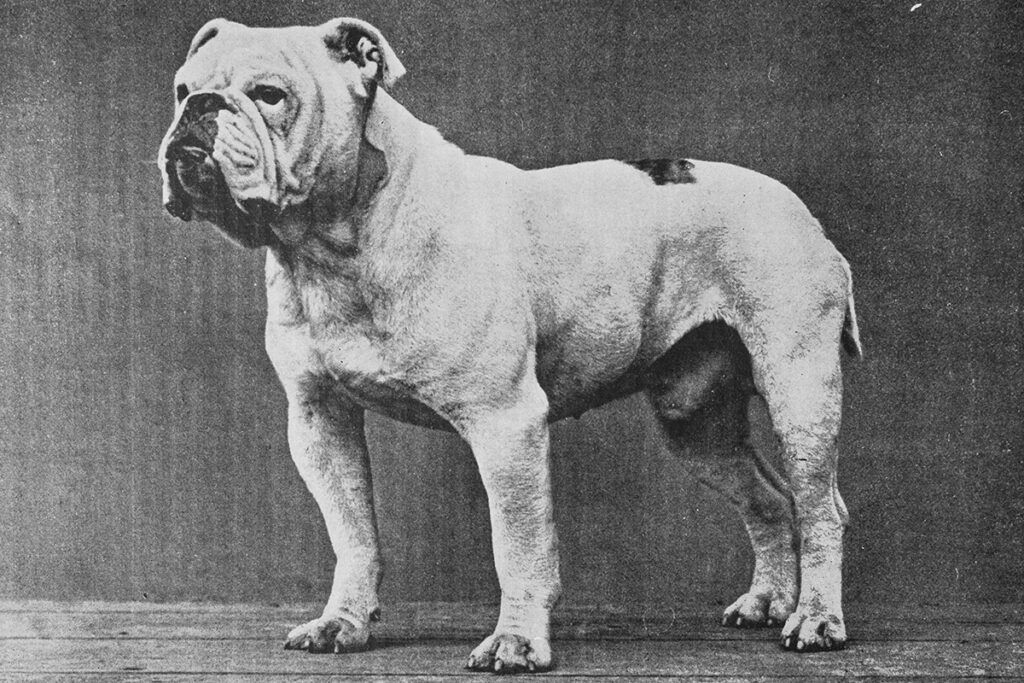
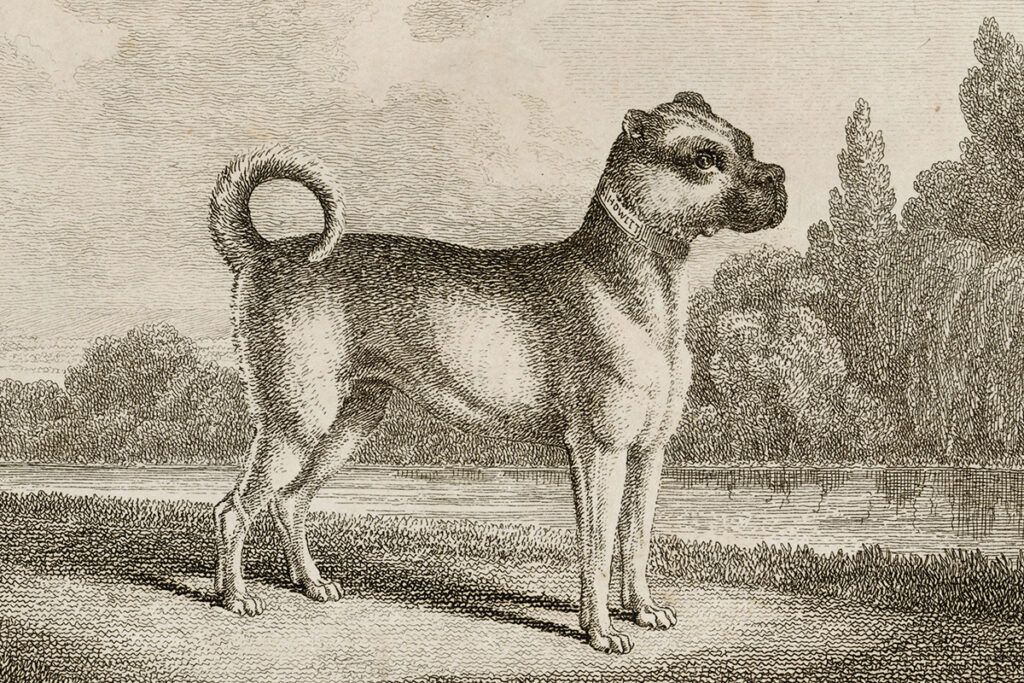
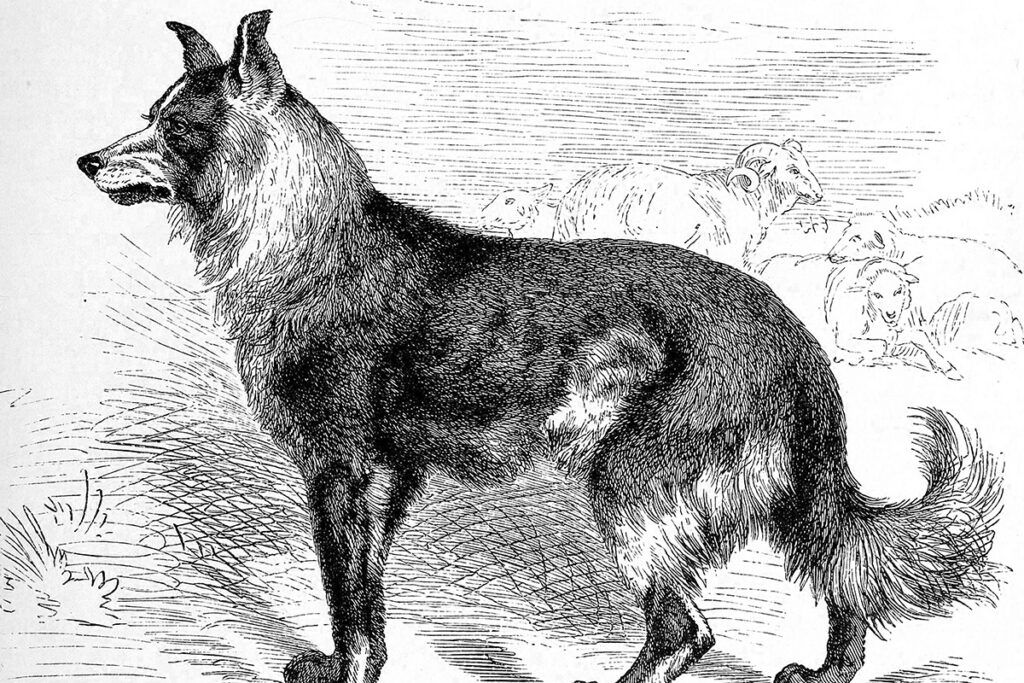
The earliest known ancestor of the modern horse first lived around 56 million years ago during the Eocene Epoch. Known as Hyracotherium, this small mammal was roughly the size of a modern small- or medium-sized dog. Standing at around 12 to 24 inches at the shoulder, these early horses were only about the height of a French bulldog, while bigger ones were roughly as big as a border collie. 

Unlike the prominent single-hoofed feet that horses have today, Hyracotherium had four toes on its front feet and three on its back feet. It also had a short neck and snout, and its teeth were suited for soft leaves rather than grazing tough grass. Over millions of years, changing climates transformed forested landscapes into open grasslands, and horse ancestors evolved to suit their changing environments, gradually growing larger and developing stronger legs better suited for running long distances. 

Modern horses may still carry tiny reminders of their ancient ancestors on their legs: Chestnuts, the rough patches found on the inside of their knees and hocks, are thought by equine researchers to be remnants of the foot pads that once helped their ancestors walk on multiple toes.

Credit: Irina Orlova/ iStock

Horses Can Sleep Standing Up

Thanks to an anatomical feature called the stay apparatus, horses are able to sleep while standing. That system of tendons and ligaments acts like a series of tension bands, locking the shoulder, knee, and ankle joints in place and allowing the lumbering mammal to relax its muscles without collapsing.

Horses are polyphasic sleepers, meaning they have multiple sleeping periods throughout the day, with the majority occurring at night. If you do see them sleeping while standing, they’re just lightly dozing — they still need to lie down for that all-important REM sleep. 

Sleeping while standing is an evolutionary trick used by other large herbivores such as zebras and elephants, allowing them to rest while still remaining prepared to make a quick getaway from predators.

Credit: ovbelov/ iStock

Their Teeth Keep Growing for Years

Horse teeth, similar to those of rabbits or rodents such as beavers and rats, continuously grow to keep up with the constant wear caused by their eating habits. A typical horse’s diet is plentiful in tough, dusty grasses that can erode enamel quite quickly.

Throughout much of its life, a horse’s teeth slowly erupt upward from the jaw. For centuries, experienced horse handlers could even estimate a horse’s age just by examining its teeth, a useful skill when birth records were rare.

However, that growth doesn’t last forever. Their teeth eventually reach their full potential and stop growing around age 12 (horses typically live about 25 to 30 years).

Credit: Andyworks/ iStock

Horses Can’t Breathe Through Their Mouths

Horses are what’s known as obligate nasal breathers, meaning they can only breathe through their noses, not their mouths. A long soft palate forms a tight seal between the airway and the mouth  so horses don’t inhale food while eating, but it also means they can’t switch to mouth breathing when it could be useful, such as during a high-speed gallop.

Instead, a horse’s breathing locks into a 1:1 rhythm with their stride — one breath for every step — allowing them to take in the amount of oxygen needed to maintain speed over long distances. That clever breathing system comes with its own quirky side effect: Horses can’t burp or vomit. Still, this seems like a decent tradeoff for an elite respiratory system.

Credit: lechatnoir/ iStock

They Have Amazing Memories

Like many social mammals, horses are known for their impressive long-term memories, especially when it comes to people, places, and past experiences. Research has found that they not only recognize familiar humans after long periods apart, but also that subtle emotional cues leave a lasting impression on them. 

Leanne Proops, an associate professor in animal behavior and welfare at England’s University of Portsmouth, found that horses can remember previously unfamiliar people for hours after seeing them in a photo. They also reacted to the person differently in real life afterward depending on whether they’d seen them look happy or angry in the photo.

While this sounds sentimental, that memory is actually an evolutionary survival tool. It once helped the horse’s ancestors avoid predators and find food; today, it’s useful for navigating social bonds and training with humans. 

Credit: amygdala_imagery/ iStock

Their Body Language Is Complex

Horses are constantly communicating through subtle cues in their ears, eyes, tail, posture, and even nostrils. Pinned-back ears, swishing tails, or tense muscles can mean irritation or stress, while relaxed ears and soft eyes show calm and trust. Flared nostrils are more nuanced; horses naturally flare them to breathe while running, but quivering or flaring when they’re standing still could signal nervousness.

Researchers have found that horses also have an impressively rich facial vocabulary: They can make 17 distinct facial movements, more than chimpanzees (15) and fewer than humans, who have somewhere around 46. Scientists at the University of Sussex identified equine facial movements similar to a human smile, upper eyelid raises, and eye-white increases, and linked each to emotions such as submission, fear, or stress. And those signals aren’t just for other horses — they’re used to communicate with humans, too.

Credit: Oleh_Slobodeniuk/ iStock

They’re Very Attuned To Human Emotions

Posture and tone of voice are fairly straightforward ways for humans to convey emotions, but horses are able to pick up on our emotional states in multiple subtler ways as well. Not only can they read our body language, but horses can also hear a human heartbeat from as far as 4 feet away and use that data to suss out the person’s emotional state. Studies on heart-rate variability have found horses can even synchronize their heartbeats with our own. 

Research has also found that horses can detect emotional odors in human sweat — to put it in simpler terms, they can literally smell our fear. When exposed to sweat collected from people in fear‑inducing situations, horses showed stronger stress responses than when presented with odors from people who had been in joyful situations, even without visual or vocal cues.

It’s no wonder horses have become trusted partners in therapeutic practices, just as they have been partners to humans in many other ways for millennia.

Nicole Villeneuve
Writer

Nicole is a writer, thrift store lover, and group-chat meme spammer based in Ontario, Canada.

Original photo by master1305/ iStock

Everyday life is filled with familiar noises we rarely stop to question: the hum of a dial tone, the chime of a computer, or the beep of a microwave to let us know our food is ready. From the earliest telephones and centuries-old clock towers to modern computers and electric vehicles, the chirps and chimes we’ve grown used to hearing didn’t happen by accident — they were carefully created to convey a message. Here are some of their stories.

Credit: Getty Images via Unsplash+

Phone Dial Tones

In the early days of telephones, dial tones weren’t necessary because people couldn’t call each other directly. Instead, phones relied on human operators, who answered calls and connected them at a central switchboard.

That changed in 1919 when the Bell System adopted automatic dialing, becoming the first U.S. commercial company to do so. But with no operator on the line, callers needed a clear signal that the system was ready to dial; if you began dialing too soon, the first digits of the number wouldn’t register. The solution was a dial tone, an audible clue that you could start dialing.

The U.S. wasn’t the first country to use automatic dialing. One of the earliest adopters was Germany, where the dial tone was invented in 1909 by engineer August Kruckow in Hildesheim. The sound was known as the “Amtston” (German for “office tone” or “exchange tone”), and it was designed to emulate the sound of the letter “A” in Morse code, repeated. 

Audible Morse code consists of two sounds: “dits” and “dahs.” Each letter corresponds to a series of “dits” (dots), which are short tones, and “dahs” (dashes), which are long tones. The letter “A,” for instance, looks like “.-” and sounds like “Di-Dah” (the “T” is dropped when followed by another sound). 

The Amtston, however, didn’t become universal, and dial tones instead evolved differently across regions. Dial tones came in various sounds until the system became standardized in the 1960s. Today, modern landlines, such as those in offices and hotels, use standard dial tones that vary by country or continent. 

In North America, the Precise Tone Plan specifies the dial tone must be a combination of two simultaneous frequencies at 350 Hz and 440 Hz, which were chosen because they don’t interfere with the dialing system’s frequency and are audible above background noise, such as human voices. This results in one steady, recognizable tone, which is very different from Kruckow’s original “Di-Dah” tone. Other regions have different standard tones, such as Europe’s 425 Hz.

Credit: DonNichols/ iStock

Microwave Beeps

You may have noticed that most microwaves produce a very similar “beeping” tone, regardless of the brand. That’s because the same sound technology is employed across much of the industry — it’s known as the “piezoelectric buzzer.”

The piezoelectric effect was discovered in 1880 by French physicists Pierre Curie (husband of Marie Curie) and his brother Jacques. They found that applying pressure to specific materials, such as crystals and ceramics, generates an electric charge. The effect’s name comes from the Greek word “piezein,” meaning “to squeeze.”

Nearly a century later, during the 1970s and ’80s, this electricity was harnessed by various Japanese manufacturers and used to make buzzers that were placed in many household gadgets, from microwaves to smoke detectors. Piezoelectric buzzers became the standard because they’re inexpensive, energy-efficient, and they work across a wide range of voltages. While some high-end microwaves now use digital sound chips that allow for more varied tones, piezoelectric buzzers are still the norm.

However, piezoelectric buzzers do have limitations, including the sound they produce. The frequency and length of the tone can be adjusted, but the buzzer’s general “beep” noise remains consistent. That’s why most microwaves sound so similar, even decades after the appliance’s debut. Because the sharp, simple tone is widely recognizable and easily cuts through background noise, microwave manufacturers have little incentive to change it.

Credit: Karolina Grabowska/ Unsplash+

Computer Startup Tones

Computers come with an array of distinct sounds: email swooshes, keyboard clicks, and startup tones. One of the most recognizable is Apple’s Mac startup sound, a bright C-major chord.

It was designed by audio engineer Jim Reekes, who wanted a pleasant sound during boot-up, especially at a time when computers crashed (and therefore restarted) fairly regularly. Rather than startling users, the chime was meant to signal that everything was working correctly.

Reekes’ inspiration for the sound was the Beatles song “A Day in the Life.” He recorded the new sound in his living room, replacing an earlier (and mostly forgotten) Apple startup sound, which had been a jarring tri-tone. The new Beatles-inspired tone was introduced on the original Quadra computer in 1991 and has been used off and on with various modifications ever since.

By contrast, Microsoft has cycled through various startup tones over the decades, with at least 10 distinct sounds. One of the most memorable — the “ta-da” sound from Windows 3.1 computers — was created as a celebratory noise to signify the debut of the Windows Sound System, released in 1992. Before that, most PC sounds were restricted to basic beeps.

Another distinctive Microsoft startup sound is that of the Windows 95, created by celebrated British ambient music composer Brian Eno. Microsoft sought to create a musical piece with emotional depth, which led to a longer, more complex audio piece. Funnily enough, Eno composed the piece using a Mac.

Credit: Ed Harvey/ Pexels

Electric Vehicle Hums

Electric car motors are nearly silent, a quality many customers appreciate. But this poses a safety risk: Pedestrians and cyclists can’t hear them. To address that, electric vehicles must comply with rules set by the National Highway Traffic Safety Administration (NHTSA), which requires EVs and hybrids to emit artificial sounds when traveling at low speeds below 18.6 mph. 

Those almost angelic sounds, often heard as whirs, hums, or soft beeps, are designed to communicate movement. They play when the vehicle is reversing, traveling slowly, or stationary but still on. The goal is to make the vehicle’s presence and direction obvious, allowing drivers and pedestrians within earshot to remain aware of the car and its proximity to them.

The noises are designed with minimum audibility and recognizability in mind, meaning the sounds must be intense enough to be picked up by the human ear, and they must be recognizable enough to be perceived as an automobile. This allows us to react to them as we would to the noises of a gas-powered vehicle. Due to the NHTSA regulations, we can distinguish EV noise from other road noise.

Within those requirements, automakers still have room for creativity. For example, General Motors’ electric Cadillacs used an Australian wind instrument called a didgeridoo to create the brand’s sounds, which were also inspired by NASA recordings of noises made by the sun. BMW took a more cinematic approach, collaborating with Academy Award-winning composer Hans Zimmer to craft custom sounds for the i4 and iX EVs.

Credit: diczman/ Adobe Stock

Clock Chimes

Clock chimes are sharp tones and melodic sounds that indicate the passage of time in 15-minute intervals on analog clocks. Typically, they play a short tune at the intervals and strike a specific number of times at the hour mark to indicate the time. 

Those melodies and strikes are made by hammers that strike rods or gongs inside the clock. This mechanism isa holdover from the time before digital clocks, timers, and alarms when the sounds were used to announce the time without the need for a visual. While their practical purpose has faded, their nostalgic appeal remains today, serving mainly decorative purposes.

The most familiar clock melody in English-speaking countries is the Westminster Quarters. The tune originated in 1793 at Great St. Mary’s, the church at the University of Cambridge in England. It was composed by organ student William Crotch with the help of university staff and was inspired by Handel’s “Messiah.”

Originally known as the “Cambridge Quarters,” the chimes use the notes E, D, C, and G in various combinations. The melody was adopted by London’s Houses of Parliament in 1859, with distinct melodies for the quarter, half, three-quarter, and hour mark. Today, London’s Great Clock of Westminster — home to Big Ben — still plays the Westminster Quarters using four smaller bells alongside the famous hour bell.

Rachel Gresh
Writer

Rachel is a writer and period drama devotee who's probably hanging out at a local coffee shop somewhere in Washington, D.C.

Original photo by GlobalP/ iStock

Secret spaces have a certain allure: They carry a sense of mystery or whimsy, feeding our fascination for the fantastical and strange. It’s no surprise, then, that they appear in many works of fiction, whether it’s Frances Hodgson Burnett’s secret garden, Harry Potter’s Chamber of Secrets, or Batman’s clandestine batcave. 

But concealed places aren’t limited to the fictional realm. Some of the world’s most iconic structures harbor secret rooms, cleverly hidden or tucked away in forgotten corners. 

Here are six hidden chambers found in some of the world’s famous buildings, reminding us that even the most visited and photographed landmarks can still have a few secrets to share.

Credit: Science History Images/ Alamy Stock Photo

Mount Rushmore’s Hall of Records

Behind Abraham Lincoln’s carved head lies an unfinished chamber that many visitors to Mount Rushmore don’t even know exists. Gutzon Borglum, the sculptor behind the colossal presidential faces, originally wanted to carve written descriptions of important U.S. historical events into the rockface, but the plan was scrapped because the letters would have to be impossibly large to be read from the ground. 

Instead, Borglum decided to build a Hall of Records in the mountain — an 80-by-100-foot chamber behind the faces that would hold the most important documents from American history, such as the Constitution, the Bill of Rights, and the Declaration of Independence . Construction of the hall began in 1938, when workers blasted out a 70-foot tunnel behind Lincoln’s head. But the combination of Borglum’s death in 1941 and U.S. involvement in World War II caused work at Rushmore to come to a halt. 

Borglum’s son, Lincoln Borglum, later finished work on the monumental heads, d, but the rough-cut chamber sat empty for decades. Then, in 1998, the hidden space was finally outfitted with a repository of records placed on the floor just inside the hall’s entrance. 

The repository includes a titanium vault containing 16 porcelain enamel panels with descriptions of the monument’s construction, the four presidents depicted at Rushmore, and a short history of the United States. The repository was never meant for public viewing, instead serving more as a time capsule. 

No public trail was ever built to the unfinished Hall of Records, and the room, which occupies a space that roughly aligns with Lincoln’s forehead, remains closed to the public (people are occasionally granted access, but only in special circumstances and they must be accompanied by park rangers).

Credit: Nexa/ Adobe Stock

The Eiffel Tower’s Private Apartment

When Gustave Eiffel finished the construction of his iconic iron tower for the 1889 World’s Fair, there was one element he kept largely secret: a private apartment near the top. While millions climbed the tower to admire its views, only Eiffel and his occasional guests could enjoy the small but cozy space he’d created for himself on the tower’s third level. 

The apartment featured wooden furniture, oil paintings, and even a grand piano. When word got out about Eiffel’s private chamber, many wealthy Parisians offered large sums to rent it for a single night, but Eiffel always refused. The space was reserved only for him and a handful of very special guests, most notably Thomas Edison. 

Today, the interior of the once-secret apartment — complete with wax figures of Eiffel and Edison in conversation — can be viewed through a series of windows.

Credit: Spiroview Inc/ Adobe Stock

Radio City Music Hall’s Secret Apartment

In 1932, architect Edward Durrell Stone and interior designer Donald Deskey finished work on a new art deco masterpiece in New York City: Radio City Music Hall. Members of the public immediately began visiting the venue, blissfully unaware of a spectacular hidden space. 

Stone and Deskey had built a lavish secret apartment on the building’s fifth floor, with 20-foot ceilings, custom wooden furniture, marble fixtures, and plenty of gold leaf. The recipient of this extravagant space was the legendary theater impresario Samuel “Roxy” Rothafel, who had organized the opening of Radio City. 

Rothafel used the apartment as a private place to entertain his special guests, including Judy Garland, Walt Disney, and Alfred Hitchcock. When he died in 1936, the apartment was sealed off and abandoned, after which it sat unused for decades. Today, the untouched apartment remains closed to the general public but can be explored through special private tours.

Credit: Apostolos Giontzis/ iStock

The Brooklyn Bridge’s Cold War Bunker

In 2006, maintenance workers entered a sealed chamber in the massive stone anchorage of Brooklyn Bridge. Much to their surprise, they stumbled upon a long-forgotten Cold War-era fallout shelter. Inside the secret bunker was a cache — including medical kits, water drums, blankets, and ration packs with high-calorie crackers — designed to aid in survival efforts in the event of nuclear attack. 

No one is entirely sure who built the bunker, for what precise purpose it was built, and who exactly it was meant to protect, but it was likely part of the vast civil defense network created during the height of America’s nuclear panic. Today, the chamber remains closed to the public, a secret space hidden beneath a bridge crossed by tens of thousands of people every single day.

Credit: Roberto Serra – Iguana Press/ Getty Images Entertainment via Getty Images

Michelangelo’s Secret Room in Medici Chapel

Beneath the Medici Chapel in Florence’s Basilica of San Lorenzo lies a tiny chamber where one of history’s greatest artists once hid in fear for his life. In 1527, Michelangelo supported a revolt against his longtime patrons, the powerful Medici family. When the Medicis retook Florence in 1530, the artist went into hiding in this secret chamber for at least two months. 

The hidden room was eventually forgotten about, until its rediscovery in 1975. The chamber measures just 33 feet long, 10 feet wide, and 8 feet high — but the decor more than makes up for its restricted space. 

During his time in hiding, Michelangelo didn’t sit idle. He covered the walls of the chamber with sketches and studies in charcoal and chalk, offering an intimate glimpse into the artist’s creative process during one of the most harrowing periods of his life.

Tony Dunnell
Writer

Tony is an English writer of nonfiction and fiction living on the edge of the Amazon jungle.

Original photo by Brebca/ Adobe Stock

Hungry humans have long been captivated by the alluring aroma of a batch of freshly baked pastries. These buttery, flaky, golden-brown treats can be sweet or savory, and many of them have fascinating backstories to boot. 

For example, you may be surprised to discover that croissants originated outside France or that baklava contains hidden iconography literally baked into the recipe. Treat yourself to these seven indulgent facts about popular pastries.

Credit: Syed F Hashemi/ iStock

Some Baklavas Have Religious Symbolism

Baklava is a traditional Mediterranean pastry served in bakeries across North Africa, the Middle East, and Europe. Depending on the baker and style of cuisine, the pastry features anywhere from several layers to dozens of layers of flaky phyllo dough. And in some cases, the number of layers isn’t random.

In the Greek tradition, it’s typical to use 33 layers of phyllo dough, symbolizing the 33 years in the life of Jesus Christ. In a similar vein, Armenian Christians include 40 layers of phyllo dough in their baklava to represent the 40 days of Lent. 

Baklava has significance in other religions, too. In a tradition that dates to the Ottoman Empire of the 15th century, Muslims often eat baklava to break their fasts during Ramadan. Sephardic Jews also serve baklava on the holidays of Rosh Hashanah and Purim. In those cases, the sweetness of the baklava is said to symbolize the faith of true believers in addition to signifying other positive concepts such as goodwill, happiness, and good fortune.

Credit: UCG via Getty Images

There’s a Shop That Sells Tens of Thousands of Churros Daily

Chocolatería San Ginés is a 24-hour shop in Madrid founded in 1894, firmly placing it among the city’s oldest churrerías, a Spanish term for an eatery that sells churros. The shop is renowned for being a historic staple of the city center and is so widely talked about in guidebooks and travel vlogs that it’s earned a must-visit reputation among the millions of locals and tourists who patronize it each year. 

Given the shop’s status as such a popular attraction, churro sales are sky-high compared to the lesser-known churrerías throughout the city. This shop reportedly sells as many as 80,000 to 90,000 churros each day, which works out to roughly 60 churros sold per minute or 30 million churros sold per year.

It’s worth pointing out that Spanish-style churros are baked differently than the Mexican-style counterparts that are more common in the Americas. While Mexican churros are usually long, thick, and coated in cinnamon-sugar, Spanish churros are short, thin, and never sugar-coated; instead, they are served alongside cups of hot chocolate or coffee for dipping.

Credit: Peter Blottman Photography/ iStock

Pop-Tarts Exist Because of a Rival Company’s Delay

In the early 1960s, corporate rivals Kellogg’s and Post were competing to dominate the breakfast space. More specifically, both companies were in the process of developing a toastable, portable, and shelf-stable pastry. 

On February 16, 1964, Post seemed to beat Kellogg’s to the punch, unveiling a new culinary concept called “Country Squares.” While the response was extremely positive, there was one big issue: Country Squares weren’t ready to hit shelves, as Post was still tinkering with the recipe in its labs to get it just right. Kellogg’s seized the opportunity to beat Post to market, stole the idea, and began rapidly manufacturing a similar product of its own.

By September, Kellogg’s had created what was originally called the Fruit Scone and eventually renamed the Pop-Tart after Andy Warhol’s Pop Art style that was popular at the time. Kellogg’s ran a TV ad blitz and marketed its Pop-Tarts in newspapers, attracting widespread public attention. The combination of a successful ad campaign coupled with a fun name and bright colors transformed Pop-Tarts into an overnight sensation.

Credit: MatousVins/ Adobe Stock

The World’s Largest Kolache Festival Is Held in Prague… Oklahoma

Kolaches are a popular pastry that originated in Czechia around the 1700s. The sweet rolls are traditionally topped with plum jam, cheese, or poppy seeds. In the late 18th and early 19th centuries, a wave of Czech immigrants came to the United States (especially  Texas) and brought with them recipes such as kolaches, thus creating a unique style of cuisine colloquially referred to as “Czech-Tex” today.

While Texas may have seen the largest influx of European-born kolache-lovers, other Czech immigrant communities were established nearby. That includes the city of Prague, Oklahoma, which was founded in 1902 and named for the Czech capital. The American Prague now hosts the largest kolache festival anywhere in the world. The event, which dates back to 1951, welcomes 25,000 to 30,000 annual attendees — numbers far exceeding Prague’s 2,300 full-time local residents.

Kolaches are also widely beloved in the similarly named village of Prague, Nebraska. For the town’s centennial celebration in 1987, locals created the largest kolache in the world at the time, which weighed in at 2,605 pounds. In 1992, they doubled their previous feat, whipping up a mighty kolache weighing 5,200 pounds.

Credit: Michael Neelon(misc)/ Alamy

You Can Only Buy Fried McDonald’s Apple Pie in Two States

Fried apple pies were a beloved fast-food dessert from their introduction to McDonald’s menus in 1968 up until 1992, when the company pivoted from fried to baked pies for health reasons. (Ironically, though, the fried pie has only 10 fewer calories than the baked pie.) McDonald’s fried apple pies have largely disappeared since then, but it’s still possible to order them in two U.S. states.

The only McDonald’s location in the continental U.S. that still sells fried apple pies is located at 10207 Lakewood Boulevard in Downey, California. McDonald’s also sells fried apple pies in Hawaii, where customers resisted the original shift from fried to baked. In turn, local franchisees reverted to the original fried recipe, which continues to be sold there today.

A New Cronut Flavor Debuts Each Month — And Old Flavors Disappear Forever 

In 2013, the New York City bakery Dominique Ansel created a viral sensation that’s since been emulated by bakeries around the globe: the cronut. Combining croissant-like dough with the shape of a donut, cronuts debuted with a rose vanilla flavor, which was achieved using a vanilla ganache and rose glaze. 

Since then, chef Dominique Ansel, the bakery’s namesake, and his team of talented bakers have never once repeated a flavor for authentic cronuts.At the end of each month, the bakery unveils a new flavor, and the previous one is permanently discontinued.

Ansel estimates that he and his team have created more than 600 cronut varieties since the pastry’s debut, though they no longer keep count. Ansel admits it’s challenging to come up with new flavors so regularly without recycling old flavors, especially after more than a decade of continuous operation.

In addition to the rose vanilla, other past flavors include sweet clementine and ricotta, rhubarb brown sugar with lemon thyme, and raspberry jam and stracciatella. “Plain” or “regular” cronut varieties, on the other hand, have never been offered at any Dominique Ansel establishment.

Credit: BitsAndSplits/ iStock

Croissants Didn’t Originate in France

Culinary historians typically agree that croissants were inspired by crescent-shaped Austrian pastries called “Kipferl” — German for “crescent” — which were mentioned in Austrian texts as early as the 12th century. Though similar in shape, the two foods are quite different in texture; Kipferl are much breadier and denser than the flakier croissants we eat today.

The connection between the two pastries dates back to 1838, when Austrian entrepreneur August Zang founded a Viennese-style bakery in Paris. The store proved so popular that by 1840, there were more than a dozen imitators selling Viennese-style pastries across the city. 

The French began experimenting with new baking techniques for Kipferl, including swapping out its dense brioche dough for a laminated yeast dough, thus giving it a flakier texture. That experimentation culminated in the first recorded recipe for the croissant as we know it today, which dates to 1915 and is attributed to French chef Sylvain Claudius Goy. 

Bennett Kleinman
Staff Writer

Bennett Kleinman is a New York City-based staff writer for Inbox Studio, and previously contributed to television programs such as "Late Show With David Letterman" and "Impractical Jokers." Bennett is also a devoted New York Yankees and New Jersey Devils fan, and thinks plain seltzer is the best drink ever invented.

Original photo by Thomas Park/ Unsplash

Each year, more than a million rowdy revelers take to the streets of New Orleans for one of the most vibrant, debaucherous, and flat-out fun celebrations of the year: Mardi Gras. But this festive event isn’t confined to just the Big Easy. Festivities are held across the U.S. and around the world, typically featuring mask-wearing revelers, colorful parade floats, and the excessive consumption of fatty foods, booze, and other indulgent treats. 

Beyond the bead throwing, lively jazz music, and at times excessive libations, this event also carries a deeper history and lore. Here are five festive facts you might now know about Mardi Gras.

Credit: Pictures Now/ Alamy Stock Photo

The Official Colors Have Deeper Meanings

The three official colors of Mardi Gras are purple, gold, and green. The origin of these colors goes back to the first Rex parade, one of the oldest and most popular Mardi Gras parades, which was held in New Orleans in 1872.

Carnival historian Errol Laborde believes the colors were selected in keeping with the laws of heraldry, a medieval custom that dictates the design of flags, coats of arms, and other heraldic symbols. According to those laws, flags should contain three fields consisting of colors and metals (such as gold and silver), though the exact hues are left up to personal preference from there. 

The Rex Organization — the group that founded the eponymous parade — has never publicly stated why purple, gold, and green in particular were chosen as the color of Mardis Gras. But we do know the colors were assigned specific meanings at the Rex parade held on Mardi Gras in 1892.

The theme of the parade was “Symbolism of Colors,” and each float displayed a color and its associated theme. At that event, the purple float represented justice, the gold float represented power, and the green float  represented faith.

Credit: Zuri Swimmer/ Alamy Stock Photo

The First U.S. Celebration Was Held in Alabama

Before Mardi Gras came to the Americas, it was a popular celebration in Europe, especially among French Catholics, who brought the holiday with them to the United States. And although most Americans associate Mardi Gras with New Orleans, the first official recorded celebration in the United States took place in Mobile, Alabama.

On March 2, 1699, French Canadian explorer Jean Baptiste Le Moyne Sieur de Bienville and a team of explorers arrived 60 miles south of New Orleans on the eve of Mardi Gras. Given the timing of their arrival, they named the spot where they landed “Pointe du Mardi Gras.” 

By 1702, Bienville had made his way east down the Gulf and established Fort Louis de la Louisiane along the Mobile River. That settlement came to be known as Mobile, and in 1703, a local Frenchman named Nicholas Langlois helped organize the first recorded Mardi Gras celebration in the United States. 

Details of the festivities are sparse, but we do know that inaugural celebration predated the founding of New Orleans by 15 years, and Mardi Gras events didn’t become common in NOLA until the 1730s. Mardi Gras continues to be a beloved and well-attended tradition in Mobile today, attracting an estimated 1 million annual attendees (compared to the 1.4 million revelers who visit New Orleans).

Credit: Ninette Maumus/ Alamy Stock Photo

Parades Are Organized by “Krewes”

In many parts of the U.S. where Mardi Gras is celebrated, official festivities are orchestrated by social clubs called “krewes.” Krewes are inspired by the Cowbellion de Rakin Society, a mystic society founded in Mobile in 1830. But the term didn’t exist until several decades later, when celebrants in New Orleans emulated their neighbors in Alabama and founded secretive societies of their own.

“Krewe” is an old-fashioned spelling of “crew,” and the term was coined no later than 1857 in New Orleans. Krewes are private clubs that primarily exist for the purpose of celebrating the Carnival season, especially Mardi Gras. Each year, those krewes work behind the scenes to plan parades and other festivities. 

That work involves making colorful floats, designing elaborate costumes, and hosting various parades or balls in the two-week period leading up to Mardi Gras. Krewes are also tasked with electing the Rex (king) each year, whose lavish parade serves as the climactic event that caps off the year’s Mardi Gras festivities.

The oldest recorded krewe is the Mistick Krewe of Comus, whose origins in New Orleans date back to 1857. That year, the group paraded through the streets wearing costumes, establishing a new standard that other krewes adopted. Today, the oldest and largest of NOLA’s truck float krewes is the Krewe of Elks Orleans. Founded in 1935, they roll out 50 individually designed truck floats and 4,600 riders for their annual parade.

Credit: Michael DeMocker/ Getty Images News via Getty Images

There Are Strict Parade Rules

While everyday attendees are welcome to celebrate Mardi Gras in New Orleans however they please, parade participants must abide by a strict set of rules. During Mardi Gras, float riders are mandated to wear festive masks during parades. In Jefferson Parish (located in the Greater New Orleans area), anyone who removes their mask may be banned from the parade and is subjet to fines of up to $500.

New Orleans also prohibits the commercialization of any krewe-organized Mardi Gras parades. Displaying corporate logos on the float and throwing advertisements into the crowd are some of the more common violations the city has cracked down on. This rule exists to maintain the parade’s artistic integrity and annual theme.

More recently, there’s been a push to remove plastic beads from celebrations in the name of environmental sustainability. In 2025, the Krewe of Freret became the first New Orleans krewe to ban plastic beads from events, with the goal of eliminating the 200,000 sets of beads estimated to end up in trees, storm drains, and landfills each year.

Credit: fahrwasser/ Adobe Stock

It’s Just One Part of the Carnival Celebration

Mardi Gras marks the end of a weeks-long period of revelry known as Carnival. This festive season begins on the Christian holiday Twelfth Night, which traditionally falls on January 6. It runs all the way until Mardi Gras — which can fall as early as February 3 or late as March 9 — meaning Carnival can be as short as 29 days and as long as 64 days (on leap years). 

Mardi Gras, which means “Fat Tuesday” in French, falls on the Tuesday before Ash Wednesday, the Christian holiday that marks the end of the celebrations and the start of Lent, a 40-day period of fasting and prayer.

In the days before the Mardi Gras parades begin, people in New Orleans and other areas that observe Carnival celebrate in other ways. Local organizations in the Big Easy are known for their streetcar parades, and the Krewe of Joan of Arc parades through town donning medieval garb on January 6 in honor of the French heroine’s birthday. 

There are generally dozens of themed parades and fancy balls, as well as the copious consumption of King Cake, a colorful treat served at bakeries throughout New Orleans, with similar variations also served in Latin America and parts of Europe. In the U.S. and Latin American traditions, each cake contains a tiny plastic baby concealed inside to honor the birth of Jesus Christ. 

In France, cakes typically contain a bean or coin, and the Portuguese hide a dried fava bean inside. Whoever finds the hidden item in their slice of cake is typically responsible for buying the next King Cake or hosting the next celebration.

Bennett Kleinman
Staff Writer

Bennett Kleinman is a New York City-based staff writer for Inbox Studio, and previously contributed to television programs such as "Late Show With David Letterman" and "Impractical Jokers." Bennett is also a devoted New York Yankees and New Jersey Devils fan, and thinks plain seltzer is the best drink ever invented.

Original photo by Julia Bogdanova/ Unsplash+

You probably know someone who’s afraid of spiders, small spaces, or public speaking — maybe it’s even yourself. Those fears are relatively common, and likely to make people squirm at least a little. A phobia, however, goes well beyond ordinary discomfort; rather, it’s an extreme fear of a particular object or situation.

About 10% of the U.S. population has a specific phobia, and common culprits include snakes, heights, germs, and needles. There are some fears, however, that are much more surprising. Here are seven unusual phobias you’ve probably never heard of.

Credit: Maxi Gagliano/ Pexels

Koumpounophobia: Fear of Buttons

If you find yourself reaching for a zippered sweater instead of a button-up shirt or  buttoned cardigan out of terror, you may have koumpounophobia — aka the fear of buttons, particularly on clothing. Koumpounophobia can indeed cause quite a bit of distress beyond simply preferring clothing or objects without buttons: People report feeling discomfort, anxiety, or even downright disgust when seeing, touching, or wearing clothing with buttons.

The fear is thought to stem from childhood experiences. One documented case of an extreme button phobia points to an incident in which a young boy experienced embarrassment after slipping and spilling a bowl of buttons during a kindergarten art lesson; another regards a woman who was repeatedly warned against putting buttons in her mouth when she was a child for fear of choking.

In 2007, the Wall Street Journal published a story about Apple co-founder CEO Steve Job’s dislike of buttons, hinting that his peculiar aversion was the reason he wore his famous black turtlenecks and may even have led to the revolutionary iPhone touchscreen as a replacement for tactile buttons.

Credit: Olga Buntovskih/ iStock

Arachibutyrophobia: Fear of Peanut Butter Sticking to the Roof of Your Mouth

Peanut butter is a pantry staple in many homes, but for some people, it’s a source of genuine distress (and not just because of nut allergies). Arachibutyrophobia is a fear not just of peanut butter itself, but specifically of peanut butter sticking to the roof of the mouth. 

The cause of arachibutyrophobia isn’t clear: Most phobias are thought to stem from a combination of past negative experiences, genetics, anxiety, and/or the way the brain processes fear. Since arachibutyrophobia is based more so on the sensation itself — the feeling of being unable to swallow or breathe properly — it’s thought to originate from a past episode of choking or a moment of panic while eating. 

Arachibutyrophobia’s introduction into general culture is often attributed to lexicographer Robert Hendrickson, who included it in the 1975 People’s Almanac, a reference book for curious facts. It also appeared in a 1982 Peanuts comic strip in which Sally Brown can be seen reading a school report about the phobia. 

Credit: Bernd 📷 Dittrich/ iStock

Turophobia: Fear of Cheese

Lactose intolerance is an obvious explanation for some people avoiding cheese. Less common, however, is turophobia, an extreme fear of cheese that can result in reactions as severe as nausea, trouble breathing, and lightheadedness brought on by the mere sight or smell of the food. In some cases, the aversion can even extend to other white, creamy substances that resemble the dairy staple. 

In one documented case of turophobia, Atlantic magazine editor Scott Stossel explained the origin of his fear to USA Today. He described a childhood scene in which his sister ate a piece of cheese off the floor at an airport. In addition to being reprimanded by their mother, she came down with a stomach virus, and Stossel believes this kickstarted his cheese phobia; he hasn’t been able to stomach or even touch the stuff since. 

Credit: Shamblen Studios/ Unsplash

Chromophobia: Fear of Colors

A pop of color can brighten a room or even your mood, but for someone with chromophobia, it can trigger real anxiety. This fear typically centers around a single shade or a few bright colors, but some people react to just about every bold hue. There are even specific phobia names for specific colors: chrysophobia for orange or gold, cyanophobia for blue, rhodophobia for pink, and xanthophobia for yellow, to name a few. 

In his book Chromophobia, author David Batchelor describes the fear as a larger cultural unease with color. He argues that, throughout Western history, color has often been dismissed as excessive or superficial, decorative rather than substantive; sculptors and architects, for example, have often opted for more minimalistic neutral hues instead. 

Batchelor doesn’t suggest those traditions have directly created phobias, but it could help explain why intense hues can cause discomfort — something fans of the millennial gray aesthetic most likely wouldn’t argue with. 

Credit: Larisa Stefanuyk/ iStock

Erythrophobia: Fear of Blushing

If you’ve ever experienced the sensation of blushing, you’ll know it can  cause you to feel self-conscious. The involuntary bodily response is certainly nothing to be ashamed of, but for those with erythrophobia, blushing is a source of intense anxiety. 

The fear of your cheeks and face turning red in public can make ordinary interactions feel impossible to navigate, and as a result, people with erythrophobia may avoid social interactions altogether. Research suggests that people who regularly focus closely on themselves are more likely to fear blushing and be prone to it — a cruel bit of irony, since the more you worry about turning red, the more likely it is to happen.

Credit: KSevchenko/ iStock

Lachanophobia: Fear of Vegetables

It’s not uncommon to dislike certain vegetables — especially for kids — but to people with lachanophobia, the sight, smell, or texture of the foods triggers a distinct sense of disgust and dread. 

For some, the fear is tied to where vegetables come from: They’re grown in soil and therefore exposed to insects or contamination. In other cases, the reaction is to specific types of vegetables. Mycophobia, for example, is the fear of mushrooms, which is most often linked to concerns about their potential toxicity.

One documented case of lachanophobia involved a 22-year-old university student from Portsmouth, England, whose fear of vegetables caused her to have panic attacks. Like other specific phobias, lachanophobia is often treated through gradual exposure or anxiety management.

Credit: Filmstax/ iStock

Phobophobia: Fear of Fear

In his inaugural address in 1933, President Franklin D. Roosevelt famously said, “The only thing we have to fear is fear itself.” Though his intention was to give the U.S. courage in the midst of the Great Depression, he also inadvertently mentioned phobophobia: the fear of fear itself, a meta type of anxiety. 

People with phobophobia may be frightened about experiencing the physical sensations that come with fear, such as sweaty palms or shortness of breath, or they may worry about the lasting harm those symptoms may cause. Chronic stress, for instance, can contribute to high blood pressure and a weakened immune system. 

Others feel an intense fear regarding the possibility of developing other specific phobias. By anticipating their own anxiety, they create more of it, creating a feedback loop known as a self-fulfilling prophecy.

Phobias aren’t always based in logic, but that doesn’t make the scared feeling any less real. The good news is that with the right support, people can often learn to manage their symptoms and navigate daily life without being ruled by their fear.

Nicole Villeneuve
Writer

Nicole is a writer, thrift store lover, and group-chat meme spammer based in Ontario, Canada.

Original photo by Africa Studio/ Adobe Stock

If you’ve ever woken up to find the kitchen lights inexplicably on or been told you held a full conversation in the middle of the night with no memory of it, you’re not alone. Sleepwalking — also known as somnambulism — has fascinated and frightened people for generations. 

To anyone watching, this phenomenon can seem unsettling or even supernatural. But sleepwalking is simply a glitch in the brain’s normal sleep controls. Even at rest, the brain manages multiple systems at once. Every so often those systems fall slightly out of sync, and the body takes a nighttime stroll while the mind remains deeply asleep.

Although it’s most common in children, sleepwalking can happen at any age. Researchers have spent decades trying to understand why the sleeping brain sometimes allows the body to move around without conscious awareness. The answer lies in how sleep works, how the brain transitions between stages, and what can interrupt those transitions in subtle ways.

Credit: AnnaStills/ Adobe Stock 

It Happens During Deep Sleep

Many people assume sleepwalking is caused by acting out dreams, but sleepwalking occurs during non-REM sleep, the deepest and most restorative phase of the sleep cycle, usually within the first couple of hours after falling asleep. Most of your dreaming, especially your vivid, narrative-driven dreams, take place during REM sleep.

In non-REM sleep, brain waves slow dramatically. The body is meant to be still, breathing is steady, and awareness of the outside world is almost completely shut down. The brain uses that time to repair tissues, consolidate memory, and restore energy.

Sleepwalking happens when the brain partially wakes from this deep state but doesn’t fully transition into alertness. The motor centers switch “on” before the thinking and reasoning parts of the brain catch up. As a result, a person can move, walk, or perform routine actions without conscious control.

Credit: New Africa/ Adobe Stock

The Brain Is Stuck Between Sleep and Wakefulness

Scientists describe sleepwalking as a disorder of arousal; the brain attempts to wake but gets trapped halfway. The parts responsible for movement become active while the areas governing judgment, awareness, and memory remain asleep. That explains both the wandering behavior and why sleepwalkers almost never remember what happened during their sleepwalking episodes — the brain never fully “records” the event.

Brain imaging shows that during episodes, the frontal lobe (the areas that manage decision-making and self-control) remain largely inactive. Meanwhile, deeper brain regions tied to habit and motion are active enough to get the body moving. It’s like a computer booting only halfway: The system is running, but critical controls haven’t loaded.

Because the conscious brain is still offline, trying to wake a sleepwalker suddenly can be confusing or even startling for them. They may look disoriented or frightened because their frontal lobe is being abruptly activated, forcing the brain into wakefulness before its decision-making and self-control systems have fully come online.

Credit: TanyaJoy/ iStock

Genetics Plays a Role

Sleepwalking often runs (or walks?) in families. If one parent has a history of sleepwalking, their child is far more likely to do so. If both parents have a history, the odds increase even more dramatically. 

Researchers believe certain inherited traits affect how easily the brain shifts between sleep stages. Some people, for example, simply have a higher threshold for waking: their brains resist full arousal, which makes partial awakenings more likely. Instead of fully waking or staying asleep, they drift into that curious middle ground.

Genetics also affects how deeply a person sleeps. Those prone to sleepwalking tend to spend more time in slow-wave sleep — the stage where episodes originate. For many sleepwalkers, this tendency is built right into their neurological wiring.

Credit: fizkes/ iStock

Certain Triggers Can Spark Episodes

Even in people who are genetically predisposed, sleepwalking usually needs a trigger. Anything that disrupts deep sleep or causes sudden arousal can increase the chances of an episode. Common triggers include sleep deprivation, stress, anxiety, fever or illness, irregular sleep schedules, certain medications, alcohol before bed, or sleep disturbances.

When the brain is pushed into deeper-than-normal sleep — often after exhaustion — it can struggle to wake cleanly. Instead, it can misfire and activate the body while awareness lags behind. 

Sleep disorders such as sleep apnea can also increase episodes of sleepwalking. Repeated interruptions in breathing jolt the brain out of deep sleep again and again, creating more opportunities for incomplete awakenings.

Credit: Pixel-Shot/ Adobe Stock

Sleepwalking Is Common — And Usually Benign

About one in three children will sleepwalk at least once, and most outgrow it as the brain matures and sleep patterns become more stable. It’s less common in adults, though it still affects millions worldwide. Many episodes are mild — sitting up, mumbling, or briefly wandering — though some people are able to carry out surprisingly complex behaviors.

Sleepwalking is part of a larger group of sleep-related behaviors called parasomnias, conditions in which elements of sleep and wakefulness overlap. Non-REM parasomnias include talking in your sleep, night terrors, and confusional arousals (brief partial awakenings from deep sleep in which a person appears awake but feels confused or disoriented before falling back to sleep).

Nightmares are also classified as parasomnias, though they occur during REM sleep and involve vivid dreaming rather than physical movement. Together, those disorders show how the brain can become active in unusual ways while the body is still technically asleep.

Occasional sleepwalking is usually harmless and demonstrates how complex sleep really is. So if you’ve ever found signs of a nighttime adventure you can’t recall, it typically isn’t something to fear. It’s simply the brain at work, juggling rest, repair, and awareness — and sometimes those systems can fall slightly out of sync.

Kristina Wright
Writer

Kristina is a coffee-fueled writer living happily ever after with her family in the suburbs of Richmond, Virginia.