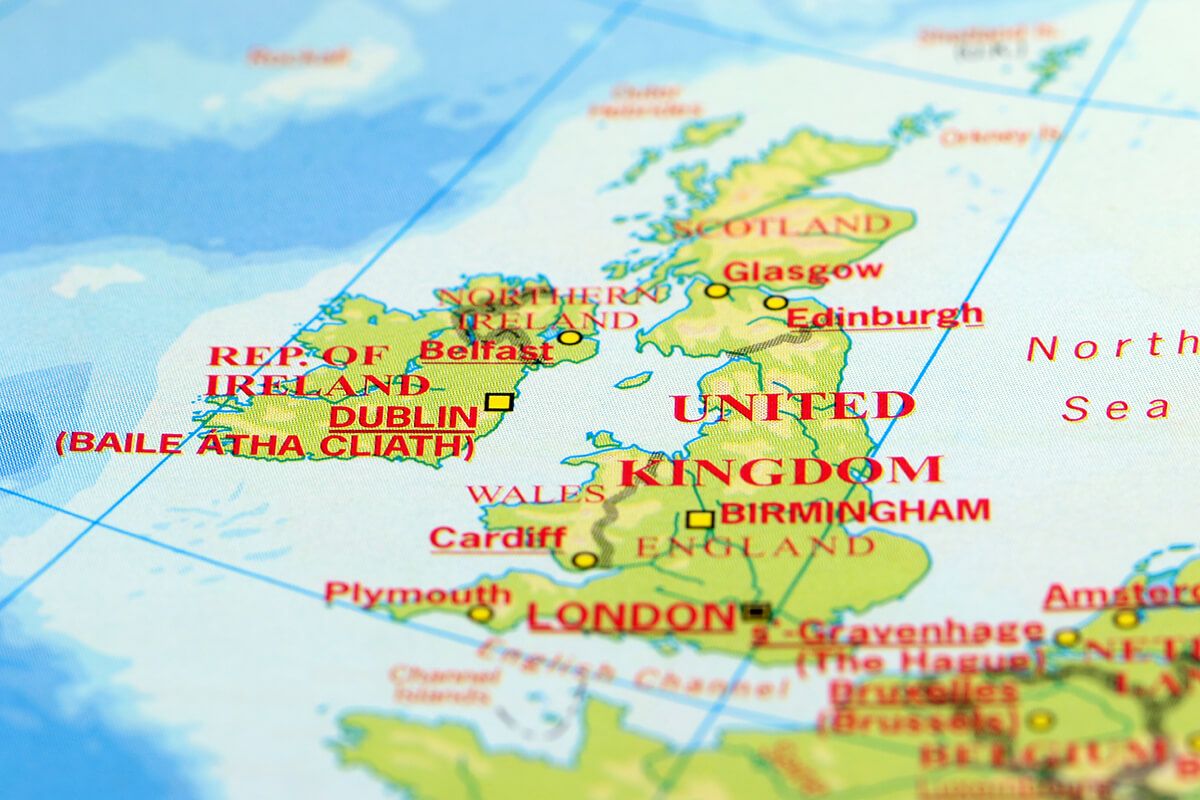
The United Kingdom — or, to use its full name, the United Kingdom of Great Britain and Northern Ireland — is a sovereign country comprising mainland Great Britain (England, Scotland, and Wales) and Northern Ireland, as well as numerous smaller islands and overseas territories. While most people know that England and Scotland are countries (although not sovereign ones), Wales is a bit more of a conundrum to the outside world. Is it a country? Or maybe a county, or a region? Or even, as some would say, a principality? Well, there is a clear answer to this question, although it’s helpful to have some background to get the full picture.
Delving into the sprawling geopolitical history of the United Kingdom isn’t for the faint of heart. It’s a complex, muddled, and endlessly colorful tale of kings and queens, unions and betrayals, and war and peace, that spans many centuries. Historians can even place the origins of the United Kingdom as far back as the Anglo-Saxon King Æthelstan, who in the 10th century secured the allegiance of neighboring Celtic kingdoms. These allegiances, however, didn’t last.
Until the early 17th century, England and Scotland were entirely independent kingdoms. The Principality of Wales, however, had been under the control of English monarchs ever since the 1284 implementation of the Statute of Rhuddlan, which legally assimilated Wales into the Kingdom of England. Then, in 1707, the English and Scottish Parliaments passed the Act of Union, leading to the creation of a united single kingdom to be called Great Britain.
After that came the Act of Union of 1801, which formally united Great Britain (which included England, with Wales still annexed to it, and Scotland) with Ireland under the name United Kingdom of Great Britain and Ireland. The partition of Ireland in 1921, which saw the Emerald Isle split into Northern and Southern Ireland, resulted in the formation of the current United Kingdom of Great Britain and Northern Ireland.
So where does Wales stand in all this? If you walked the streets of an English city today and asked people what they would label Wales, there’s a strong possibility that at least one English person would call it a principality. This notion has historical context, as the English King Edward I conquered Northern Wales (though not the whole of Wales as we know it today) and made it a principality in 1284. The union between Wales and England lasted a long time, whereas Scotland, for example, was an independent kingdom through the Middle Ages. This partially explains why there’s more confusion surrounding the status of Wales as a country than there is with Scotland.
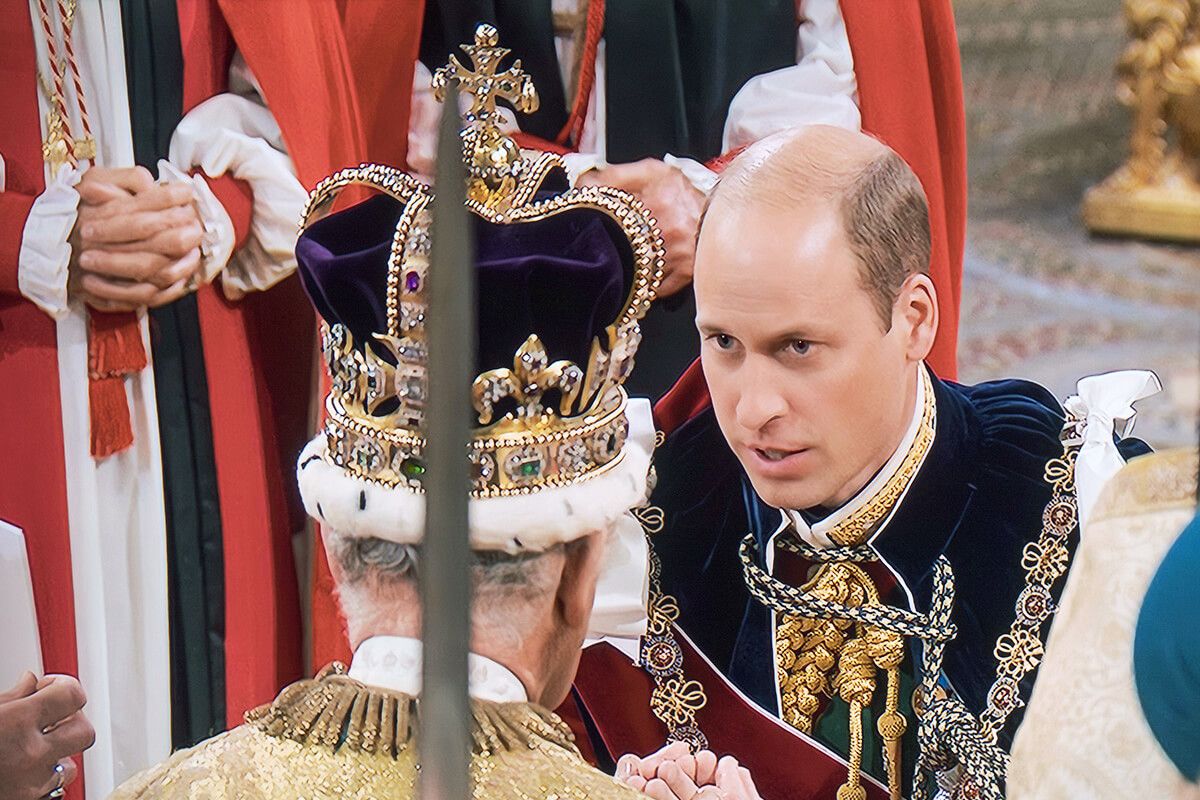
Then there’s the existence of the Prince of Wales — a title formerly held by King Charles III, the current monarch of the U.K., and now by his son, Prince William — which can lead people to believe Wales is a principality (a state ruled by a prince). The media, too, sometimes refers to Wales as such. But Wales as a whole is not, and has never been, a principality, at least as it’s defined territorially today; only North Wales was an actual principality of the English crown.
Wales is, in fact, a country. To be more specific, it’s a country within a country. The United Kingdom of Great Britain and Ireland is a sovereign state, but the nations it’s made up of are also countries in their own right. It’s interesting to note, however, that only the United Kingdom (as a whole) is considered a member of the United Nations. You won’t find England, Wales, Scotland, or Northern Ireland listed as member states, as they’re considered part of the U.N. as constituent nations of the United Kingdom.
Today, Wales has its own government and legislature — the Welsh Parliament is called the Senedd Cymru — but Wales also falls under the purview of the government of the United Kingdom of Great Britain and Northern Ireland. Each governing body has power and responsibility over different aspects of the country. For example, Senedd Cymru is responsible for agricultural, economical, educational, and environmental matters, among other things, while the U.K. government deals primarily with defense, foreign affairs, immigration, and crime. Beyond the technicalities, Wales is also very much a country in terms of cultural identity, with its own language, national symbols, rich traditions, and more.
Tony Dunnell
Writer
Tony is an English writer of nonfiction and fiction living on the edge of the Amazon jungle.
Advertisement
top picks from the Inbox Studio network
Interesting Facts is part of Inbox Studio, an email-first media company. *Indicates a third-party property.
Nature is filled with an extraordinary assortment of patterns that are fundamentally unique, defying replication even under seemingly identical conditions. These unique patterns emerge through a series of complex interactions that can involve environmental factors, random variations, and, in the case of living things, genetic information, all helping to form these one-of-a-kind designs.
Here are some of the most notable examples of the unique patterns that occur in nature, from our own fingerprints to individual snowflakes to the spots and stripes on wild animals.
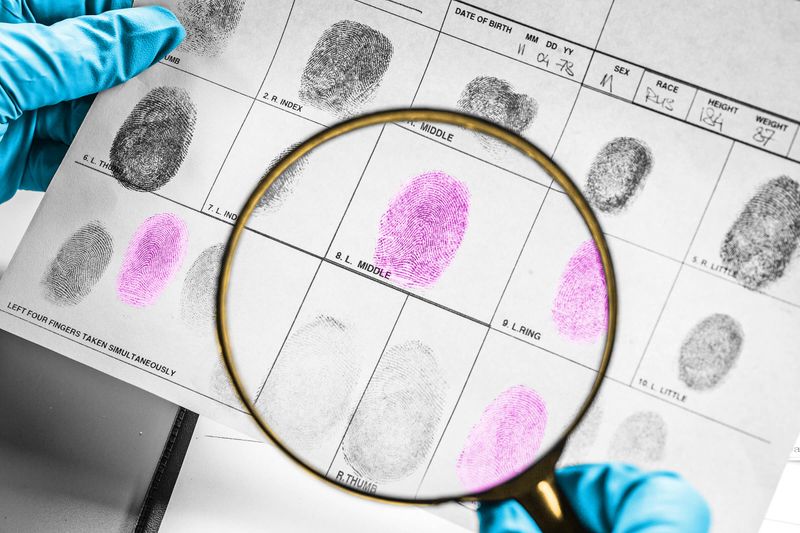
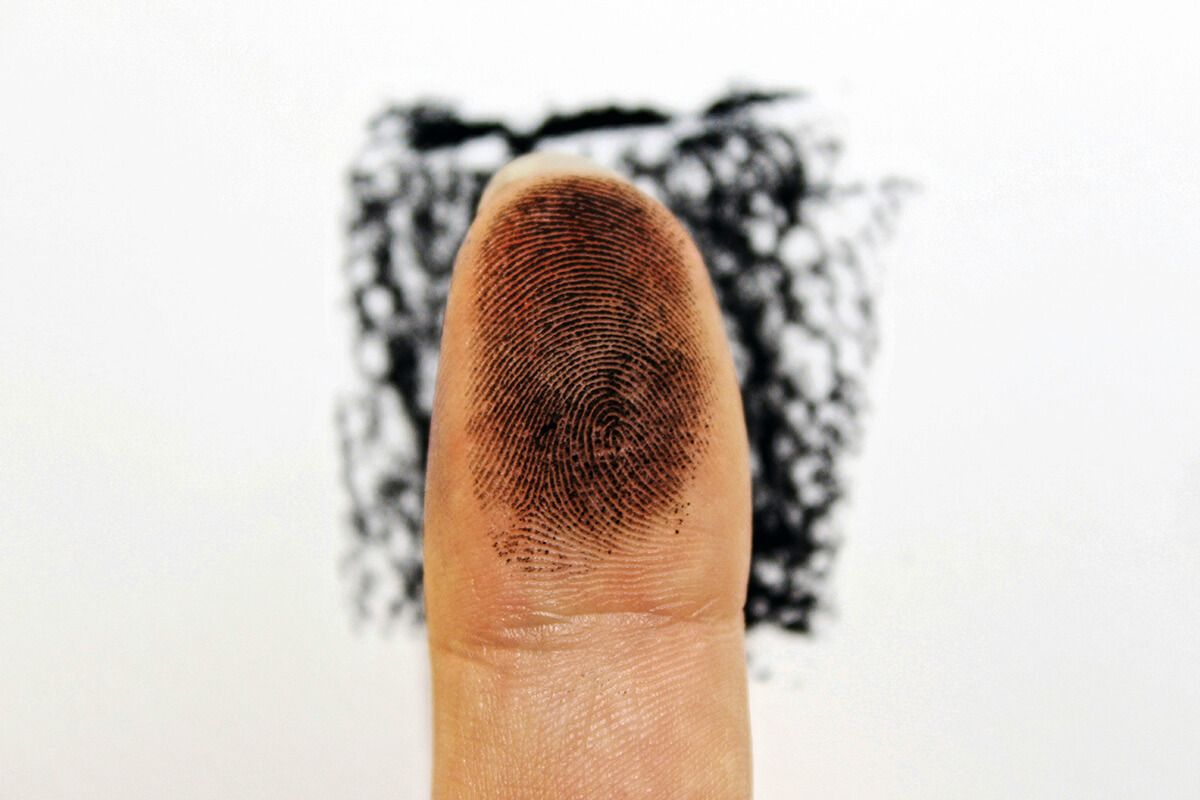
Fingerprints are the quintessential example of a unique natural pattern. Formed during fetal development, these intricate ridges and whorls result from a combination of genetic factors and developmental conditions. The complex interactions between genetic instructions and environmental influences (even down to the chemical environment inside the womb) create patterns so distinctive that even identical twins don’t have the same fingerprints. For this reason, fingerprints have been used to identify people for more than a century, especially in criminal investigations. The first criminal trial to use fingerprints as evidence was in 1910, and fingerprinting remains a vital part of forensic analysis.
Snowflakes are another naturally occurring phenomena that are famously distinctive. Snowflakes form when water vapor travels through the air and condenses on a particle, creating a slow-growing ice crystal. They can start off quite similar to each other, but nearly imperceptible changes in temperature and the amount of water in the air change how the molecules act and how they condense. Because of this, no matter how many billions of snowflakes fall from the sky, no two will ever be the same.
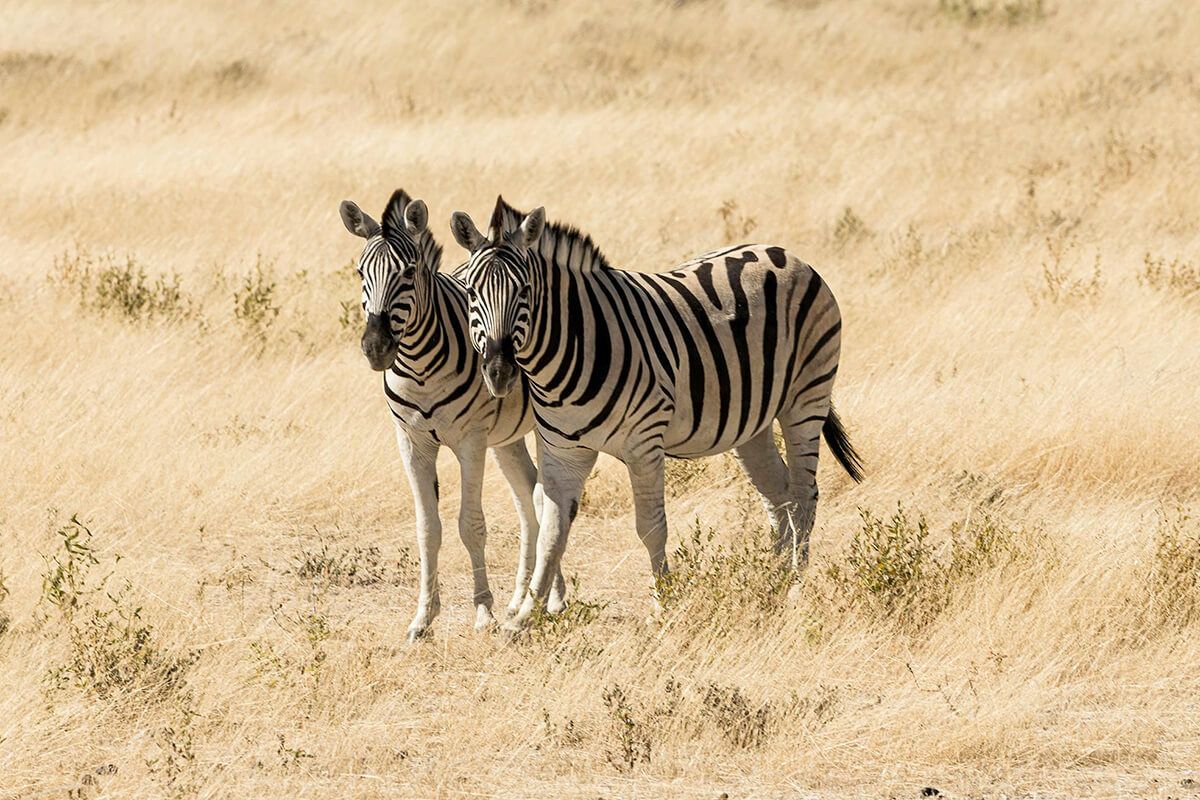
Some animals possess unique markings that are genetically influenced but randomly distributed, serving to distinguish one animal of a certain species from another. Zebras, for example, may look very similar at first glance, but no two zebra stripe patterns are exactly alike. Scientists believe zebra stripes may have the social purpose of allowing the animals to recognize each other, while also possibly confusing predators such as lions and perhaps even helping regulate body temperature. Other animals with unique coat patterns include giraffes, tigers, and leopards. Their coats are the equivalent of human fingerprints, helping scientists identify individual animals simply by their unique patterns.
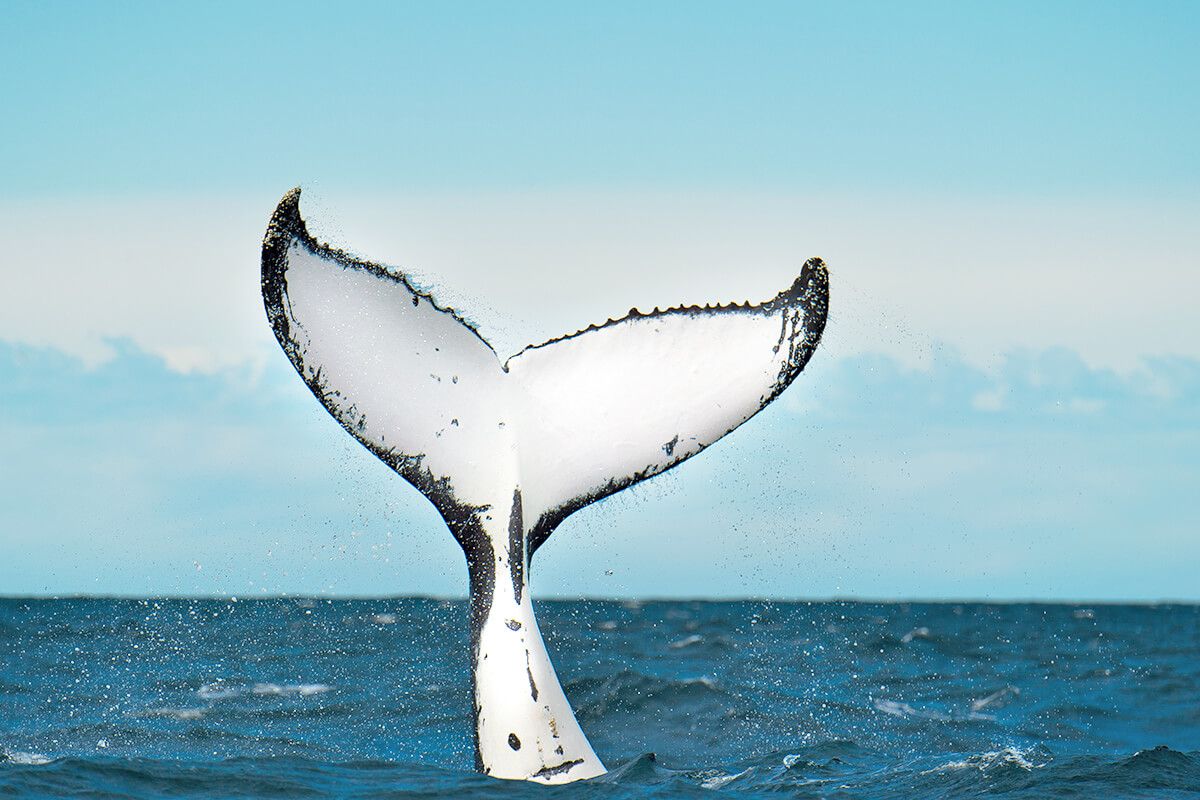
Scientists have recently discovered that unique marks on the underside of humpback whale flukes — the flat, horizontal lobes that make up each side of their tales — are useful identifiers just like human fingerprints. Each whale tail has unique patterns and coloration, which has proved invaluable to researchers, who can identify the animals by looking at the fluke when it rises above the water (which happens almost every time a whale starts to dive). Unique scarring and even barnacle distribution on the whale’s tail can make the identification process even easier.
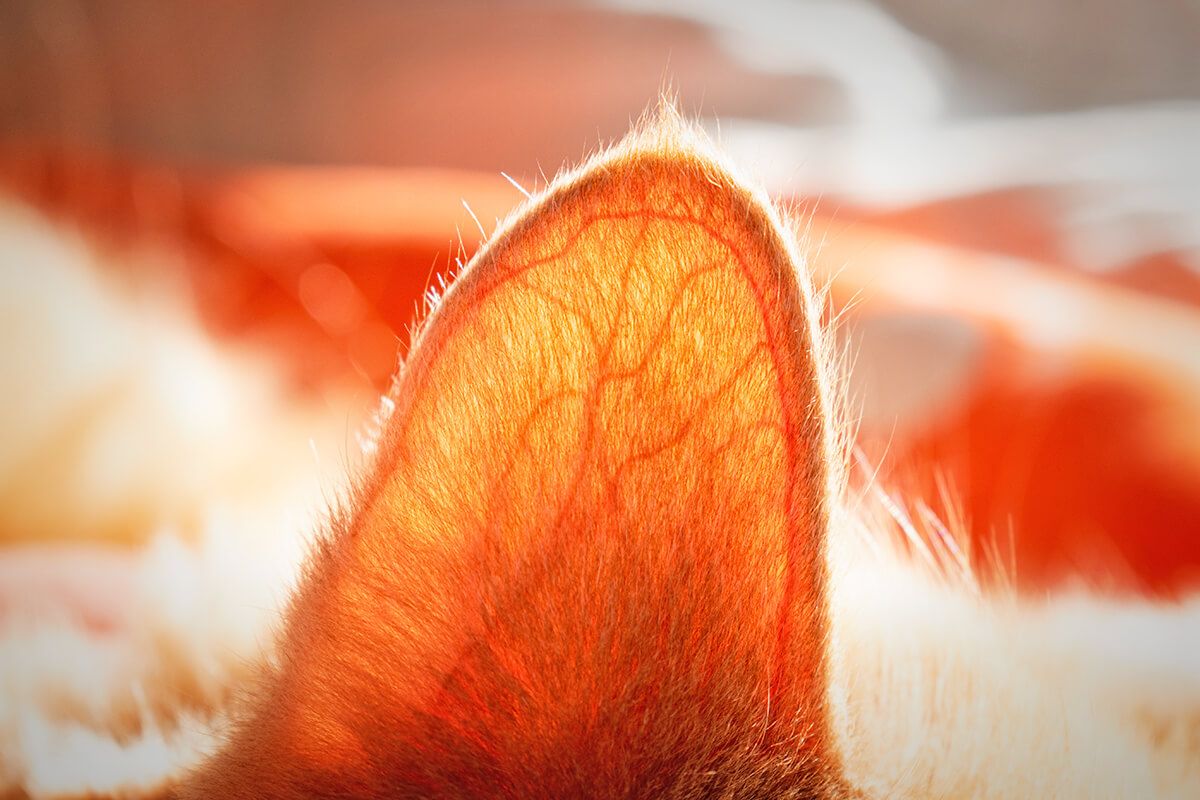
The intricate network of blood vessels in human and animal bodies alike develops in a singular manner for each individual, making these networks as unique as fingerprints. In humans, vascular pattern recognition, also known as vein pattern authentication, is a fairly new form of biometric identification. It uses near-infrared light to scan the patterns of subcutaneous blood vessels in a hand or finger, verifying the identity of the scanned individual. The uniqueness of blood vessel networks has also been used to distinguish between individual animals. Rodents, for example, can be identified through the distinct blood vessel patterns of their ears, providing a quick, noninvasive, and painless way of telling these diminutive creatures apart.
The eyes, so they say, are the windows to the soul. As it happens, eyes are indeed unique identifiers in humans and other animals. Retinal scanning as a form of identification has been a staple of science fiction for decades but has also been utilized for security purposes in real life by government agencies including the FBI, CIA, and NASA. This form of identification works due to the aforementioned unique blood vessel patterns, which can be seen on a person’s retina. In fact, the retina is the only part of the human body where blood vessels can be viewed directly, without the need for an additional apparatus.
Our eyes offer another easy means of identification: the iris. The intricate arrangements of pigments and strands in an iris create a pattern so unique that it, too, can be used as a reliable biometric identification method. Iris recognition made the news in 2016 when it was revealed that the FBI had collected nearly 430,000 iris scans from people who’d been arrested — a highly controversial move, but one that clearly demonstrates the potential and efficacy of iris scanning for identifying humans.
Tony Dunnell
Writer
Tony is an English writer of nonfiction and fiction living on the edge of the Amazon jungle.
Advertisement
top picks from the Inbox Studio network
Interesting Facts is part of Inbox Studio, an email-first media company. *Indicates a third-party property.
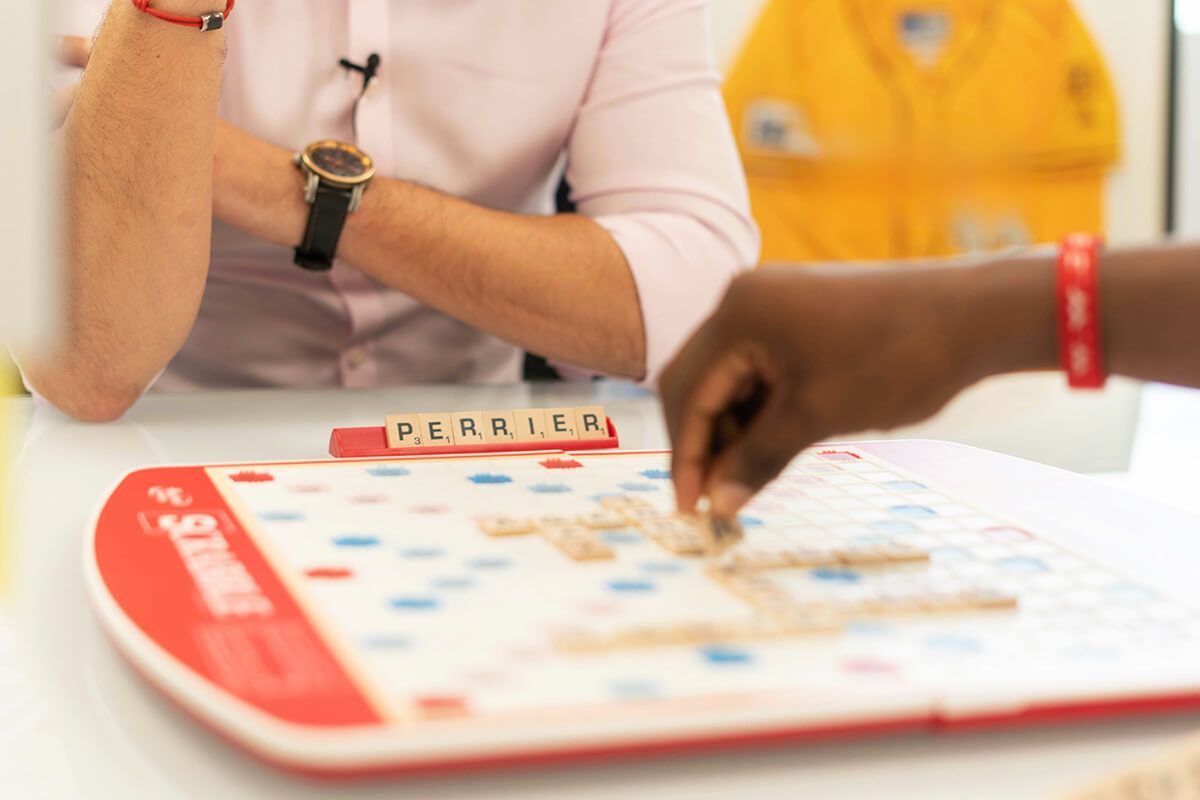
Since its creation in the 1930s, Scrabble has grown into a staple of family game nights and the source of spirited competitions around the world. In fact, according to Mattel, more than 165 million copies of the game have been sold in 120 countries since 1948.
Each game of Scrabble depends not only on your lexical knowledge but also the luck of the draw; sometimes you’ll grab the perfect tiles to play on a triple word score, while other times you’re left holding five Es and two Os with no idea how to use them. Not only is Scrabble known for providing hours of family fun, but its history is also full of fascinating tidbits that only add to its mystique. Here’s a look at some of the most spellbinding facts about this classic spelling game.
Credit: Yvonne Hemsey/ Hulton Archive via Getty Images
Scrabble Wasn’t Always Called “Scrabble”
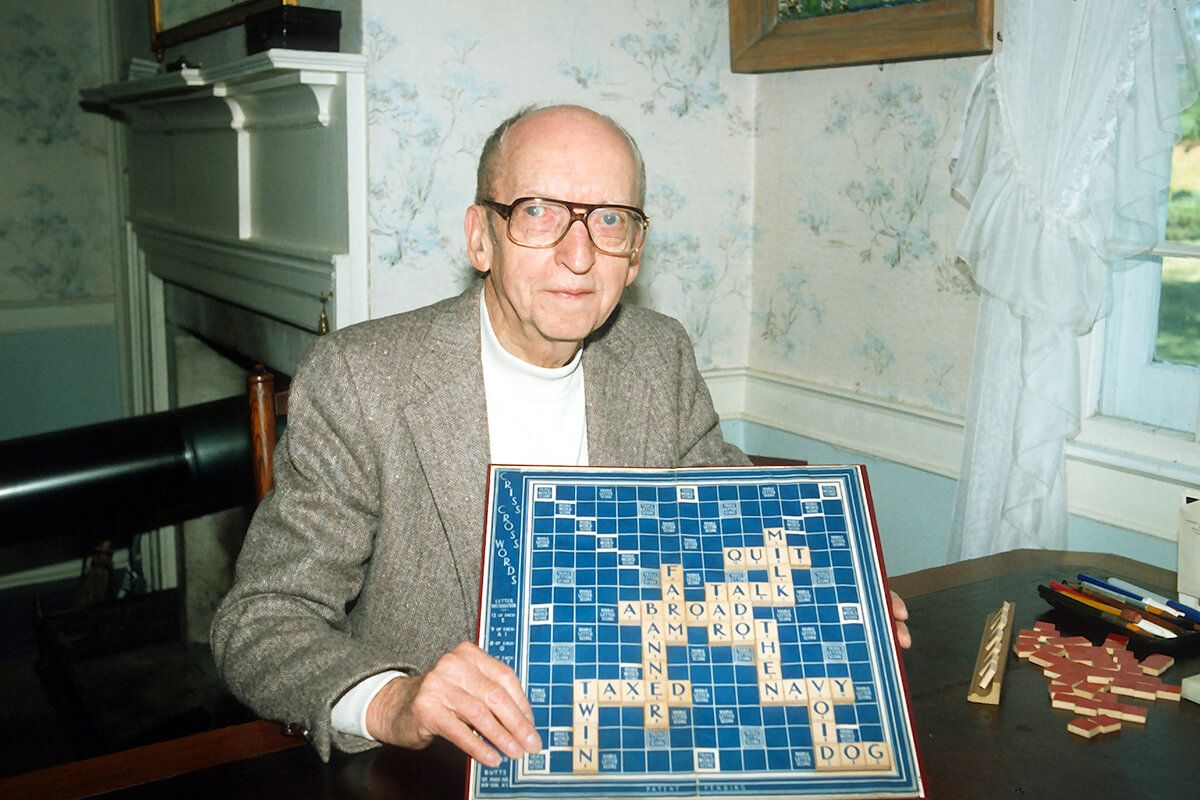
During the Great Depression, architect Alfred M. Butts, like many other Americans, found himself unemployed and with some extra free time. He decided that creating a new game could provide a helpful distraction from the bleak economy. In 1931, he wrote a “Study of Games,” an essay analyzing the popularity of three distinct types of games: board games, number games, and letter/word games.
In this treatise, Butts suggested the proper way to play word games was “not with a jumble of letters but with a mixture so proportioned that the individual letters will occur in the same frequency as they do in normal word formation.” This idea was inspired by Edgar Allen Poe’s “The Gold-Bug,” a short story in which a character solves a cipher based on the popularity of English letters.
As a lover of crossword puzzles, Butts sought to create a similar game that incorporated his theories about letter frequency. He first developed Lexiko, a game wherein players selected nine random letter tiles to form words. Using his architectural knowledge, he manufactured each of the 100 tiles by hand.
By August 1934, however, Butts had only sold 84 sets of Lexiko for a net loss of $20.43 (around $480 today). He tinkered with the rules and came up with a new variant called Cross-Cross Words, in which each letter was assigned a point value and each player’s hand decreased from nine to seven. Much like Lekixo, Criss-Cross Words failed to attract interest from any major manufacturer. Fortunately, Butts’ luck was about to change.
Credit: JHVEPhoto/ iStock Editorial via Getty Images Plus
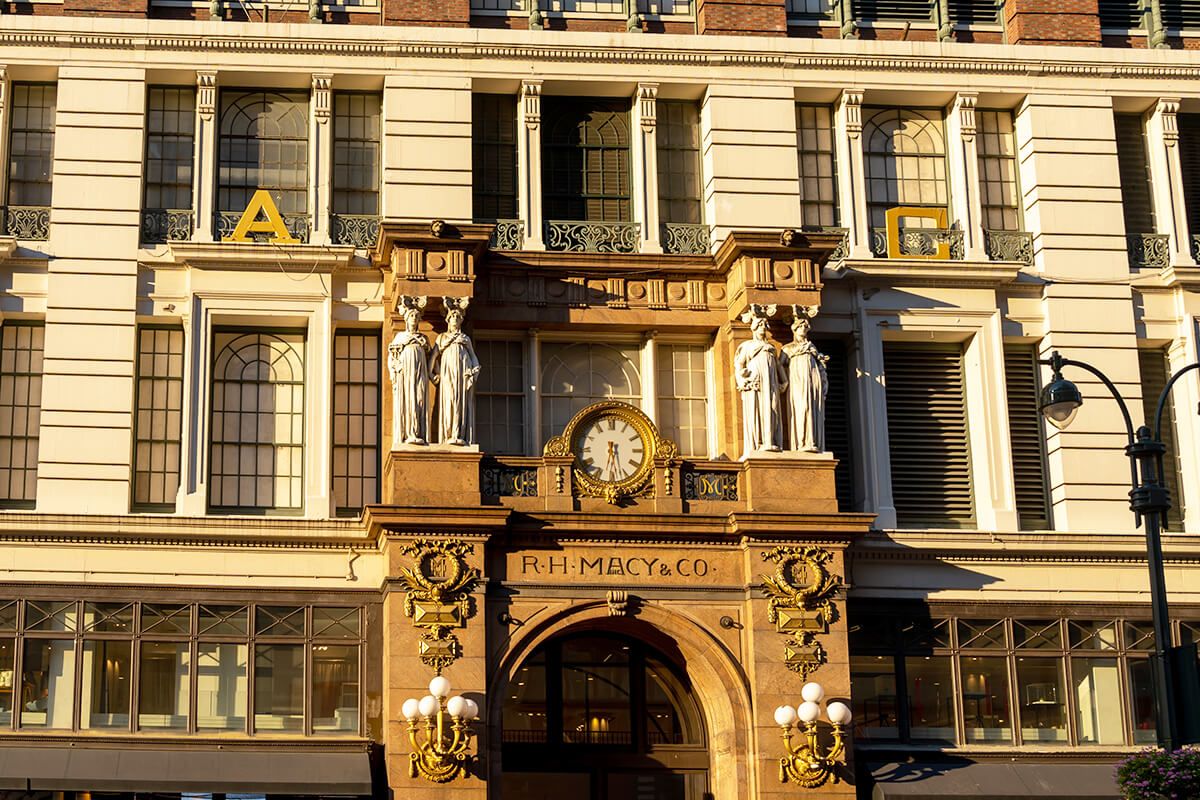
Macy’s Helped Popularize Scrabble
While things initially looked bleak for Butts’ word game, that all changed in 1947, when a man named James Brunot reached out to buy the rights. Butts obliged in exchange for royalties, and Brunot got to work on making a few changes. He adjusted the rules ever so slightly, implementing a 50-point bonus for playing all seven tiles in your hand at once, and he also changed the colors of the board to be more reminiscent of those we know today. Brunot finally renamed the game “Scrabble” — a word meaning “to scratch or scrape” according to Dictionary.com — which Brunot chose “out of thin air largely because it was a name that had never been copyrighted,” as the Los Angeles Times reports.
Brunot and his friends began working out of an abandoned Connecticut schoolhouse to produce 12 Scrabble boards every hour. Yet the team only managed to sell around 200 sets per week, resulting in an overall financial loss. Then, according to an unconfirmed but widely believed legend, Brunot got the break of a lifetime in 1952.
In the book Word Freak by Stefan Fatsis, the author details a story in which then-Macy’s chairman Jack I. Straus played a game of Scrabble while on vacation. Straus was delighted by the game and also upset to learn it wasn’t stocked at Macy’s flagship store in New York City. Upon his return from vacation, Straus placed a massive Scrabble order, which triggered other retailers to do the same. In a fortunate turn of events, Brunot found himself producing thousands of Scrabble sets each week. More than one million copies of Scrabble were sold in 1953, and 3.8 million sold the following year.
The Longest Scrabble Word Can Score You More Than 1,700 Points
The goal of Scrabble is to net the highest score possible. Amateurs often surpass 100 points per game, while experts average between 330 and 450 points. But in theory, it’s possible to score more than 1,700 points with a single word, though that requires a highly unlikely set of circumstances. The word in question is “Oxyphenbutazone,” the name of an anti-inflammatory drug. As the word is 15 letters long, it’s impossible to have all those tiles in your initial seven-tile hand. This means not only does it require drawing the right set of letters, but also already having placed certain tiles on the board in just the right way.
Scrabble aficionado Dan Stock calculated that playing “OXYPHENBUTAZONE” could score you 1,778 points. According to his strategy, you’d need to be holding the tiles O, Y, P, B, A, Z, and E. You’d also need to have already placed eight specific tiles on certain squares on a standard 15 x 15 Scrabble board: X, H, E, N, U, T, O, and N. The following words also would need to be strategically placed on the board: “PACIFYING,” “ELKS,” “REINTERVIEWED,” “RAINWASHING,” “MELIORATIVE,” “ARFS,” and “JACULATING.”
If you managed to recreate that exact scenario, “OXYPHENBUTAZONE” would score you 1,458 points on its own (thanks to all the word score bonuses). You’d also get 50 points for playing your entire hand and 270 points from creating seven new words running from left to right: “OPACIFYING,” “YELKS,” “PREINTERVIEWED,” “BRAINWASHING,” “AMELIORATIVE,” “ZARFS,” and “EJACULATING.” Although Stock was the first person to calculate this strategy, there have been more recent proposals that can theoretically score you as many as 1,784 or 1,786 points with the right placement of “OXYPHENBUTAZONE.” However, these specific circumstances needed for those high scores have never arisen in actual gameplay to anyone’s knowledge.
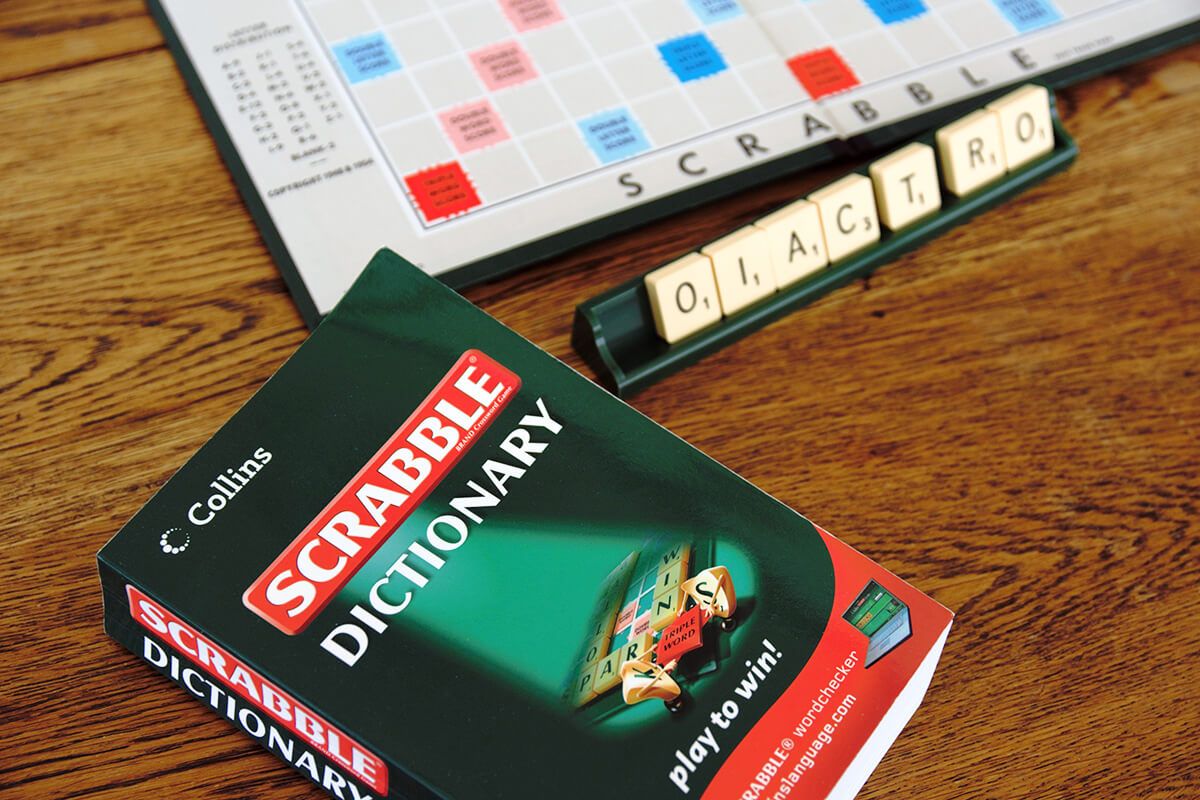
There Are More Than 280,000 Words in the Collins Scrabble Dictionary
Collins is the producer of Official SCRABBLE Words — a book used by English-language Scrabble players to determine which words are legal in competitive play. Nearly 2,000 new words were added in 2024, marking the first major update since the 2020 edition, which contained 279,073 words. These newer additions include slang words such as “yeet,” culinary terms such as “birria,” and gaming lingo such as “esport.” This updated version of Official SCRABBLE Words has served as the gold standard for tournaments since January 1, 2025.
While the Collins Scrabble dictionary remains the official source for tournament play, Hasbro — the current manufacturer of Scrabble — works with Merriam-Webster to produce The Official Scrabble Players Dictionary. This text is comparatively limited in what words are considered legal, as there are a little more than 100,000 words included. This book was most recently updated in 2022, with the addition of 500 new words including shorthand terms such as “guac” and playful verbs such as “adulting.”
Starting in 1984, Scrabble was adapted from the dining room table to the small screen in the form of a game show hosted by Chuck Woolery. The TV version revised the board game slightly: Instead of playing words from your hand, the game was played more like a crossword puzzle. In round one, two contestants were given a punny crossword-style clue and a random letter to build on to guess the word. The winner advanced to the Sprint Round, where players guessed words against a clock. This original version of Scrabble earned a Daytime Emmy nomination in 1988 and was briefly revived in 1993 with Woolery reprising his role as host.
A new Scrabble TV show debuted on the CW Network on October 3, 2024, with Raven-Symoné as host. Unlike the 1980s version, this adaptation adheres a bit more closely to the actual rules of Scrabble. In the first round, contestants are tasked with solving anagrams based on a clue. But in the second round, players alternate making actual Scrabble moves as you would in the board game. The difference here, however, is that both contestants use the same set of tiles to make those words. The final round involves the most traditional Scrabble gameplay, where contestants play their personal hand of tiles in hopes of surpassing 200 points to win.
Competitive Scrabble Has Had Some Major Cheating Scandals
The world of competitive Scrabble prides itself on maintaining the integrity of the game, but some participants have let the pressure drive them to cheating. One of the first major accusations of competitive cheating came during the 2011 World Scrabble Championships, where a player was nearly strip-searched to find a missing “G” tile before authorities concluded there wasn’t enough evidence to take things that far. One year later, a player was found to have been concealing blank tiles for use at opportune times. After being confronted, the player admitted to stealing blank tiles and was subsequently ejected from the competition.
In 2017, the competitive Scrabble world was rocked yet again when Allan Simmons, the former U.K. national champion and coauthor of Official Scrabble Words, was banned from competitive play for three years amid accusations of cheating. Multiple competitors claim they saw Simmons peeking into the bag and returning less helpful tiles in exchange for ones that were more valuable. Simmons denied any wrongdoing, but the ban still held.
Interesting Facts
Editorial
Interesting Facts writers have been seen in Popular Mechanics, Mental Floss, A+E Networks, and more. They’re fascinated by history, science, food, culture, and the world around them.
Advertisement
top picks from the Inbox Studio network
Interesting Facts is part of Inbox Studio, an email-first media company. *Indicates a third-party property.
Popcorn is such a common, simple snack that we rarely stop to think too much about it. Unlike the sweet yellow corn we eat on the cob, popcorn comes from a variety of corn called Zea mays everta. This type of corn possesses a few unique traits that quite literally make it pop.
Popcorn kernels have a hard outer shell and high levels of starch and moisture inside. As the insides heat up, they’re forced through the exterior into the fluffy treat we know and love. Other types of corn can slightly burst open when heated; even some grains such as quinoa and sorghum can “pop.” But none of them come close to the size, crunch, and timeless appeal of popcorn — which is probably why archeological evidence suggests people have been popping it for more than a thousand years. Here are a few more interesting facts about popcorn.
Popcorn Has Two Main Shapes: “Mushroom” and “Snowflake”
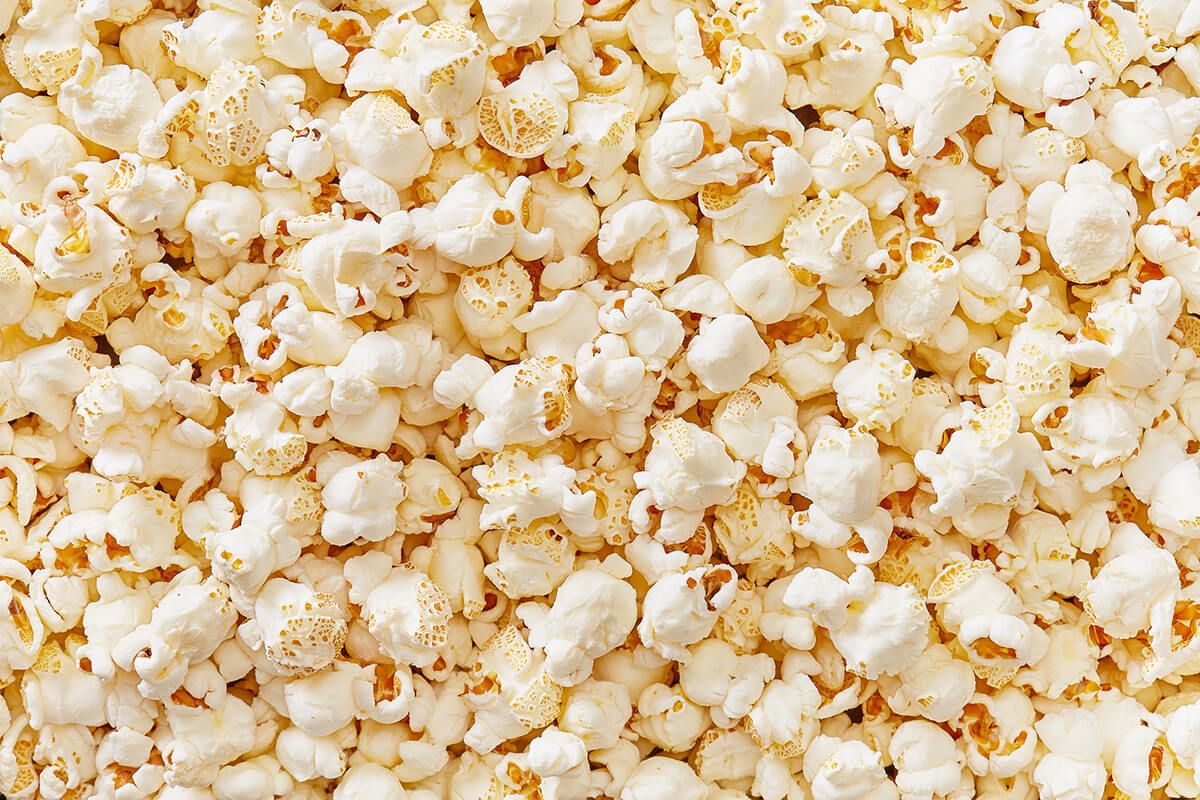
At a quick glance it may seem like all popcorn looks the same, but it actually pops into two distinct shapes: mushroom and snowflake. Mushroom-shaped popcorn is rounded and dense, making it ideal for coating in caramel or chocolate since it’s less likely to crumble under pressure.
Snowflake-shaped popcorn, on the other hand, has an airy, irregular shape with plenty of crevices and a light crunch, — optimal for butter and salt to cling to. The particular shape a kernel produces isn’t random; it’s determined by genetic structure and the popping technique used. Popcorn makers often choose a shape depending on how their popcorn will be flavored or packaged.
It may seem strange now, but in the late 19th and early 20th centuries, popcorn was commonly served as breakfast cereal. Recipes in early 1900s issues of Good Housekeeping magazine suggested grounding up popped corn and serving it with milk and fruit. Meanwhile, the U.S. Department of Agriculture suggested boiling it with water and serving it like oatmeal.
In her 1916 cookbook Popcorn Recipes, Mary Hamilton Talbott recommended soaking popcorn in cold water overnight, then cooking it in milk in the morning — perhaps a precursor to overnight oats. Despite the plethora of recipes, popcorn cereal eventually gave way to more refined packaged options, and by World War II, its time as a breakfast staple came to an end.
When popcorn first pops, it isn’t crunchy — it’s actually foamy. As the kernel heats up, the moisture inside turns to steam. Eventually, the pressure from the steam causes the outer hull to burst open, and as the starches inside quickly expand, the fluffy structure we know as popcorn is formed.
In the instant after popping, though, the popped kernel is more like a gelatinous foam than a crisp snack. As it’s exposed to the air, the foam almost immediately cools and hardens into the light, crunchy texture we know and love.
Popcorn and movies may be an inseparable duo now, but it wasn’t always that way. In fact, when U.S. movie theaters first emerged in the early 1900s, they even outright banned the snack because employees didn’t want to deal with the mess.
By 1930, as silent films gave way to “talkies,” theater attendance soared. Popcorn vendors stationed themselves outside theaters, and since customers increasingly brought the snack in with them, theater owners began leasing lobby space to the vendors. Eventually, many theaters realized selling their own popcorn could be crucial for helping their business survive the Great Depression — and they never looked back. By the mid-1940s, more than half the popcorn consumed in the U.S. was eaten at the movies.
Popcorn Was Involved in the Invention of the Microwave
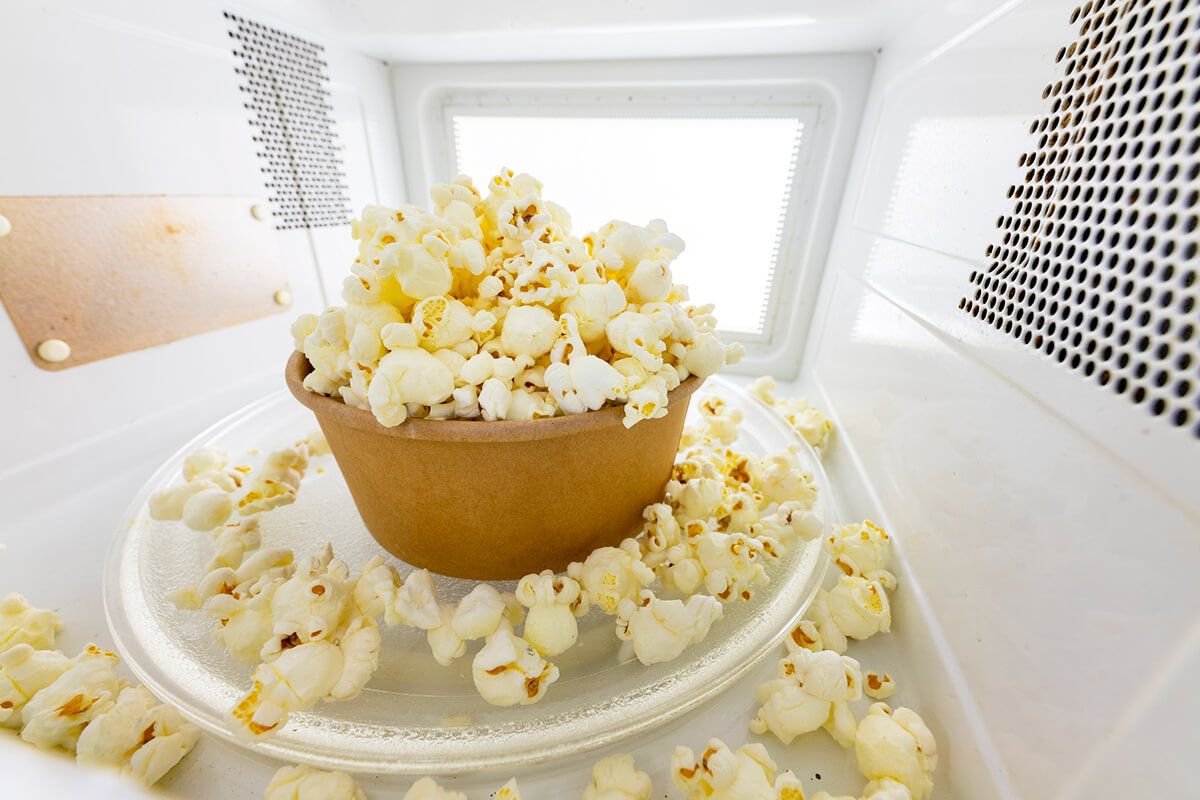
During World War II, radar technology was instrumental in helping Allied forces achieve victory. After the war, U.S. aerospace and defense company Raytheon continued its research into radar and the magnetrons used in it. While working on a radar system one day, engineer Percy Spencer noticed a candy bar in his pocket had melted. The next day, he brought in popcorn kernels and, after placing them near the device, watched them pop.
He continued experimenting with other snacks, including a much messier egg, and confirmed that microwaves could indeed cook food. Raytheon patented the idea, and in 1947, the first microwave oven was released — as was Spencer’s patent for a process to pop entire corncobs whole, although that never really took off.
By roughly the mid-1820s, popcorn was a beloved snack throughout the Eastern United States — but it wasn’t called popcorn at that time. It was first sold as “pearl” or “nonpareil,” the latter of which is now associated with a flat chocolate candy topped with sprinkles. Throughout the 1800s, the popularity of the snack spread; Henry David Thoreau even wrote of “popped corn” in 1842. The name also started to evolve, and by 1848, the word “popcorn” — said to be derived from the noise the kernels made when they burst open — was included in linguist John Russell Bartlett’s Dictionary of Americanisms.
Nicole Villeneuve
Writer
Nicole is a writer, thrift store lover, and group-chat meme spammer based in Ontario, Canada.
Advertisement
top picks from the Inbox Studio network
Interesting Facts is part of Inbox Studio, an email-first media company. *Indicates a third-party property.
What’s the capital city of New York? California? Nevada? If you were to answer New York City, Los Angeles, and Las Vegas, we wouldn’t blame you, but you’d be wrong. It would be reasonable to assume a state’s capital city would be its most prominent or populous metropolis. However, this is only rarely the case.
From geographic location to historical significance, there are many reasons why a state might select a specific city as its capital. While there are commonalities across the board, each state capital has a unique history of how it came to be. From the oldest capital city (Santa Fe, New Mexico, which has been the capital since 1610) to the youngest (Oklahoma City, Oklahoma, which became the capital in 1910), here’s how the U.S. capital cities came to achieve their prominent status.
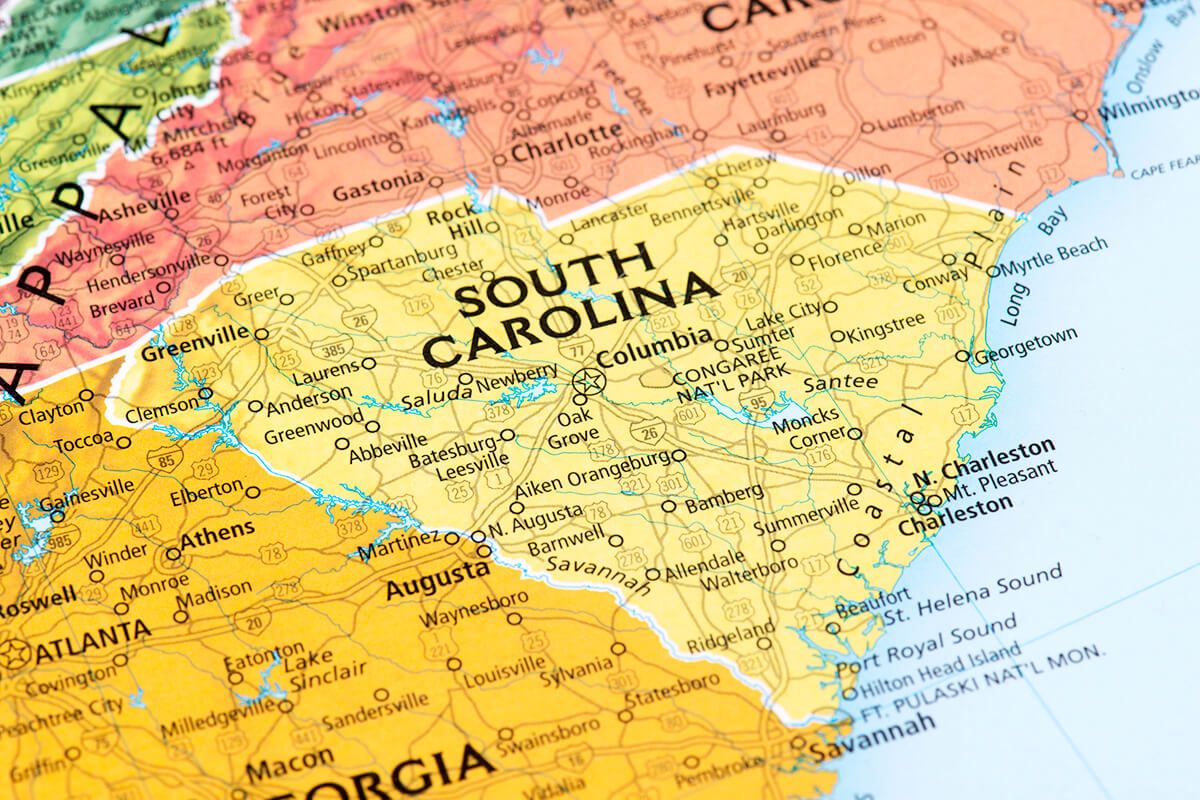
Far and away the most common theme in choosing a state capital is a city’s central location, which makes a lot of sense when you consider the purpose of a capital. A capital city houses the state’s governmental body, meaning legislators will frequently travel to this area from all parts of the state whenever the government is in session. The city also serves as a representative of the entire population, and a central location makes it more accessible to all of its residents. States that chose a capital city based on centrality include Richmond, Virginia ( in 1782), Columbia, South Carolina (1786), Columbus, Ohio (1816), and Salt Lake City, Utah (1896).
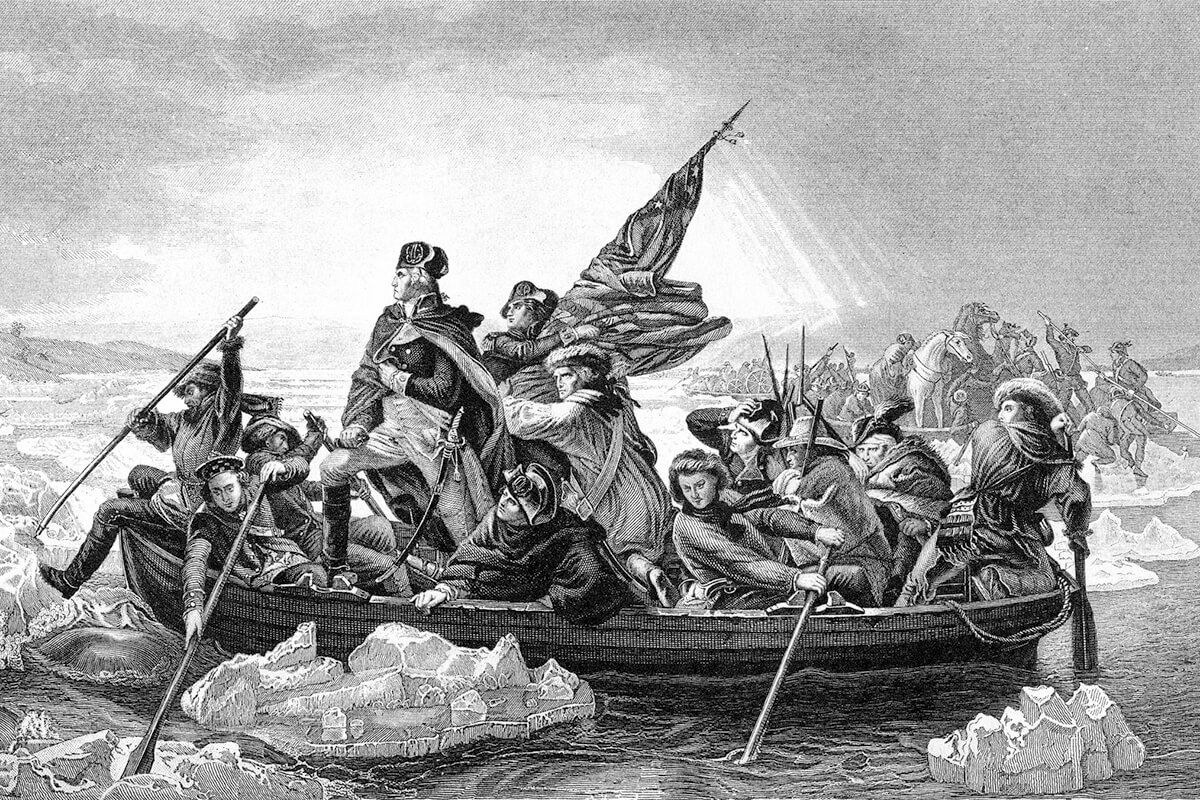
When America was fighting for independence, the 13 colonies along the East Coast discovered another notable perk of having capital cities that were in the middle of the state versus on the coast: the protection afforded by inland locations during wartime. Central locations didn’t just have political benefits; they also made it more difficult for enemy forces (in this case, the British) to seize these major metropolises.
During the Revolutionary War, Delaware moved its state capital from New Castle to Dover because the legislative body considered the latter city safer from attacks by British raiders traveling along the Delaware River, which was accessible by the Atlantic Ocean via the Delaware Bay. Dover was officially established as the capital of Delaware in 1781. North Carolina followed suit in 1788, opting to move its capital city from New Bern westward to Raleigh, where it was far less susceptible to British attacks from the Atlantic Ocean.
The Civil War also played a role in the establishment of some state capitals, though for different reasons. The capitals established after the Civil War were largely chosen to end any lingering territorial and social disputes. The establishment of Topeka, Kansas set the course for this kind of resolution. Before Kansas achieved statehood in 1861, conflict broke out amongst pro- and anti-slavery proponents in a period of violent conflict that began in 1854 nicknamed “Bleeding Kansas.” Topeka represented the Free State side. When these territorial fights ended in Topeka’s favor the same year Kansas achieved statehood, it became the capital.
Arizona’s capital was also influenced by the Civil War, which had split the state itself into two halves: Confederate sympathizers and Union supporters. Tucson and Prescott were the capitals of the Confederate and Union halves, respectively. After the end of the war and the reunification of Arizona’s two territories, the capital city ping-ponged between Tucson and Prescott until state legislators decided to adopt a city located halfway between the two. Thus, Phoenix was established as Arizona’s capital city in 1889.
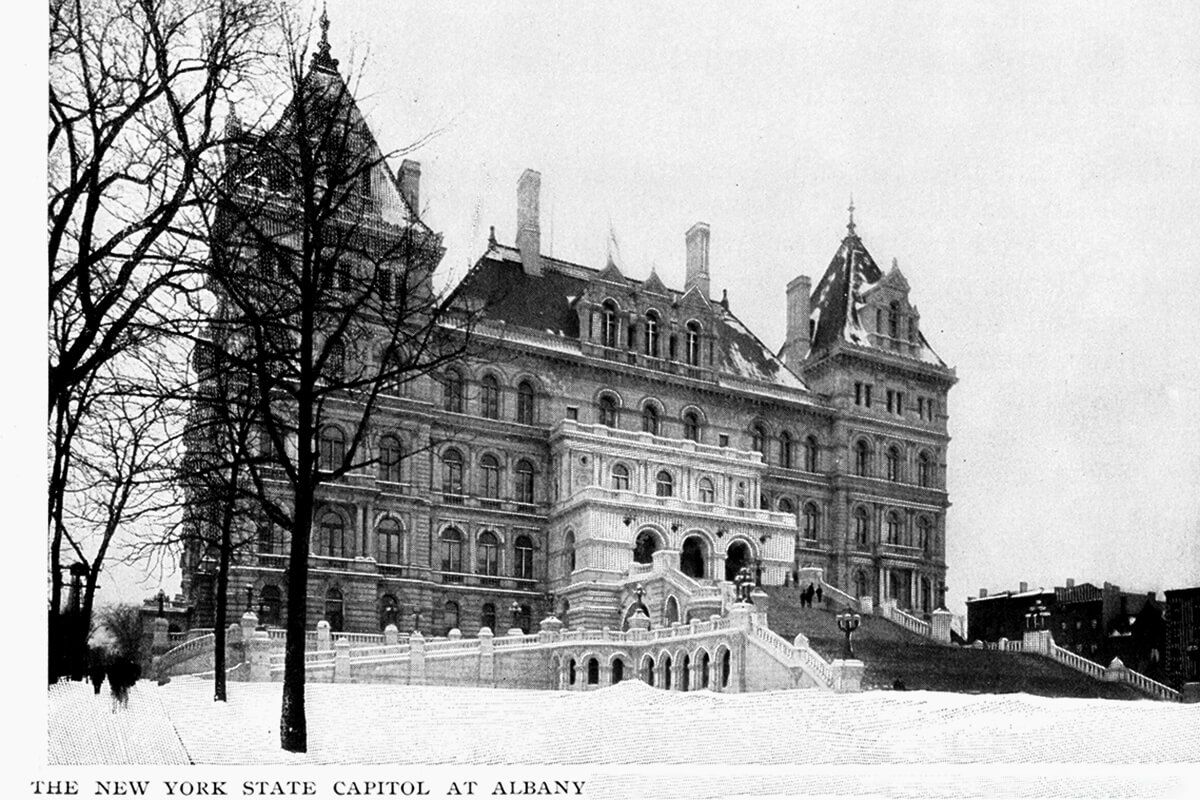
Most of us would probably guess that a capital city should be the state’s most economically significant metropolis, and for many U.S. states, this holds true. However, in some cases, capital cities that were once economic strongholds no longer hold that position today. The state of New York is a perfect example of this economic shift. When Albany was founded as its capital in 1797, the city had been a trade and military hub during the Revolutionary War. Despite New York City becoming the more economically significant city in the decades to follow, Albany remains the capital to this day.
Other state capitals chosen for their historic economic importance include Honolulu, Hawaii, which Hawaii’s King Kamehameha III declared the island nation’s capital in 1850 after Honolulu Harbor became a major commerce and transportation hub between Hawaii and the mainland United States. When Hawaii was granted statehood nearly a century later in 1959, Honolulu was kept as the state capital.
Capital cities of landlocked U.S. territories such as Idaho, Montana, and North Dakota tended to be chosen based on the territory’s major commerce and trade hubs. Boise, Idaho was established as the Gem State’s capital city in 1864 after miners and farmers began flooding into the Boise Basin from Lewiston, the then-territory’s first capital city.
Helena, Montana followed a similar path from a regular city to state capital after gold was discovered in the surrounding area. It was selected as the capital of the Montana Territory in 1875, and after Montana became a state, Helena was named state capital in 1894. Bismarck, North Dakota’s railroads and proximity to the Missouri River made it the natural choice for the capital of the Dakota Territory in 1883, and it became the capital of the state of North Dakota six years later when the territory split.
Other capital cities that were established for their status as a transportation or economic hub include Portland, Maine (in 1820), Jackson, Mississippi ( 1821), and St. Paul, Minnesota ( 1858).
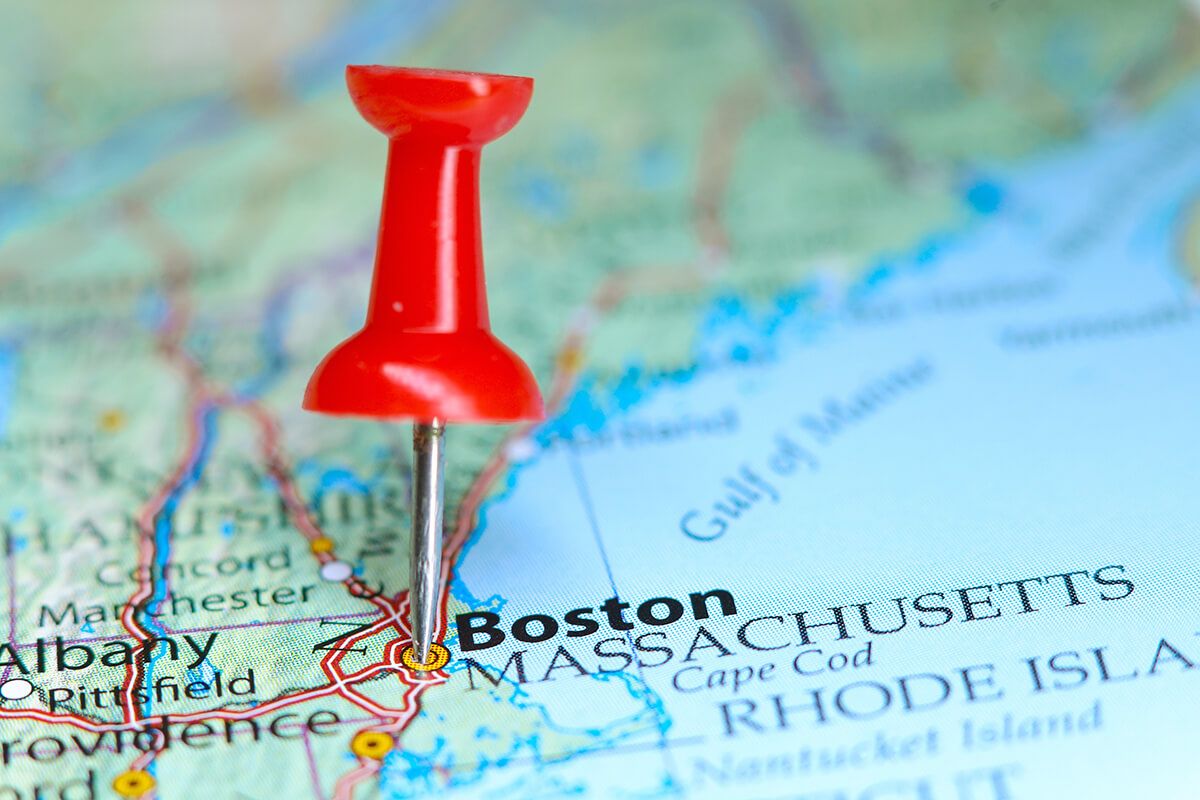
Other state capital cities were selected for their historical significance or natural landscape. Boston, Massachusetts is an example of the latter. Boston was already a major cultural hub in the 1630s, making it the obvious choice for the capital of Massachusetts in 1632. Trenton, New Jersey became New Jersey’s capital city for similar reasons in 1790. Not only was the city close to other major metropolises including New York City and Philadelphia, but it was also a historically significant site, since some of the earliest settlers landed in the area a century prior.
Some capitals were selected due to the area’s natural features. For example, former president of the Republic of Texas Mirabeau B. Lamar chose the southern city of Austin, Texas, in 1839 for the state’s capital city for its climate and scenic beauty. Other preferences were more practical. Lawmakers in Louisiana recognized the economic significance of New Orleans but wanted a capital city safe from the regular flooding of the Mississippi River. Thus, they established Baton Rouge as the capital city 100 miles north of the port town in 1845. Santa Fe, New Mexico, the oldest capital city , was the obvious choice for this Southwestern state due to the ample water supply from the Santa Fe River.
As the old adage goes, “money talks,” and this was sometimes true when it came to establishing a state capital in the 18th and 19th centuries. Frankfort, Kentucky, though overshadowed by nearby cities Louisville and Lexington, became the Commonwealth’s capital when it outbid competing cities for the privilege in 1792. A Kentucky commission to establish a capital city had been founded that year with the goal of sorting out a geographically and financially suitable location. Frankfort landowner Andrew Holmes offered land, money, and building materials for a capitol building in Frankfort, sealing the deal for the commission.
Similarly, a wealthy land and property owner in Nevada, Abe Curry, helped establish Carson City as the state’s capital by using his wealth to finance a courthouse building. As no other comparable cities had Curry’s level of monetary backing, Carson City was the obvious choice for the then-territory’s capital city.
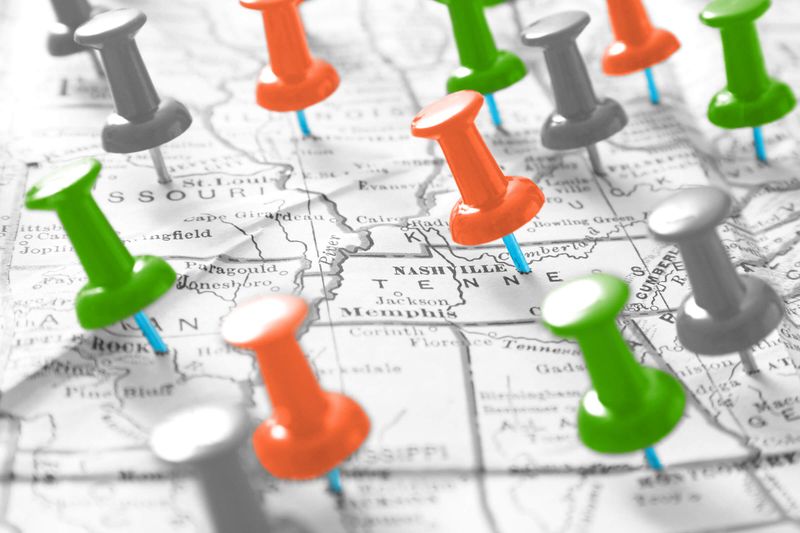
When the money didn’t talk, political power did. Many state capitals were founded because it was the state lawmakers’ preference at the time. This was the case in Providence, Rhode Island (in 1831), Lansing, Michigan (1847), Nashville, Tennessee (1843), Sacramento, California (1854), Atlanta, Georgia (1868), and Denver, Colorado (1881).
In true democratic fashion, some populations established their capital city through either public vote or based on which city had the largest population. Of course, these two factors tend to go hand in hand: The greater the population of a city, the higher the likelihood that it would win a statewide vote on where to put the capital.
Before Hartford became Connecticut’s capital city, the small state technically had two capitals: Hartford and New Haven, dating back to before the Connecticut Colony and New Haven Colony merged. However, maintaining two capitals was financially and logistically arduous, prompting politicians to call for a public vote to determine which city would take over as the sole capital. Hartford won the popular vote in 1873.
West Virginia’s capital city was also decided by popular vote. During the Civil War, the Appalachian Mountain state’s citizens were largely divided between Union and Confederacy supporters, resulting in the state capital moving from city to city to appease one party or the other. A popular vote was eventually held in 1877, granting Charleston its status as the state’s capital.
Another example is Oklahoma. Before it became a state, Guthrie was the territory’s capital city, and it remained so for a few more years after the Sooner State achieved statehood in 1906. Eventually, other cities were given the chance to compete for the right to beat out Guthrie for the status of capital city. Governor Charles Haskell held an election in the summer of 1910, and Oklahoma City was the overwhelming winner.
Melanie Davis-McAfee
Writer
M. Davis-McAfee is a freelance writer, musician, and devoted cat mom of three living in southwest Kentucky.
Advertisement
top picks from the Inbox Studio network
Interesting Facts is part of Inbox Studio, an email-first media company. *Indicates a third-party property.
The holiday season is the perfect time for indulging in one of our favorite festive traditions: binge-watching Hallmark Christmas movies. Hallmark is known for creating cozy holiday films filled with snow-covered streets, small-town charm, and feel-good magic — and the only thing better than watching a movie set in a picturesque small town is actually visiting one of those charming locales.
While many Hallmark movies are filmed on studio backlots and soundstages, some real small towns have served as backdrops for these beloved stories. These towns offer fans a chance to step right into the cozy charm of their favorite Hallmark movies, making them the perfect destinations for anyone looking to experience a bit of cinematic magic. Here are six small towns that have helped bring that signature Hallmark holiday magic to life.
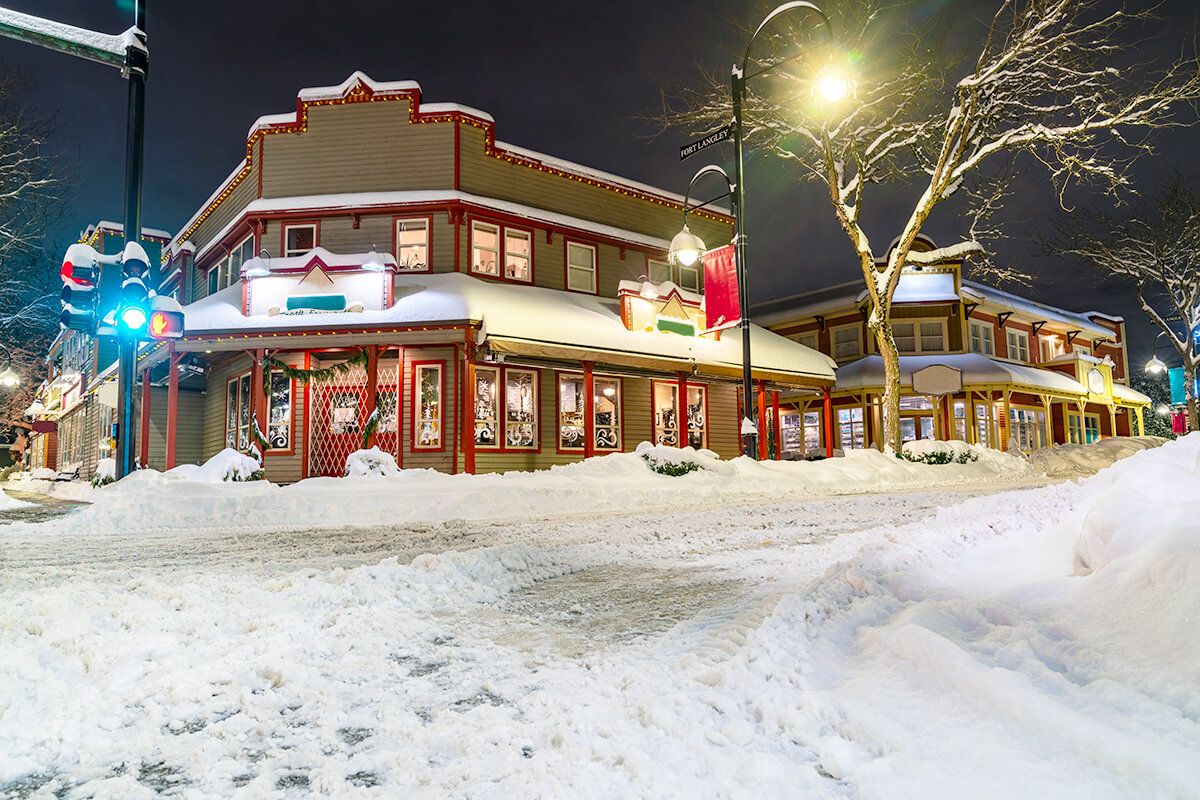
Located in southwestern British Columbia, Canada, near Vancouver and the U.S. border with Washington state, Langley is a versatile location that’s been featured in several Hallmark Christmas movies, includingA Bride for Christmas(2014),A Christmas Detour(2015),Mr. Miracle(2014),andThe Nine Lives of Christmas(2014). Langley isn’t just a scenic setting for holiday films, though. It also doubles as Hope Valley, the fictional town in Hallmark’s long-running seriesWhen Calls the Heart, based on the popular book series by Janette Oke. Langley’s quaint downtown area, with its unique shops and classic facades, has the cozy, festive atmosphere fans have come to pine after. Local landmarks, such as the Fort Langley National Historic Site and scenic Campbell Valley Regional Park, add even more charm to this Hallmark movie town.
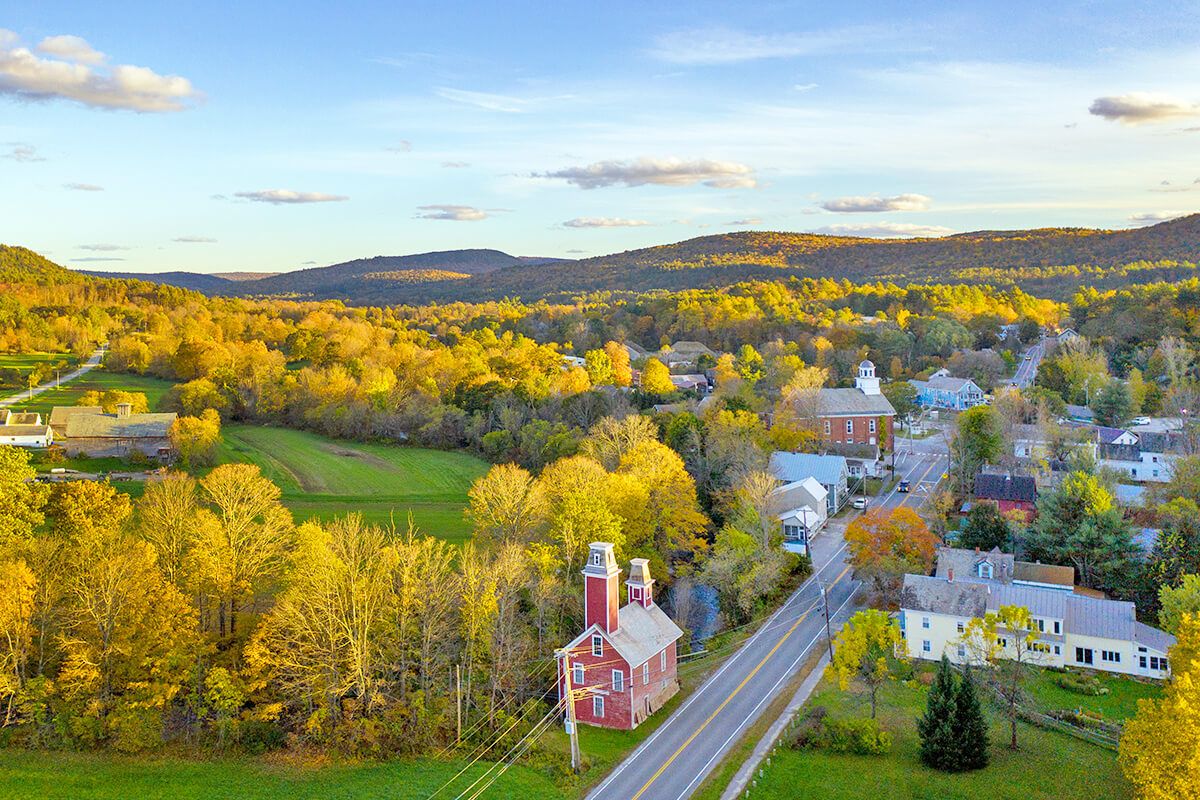
With a population of roughly 3,000 residents, Chester, Vermont, captures all the small-town charm of a Hallmark Christmas movie, making it the perfect location for the fictional town of Santaville inMoonlight & Mistletoe(2008). Located just south of the Green Mountain National Forest, this picturesque New England destination is known for its beautifully preserved 19th-century architecture, cozy inns, antique shops, and inviting local eateries. The town’s iconic village green and historic Stone Village provide a quintessential New England backdrop, while opportunities for outdoor winter fun including ice skating and horse-drawn sleigh rides transform Chester into an idyllic winter wonderland straight out of a holiday movie.
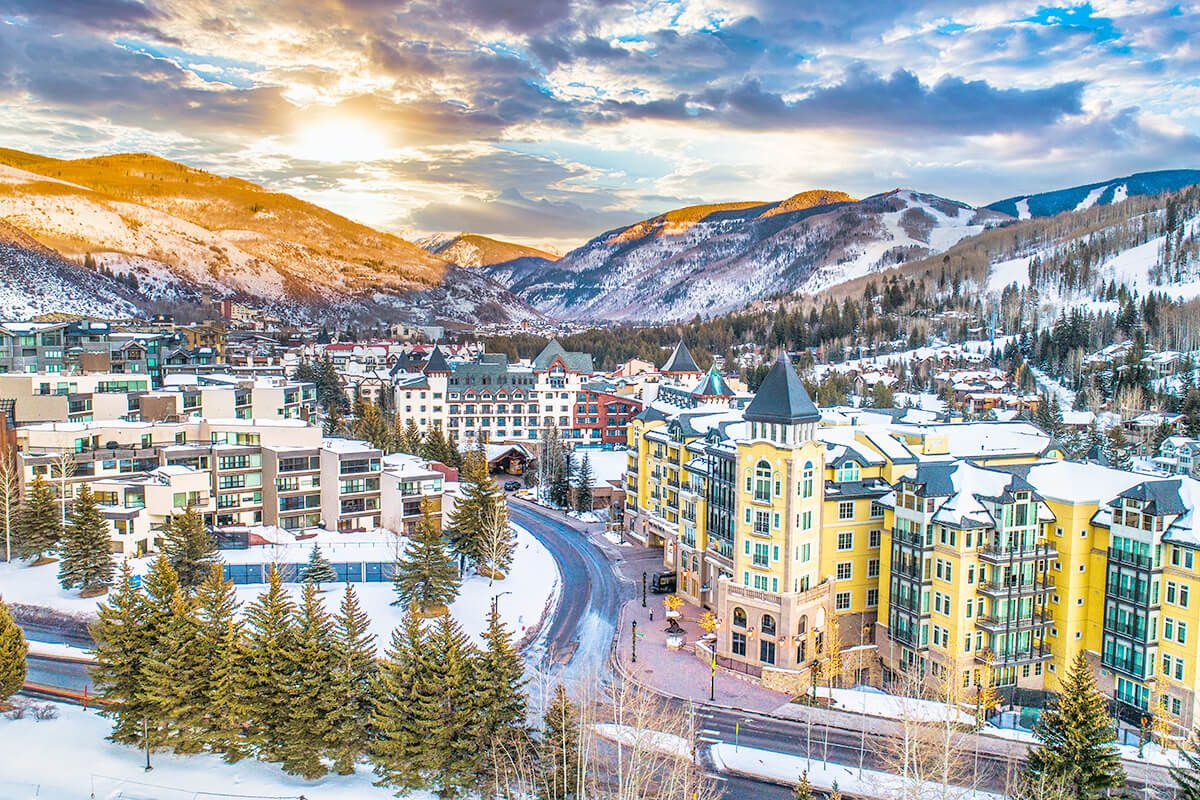
Known for its world-class ski resort, Vail, Colorado, has a population of just 4,500 residents — making it the ideal small-town setting for snowy Hallmark Christmas films such asWinter in Vail (2020), which was set in this alpine destination with several scenes filmed on location. Situated at the base of Vail Mountain in White River National Forest, Vail combines small-town coziness with exhilarating winter sports and plenty of holiday cheer. The small-town vibe, combined with its Bavarian-inspired architecture, atmosphere, and cuisine — not to mention its festive Kris Kringle Market — attracts hundreds of thousands of visitors from around the world each year.
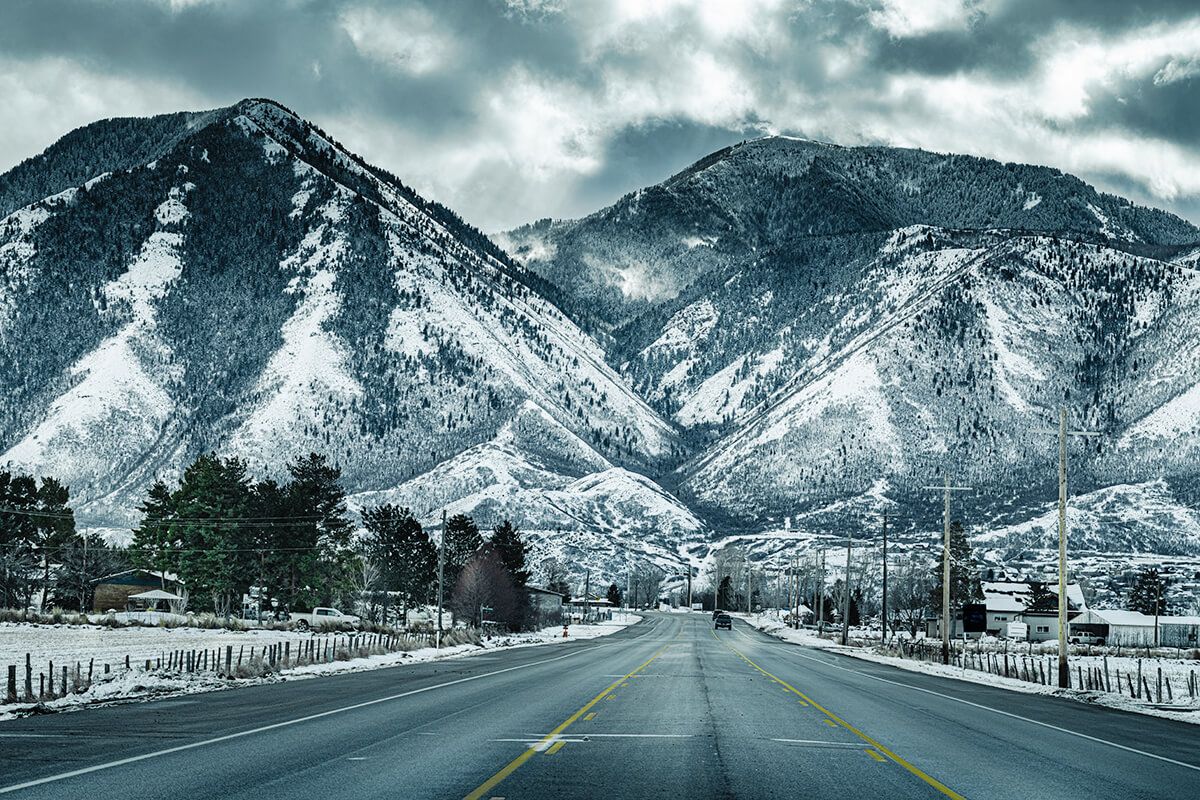
When it comes to picture-perfect winter towns, Mapleton, Utah fits the bill to a tee. While some Hallmark Christmas movies have to rely on pumping in artificial snow, Mapleton enjoyed plenty of real snowfall during the filming ofA Christmas Wish(2011). Located just a few miles south of Provo, this quiet, family-friendly rural town sits at the base of the Wasatch Mountains, offering an ideal mix of small-town charm and breathtaking natural surroundings.
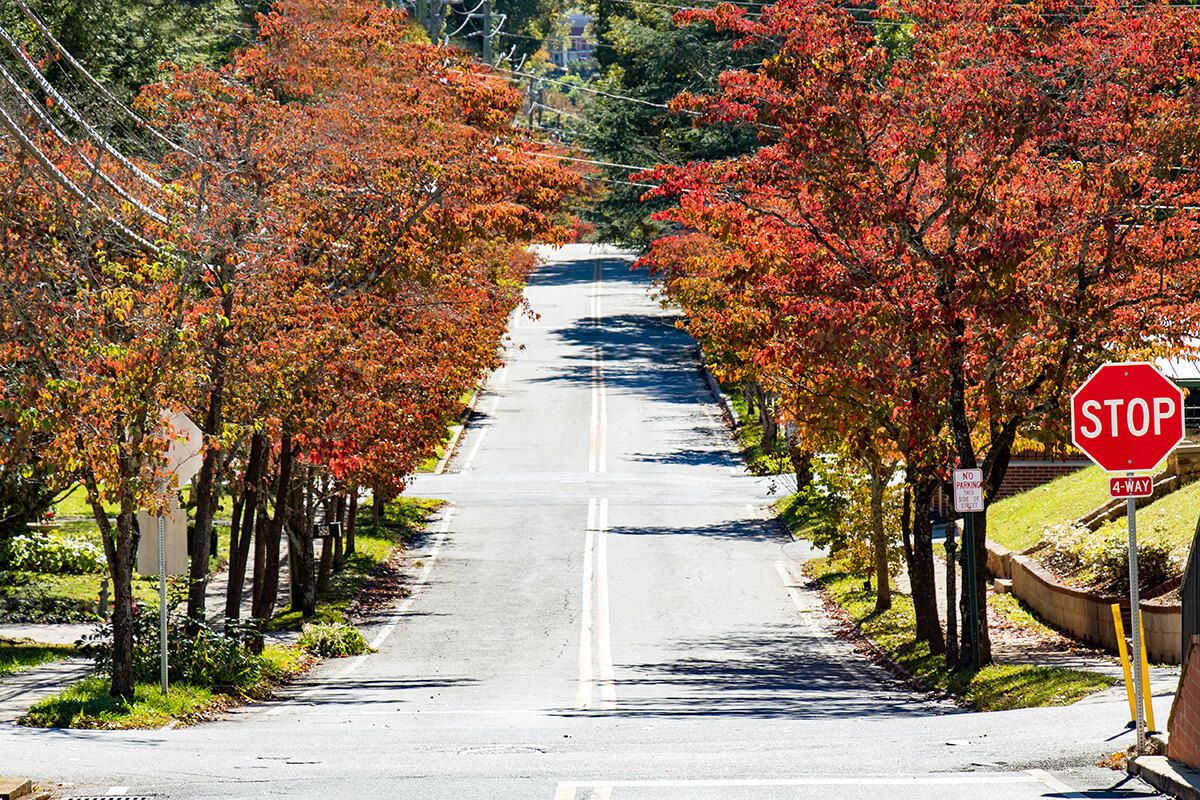
Not all Hallmark Christmas movies are set in snowy northern locations. The small North Georgia mountain town of Dahlonega — which averages just 3 inches of snowfall each year — is a Southern gem that’s infused a number of movies with its unique appeal. With a population of 7,500, the town has doubled as the fictional Homestead, Iowa, inChristmas in Homestead(2016)as well as the picturesque Smoky Mountains town of Pine Valley inChristmas in the Smokies(2015).
During the holiday season, Dahlonega’s public square twinkles with more lights than you can count, while the surrounding Appalachian foothills provide a beautiful backdrop. Its rich gold rush-era history lends the town an additional layer of intrigue. Attractions including the Dahlonega Gold Museum and seasonal events such as the Old-Fashioned Christmas festival make it a worthy festive destination, with or without snow.
The port city of Wilmington, North Carolina, is another Southern locale that’s been a popular filming location for Hallmark movies. Known for its historic downtown lined with delightful boutiques and quaint cafes, as well as a scenic Riverwalk along the Cape Fear River, Wilmington has starred as a stand-in for a variety of film settings. It represented the naval town of Norfolk, Virginia, inUSS Christmas (2020) and the historic town of Conway, South Carolina, inChristmas in Conway(2013), and it was converted into the fictional Harmony, North Carolina, inChristmas in Harmony (2021). Despite its mild winter weather, Wilmington’s historic homes and vibrant waterfront nonetheless make it a festive setting that perfectly embodies the spirit of Hallmark’s signature holiday magic.
Kristina Wright
Writer
Kristina is a coffee-fueled writer living happily ever after with her family in the suburbs of Richmond, Virginia.
Advertisement
top picks from the Inbox Studio network
Interesting Facts is part of Inbox Studio, an email-first media company. *Indicates a third-party property.
When the fuel gauge hits “E” and the warning light comes on, many drivers enter a psychological game of chicken with their gas tanks. Conventional wisdom suggests you should fill up immediately (or ideally, well before), but that’s not always possible. The good news, as many drivers know through past experience, is most vehicles can continue running for some distance after reaching this point. However, the exact distance varies significantly based on multiple factors, and pushing your luck too far can lead to costly consequences. So let’s explore how far your car can actually go with an “empty” gas tank.
It’s important to understand that when your fuel gauge shows “E,” you’re not actually hitting the true bottom of your tank. Instead, “E” marks the point at which your main fuel supply has been depleted. Most modern vehicles are designed with a fuel reserve, an extra amount of fuel that remains available after your gauge indicates it’s empty. This reserve typically holds around 10% to 15% of the tank’s total capacity, depending on the vehicle’s make and model. On average, a car’s gas tank holds between 12 and 16 gallons of fuel — but larger models, such as trucks and SUVs, naturally hold more.
Manufacturers include this buffer for practical reasons. Most obviously, it helps prevent drivers from running completely dry, even once they’ve hit the empty mark. Running out of fuel will not only leave you stranded, it could also incur more serious repercussions such as a collision. In some cases, the reserve also helps to protect the vehicle’s fuel pump, which can rely on fuel for cooling and lubrication (and replacing a fuel pump can cost about $1,000 to $2,000). The reserve can also help with variations in fuel gauge accuracy and fuel movement while driving — fuel gauges are far from exact, but they do tend to err on the conservative side.
Overall, it’s the fuel reserve that primarily explains why some vehicles can travel surprisingly far after the gauge reads “empty,” while others, in comparison, seem to sputter out almost immediately.
Variables That Affect How Far You Can Drive Below “E”
Several key factors determine how far you can drive after hitting “E,” including vehicle type and tank size. Larger vehicles typically have larger fuel reserves. A full-size SUV might have 2 to 3 gallons in reserve, while a compact car might only have 1 to 1.5 gallons.
Then there are factors that affect fuel consumption in general — and when you’re running on empty, these can be even more consequential. For example, highway driving at steady speeds typically yields better fuel economy than stop-and-go city traffic. The same applies to your driving style: Aggressive acceleration, high speeds, and frequent braking reduce fuel efficiency, while gentle acceleration and maintaining steady speeds can extend your remaining range. Numerous additional factors can play a part, including the weight of your car, how well it’s maintained, the use of cruise control, and the presence (or not) of strong headwinds.
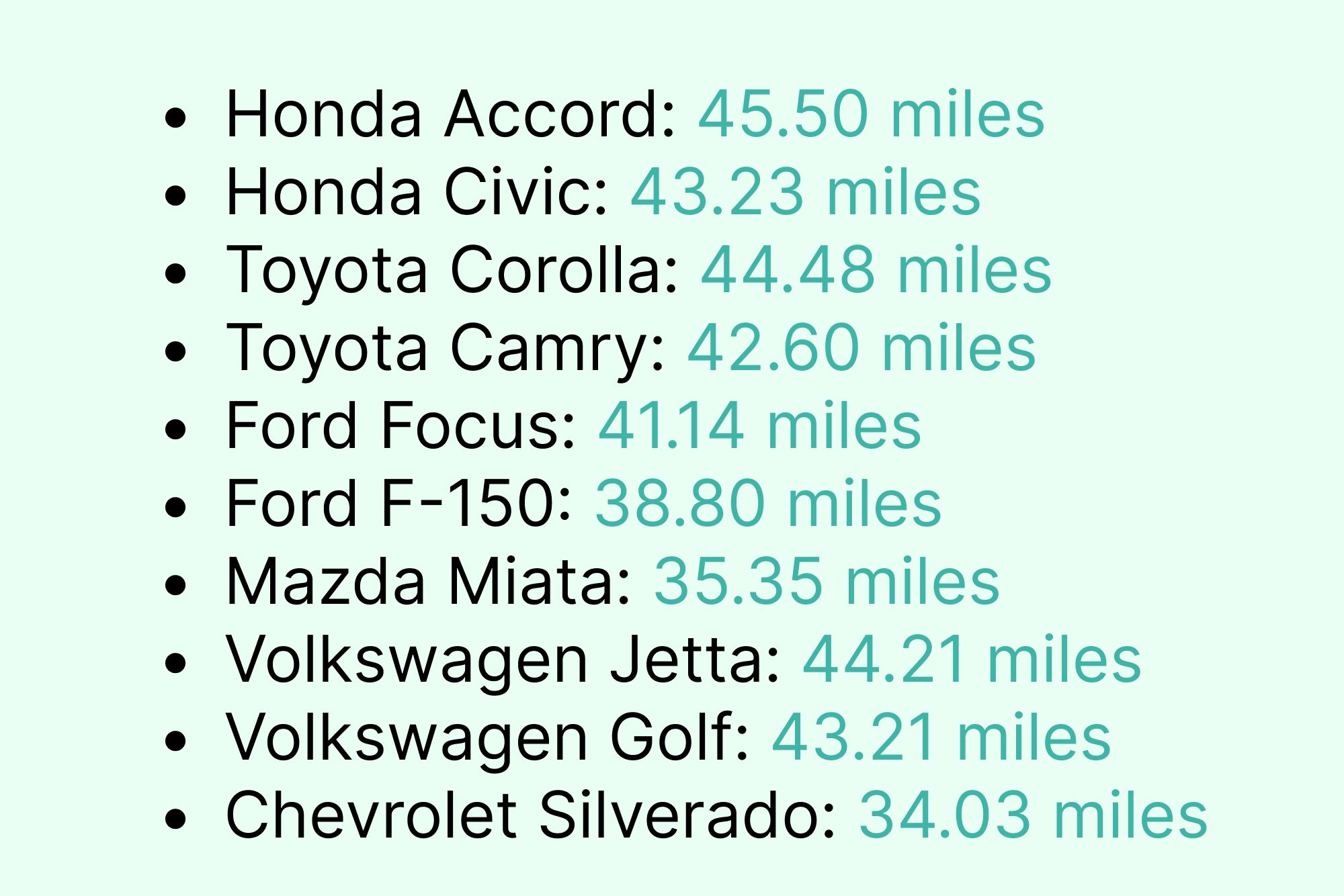
With all this information in mind, how far can you expect to travel once your gas tank hits empty? Thankfully, there’s plenty of real-world testing and automotive industry data available to answer this question. Tank on Empty, for example, is a crowdsourced database of how far cars can go after the gas warning light comes on. Looking at the data, you can get a sense of what to expect in some of the popular makes and models:
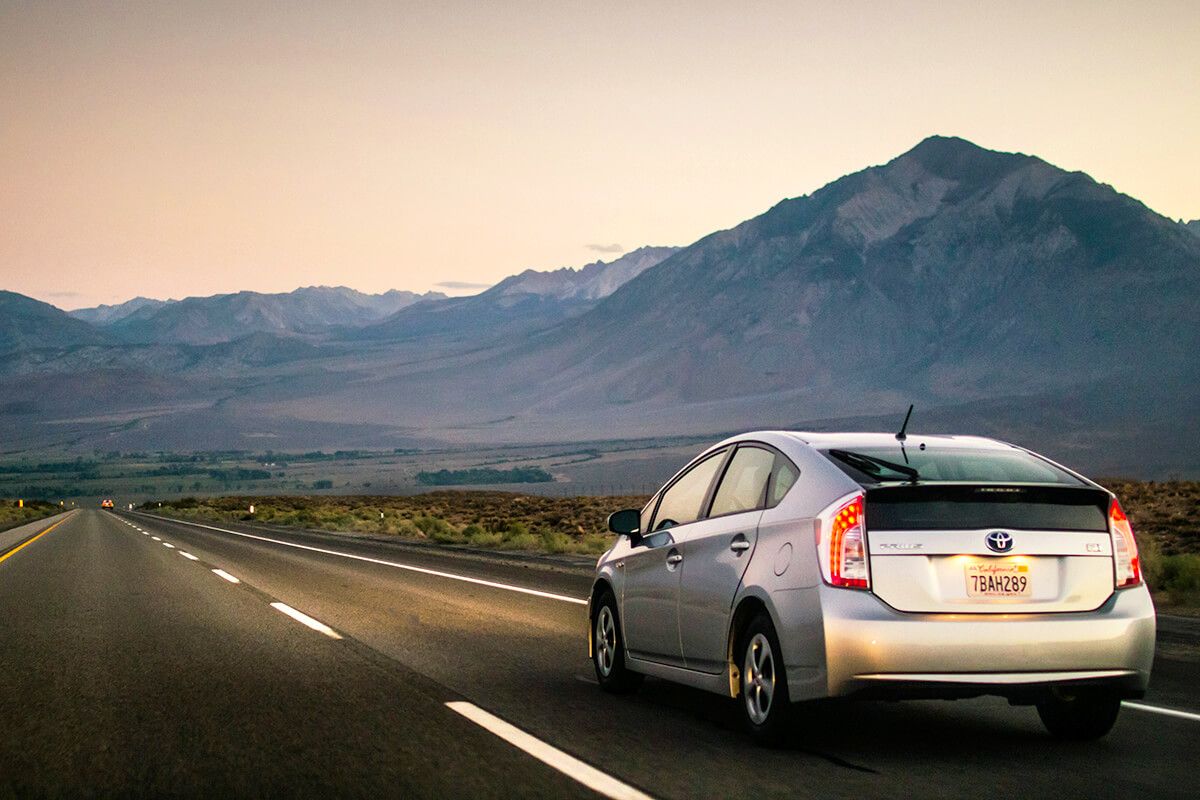
In the United Kingdom, meanwhile, an analysis conducted by Compare the Market found similar results, with drivers having about 50 miles left in their tank on average once the fuel light came on. Of all the cars analyzed, the Toyota Prius had the best reserve range at around 99 miles — being a hybrid model, the combination of electric and fuel power meant the engine used less fuel than a traditional gas-powered car. The Range Rover also performed well, with 73 miles left in the reserve, which can be explained by the Range Rover having the largest fuel tank capacity — 22.7 gallons — of all the cars analyzed.
Interestingly, Compare the Market also found that drivers were surprised by how far they could travel after reaching empty. The distances traveled, in general, were about three times above drivers’ expectations. So once your gas tank hits “E,” you may well be shocked by how far you can still go. But real-world performance can vary significantly depending on a variety of factors, and it’s never recommended to intentionally test these limits. Your safest option is always to fill up as soon as possible once your fuel gauge says it’s empty — or before!
Tony Dunnell
Writer
Tony is an English writer of nonfiction and fiction living on the edge of the Amazon jungle.
Advertisement
top picks from the Inbox Studio network
Interesting Facts is part of Inbox Studio, an email-first media company. *Indicates a third-party property.
It’s human nature: When faced with a steaming bowl of soup or a slice of pizza fresh from the oven, our first instinct is to blow on it to cool it down. This habit likely stems from childhood, when our parents would blow on our food to make those first sips of warm milk or bites of oatmeal more palatable. And once we’ve experienced the discomfort of eating food that’s too hot, it’s a practice we’re not likely to skip. But does it really work, or are we just holding on to a comforting ritual that’s little more than a placebo effect?
As it turns out, this common habit is indeed backed by science. Blowing on hot does help cool it down, thanks to some fascinating principles of physics including heat transfer and evaporation. Here’s how it works.
Food that’s steaming hot loses heat to its surrounding environment through three main processes: conduction, radiation, and convection. Conduction refers to the transfer of heat through direct contact between molecules, while radiation involves the food releasing heat in the form of infrared energy. While both of these processes can cause food to cool, neither explains why blowing on food lowers its temperature.
That’s where convection comes in. Hot food heats the air around it, creating a layer of warm air that insulates the food and slows heat loss. Blowing on the food replaces this warm air with cooler air, which increases the temperature gradient, aka the difference between the food and its surroundings. Increasing the temperature gradient speeds up the heat transfer, allowing food to cool faster. Blowing on food essentially acts like a fan on a hot day, shifting the insulating hot air away from the food’s surface.
For hot liquids such as soup or coffee, a process called evaporative cooling also plays an important role in reducing the substance’s temperature. When water molecules on the liquid’s surface evaporate, they carry heat energy with them. Blowing on the liquid helps disperse the layer of water vapor above, allowing more molecules to escape and increasing the cooling effect. The movement of the liquid caused by blowing — think of the ripples created when we blow on a bowl of soup — also increases the liquid’s surface area, which increases evaporation and further accelerates the cooling process.
Eating food that’s too hot isn’t just uncomfortable; it can be dangerous.Temperatures above 110°F can cause superficial burns, while anything hotter than 160°F can burn us instantly. Hot beverages including coffee, hot chocolate, and tea are typically served at temperatures between 160 and 185 degrees Fahrenheit, which can lead to scalding burns. Blowing on substances such as these can help bring them down to a safely enjoyable range.
While blowing on food is effective, you can combine it with other techniques to cool your food even faster. For instance, cutting or shredding food into smaller pieces accelerates heat loss by exposing more of it to the air. Stirring liquids moves cooler portions to the surface and encourages more even heat distribution. And foods with high internal temperatures such as pizza rolls or lasagna simply need to rest for a few minutes to allow the heat to dissipate naturally.
But if we go overboard, blowing on food and drinks can also negatively affect our enjoyment of certain types of sustenance, such as soups or beverages like coffee and tea. High temperatures can enhance flavors and aromas, and excessive blowing could leave them lukewarm and less flavorful — which explains why a room-temperature cup of coffee is more likely to elicit an “eww” rather than an “ahhh.”
Interestingly, blowing on food can also work in reverse. Just asbreathing on our cupped hands when they’re cold can give them a little boost of warmth, the warmth of our breath can also transfer to and raise the temperature of some foods, such as ice cream. However, this effect is much slower and less effective than the cooling process. That is because there’s typically a smaller temperature gradient between your breath, which matches the average body temperature of 98.6 degrees Fahrenheit, and the cold food than that of hot food and the cooler surrounding air.
Kristina Wright
Writer
Kristina is a coffee-fueled writer living happily ever after with her family in the suburbs of Richmond, Virginia.
Advertisement
top picks from the Inbox Studio network
Interesting Facts is part of Inbox Studio, an email-first media company. *Indicates a third-party property.
The animal kingdom is filled with remarkable textures, from the prehistoric armor of crocodiles to the thornlike spikes that cover the moloch (an Australian lizard also known as the “thorny devil”). Some creatures, however, are notable for their extraordinary softness.
To us humans, these creatures seem enticingly snuggly — and in some cases they are. But evolution doesn’t do things without reason, and huggability isn’t typically a trait that guarantees survival in the animal kingdom. However, dense fur can serve multiple purposes, including temperature regulation, camouflage, and even protection from animal bites. Here, we look at some of the softest animals on Earth, from the Arctic to the Andes to the frigid waters of the Pacific Ocean.
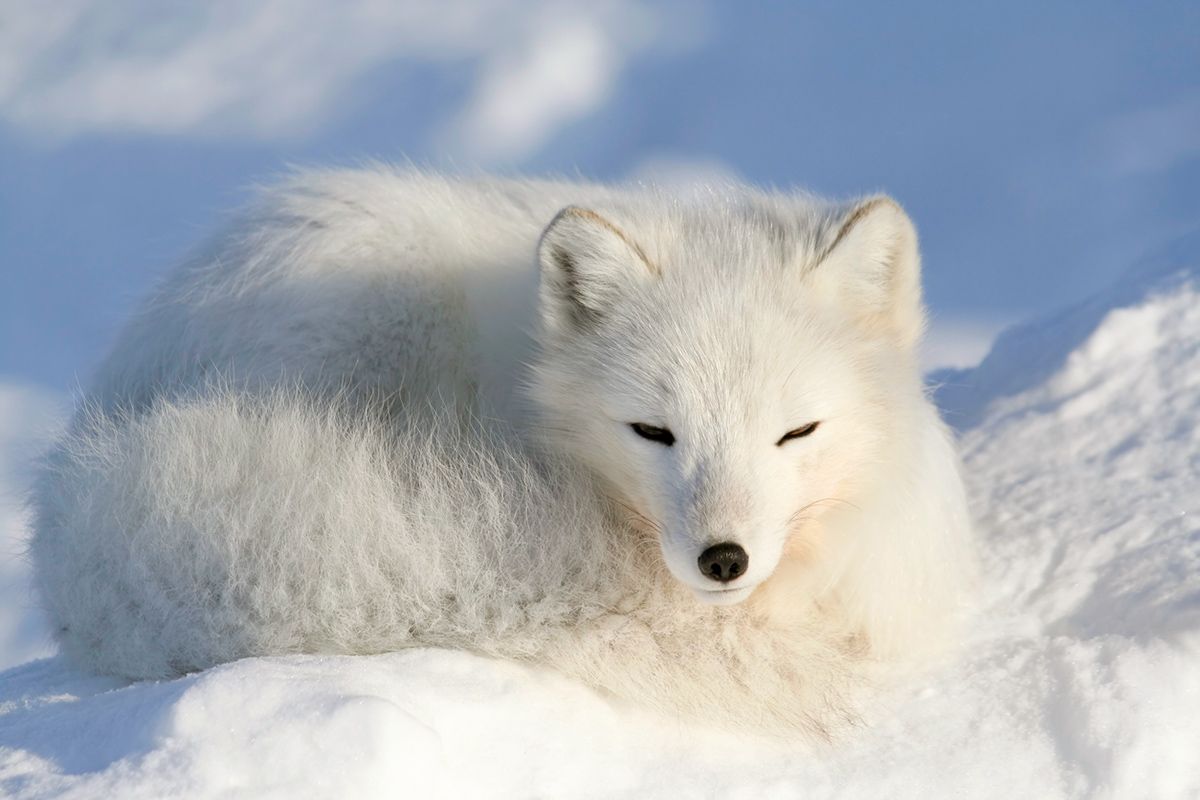
Many species of fox have soft fur, whether it be the North American red fox or the small, long-eared fennec foxes that roam the deserts of North Africa. Perhaps the most impressively soft, however, is the Arctic fox, especially when it dons its winter coat. In summer, this fox has thinner, shorter fur ranging in color from light grey to charcoal brown. But when winter arrives, it puts on a new coat: the thick, soft, white fur that keeps its body temperature at a toasty 104 degrees Fahrenheit and also allows it to blend in with its surrounding snow-covered landscapes. In winter, even an Arctic fox’s feet are completely covered with fur, making them soft from head to toe. These adaptations allow Arctic foxes to survive in some of the planet’s harshest environments.
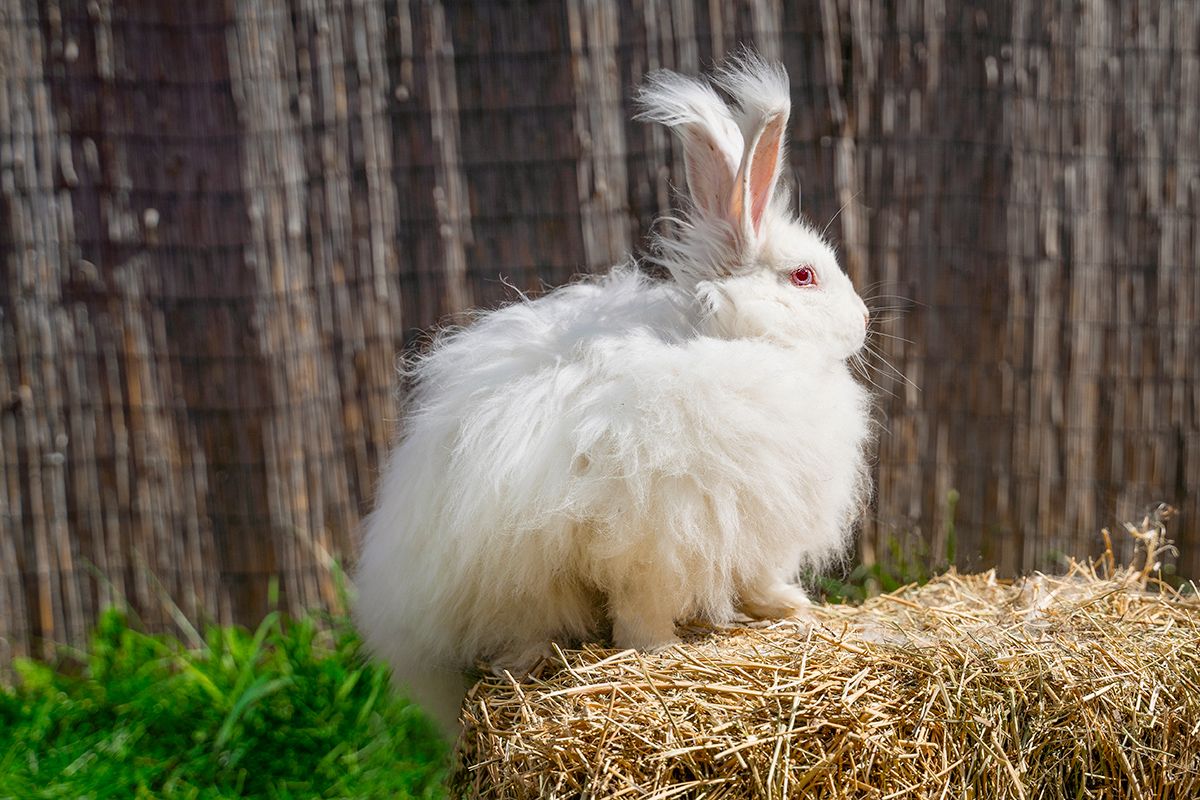
Angora rabbits are renowned for producing some of the world’s softest wool. One of the oldest domesticated rabbit breeds, they’re believed to have originated in Turkey in the 1700s — although it’s possible they were kept as far back as ancient Rome. Angoras have been bred for centuries for their incredibly fine, silky fur that’s significantly softer and lighter than sheep’s wool. Their fur is so soft and fluffy, they appear almost like living plush toys — with a generally sweet, docile demeanor to match. With individual fibers measuring just 14 to 16 microns in diameter, their fur — the namesake of the Angora wool it’s used to make — is one of the silkiest and softest animal coats in the world.
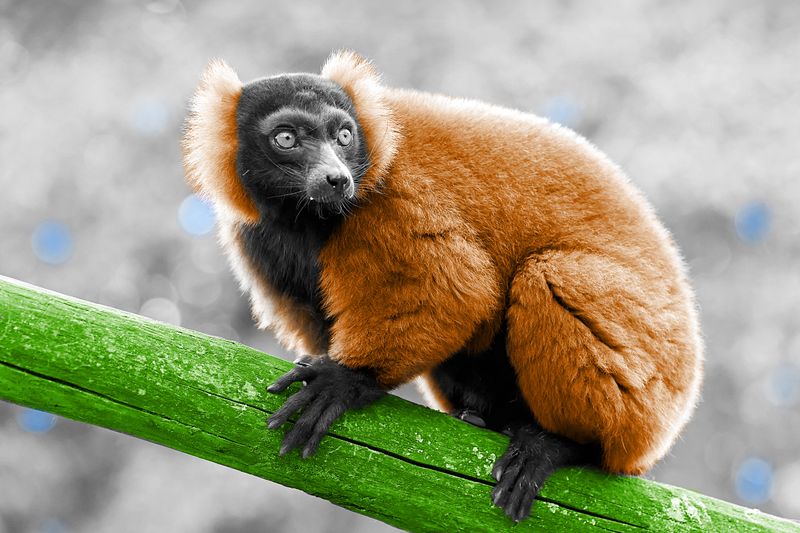
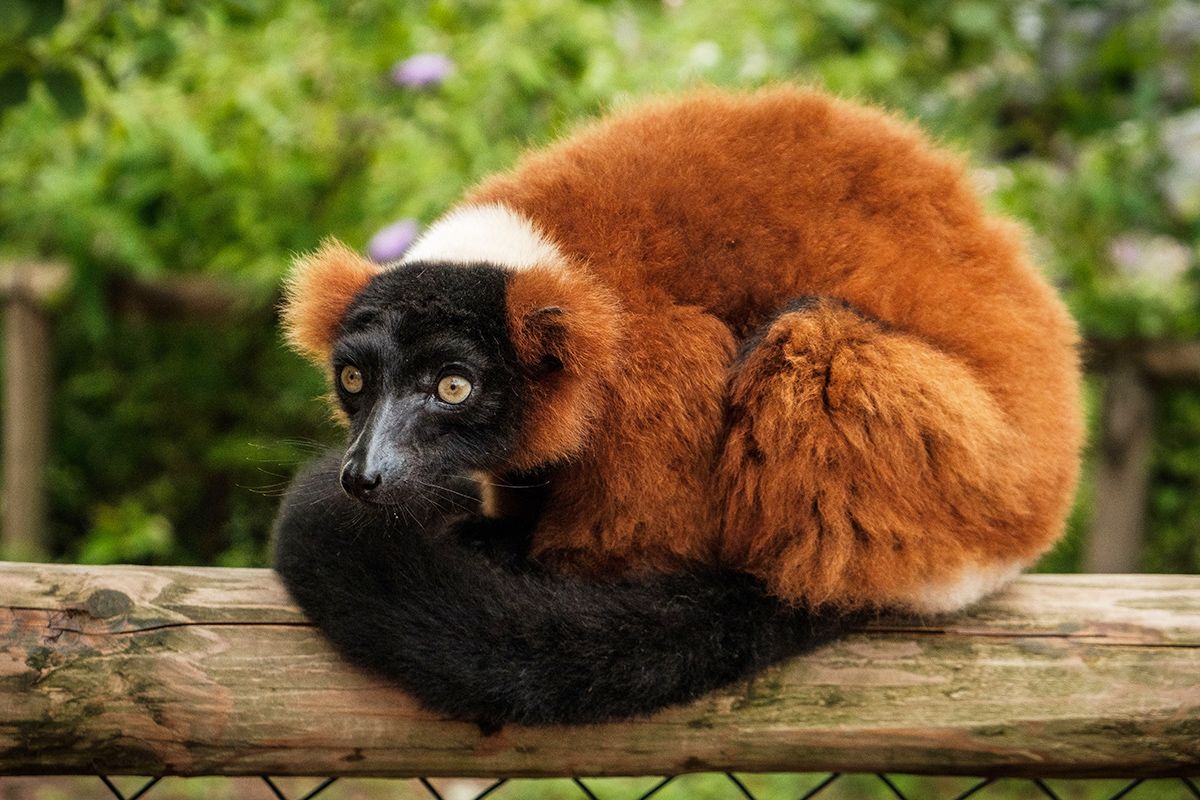
Ruffed lemurs, like all existing lemurs, are found only on the island of Madagascar and the nearby Comoro Islands. There are two species: the black-and-white ruffed lemur, with colorations not unlike a giant panda, and the red ruffed lemur. Both have extremely soft fur, with distinctive ruffs around their necks. Their overall fluffiness is only emphasized by their thick, furry tails, which average around 24 inches in length (longer than their bodies). Ruffed lemurs are very noisy creatures that make a raucous assortment of howls, barks, and growls. They also spend a lot of time grooming themselves, for which they have special adaptations including a long claw on their second toes and a set of six bottom teeth known as a “tooth comb” — all of which help keep them achieve peak fluffiness.
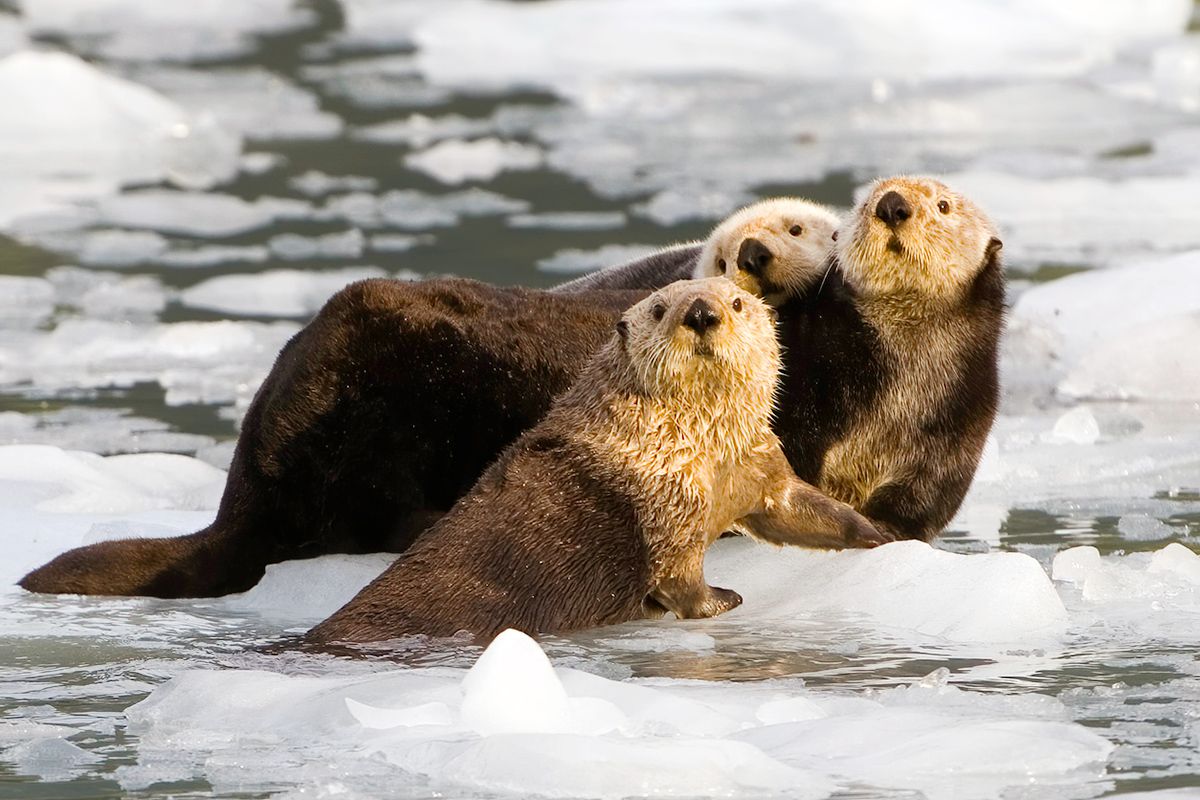
Sea otters have the thickest fur of any animal, with somewhere between 600,000 to 1 million hair follicles per square inch. Unlike most marine mammals, otters don’t have a blubber layer, so they depend on their dense, water-resistant fur to provide insulation, which traps air and heat next to their skin, thereby allowing them to survive in incredibly cold waters. To the human touch, otter pelts feel very smooth and soft. But if you took a close look at otter hair through a microscope, you’d see the hairs are actually covered in tiny, geometric barbs. These barbs ensure the hair mats together, creating a tight seal that keeps the fur near the otter’s body almost completely dry.
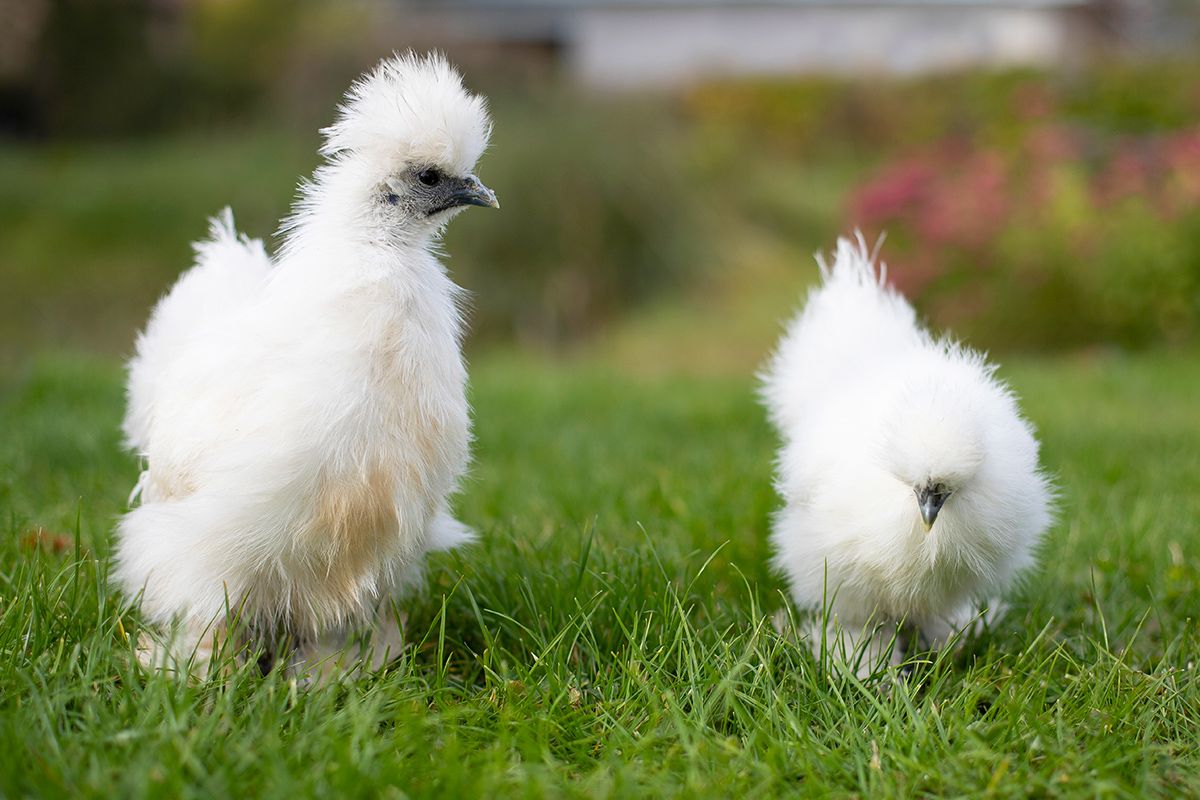
Representing the avian world, we have the appropriately named silkie chicken. Originating in Asia, these beautiful birds are covered in wonderfully soft and silky feathers, hence their name. These fluffy furballs, which feel more like kittens or rabbits than regular chickens, owe their softness to a particular mutation. Their feathers lack functioning barbicels — the tiny hooks present on typical feather fibers that give them shape and structure. Being ultra soft isn’t their only peculiar characteristic: They also have black skin and bones, blue earlobes, and five toes on each foot (most chickens have four). Silkies have a temperament that only enhances their adorable nature; they’re generally considered friendly little things with an affectionate and easygoing nature.
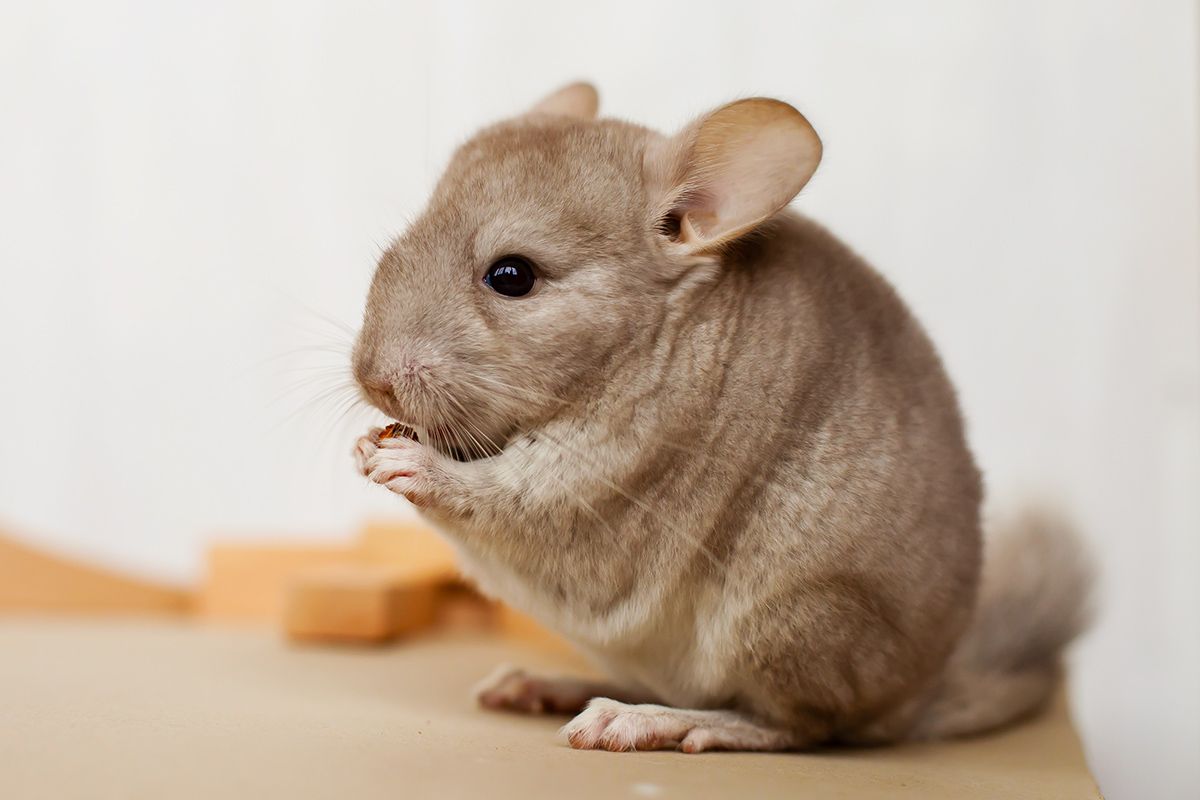
Chinchillas possess the densest fur of all living terrestrial mammals, helping them stay warm in their native habitat in the Andes of South America. They have more than 20,000 hairs per square centimeter, and each hair follicle contains 60 to 90 individual hairs (humans, like many mammals, typically have just one hair per follicle). This extraordinary fur density renders chinchillas not only incredibly soft but also resistant to parasites such as fleas, as they find chinchilla fur too troublesome to navigate and burrow through. Chinchillas don’t like getting wet because their dense fur can take hours to dry out. Instead, wild chinchillas take regular dust baths, rolling around in fine volcanic dust to keep themselves as clean and soft as can be.
Tony Dunnell
Writer
Tony is an English writer of nonfiction and fiction living on the edge of the Amazon jungle.
Advertisement
top picks from the Inbox Studio network
Interesting Facts is part of Inbox Studio, an email-first media company. *Indicates a third-party property.
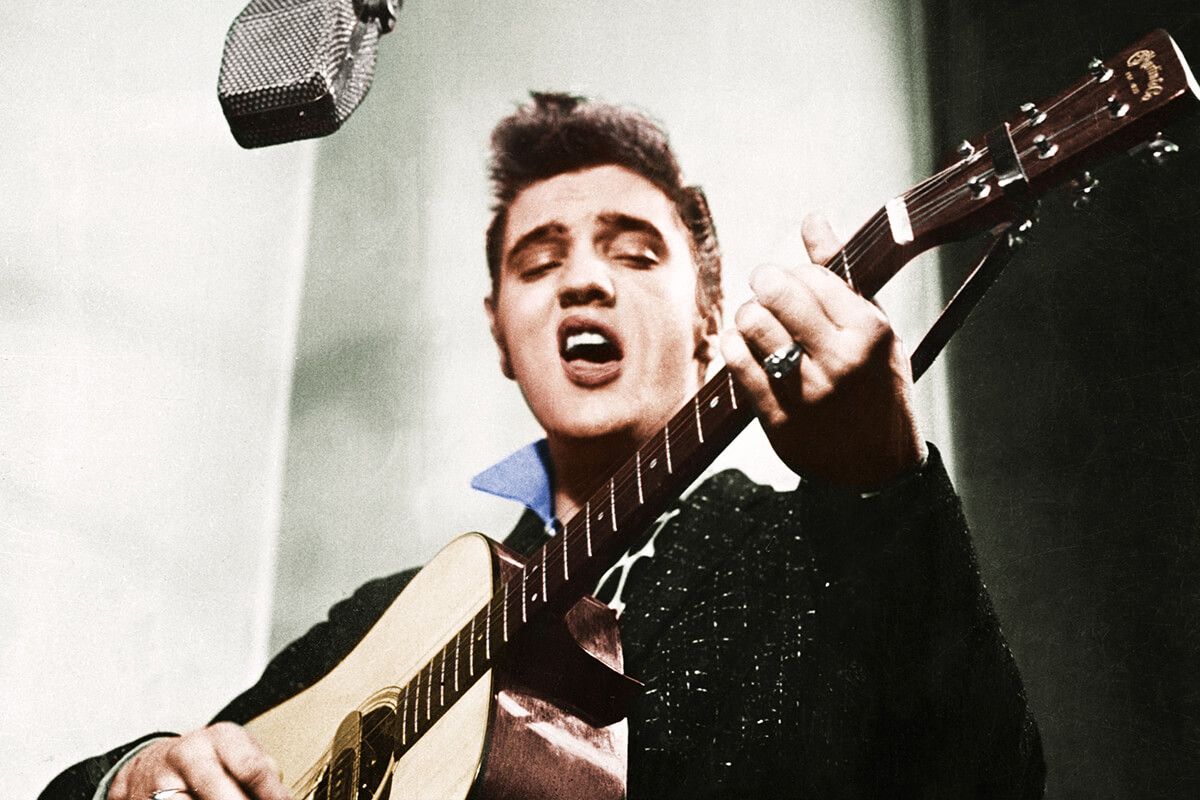
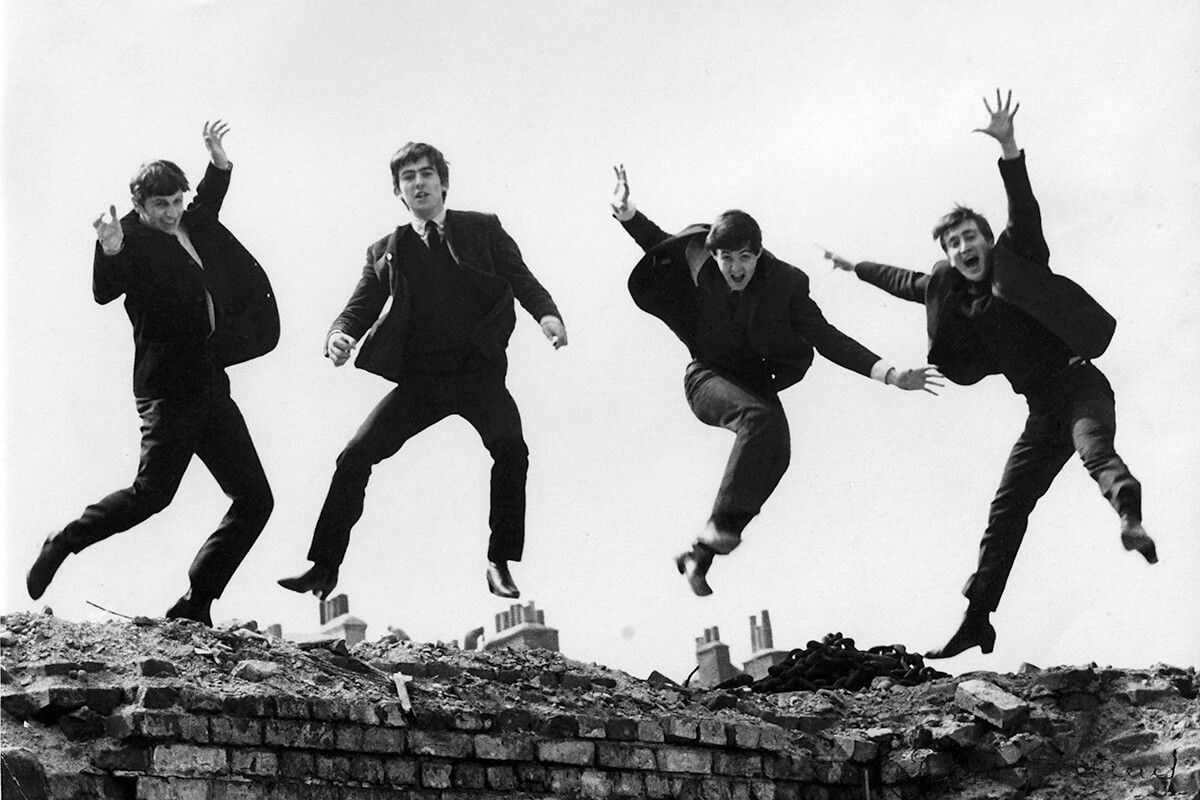
In the music world, it’s often considered an honor when a fellow artist decides to pay homage and cover one of your songs. But on some occasions, the cover version ends up being so popular that people don’t realize it’s not the original. Great musicians such as Elvis Presley, the Beatles, and Aretha Franklin have all recorded new takes on old songs that ended up becoming a part of their musical legacy, overshadowing the original artists. These performers and many others owe a great deal of thanks to the oft-forgotten songs and songwriters who inspired them. Here are seven hit songs that you may not know are actually covers.
Elvis Presley may have popularized “Hound Dog” in 1956, but it was originally written in 1952 for singer Big Mama Thornton. “Hound Dog” was composed by the songwriting team Jerry Leiber and Mike Stoller, who went on to pen other hit tracks such as “Yakety Yak” and “Love Potion No. 9.” In 1952, the duo was asked by bandleader Johnny Otis to write a song for Thornton, who had just signed her first recording contract. Thornton released her original take of “Hound Dog” on August 13, 1952, and it was a huge success, topping the R&B charts for seven weeks.
Three years later, a Las Vegas-based group named Freddie Bell and the Bellboys re-recorded “Hound Dog.” Frontman Freddie Bell rewrote some of the lyrics and also gave the song more of a rock ‘n’ roll vibe compared to the original R&B version. Bell’s version caught the attention of 21-year-old Elvis Presley, who re-recorded and released his own version of “Hound Dog” on July 13, 1956. His version topped the charts for 11 weeks and went on to become one of his signature songs.
Long before the Beatles released their legendary 1963 version of “Twist and Shout,” the song was recorded by two different musical acts. It was originally performed by the Top Notes in 1961 and later by the Isley Brothers in 1962. “Twist and Shout” was written by the songwriting duo Phil Medley and Bert Russell, but the Top Notes’ version failed to chart. Music critic Richie Unterberger disparaged the Latin-tinged R&B song as “not very good” and the tune very nearly faded into obscurity. A year later, it was revived by soul group the Isley Brothers, whose cover cracked the Top 20 of the Billboard Hot 100.
Also in 1962, the Beatles added “Twist and Shout” to their live repertoire, delighting the crowd with their fast-paced rock ‘n’ roll version. The band recorded “Twist and Shout” for their debut studio album Please Please Me on February 11, 1963, and the album was released the following month. Amazingly, the Beatles recorded the song in just one take, which music critic Stephen Thomas Erlewine called “the most famous single take in rock history.” The Beatles’ version shot nearly to the top of the charts, nabbing the No. 2 spot in the U.S. on March 2, 1964. The No. 1 song at the time was also a Beatles song: “Can’t Buy Me Love.”
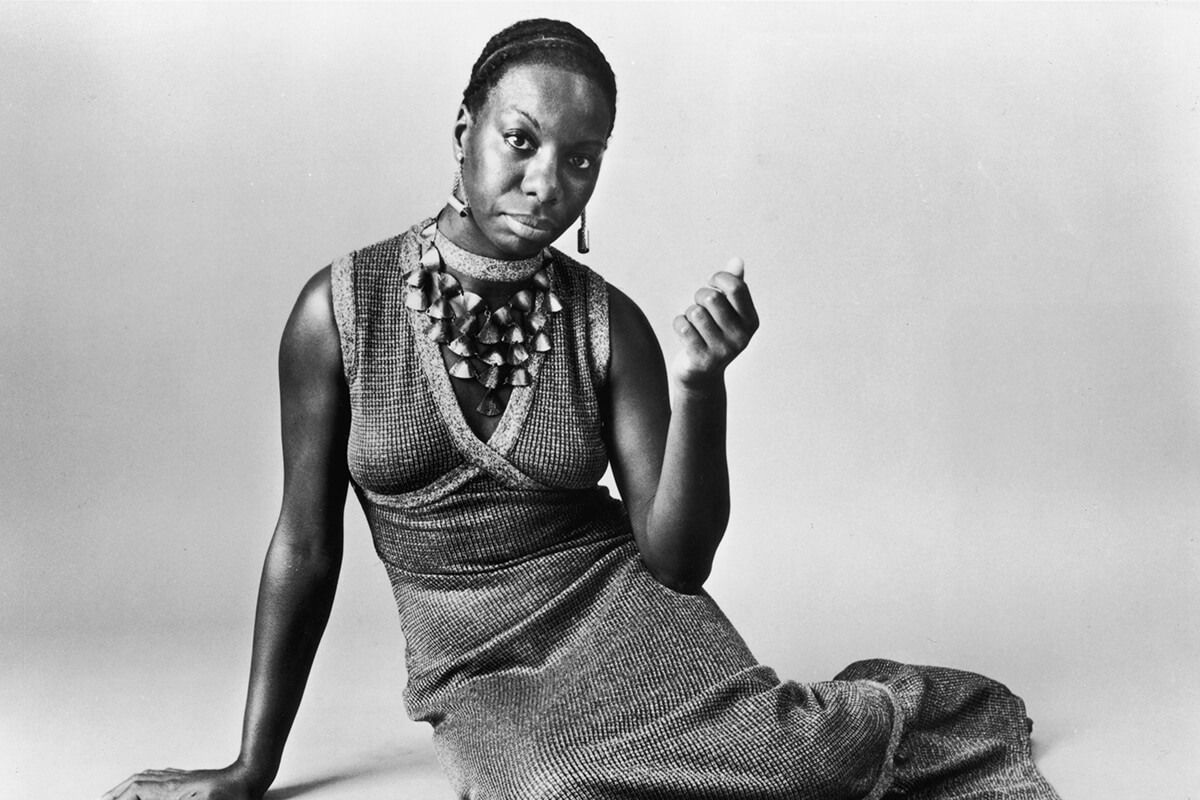
Nina Simone’s 1965 version of “Feeling Good” has inspired countless artists to cover the song in the decades since, including Michael Bublé and Muse. But Simone’s version was actually a cover itself, as the song was originally written by Leslie Bricusse and Anthony Newley for the 1964 musical The Roar of the Greasepaint — The Smell of the Crowd. That stage version was first recorded by Cy Grant and released in early 1965.
The song caught the attention of the legendary Nina Simone, who was recording her album I Put a Spell on You. Simone reworked the original version, which featured limited musical accompaniment, transforming it into a jazzy number accompanied by a big band. In 2017, NPRdeemed I Put a Spell on You the third greatest album ever produced by a female artist and specifically cited Simone’s “Feeling Good” as a standout performance.
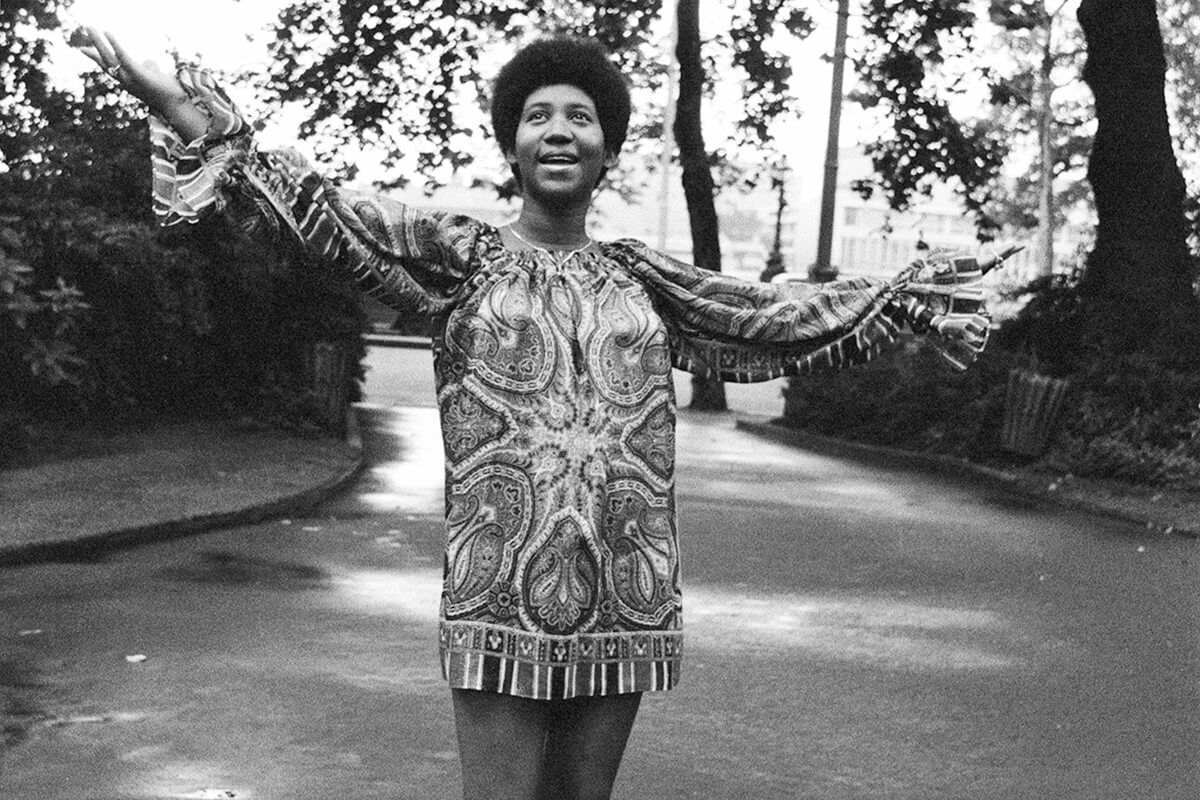
At just 24 years old, Aretha Franklin released “Respect,” which spent 12 weeks atop the Billboard charts and earned her two Grammy Awards. That version was released in 1967, two years after soul singer Otis Redding recorded his own take on the tune. It’s unclear who originally wrote the song, but according to lore, Redding was introduced to it by fellow musician Earl “Speedo” Sims, who’d planned to record it himself. Redding heard Sims’ version, sped up the tempo, and included “Respect” on his 1965 album Otis Blue. The lyrics in his version centered around a man coming home from work and insisting on getting respect from his wife, and the song ultimately reached No. 4 on the music charts.
On February 14, 1967, Franklin — who had already performed the song live — went into the recording studio and reworked Redding’s version. She transformed the song into a powerful feminist anthem delivered from a woman’s perspective. Franklin also made several notable changes to the music itself, adding a bridge and a call-and-response section featuring her sisters Carolyn and Erma, spelling out the word “respect” (“r-e-s-p-e-c-t”), and rhythmically repeating the phrase “sock it to me.” Her version quickly became the most popular take on the song, though she remained praiseful of Redding’s original.
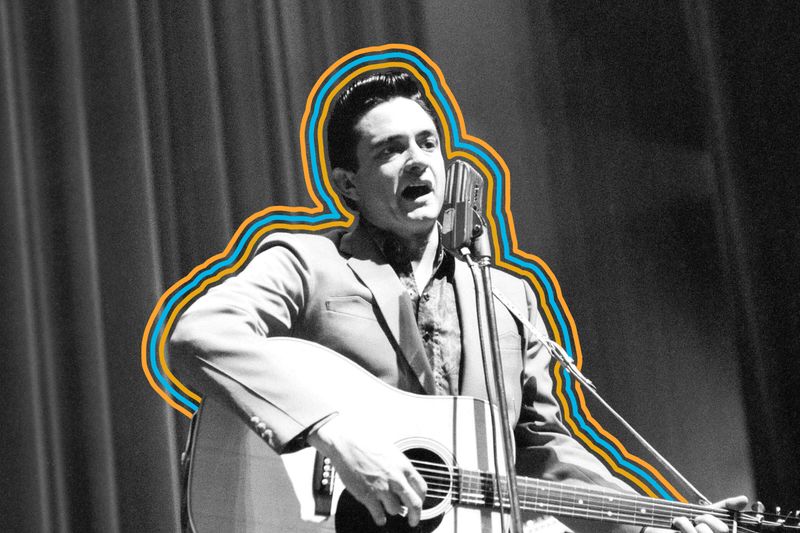
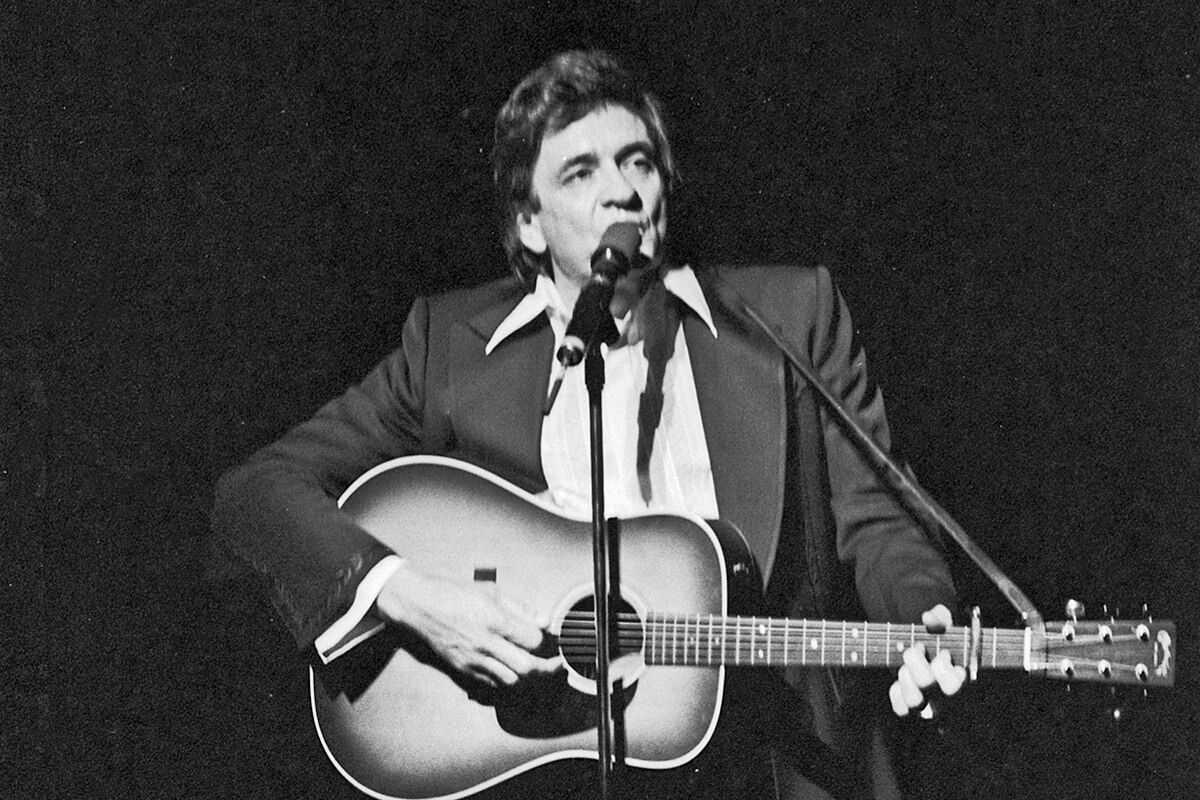
“Ring of Fire” is one of Johnny Cash’s best-known songs, having spent 13 weeks on the Billboard Hot 100 chart in 1963 and reaching certified Gold status. But a year prior to that, the song was written by Cash’s future wife, June Carter. Carter — along with songwriter Merle Kilgore — penned a song titled “(Love’s) Ring of Fire” in 1962. As the story goes, Carter actually wrote the song about her infatuation with Johnny Cash, who had a reputation for being dangerous and wild.
Carter gave the original folksy version of the song to her sister Anita, who recorded it for the 1962 album Folk Songs Old and New. Johnny Cash was an immediate fan of the song and wanted to record his own take, but he also told Anita he would wait a few months before doing so to allow enough time for her version to become a hit. Sure enough, on March 25, 1963, Cash took to the studio and recorded his own “Ring of Fire,” which remains popular today.
Credit: V&A Images/ Hulton Archive via Getty Images
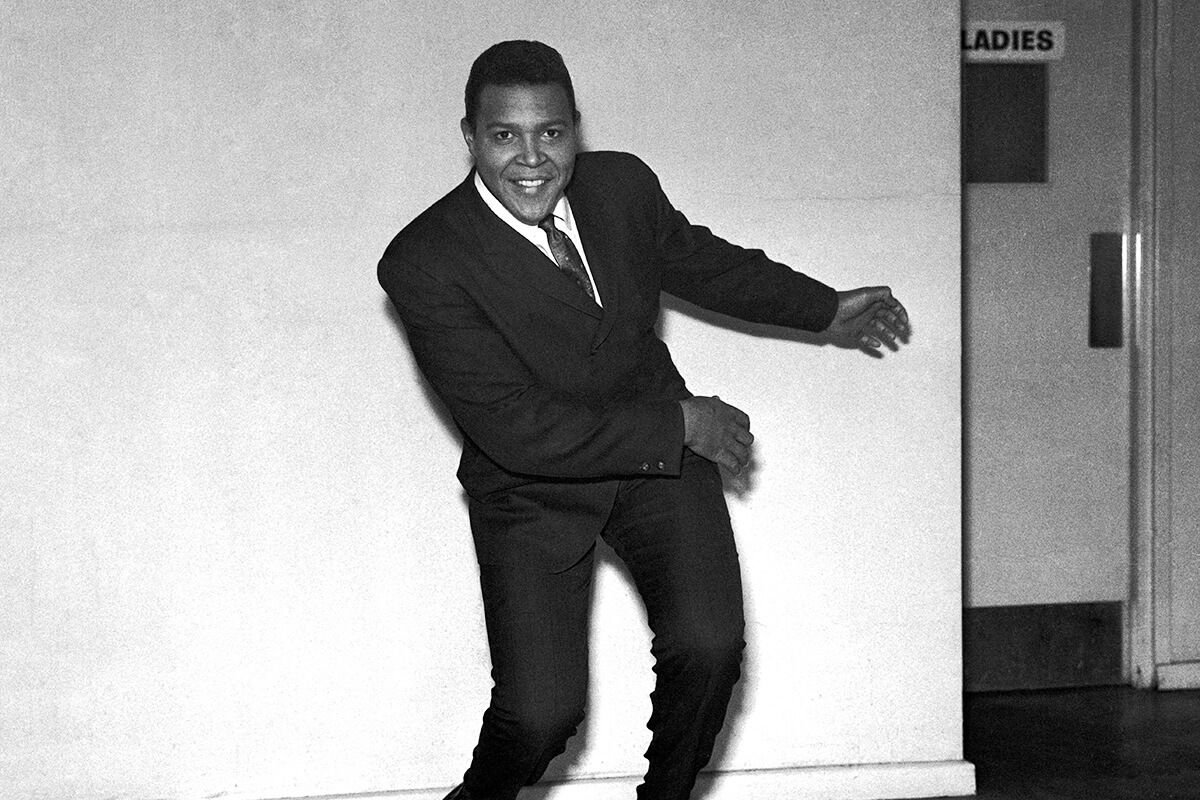
Chubby Checker’s “The Twist”
The Twist was a dance craze that became wildly popular during the 1960s, made all the more popular by Chubby Checker’s 1960 song of the same name. But Checker wasn’t the first person to encourage people to do the Twist; that honor belongs to Hank Ballard and the Midnighters, who recorded a version of “The Twist” in 1958 as a B-side to “Teardrops on Your Letter.” This original song achieved mild success, charting at No. 28 on the Billboard Hot 100 in 1960.
But Dick Clark, the host of American Bandstand, saw greater potential in the song. Clark contacted the Philadelphia-based Cameo-Parkway recording label and asked it to produce a new version with Checker, who Clark had worked with before. This version took “The Twist” to new heights, as Checker’s cover held the top spot on the Billboard charts upon its release in August 1960 and again in 1962, ultimately spending a total of 25 weeks as a top 10 hit. This made it only the second song ever to chart at No. 1 on two separate occasions (after Bing Crosby’s “White Christmas”).
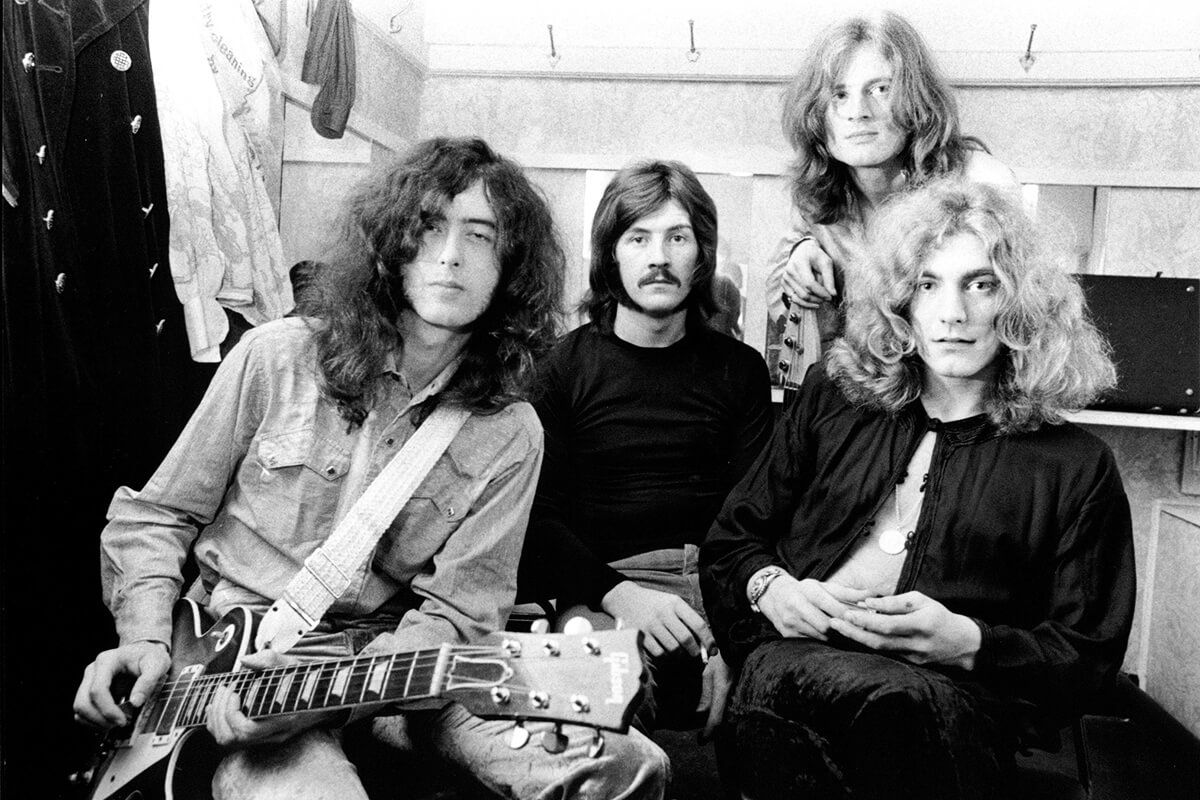
“Dazed and Confused” appeared on Led Zeppelin’s eponymous debut album, and thrust the band into the limelight as one of the most powerful forces in rock music. But their version of the song was accompanied by a bit of controversy, as it was purportedly lifted from a lesser-known artist named Jake Holmes. Holmes’ version of “Dazed and Confused” was recorded as a folksy tune for his 1967 album “The Above Ground Sound” of Jake Holmes. On August 25, 1967, Holmes happened to perform his new song in front of Jim McCarty, drummer for the Yardbirds. One of McCarty’s bandmates at that time was Jimmy Page, the future founder of Led Zeppelin.
McCarty was very complimentary of Holmes’ song, saying it had a “very good riff, very haunting, quite interesting.” A day after Holmes’ concert, McCarty showed the riff to Page and his fellow band members, who were all fans. The Yardbirds began performing “Dazed and Confused” during live shows, with the intent of recording it. But soon after, Page left the group to form Led Zeppelin, who recorded “Dazed and Confused” for their eponymous debut album in 1969. This eventually caught the attention of Holmes, who reached out in the 1980s and unsuccessfully asked for songwriting credit. Holmes ended up filing a lawsuit in 2010, which was settled out of court. Nowadays, if you buy a new copy of Led Zeppelin’s debut album, the writing credit for “Dazed and Confused” reads, “Jimmy Page; Inspired by Jake Holmes.”
Bennett Kleinman
Staff Writer
Bennett Kleinman is a New York City-based staff writer for Inbox Studio, and previously contributed to television programs such as "Late Show With David Letterman" and "Impractical Jokers." Bennett is also a devoted New York Yankees and New Jersey Devils fan, and thinks plain seltzer is the best drink ever invented.
Advertisement
top picks from the Inbox Studio network
Interesting Facts is part of Inbox Studio, an email-first media company. *Indicates a third-party property.