

Original photo by Africa Studio/ Adobe Stock

If you’ve ever woken up to find the kitchen lights inexplicably on or been told you held a full conversation in the middle of the night with no memory of it, you’re not alone. Sleepwalking — also known as somnambulism — has fascinated and frightened people for generations.
To anyone watching, this phenomenon can seem unsettling or even supernatural. But sleepwalking is simply a glitch in the brain’s normal sleep controls. Even at rest, the brain manages multiple systems at once. Every so often those systems fall slightly out of sync, and the body takes a nighttime stroll while the mind remains deeply asleep.
Although it’s most common in children, sleepwalking can happen at any age. Researchers have spent decades trying to understand why the sleeping brain sometimes allows the body to move around without conscious awareness. The answer lies in how sleep works, how the brain transitions between stages, and what can interrupt those transitions in subtle ways.
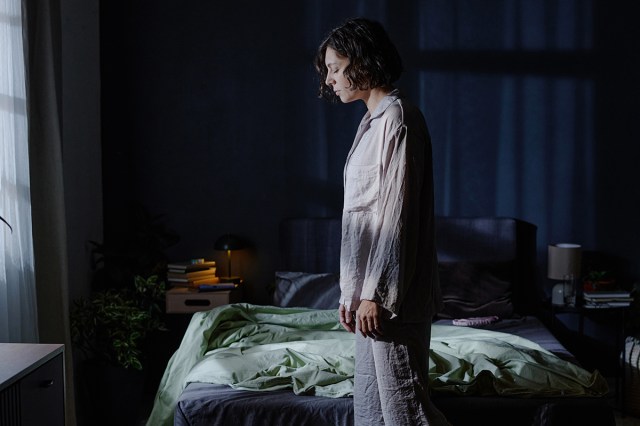
It Happens During Deep Sleep
Many people assume sleepwalking is caused by acting out dreams, but sleepwalking occurs during non-REM sleep, the deepest and most restorative phase of the sleep cycle, usually within the first couple of hours after falling asleep. Most of your dreaming, especially your vivid, narrative-driven dreams, take place during REM sleep.
In non-REM sleep, brain waves slow dramatically. The body is meant to be still, breathing is steady, and awareness of the outside world is almost completely shut down. The brain uses that time to repair tissues, consolidate memory, and restore energy.
Sleepwalking happens when the brain partially wakes from this deep state but doesn’t fully transition into alertness. The motor centers switch “on” before the thinking and reasoning parts of the brain catch up. As a result, a person can move, walk, or perform routine actions without conscious control.
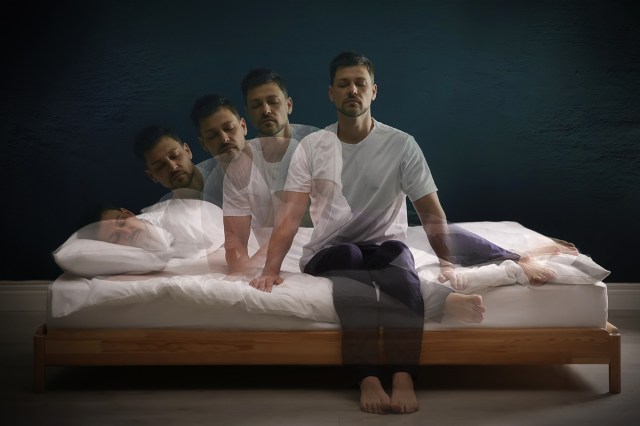
The Brain Is Stuck Between Sleep and Wakefulness
Scientists describe sleepwalking as a disorder of arousal; the brain attempts to wake but gets trapped halfway. The parts responsible for movement become active while the areas governing judgment, awareness, and memory remain asleep. That explains both the wandering behavior and why sleepwalkers almost never remember what happened during their sleepwalking episodes — the brain never fully “records” the event.
Brain imaging shows that during episodes, the frontal lobe (the areas that manage decision-making and self-control) remain largely inactive. Meanwhile, deeper brain regions tied to habit and motion are active enough to get the body moving. It’s like a computer booting only halfway: The system is running, but critical controls haven’t loaded.
Because the conscious brain is still offline, trying to wake a sleepwalker suddenly can be confusing or even startling for them. They may look disoriented or frightened because their frontal lobe is being abruptly activated, forcing the brain into wakefulness before its decision-making and self-control systems have fully come online.

Genetics Plays a Role
Sleepwalking often runs (or walks?) in families. If one parent has a history of sleepwalking, their child is far more likely to do so. If both parents have a history, the odds increase even more dramatically.
Researchers believe certain inherited traits affect how easily the brain shifts between sleep stages. Some people, for example, simply have a higher threshold for waking: their brains resist full arousal, which makes partial awakenings more likely. Instead of fully waking or staying asleep, they drift into that curious middle ground.
Genetics also affects how deeply a person sleeps. Those prone to sleepwalking tend to spend more time in slow-wave sleep — the stage where episodes originate. For many sleepwalkers, this tendency is built right into their neurological wiring.
More Interesting Reads


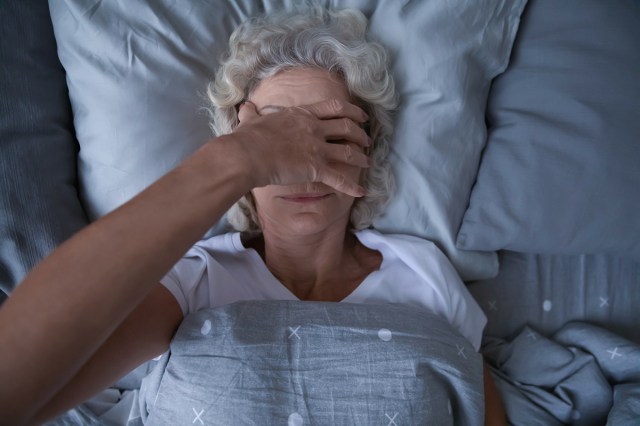
Certain Triggers Can Spark Episodes
Even in people who are genetically predisposed, sleepwalking usually needs a trigger. Anything that disrupts deep sleep or causes sudden arousal can increase the chances of an episode. Common triggers include sleep deprivation, stress, anxiety, fever or illness, irregular sleep schedules, certain medications, alcohol before bed, or sleep disturbances.
When the brain is pushed into deeper-than-normal sleep — often after exhaustion — it can struggle to wake cleanly. Instead, it can misfire and activate the body while awareness lags behind.
Sleep disorders such as sleep apnea can also increase episodes of sleepwalking. Repeated interruptions in breathing jolt the brain out of deep sleep again and again, creating more opportunities for incomplete awakenings.
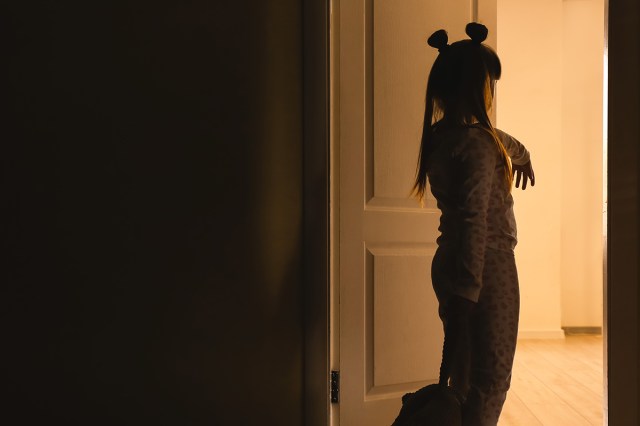
Sleepwalking Is Common — And Usually Benign
About one in three children will sleepwalk at least once, and most outgrow it as the brain matures and sleep patterns become more stable. It’s less common in adults, though it still affects millions worldwide. Many episodes are mild — sitting up, mumbling, or briefly wandering — though some people are able to carry out surprisingly complex behaviors.
Sleepwalking is part of a larger group of sleep-related behaviors called parasomnias, conditions in which elements of sleep and wakefulness overlap. Non-REM parasomnias include talking in your sleep, night terrors, and confusional arousals (brief partial awakenings from deep sleep in which a person appears awake but feels confused or disoriented before falling back to sleep).
Nightmares are also classified as parasomnias, though they occur during REM sleep and involve vivid dreaming rather than physical movement. Together, those disorders show how the brain can become active in unusual ways while the body is still technically asleep.
Occasional sleepwalking is usually harmless and demonstrates how complex sleep really is. So if you’ve ever found signs of a nighttime adventure you can’t recall, it typically isn’t something to fear. It’s simply the brain at work, juggling rest, repair, and awareness — and sometimes those systems can fall slightly out of sync.

Kristina is a coffee-fueled writer living happily ever after with her family in the suburbs of Richmond, Virginia.
top picks from the Inbox Studio network
Interesting Facts is part of Inbox Studio, an email-first media company. *Indicates a third-party property.