
Interesting Facts
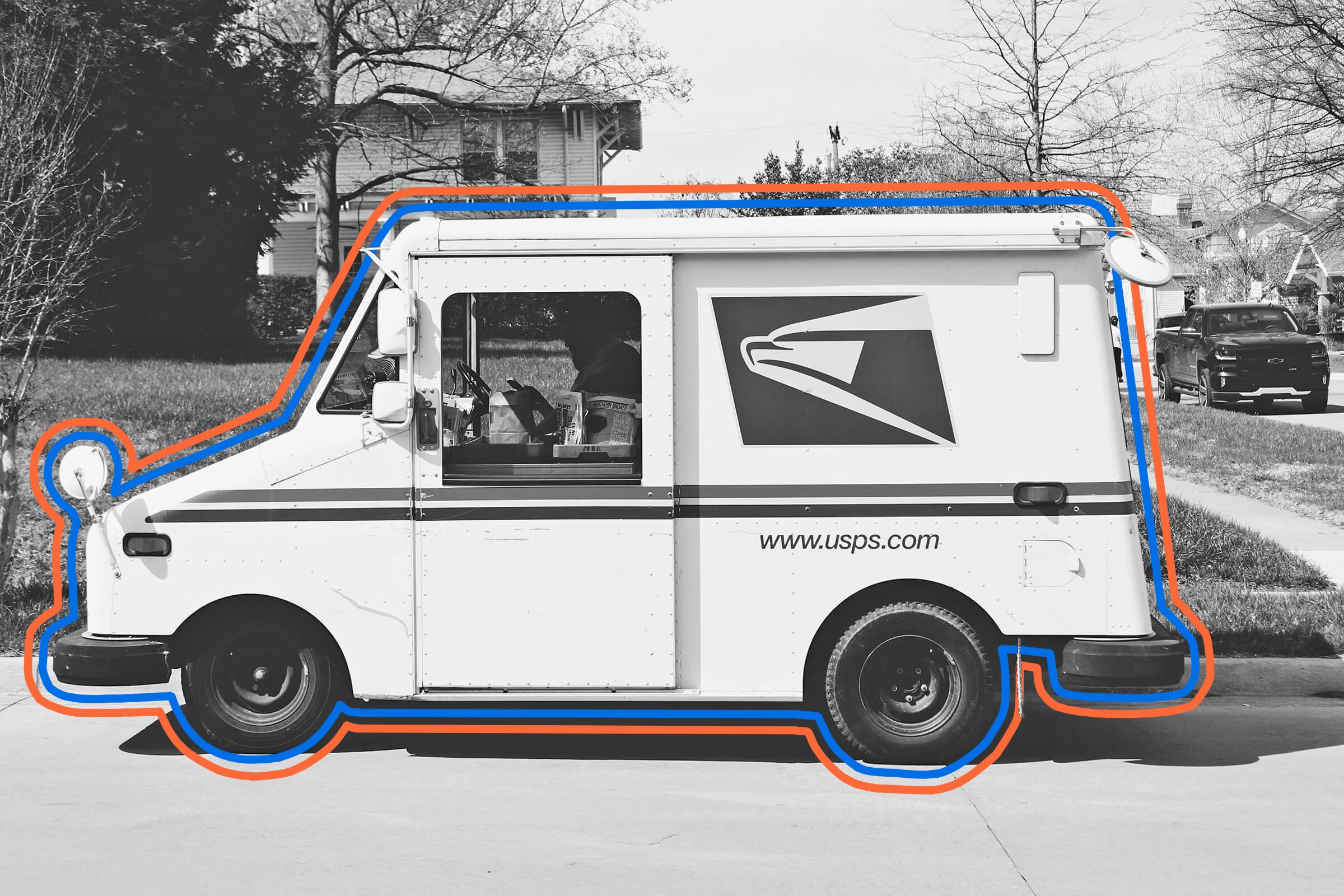
In a world where we spend an average of 25 minutes a day sending messages back and forth on a variety of apps, it’s easy to forget the vital importance of physical mail. Mail systems have been around for about 4,000 years, and throughout that time they’ve evolved to sort, route, and deliver your letters and packages with surprising precision. It may seem simple from the outside, but correctly transporting items from point A to point B with minimal hiccups is quite an undertaking.
Today, for example, the United States Postal Service operates one of the largest logistical networks in the world, delivering to nearly 170 million addresses across the country. Operations may be largely automated now, but mail systems still rely on lots of helping human hands — and even some animal hooves. Here are six facts you might not know about the mail.
The U.S. Accounts for Nearly Half the World’s Mail
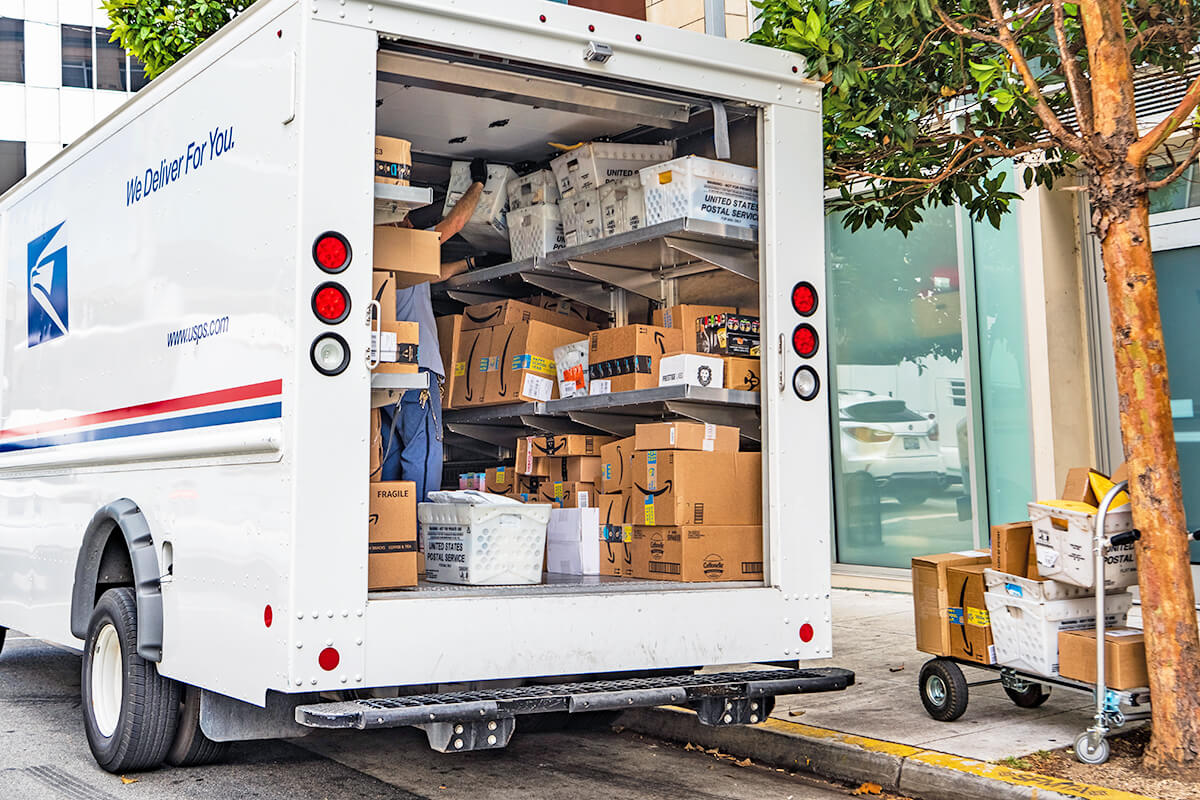
The scale of mail delivery across the U.S. is hard to overstate. In fact, the USPS processes and delivers more mail than any other postal service in the world, accounting for roughly 44% — nearly half! — of all mail in the world.
Every day, an average of 371 million pieces of mail, including letters, cards, and parcels, are processed and delivered by USPS. The majority of it flows through a highly automated system, with around 9,000 pieces of processing equipment to help keep things moving. Sorting machines such as the Automated Delivery Unit Sorter handle 3,400 pieces of mail per hour, while millions of letter bundles and packages are loaded onto trucks that collectively drove more than 1.9 billion miles in 2024 alone — that’s more than 22.6 million mail-delivery trips.
If Machines Can’t Read Your Writing, Humans Are on Standby
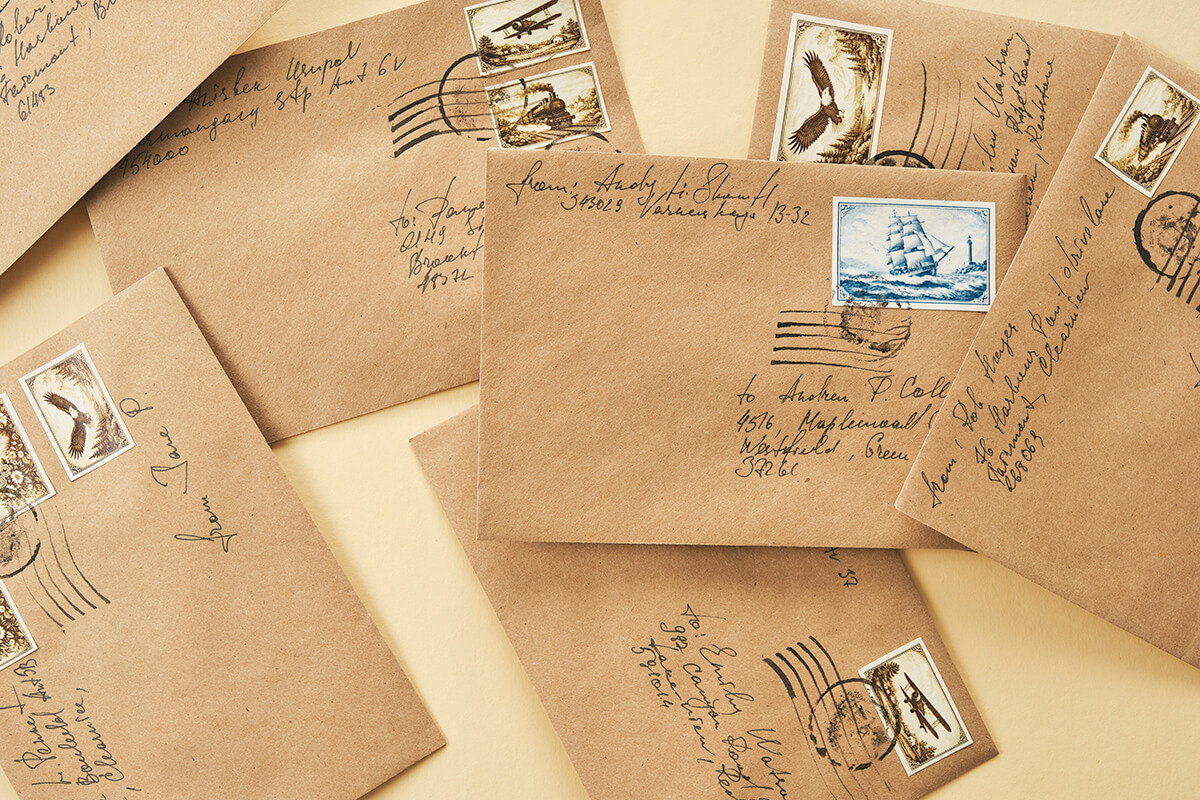
Even though all that high-tech equipment scans and sorts mail automatically, not every address is machine-readable. When ink gets too smudged or handwriting is incomplete or illegible (we’re looking at you, chicken-scratchers), an image is sent for another look at the USPS Remote Encoding Center (REC) in Salt Lake City, Utah.
On an average day, images from roughly 4 million pieces of mystery mail come across the screens of the data conversion operators — also known as keyers — who staff the office 24 hours a day, seven days a week. Employees are trained to review each piece of mail in 10 seconds or less as it flashes across their screens, deciphering handwriting and correcting delivery information.
At one time, the USPS operated 55 of these REC offices around the country, but with the reduction of physical mail in the digital age as well as improved automated screening technology, only the Salt Lake City site remains.
Undeliverable Mail Has an Afterlife
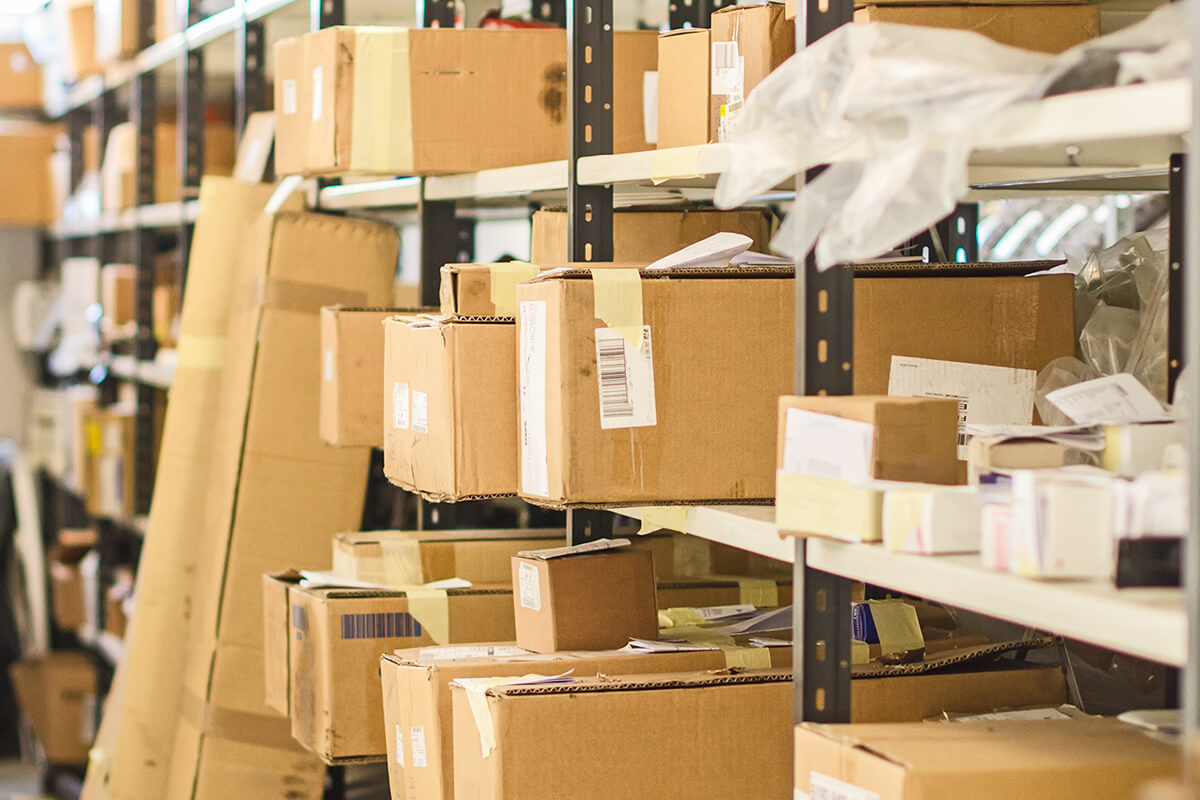
Despite the Postal Service’s best efforts, some mail doesn’t end up at its intended destination. Undeliverable mail in the U.S. makes its way to a USPS facility in Atlanta, Georgia, known as the Mail Recovery Center — the modern successor to the Dead Letter Office established in 1825.
Employees first attempt to identify the mail’s intended destination or return address, which is typically done by using clues inside the mail for any identifying information. Valuable items — that is, anything worth $25 or more — are typically held for up to 60 days if they include a USPS tracking barcode, or 30 days if they’re standard stamped mail without tracking.
Ultimately, if no owner can be located, the USPS takes a similar approach to the lost luggage store in Alabama: Items may be auctioned off in lots, donated to charity, or, in some cases, recycled or thrown out.
More Interesting Reads


Some Mail Is Still Delivered by Mule
For all its extensive truck routes, the USPS continues to rely on some creative delivery methods as well. There’s the aptly named “pail mail” used between passing ships on the Detroit River, and sometimes snowmobiles step in when roads become impassable in particularly snowy states. But what may be the most unusual route doesn’t rely on engines at all — it requires hooves.
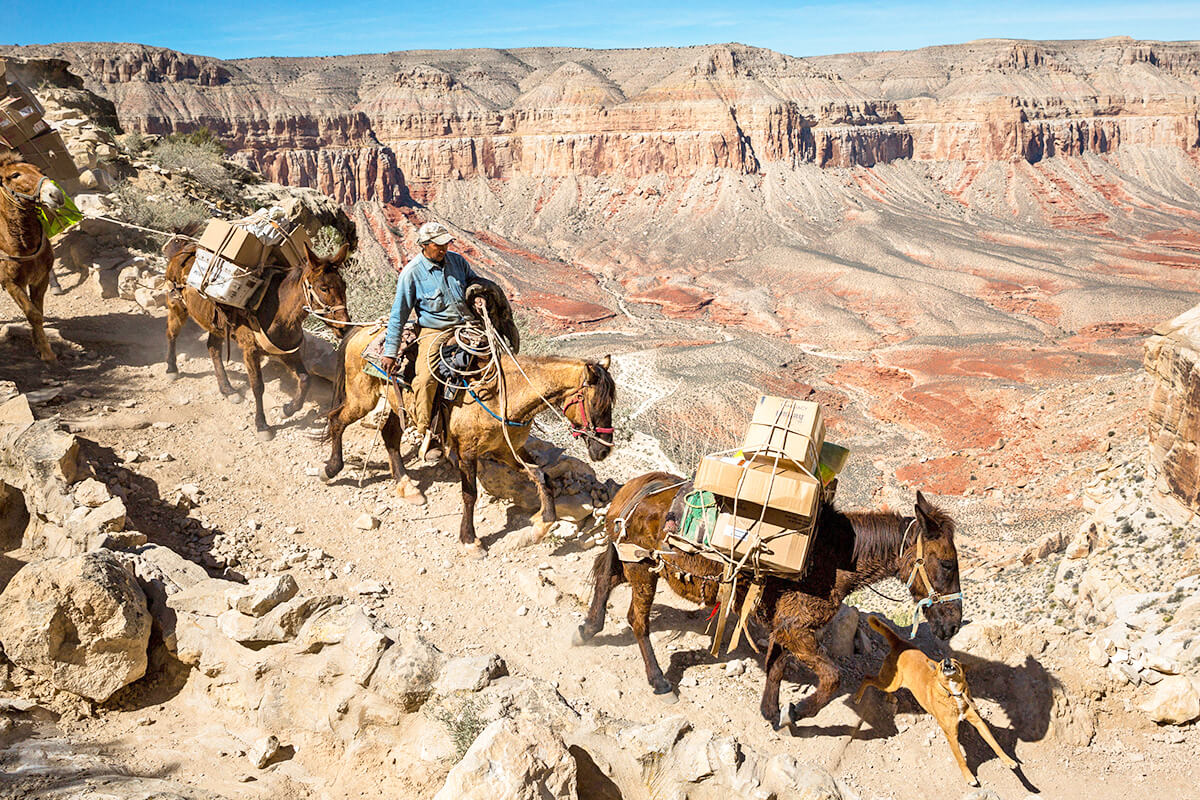
To deliver mail to the Havasupai Tribe at the bottom of the Grand Canyon, the USPS relies on mule trains. Up to seven times a week, between 10 and 22 mules set off with a wrangler on horseback, traveling 9 miles down to the remote Supai post office.
The descent takes about three hours, while the climb back out takes closer to five. Incoming mail is limited to residents and workers in Supai, but visitors hiking into the canyon or staying at the Phantom Ranch can send letters or postcards out the same way it comes in: by mule.
ZIP Codes Are More Recent Than You May Think
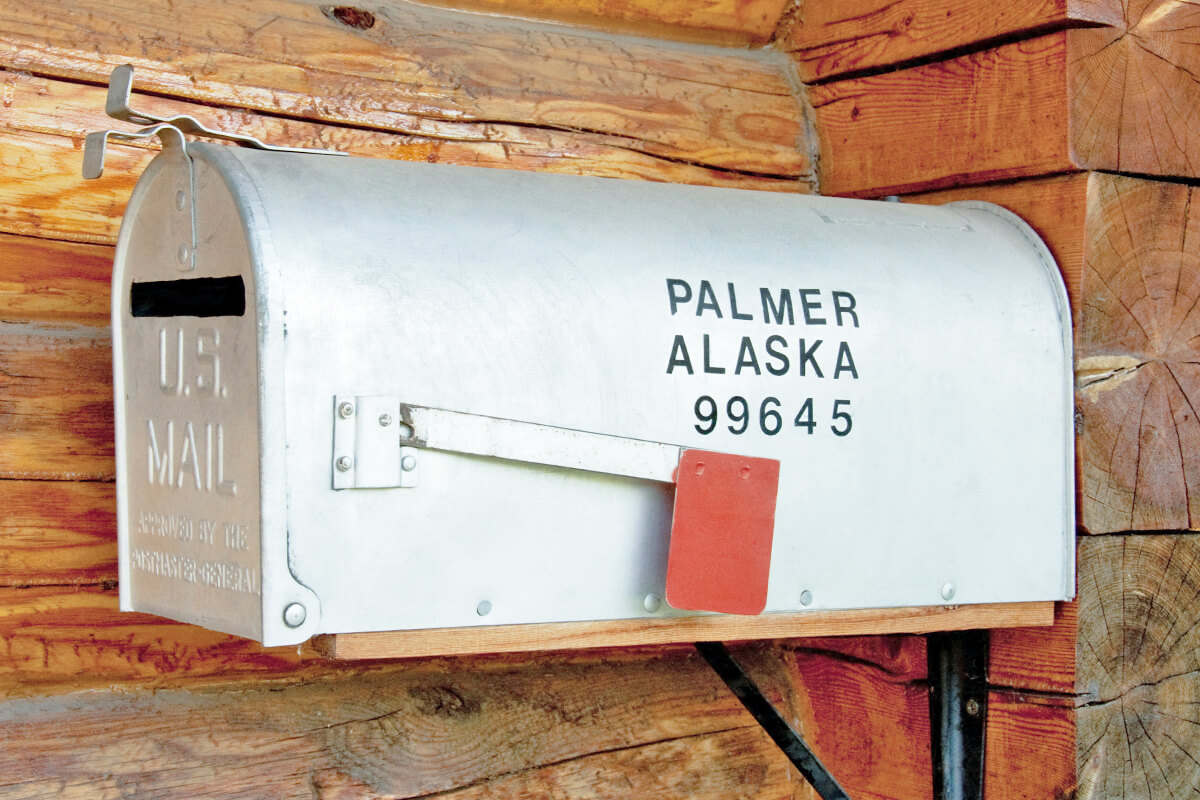
It’s hard to imagine sending a piece of mail without a ZIP code, but that familiar five-digit string of numbers tacked at the end of a U.S. address didn’t exist until the 1960s. The ZIP (Zone Improvement Plan) code system was introduced to streamline sorting as mail volume surged in the mid-20th century.
It wasn’t an entirely new idea, however. In 1943, what was then called the United States Post Office Department introduced a zoning system for the country’s biggest cities; one- or two-digit zone numbers would be written after the city’s name on addresses to help coordinate deliveries.
That system helped with wartime backlogs, but by the early 1960s, America’s annual mail volume had doubled, growing from 33 billion pieces of mail in 1943 to 66.5 billion. At the same time, suburbs were also expanding and people were spreading out across the country, making mail delivery more complicated.
The ZIP code was introduced in the summer of 1963, with the first digit representing a broad geographical region of the country, the next two narrowing it to a regional area, and the last two pinpointing the area’s local post offices.
The Postmaster General Is the Second-Highest-Paid Federal Employee
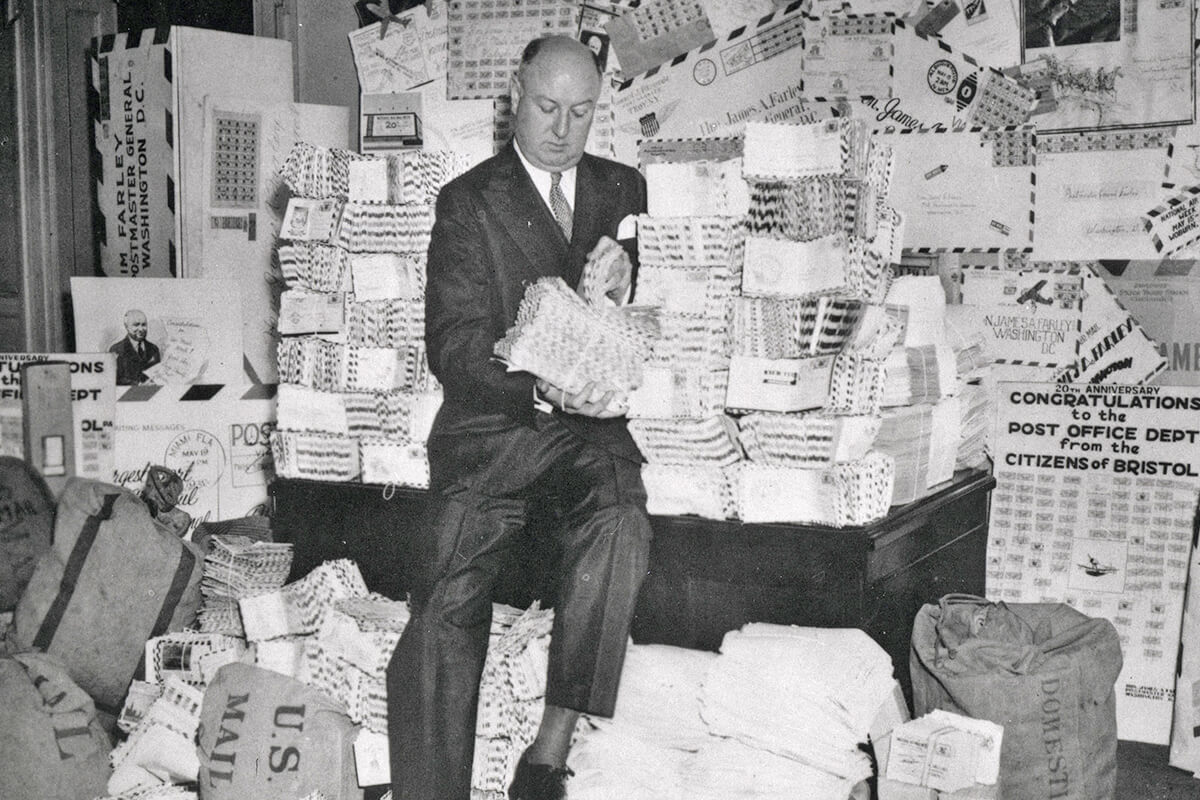
The role of postmaster general has a long and storied history, starting with Benjamin Franklin in 1775. Currently, the position ranks among the highest-paid in the U.S. government, with an annual base salary of $346,780 as of 2025 — second only to the U.S. president’s $400,000, which has remained the same since 1999.
Because the USPS operates independently within the executive branch and makes revenue from postage and other service fees, the position is unusually high on the pay scale. Leading the USPS is, of course, no small feat: The postmaster general oversees one of the country’s largest civilian workforces and is responsible for a massive logistical operation that handles more than 100 billion pieces of mail per year.

Nicole is a writer, thrift store lover, and group-chat meme spammer based in Ontario, Canada.
top picks from the Inbox Studio network
Interesting Facts is part of Inbox Studio, an email-first media company. *Indicates a third-party property.