
Original photo by stocksnapper/ iStock
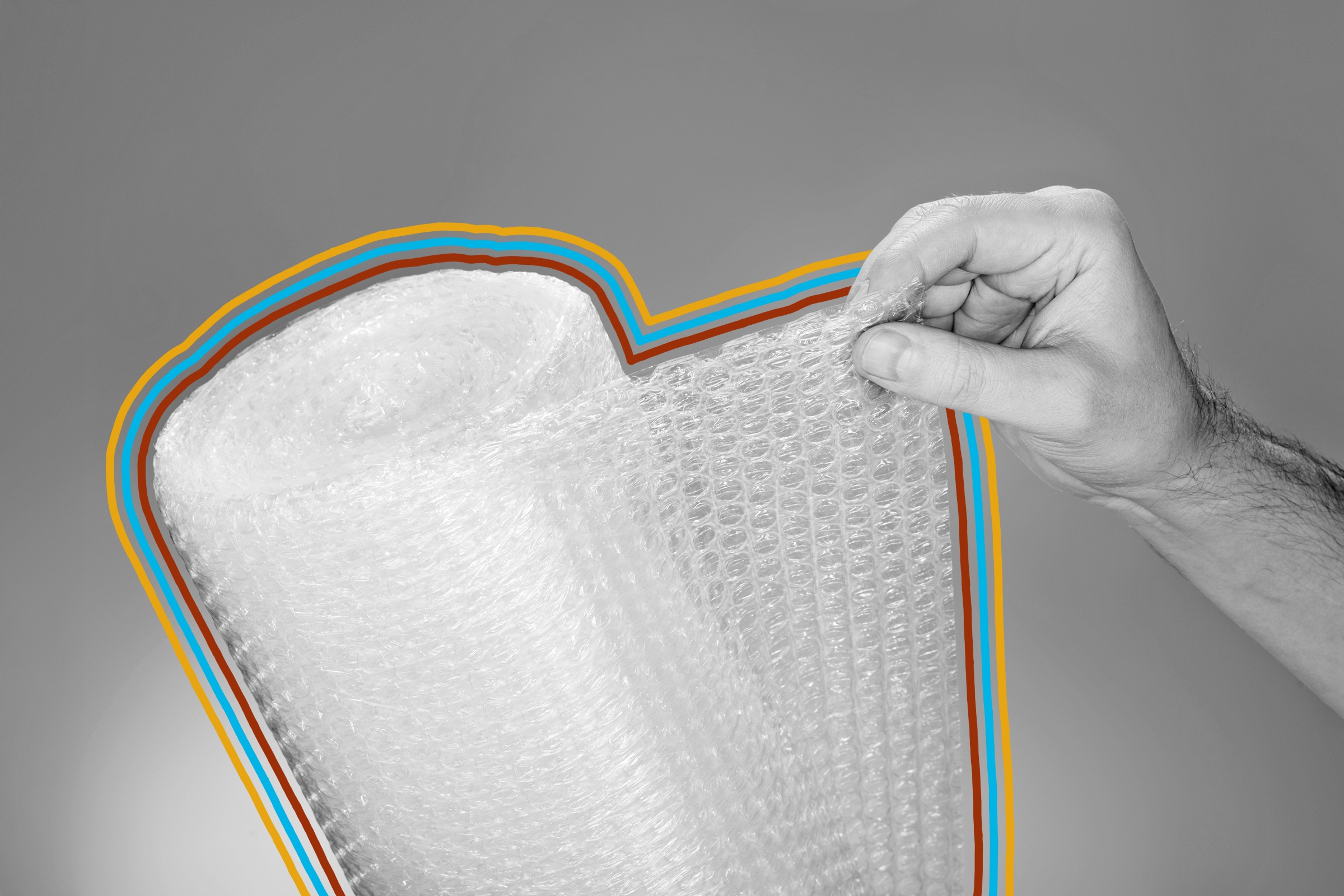
You may not realize it, but certain words in our collective lexicon aren’t as generic as you think. Terms such as “Sharpie,” “Band-Aid,” and “Kleenex,” for example, are registered trademarks that actually refer to a specific brand despite being colloquially used to describe markers, bandages, and tissues in general.
You can find other examples of this linguistic phenomenon in the worlds of tech, sports, health, food, and more. Let’s take a look at seven everyday terms you may be surprised to learn are trademarked names.
Brainfreeze
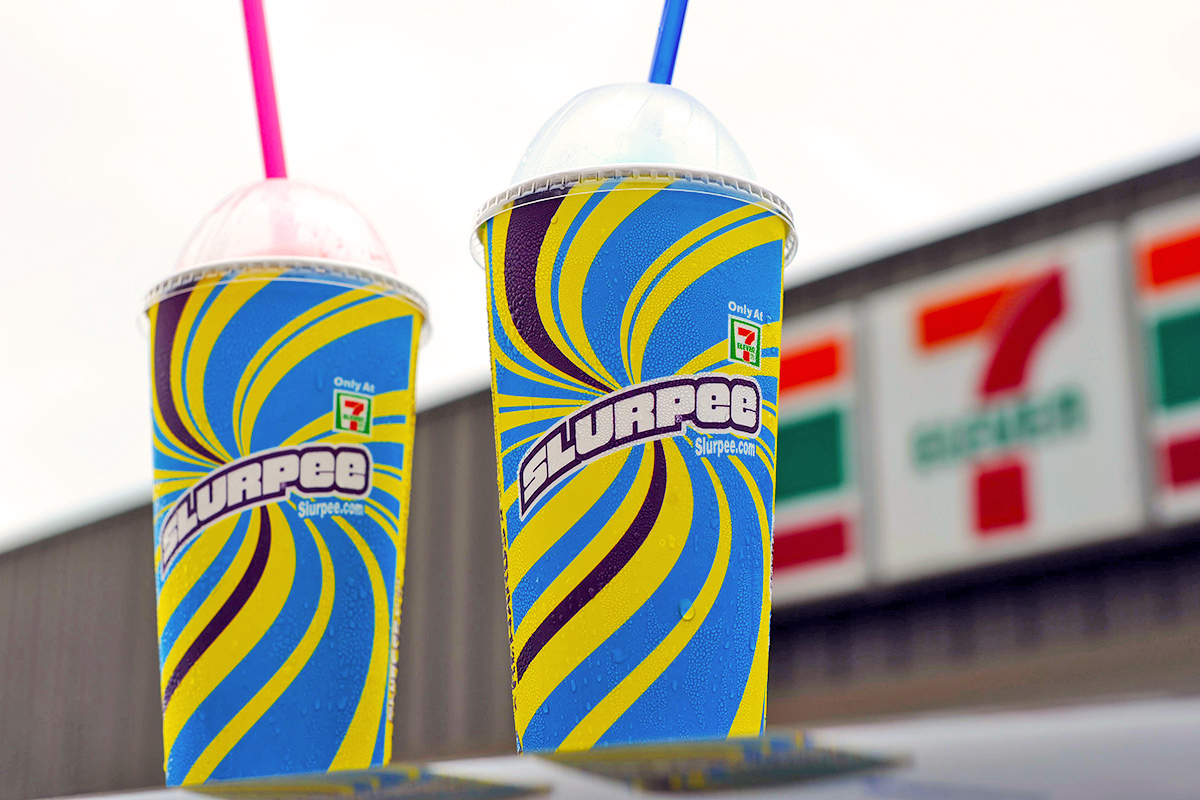
You may have used the term “brainfreeze” to describe the sudden shooting pain in your head after eating something cold. While the word has been utilized in that context since the mid-1980s, it was formally trademarked by the convenience store chain 7-Eleven in 1994 for marketing materials related to its popular frozen Slurpee beverage.
7-Eleven has since registered additional trademarks protecting its right to print “brainfreeze” on clothing and cups. Those legal protections prohibit other frozen beverage makers from using the word in their own marketing materials. However, individuals can still freely shout it if they experience head pain while biting into an ice cream cone.

Realtor
The term “real estate agent” can describe anyone showing and selling homes under whichever licensed broker they may be affiliated with — but only licensed real estate agents who are also active members of the National Association of REALTORS (NAR) can call themselves “REALTORS.” That’s because the NAR holds registered trademarks on the terms “REALTORS” and “REALTOR” — both of which should be written in all caps, per the terms of the trademarks.
The NAR registered those words between 1949 and 1950 and has continued to defend the terms in court. REALTORS are expected to abide by a strict code of ethics, a reputation the NAR strives to maintain. Unregistered real estate agents, on the other hand, can utilize whatever business tactics they so choose — short of calling themselves “REALTORS,” that is.

Jacuzzi
In the eyes of the U.S. Patent and Trademark Office, there’s a major difference between hot tubs and Jacuzzis. While “hot tub” is a generic term, “Jacuzzi” is the exclusive property of the Jacuzzi company, which was founded by two brothers in the 1940s.
The family’s surname was originally “Iacuzzi,” which was misspelled with a “J” by an immigration officer when brothers Valeriano and Francesco immigrated to the U.S. from Italy. The family stuck with the name, and later began marketing their line of Jacuzzi products in 1956. Today, it would be inaccurate to refer to a hot tub as a Jacuzzi unless it was manufactured by the namesake company.
More Interesting Reads


Bubble Wrap
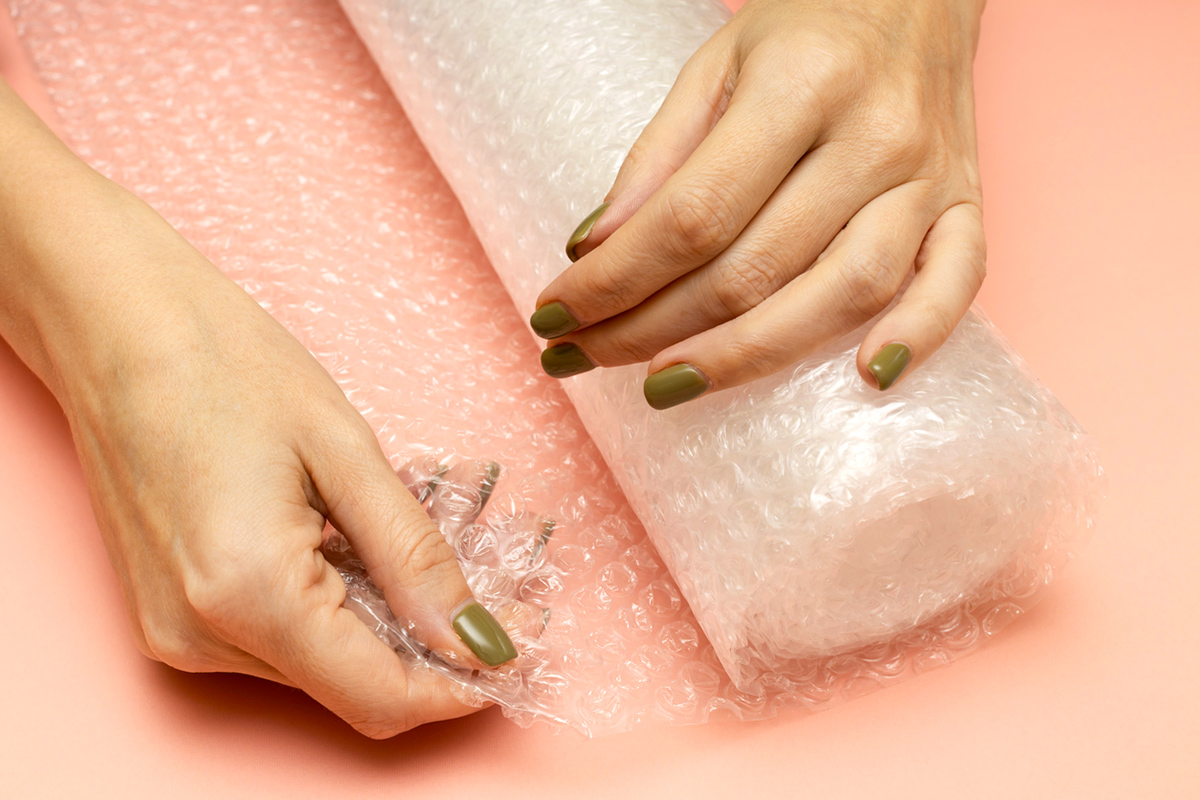
Odds are you’ve used Bubble Wrap to protect fragile items (or you’ve at least enjoyed popping the plastic bubbles). Just note that in either case, Bubble Wrap isn’t to be confused with the similar “bubble packing” knockoffs that have emerged since the advent of the original.
The term “Bubble Wrap” is explicitly owned by the Sealed Air Corporation. The trademark dates back to 1960, three years after inventors Marc Chavannes and Alfred Fielding created a product initially meant to be used as textured wallpaper. But upon sealing together two plastic shower curtains with air bubbles trapped inside, the result was an aesthetic disappointment unbefitting of home decor.
The pair ultimately found more success selling their creation as a packing material. Today, “Bubble Wrap” refers specifically to materials produced by the Sealed Air Corporation, while legally, “bubble packing” is the more generic descriptor.

Ping Pong
Any intellectual property lawyer will tell you there’s a stark legal gap between the generic phrase “table tennis” and the registered trademark “Ping Pong,” the latter of which currently belongs to Indian Industries, Inc. While the sport of table tennis began in the late 1800s, “Ping Pong” was first registered in 1901 by toy manufacturer J. Jaques & Son Ltd. as a reference to the sound the ball made.
The rights were later sold to Parker Brothers before the trademark eventually made its way into the hands of its current owner. Since the term “Ping Pong” is trademarked, organizations such as the International Olympic Committee use “table tennis” instead to avoid paying licensing fees or encountering any legal issues.
Velcro
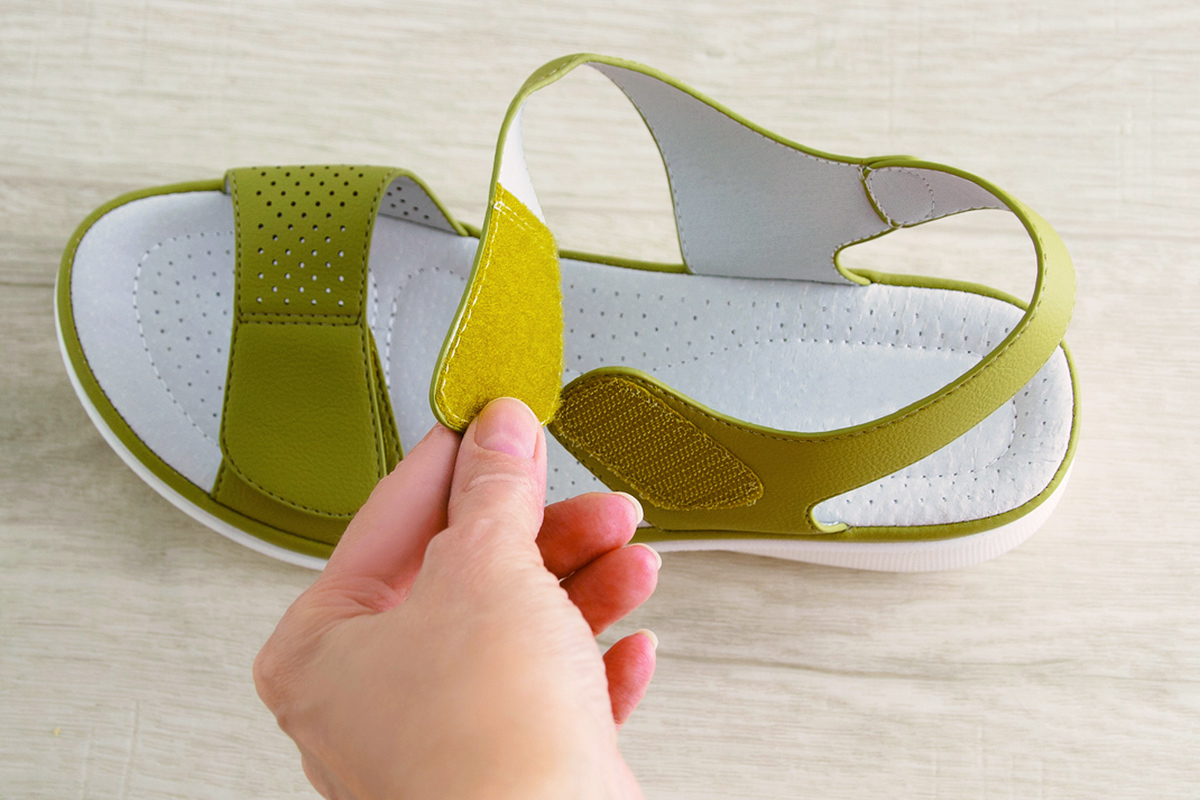
VELCRO is one of the more complicated trademarks commonly used as a generic term. The term belongs exclusively to the VELCRO company, which has clear guidelines for how it should be written. VELCRO must be written in all caps and always be followed by a registration symbol (®), the word “Brand,” and, finally, the type of fastener. For example, an adhesive may be phrased something along the lines of “VELCRO® Brand hook-and-loop fastener.”

Onesies
As Gerber is a leader in the world of baby products, it’s little surprise that the company is the owner of the registered trademark “ONESIES,” as well as the similar words “Onesie” and “Onezees.” The term refers to one-piece outfits often worn by infants and young children — though some adults still enjoy cozying up on the sofa wearing a full-size Onesie (myself included). Gerber’s trademark states that “onesie” should not be used as a standalone noun, but rather always as a brand name, as in “Onesies® brand by Gerber®”.

Bennett Kleinman is a New York City-based staff writer for Inbox Studio, and previously contributed to television programs such as "Late Show With David Letterman" and "Impractical Jokers." Bennett is also a devoted New York Yankees and New Jersey Devils fan, and thinks plain seltzer is the best drink ever invented.
top picks from the Inbox Studio network
Interesting Facts is part of Inbox Studio, an email-first media company. *Indicates a third-party property.