

Original photo by fizkes/ iStock
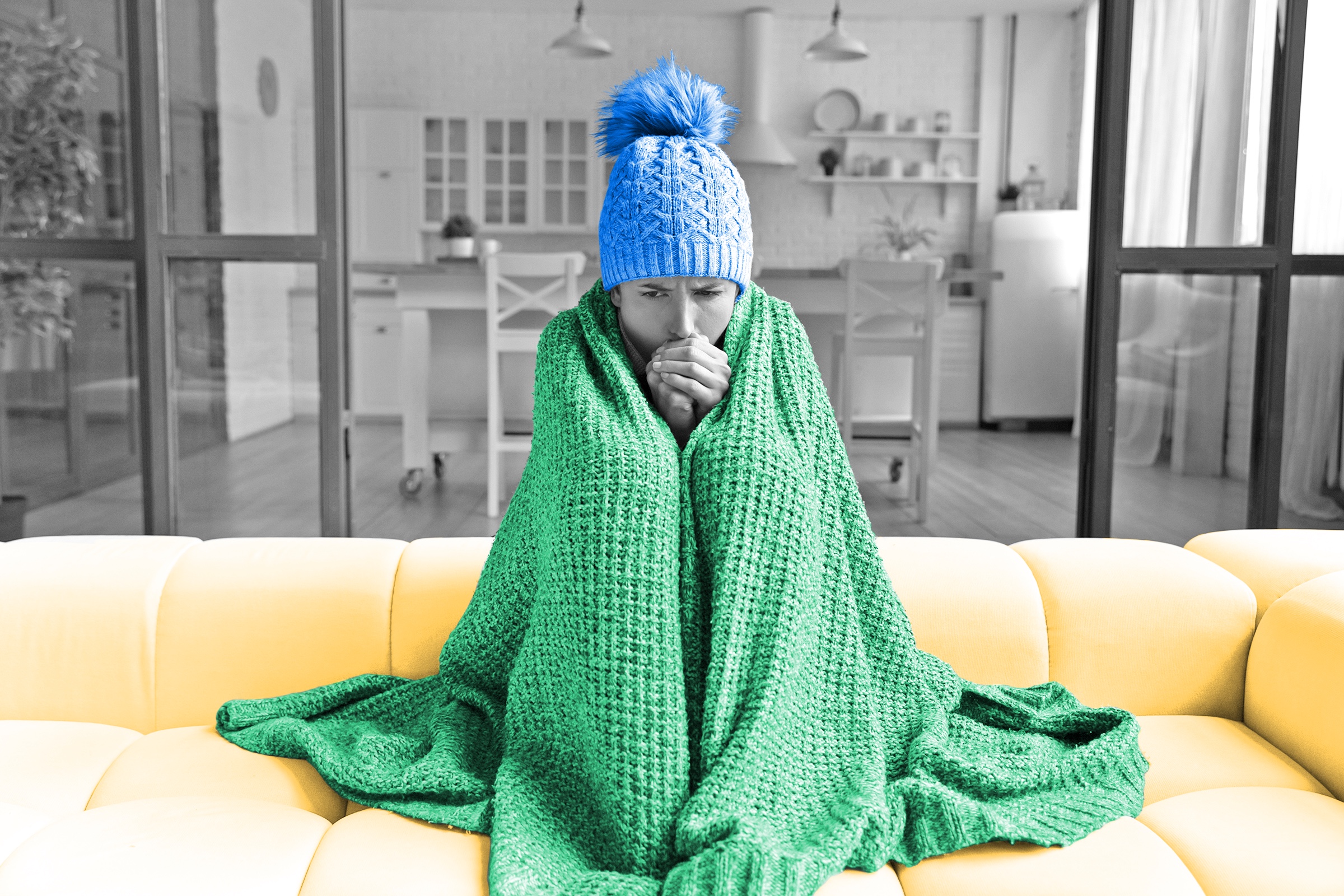
The human body is constantly working to maintain a healthy internal temperature, roughly 97 to 99 degrees Fahrenheit. When you get hot, regulating body temperature is a relatively simple fix: You sweat, the sweat evaporates, and your body cools down. But the opposite problem, holding onto heat when it’s cold out, isn’t as straightforward.
Humans lose body heat in several ways. The majority is lost through radiation as heat naturally escapes into the surrounding air. Conduction and convection — when skin comes in contact with a cold surface or when wind moves warmth away from the body — can speed the process up as well.
Even evaporation plays a role: Sweat or damp clothing can cause heat loss surprisingly quickly. When all this adds up, your body temperature can start to fall, and when it does, a series of wondrous physical responses kick into gear to keep you warm. Here are a few surprising ways cold can affect your body.
Involuntary Muscle Contractions
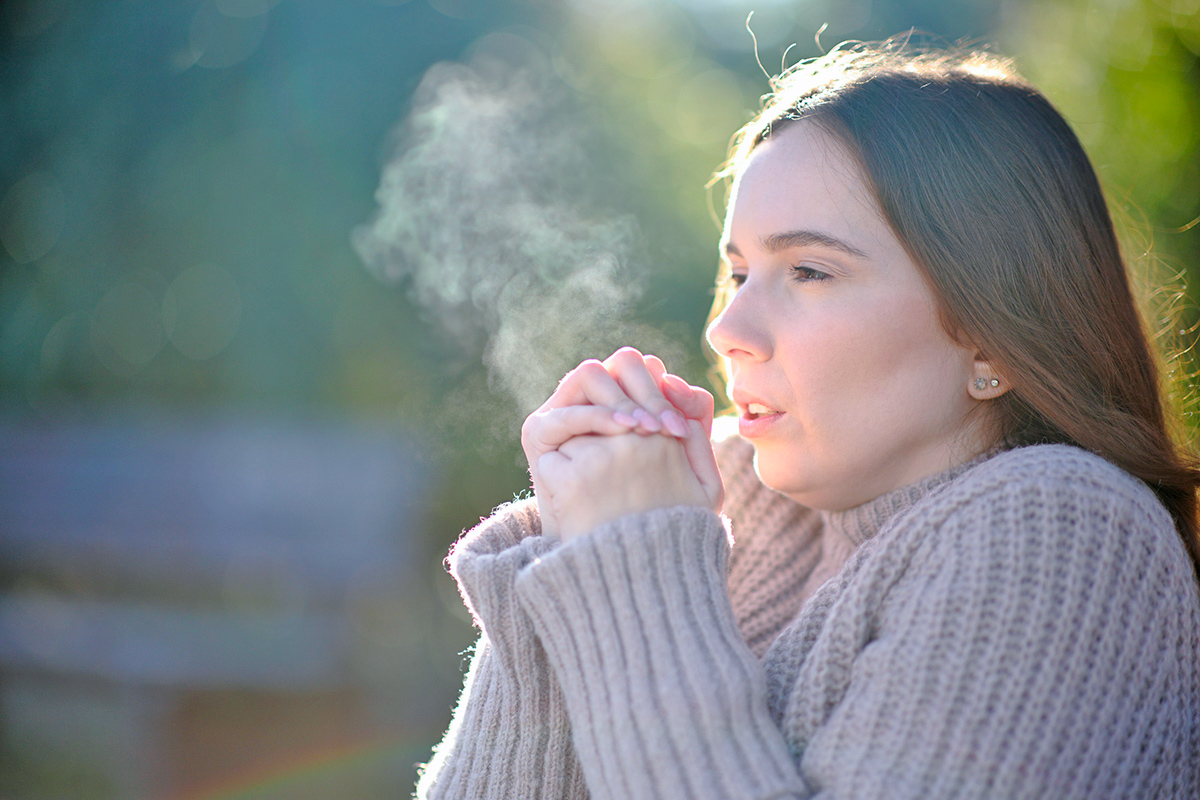
We all know the feeling: You’re cold, your teeth start chattering, and your whole body seems to shake in mini convulsions. But shivering isn’t just a side effect of being cold — it’s actually the body going on high alert.
Shivering is a controlled energy-burning response. Small muscle contractions, an action that burns chemical energy, occur quickly and automatically. While some of that energy is channeled into movement, most of it is released as heat, warming the body from the inside out in an attempt to keep that core temperature where it should be.
The body’s brown fat kicks into gear when you get cold, too. Also known as brown adipose tissue, this special fat stores and burns small amounts of energy to help maintain body temperature, a process that ramps up when body temperature drops.
Though present in the largest amounts in babies — up to 5% of their body weight can be brown fat — adults also retain small amounts throughout the body, including in the neck, chest cavity, and along the spine. Brown fat activation and shivering are part of the body’s thermogenic response — basically an internal thermostat that kicks in when the temp drops.

Weakened Immune System
Though frigid temperatures themselves aren’t a cause of illness, being cold can make you more susceptible to getting sick.
According to the Mayo Clinic, cold weather forces the body to work harder to maintain core temperature, which can cause your immune defenses to temporarily weaken. And a weakened immune system, of course, means viruses and bacteria have an easier time taking hold, resulting in a bit of a snowball effect — pun intended.
Cold, dry air can also strip moisture from the mucous membranes lining the nose, mouth, and throat, weakening your first line of defense against germs. At the same time, the tiny, hair-like structures known as cilia in the upper respiratory tract don’t move as efficiently in the cold, allowing viruses to inhabit the nose and throat for longer.
Another surprising culprit? Spending more time indoors. Respiratory droplets from talking, coughing, or sneezing are smaller and lighter without humidity, which is often sapped out of indoor spaces during furnace season. This means those pesky droplets overstay their welcome, lingering in the air longer and allowing viruses to travel farther and find more unsuspecting victims.

Blood Moving to Your Core
One of the first parts of your body to get cold in chilly weather is your hands — and that’s no coincidence. As the body cools down, blood vessels near the skin’s surface constrict, pulling blood away from extremities such as the fingers, toes, ears, or nose. A lack of blood flow can even make your lips turn blue when you’re cold.
This is the body’s way of redirecting blood flow to the core and the vital organs in your core. But that protective response also forces the heart to pump against more resistance, raising blood pressure and heart rate. If you’re vulnerable to heart problems, it’s advised not to shovel or perform strenuous activities in cold weather.
More Interesting Reads


A Purposefully Runny Nose
Having a runny nose when it’s cold outside isn’t exactly a surprise, but the reason it happens might be. Known as cold-induced rhinorrhea, a sudden surge of nasal fluid when body temperature drops is actually a sign of your body working to protect your lungs.
The cold, dry air you breathe in needs to be warmed and humidified before it reaches the lungs, so the nose’s blood vessels and glands ramp up blood flow and fluid production to help make that happen. The nasal glands also produce excess mucus to keep the inside of the noise moist and reduce irritation.
When you exhale, the warm, moist air from your lungs meets the cold air outside. As the condensation of that breath hits the cold tip of your nose, more moisture forms, causing additional cold-weather drippage.

Sneaky Hypothermia
It’s common knowledge that cold can induce hypothermia, but it doesn’t only happen when temperatures plunge. Hypothermia can also strike in the spring and fall, when temps are relatively mild. A combination of factors can contribute to the body cooling down too quickly even when it’s not freezing out, including: wind, damp clothing, and rain, which can all draw heat away from the body faster than it can be regenerated.
Hypothermia begins when the body’s core temperature drops below 95 degrees Fahrenheit, and it can wreak quite a bit of havoc. Mild symptoms include shivering and chattering teeth, poor coordination, and sleepiness.
As the body’s temperature falls and hypothermia progresses, more severe — and surprising — symptoms set in, including hallucinations, slurred speech, and, oddly enough, a decrease in shivering. Without treatment, hypothermia can slow vital organ function to a life-threatening point.
To stay as warm and safe as possible, whether it’s cold or just wet and windy outside, it’s best to dress in layers that balance insulation and ventilation and to keep your head, hands, and feet covered. On the days you happen to forget your gloves at home, take comfort in the fact that, luckily, your body has a few surprising ways to help pick up the slack.

Nicole is a writer, thrift store lover, and group-chat meme spammer based in Ontario, Canada.
top picks from the Inbox Studio network
Interesting Facts is part of Inbox Studio, an email-first media company. *Indicates a third-party property.