

Original photo by Pixel-Shot/ Adobe Stock

Though some people view rodents as unwelcome pests, to others they’re beloved members of the family. Critters such as guinea pigs, hamsters, and even rats are popular pets thanks to their small size, playful demeanor, and intelligent nature.
But as common as these pint-sized pets are, there’s still a lot you may not know about them. Here are five facts about rodent pets for you to nibble on.
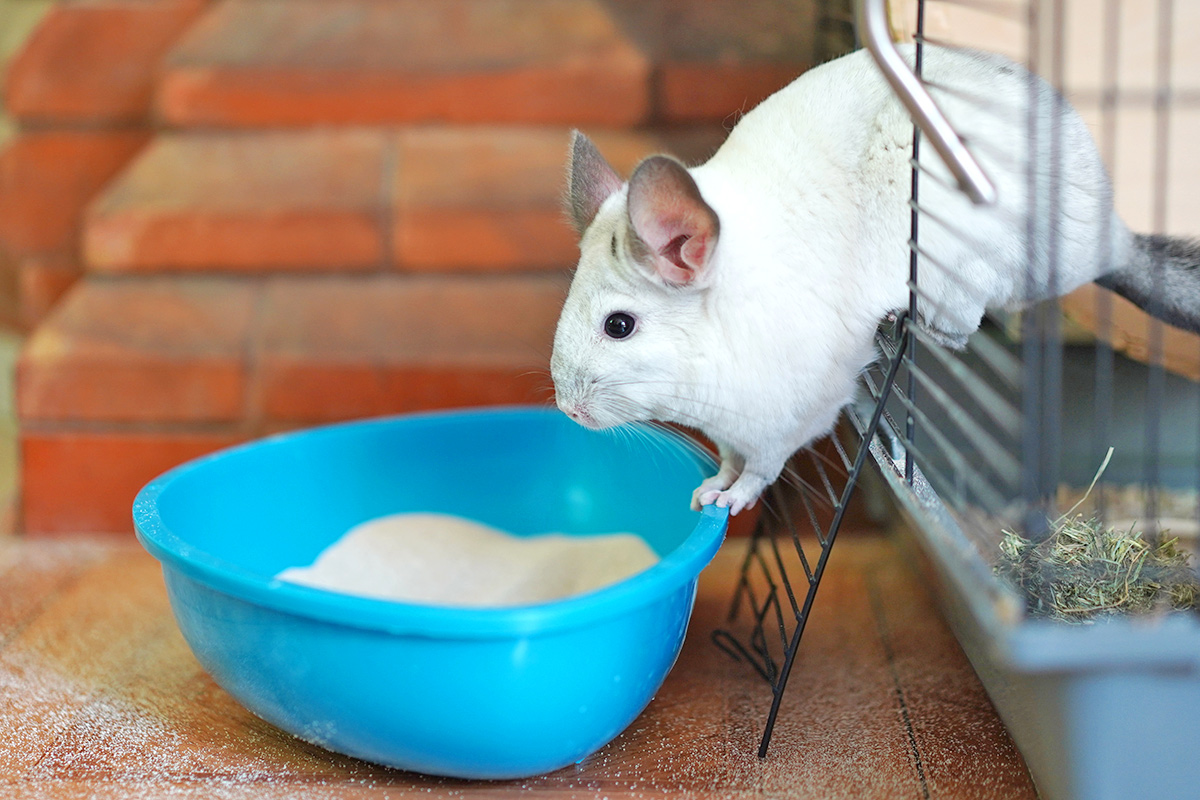
Chinchillas Bathe in Dust
Rather than soaking in water, chinchillas take dust baths to keep their fur looking lush and their skin free from irritation. Chinchillas have some of the densest fur of any land mammal, with up to 80 hairs growing out of a single follicle. That density makes it tough for chinchilla fur to dry efficiently after getting wet, and the trapped moisture can lead to matted fur and skin problems.
As a solution, chinchillas rely on the alternative bathing method of rolling around in fine dust, which clears away debris and distributes their body’s natural oils. It’s typically best for the animals to use dust made from absorbent compounds such as volcanic ash or pumice that help draw out excess moisture.
While wild chinchillas take dust baths as they please, it’s recommended that pet owners offer two to four dust baths a week, ranging from three to five minutes each time. That routine keeps a chinchilla’s fur soft, helps prevent irritation and fungal growth, and also ensures the animal’s mental wellness.
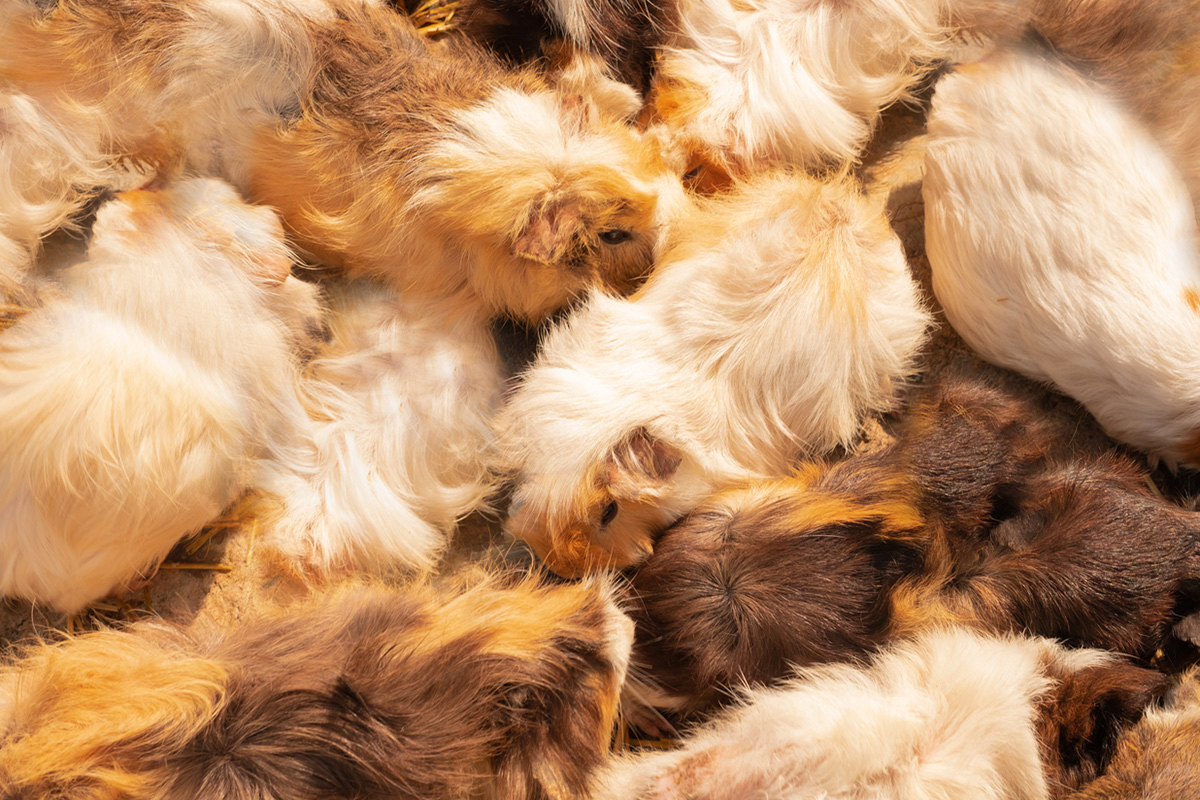
Theodore Roosevelt Owned Dozens of Guinea Pigs
Teddy Roosevelt and his family owned dozens of guinea pigs, including during their time in the White House. At one point in 1900, the Roosevelts cared for a whopping 22 guinea pigs simultaneously. The Theodore Roosevelt Center adds that there’s evidence of an additional eight guinea pigs owned by the Roosevelts at some point, bringing the known total of those family pets over the years to 30.
While not all those pet guinea pigs were named, we know of at least five that lived in the White House: Admiral Dewey, Dr. Johnson, Bishop Doane, Fighting Bob Evans, and Father O’Grady. The Roosevelts also owned a particularly large guinea pig they named “The Prodigal Son,” as well as guinea pigs named Harvard, Princeton, and Mr. and Mrs. Longworth.
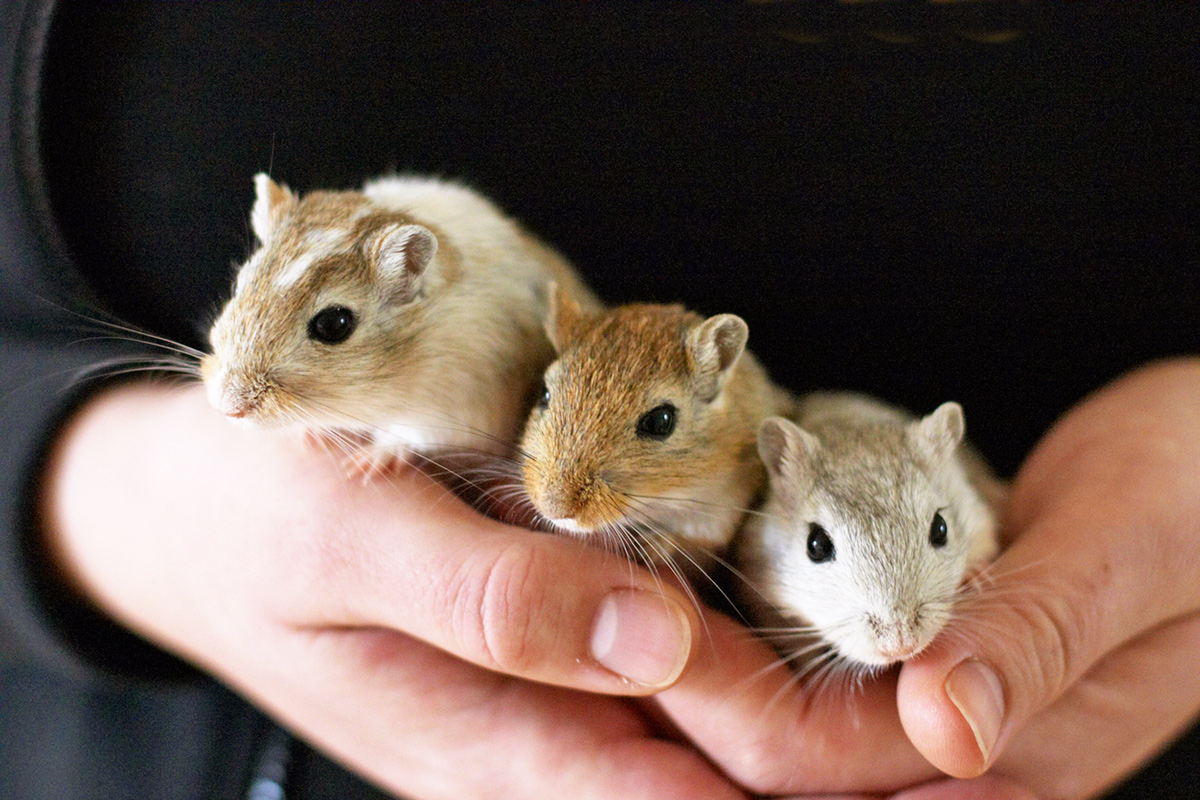
Gerbils Are Social Creatures — But Hamsters Are Not
Some rodents are highly social creatures best kept in pairs, while others thrive when left alone in solo enclosures. Gerbils are part of the first category, as they live in packs of two to 15 in the wild. It’s recommended to keep domesticated gerbils in same-sex pairs to avoid unwanted breeding and to introduce the pairs at a young age so they can forge bonds early in life. That social interaction keeps pet gerbils happy and prevents them from feeling lonely or stressed.
Hamsters, on the other hand, are solitary animals that prefer to live alone, though many pet owners make the mistake of keeping them in pairs or near other animals. Typical hamsters are highly territorial and may become aggressive toward other hamsters, who they’re likely to view as threats rather than companions.
More Interesting Reads

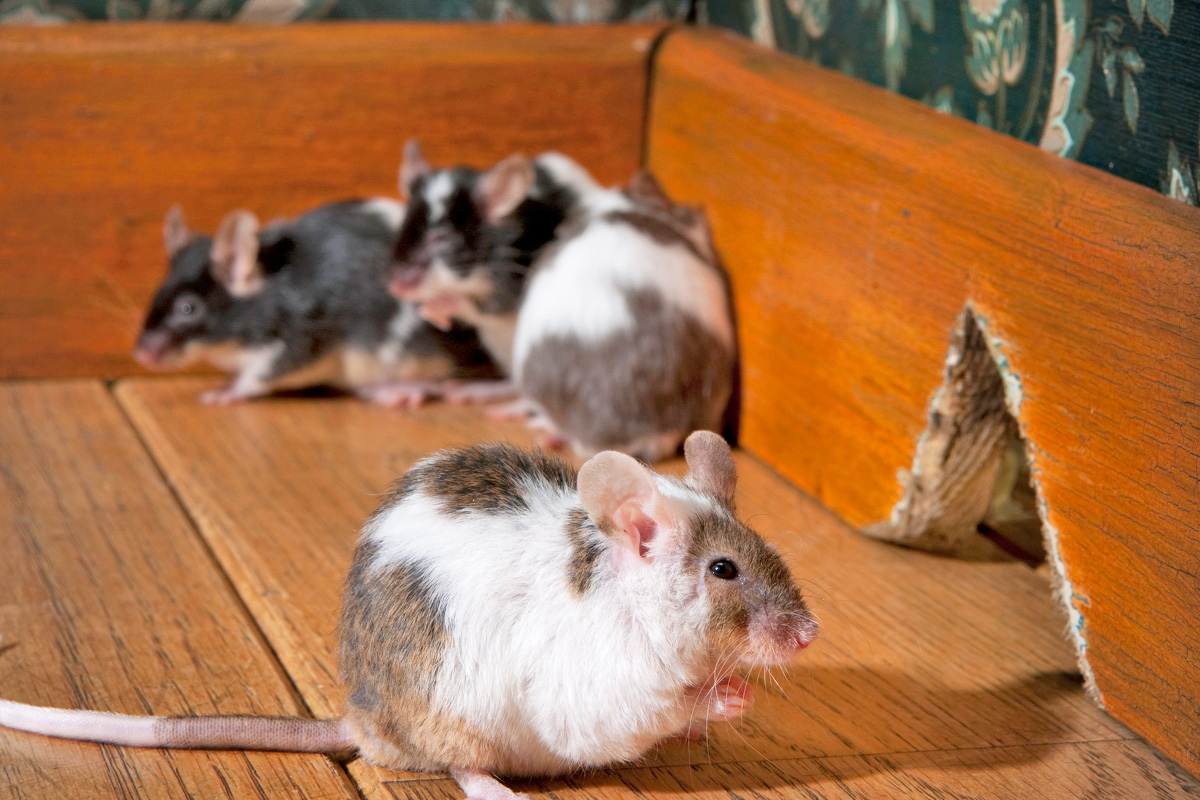
Mice Can Fit Through Holes the Width of a Pencil
Whether you’re trying to keep a pet mouse in its enclosure or stop wild mice from entering your home, it’s important to be aware that mice can fit through the tiniest of spaces. In fact, mice can squeeze through holes as narrow as a quarter inch — roughly equivalent to the diameter of a standard No. 2 pencil.
Though a mouse’s skull is its largest bony feature, the shape is long and narrow, which allows the animal to fit their heads through teeny tiny holes. What’s more, mice have sloping clavicles that are angled in a way that doesn’t impede their movement, and their ribcages can compress inward. Rats, meanwhile, have a similarly flexible bone structure, and can squeeze into holes as small as a quarter.
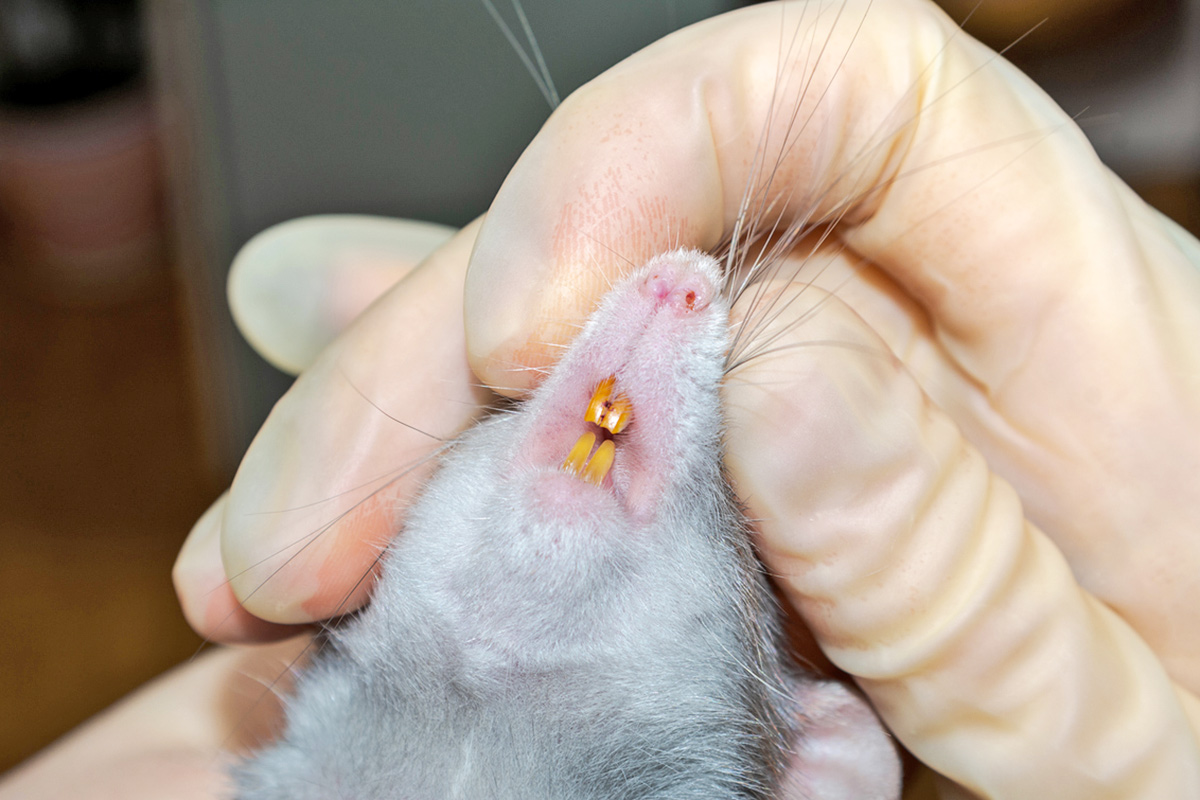
A Rat’s Teeth Never Stop Growing
Rats have two types of teeth: molars that stop growing when fully formed and incisors that grow endlessly. Those four fang-like incisors are located in the front of the mouth, two on top and two on the bottom. If they get too long, they can make it difficult for a rat to eat, potentially causing a slew of health complications, which is why it’s vital for rats to keep their incisors ground down to a manageable length.
It’s recommended that rat owners feed the creatures a proper diet and provide them chew toys to grind their teeth on. You may also notice your pet rat performing an action called “bruxing,” in which the critter softly grinds its incisors against each other to wear them down.
During particularly intense bruxing sessions, it’s common for a rat’s eyes to bulge and rapidly vibrate as its jaw muscle presses against its eyeballs and pushes them outward. This is known as “eye-boggling,” and it’s normal behavior indicative of a happy rat.

Bennett Kleinman is a New York City-based staff writer for Inbox Studio, and previously contributed to television programs such as "Late Show With David Letterman" and "Impractical Jokers." Bennett is also a devoted New York Yankees and New Jersey Devils fan, and thinks plain seltzer is the best drink ever invented.
top picks from the Inbox Studio network
Interesting Facts is part of Inbox Studio, an email-first media company. *Indicates a third-party property.