

Original photo by lightpix/ iStock
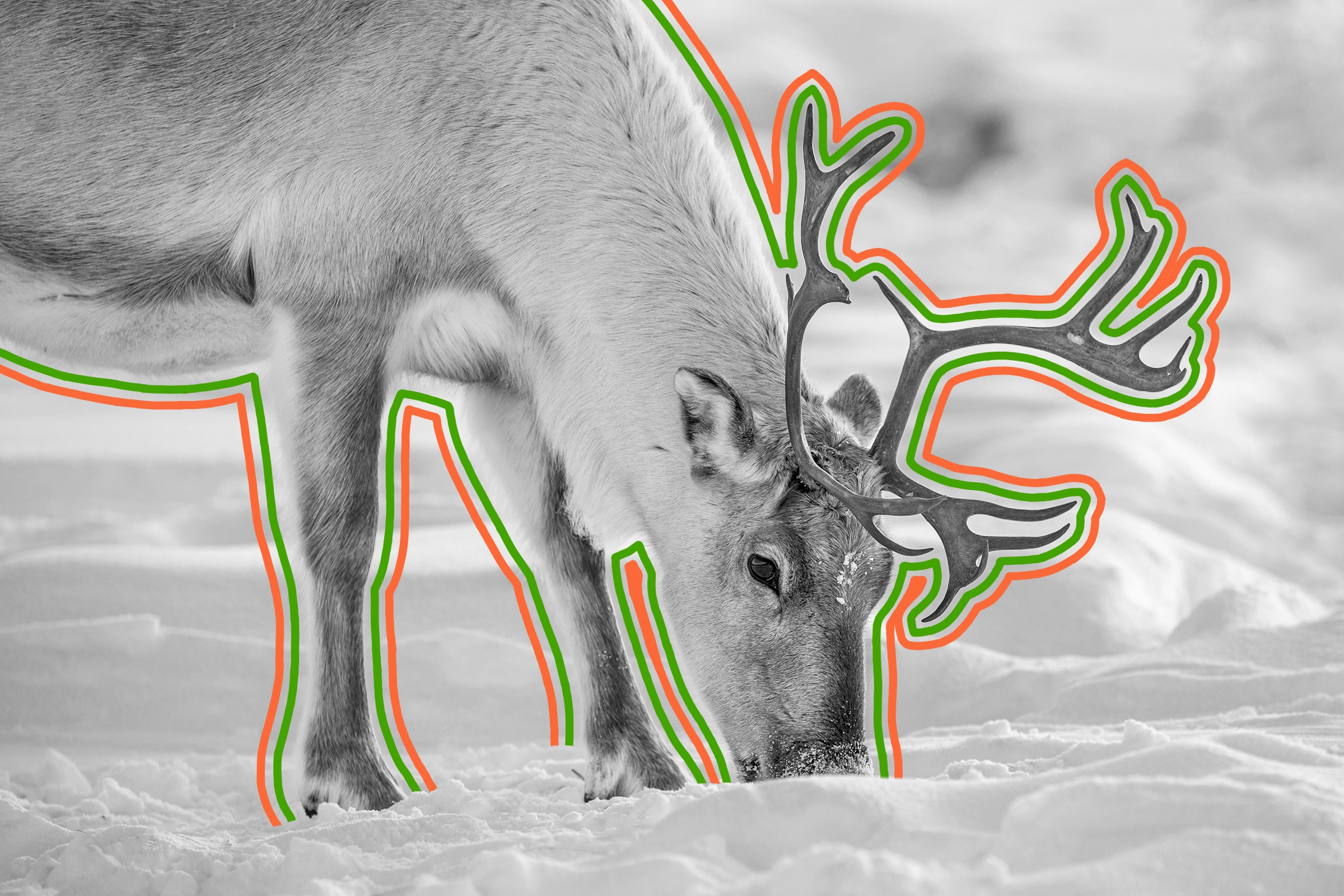
While Rudolph and Santa’s eight other reindeer — you know, Dasher and Dancer, Prancer and Vixen, Comet and Cupid, Donner and Blitzen — may be fictional characters, this antlered species is quite real (minus the glowing red nose).
Reindeer, or caribou, as they’re known in parts of North America, primarily reside in the Arctic tundra and nearby boreal forests. Approximately 7.5 million reindeer are located throughout North America and Eurasia, and many have been domesticated by Arctic peoples to be farmed for their meat, milk, and hides. Let’s learn a bit more about these fascinating cold-weather creatures.
Their Hooves and Eyes Change With the Seasons
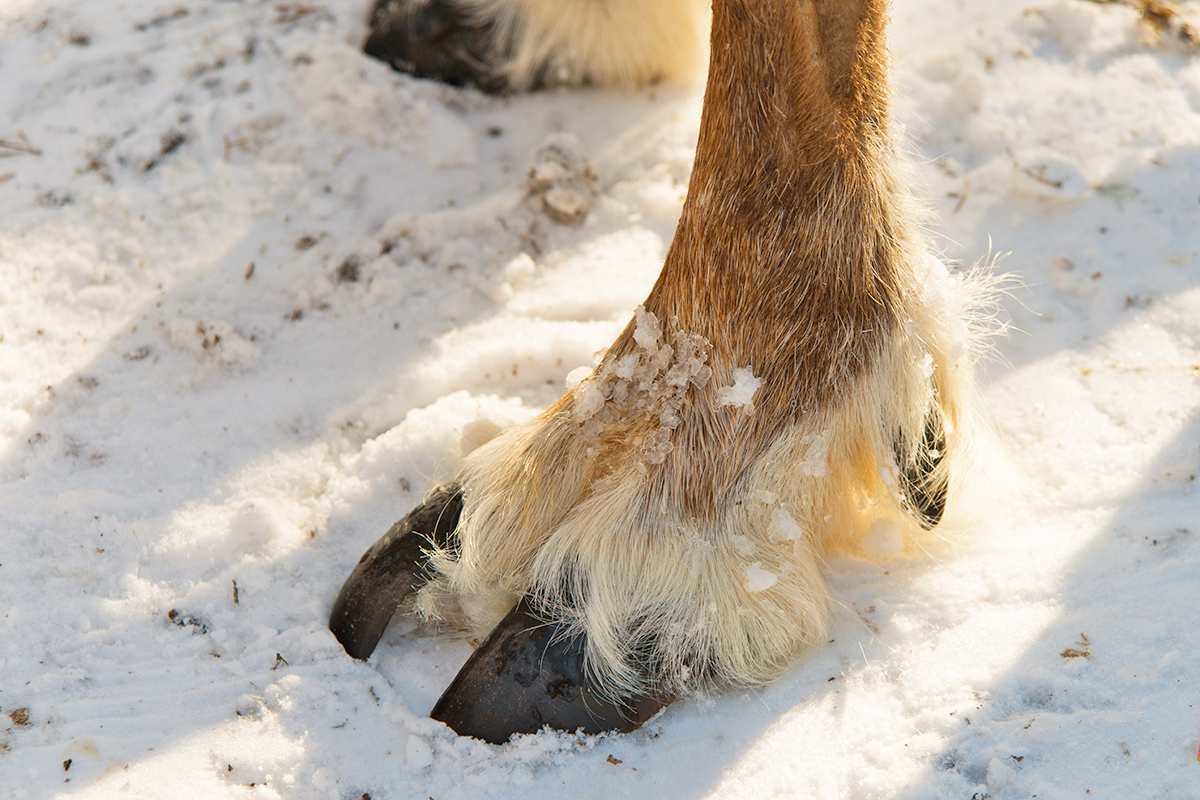
Reindeer are ungulates, which means they have cloven hooves, much like pigs, cattle, and sheep. But what makes a reindeer’s hooves unique is the physical transformation they undergo each season.
During the warmer summer months, reindeer hooves soften and splay out to cover a wider surface area, which allows for added traction on the wet and muddy ground of the Arctic tundra. But in the winter, their hooves contract to become harder and thinner, which allows reindeer to cut through snow and ice and avoid slipping. This durable narrowness also helps reindeer “crater” — the act of using the hooves to dig into the snow in search of lichen, one of the animal’s dietary staples.
In addition to their adaptable hooves, reindeer also have eyes that change with the seasons, shifting from a golden color in the summer to more of a deep blue shade in the winter. Some scientists theorize that color change is due to a buildup or release of fluid in the tapetum lucidum, a layer of tissue located behind the retina. The specific colors themselves can be chalked up to the arrangement of the tapetum lucidum’s collagen fibers, which better reflect yellow wavelengths when relaxed and blue ones when squeezed together.
As days get shorter in the winter months, sunlight is harder to come by, and the animals have to strain their eyes to see. This increase in pressure squeezes out fluid from the eyes, which results in a bluer color.
The opposite happens in the summer: As days grow longer and sunlight increases, less pressure is put on the eyes. This allows for a buildup of fluid once again, resulting in the eye color switching back to a golden tone.
They Can’t Fly — But They Can Swim and Sprint
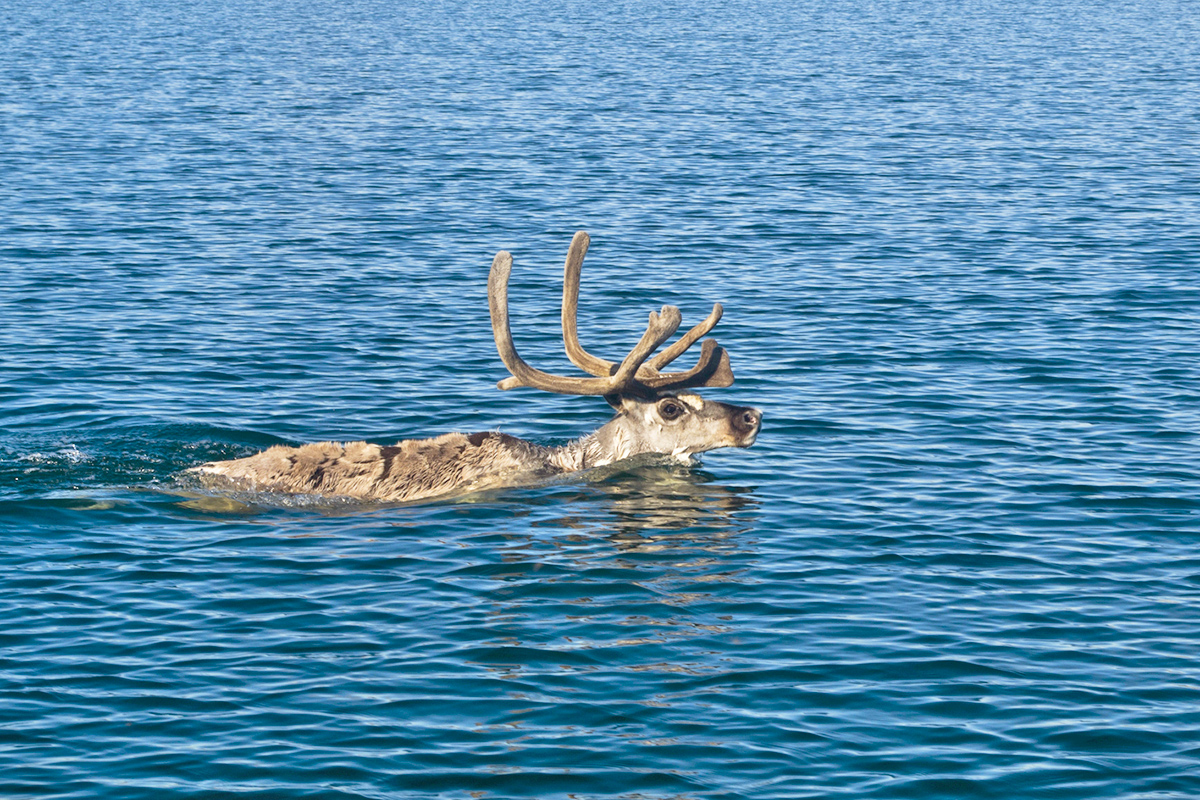
Reindeer may not be able to fly through the sky as classic Christmas tales would have you believe, but they are quite capable in water. It’s common for reindeer to swim as fast as 6 miles per hour — roughly three times quicker than the average human adult and around the same pace as a bear.
Part of the reason reindeer are such proficient swimmers is their hair, which is hollow and provides additional buoyancy. The hair also helps reindeer stay warm amid the frigid Arctic waters, as the trapped air inside each strand provides extra insulation.
Beyond their aquatic prowess, reindeer are also blazingly fast on land, especially considering their large size. Reindeer have been recorded at average speeds of 25 to 35 miles per hour, though they can reach sprinting speeds of up to 50 miles per hour — similar to the speed of a racing horse. While the animals can’t maintain this pace for much longer than a minute, those speed bursts are quite helpful for escaping predators.
Santa’s Reindeer Date Back to 1821
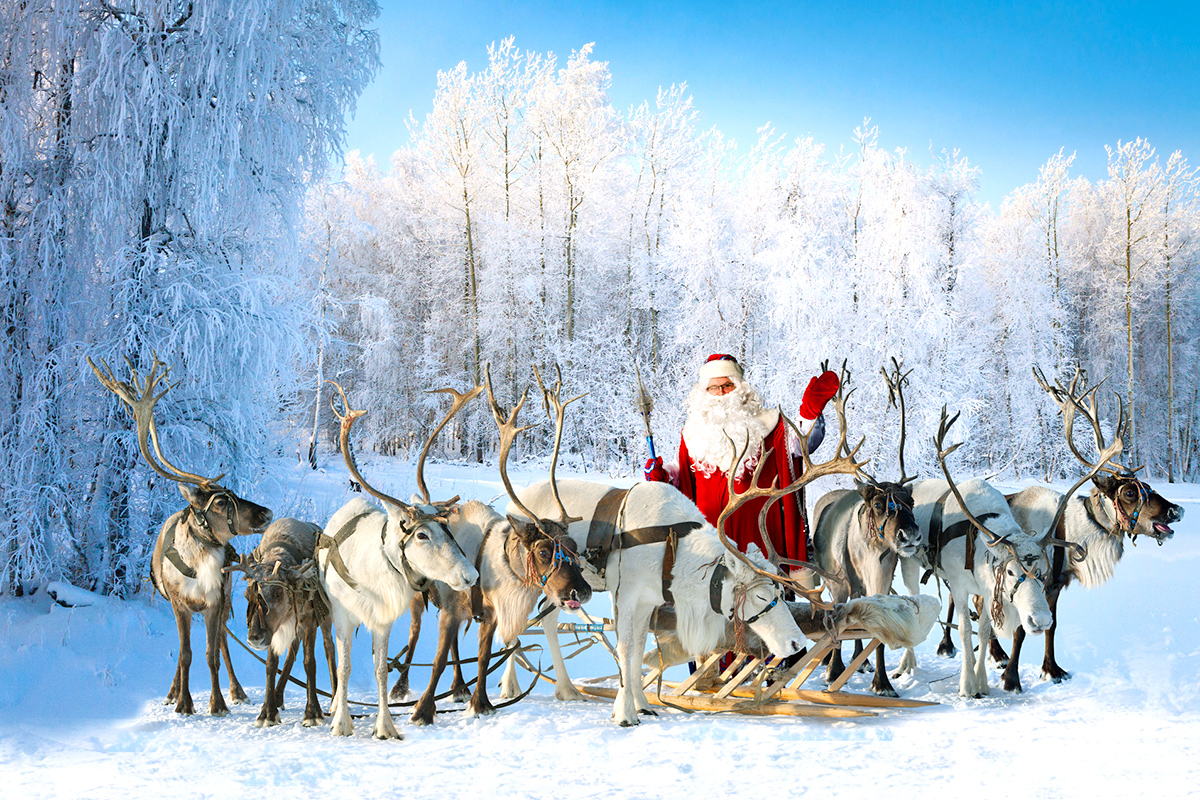
Both Santa’s sleigh and his reindeer were inventions of the early 19th century. The first mention of the sleigh dates to 1812, when author Washington Irving — writing under the pseudonym “Diedrich Knickerbocker” — wrote about the “wagon wherein [St. Nicholas] brings his yearly presents to children.”
Then in 1821, New York publisher William Gilley released a holiday pamphlet featuring the first known depiction of Santa’s reindeer: “Old Santeclaus with much delight / His reindeer drives this frosty night. / O’er chimneytops, and tracks of snow / To bring his year gifts to you.”
In an 1822 interview with New York’s Troy Sentinel newspaper, Gilley stated, “The idea of Santeclaus was not mine nor was the idea of reindeer,” explaining that the concept was instead submitted by an anonymous author.
Those reindeer received their monikers in the 1823 poem “A Visit from St. Nicholas,” though Donner and Blitzen were originally called “Dunder and Blixem” — the Dutch words for “thunder and lightning.” Rudolph appeared later in 1939 as part of a promotional story released by the Montgomery Ward department store.
More Interesting Reads



They Have the Richest Milk of Any Land Mammal
Reindeer milk has the highest content of fat, protein, and casein (a type of protein found in mammalian milk) of any land mammal, and far more calcium, zinc, and phosphorus than the milk of cows, sheep, or goats. Reindeer milk also contains 22% butterfat — a mixture of nutritious glycerides that gives milk its creamy texture. That’s far higher than the 4% butterfat content of cow milk.
This makes reindeer milk highly desirable as a source of nutrition and energy for both reindeer calves and people living in Arctic societies. The high fat and protein totals provide much-needed energy in frigid environments where nutrients can be difficult to come by. It’s not so easy to procure reindeer milk, however, as the animals only produce about 1.5 cups per day — far less than the 6 to 7 gallons produced by many dairy cows.
They Travel up to 3,000 Miles Each Year
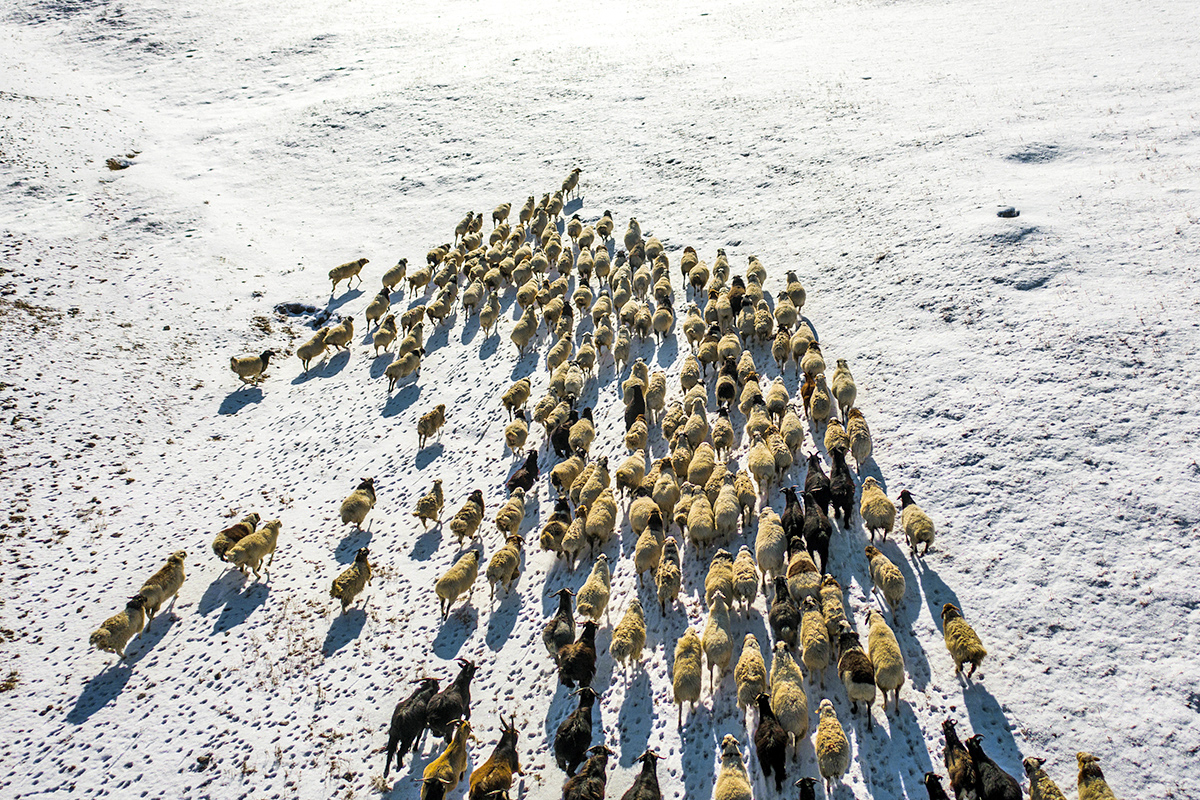
Reindeer migrate as many as 3,000 miles annually and are often credited with having the longest terrestrial migration route of any land mammal. Those lengthy migrations are necessary for reindeer to find food and survive the frigid temperatures of the Arctic.
In the winter, reindeer migrate south toward forests, where temperatures aren’t so harsh and food is more plentiful. Then in the summer, the animals head back north as the cold begins to dissipate, sometimes migrating in massive herds of up to 400,000 reindeer.
Those migratory patterns are difficult to predict, and scientists have struggled to pin an exact date for when reindeer populations begin to move en masse. But once the process starts, the nomadic creatures cover anywhere from 12 to 34 miles each day. That’s a lot of miles, but then again, they have to be capable of traversing long distances to travel all over the world on Christmas Eve.

Bennett Kleinman is a New York City-based staff writer for Inbox Studio, and previously contributed to television programs such as "Late Show With David Letterman" and "Impractical Jokers." Bennett is also a devoted New York Yankees and New Jersey Devils fan, and thinks plain seltzer is the best drink ever invented.
top picks from the Inbox Studio network
Interesting Facts is part of Inbox Studio, an email-first media company. *Indicates a third-party property.