
Original photo by Brebca/ Adobe Stock
Hungry humans have long been captivated by the alluring aroma of a batch of freshly baked pastries. These buttery, flaky, golden-brown treats can be sweet or savory, and many of them have fascinating backstories to boot.
For example, you may be surprised to discover that croissants originated outside France or that baklava contains hidden iconography literally baked into the recipe. Treat yourself to these seven indulgent facts about popular pastries.
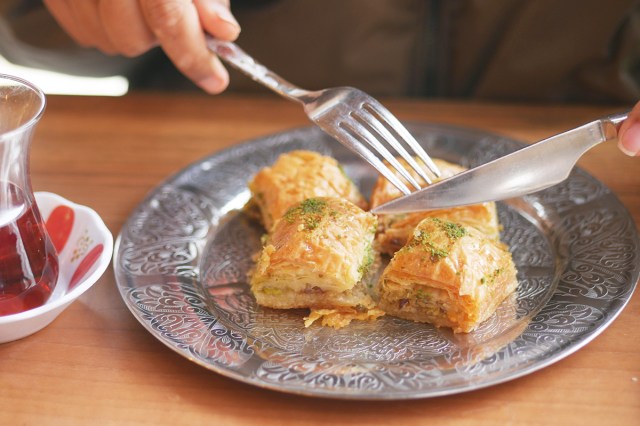
Some Baklavas Have Religious Symbolism
Baklava is a traditional Mediterranean pastry served in bakeries across North Africa, the Middle East, and Europe. Depending on the baker and style of cuisine, the pastry features anywhere from several layers to dozens of layers of flaky phyllo dough. And in some cases, the number of layers isn’t random.
In the Greek tradition, it’s typical to use 33 layers of phyllo dough, symbolizing the 33 years in the life of Jesus Christ. In a similar vein, Armenian Christians include 40 layers of phyllo dough in their baklava to represent the 40 days of Lent.
Baklava has significance in other religions, too. In a tradition that dates to the Ottoman Empire of the 15th century, Muslims often eat baklava to break their fasts during Ramadan. Sephardic Jews also serve baklava on the holidays of Rosh Hashanah and Purim. In those cases, the sweetness of the baklava is said to symbolize the faith of true believers in addition to signifying other positive concepts such as goodwill, happiness, and good fortune.
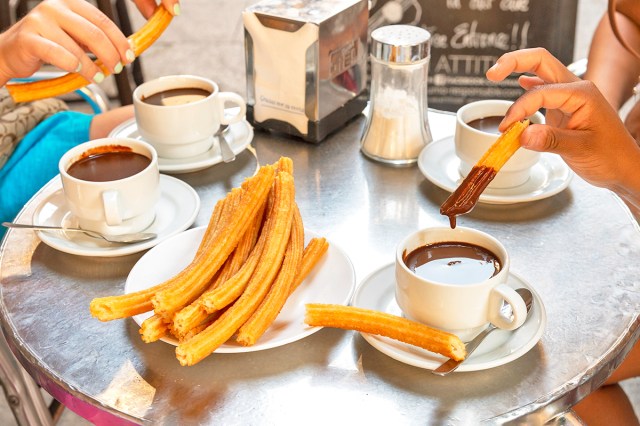
There’s a Shop That Sells Tens of Thousands of Churros Daily
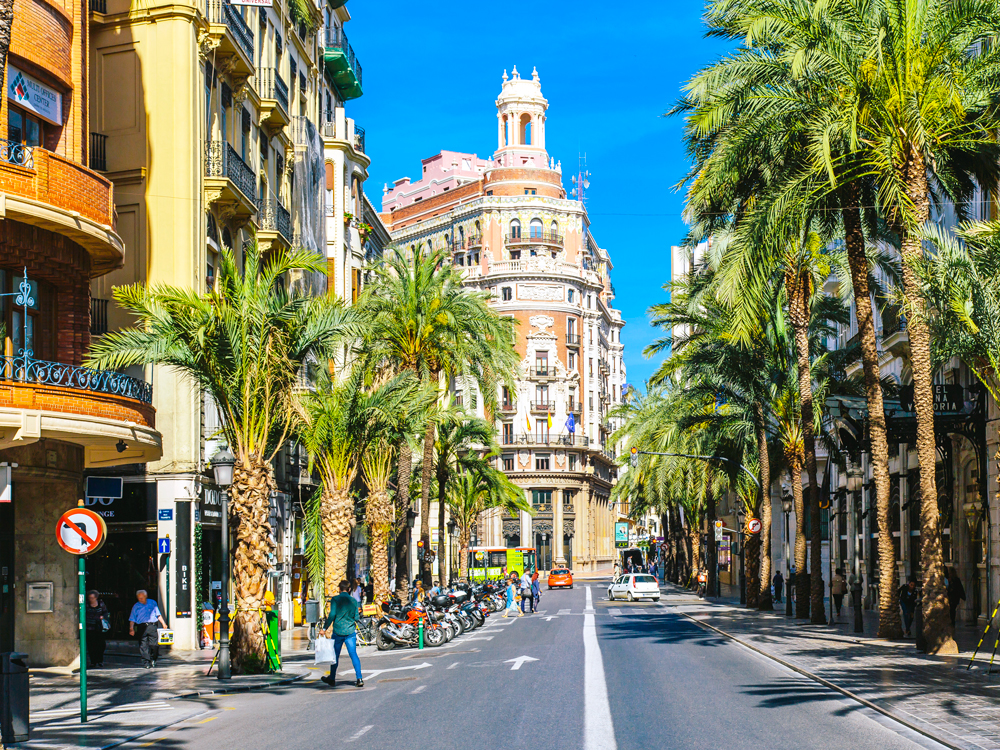
Chocolatería San Ginés is a 24-hour shop in Madrid founded in 1894, firmly placing it among the city’s oldest churrerías, a Spanish term for an eatery that sells churros. The shop is renowned for being a historic staple of the city center and is so widely talked about in guidebooks and travel vlogs that it’s earned a must-visit reputation among the millions of locals and tourists who patronize it each year.
Given the shop’s status as such a popular attraction, churro sales are sky-high compared to the lesser-known churrerías throughout the city. This shop reportedly sells as many as 80,000 to 90,000 churros each day, which works out to roughly 60 churros sold per minute or 30 million churros sold per year.
It’s worth pointing out that Spanish-style churros are baked differently than the Mexican-style counterparts that are more common in the Americas. While Mexican churros are usually long, thick, and coated in cinnamon-sugar, Spanish churros are short, thin, and never sugar-coated; instead, they are served alongside cups of hot chocolate or coffee for dipping.
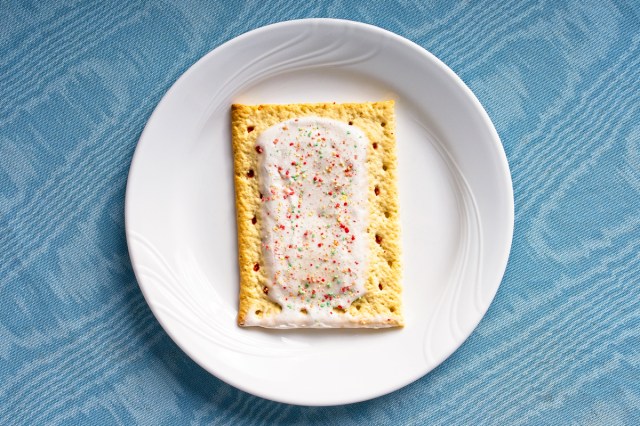
Pop-Tarts Exist Because of a Rival Company’s Delay
In the early 1960s, corporate rivals Kellogg’s and Post were competing to dominate the breakfast space. More specifically, both companies were in the process of developing a toastable, portable, and shelf-stable pastry.
On February 16, 1964, Post seemed to beat Kellogg’s to the punch, unveiling a new culinary concept called “Country Squares.” While the response was extremely positive, there was one big issue: Country Squares weren’t ready to hit shelves, as Post was still tinkering with the recipe in its labs to get it just right. Kellogg’s seized the opportunity to beat Post to market, stole the idea, and began rapidly manufacturing a similar product of its own.
By September, Kellogg’s had created what was originally called the Fruit Scone and eventually renamed the Pop-Tart after Andy Warhol’s Pop Art style that was popular at the time. Kellogg’s ran a TV ad blitz and marketed its Pop-Tarts in newspapers, attracting widespread public attention. The combination of a successful ad campaign coupled with a fun name and bright colors transformed Pop-Tarts into an overnight sensation.
More Interesting Reads

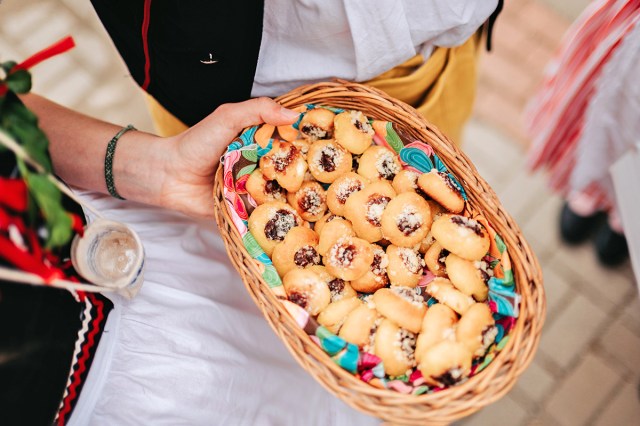
The World’s Largest Kolache Festival Is Held in Prague… Oklahoma
Kolaches are a popular pastry that originated in Czechia around the 1700s. The sweet rolls are traditionally topped with plum jam, cheese, or poppy seeds. In the late 18th and early 19th centuries, a wave of Czech immigrants came to the United States (especially Texas) and brought with them recipes such as kolaches, thus creating a unique style of cuisine colloquially referred to as “Czech-Tex” today.
While Texas may have seen the largest influx of European-born kolache-lovers, other Czech immigrant communities were established nearby. That includes the city of Prague, Oklahoma, which was founded in 1902 and named for the Czech capital. The American Prague now hosts the largest kolache festival anywhere in the world. The event, which dates back to 1951, welcomes 25,000 to 30,000 annual attendees — numbers far exceeding Prague’s 2,300 full-time local residents.
Kolaches are also widely beloved in the similarly named village of Prague, Nebraska. For the town’s centennial celebration in 1987, locals created the largest kolache in the world at the time, which weighed in at 2,605 pounds. In 1992, they doubled their previous feat, whipping up a mighty kolache weighing 5,200 pounds.
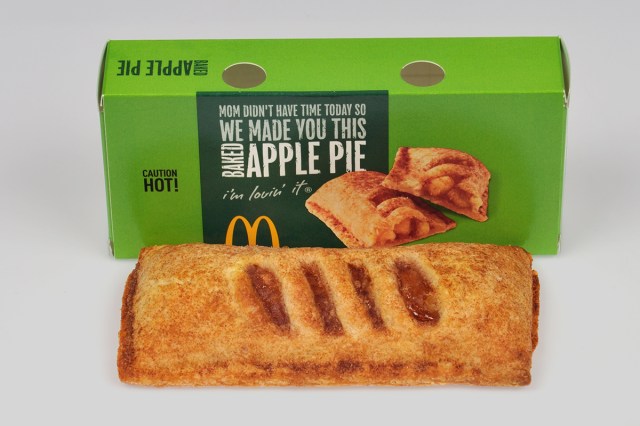
You Can Only Buy Fried McDonald’s Apple Pie in Two States
Fried apple pies were a beloved fast-food dessert from their introduction to McDonald’s menus in 1968 up until 1992, when the company pivoted from fried to baked pies for health reasons. (Ironically, though, the fried pie has only 10 fewer calories than the baked pie.) McDonald’s fried apple pies have largely disappeared since then, but it’s still possible to order them in two U.S. states.
The only McDonald’s location in the continental U.S. that still sells fried apple pies is located at 10207 Lakewood Boulevard in Downey, California. McDonald’s also sells fried apple pies in Hawaii, where customers resisted the original shift from fried to baked. In turn, local franchisees reverted to the original fried recipe, which continues to be sold there today.
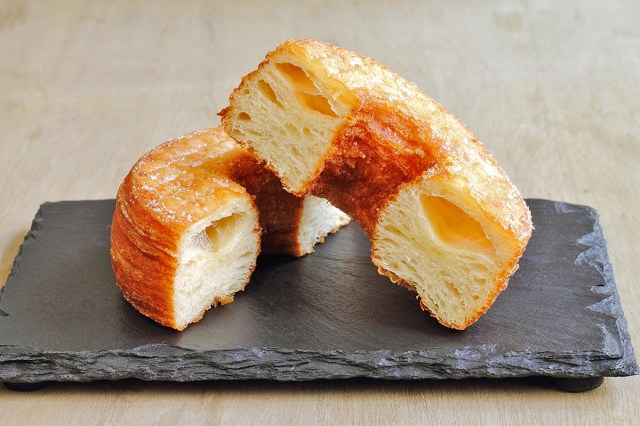
A New Cronut Flavor Debuts Each Month — And Old Flavors Disappear Forever
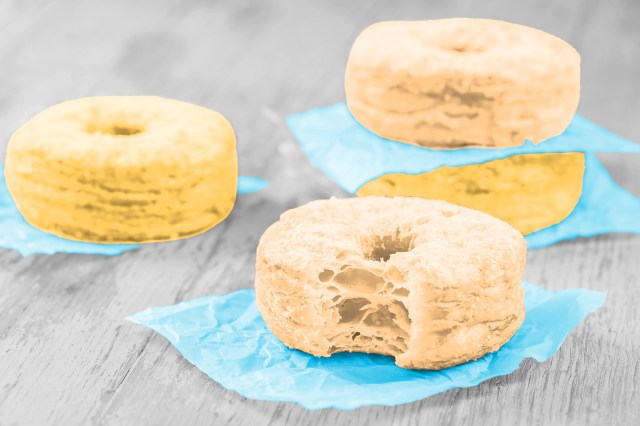
In 2013, the New York City bakery Dominique Ansel created a viral sensation that’s since been emulated by bakeries around the globe: the cronut. Combining croissant-like dough with the shape of a donut, cronuts debuted with a rose vanilla flavor, which was achieved using a vanilla ganache and rose glaze.
Since then, chef Dominique Ansel, the bakery’s namesake, and his team of talented bakers have never once repeated a flavor for authentic cronuts.At the end of each month, the bakery unveils a new flavor, and the previous one is permanently discontinued.
Ansel estimates that he and his team have created more than 600 cronut varieties since the pastry’s debut, though they no longer keep count. Ansel admits it’s challenging to come up with new flavors so regularly without recycling old flavors, especially after more than a decade of continuous operation.
In addition to the rose vanilla, other past flavors include sweet clementine and ricotta, rhubarb brown sugar with lemon thyme, and raspberry jam and stracciatella. “Plain” or “regular” cronut varieties, on the other hand, have never been offered at any Dominique Ansel establishment.
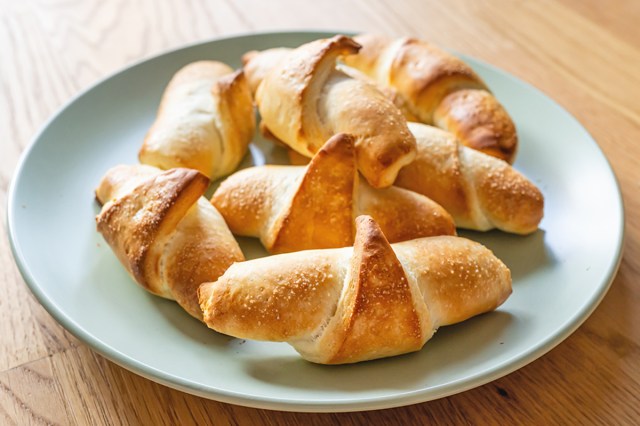
Croissants Didn’t Originate in France
Culinary historians typically agree that croissants were inspired by crescent-shaped Austrian pastries called “Kipferl” — German for “crescent” — which were mentioned in Austrian texts as early as the 12th century. Though similar in shape, the two foods are quite different in texture; Kipferl are much breadier and denser than the flakier croissants we eat today.
The connection between the two pastries dates back to 1838, when Austrian entrepreneur August Zang founded a Viennese-style bakery in Paris. The store proved so popular that by 1840, there were more than a dozen imitators selling Viennese-style pastries across the city.
The French began experimenting with new baking techniques for Kipferl, including swapping out its dense brioche dough for a laminated yeast dough, thus giving it a flakier texture. That experimentation culminated in the first recorded recipe for the croissant as we know it today, which dates to 1915 and is attributed to French chef Sylvain Claudius Goy.

Bennett Kleinman is a New York City-based staff writer for Inbox Studio, and previously contributed to television programs such as "Late Show With David Letterman" and "Impractical Jokers." Bennett is also a devoted New York Yankees and New Jersey Devils fan, and thinks plain seltzer is the best drink ever invented.
top picks from the Inbox Studio network
Interesting Facts is part of Inbox Studio, an email-first media company. *Indicates a third-party property.