

Original photo by Andriy Popov/ Alamy Stock Photo
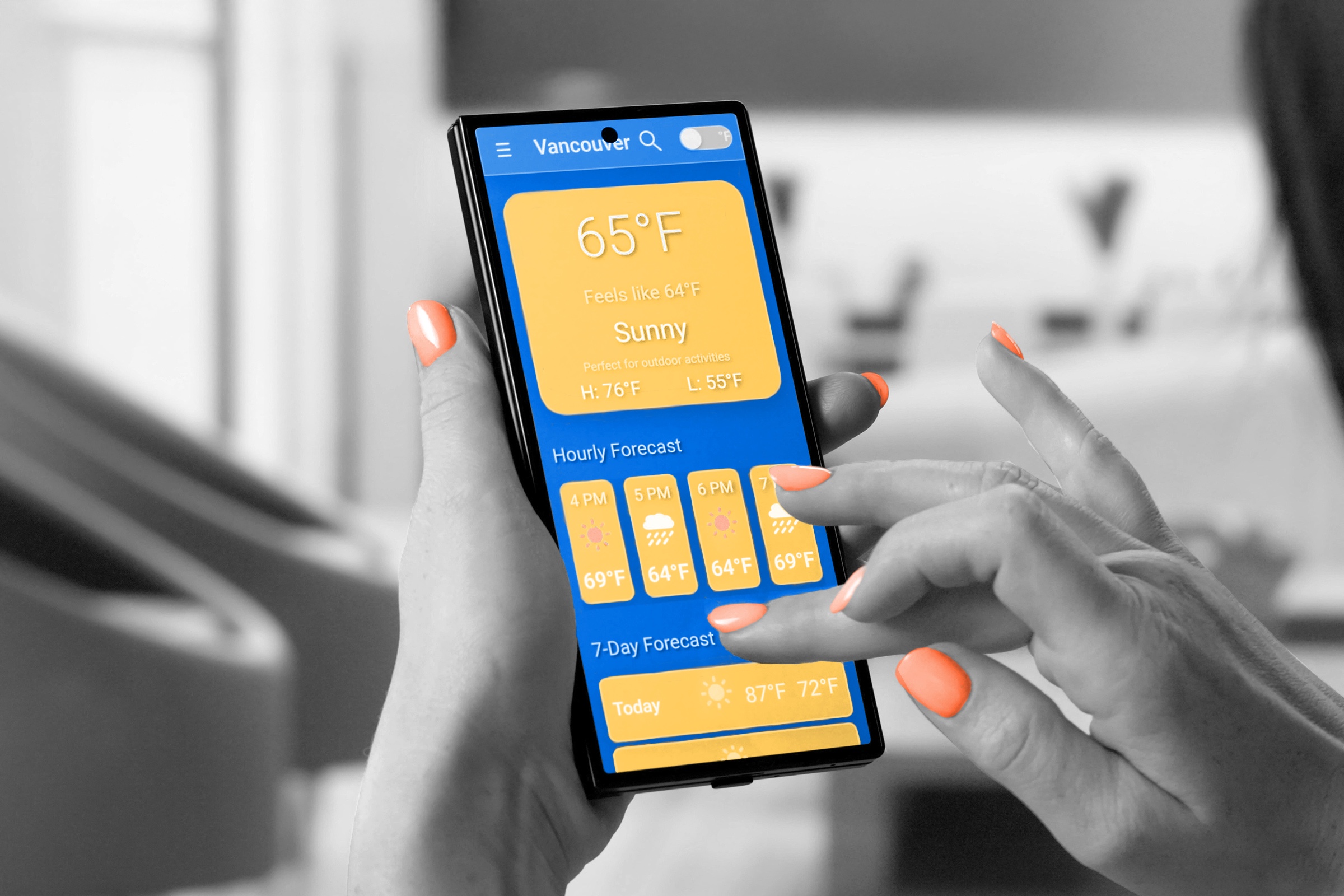
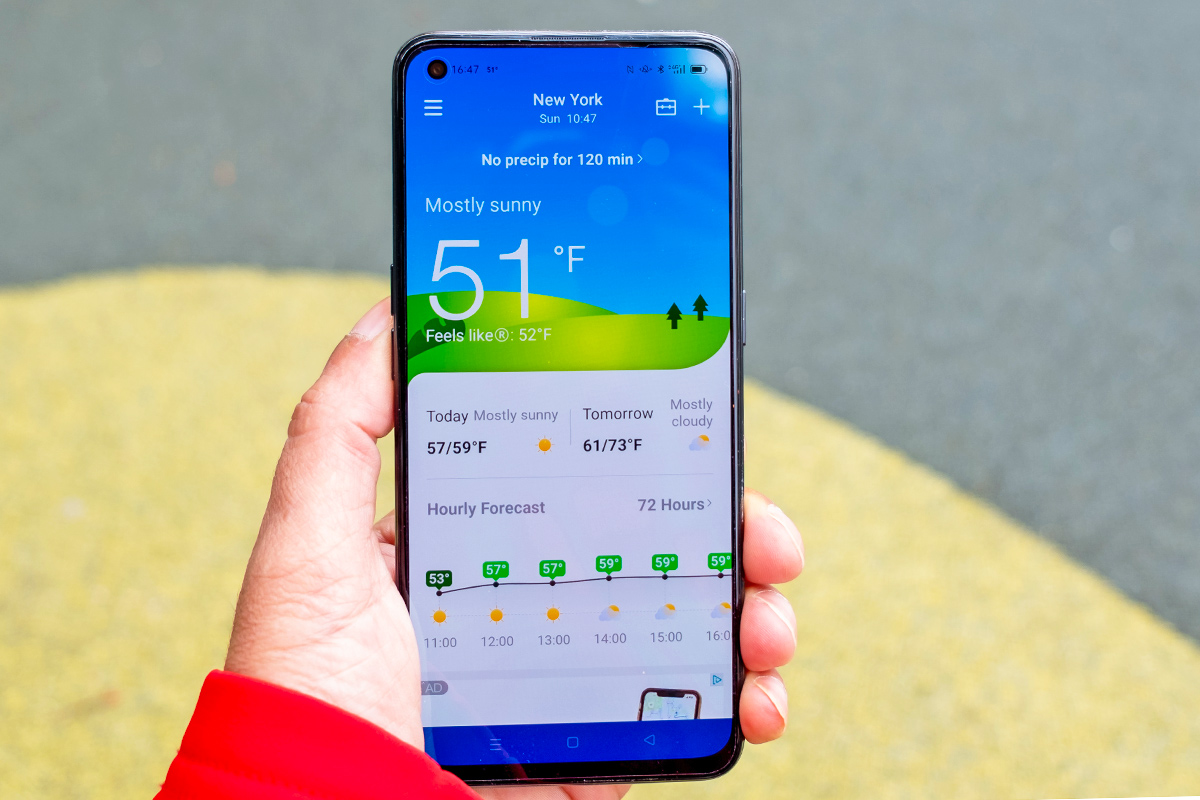
Weather forecasts often list two temperatures side by side: the actual air temperature and the “feels like” temperature. While the first is straightforward, the second is more complex — and often more important.
The “feels like” value reflects how your body perceives temperature in real-world conditions rather than how a thermometer measures it in a controlled environment. It accounts for the fact that humans warm up, cool down, sweat, shiver, and respond to the environment in ways that can make a mild day feel sweltering or a breeze feel freezing. These factors can dramatically impact your comfort level and, in some cases, your safety.
This adjusted temperature is the result of careful calculations that combine physics, meteorology, human biology, and environmental science. Multiple elements interact to determine how heat transfers between your body and the surrounding air, and each of those elements can push the perceived temperature higher or lower.
Whether you’re wondering why humid days feel oppressive or why a winter wind seems to cut right through your layers, the “feels like” temperature offers a scientific explanation for the sensations you experience every day.
Wind Chill and Heat Index
The “feels like” temperature is based almost entirely on two standardized measures, the wind chill and the heat index. Those formulas estimate how efficiently your body exchanges heat with the surrounding air under cold or hot conditions.
Wind chill represents how cold your skin feels on a windy day, while the heat index reflects how hot it feels during summer humidity. Both indices assume standard, shared conditions, typical clothing, and dry skin (as opposed to wet conditions such as rain).
While those formulas can’t capture every variable, they provide a far more accurate picture of real-world conditions than air temperature alone. With this metric, meteorologists can interpret raw data and apply it to the human experience, giving people clearer guidance on how to dress, how long to stay outside, and when to take precautions against extreme weather.

How Does Wind Chill Work?
On winter days, the wind can make temperatures feel lower than what the thermometer reads. This effect is captured by the wind chill index, which calculates how much faster heat leaves your skin when the wind is blowing.
Normally, your body warms a thin insulating layer of air around your skin, helping retain heat. Wind sweeps that warm layer away, forcing your body to lose heat at a faster rate. The stronger the wind, the more intense the heat loss, and the colder you feel.
Meteorologists use formulas that account for wind speed and air temperature to produce the wind chill number, which reflects how quickly skin will cool under those conditions. While wind chill doesn’t lower the actual air temperature, it can increase the risk of frostbite and hypothermia, making it an important measure in winter weather advisories.

How Does the Heat Index Work?
If you’ve ever visited Florida or another notoriously humid area, you’ve probably heard someone say, “It’s not the heat, it’s the humidity.” That’s because humidity makes the air feel warmer than the measured temperature. The body cools itself by sweating, but sweat only reduces heat if it can evaporate. High humidity slows evaporation, meaning the body struggles to release heat efficiently.
The heat index combines air temperature and relative humidity to estimate how hot it feels when evaporation (and therefore cooling) is impaired. So a humid 90-degree day may feel like 100 degrees or higher because your body can’t shed heat efficiently. This is why deserts can feel scorching yet tolerable, while humidity in places like the Southern U.S. can feel oppressive even at lower temperatures.
More Interesting Reads



What Other Variables Affect How Cold or Hot You Feel?
Although wind chill and heat index are the only standardized components of a “feels like” forecast, real-world comfort is shaped by a much wider set of factors. Sunlight, for example, can significantly raise perceived warmth because radiant heat warms skin, clothing, and surrounding surfaces — something the heat index doesn’t account for. Moisture plays a major role, too: Wet skin, soaked clothing, or heavy sweat accelerates heat loss in cold conditions and interferes with efficient cooling in hot conditions.
Even the landscape can influence comfort — paved surfaces, shaded parks, waterfronts, and wind tunnels between buildings all create microclimates that feel warmer or cooler than the official forecast may indicate. In urban areas, this effect is especially pronounced due to the “urban heat island” phenomenon, in which asphalt, concrete, and dense building clusters absorb and re-emit heat, raising temperatures relative to surrounding rural areas.
Even small changes in street orientation, building height, or surface materials can create noticeable temperature differences, meaning two locations even just a few blocks apart can feel significantly different to the human body.

Another Measure for Assessing Human Comfort
While meteorologists don’t build those additional variables into the standard “feels like” number, other experts often do. Occupational safety specialists, sports science experts, the military, and public health researchers use more comprehensive tools — such as the Wet Bulb Globe Temperature (WBGT) — to assess heat-related stress on the human body. This metric takes sunlight, humidity, wind speed, cloud cover, and other environmental conditions into account for the most precise assessment.
Ultimately, however, comfort is personal and can vary greatly between individuals. Your clothing, activity level, location, sun exposure, and even your own physiology can shift how conditions truly feel to you. The “feels like” forecast provides a helpful baseline — the rest is up to your body and the environment around you.

Kristina is a coffee-fueled writer living happily ever after with her family in the suburbs of Richmond, Virginia.
top picks from the Inbox Studio network
Interesting Facts is part of Inbox Studio, an email-first media company. *Indicates a third-party property.