

Original photo by Annika Treial/ Unsplash
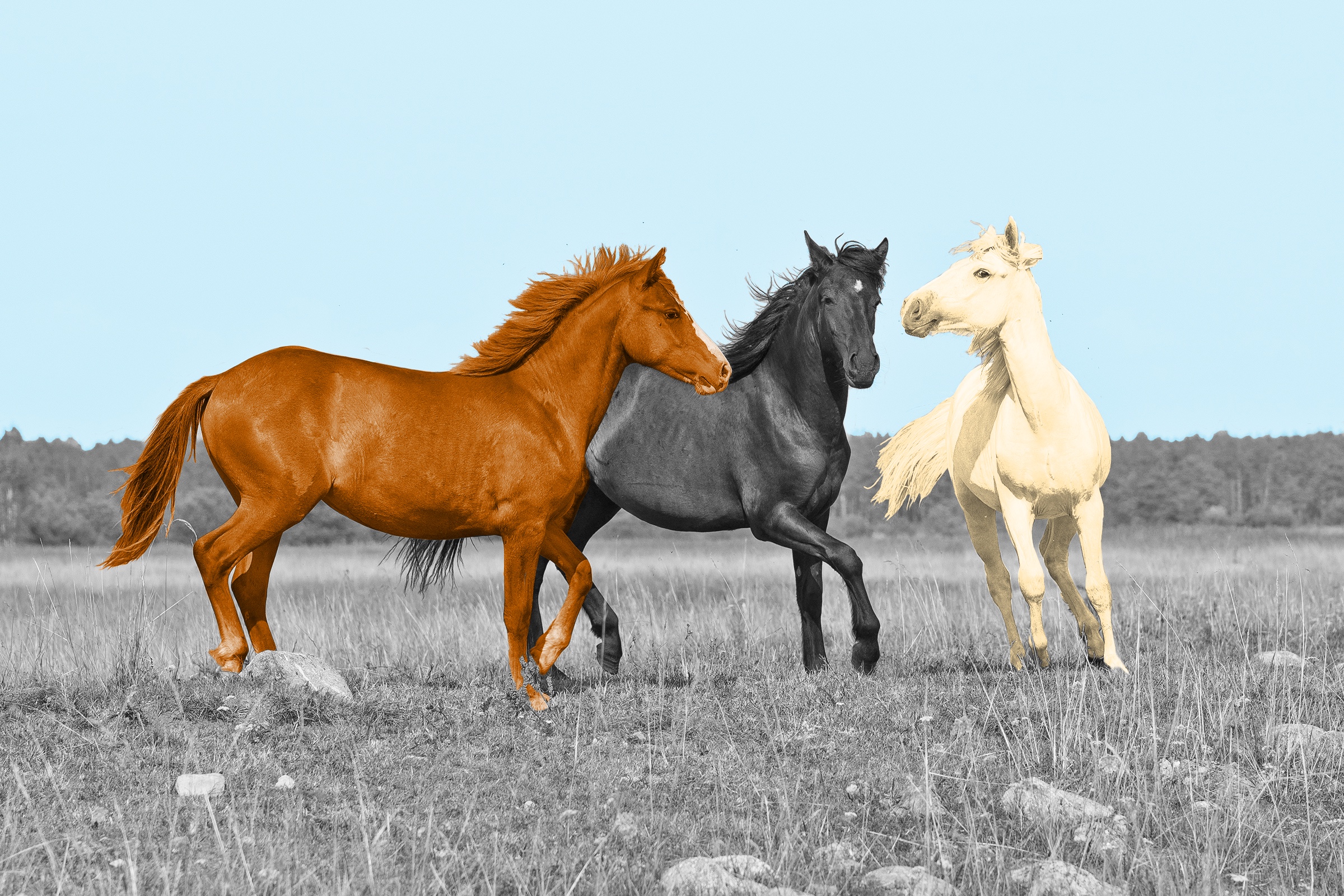
Horses share a long and storied history with humans. They’re thought to have been domesticated as many as 6,000 years ago on the vast plains of Central Asia (near modern-day Kazakhstan), beginning a partnership that transformed human advancements in transportation, agriculture, and warfare.
But beyond their historical importance, horses’ strength, speed, intelligence, and surprisingly social personalities still fascinate us. These animals — from the loyal barnyard companions to the elite athletes — are far from being one-trick ponies. Here are seven fascinating facts about horses.
The Earliest Horses Were the Size of Dogs
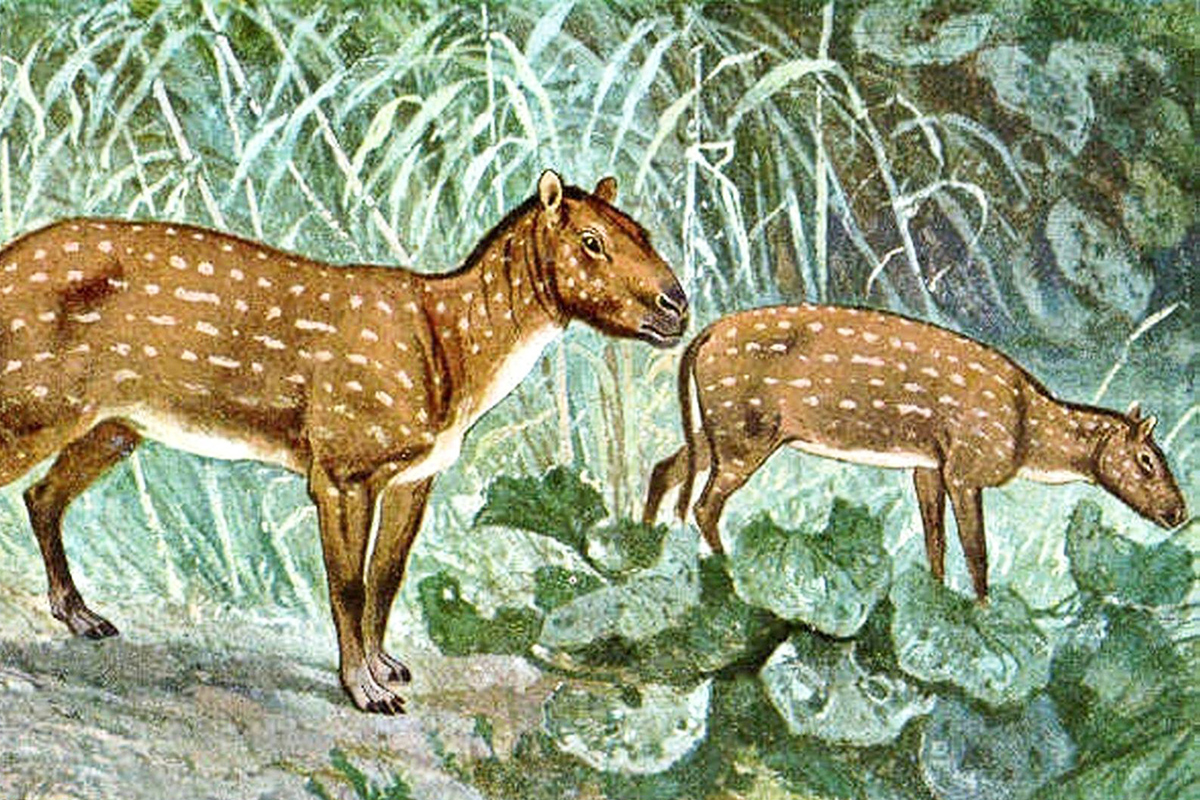
The earliest known ancestor of the modern horse first lived around 56 million years ago during the Eocene Epoch. Known as Hyracotherium, this small mammal was roughly the size of a modern small- or medium-sized dog. Standing at around 12 to 24 inches at the shoulder, these early horses were only about the height of a French bulldog, while bigger ones were roughly as big as a border collie.
Unlike the prominent single-hoofed feet that horses have today, Hyracotherium had four toes on its front feet and three on its back feet. It also had a short neck and snout, and its teeth were suited for soft leaves rather than grazing tough grass. Over millions of years, changing climates transformed forested landscapes into open grasslands, and horse ancestors evolved to suit their changing environments, gradually growing larger and developing stronger legs better suited for running long distances.
Modern horses may still carry tiny reminders of their ancient ancestors on their legs: Chestnuts, the rough patches found on the inside of their knees and hocks, are thought by equine researchers to be remnants of the foot pads that once helped their ancestors walk on multiple toes.
top picks from the Inbox Studio network
Interesting Facts is part of Inbox Studio, an email-first media company. *Indicates a third-party property.





Horses Can Sleep Standing Up
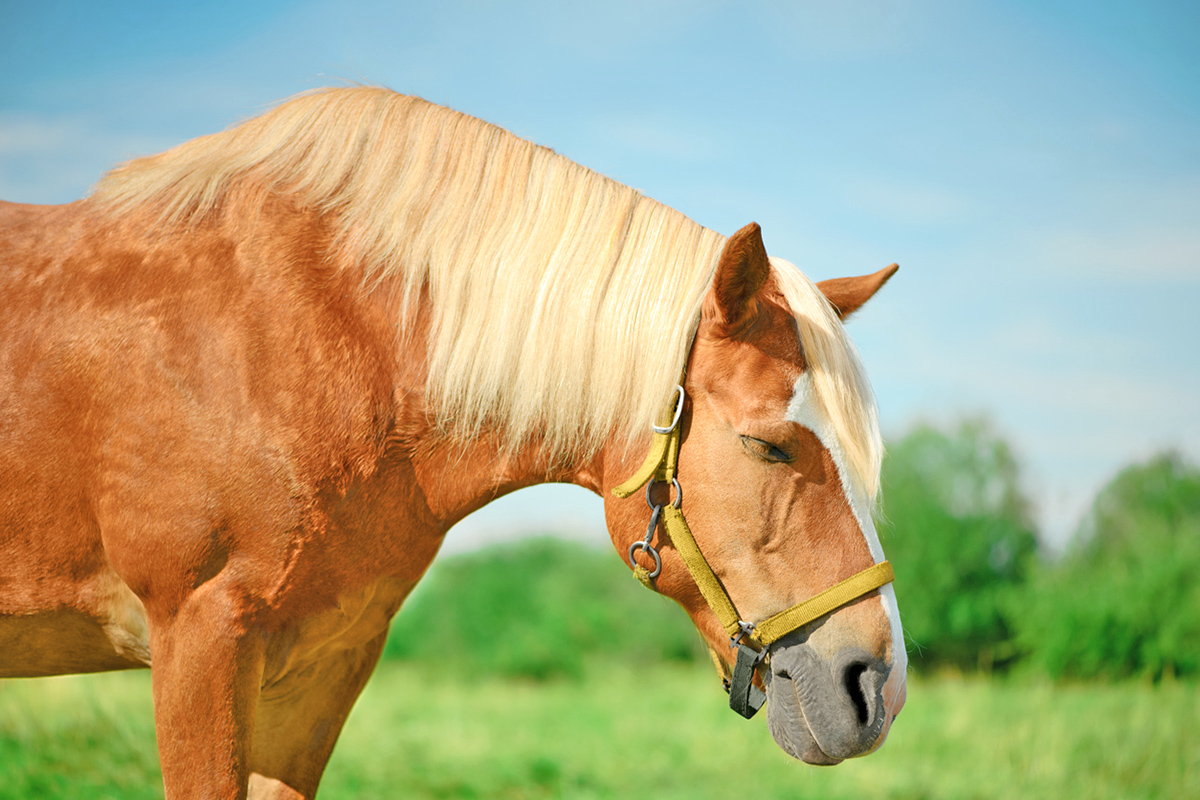
Thanks to an anatomical feature called the stay apparatus, horses are able to sleep while standing. That system of tendons and ligaments acts like a series of tension bands, locking the shoulder, knee, and ankle joints in place and allowing the lumbering mammal to relax its muscles without collapsing.
Horses are polyphasic sleepers, meaning they have multiple sleeping periods throughout the day, with the majority occurring at night. If you do see them sleeping while standing, they’re just lightly dozing — they still need to lie down for that all-important REM sleep.
Sleeping while standing is an evolutionary trick used by other large herbivores such as zebras and elephants, allowing them to rest while still remaining prepared to make a quick getaway from predators.
Their Teeth Keep Growing for Years
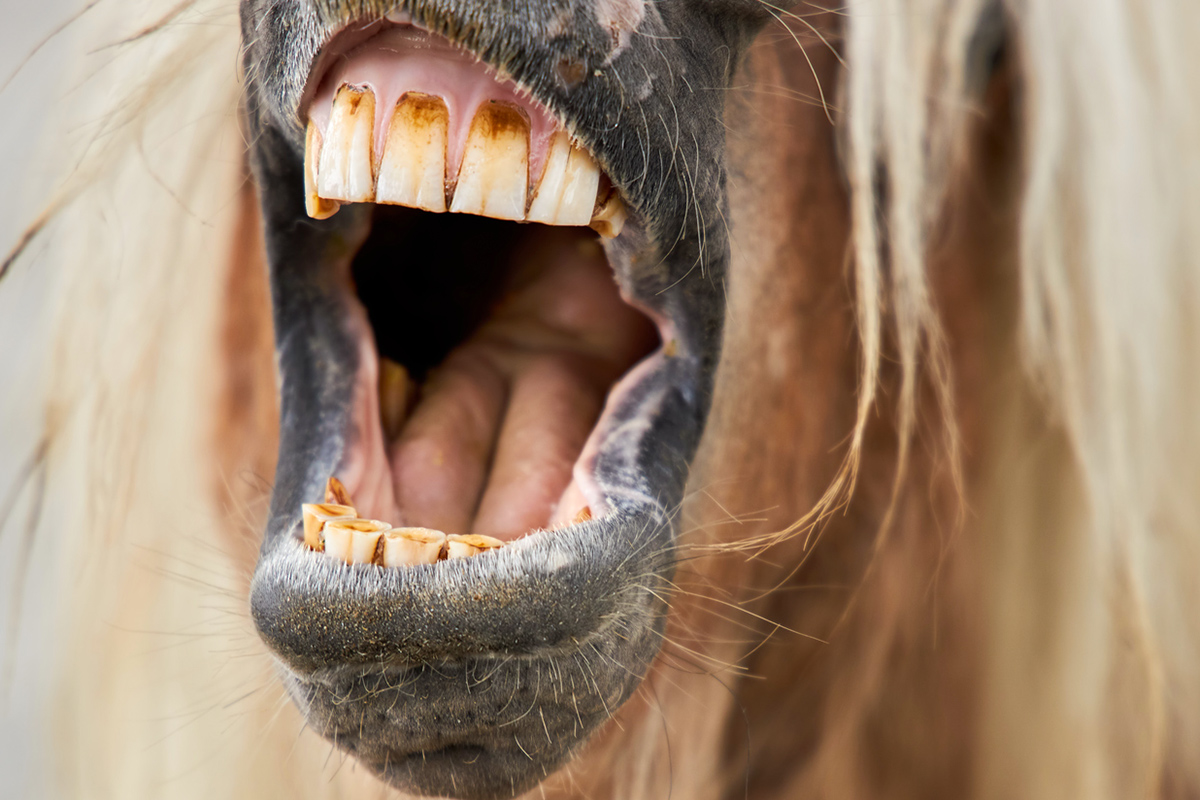
Horse teeth, similar to those of rabbits or rodents such as beavers and rats, continuously grow to keep up with the constant wear caused by their eating habits. A typical horse’s diet is plentiful in tough, dusty grasses that can erode enamel quite quickly.
Throughout much of its life, a horse’s teeth slowly erupt upward from the jaw. For centuries, experienced horse handlers could even estimate a horse’s age just by examining its teeth, a useful skill when birth records were rare.
However, that growth doesn’t last forever. Their teeth eventually reach their full potential and stop growing around age 12 (horses typically live about 25 to 30 years).
More Interesting Reads


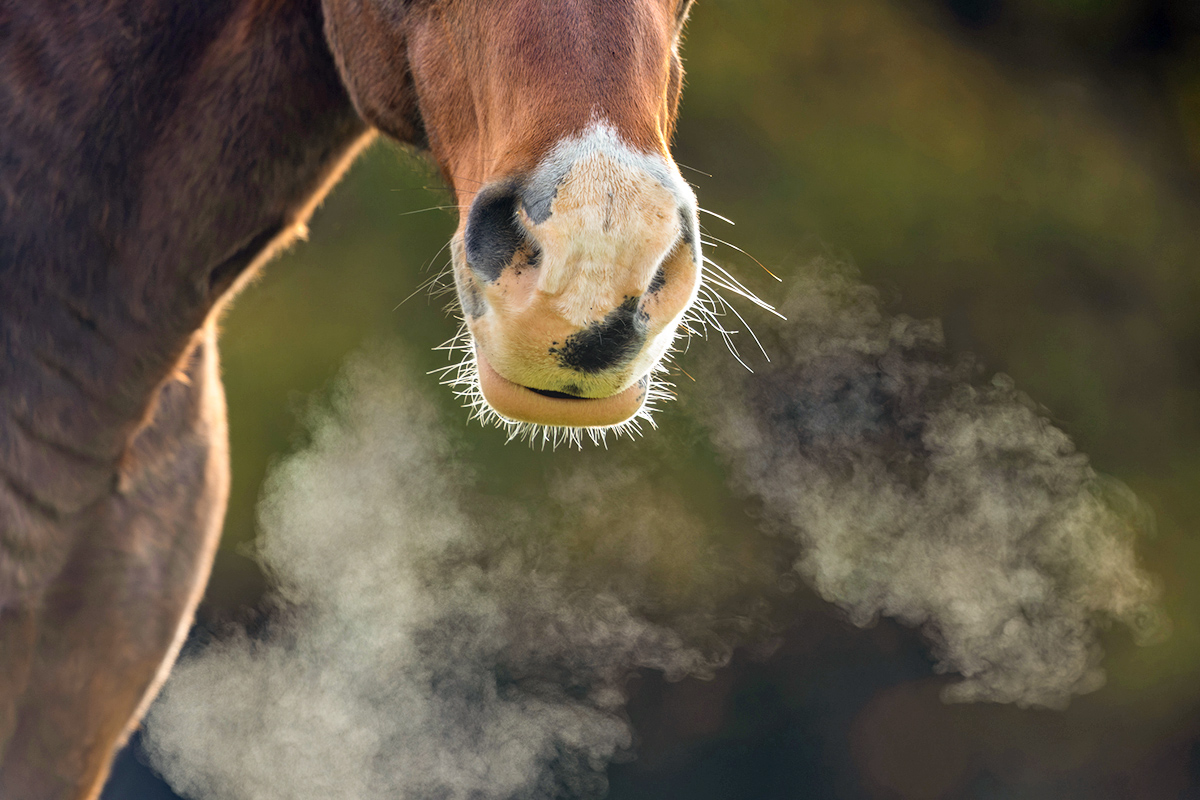
Horses Can’t Breathe Through Their Mouths
Horses are what’s known as obligate nasal breathers, meaning they can only breathe through their noses, not their mouths. A long soft palate forms a tight seal between the airway and the mouth so horses don’t inhale food while eating, but it also means they can’t switch to mouth breathing when it could be useful, such as during a high-speed gallop.
Instead, a horse’s breathing locks into a 1:1 rhythm with their stride — one breath for every step — allowing them to take in the amount of oxygen needed to maintain speed over long distances. That clever breathing system comes with its own quirky side effect: Horses can’t burp or vomit. Still, this seems like a decent tradeoff for an elite respiratory system.

They Have Amazing Memories
Like many social mammals, horses are known for their impressive long-term memories, especially when it comes to people, places, and past experiences. Research has found that they not only recognize familiar humans after long periods apart, but also that subtle emotional cues leave a lasting impression on them.
Leanne Proops, an associate professor in animal behavior and welfare at England’s University of Portsmouth, found that horses can remember previously unfamiliar people for hours after seeing them in a photo. They also reacted to the person differently in real life afterward depending on whether they’d seen them look happy or angry in the photo.
While this sounds sentimental, that memory is actually an evolutionary survival tool. It once helped the horse’s ancestors avoid predators and find food; today, it’s useful for navigating social bonds and training with humans.
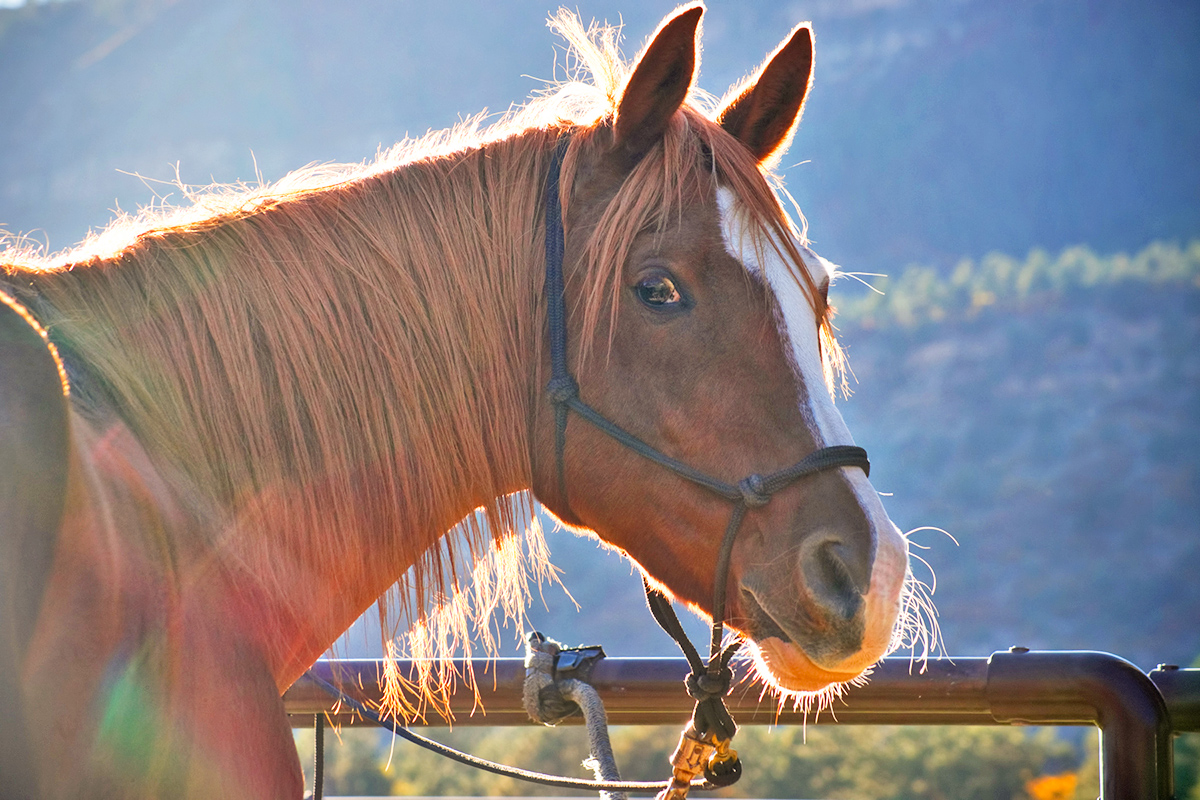
Their Body Language Is Complex
Horses are constantly communicating through subtle cues in their ears, eyes, tail, posture, and even nostrils. Pinned-back ears, swishing tails, or tense muscles can mean irritation or stress, while relaxed ears and soft eyes show calm and trust. Flared nostrils are more nuanced; horses naturally flare them to breathe while running, but quivering or flaring when they’re standing still could signal nervousness.
Researchers have found that horses also have an impressively rich facial vocabulary: They can make 17 distinct facial movements, more than chimpanzees (15) and fewer than humans, who have somewhere around 46. Scientists at the University of Sussex identified equine facial movements similar to a human smile, upper eyelid raises, and eye-white increases, and linked each to emotions such as submission, fear, or stress. And those signals aren’t just for other horses — they’re used to communicate with humans, too.
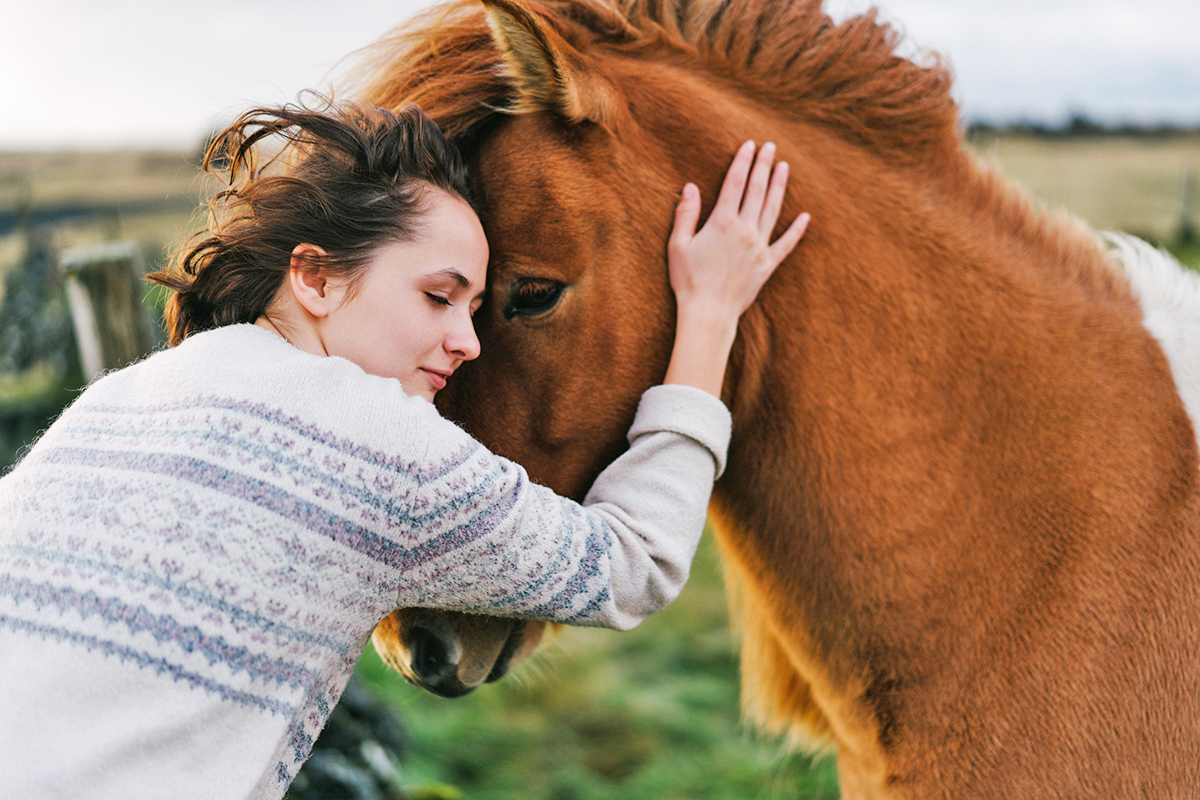
They’re Very Attuned To Human Emotions
Posture and tone of voice are fairly straightforward ways for humans to convey emotions, but horses are able to pick up on our emotional states in multiple subtler ways as well. Not only can they read our body language, but horses can also hear a human heartbeat from as far as 4 feet away and use that data to suss out the person’s emotional state. Studies on heart-rate variability have found horses can even synchronize their heartbeats with our own.
Research has also found that horses can detect emotional odors in human sweat — to put it in simpler terms, they can literally smell our fear. When exposed to sweat collected from people in fear‑inducing situations, horses showed stronger stress responses than when presented with odors from people who had been in joyful situations, even without visual or vocal cues.
It’s no wonder horses have become trusted partners in therapeutic practices, just as they have been partners to humans in many other ways for millennia.

Nicole is a writer, thrift store lover, and group-chat meme spammer based in Ontario, Canada.
top picks from the Inbox Studio network
Interesting Facts is part of Inbox Studio, an email-first media company. *Indicates a third-party property.
