

Original photo by © rangizzz/stock.adobe.com
Most of us move through our homes without giving much thought to the details around us — at least, not until something breaks or we’re in the middle of a renovation. The small, everyday features of a house can feel so familiar they barely register. But many of them exist for practical reasons that date back centuries, long before modern materials and construction techniques.
In fact, a lot of what we see in our houses today was originally designed to solve specific problems, such as preventing damage, improving comfort, or making spaces more efficient. Over time, those solutions became standard, and many still serve important purposes, even if we don’t often think about them. Let’s take a closer look around your home at some of the details you may never have considered.
Why Do Doors Have Panels?
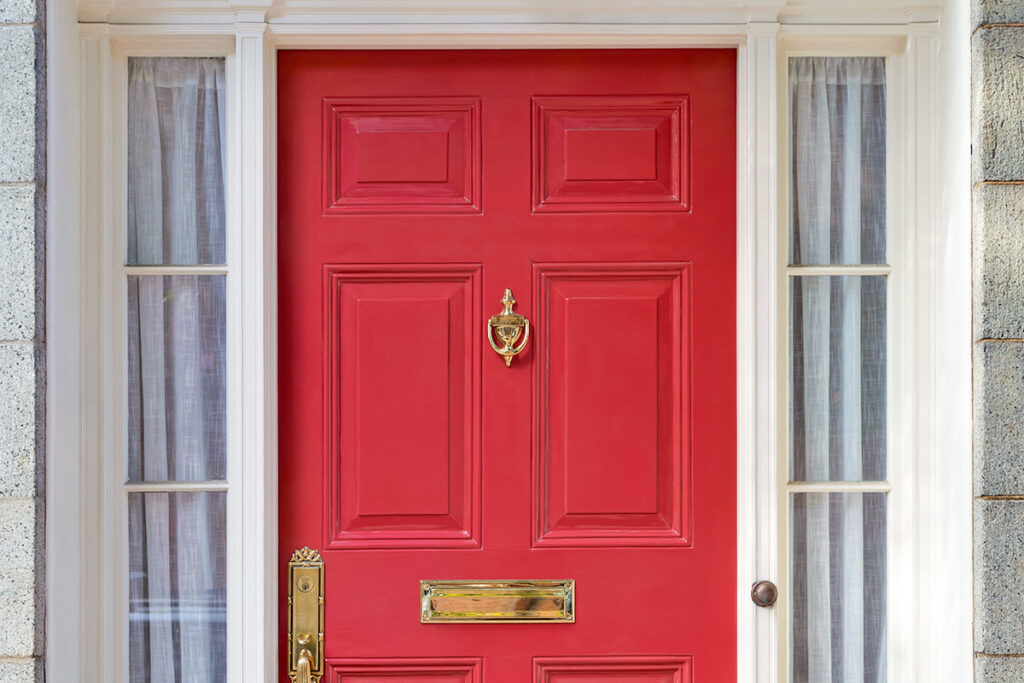
One of the most recognizable design elements in traditional homes is the paneled door. Rather than being a single flat slab, many doors are made from several rectangular panels framed by vertical and horizontal pieces of wood. While the design may look decorative, it was originally developed for a very practical reason: the fact that wood tends to move.
Wood naturally expands and contracts as temperature and humidity change. In previous centuries, when doors were made entirely from solid wood, large flat boards could easily warp, crack, or split as they reacted to seasonal moisture changes. The panel-and-frame design was a solution to that problem.
The outer frame of the door holds smaller panels in place, allowing each panel to expand or shrink slightly without stressing the entire door. Rather than being glued tightly on all sides, the panels sit loosely in the grooves cut into the surrounding frame. Because the panels “float” within the frame like that, the wood has room to move as humidity and temperature change, which helps the door stay stable and less likely to warp.
top picks from the Inbox Studio network
Interesting Facts is part of Inbox Studio, an email-first media company. *Indicates a third-party property.




Why Do Windows Have Sills?
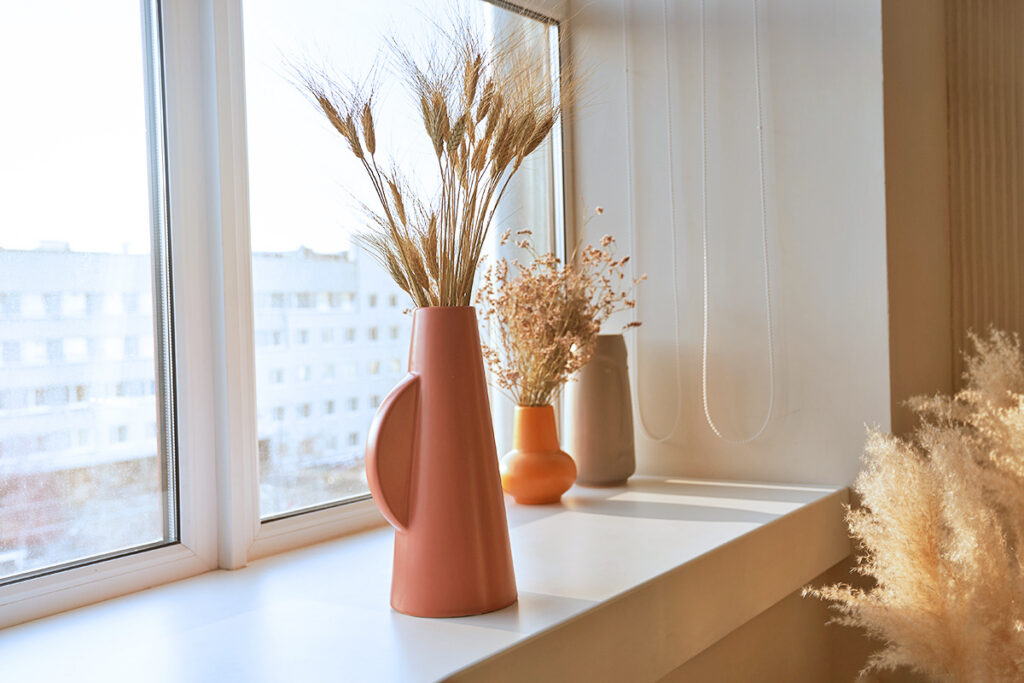
Window sills are another everyday feature with an important purpose. While they can double as convenient spots for plants or decorations, their original function was largely structural and protective.
Exterior window sills are designed to direct rainwater away from the wall and window frame. Most are angled slightly downward so water runs off rather than collecting near the building. Without that slope, moisture could seep into the wall structure and cause rot or other damage over time.
Interior sills — also called window stools — serve a slightly different purpose than the surrounding trim. While side and top casing cover the seams around the window frame, the window stool finishes the bottom edge, extending slightly into the room to create a ledge beneath the window.
This helps conceal the joint where the frame meets the wall, adds protection against drafts, and can catch condensation before it reaches the wall below. While decorative trim styles have changed over the years, this basic bottom ledge still plays an important practical role.
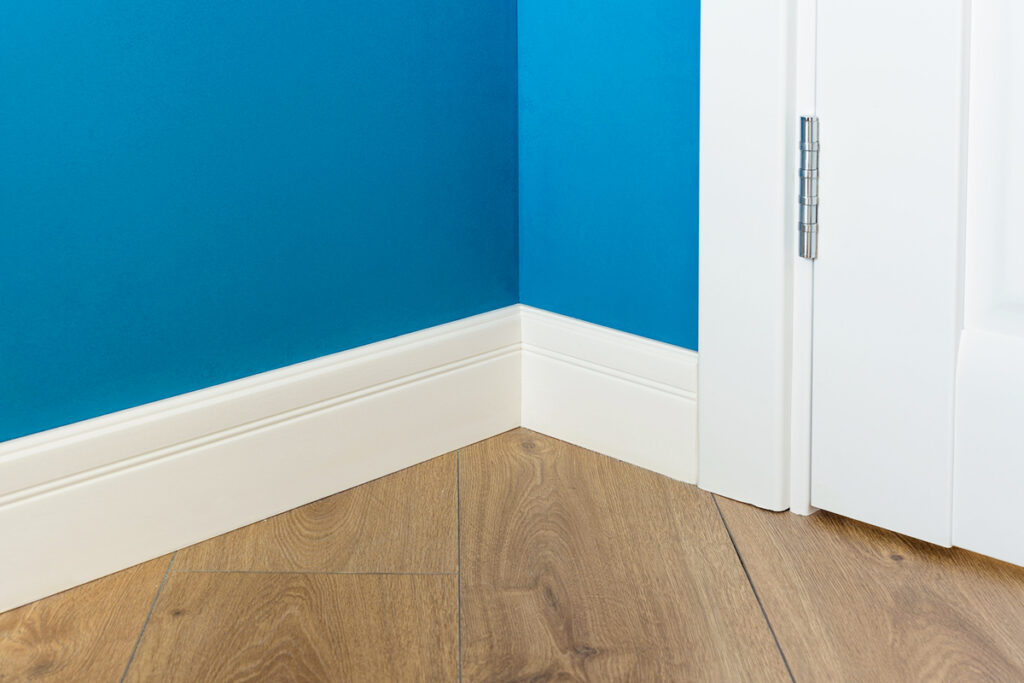
Why Do Baseboards Line the Bottom of Walls?
Baseboards — the strips of trim that run along the bottom edge of interior walls — serve both protective and decorative purposes. Floors and walls are often constructed separately, and slight irregularities can leave small seams where the two meet. Baseboards hide those gaps while giving the room a finished appearance, but they also protect walls from everyday wear and tear.
Before vacuum cleaners and modern cleaning tools, brooms frequently struck the lower portion of walls during sweeping. Baseboards absorbed that impact, preventing damage to plaster or drywall. Today, they continue to protect walls from scuffs caused by furniture, shoes, or cleaning equipment. While baseboards can be plain or ornate depending on the style of a home, their basic function hasn’t changed much over time.
More Interesting Reads


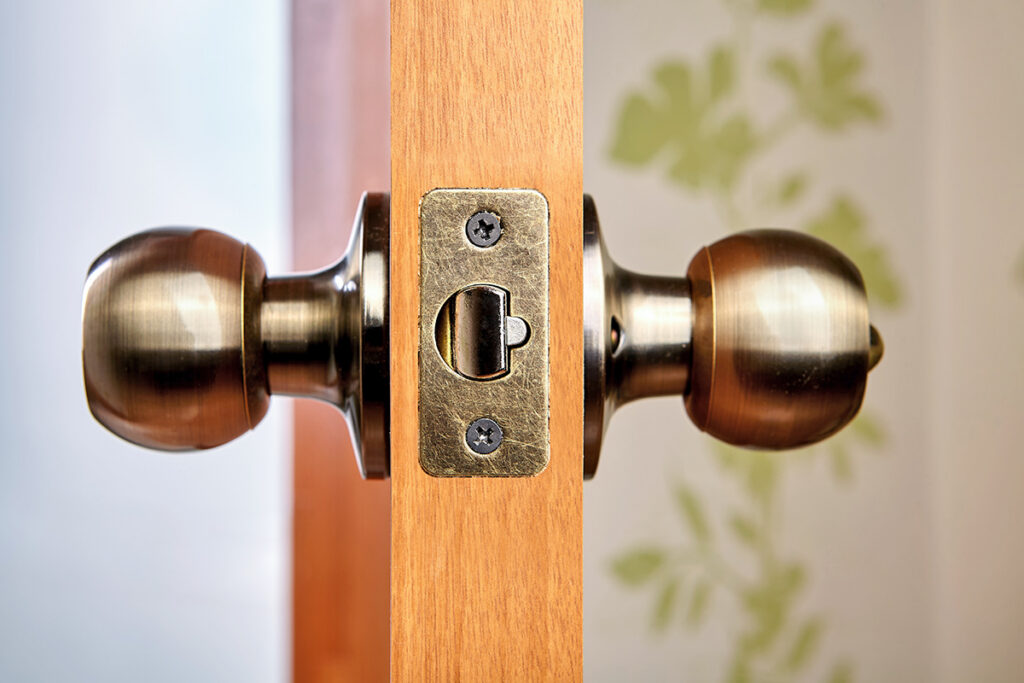
Why Are Doorknobs Round?
The round doorknob is another design choice many people never question. Although lever-style handles are becoming more common today, round knobs dominated door hardware for generations.
One reason for that is mechanical simplicity: Early locking mechanisms used rotating parts that worked naturally with a circular knob. Turning the knob rotated the internal latch, allowing the door to open. The round shape made it easy to grip from any angle and required relatively simple metalworking techniques to produce.
Round knobs are also considered a security advantage because they’re harder for animals — or even small children — to operate compared to lever handles. Today, accessibility guidelines increasingly favor lever handles because they’re easier to operate for people with limited hand strength, but round doorknobs are unlikely to disappear anytime soon.
Why Do Some Windows Have Divided Panes?
Windows with multiple small panes separated by muntins — thin strips of wood or metal that hold each pane in place — are mostly decorative today, but they were originally a practical solution to window design.
Early glassmaking was incapable of producing large, flawless sheets of glass, and walls often couldn’t support the weight of a single large window. Dividing the window into smaller panes — called lights — held together by muntins made larger windows possible while reducing stress on both the glass and the wall.
While muntins divide the glass panes within a single window sash, mullions are the larger structural bars that separate multiple window units in a row. Even after advances in glassmaking and construction made large single-pane windows possible, divided-light windows remained a popular classic aesthetic. Many modern windows still use simulated muntin grids to recreate that traditional look with contemporary materials.
Why Do Stair Steps Have an Overhang?
The slight overhang on stair treads — called a nosing — was designed with both safety and durability in mind. The overhang increases the surface area of each step, giving your foot more room to land comfortably and reducing the risk of slips. Many building codes require a nosing because it improves safety, especially on narrower stairs.
From a construction standpoint, the overhang helps protect the vertical face of the step (or riser) from wear and damage. Foot traffic typically strikes the front edge of the stair first, so the nosing absorbs much of the impact, protecting the riser and extending the life of the stairs.

Kristina is a coffee-fueled writer living happily ever after with her family in the suburbs of Richmond, Virginia.
top picks from the Inbox Studio network
Interesting Facts is part of Inbox Studio, an email-first media company. *Indicates a third-party property.
