
Interesting Facts
You may be surprised to learn how many of the foods you see on restaurant menus and in supermarket aisles are named after real people. These monikers aren’t always as obvious as an Arnold Palmer or Shirley Temple; there are plenty of culinary delights that pay homage in a far more subtle manner.
Some foods are named after their inventors, such as a certain cheesy appetizer we all know and love. Others were named for more peculiar reasons, including after a talented artist whose works bear a striking resemblance to a certain plated dish. Let’s take a bite out of seven foods with surprising namesakes.
Nachos
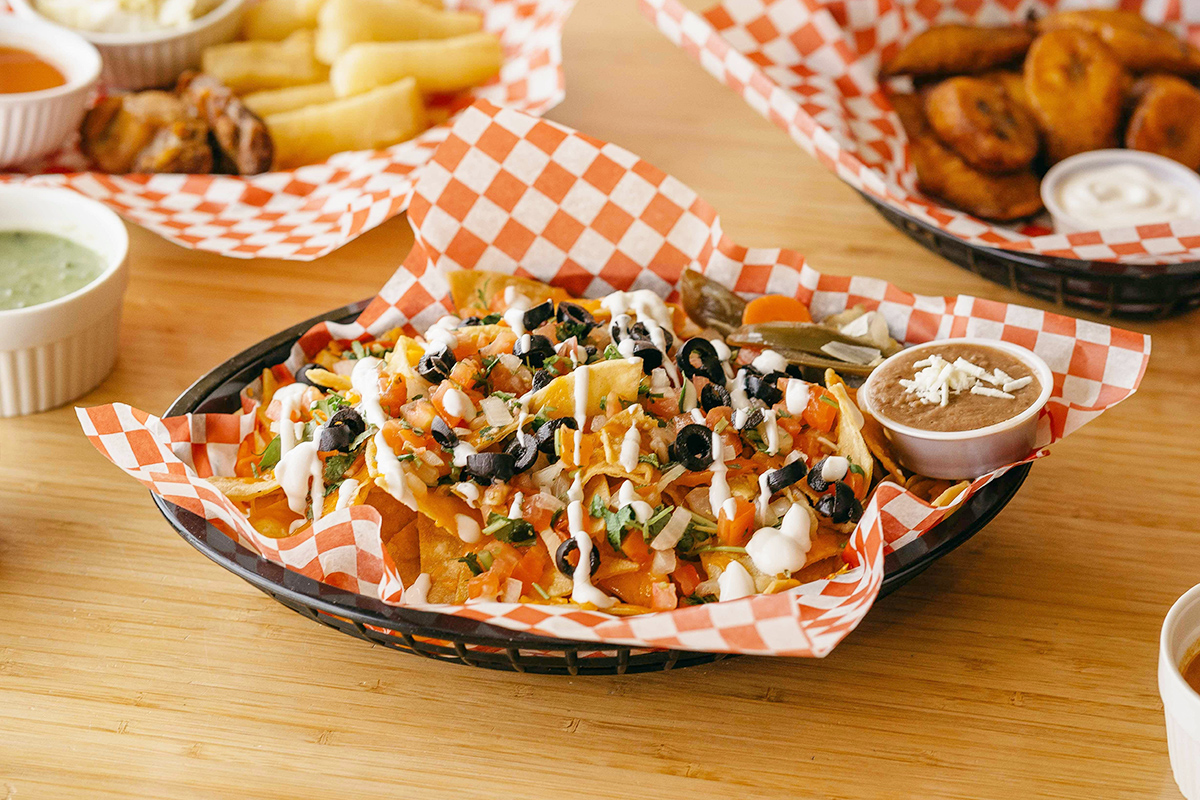
Some Mexican foods, such as enchiladas, have Spanish names that describe basic elements of the dish. (“Enchilada” is Spanish for “seasoned with chili.”) But nachos have a different backstory: They’re named for their creator, a maître d’hôtel named Ignacio Anaya. To those who knew him personally, Anaya was known as “Nacho,” a popular Spanish sobriquet for Ignacio.
Nachos were conceived in the Mexican border town of Piedras Negras in the early 1940s, where Anaya worked at a restaurant called Victory Club. One day, a group of hungry diners arrived outside of normal business hours, after the cooks had already gone home. Anaya nonetheless worked to satiate the guests’ appetites, whipping up a hodgepodge recipe using leftover food lying around the kitchen.
The improvised dish, which included fried tortilla chips, melted colby cheese, and jalapeño peppers, was an immediate hit. When asked for the meal’s name, according to Saveur magazine, Anaya replied, “Nacho’s especiales” (“Nacho’s special”). It was soon added to the permanent menu, and the name was eventually shortened to just “nachos.”
Granny Smith Apples
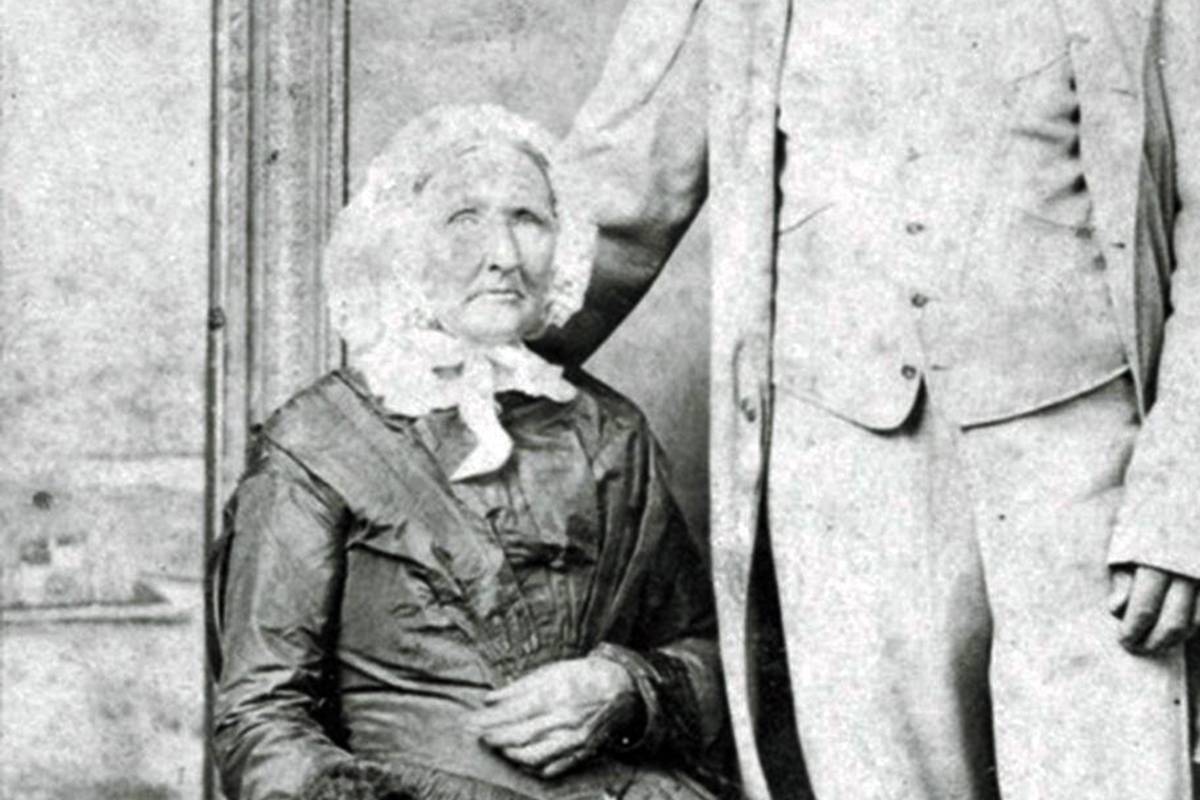
Unlike Mrs. Butterworth and Aunt Jemima, Granny Smith was a real person. The nickname was given to Australian agriculturist Maria Ann Smith by her grandchildren and later to the now-popular apple cultivar she discovered late in life.
In the mid-1850s, Smith and her husband, Thomas, purchased 24 acres of farmland to grow fruit. One of the crops that flourished was a green apple variety that was believed to have mutated from the scattered remnants of old French crab apples.
The apples first appeared in 1868, and Smith passed away just two years later. However, local orchardists continued to grow the increasingly popular cultivar, and it was made ready for export in 1895 under the name “Granny Smith’s Seedling” to honor the woman who discovered it.
Salisbury Steak
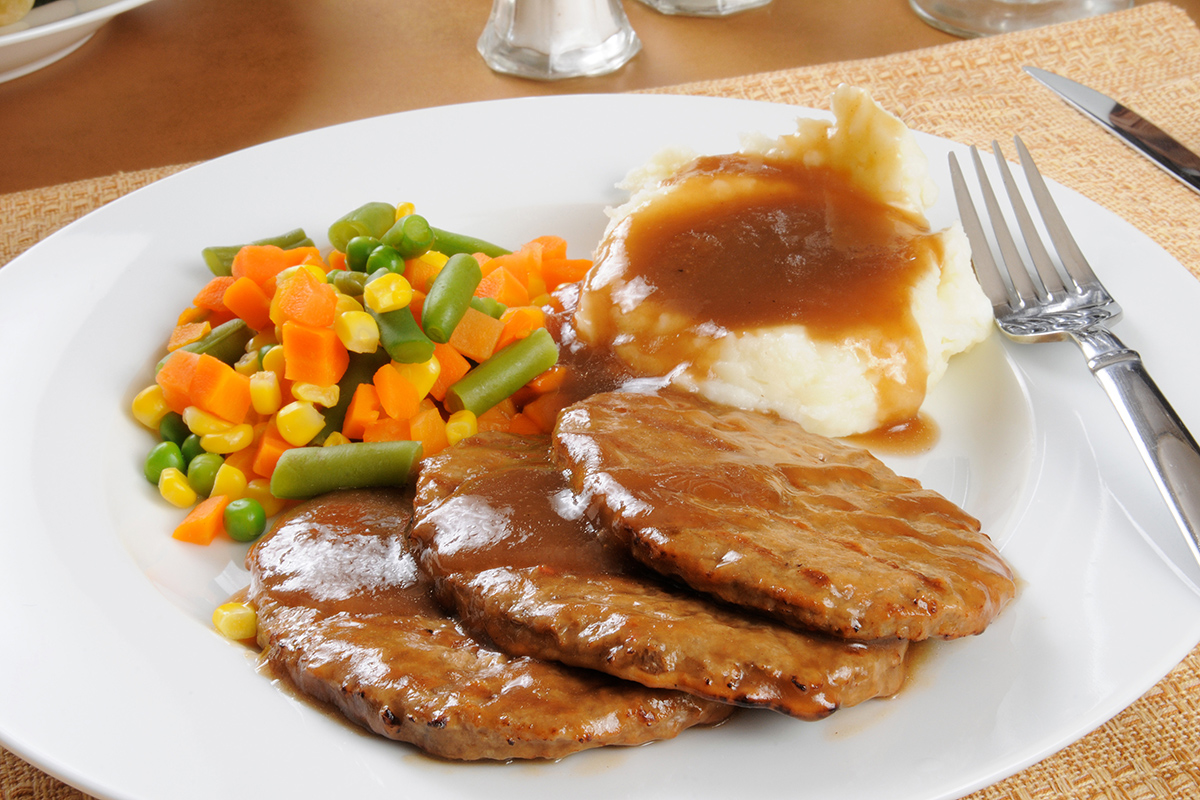
Whether served at a restaurant or as part of a frozen TV dinner, the Salisbury steak is an American classic. It was named for physician James H. Salisbury, who created the recipe and originally promoted it as a health food.
Salisbury was an early proponent of germ theory, the idea that diseases are caused by microorganisms. But back in Salisbury’s day, certain elements of the theory were dubious, including the misguided belief that vegetables released toxins into the digestive system.
The physician considered beefsteak a healthy alternative, and thus created his namesake recipe in 1897. He originally referred to it in his 1888 book The Relation of Alimentation and Disease as “muscle pulp of beef” (yum!) and promoted the gravy-soaked ground beef as good for gut health. Salisbury died in 1905, but his creation lives on, even if not for the health reasons he initially intended.
More Interesting Reads
Carpaccio
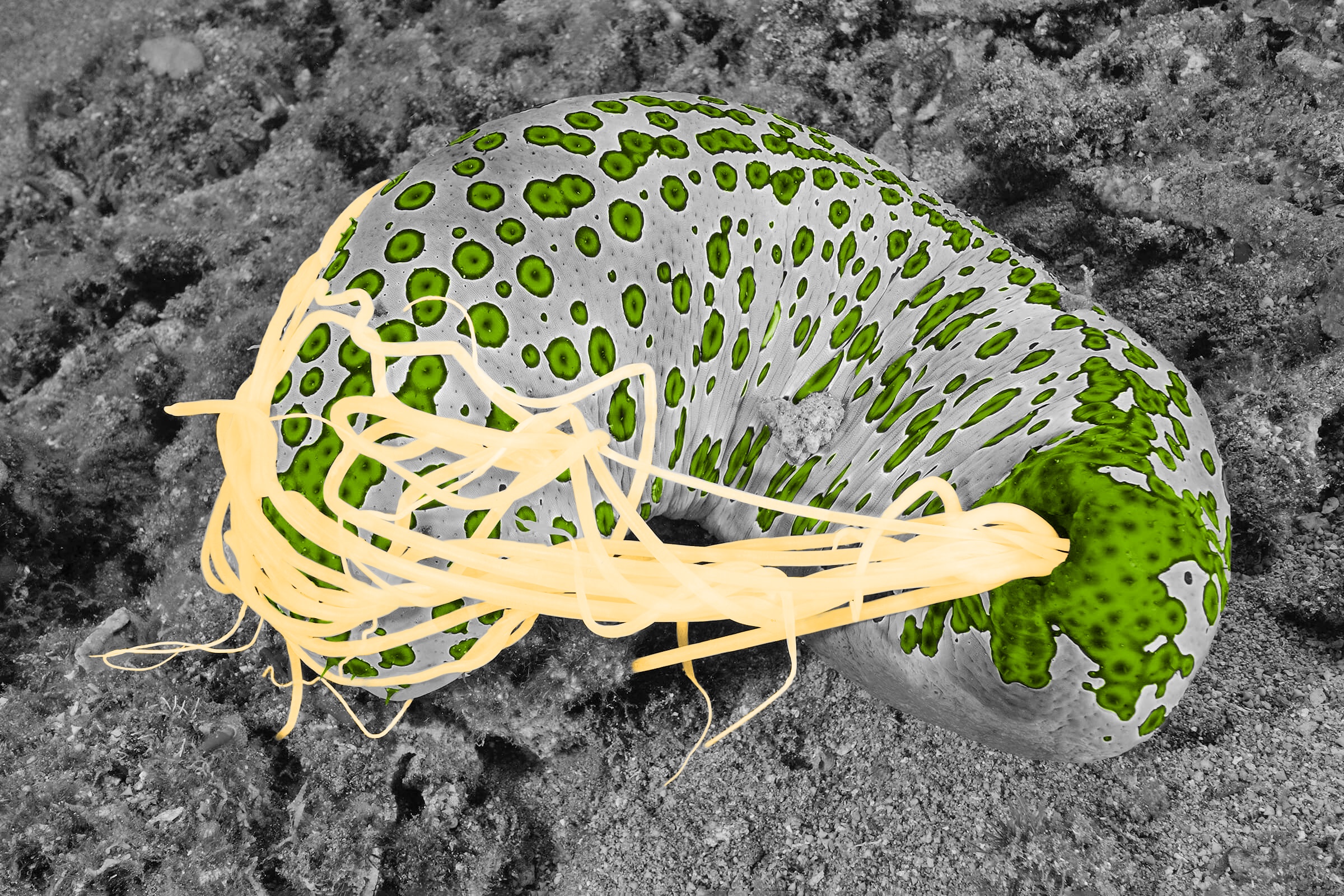
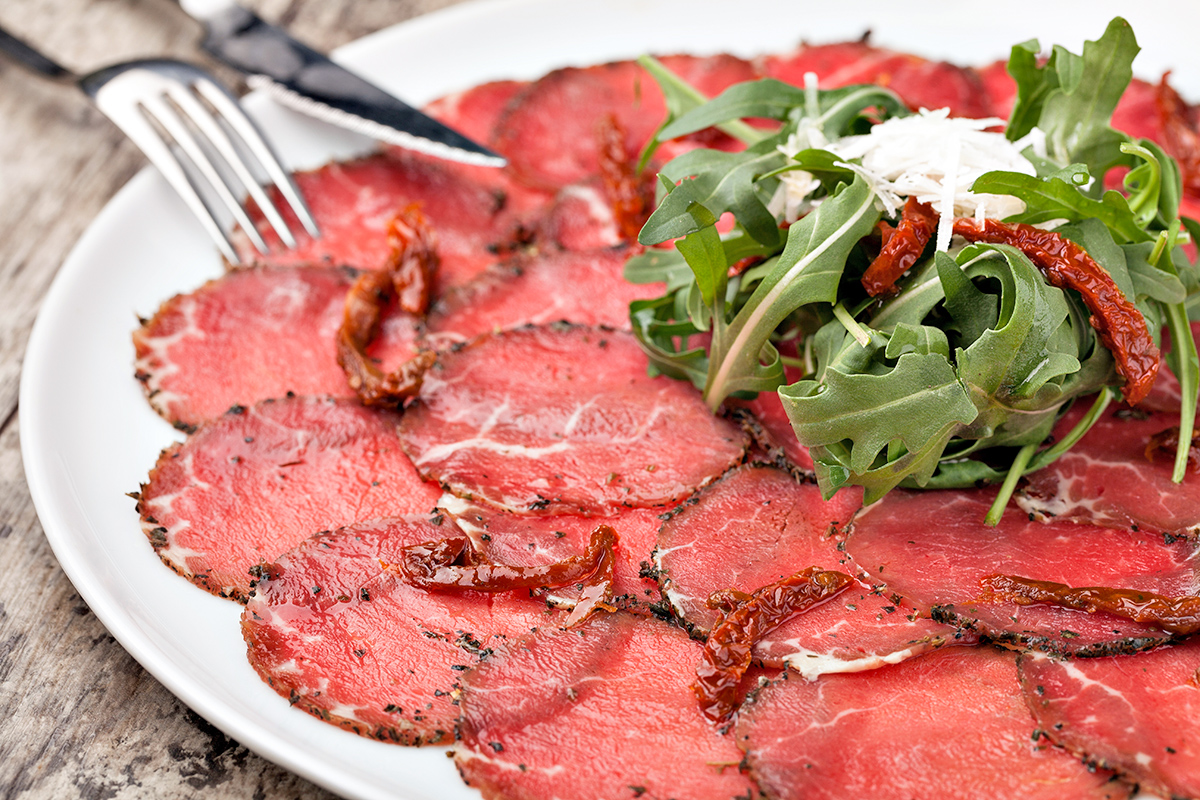
Carpaccio is a dish consisting of thinly sliced meat (typically beef or tuna) that’s served raw and topped with Parmesan cheese, lemon, olive oil, and other trimmings. It was invented in 1950 by a restaurateur named Giuseppe Cipriani, who owned an establishment named Harry’s Bar in Venice.
Cipriani created the dish for one of his regular patrons who had been advised by their doctor to avoid cooked meat. But rather than naming it after the customer in question, he went another route, settling on Italian Renaissance painter Vittore Carpaccio as the meal’s namesake.
According to Cipriani’s daughter, Cipriani was inspired by the red-and-white paintings of Carpaccio, which Cipriani had seen on display at Doge’s Palace in Venice. The result was a platter of bright red raw beef covered with a white sauce, dubbed “beef carpaccio.”
Graham Crackers
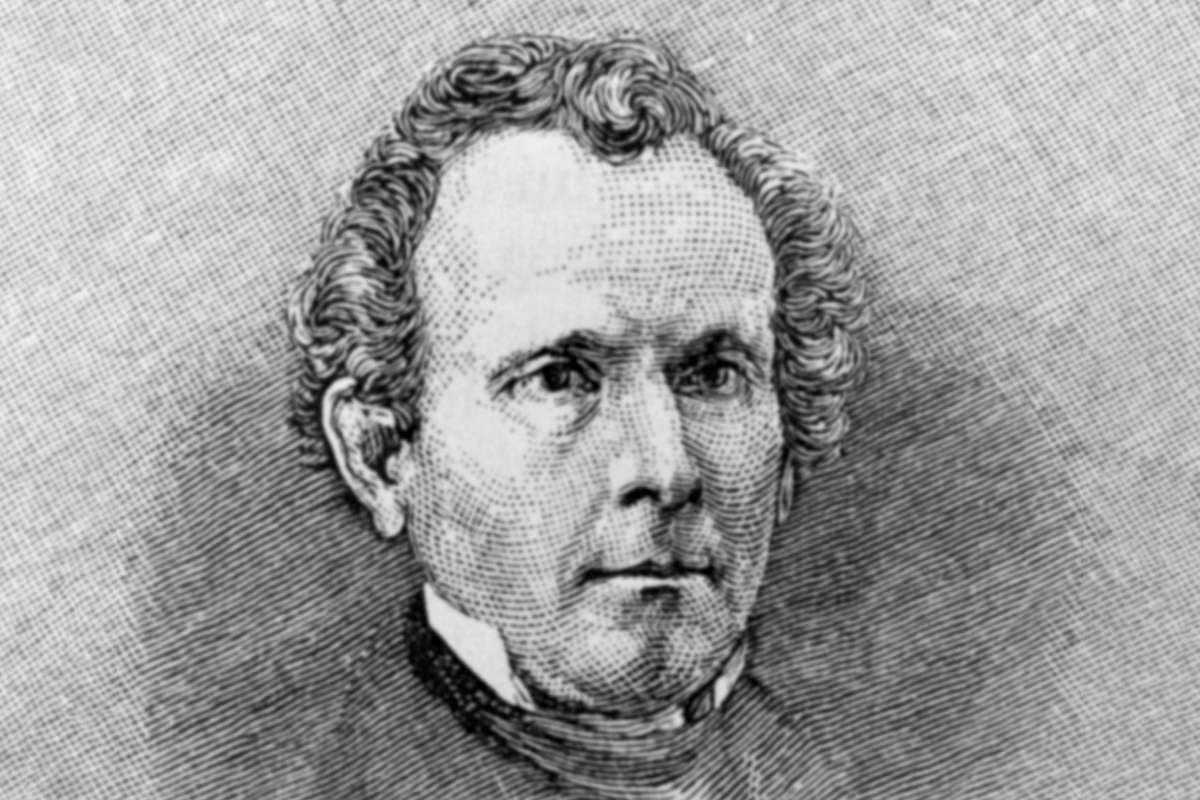
Sylvester Graham was a 19th-century Presbyterian minister who’s been referred to as the “father of vegetarianism.” Many of his teachings lambasted meats and refined grains as sources of sin, and he encouraged his followers to instead consume fruits, vegetables, and whole grains. Graham also experimented in developing a refined flour substitute called “graham flour” – a coarse, whole wheat flour used to create the first graham cracker.
The snack was invented in 1829, though the earliest versions were thinner and more savory than the modern sweet variety. While Graham believed the crackers could help people avoid the temptation of the foods he believed to be sinful, other bakers adopted the recipe for nonreligious reasons, believing it could gain popularity as a tasty treat.
One of those bakers was J. Thompson Gill, who’s credited with creating the first sweet graham cracker in 1881, and Nabisco began mass-producing the product. Aside from the graham cracker name, the modern biscuit has little in common with the original food.
Hass Avocados
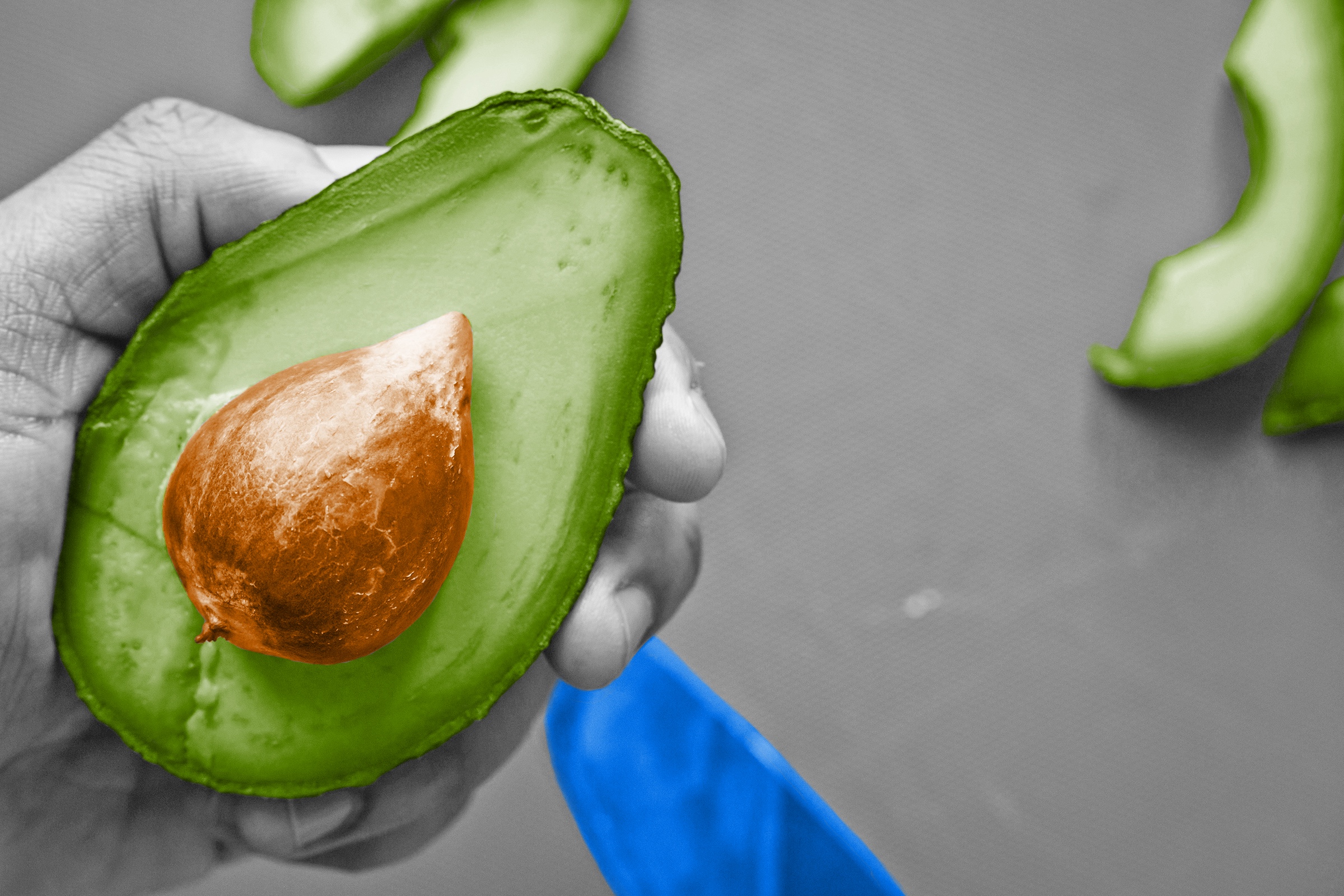
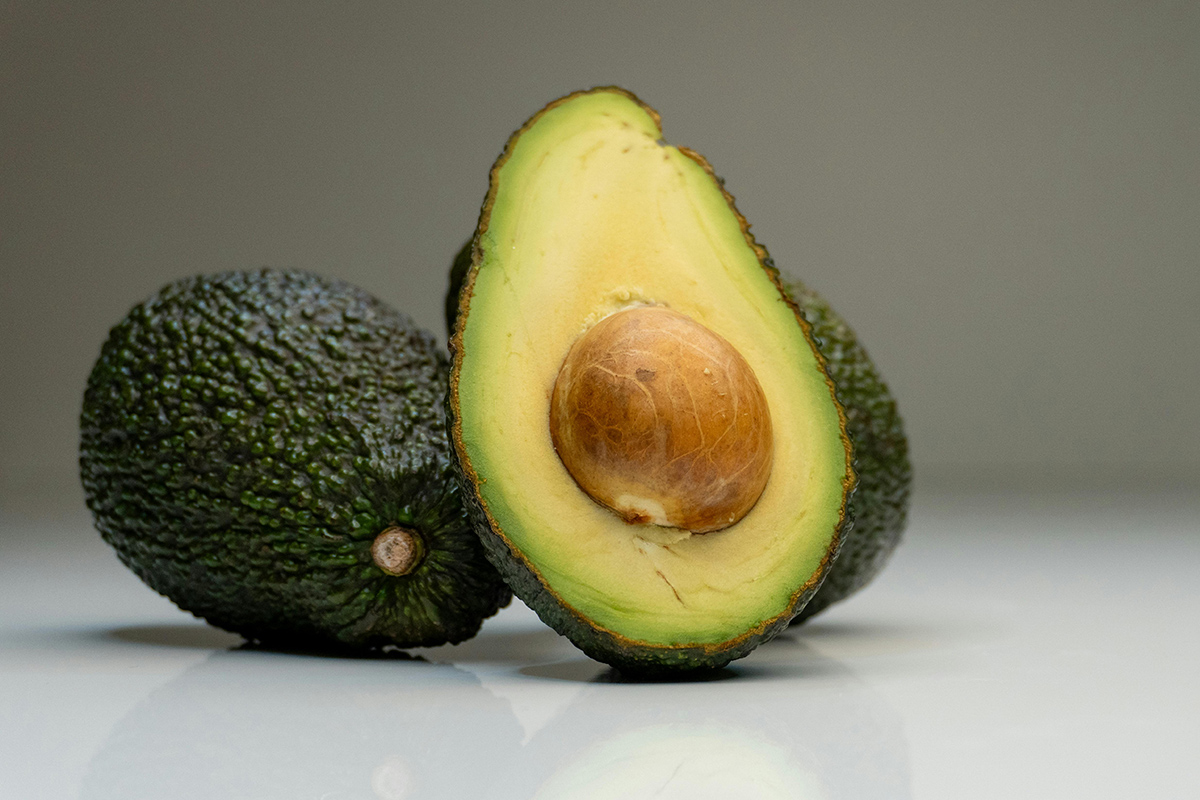
Of the hundreds of avocado varieties, the Hass avocado is the most popular, comprising 95% of the annual U.S. crop. But this wide-scale operation began with just one man: a Wisconsin-born, California-based mail carrier named Rudolph Hass.
In the 1920s, Hass bought some avocado tree seeds from horticulturist Albert Raymond Rideout, an early innovator in the modern avocado crop. At the time, the Fuerte avocado was the most popular cultivar, though the seeds that were sold to Hass sprouted a brand new variety.
Hass planned to cut down the tree, but his children convinced him otherwise, as they preferred the taste of this new avocado. Hass opted to name the cultivar after himself, and he took out a patent in 1935. After Hass died in 1952, farmers kept his legacy alive by continuing to grow his beloved namesake avocados.

Caesar Salad
If you thought the Caesar salad was named after a real person, you’d be correct — but it may not be the person you think. Many people assume this classic salad was named after legendary Roman statesman Julius Caesar, but he had nothing to do with it. In reality, it was named after an Italian chef named Caesar Cardini, who emigrated to North America in the 1910s.
Cardini was a successful restaurateur in the San Diego area before Prohibition began in 1920. Following that turn of events, he moved operations south of the Mexican border to Tijuana, where he could freely serve alcohol. But it wasn’t the booze that made his restaurant so popular; it was the salad created on a busy Fourth of July weekend in 1924.
According to Cardini’s daughter, her father found himself running low on ingredients, but he still had a number of hungry customers to feed, so he mixed together what he had on hand: a bit of lettuce, olive oil, raw egg, croutons, parmesan, and Worcestershire sauce. The recipe was a hit, and Cardini made his namesake salad a permanent fixture of his menu.

Bennett Kleinman is a New York City-based staff writer for Inbox Studio, and previously contributed to television programs such as "Late Show With David Letterman" and "Impractical Jokers." Bennett is also a devoted New York Yankees and New Jersey Devils fan, and thinks plain seltzer is the best drink ever invented.
top picks from the Inbox Studio network
Interesting Facts is part of Inbox Studio, an email-first media company. *Indicates a third-party property.