

Original photo by © Pesce Huang/Unsplash.com
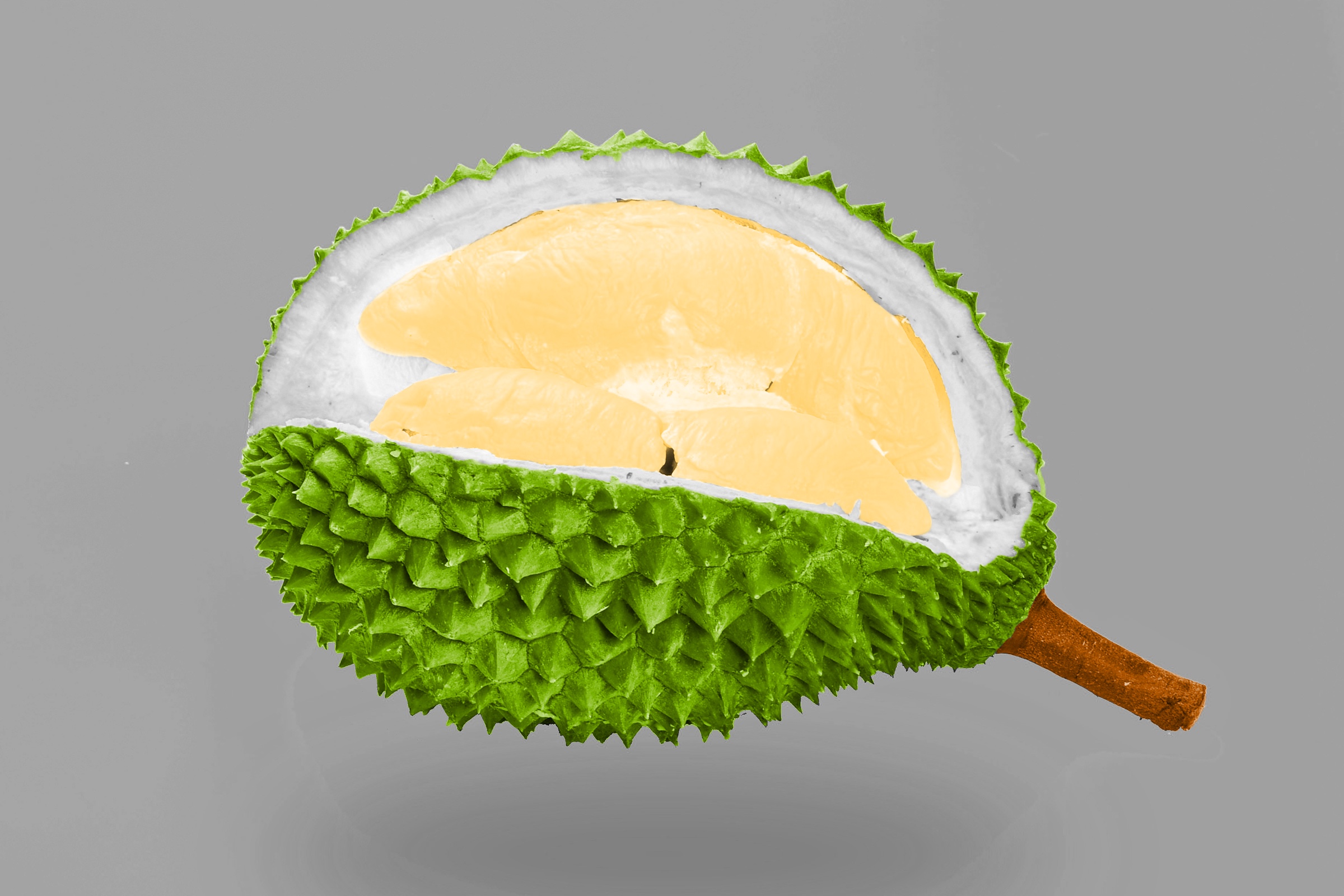
Durian has quite the reputation: Widely considered one of the most foul-smelling foods on Earth, it’s been banned on public transport and from hotels in many Southeast Asian countries. The fruit’s odor has variously been compared to stale vomit, dead cats, and rotten onions.
But while durian is undeniably a celebrity in the world of pungent foods, it’s not necessarily the most odorous of them all. Other foodstuffs are fully capable of rivaling its fearsome stench, including an array of fermented, rotted, and otherwise unusual delicacies from around the world.
There is, of course, some subjectivity involved when it comes to determining which foods smell worse, and cultural context also plays a role. After all, many people in Southeast Asia consider durian a delicacy. With that in mind, here are six foods that are arguably even smellier than that infamous fruit.
Surströmming
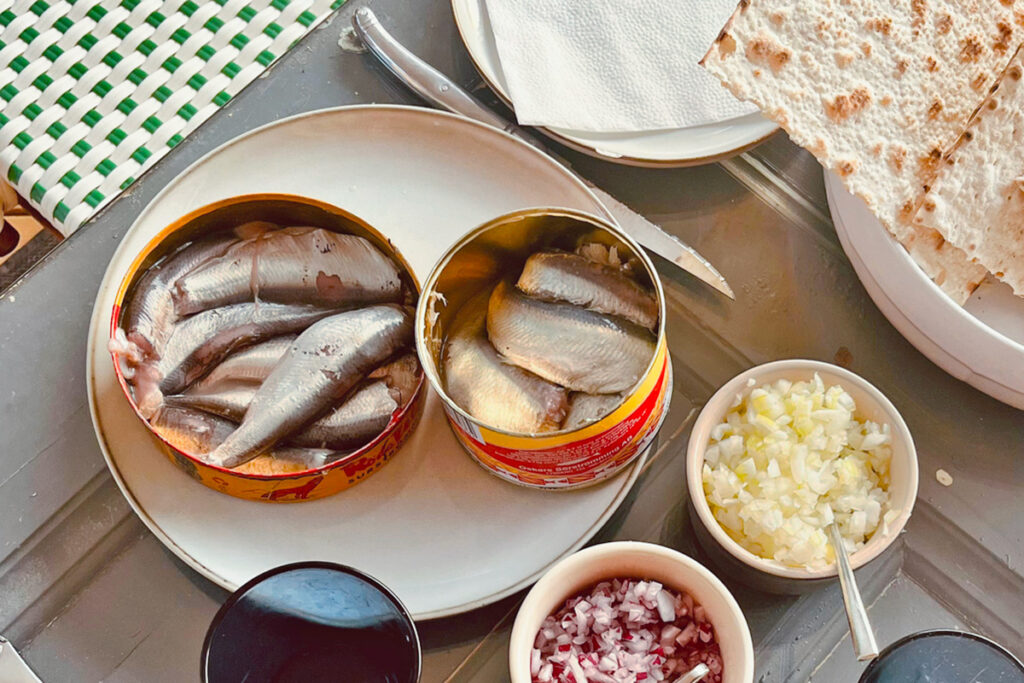
If the global population had to unite around one single food as the true champion of stench, it would probably choose surströmming. This is a Swedish concoction made of fermented Baltic herring. The fish is caught in spring, stored in a saltwater solution for a couple of months, and then packed into tins for fermentation.
After a month or so of fermenting, the tins are ready to open — something best done outside, as the smell is overpowering. A 2002 study by Japanese researchers found that the smell of surströmming is one of the most putrid in the world and more potent than similar fermented dishes from Asia, some of which are mentioned further down this list.
The smell, which comes from a mix of powerful compounds such as propionic acid, butyric acid, acetic acid, and hydrogen sulfide, is often compared to rotten eggs, week-old armpit odor, and rancid fish, all turned up to 11.
Kiviak
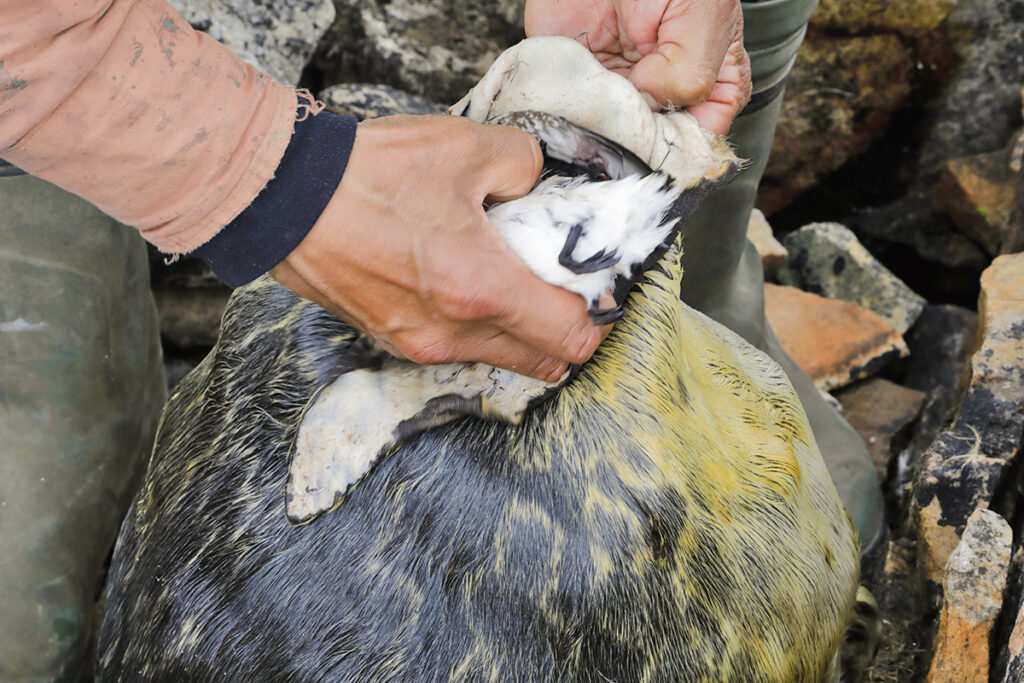
Kiviak is a traditional Inuit winter food from Greenland, whose preparation sounds like something from a dark fantasy novel. It’s made by stuffing hundreds of little auk seabirds (also known as dovekies) — feathers, beaks, and feet included — into a hollowed-out seal carcass, which is then sewn shut, coated in grease to keep flies out, and buried under rocks for anywhere between three and 18 months.
When it’s eventually dug up, the smell is as potent as you may imagine. The birds are removed and their feathers plucked before being eaten individually, often bones and all, as the long fermentation process softens everything enough to be chewed and swallowed.
To the unaccustomed, kiviak may well sound like the stuff of nightmares. But when considered from a scientific and cultural point of view — ideally at a safe distance from the smell — it’s a highly inventive food fermentation method that’s long served the Inuit community.
Hákarl
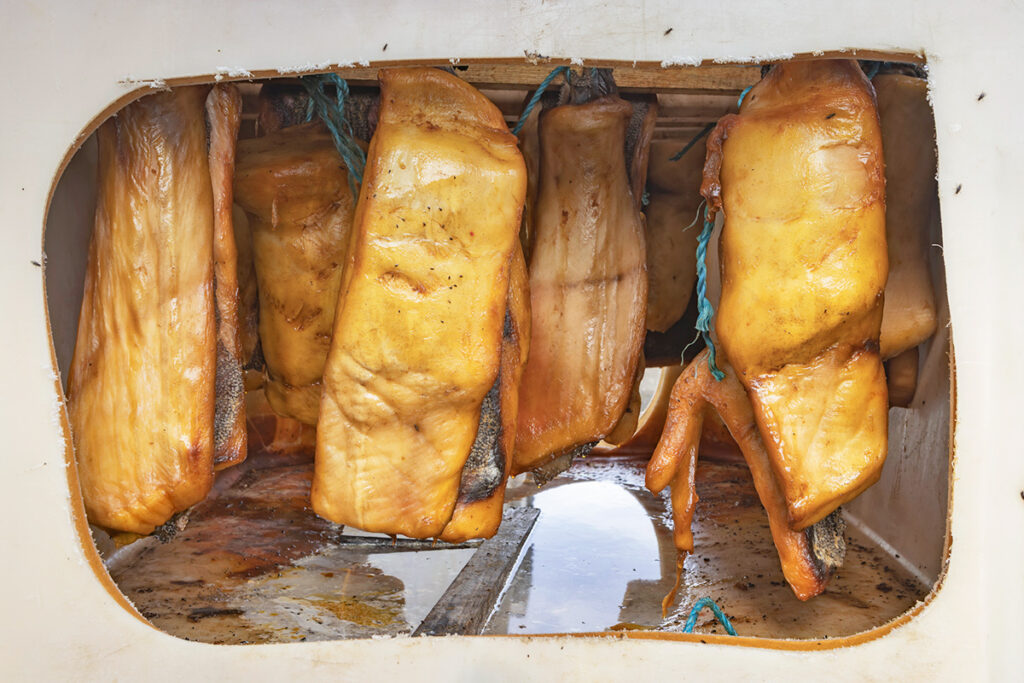
One of Iceland’s most notorious delicacies is hákarl, a national dish consisting of Greenland shark (or another type of sleeper shark) that’s fermented for about nine weeks then hung to dry for around five months. When fresh, the meat of Greenland sharks is poisonous and can cause an unpleasant intoxication in humans. The fermentation process neutralizes the toxins, making the highly odorous dried shark meat safe for consumption — if you can stand the smell.
It’s most often compared to the whiff of particularly potent urine. The taste is supposedly milder, but even Icelanders only tend to eat small chunks of it, often quickly washing it down with a shot of something alcoholic. Anthony Bourdain famously called hákarl “the single worst, most disgusting, and terrible-tasting thing” he had ever eaten in an episode of his TV show No Reservations.
More Interesting Reads


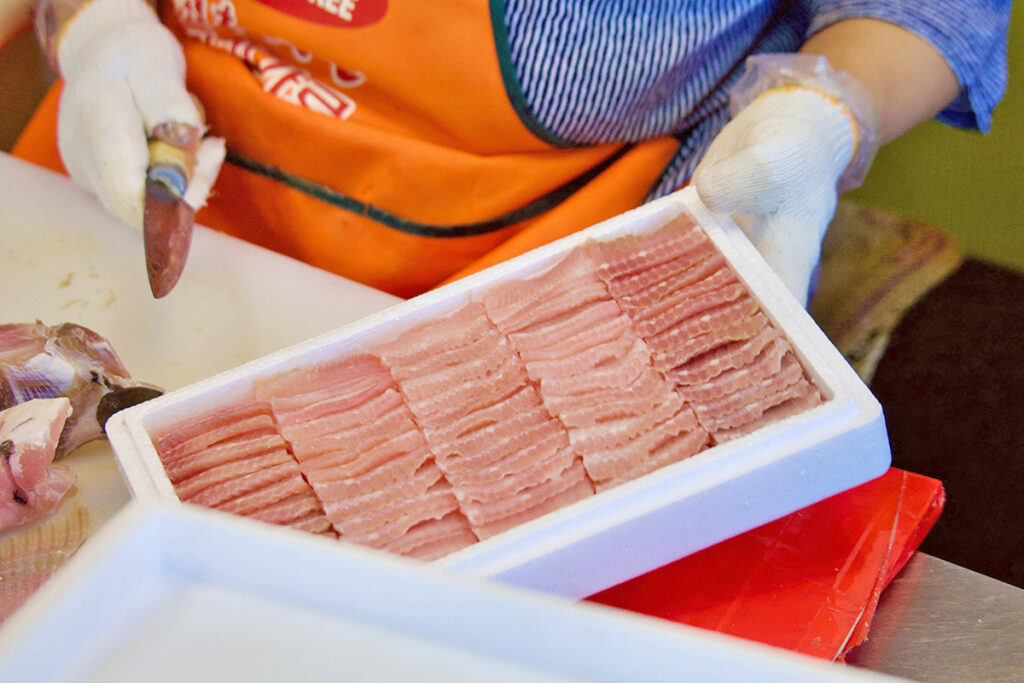
Hongeo-hoe
One of the aforementioned rivals to surströmming is Korea’s hongeo-hoe, a fermented fish dish made from skate. The history of hongeo-hoe goes back as far as the 14th century, when inland residents of the Jeolla province noticed how a fisherman’s supply of skate could somehow be transported all the way from the coast without going bad.
As it turned out, the skate had fermented in its own urine, effectively preserving it — but not without a certain stink. The fermented skate caught on as a dish, but the smell was unmissable — it’s another stinky food whose ammonia content inspires comparisons with uncleaned public toilets. But when eaten alongside generous quantities of kimchi, pork belly, and rice wine, it’s found to be more than tolerable.
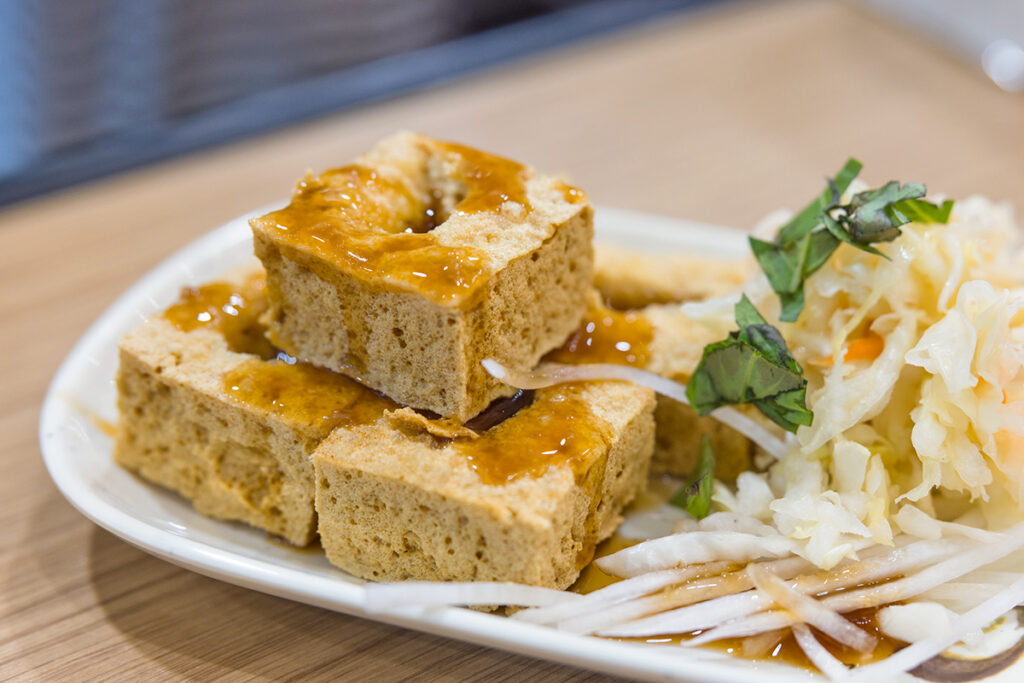
Stinky Tofu
Stinky tofu — or chòu dòufu — is a staple of night markets and street vendors across China, Taiwan, and Hong Kong. Originally of Chinese origin, it’s a fermented tofu with a relatively mild taste but a smell that can be detected from streets away.
The exact process of making stinky tofu differs from one producer to the next but typically involves leaving fresh tofu in a fermented brine. That brine is a potent mix, normally involving a base of milk, vegetables, and meat, but also including an array of extra elements that can include dried shrimp, amaranth and mustard greens, winter melon, bamboo shoots, and local herbs.
The brine is left to ferment, and the tofu absorbs the whole concoction for anywhere between a few hours to several months. The resulting smell has been compared to rotten garbage, smelly feet, and sewage. James Beard award-winning chef Andrew Zimmern had a particularly hard time when faced with stinky tofu, which he described as having a “sour, spoiled flavor… like rotten nuts mixed with rotten fish” in an episode of Bizarre Foods with Andrew Zimmern.
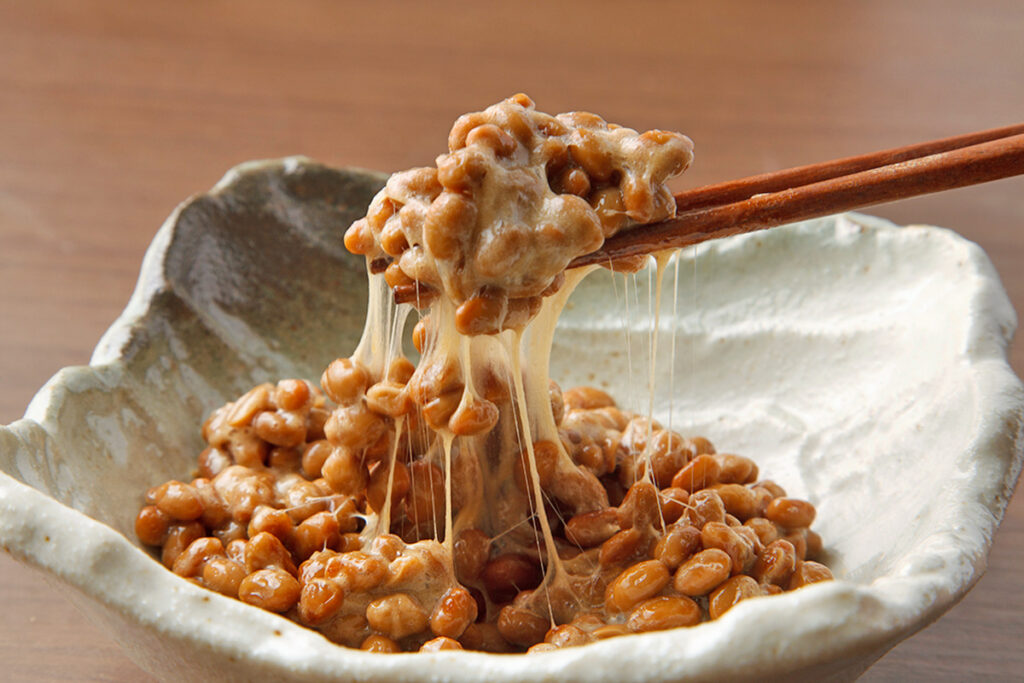
Nattō
With a smell akin to ammonia and the consistency of mucus, nattō is certainly an acquired taste. This traditional Japanese food is made from fermented soybeans, which are combined with a starter culture, or bacteria, called Bacillus subtilis for a few days. The result is a sticky, stringy mass — a bit like baked beans covered in slime — that produces an aroma with hints of urine, old socks, and very ripe blue cheese.
Despite the smell, nattō is a popular Japanese breakfast food, widely eaten by schoolchildren as a daily snack. It’s inspired some divisive reactions, with some people enjoying what they consider its mild and nutty flavor and others finding it gag-inducingly pungent.

Tony is an English writer of nonfiction and fiction living on the edge of the Amazon jungle.
top picks from the Inbox Studio network
Interesting Facts is part of Inbox Studio, an email-first media company. *Indicates a third-party property.