
Original photo by GlobalP/ iStock
Secret spaces have a certain allure: They carry a sense of mystery or whimsy, feeding our fascination for the fantastical and strange. It’s no surprise, then, that they appear in many works of fiction, whether it’s Frances Hodgson Burnett’s secret garden, Harry Potter’s Chamber of Secrets, or Batman’s clandestine batcave.
But concealed places aren’t limited to the fictional realm. Some of the world’s most iconic structures harbor secret rooms, cleverly hidden or tucked away in forgotten corners.
Here are six hidden chambers found in some of the world’s famous buildings, reminding us that even the most visited and photographed landmarks can still have a few secrets to share.
Mount Rushmore’s Hall of Records
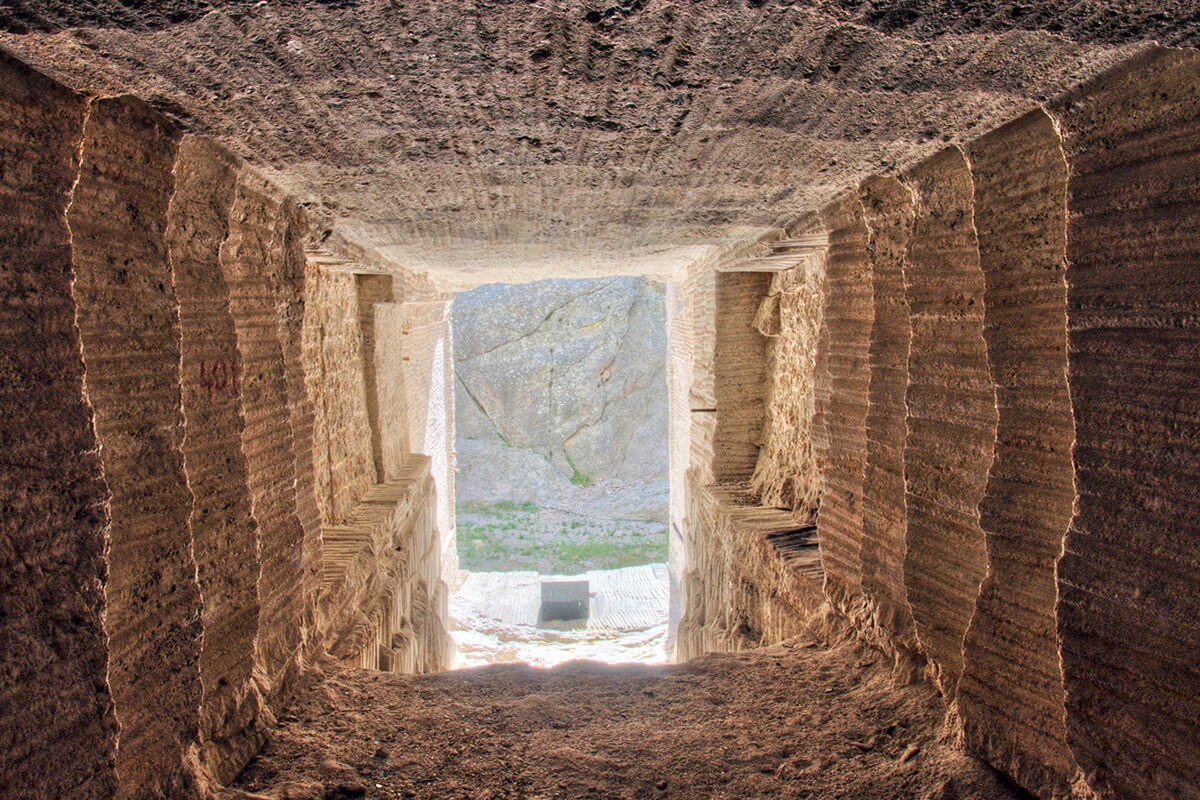
Behind Abraham Lincoln’s carved head lies an unfinished chamber that many visitors to Mount Rushmore don’t even know exists. Gutzon Borglum, the sculptor behind the colossal presidential faces, originally wanted to carve written descriptions of important U.S. historical events into the rockface, but the plan was scrapped because the letters would have to be impossibly large to be read from the ground.
Instead, Borglum decided to build a Hall of Records in the mountain — an 80-by-100-foot chamber behind the faces that would hold the most important documents from American history, such as the Constitution, the Bill of Rights, and the Declaration of Independence . Construction of the hall began in 1938, when workers blasted out a 70-foot tunnel behind Lincoln’s head. But the combination of Borglum’s death in 1941 and U.S. involvement in World War II caused work at Rushmore to come to a halt.
Borglum’s son, Lincoln Borglum, later finished work on the monumental heads, d, but the rough-cut chamber sat empty for decades. Then, in 1998, the hidden space was finally outfitted with a repository of records placed on the floor just inside the hall’s entrance.
The repository includes a titanium vault containing 16 porcelain enamel panels with descriptions of the monument’s construction, the four presidents depicted at Rushmore, and a short history of the United States. The repository was never meant for public viewing, instead serving more as a time capsule.
No public trail was ever built to the unfinished Hall of Records, and the room, which occupies a space that roughly aligns with Lincoln’s forehead, remains closed to the public (people are occasionally granted access, but only in special circumstances and they must be accompanied by park rangers).
The Eiffel Tower’s Private Apartment
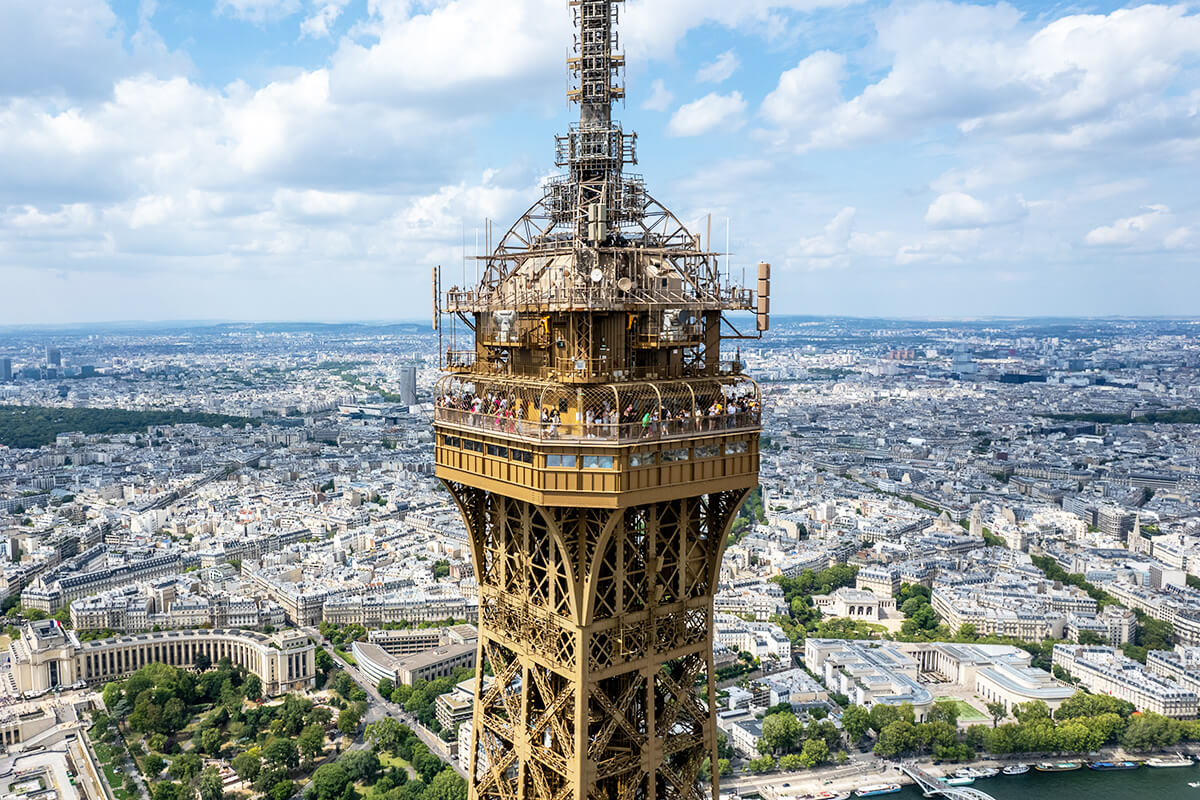
When Gustave Eiffel finished the construction of his iconic iron tower for the 1889 World’s Fair, there was one element he kept largely secret: a private apartment near the top. While millions climbed the tower to admire its views, only Eiffel and his occasional guests could enjoy the small but cozy space he’d created for himself on the tower’s third level.
The apartment featured wooden furniture, oil paintings, and even a grand piano. When word got out about Eiffel’s private chamber, many wealthy Parisians offered large sums to rent it for a single night, but Eiffel always refused. The space was reserved only for him and a handful of very special guests, most notably Thomas Edison.
Today, the interior of the once-secret apartment — complete with wax figures of Eiffel and Edison in conversation — can be viewed through a series of windows.
Radio City Music Hall’s Secret Apartment
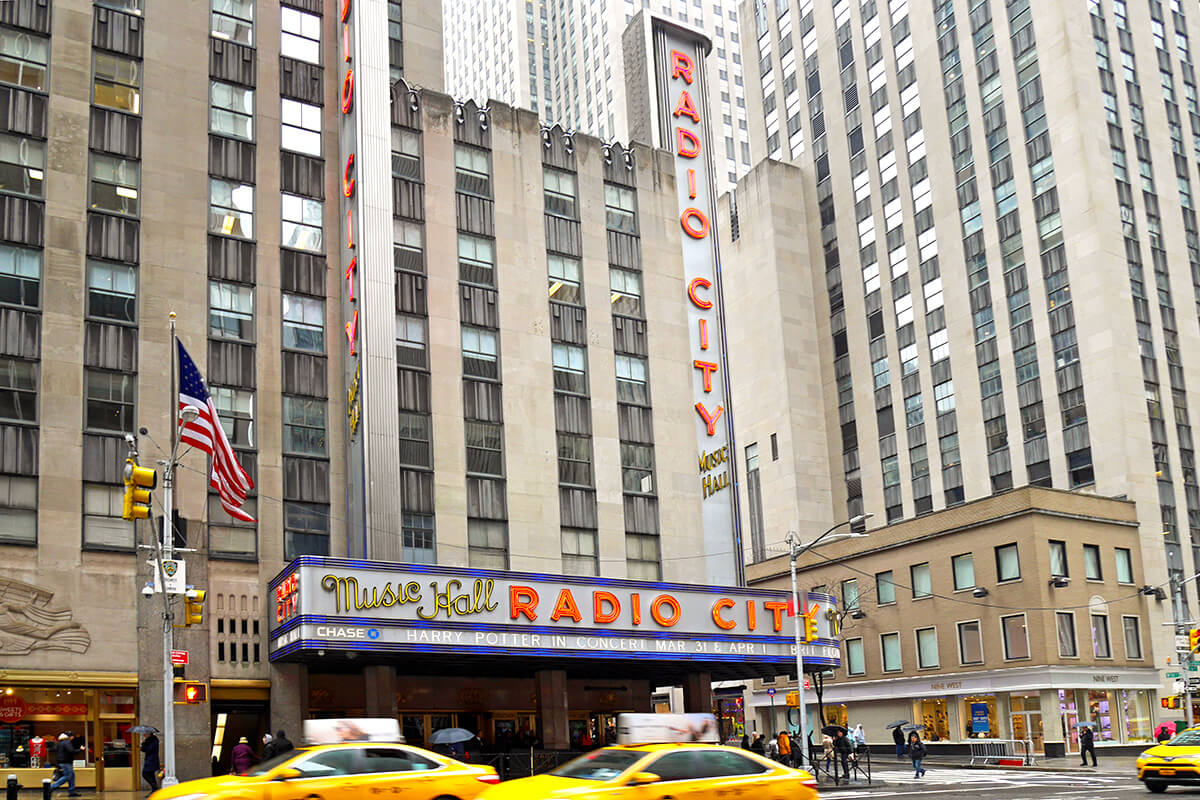
In 1932, architect Edward Durrell Stone and interior designer Donald Deskey finished work on a new art deco masterpiece in New York City: Radio City Music Hall. Members of the public immediately began visiting the venue, blissfully unaware of a spectacular hidden space.
Stone and Deskey had built a lavish secret apartment on the building’s fifth floor, with 20-foot ceilings, custom wooden furniture, marble fixtures, and plenty of gold leaf. The recipient of this extravagant space was the legendary theater impresario Samuel “Roxy” Rothafel, who had organized the opening of Radio City.
Rothafel used the apartment as a private place to entertain his special guests, including Judy Garland, Walt Disney, and Alfred Hitchcock. When he died in 1936, the apartment was sealed off and abandoned, after which it sat unused for decades. Today, the untouched apartment remains closed to the general public but can be explored through special private tours.
More Interesting Reads

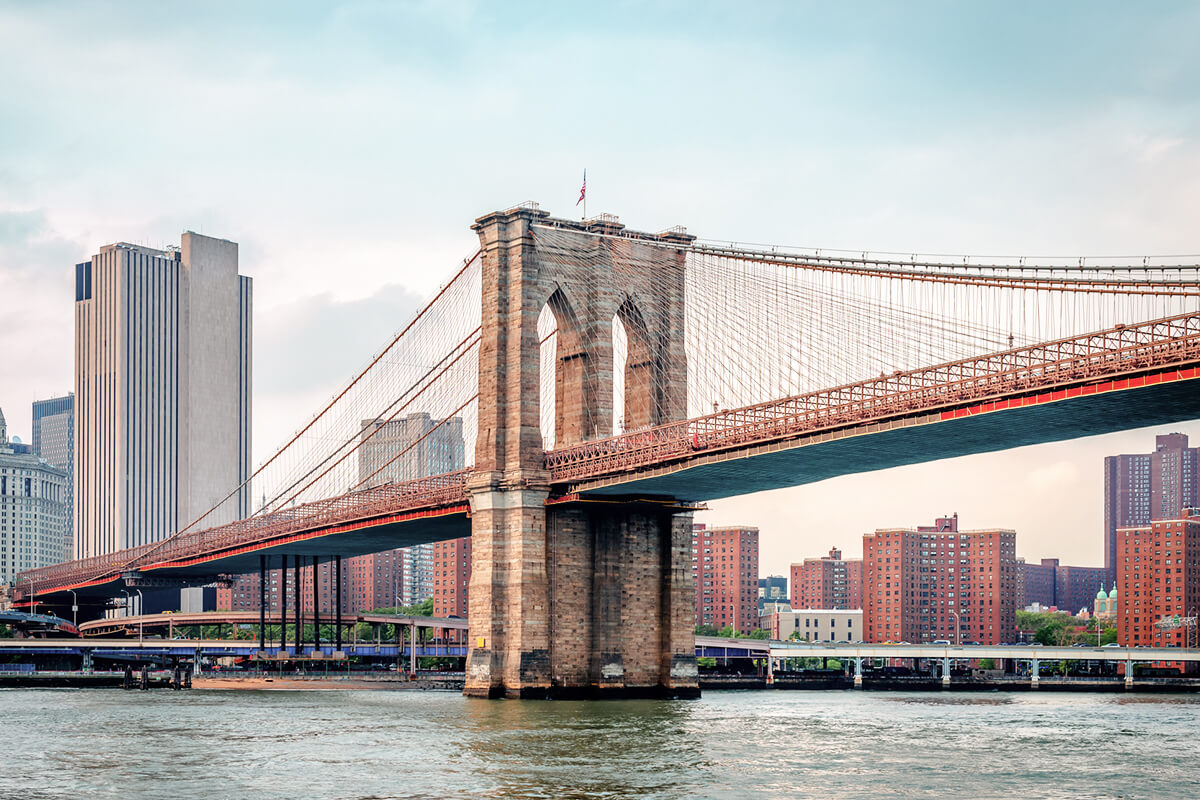
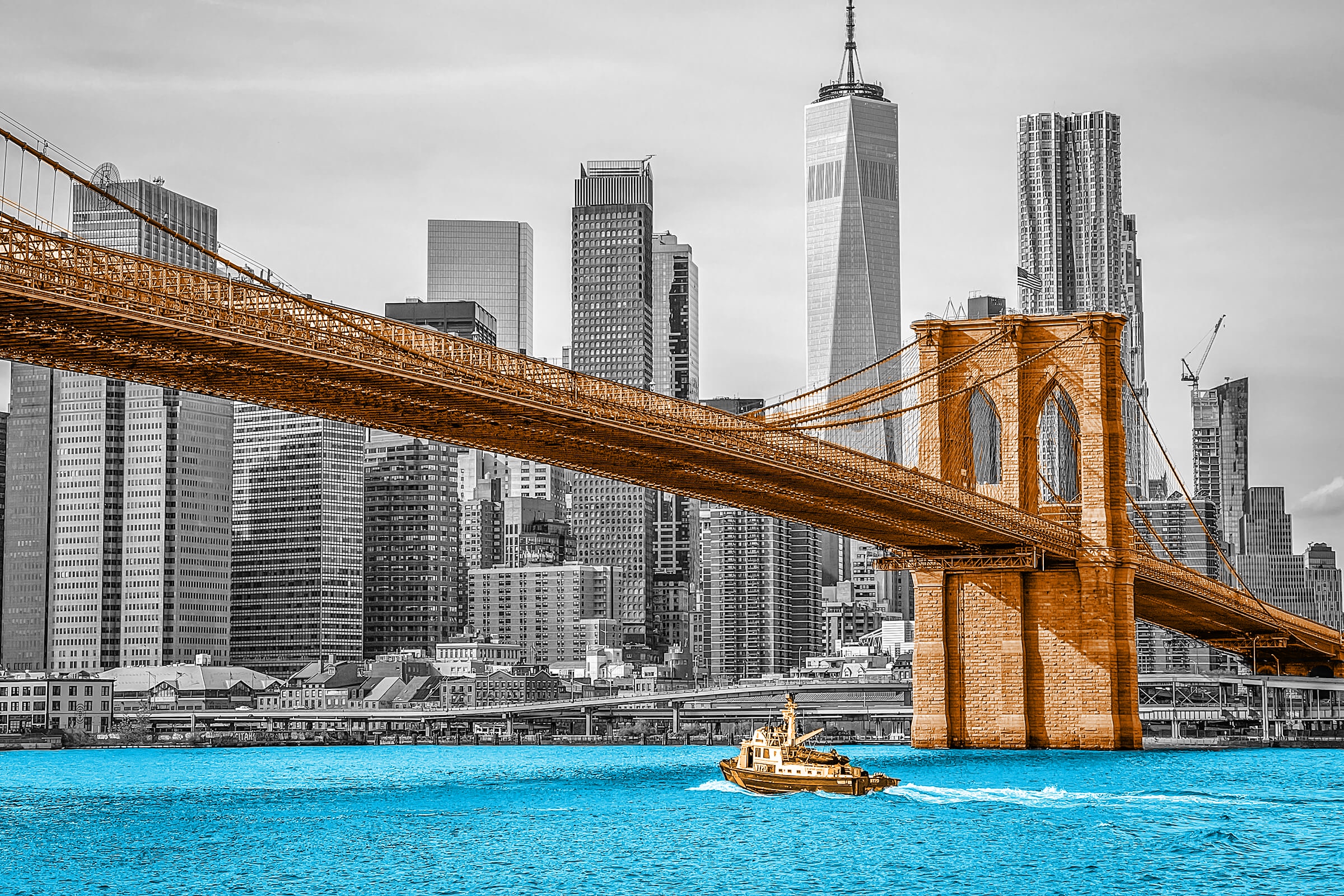
The Brooklyn Bridge’s Cold War Bunker
In 2006, maintenance workers entered a sealed chamber in the massive stone anchorage of Brooklyn Bridge. Much to their surprise, they stumbled upon a long-forgotten Cold War-era fallout shelter. Inside the secret bunker was a cache — including medical kits, water drums, blankets, and ration packs with high-calorie crackers — designed to aid in survival efforts in the event of nuclear attack.
No one is entirely sure who built the bunker, for what precise purpose it was built, and who exactly it was meant to protect, but it was likely part of the vast civil defense network created during the height of America’s nuclear panic. Today, the chamber remains closed to the public, a secret space hidden beneath a bridge crossed by tens of thousands of people every single day.
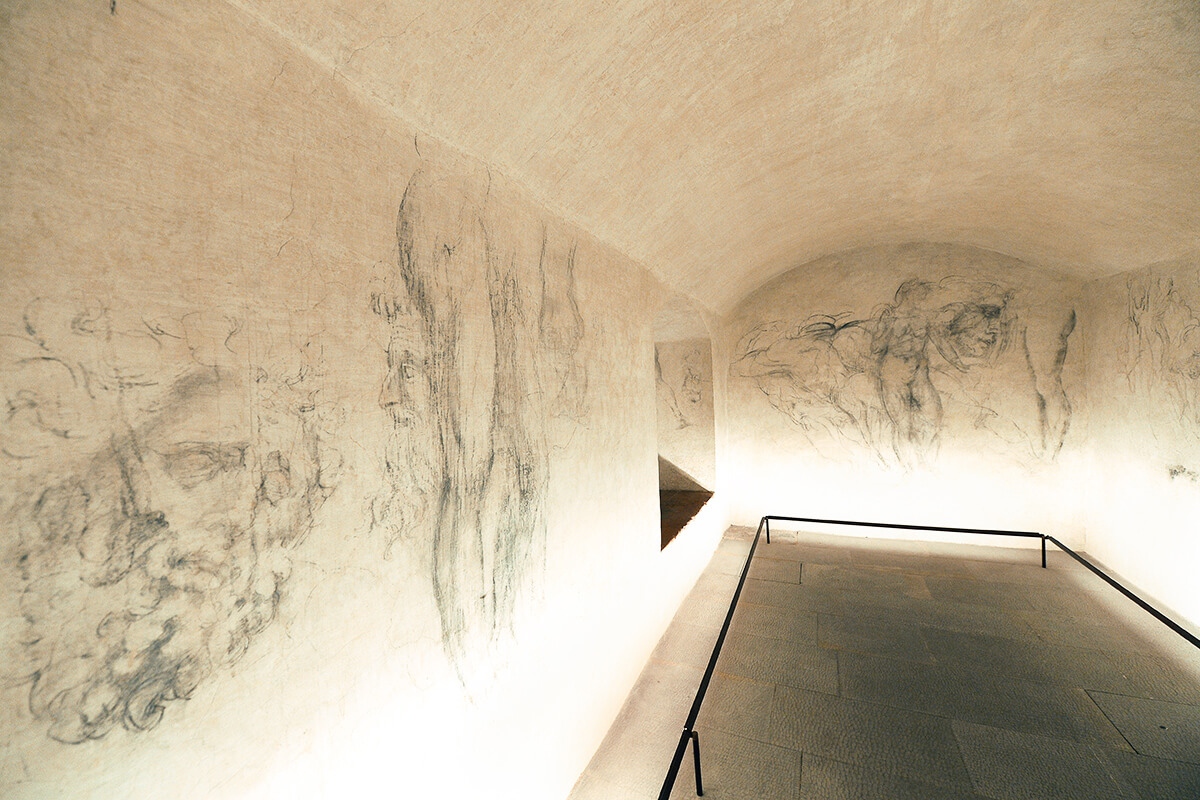
Michelangelo’s Secret Room in Medici Chapel
Beneath the Medici Chapel in Florence’s Basilica of San Lorenzo lies a tiny chamber where one of history’s greatest artists once hid in fear for his life. In 1527, Michelangelo supported a revolt against his longtime patrons, the powerful Medici family. When the Medicis retook Florence in 1530, the artist went into hiding in this secret chamber for at least two months.
The hidden room was eventually forgotten about, until its rediscovery in 1975. The chamber measures just 33 feet long, 10 feet wide, and 8 feet high — but the decor more than makes up for its restricted space.
During his time in hiding, Michelangelo didn’t sit idle. He covered the walls of the chamber with sketches and studies in charcoal and chalk, offering an intimate glimpse into the artist’s creative process during one of the most harrowing periods of his life.

Tony is an English writer of nonfiction and fiction living on the edge of the Amazon jungle.
top picks from the Inbox Studio network
Interesting Facts is part of Inbox Studio, an email-first media company. *Indicates a third-party property.