
Original photo by komkrit Preechachanwate/ Shutterstock
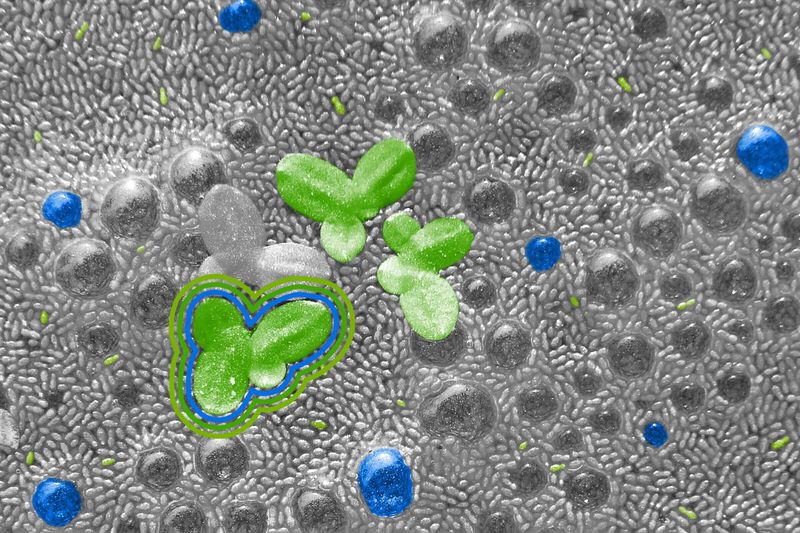
The world’s smallest flower is commonly found throughout North America (and the globe), but its bloom is so small, you may never catch a glimpse. Watermeal, aka various species of the genus Wolffia, is an aquatic plant that thrives in slow-moving ponds, marshes, and lakes; to the naked eye, clusters of watermeal can resemble a floating raft of algae. Under a microscope, it’s easier to see just how tiny individual watermeal plants are — they measure around 1/42 of an inch long and 1/85 of an inch wide, or about the size of a candy sprinkle. In fact, watermeal is so small that about 5,000 individual plants can fit inside a thimble. When they bloom, they’re rarely noticed.




Oops, incorrect!
It's a factButterflies and moths are important pollinators, but some scientists think the earliest known butterflies didn’t perform this crucial task. That’s because the oldest known butterfly fossils — 200 million years old — are 70 million years older than the first known flowers.
But it’s not just its minuscule size that makes watermeal distinctive. Unlike most plants, those in the Wolffia species have no roots, which allows them to float to the surface of water. There, the plants can grow rapidly and reproduce at top speeds. While capable of producing seeds, watermeal more commonly reproduces asexually by creating daughter plants that emerge from their buds. By producing two new plants every three days, watermeal can double its size in just 48 hours and quickly overtake waterways, choking out other aquatic life. However, in healthy aquatic environments, watermeal can be kept in check by providing nutrient-dense food for fish and waterfowl, and can also clean up waterways by removing excess nutrients — a reminder that even the smallest organisms have a role to play in the world around us.

Numbers Don't Lie
More Interesting Reads






______ is the world’s largest producer of cut flowers.
Ready to reveal?
Confirm your email to play the next question?
The Netherlands is the world’s largest producer of cut flowers.

The world’s largest flower weighs up to 20 pounds and smells like rotting meat.
Microscopic watermeal plants have something in common with the gigantic Rafflesia arnoldii: They both survive without roots. Yet the similarities end there. Rafflesia arnoldii lacks leaves and stems, too, and the flowers are more akin to parasites. Considered the largest flower in the world, with blooms measuring 3 feet wide and weighing up to 20 pounds, these plants attach themselves to other living greenery, absorbing nutrients from their hosts. When they do bloom, Rafflesia arnoldii — aka corpse lilies — produce a putrid smell similar to the stench of rotting meat. The disgusting odor has a specific purpose: It attracts carrion flies that help with pollination. Rafflesia blooms last just about a week, but the plants are capable of living for years in the rainforests of Sumatra and Borneo.

Nicole Garner Meeker is a writer and editor based in St. Louis. Her history, nature, and food stories have also appeared at Mental Floss and Better Report.
top picks from the Inbox Studio network
Interesting Facts is part of Inbox Studio, an email-first media company. *Indicates a third-party property.