

Original photo by Wirestock/ iStock
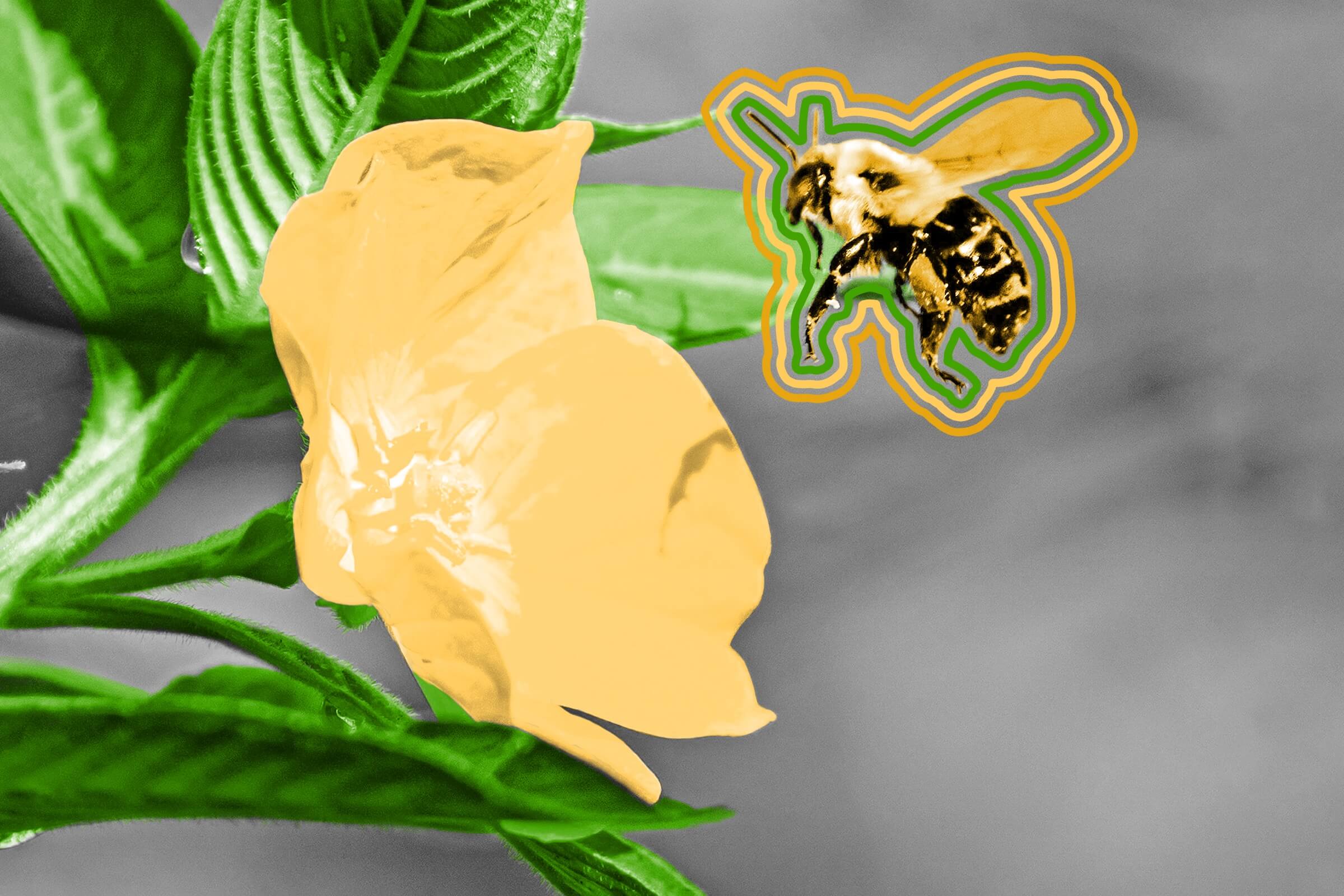
Plants may not have ears, but they’re able to detect sound vibrations in ways that would astonish most gardeners. Scientific research has revealed some plants perceive and respond to acoustic signals in their environment. They then use those vibrations to make crucial decisions about defense, growth, and even reproduction.
In 2019, biologist Lilach Hadany of Tel Aviv University discovered evening primroses can pick up the specific frequencies of bees’ wings. Within minutes, the plants increase their nectar’s sugar concentration, making themselves more attractive to the visiting pollinators. Hadany surmised that the flower’s bowl-shaped blossoms act as an earlike structure, helping to detect the vibrations.




Oops, incorrect!
It's a factNepenthes rajah, the world’s largest pitcher plant, secretes a sweet-scented nectar to lure prey — including rats, frogs, and insects — into its acidic pitcher traps, which then slowly digest the unfortunate creatures.
And in 2014, researchers at the University of Missouri found that when a caterpillar chews on the leaves of a plant, it creates distinctive vibrations that travel through the plant’s tissues. Some plants can detect those very specific vibrations and perceive them as a threat; they then engage their chemical defenses, producing compounds that make their leaves less palatable to the munching insects.
Researchers refer to this as “hearing” because the plants aren’t just reacting to being touched or shaken — they’re “listening” for the unique “sounds” (vibrational rhythms) of the specific input (such as a predator chewing). Remarkably, the study showed plants can distinguish between different vibrations, whether it’s a munching insect or another mechanical disturbance such as the wind or raindrops — activating their defenses only when genuinely threatened.
Further studies have shown plants can even use sound to navigate their environment. In 2014, researchers discovered that plant roots are capable of locating water sources by sensing the vibrations generated by moving water — further evidence that plants can sense more than we give them credit for.

Numbers Don't Lie
More Interesting Reads






The clinical term for an intense fear of plants is ______.
Ready to reveal?
Confirm your email to play the next question?
The clinical term for an intense fear of plants is botanophobia.

The long-eared jerboa has the largest ears relative to its body size.
African elephants possess the largest ears on our planet, typically measuring a mighty 6 feet long and 5 feet wide. But the creature with the largest ears relative to its body size is the tiny — and unbelievably adorable — long-eared jerboa (Euchoreutes naso).
This minuscule, nocturnal rodent, native to the deserts of Mongolia and China, was first caught on film in 2007. It measures just 4 inches from head to rump (not counting its long, spindly tail) and weighs between 24 and 38 grams. Its lovably large ears, which help shed excess body heat in hot, dry environments, are 1.5 to 2 inches long — roughly 40% to 50% the length of its body.

Tony is an English writer of nonfiction and fiction living on the edge of the Amazon jungle.
top picks from the Inbox Studio network
Interesting Facts is part of Inbox Studio, an email-first media company. *Indicates a third-party property.