
Original photo by Jeff Siepman/ Unsplash
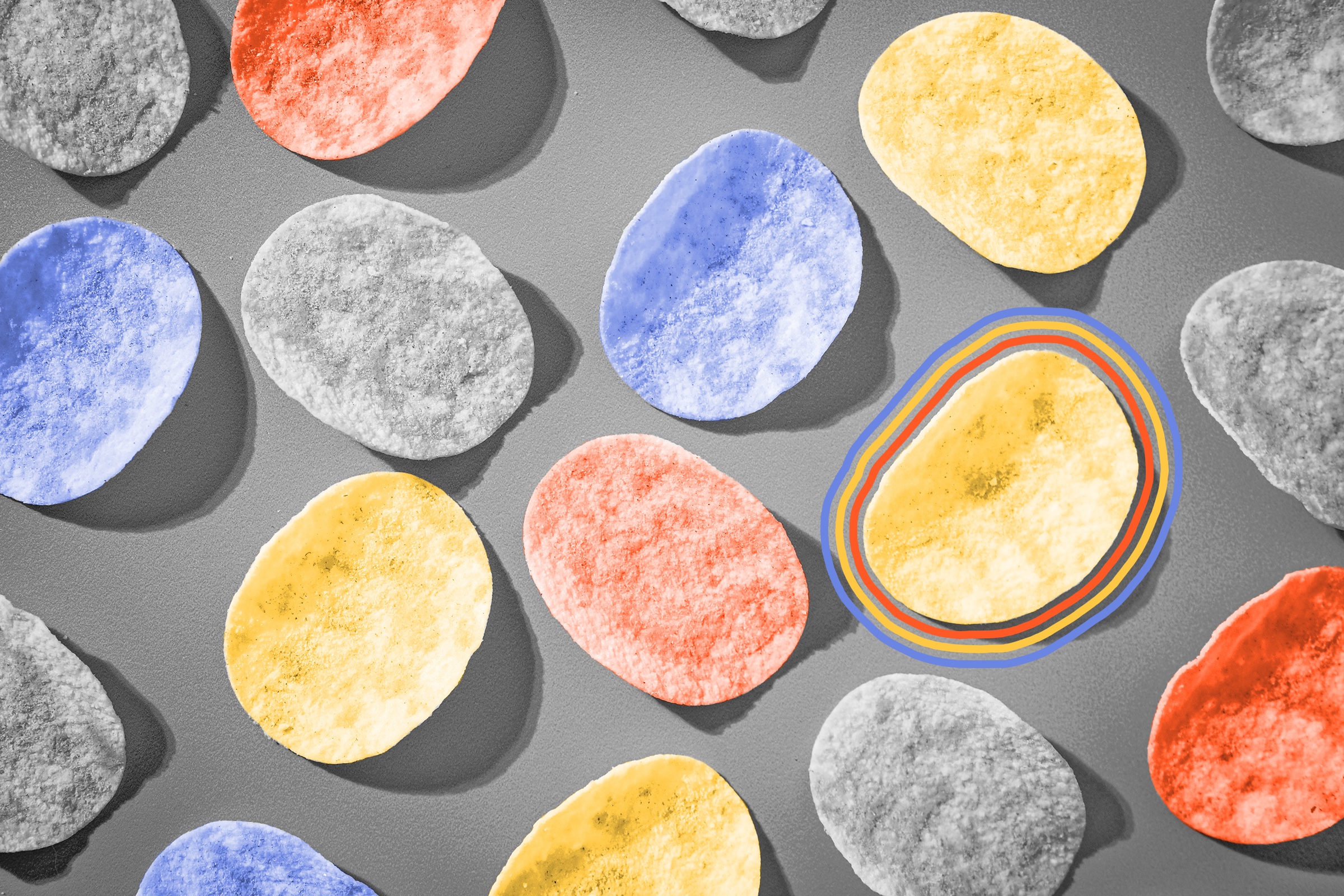
When considering a final resting place, most people ponder the conventional options, such as a coffin or, for those who prefer cremation, an urn. Not Pringles inventor Fredric Baur, whose devotion to his innovative packaging method (which stacks his perfectly curved creations in a tall tube) was so intense that he had his ashes buried in a Pringles can. “When my dad first raised the burial idea in the 1980s, I chuckled about it,” Baur’s eldest son, Larry, told Time of his father’s wishes. But this was no joke. So after the inventor died in 2008, his children made a stop on their way to the funeral home: a Walgreens, where they had to decide which can to choose. “My siblings and I briefly debated what flavor to use,” Larry Baur added. (Sour cream and onion? Barbecue?) “But I said, ‘Look, we need to use the original.’” Baur’s ashes now rest, in the can, at his grave in a suburban section of Cincinnati, Ohio.




Oops, incorrect!
It's a factThe chips were originally sold as Newfangled Potato Chips, but the name didn’t last. Some believe “Pringles” was taken from a street name in an Ohio telephone book, though this has never been confirmed.
Baur is far from the only person to choose an unconventional burial method — and many new choices have emerged across the world in recent years and decades. Star Trek creator Gene Roddenberry’s ashes were launched into space, a fitting resting place if ever there was one. Some people in Korea, meanwhile, have opted to have their ashes turned into sea-green beads that are placed in bottles or jars; the process is not unlike turning sand into glass. Those who prefer an environmentally friendly option, meanwhile, have encouraged the green burial movement, which prohibits spending eternity in nonbiodegradable containers — meaning that a Pringles container probably wouldn’t fly.

Numbers Don't Lie
More Interesting Reads



The name of the Pringles mascot is ______.
Ready to reveal?
Confirm your email to play the next question?
The name of the Pringles mascot is Julius Pringles.

Pringles aren’t technically potato chips.
As far as the Food and Drug Administration is concerned, Pringles aren’t actually potato chips. Their main ingredient is dehydrated processed potato — not thin slices of fried potato, like in a typical chip — which led to a 1975 ruling by the FDA that they could only be labeled “chips” if they came with a disclaimer identifying them as “potato chips made from dried potatoes.” The company opted to market them as potato “crisps” instead.

Michael Nordine is a writer and editor living in Denver. A native Angeleno, he has two cats and wishes he had more.
top picks from the Inbox Studio network
Interesting Facts is part of Inbox Studio, an email-first media company. *Indicates a third-party property.