
Original photo by StefaNikolic/ iStock

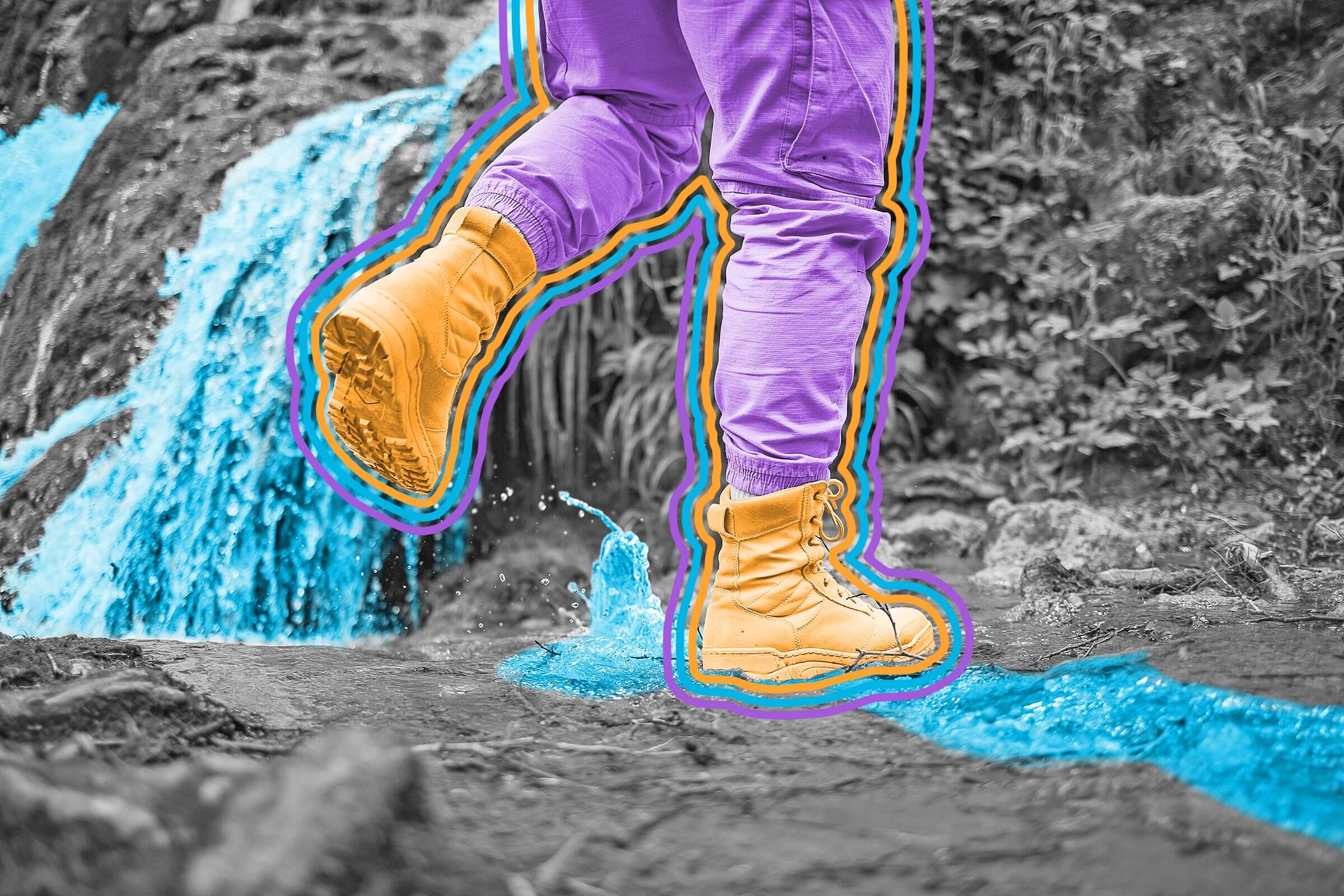
Next time you feel like defying gravity, consider a trip to Hawaii — specifically the island of Oahu, which is home to a reverse waterfall. Also known as the Upside Down Waterfall, Waipuhia Falls sprays up Mount Konahuanui and can be seen from Route 61 (the Pali Highway). The striking effect, visible only during the wet season between November and March, is a result of the island’s strong trade winds. They blow in a northeasterly direction, and catch the water before it can reach the bottom, making it look as though the waterfall flows in reverse.

No building on Kauai can be taller than a coconut tree.

Ready to reveal?

Oops, incorrect!

It's a fact

There is indeed a law on the books prohibiting any building on the Garden Isle from being taller than a coconut palm, or roughly four stories.

Though rare, reverse waterfalls do occur elsewhere. Perhaps the most famous is Naneghat, a waterfall in Maharashtra, India, some three hours from Mumbai. It’s at its strongest during monsoon season, from June to September. Similar phenomena have also been observed in places as varied as Utah and Sydney, though most of these are one-off events caused by extreme conditions — not that that makes them any less fascinating to watch.

Numbers Don't Lie

Numbers Don't Lie

Main islands in Hawaii
8
Total islands in Hawaii
137
Year Kamehameha became Hawaii’s first king
1810
U.S. president born in Hawaii (Barack Obama)
1

Oahu’s nickname is ______.

Ready to reveal?

Confirm your email to play the next question?

Oahu’s nickname is the Gathering Place.

Placeholder Image

The native language of Hawaii has only 13 letters.

ʻŌlelo Hawaiʻi, the Indigenous language of Hawaii, includes 13 letters — five vowel sounds and eight consonants. Today, it is an official language of Hawaii, along with English. However, the language was once banned — first in 1896, three years after Americans overthrew the Hawaiian monarchy in a coup. That ban was eventually reversed, but ʻŌlelo Hawaiʻi is still considered an endangered language. Today, however, it is experiencing something of a resurgence, in part thanks to the creation of Hawaiian language immersion schools in the 1980s.

Michael Nordine
Staff Writer

Michael Nordine is a writer and editor living in Denver. A native Angeleno, he has two cats and wishes he had more.

Original photo by Kurit afshen/ Shutterstock

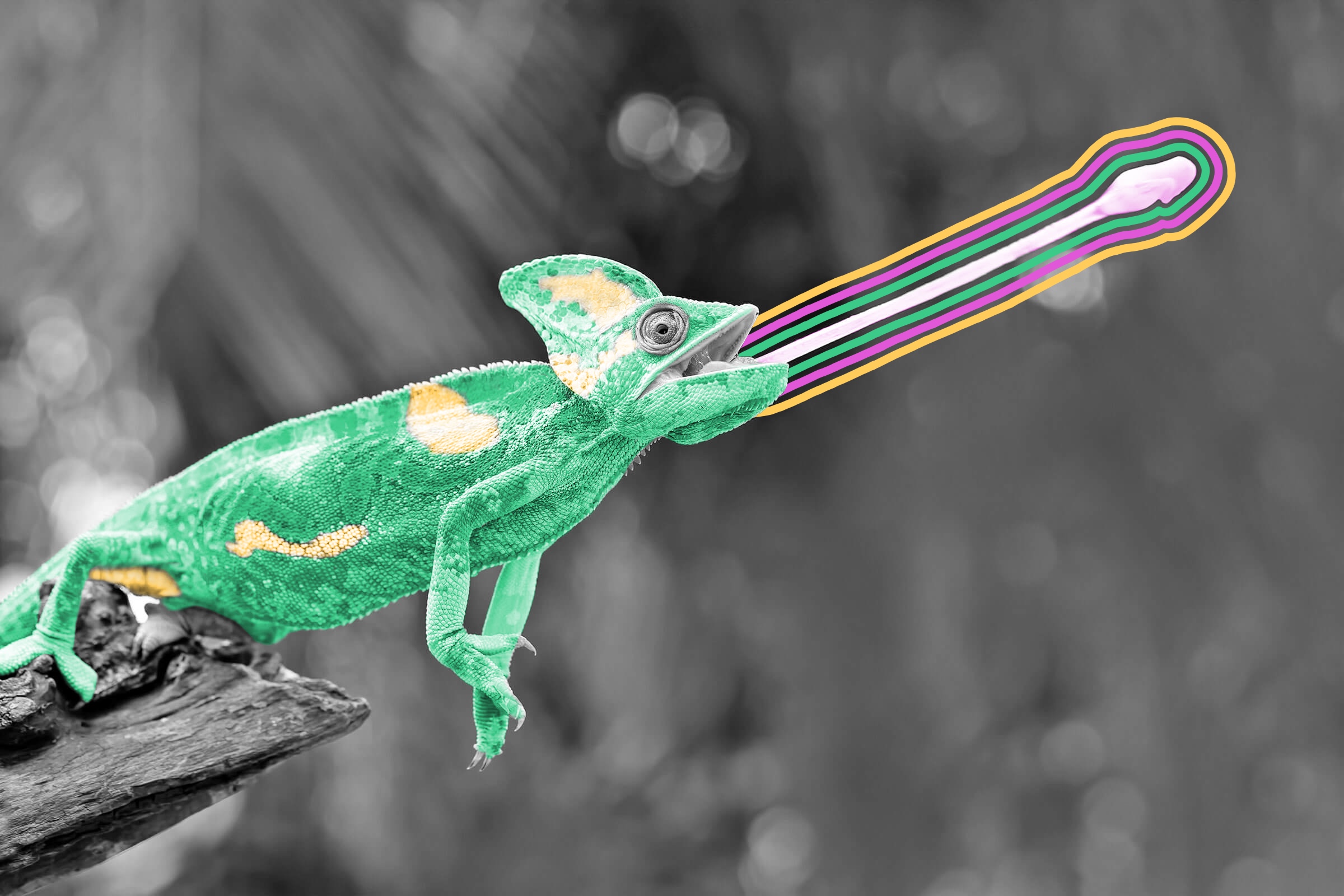
Although many people tend to focus on the chameleon’s ability to change its color (both for camouflage and to attract — or warn — potential mates), this amazing lizard’s tongue is an often-overlooked wonder. First, it’s the fastest “gun” in the animal kingdom: It can go from zero to 60 mph in one-hundredth of a second, something that the world’s fastest cars could never dream of achieving. But another surprising attribute of this incredible muscle is that it’s twice as long as a chameleon’s body on average — a handy feature when sneaking up on unsuspecting prey. Translated into human biological terms, that’s the same as a person having a 10- to 12-foot-long tongue. 

Giraffes have the longest tongues of any land mammal.

Ready to reveal?

Oops, incorrect!

It's a fib

Although giraffes have an amazing prehensile tongue, the anteater actually comes in first place here, with a tongue that stretches upwards of 2 feet long. Like most animal records, however, that accolade is obliterated by the blue whale, whose tongue is a staggering 18 feet long.

So how do chameleons, which are not particularly large lizards, keep this long tongue in such a small mouth? Well, scientists have discovered that a chameleon’s tongue contains elastic tissue that allows them to effectively store this secret weapon “folded up like an accordion,” in the words of National Geographic. When hunting prey, muscles contract in the mouth, similar to pulling back the string of a bow, and once that tension is released, simple physics takes over. The chameleon’s tongue propels forward with blink-and-you’ll-miss-it speed in a process scientists call “elastic recoil.” Then, a super-sticky, viscous fluid at the tongue’s tip ensnares the whiplashed insect, and the recoil returns the freshly caught meal to the chameleon’s mouth. Yum.

Numbers Don't Lie

Numbers Don't Lie

Length (in inches) of the longest human tongue from tip to teeth
3.97
Percentage of people said to be “supertasters”
25%
Running time (in minutes) of the film “Rango,” an animated Western featuring a gun-toting chameleon
107
Size (in millimeters) of the world’s smallest chameleon, the nano-chameleon Brookesia nana
22

The country of ______ contains roughly half of the world’s chameleon species.

Ready to reveal?

Confirm your email to play the next question?

The country of Madagascar contains roughly half of the world’s chameleon species.

Placeholder Image

Chameleons have 360-degree vision.

While their pincer-like feet, super-long tongues, and color-changing camouflage already make them pretty otherworldly, a chameleon’s vision is also something special. Chameleons can independently move each of their eyeballs, giving them a 360-degree view of their environment. Chameleon eyes also work like a telephoto lens, giving them the ability to zoom in on potential prey. This highly unusual visual system aids these fascinating lizards in catching food, avoiding predators, and mating. In other words, a chameleon’s eyes are perhaps the ultimate evolutionary superpower.

Darren Orf
Writer

Darren Orf lives in Portland, has a cat, and writes about all things science and climate. You can find his previous work at Popular Mechanics, Inverse, Gizmodo, and Paste, among others.

Original photo by Sharomka/ Shutterstock

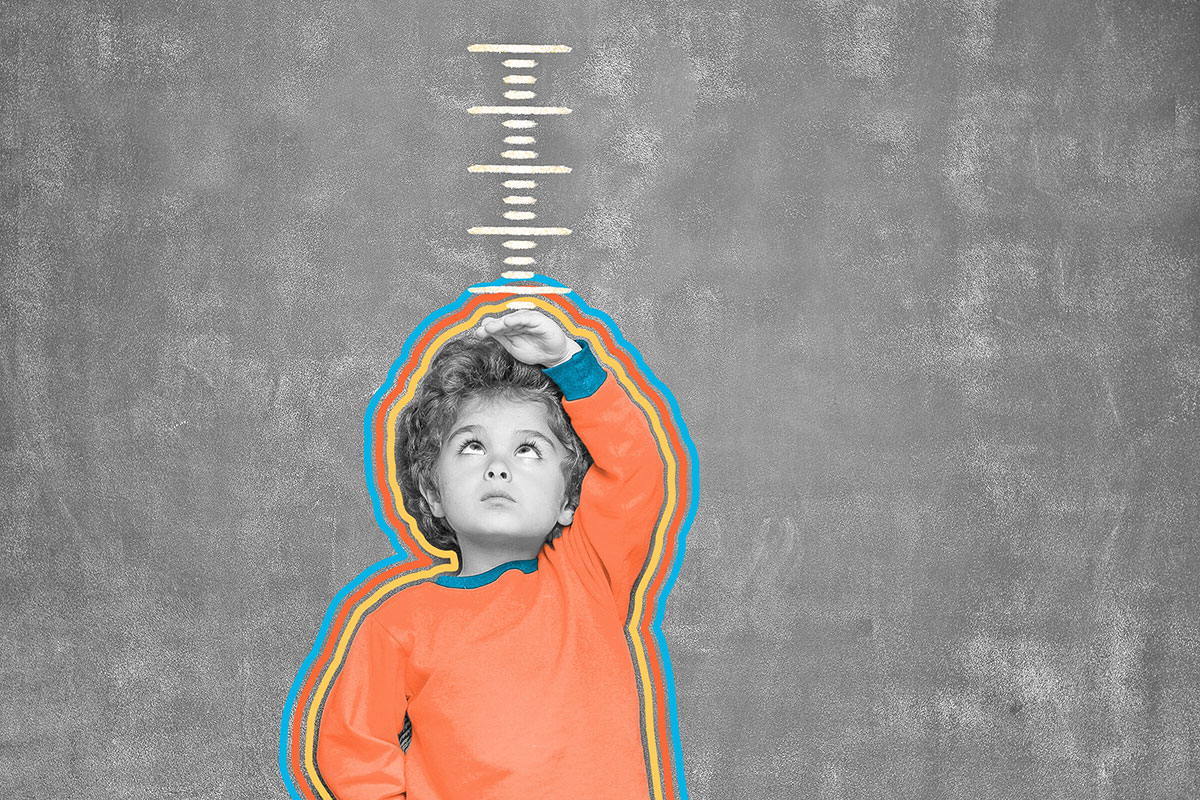
If you think the son/niece/grandchild in your life is sprouting before your eyes now that the winter clothing has been shed, you're probably not imagining things. Researchers have long studied the connection between seasonal changes and youth growth patterns, with substantial evidence pointing to higher rates of growth among children in the Northern Hemisphere during the spring and summer months. While we might question results drawn from, say, a 1930 publication, newer research has validated these older findings: A 2015 study of 760 Danish students aged 8 to 11 revealed the most growth recorded around April and May, while a 2022 paper, which tracked the development of thousands of Texas kids from kindergarten to fifth grade, confirmed strong growth rates in spring and early summer.

Human noses and ears never stop growing.

Ready to reveal?

Oops, incorrect!

It's a fib

Although our noses and ears appear to get bigger as we age, it's just because they're comprised of soft cartilage. The connective fibers in skin and cartilage weaken over time, leaving these body parts susceptible to the elongating pull of gravity.

But while we have the numbers to show that children shoot up like springtime onion stalks, the science is less definitive when it comes to determining why. One possible explanation is that exposure to longer hours of sunlight may stimulate bone growth and hormone regulation. Other potential factors, which can vary according to location and financial means, include increased access to fresh foods and healthy activities come springtime. Whatever the reasons, the onset of warmer weather should provide a signal to parents that Junior will likely grow out of those pants and shoes sooner rather than later.

Numbers Don't Lie

Numbers Don't Lie

Annual growth rate (in inches) of a prepubescent child
2.5
Percentage of children born in spring, per CDC records from 1994 to 2003
24.86%
Number of children in the world aged 14 or younger
2 billion
Age at which people typically begin to shrink
40

During sleep, children get a boost of the ______ hormone secreted by the pituitary gland.

Ready to reveal?

Confirm your email to play the next question?

During sleep, children get a boost of the human growth hormone secreted by the pituitary gland.

Placeholder Image

Children gain the most weight in summertime.

While this may seem counterintuitive, given all that frolicking in parks and pools, several studies indeed show that children add the most pounds in summer. So what gives? It may simply be a sign of the technology-fueled times: Instead of chasing after friends, kids nowadays often prefer to engage in video games or other sedentary screen activities when not in school. Some experts also believe that the lack of a school day structure may be to blame: With children less likely to wake up at a regular hour, and parents less likely to enforce strict bedtimes, the irregular sleep patterns that follow end up disrupting the circadian rhythms that impact eating habits and digestion.

Tim Ott
Writer

Tim Ott has written for sites including Biography.com, History.com, and MLB.com, and is known to delude himself into thinking he can craft a marketable screenplay.

Original photo by Ridho Arifuddin/ Shutterstock

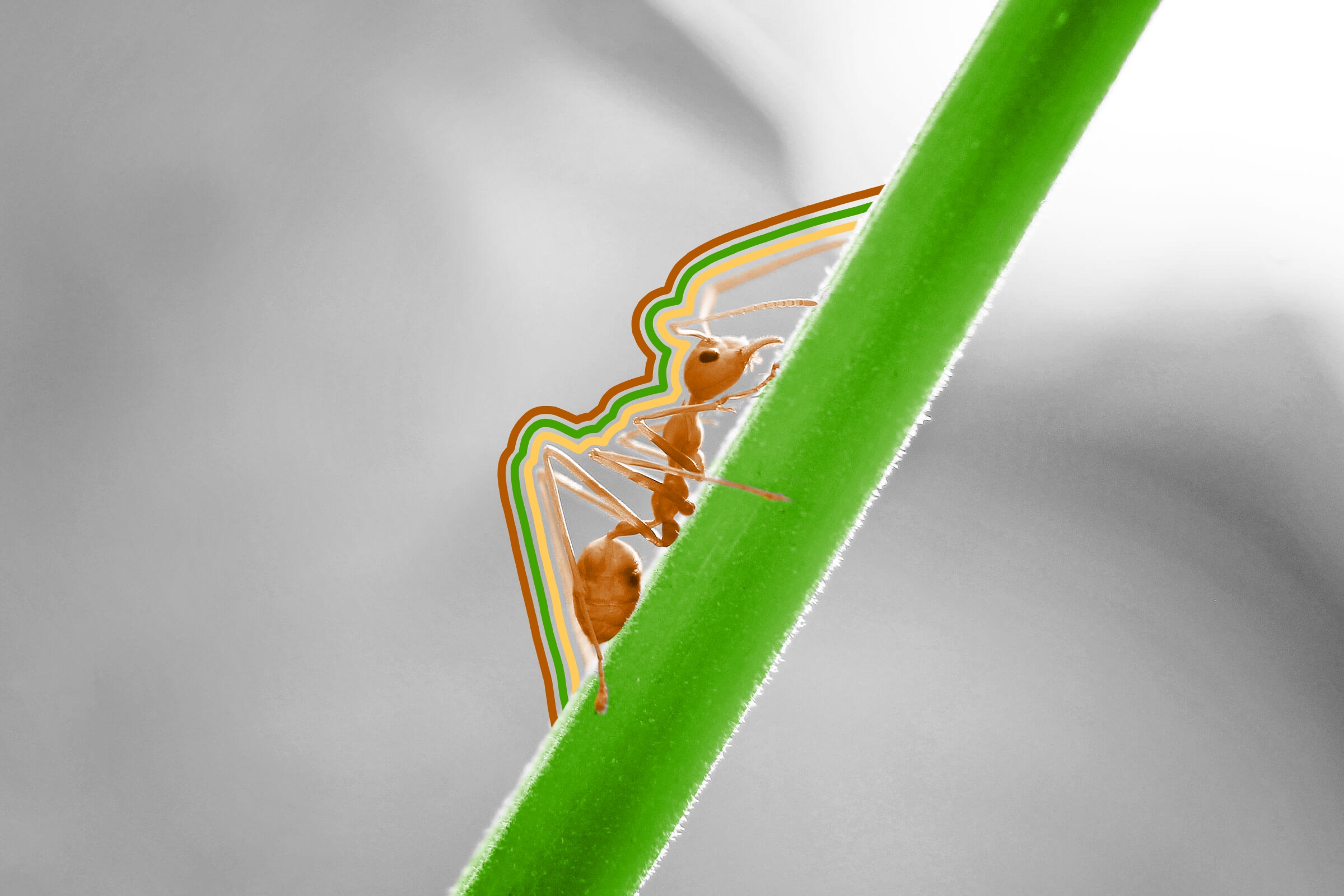
Although ants rarely appear on the menu in the United States, it’s a different story in other parts of the world. Countries in Southeast Asia, Africa, and South America — not to mention Mexico in North America — all have traditional dishes or ingredient blends that contain ants. In Laos, weaver ants add an acidic tang to fish soups, while in Mexico, fried leaf-cutting ants are a fixture at local markets. Although both larvae and adult ants can be eaten, the former is usually more appetizing; adult ants contain less flavor, though they are richer in protein. Ants also contain fiber, vitamins, and minerals such as iron, magnesium, potassium, zinc, and phosphorus. In other words, ants might just count as a superfood.

Crickets are the most common insect food.

Ready to reveal?

Oops, incorrect!

It's a fib

Although crickets are a delicacy around the world (especially in Mexico), the most commonly consumed insect is the beetle. Many species are rich in protein and vitamins, and more than 650 species have been recorded as being eaten by humans.

Nutrition aside, perhaps the most convincing reason people might consider adding ants — and other insects — to their diet is the low environmental impact of consuming these creatures. Compared to conventional livestock farming, which may produce around 17% of the world’s greenhouse gas emissions, raising insects for consumption produces less emissions, uses less land, and provides other benefits, such as pollination and waste decomposition. Even substituting corn-based animal feed with insects could take a significant bite out of the agricultural industry’s carbon footprint. With the world’s population expected to reach nearly 10 billion by 2050, some experts argue that a green-friendly source of protein and vitamins shouldn’t be ignored — even if some people will still need to get past that unappetizing “ick” factor. 

Numbers Don't Lie

Numbers Don't Lie

Estimated number of people around the world who eat insects on a regular basis
2 billion
Speed (in mph) at which the Dracula ant can snap its jaws, the fastest movement found in any animal
200
Size (in inches) of the world’s largest ant, the giant Amazonian ant
1.6
Estimated number of insect species eaten by humans around the world
2,000

The technical word for eating insects is “______.”

Ready to reveal?

Confirm your email to play the next question?

The technical word for eating insects is “entomophagy.”

Placeholder Image

The world’s most painful sting belongs to a South American ant.

Think of the most painful sting in the world, and the infamous “murder hornet” might come to mind. However, the record for the most painful sting from an animal belongs to the bullet ant (Paraponera clavata). The bite of these tiny creatures, native to parts of Central and South America, contains poneratoxin — a paralyzing toxic peptide that reportedly feels like “walking over flaming charcoal with a 3-inch nail embedded in your heel.” That’s according to American entomologist Dr. Justin Schmidt, nicknamed “the King of Sting,” who allowed a variety of species to sting him and then rated the results on a four-point scale in a pain index published in 1983. The effects of a bullet ant’s sting last around 12 to 24 hours and can include sweating, shaking, goosebumps, nausea, and vomiting — but thankfully not death.

Darren Orf
Writer

Darren Orf lives in Portland, has a cat, and writes about all things science and climate. You can find his previous work at Popular Mechanics, Inverse, Gizmodo, and Paste, among others.

Original photo by BongkarnGraphic/ Shutterstock

Michel Lotito was a French entertainer renowned for his unusual diet, earning him the nickname “Monsieur Mangetout” (“Mr. Eat-it-All”). He was known to consume bicycles, TV sets, and other items made of metal and glass. In a 1978 interview with Canadian newspaper The Leader-Post, the man with the seemingly iron stomach claimed to have eaten his first piece of glass in a swimming pool at the age of 16 before going on to eat “plates, nails, and bottles — all to win bets.” He later carved out a career eating indigestible objects for others’ amusement.

One man has eaten more than 34,000 McDonald’s Big Macs.

Ready to reveal?

Oops, incorrect!

It's a fact

Donald Gorske is a McDonald’s superfan who has consumed more than 34,000 Big Macs. The Wisconsinite ate his first Big Mac on May 17, 1972, and loved it so much that he ate eight more that day alone. In 1999, he set the Guinness World Record for most Big Macs eaten in a lifetime (15,490).

On one occasion in 1978, Lotito ate 15 pounds of a bicycle over the course of 12 days for $5,000 (around $24,000 today), washing it down with 10 bottles of mineral oil and 100 razor blades on the side. To digest these materials, Lotito chopped the metal items into tiny pellets, stretched his meals out over multiple days, and drank plenty of water. Newspapers also reported on Lotito’s ability to consume TV sets, and he once ate a whole waterbed to help promote a Texas-based furniture company.

However, Lotito’s most awe-inspiring feat, if true, was his claim to have consumed an entire Cessna 150 aircraft between 1978 and 1980 — an achievement confirmed by Guinness World Records but deemed unverifiable (though possible) by Snopes. Lotito maintained the truth of this claim until he died of natural causes in 2006, and in a 1999 interview with journalist Ben Sherwood, he purported the plane’s rubber tires to be the least appetizing part of the aircraft.

Numbers Don't Lie

Numbers Don't Lie

Most hot dogs consumed in a single Nathan’s Hot Dog Eating Contest
76
Ounces of steak once eaten by one woman in just 20 minutes
216
Altitude (in feet) of the highest recorded dinner party
23,149
Year the Schwinn Bicycle Company was founded
1895

The first meal in space was ______.

Ready to reveal?

Confirm your email to play the next question?

The first meal in space was beef and liver paste.

Placeholder Image

A woman traveled more than 86,000 miles by bicycle in a single year.

Amanda Coker is an endurance cyclist who currently holds the record for the greatest distance cycled in a single year by either a woman or a man. She covered 86,573.2 miles between May 15, 2016, and May 14, 2017, averaging 237.19 miles each day. She largely achieved the record by cycling through the same 7-mile stretch of paved trails in Flatwoods Conservation Park near Tampa, Florida, where Coker usually spent more than 12 hours a day pedaling away.

She continued on until July 11, 2017, in an effort to become the fastest person to complete 100,000 miles. Coker finally accomplished the feat after 423 days, shattering legendary cyclist Tommy Godwin’s 500-day record set back in 1940. On October 23, 2021, Coker also became the first recorded female cyclist to break 500 miles in 24 hours, riding a whopping 512.5 miles in that brief time frame.

Bennett Kleinman
Staff Writer

Bennett Kleinman is a New York City-based staff writer for Inbox Studio, and previously contributed to television programs such as "Late Show With David Letterman" and "Impractical Jokers." Bennett is also a devoted New York Yankees and New Jersey Devils fan, and thinks plain seltzer is the best drink ever invented.

Original photo by Emanuela Casula/ iStock

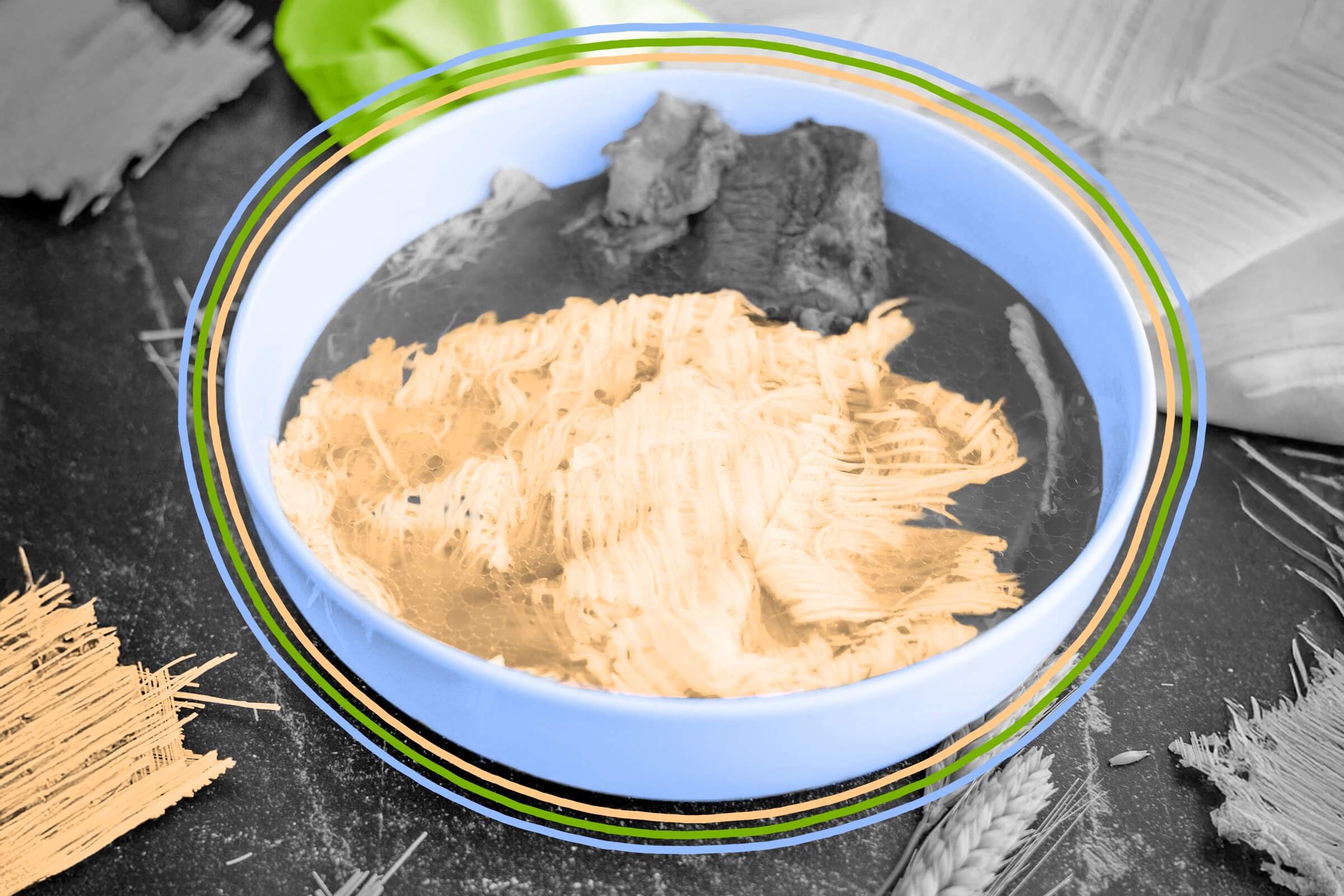
When debating the best pasta shape, a few classic heavyweights are bound to be in the mix: spaghetti, penne, rigatoni, tortellini, and, of course, gnocchi. All of these can easily be made by millions of people worldwide, even those who aren’t fortunate enough to have a nonna in their life. This distinguishes those types from su filindeu, the world’s rarest pasta, which until recently only three people knew how to cook — all of whom belong to the same family.

Spaghetti Bolognese originated in Bologna.

Ready to reveal?

Oops, incorrect!

It's a fib

It was actually created in Imola, which is about 24 miles east of Bologna.

One of them is Paola Abraini, who lives in the small Sardinian city of Nuoro and wakes up every day at 7 a.m. to begin making “the threads of god,” as the pasta has been nicknamed. The recipe has been passed down in her family for more than three centuries, though they don’t exactly keep the secret under lock and key. In recent years, Abraini’s family has begun teaching others to prepare the pasta in an effort to preserve the recipe. At least two chefs in Los Angeles and one in Singapore even serve it in their restaurants. And anyone with half an hour to spare can watch a detailed instructional video about su filindeu — they just probably won’t be able to accurately replicate Abraini’s work. 

Such was the case when engineers from Barilla visited Abraini and unsuccessfully attempted to reproduce her work. That's likely because the process requires folding semolina dough into 256 perfectly even strands before stretching them diagonally across a circular frame in a three-layer pattern. There are only three ingredients — semolina wheat, water, and salt — but Abraini insists the most important ingredient is elbow grease.

Numbers Don't Lie

Numbers Don't Lie

Total number of pasta shapes
400+
Pounds of pasta eaten per capita in Italy each year
51
Pounds of spaghetti that filled a swimming pool to a set a world record in 2010
13,786
Original length (in centimeters) of spaghetti strands
50

“Pasta” comes from the Italian word for ______.

Ready to reveal?

Confirm your email to play the next question?

“Pasta” comes from the Italian word for paste.

Placeholder Image

Thomas Jefferson loved macaroni and cheese.

Before he became president, Thomas Jefferson was a foodie. “The best pasta in Italy,” he wrote in 1787, “is made with a particular sort of flour, called Semola, in Naples.” He was so impressed with “maccaroni” (as he spelled it) during his time in Italy that he had a macaroni mold maker shipped to him from Naples.

A recipe for macaroni and cheese in Jefferson’s own handwriting survives, though it was likely dictated to him by one of his enslaved chefs. It calls for whoever makes it to “work [the ingredients] together without water, and very well” and then “cut it into small peices [sic] which roll again with the hand into long slips, & then cut them to a proper length.” The founding father even served the dish during a state dinner in 1802.

Michael Nordine
Staff Writer

Michael Nordine is a writer and editor living in Denver. A native Angeleno, he has two cats and wishes he had more.

Credit: BlackFarm/ Shutterstock

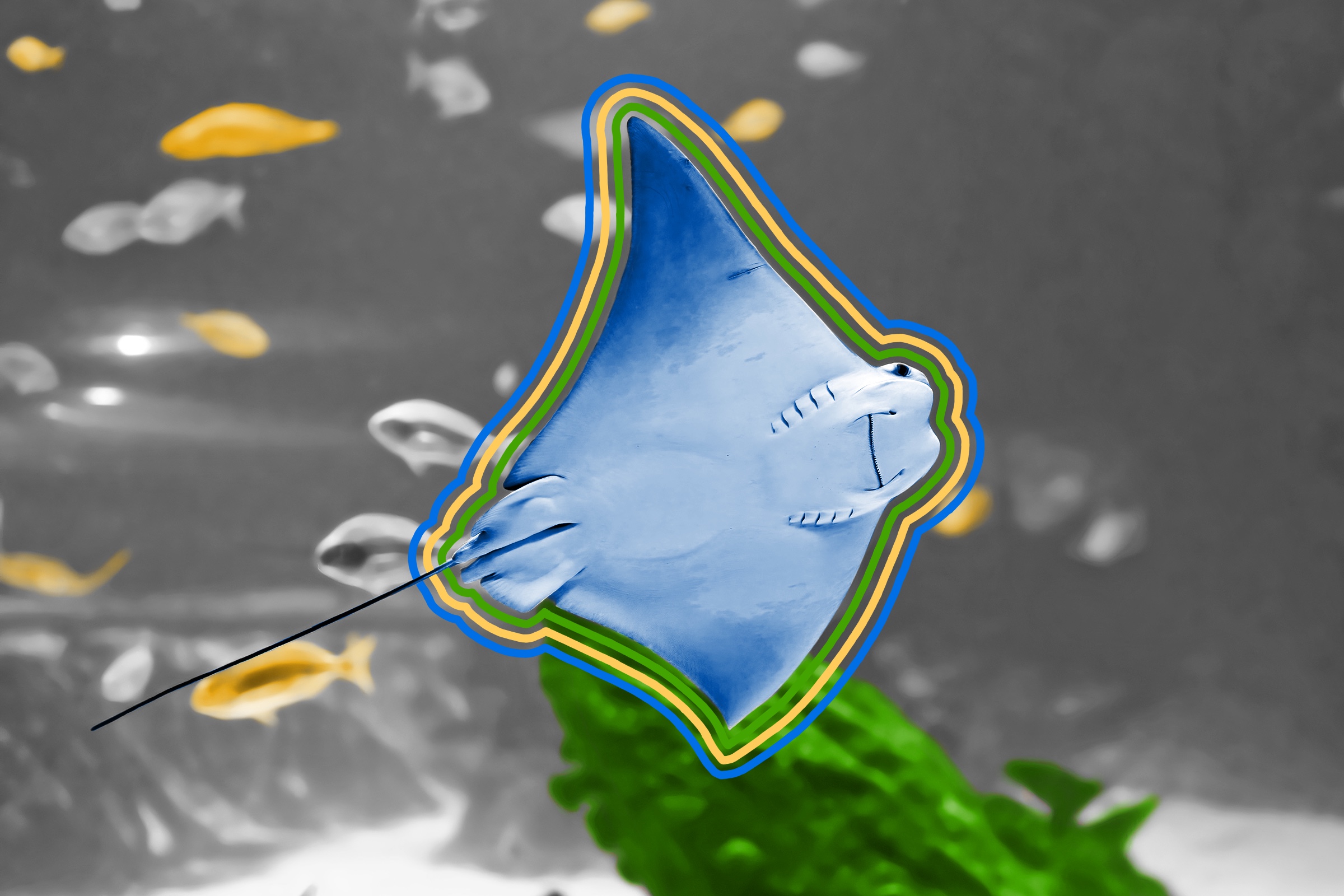
Despite their near ubiquity — they’re found in every ocean except the Arctic and Antarctic — stingrays remain enigmatic creatures. In fact, it was only recently discovered that one type of stingray, the cownose ray, appears to use its distinctive tail as an antenna to sense danger. That information comes to us from a 2025 paper published in Proceedings of the Royal Society by Júlia Chaumel and George V. Lauder, who write that the tails are “able to detect water disturbances resulting from prey, predators, body movements, and near body flow dynamics.”

Stingrays don't have bones.

Ready to reveal?

Oops, incorrect!

It's a fact

Their skeleton is made up entirely of fibrous cartilage. They’re sometimes referred to as cartilaginous fish, as are sharks.

For most types of stingrays, it has long been known that their tails are used to defend against would-be predators such as sharks. But in the Myliobatiformes order, which includes manta rays, devil rays, and cownose rays, the purpose of the tail was not previously clear. The study focused on cownose rays, whose tails are made up of stiff tissue covered in small holes; 3D scans revealed these holes are connected to the lateral line canal, a series of sensory organs that extend the length of the ray’s body, including receptors in its skin that detect movement. That’s especially useful for cownose rays, which bury their heads in the sand to feed on burrowing bivalves. Lacking eyes in the back of their heads, they rely on their antennae-like tails to warn them of incoming predators before it’s too late.

Numbers Don't Lie

Numbers Don't Lie

Maximum number of rays in a fever
10,000
Years a stingray typically lives in the wild
15-25
Weight (in pounds) of a stingray found in Cambodia in 2022
661
Years stingrays have been on Earth
150 million

A group of stingrays is called a ______.

Ready to reveal?

Confirm your email to play the next question?

A group of stingrays is called a fever.

Placeholder Image

Rays and skates have one important distinction.

Though they look nearly identical to the untrained eye, rays and skates have a key distinction: Skates are oviparous and rays are ovoviviparous, meaning skates lay eggs and rays give birth to live babies.

Female stingrays typically give birth once a year to around two to 13 babies at a time, depending on the species. The infants, known as pups, are quite developed (and, it must be said, cute) at the time of their birth. Rays are also larger and have spines, whereas skates are characterized by their fleshy tails and lack of spines.

Michael Nordine
Staff Writer

Michael Nordine is a writer and editor living in Denver. A native Angeleno, he has two cats and wishes he had more.

Original photo by Yana Tikhonova/ iStock

Like sanitation workers, human pet-food testers have a job that inspires a certain degree of stomach-churning but nevertheless provides a valuable service. Think about it: Some 87 million U.S. households own at least one pet, which means there's a bustling industry for nutritional products that keep our animal companions happy and healthy. And since Fido isn't likely to elaborate on how his breakfast tastes (satisfying crunch, but a little too much salmon?), the onus is on the two-legged testers to deliver more insightful evaluations.    

Pet food stamped with a "human grade" label should be produced at a facility licensed to prepare human food.

Ready to reveal?

Oops, incorrect!

It's a fact

According to the Association of American Feed Control Officials (AAFCO), pet food labeled "human grade" must be "stored, handled, processed, and transported" in a manner compliant with federal human food laws, while clearly indicating that the food is meant for pet consumption.

As such, pet-food testing is a multifaceted role that requires attention to particulars and strong communication skills. Obviously, the products need to be taken into the mouth for tasting, and while some testers claim to actually enjoy eating the food, most simply spit it out after chewing for several seconds. From there, the tester provides detailed reports on the nuances of aroma, flavoring, and texture. They also may be involved in the development of new food formulas and production methodology. It’s a job that requires a distinct set of skills rather than a set education: While a degree in a culinary-related discipline such as nutrition science may help, it’s more important for a would-be employee to demonstrate a passion for the process and a clear ability to differentiate between mouthfuls of gravy chicken chunks from plates A and B.

The pros of this career choice include apparently high levels of job satisfaction: "No two days are ever the same," noted one longtime taster, who added that he derived joy from helping pets "become happier and healthier." And the pay isn't too shabby, either, with reports of a salary that can soar to over $100K for experienced testers. The cons? Quality ingredients or not, you're still required to dig into food you probably wouldn't touch otherwise. But if you're looking for a new source of income, and figure you can better tolerate a steady diet of cold meats compared to cold calls, then this may be the job for you.

Numbers Don't Lie

Numbers Don't Lie

Dollars spent on pet food and treats by U.S. consumers in 2022
58.1 billion
Daily recommended grams of crude protein for a 33-pound adult dog
25
Taste buds on the tongue of an average cat
473
Percentage of pet owners who have eaten pet food, per a 2020 survey
8

The first canned dog food appeared in the U.S. in the 1920s under the brand name ______.

Ready to reveal?

Confirm your email to play the next question?

The first canned dog food appeared in the U.S. in the 1920s under the brand name Ken-L-Ration.

Placeholder Image

Yes, pet food is also tested by actual pets.

For all the hoopla over human testers digging into bowls of pet chow, animals continue to hold down a vital place in the food-testing chain for many companies. Although these participants lack the means for detailed analysis, there are tried-and-true methods for determining how well a particular meal might fare on the marketplace using data they provide. Most common are the one-bowl method, which measures how much food is eaten from identical portions of different products over multiple days, and the two-bowl method, in which animals choose between the competing options presented. More complex systems are also used, including one in which dogs are permitted to smell food-filled toys and then indicate their preference when the toys are placed in a random order before them. As with all products that involve animal testing, there are ethical concerns about the treatment of creatures that essentially spend their lives inside pet-food facilities, although this issue is at least partially offset by companies that offer test-at-home programs for owners and their pets.

Tim Ott
Writer

Tim Ott has written for sites including Biography.com, History.com, and MLB.com, and is known to delude himself into thinking he can craft a marketable screenplay.

Original photo by sveta_zarzamora/ iStock

The circus brought death-defying performers and exotic animals across the American landscape in the 1800s, but it also introduced something a little sweeter: pink lemonade. There are two origin stories for the rose-tinted drink, both involving the big top. One version, revealed in a 1912 obituary, credits the invention to Chicago saloonkeeper, theatrical promoter, gambler, and circus vendor Henry E. Allott. After running off to join the circus at age 15, Allott accidentally dropped some red cinnamon candies into a tub of traditional lemonade, only to find that the new mixture was a hit with concession-stand customers.

Pink lemons produce pink-colored juice.

Ready to reveal?

Oops, incorrect!

It's a fib

Named for the color of their flesh, pink lemons yield a clear-colored liquid.

The alternate and more colorful version of the drink’s dawn comes courtesy of an innovative clown named Pete Conklin circa 1857. Fed up with his wages, Conklin renounced the bells and sequins, and instead followed the circus as a lemonade vendor while his former co-workers wound their way through Texas. During one hot day, Conklin was dismayed to find he had run out of water as his parched customers demanded something to drink. Scouring the lot for replenishment, he dashed into the changing tent of bareback horse rider Fannie Jamieson, who was washing her red tights in a bin of water. Conklin grabbed the bin, its contents colored pink by the garment's aniline dye, and after dumping in the usual sugar and soggy lemon, he unveiled his new “strawberry lemonade” to an appreciative crowd. This story was later confirmed by Conklin’s lion-tamer brother George, and while it may be a tall tale regardless, it’s the type that goes down well when accompanied by a tall glass of our favorite pink beverage.

Numbers Don't Lie

Numbers Don't Lie

Tablespoons of juice produced by one medium-sized lemon
2-3
Average salary of a U.S. circus clown in 2023
$55,632
Calories in 8 ounces of Tropicana Pink Lemonade
100
Year the band Closure in Moscow released their album “Pink Lemonade”
2014

The Jewish community of medieval Egypt drank a proto-lemonade of lemon juice and sugar called “______.”

Ready to reveal?

Confirm your email to play the next question?

The Jewish community of medieval Egypt drank a proto-lemonade of lemon juice and sugar called “qatarmizat.”

Placeholder Image

Circus peanuts were used to create a famous breakfast cereal.

Circus peanuts likely didn’t originate at the circus, and their murky origins are just one of the many mysteries surrounding the banana-flavored marshmallow treat that ostensibly has something to do with peanuts. Fortunately, there is one thing we know for certain about this holdover from 19th-century penny candy bins. According to General Mills, a product developer named John Holahan decided to mix chopped-up circus peanuts with Cheerios while experimenting with new cereal ideas in the early 1960s. The result was the marshmallow-oat mix that became Lucky Charms, another food product with a name that offers no clue to its content, but nevertheless has endured as a staple of American culture.

Tim Ott
Writer

Tim Ott has written for sites including Biography.com, History.com, and MLB.com, and is known to delude himself into thinking he can craft a marketable screenplay.

Original photo by tofino/ Alamy Stock Photo

You may not know it by name, but you’re almost certainly familiar with Salvador Dalí’s best-known work, “The Persistence of Memory,” which depicts melting clocks on a bleak landscape. No less famous, albeit in an entirely different way, is the Chupa Chups logo — which Dalí also designed. While the idea of a surrealist collaborating with a lollipop company may sound odd, it begins to make sense when you learn a bit more about the eccentric artist — starting with the fact that he was close friends with Chupa Chups founder Enric Bernat, a fellow Spaniard.

Salvador Dalí had a pet anteater.

Ready to reveal?

Oops, incorrect!

It's a fact

In addition to his beloved anteater, whom he was fond of taking on walks through the streets of Paris, Dalí also had a pet ocelot named Babou. One supposes cats and dogs weren’t surreal enough to strike his fancy.

The two met at a café one day in 1969, with Bernat making Dalí aware of his need for a logo and the world-renowned artist quickly taking care of it for him. He did so with great intention, of course: “Acutely aware of presentation, Dalí insisted that his design be placed on top of the lolly, rather than the side, so that it could always be viewed intact,” Phaidon notes. Dalí reportedly designed the instantly recognizable daisy-based logo in less than an hour on that fateful day, and it’s still in use decades — not to mention billions of sales — later.

Numbers Don't Lie

Numbers Don't Lie

Dalí’s age when he completed “Landscape of Figueres,” his first known painting
6
Chupa Chups flavors
100+
Weight (in pounds) of the largest Chupa Chups lollipop ever made
1.6
Estimated top value of “The Persistence of Memory”
$150 million

Chupa Chups was originally going to be named ______.

Ready to reveal?

Confirm your email to play the next question?

Chupa Chups was originally going to be named Gol.

Placeholder Image

Dalí believed he was the reincarnation of his brother.

To call Salvador Dalí eccentric would be an understatement, and many of his more out-there qualities were present from an early age. This includes his firmly held belief that he was the reincarnation of his brother, who was also named Salvador and died nine months before the younger Salvador was born. He didn’t come up with the idea himself — his parents impressed it upon him when he was 5 years old — but neither did he ever grow out of it. In 1963, when Dalí was around 59, he painted “Portrait of My Dead Brother” in memory of his sibling.

Michael Nordine
Staff Writer

Michael Nordine is a writer and editor living in Denver. A native Angeleno, he has two cats and wishes he had more.