
Original photo by Suzi Media Production/ iStock
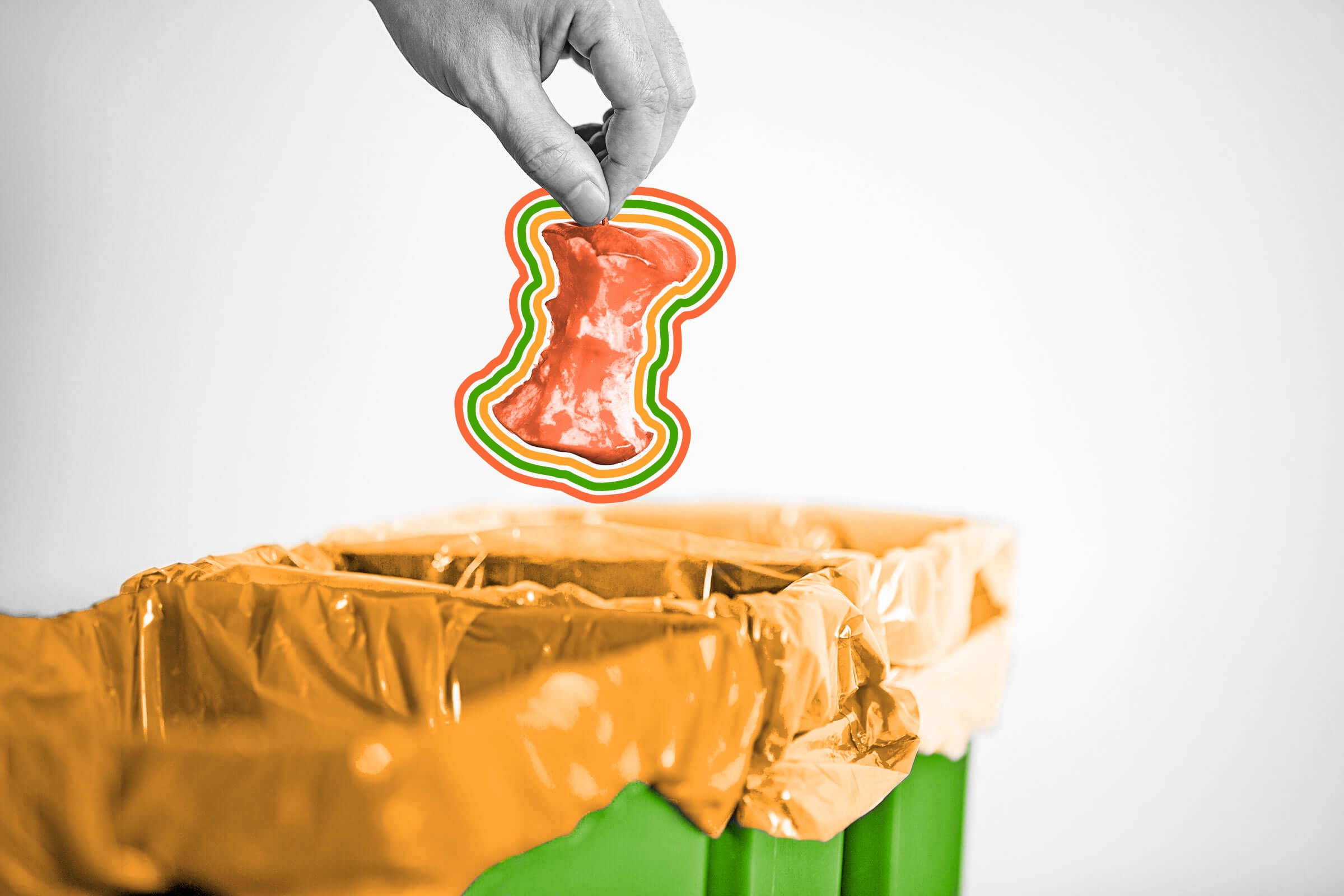
One country’s trash can be another’s treasure. In Sweden, household waste is valuable because it helps create energy. Only about 1% of the country’s trash ends up in landfills; 49% is recycled, and the remaining 50% is incinerated at one of Sweden’s “waste-to-energy” power plants. There, heat from burned trash is used to generate energy in the same way that power plants burn coal or gas. Waste-powered electricity makes up a small fraction of Sweden’s power grid overall, however: Nuclear, hydro, and wind power account for 90% of the country’s electrical energy use. Still, Sweden’s high-heat disposal of garbage is so effective that the nation imports trash from nearby countries to keep its incinerators running.




Oops, incorrect!
It's a factEurope is home to more than 460 national parks, though the very first was created in Sweden. Sarek National Park, located in the country’s north, was established in 1909, and features nearly 100 glaciers and six of Sweden’s tallest mountain peaks.
Incinerating trash may seem like an easy solution to minimizing use of landfills, but some environmental experts say doing so isn’t the best solution. That’s because burning trash releases pollutants into the atmosphere, and doesn’t reduce the production of plastic products, which are made from fossil fuels.
Nevertheless, Sweden remains a global leader in recycling efforts. In 1984, the country enacted a deposit system — called “pant” — for aluminum cans (with plastic bottles following 10 years later), in which reverse vending machines accept bottles and cans and then print off deposit vouchers that can be redeemed at grocery stores. In 2020, the country edged closer to its “zero waste” goal, with Swedes recycling a staggering 94% of their glass and 78% of discarded paper products.

Numbers Don't Lie
More Interesting Reads


Sweden has more ______ than any other country.
Ready to reveal?
Confirm your email to play the next question?
Sweden has more islands than any other country.

Almost all food waste in South Korea is recycled.
While technically biodegradable, food waste can have negative effects on the environment — particularly when it ends up in a landfill and produces methane, a greenhouse gas. That’s why South Korea began banning food from landfills in 2005 and instead has a robust recycling program that encourages composting and food reuse. Today, about 95% of food waste in South Korea is recycled, compared to 2% at the time the ban was enacted. Citizens who don’t compost can take food scraps to an area recycling station, where their trash is weighed and logged; households then receive a monthly bill based on the amount they toss out. Collected food is turned into fertilizer or animal feed, and methane and natural gases produced during the recycling process (called biogas) are also used to create energy that fuels the recycling facility, giving each tossed scrap a second opportunity to help nourish the planet.

Nicole Garner Meeker is a writer and editor based in St. Louis. Her history, nature, and food stories have also appeared at Mental Floss and Better Report.
top picks from the Inbox Studio network
Interesting Facts is part of Inbox Studio, an email-first media company. *Indicates a third-party property.