

Interesting Facts
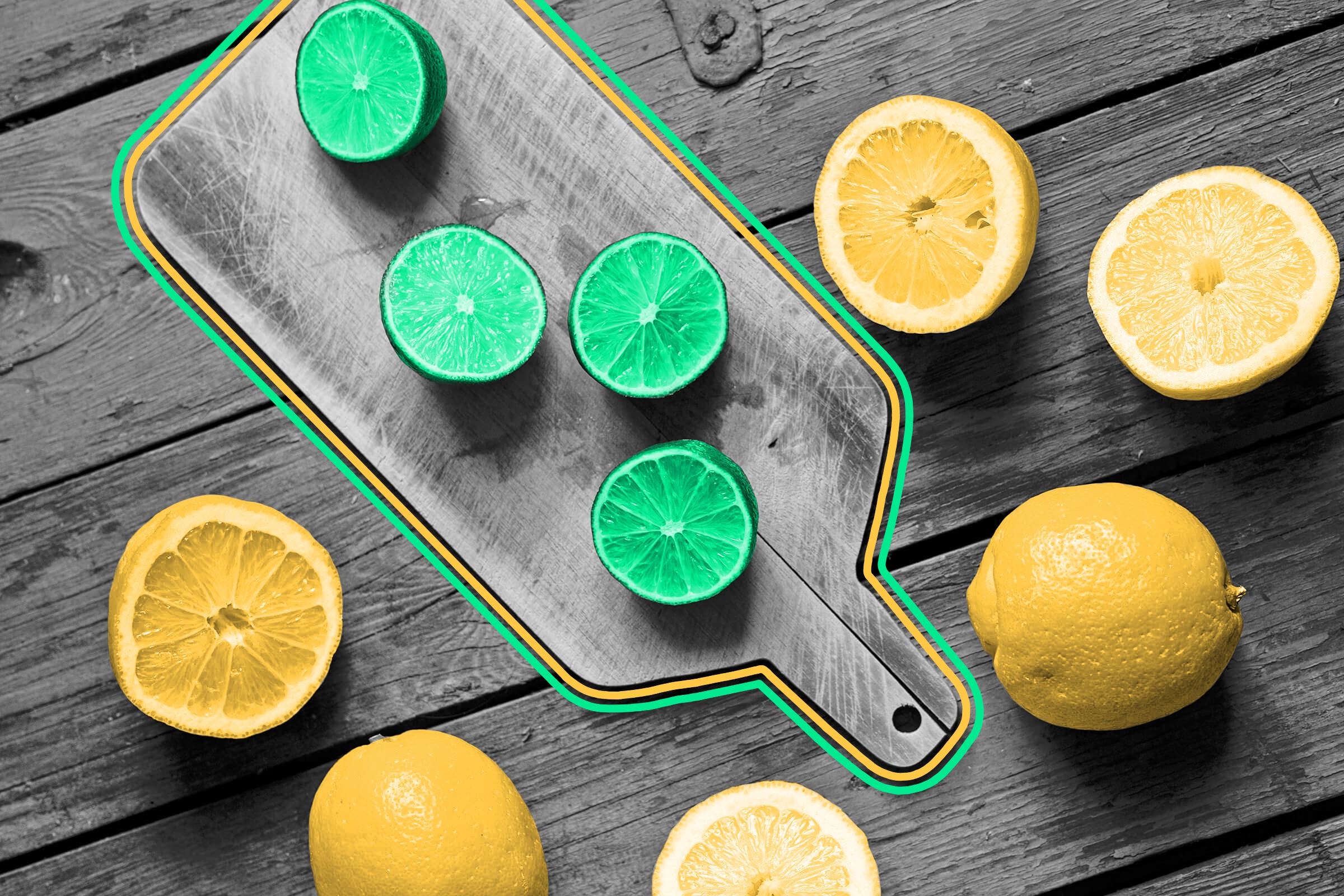
Few flavors complement each other like lemon and lime, with many a refreshing treat combining both for maximum effect. The two citrus fruits have some key differences, however, including the fact that limes sink while lemons float. You may have noticed this if you’ve ever put lime and lemon slices in a glass or pitcher of water, and the reason is simple: Objects float only if they’re less dense than the liquid they're placed in, and while both limes and lemons have densities close to that of water, limes are denser than their yellow counterparts. That remains true whether the lemon or lime in question is whole, peeled, or sliced — a lemon will always float, and a lime will always sink.




Oops, incorrect!
It's a factThough pirates and white whales are more evocative, one of the most dangerous aspects of sailing the high seas for centuries was scurvy, a disease caused by vitamin C deficiency. To prevent it, the British navy used to ration lime juice to its brave sailors — hence the nickname.
That's not the only difference between these citrus fruits, of course. Whereas lemons grow well in moderate climates, limes fare better in tropical and subtropical areas. Limes also tend to be smaller, which helps distinguish them from lemons even when they sometimes take on a yellowish hue as they ripen. And though the two are almost identical on a nutritional level, lemons are sweeter — which is probably why you can think of a lot more lemon-flavored candies than lime-flavored ones.

Numbers Don't Lie
More Interesting Reads






Citrus originated in ______.
Ready to reveal?
Confirm your email to play the next question?
Citrus originated in Southeast Asia.

Every citrus fruit is descended from three “ancestral” species.
Lemons, limes, grapefruits, tangerines, and most other citrus fruits all have something important in common — none of them originally existed in nature. They’re all descended from three “ancestral” citrus species, namely the mandarin orange, pomelo, and citron. (Some consider the papeda to be the fourth original citrus, though its genetic impact hasn’t been as strong.) All three are still around, though they’re not as popular commercially as some of their descendants. Limes and lemons both descend in part from the citron, although the genetics of specific varieties are still being debated by scientists. Since almost all citrus are sexually compatible — a rare quality in nature — their genes have been mixing both in the wild and under human hands for thousands of years, creating a vast bounty that brightens our drinks, our winters, and much more.

Michael Nordine is a writer and editor living in Denver. A native Angeleno, he has two cats and wishes he had more.
top picks from the Inbox Studio network
Interesting Facts is part of Inbox Studio, an email-first media company. *Indicates a third-party property.