

Original photo by FluidMediaFactory/ iStock
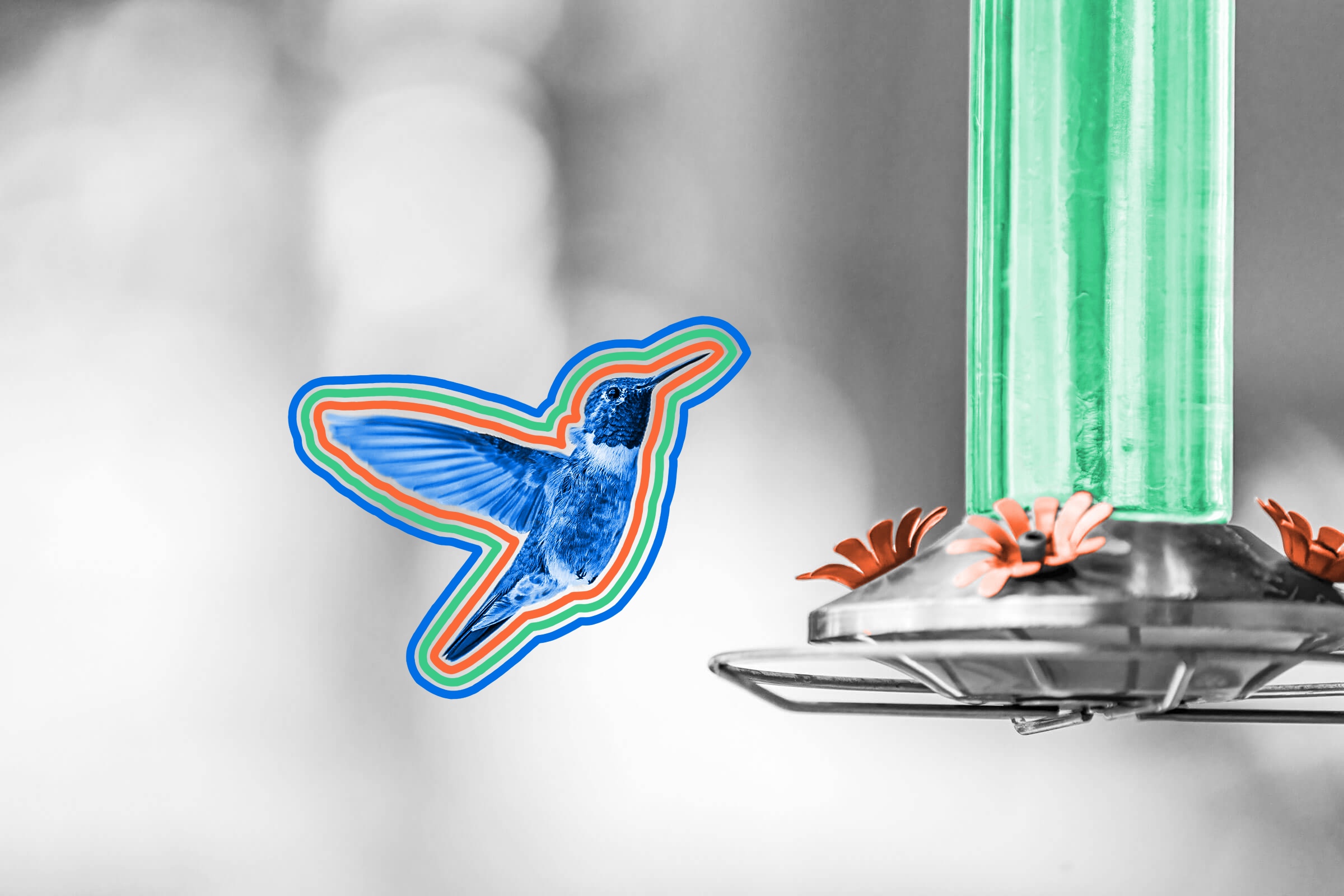
Hummingbirds sometimes seem otherworldly compared to other feathered friends. They see more colors than the human eye does and can even enter a deathlike state to survive frigid winter nights. But their most remarkable ability has to do with their incredibly fast-moving wings, with the fastest flapping upwards of 70 times per second. Thanks to those incredible appendages, hummingbirds can hover — and they’re the only species of bird that can do so on their own for a sustained period of time. Hummingbirds can also move up, down, left, right, forward, and yes, even backward (another unique ability), reaching speeds of 75 miles per hour. According to Audubon, the hummingbird also has really sensitive “brakes” and can switch from flying 25 miles per hour to coming to a dead stop within the length of a human index finger.




Oops, incorrect!
It's a factThe world’s smallest bird is the bee hummingbird (Mellisuga helenae), which can be found only in Cuba. This pint-sized hummingbird is only 2.25 inches long and weighs around 2 grams — about the weight of a dime.
How are hummingbirds such aerial aces? Well, most birds achieve lift only when flapping their wings down, but hummingbirds swish their wings in a side-to-side, figure-eight pattern, which is more characteristic of an insect than a bird. (The feat has earned them the excellent nickname “hummingbugs.”) Although hummingbirds have evolved to use their wing muscles efficiently, their tiny bodies have an incredibly high metabolism, which means the creatures must constantly hunt for food to survive. Remarkably, hummingbirds can drain up to 10 drops of nectar from a flower in 15 milliseconds (or one-hundredth of a second).

Numbers Don't Lie
More Interesting Reads






The patches of glittering feathers on the necks of hummingbirds are called ______.
Ready to reveal?
Confirm your email to play the next question?
The patches of glittering feathers on the necks of hummingbirds are called gorgets.

Hummingbirds are found only in the Americas, but they originated in Europe.
Hummingbirds are so unlike other birds that scientists still don’t quite understand their origins. One lingering mystery: why hundreds of species of hummingbirds can be found in the Americas when absolutely zero are seen zipping around Europe. The situation is particularly strange because hummingbirds appear to have originated in Europe, breaking away from swifts — their closest avian cousin — around 45 million to 55 million years ago, with the earliest hummingbird-like fossils found in Germany. One theory suggests that the birds migrated across a former land bridge between Siberia and Alaska, although it’s not clear why. It’s also possible that the Old World fossils and the New World species represent a case of convergent evolution: when two unrelated species develop the same attributes in response to similar pressures in their environment. For now, the true story of hummingbird evolution remains a mystery.

Darren Orf lives in Portland, has a cat, and writes about all things science and climate. You can find his previous work at Popular Mechanics, Inverse, Gizmodo, and Paste, among others.
top picks from the Inbox Studio network
Interesting Facts is part of Inbox Studio, an email-first media company. *Indicates a third-party property.