
Original photo by Dawn McDonald/ Unsplash
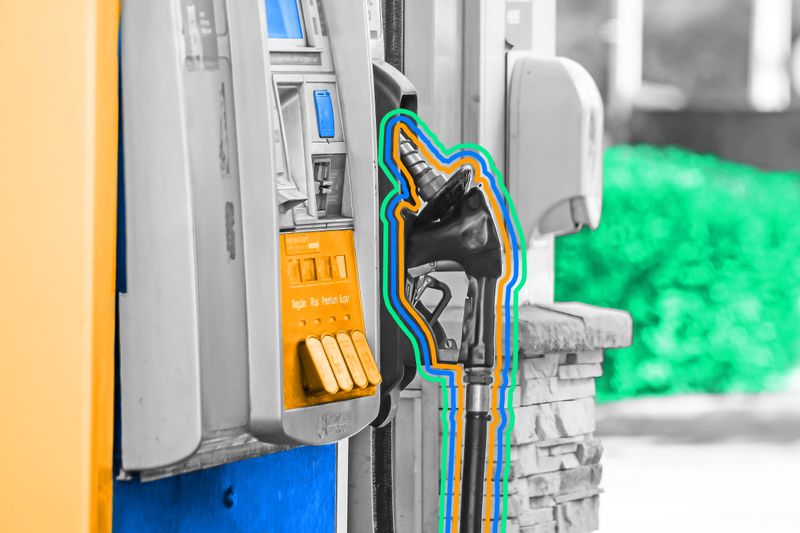
In much the same way that movie theaters make higher profits from concessions than they do from tickets, gas stations make more money from convenience items than they do from selling gas. The profit margins on gasoline are extremely (and surprisingly) low, so much so that filling stations barely make any money just from selling fuel. That’s even true when gas prices are higher, because competition for customers is so fierce that retailers are often loath to be the first to raise their prices. On average, the net profit margin on gasoline is just 1.4%, whereas the average across all industries is 7.7%. That profit margin is lower than the average at car dealerships (3.2%) and grocery stores (2.5%), both of which are known for relatively low margins. The reason gas makes so little profit has to do with the supply chain — actually getting the fuel to your local 76 is a tremendously involved process.




Oops, incorrect!
It's a factBefore he had a restaurant called Kentucky Fried Chicken, Harland Sanders ran a gas station in the town of North Corbin, Kentucky, where he made fried chicken for famished travelers. It became so popular that he opened the nearby Sanders Café, a location that remains open to this day.
That all changes once you step inside a gas station’s convenience store. Despite bringing in only 30% of most gas stations’ revenue, items like lottery tickets, potato chips, and drinks are responsible for 70% of the profit. So while they might not like higher gas prices any more than you do, gas station owners probably don’t mind how much you spend on impulse buys.

Numbers Don't Lie
More Interesting Reads





The largest convenience store chain in the U.S. is ______.
Ready to reveal?
Confirm your email to play the next question?
The largest convenience store chain in the U.S. is Shell.

Gas prices include nine-tenths of a penny due to a 90-year-old law.
Long before most of us were driving (or alive, for that matter), gas only set motorists back a few pennies per gallon. When the Revenue Act of 1932 added a federal tax of $0.01 to the sale of gasoline in the midst of the Great Depression, gas stations didn’t want to pass along the full price of the tax, fearing lost customers. (In some cases, the tax would have added 10% to the total cost at the pump.) Instead, they added the nine-tenths of a penny fraction we still see today, despite gas now costing dollars rather than cents — and the fact that the tax has gone up. Originally passed as a temporary measure and intended to expire in 1934, the federal gas tax is now 18.4 cents per gallon.

Michael Nordine is a writer and editor living in Denver. A native Angeleno, he has two cats and wishes he had more.
top picks from the Inbox Studio network
Interesting Facts is part of Inbox Studio, an email-first media company. *Indicates a third-party property.