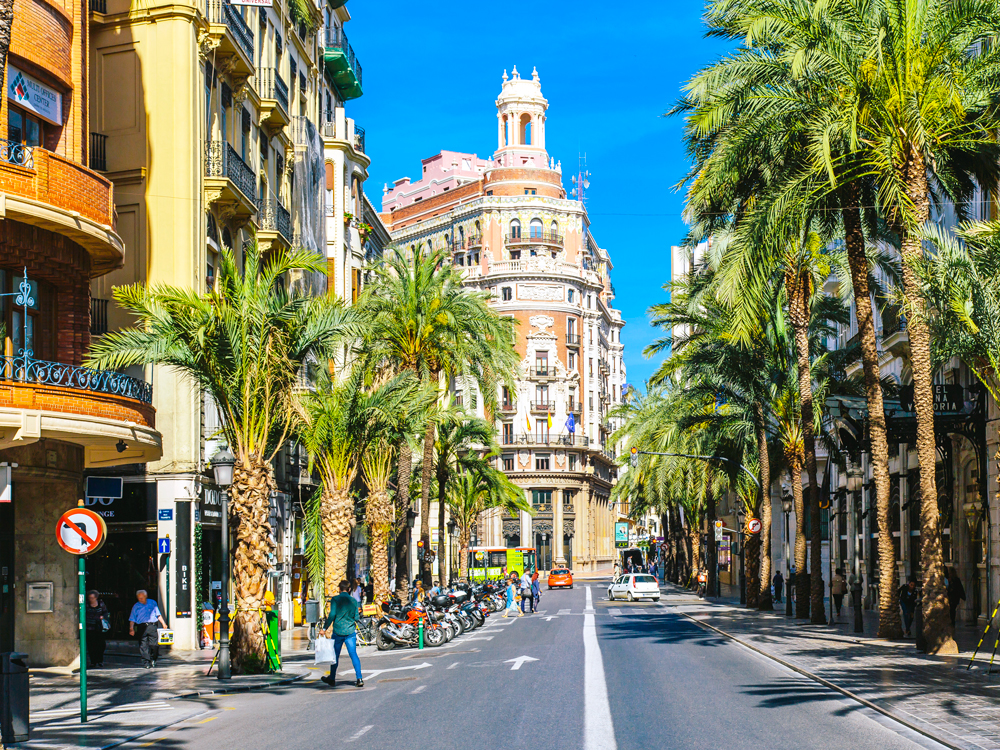

Original photo by piemags/nature/ Alamy Stock Photo
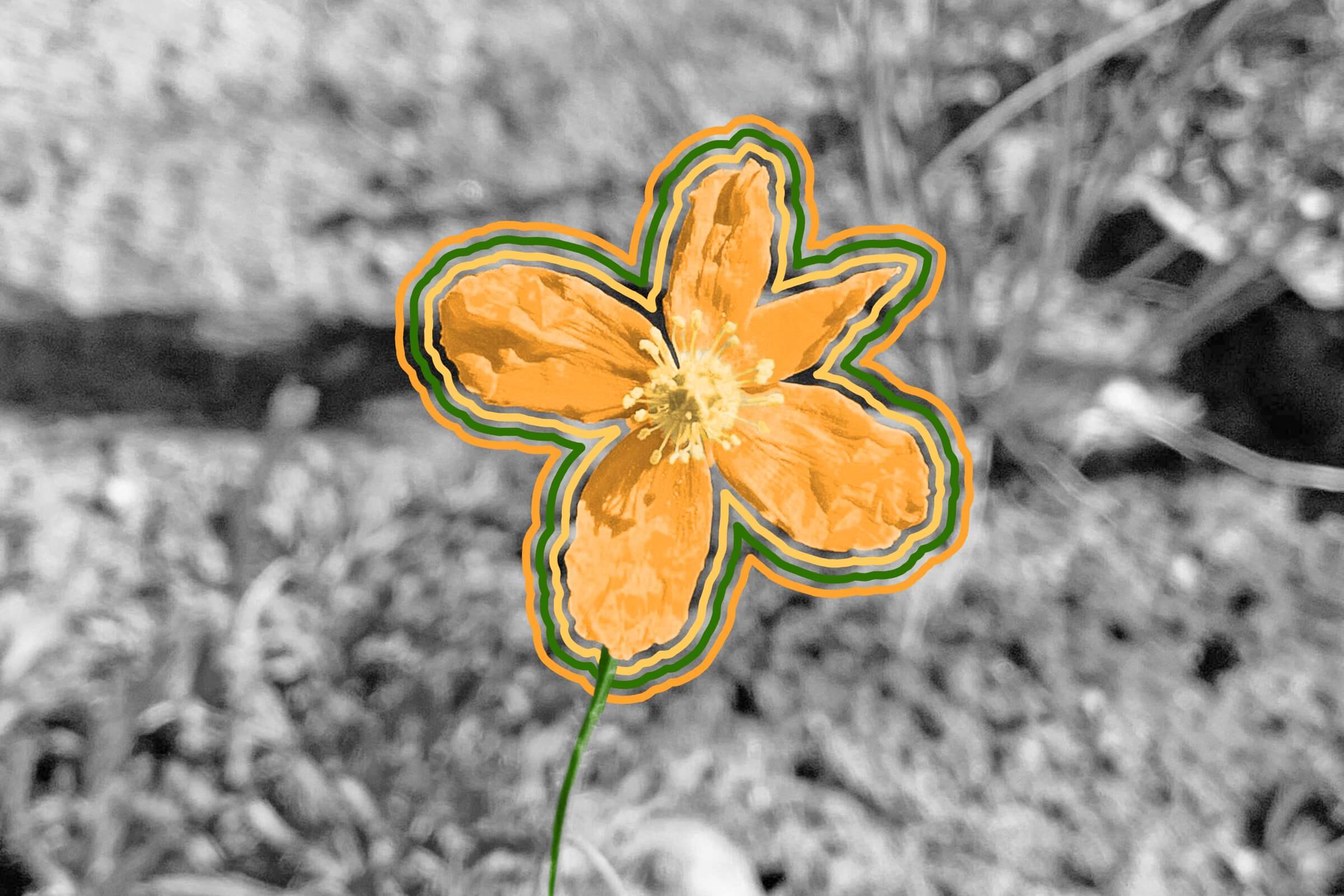
Wildfire can be devastating for humans and wildlife, yet some plant species rely on fire as a vital part of their life cycle. Known as fire followers, those species have evolved to take advantage of landscapes cleared by flames.
Take, for example, the fire poppy (Papaver californicum), a delicate orange-red wildflower that emerges almost exclusively after wildfires in California’s chaparral and foothills. Its seeds can lie dormant in the soil for decades, waiting for the precise combination of heat, smoke, and mineral-rich ash that only fire provides. When those conditions align, fire poppies bloom briefly and brilliantly, turning barren slopes into living proof that destruction can also bring renewal.




Oops, incorrect!
It's a fibIt was the University of Idaho, not California, that became the first to offer the degree in 2007.
But that poppy isn’t the only plant to thrive in a fire-ravaged environment; fire followers exist in dry ecosystems around the world, from Australia’s savannas to the Mediterranean basin and South Africa’s fynbos biome. Fire removes dense vegetation, returns nutrients to the soil in the form of ash, and alters the chemistry of the ground and air in ways that signal it’s finally safe to grow.
Some fire-following plants respond to heat that cracks open tough seed coats, while others are triggered by compounds found in smoke. In the months after a burn, when competition for growing space lessens and sunlight floods the ground, those plants can suddenly appear in extraordinary numbers, transforming charred land into fields of colorful growth.

Numbers Don't Lie
More Interesting Reads





Only one species of poppy produces ______.
Ready to reveal?
Confirm your email to play the next question?
Only one species of poppy produces opium.

Ecologists have studied the relationship between fire and plant life for more than a century.
In the early 1920s, botanists observed that certain chaparral shrubs in California only sprout and produce fruit after a wildfire, uncovering the evolutionary connection between fire and plant reproduction. Those early studies helped lay the groundwork for fire ecology, the scientific field dedicated to understanding how fire influences ecosystems.
Fire ecologists examine how burns affect plant growth, nutrient cycling, seed dispersal, and interactions between species, revealing that fire is not just a destructive force but also a vital process for many landscapes around the world. Since those early observations, fire ecology has developed into a structured field of research. By the mid-20th century, scientists had begun studying how fire shapes vegetation patterns, soil chemistry, and ecosystem recovery.

Kristina is a coffee-fueled writer living happily ever after with her family in the suburbs of Richmond, Virginia.
top picks from the Inbox Studio network
Interesting Facts is part of Inbox Studio, an email-first media company. *Indicates a third-party property.