

Interesting Facts
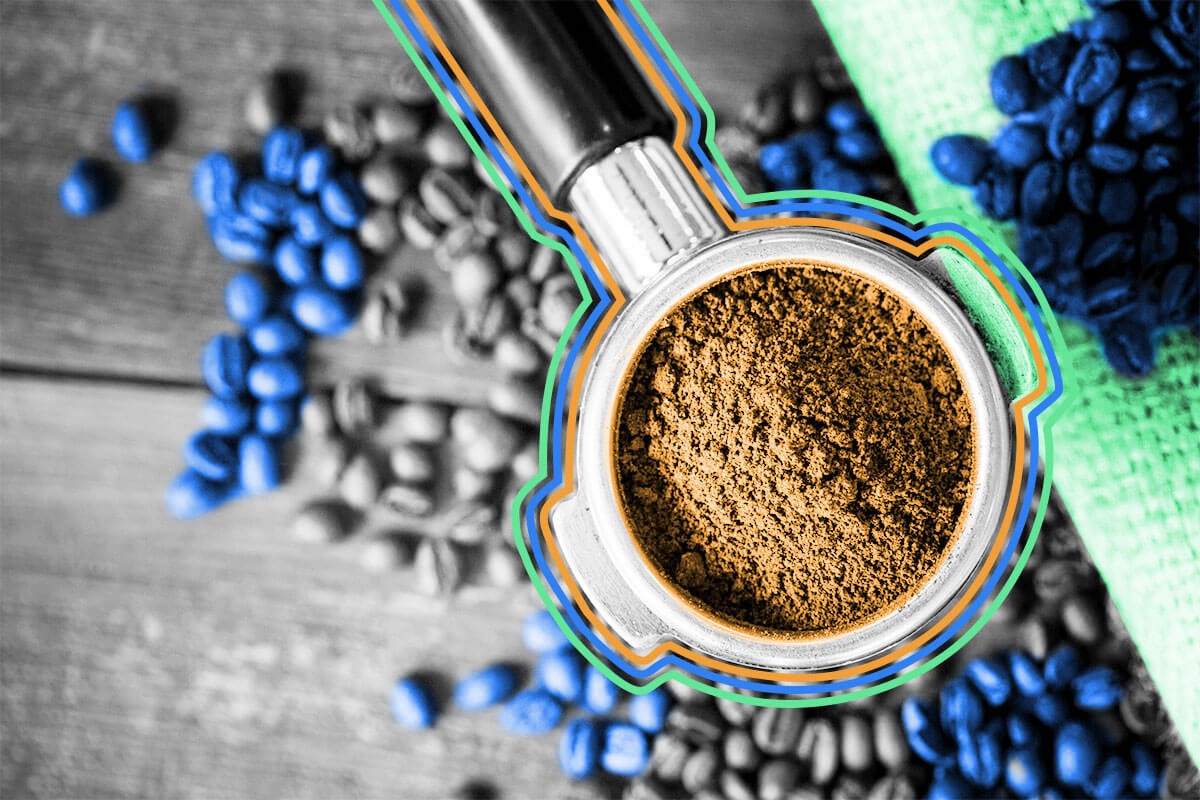
Farmers aren’t the only ones with a vested interest in keeping bugs off crops. Plants themselves have a number of defenses against their entomological enemies, including, it turns out, caffeine. The chemical serves as a natural pesticide that “disturb[s] the behavior and growth of numerous insects and their larvae,” according to a New York Times report on the discovery of caffeine’s natural function in 1984. Until then, researchers had been mystified about why plants produce caffeine in the first place, as useful as it is for people.
In tests, caffeine proved effective against mosquitoes, tobacco hornworms, milkweed bugs, mealworms, and other pests; some of these tiny foes became uncoordinated, while others’ appetites were suppressed. (Aside from coffee and tea, plants that naturally include caffeine are kola, cacao, guarana, and yerba mate, among others.)




Oops, incorrect!
It's a fibThough you can certainly become dependent on caffeine, experts don’t consider it an addiction because the withdrawal effects are minor when compared to those of alcohol and other drugs.
For all that, caffeine has yet to come into commercial use as an insecticide. Aside from a host of logistical issues (including its water solubility), its effectiveness is something of a double-edged sword, as it can seep into the soil of coffee farms to such an extent that it actually harms the plants themselves. As with humans consuming caffeine, moderation is key.

Numbers Don't Lie
More Interesting Reads



The country that drinks the most tea per capita is ______.
Ready to reveal?
Confirm your email to play the next question?
The country that drinks the most tea per capita is Turkey.

Caffeine improves bees’ memory.
When bees pollinate coffee flowers and some other plants, they get a caffeine buzz not unlike the one we receive after drinking a cup of joe. (And it’s not just coffee plants that pack the punch here — researchers estimate that as many as 55% of flowering plants may have caffeine-laden nectar.) Studies have shown that bees return to caffeinated nectar more frequently than the decaf kind, which is as good for the plants as it is for the bees. The caffeine seems to improve the bees’ memory and may act as a kind of reward for the buzzing creatures, making them more motivated to return to — and, more importantly, pollinate — flowers containing that sweet, sweet stimulant.

Michael Nordine is a writer and editor living in Denver. A native Angeleno, he has two cats and wishes he had more.
top picks from the Inbox Studio network
Interesting Facts is part of Inbox Studio, an email-first media company. *Indicates a third-party property.