
Original photo by filipefrazao/ iStock
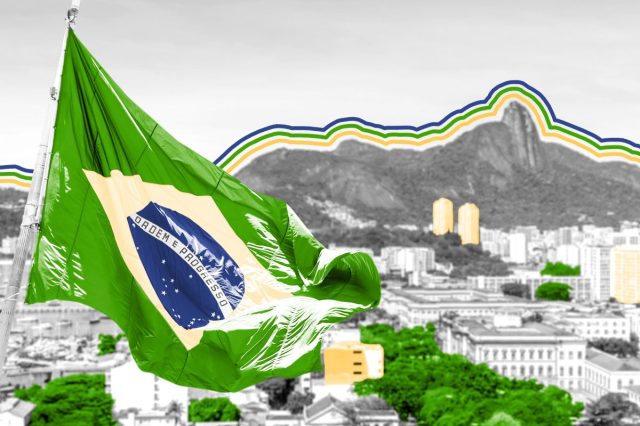
You may think two countries as far apart and culturally different as Japan and Brazil would have little in common. And yet these nations have enjoyed a surprisingly close relationship since June 18, 1908, when around 800 settlers from southern Japan first arrived in Brazil from their home country nearly 10,000 miles away.
Now celebrated in Brazil each year as Japanese Immigration Day, the occasion marked the arrival of what eventually grew into the largest population of Japanese people outside of Japan: nearly 2 million. That’s more than the Nikkei population in the United States (1.6 million) and far more than in other countries near Japan, such as China (97,538) and Thailand (72,308).




Oops, incorrect!
It's a fibThough it’s the most iconic, the 125-foot statue standing above Rio is practically diminutive compared to “Our Lady of Fátima” in the city of Crato, which is 177 feet tall including its pedestal.
So what brought so many Japanese citizens to Brazil in the first place? As is the case with many migrants, it was the promise of a better life. The two countries established an immigration treaty in 1907 due to Brazil requiring an influx of workers on its coffee plantations, leading many farmers to start anew in the state of São Paulo — whose capital city of the same name is the Brazilian city with the largest Japanese population — where they employed their own agricultural techniques.
The Japanese immigrants faced harsh living and working conditions, and most were therefore unable to attain their initial dream of returning to Japan after saving enough money. This led to many instead settling in the country permanently. There were more than 130,000 Japanese immigrants living in Brazil by 1932, a number that has only continued to grow in the decades since.

Numbers Don't Lie
More Interesting Reads






The capital of Brazil is ______.
Ready to reveal?
Confirm your email to play the next question?
The capital of Brazil is Brasilia.

Brazil was briefly the seat of Portugal’s government.
Lisbon has been the capital of Portugal for nearly 800 years, though its tenure hasn’t been uninterrupted. Napoleon invaded the country as part of the Peninsular War in the early 19th century, causing Portugal’s royal family to flee to Rio de Janeiro in 1807. The city was then declared the Portuguese Empire’s capital from 1808 to 1821, marking the only time a colony has served as a country’s seat of government.
The move ultimately helped Brazil’s own independence movement. The printing press the Portuguese government brought to Rio was left behind when the government returned to Lisbon, and Brazilians used it to print literature about independence — which Brazil achieved shortly afterward in 1822.

Michael Nordine is a writer and editor living in Denver. A native Angeleno, he has two cats and wishes he had more.
top picks from the Inbox Studio network
Interesting Facts is part of Inbox Studio, an email-first media company. *Indicates a third-party property.