

Original photo by coldsnowstorm/ Adobe Stock
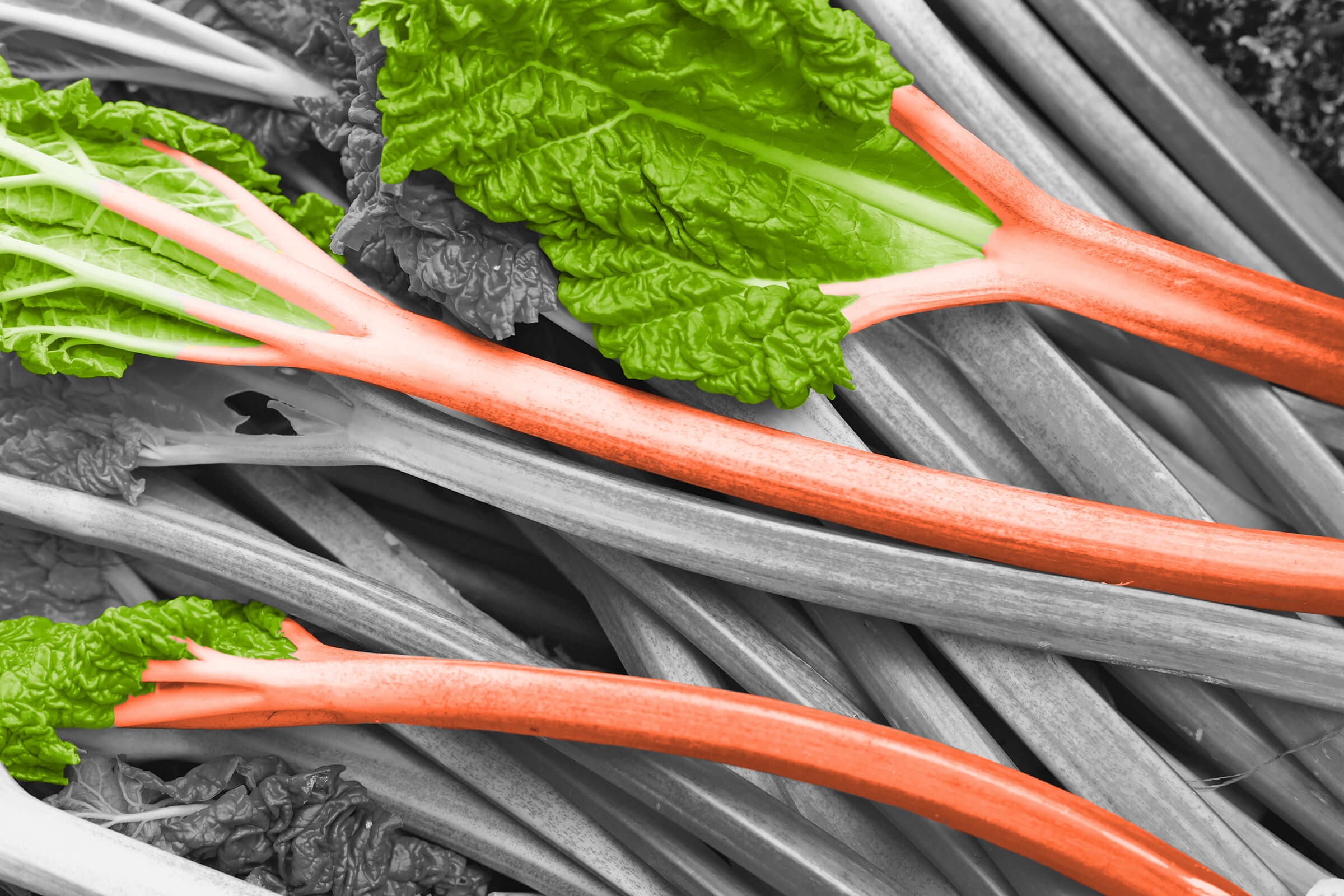
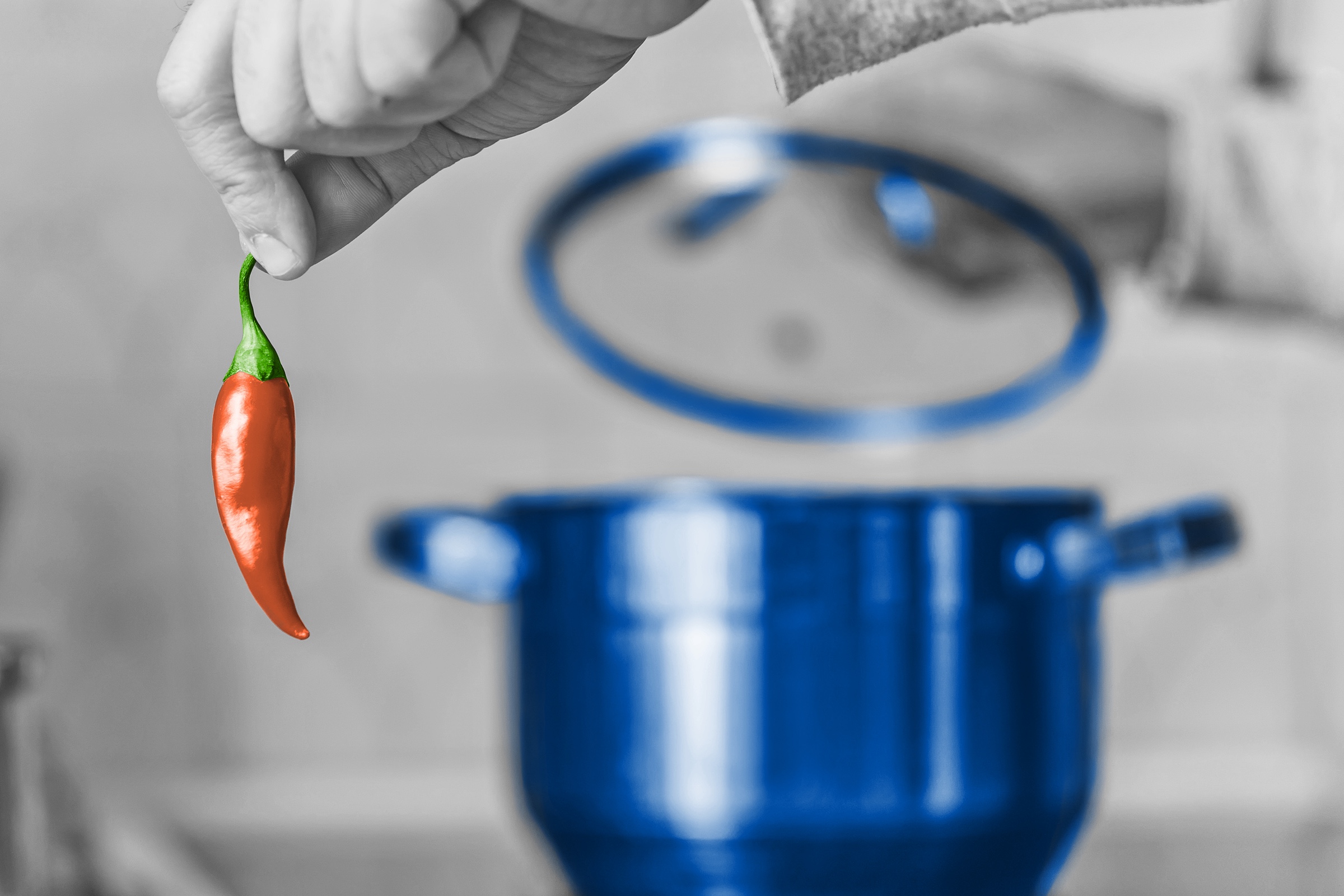
There can sometimes be a fine line between a nutritious meal and a swift trip to the emergency room. Certain foods we eat can be surprisingly toxic under the right — or rather, wrong — conditions. Plants may contain natural compounds that evolved as part of their defense mechanism, making otherwise edible fruit and veggies toxic if not handled properly. And many other types of food can develop toxins through improper preparation, storage, or cooking methods.
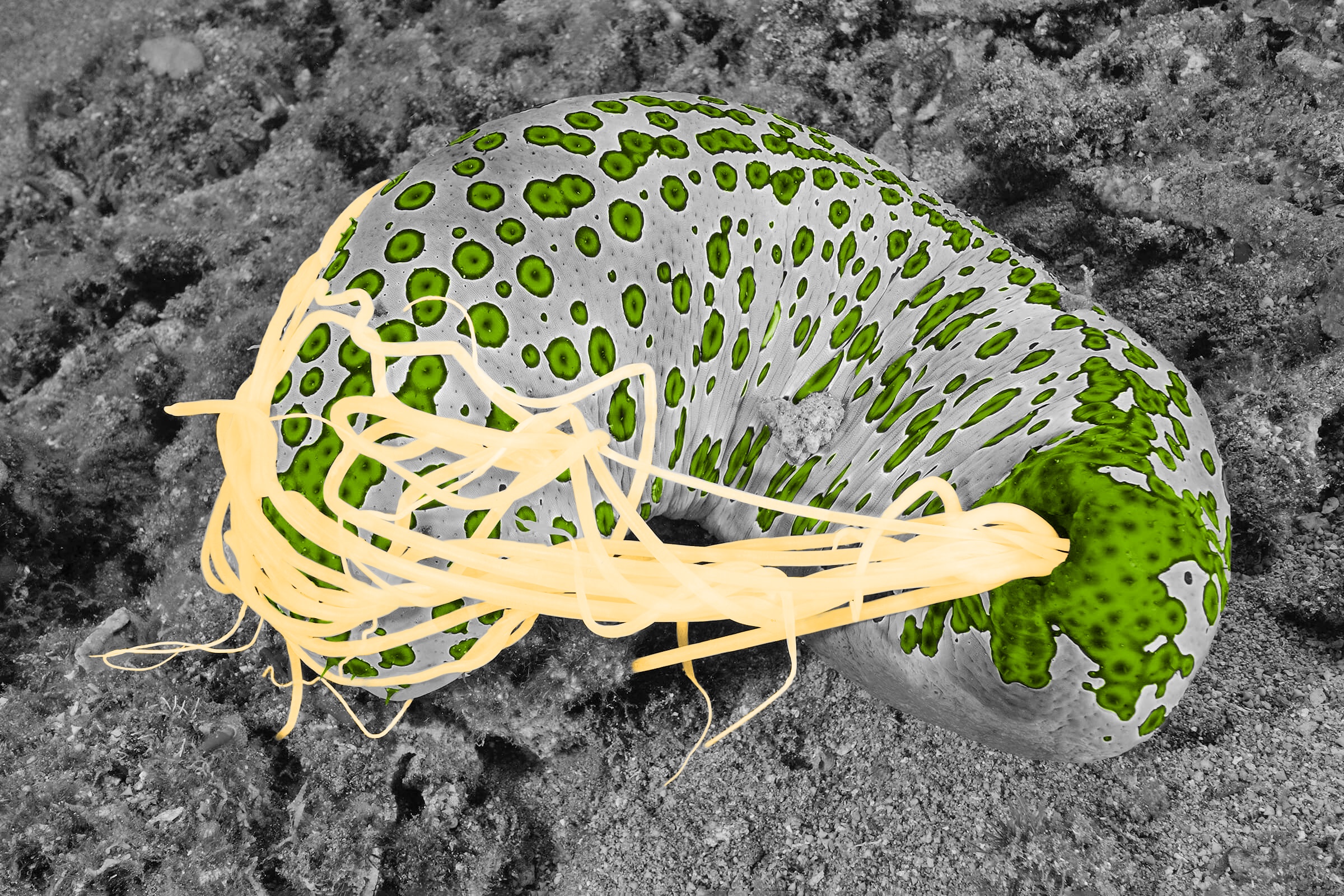
Perhaps the most infamous example of a high-risk food is the Japanese delicacy fugu, or pufferfish, which contains a lethal toxin known as tetrodotoxin. The fish can only be prepared and sold by specially trained and licensed chefs who know how to remove the poisonous parts, making it safe to consume in licensed establishments. If incorrectly handled or consumed, it can be fatal.
Most of us don’t eat pufferfish on a daily basis, but it’s not just rare dishes that can be toxic — some common foods can also pose a significant risk. Here’s a look at six foods you may be surprised to learn should be handled with extra care.
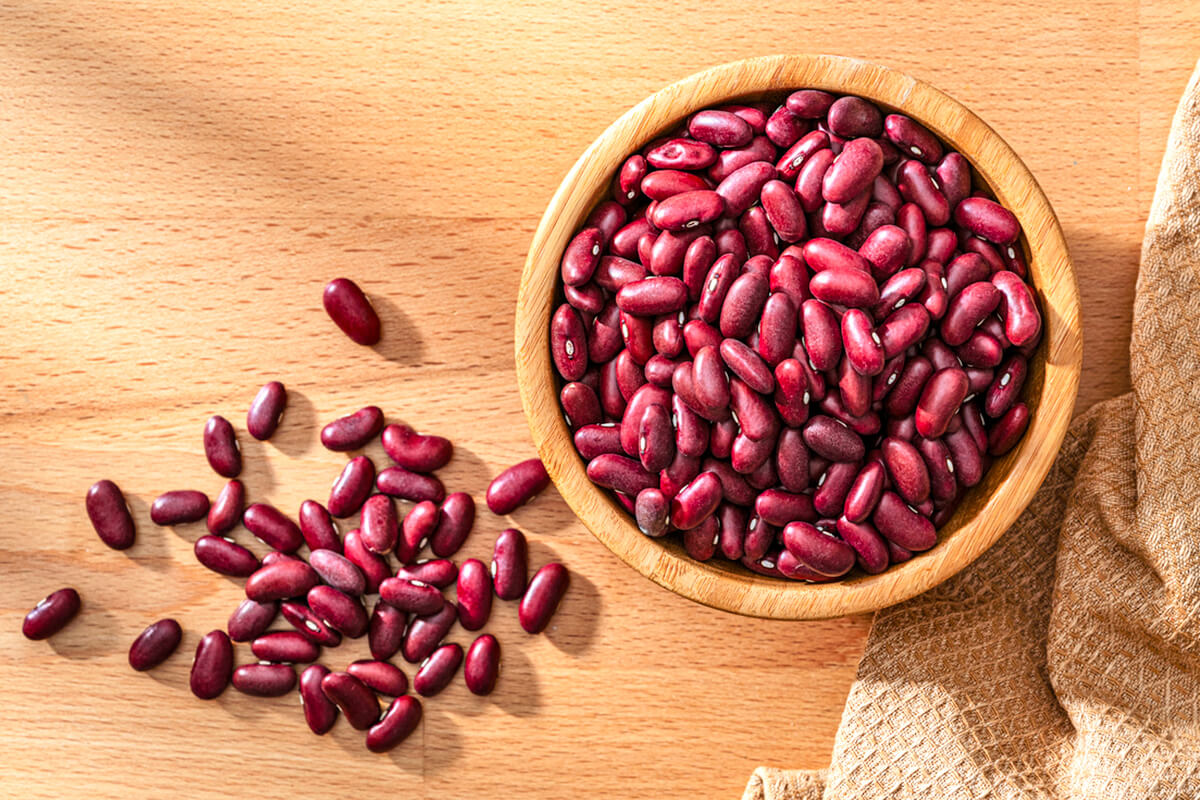
Kidney Beans
Who knew the humble kidney bean had a dark side? These otherwise healthy legumes contain high levels of phytohaemagglutinin (PHA), a plant lectin that’s toxic to humans. Eating as few as four undercooked kidney beans can trigger a host of nasty symptoms, including nausea, abdominal pain, diarrhea, and vomiting — potentially requiring hospitalization.
The FDA recommends soaking kidney beans for a minimum of five hours and then boiling them in fresh water for at least 30 minutes to remove and destroy the toxins. And if you’re thinking of using a slow cooker — don’t! It may not reach temperatures high enough to eliminate the PHA, thereby putting your health at risk.
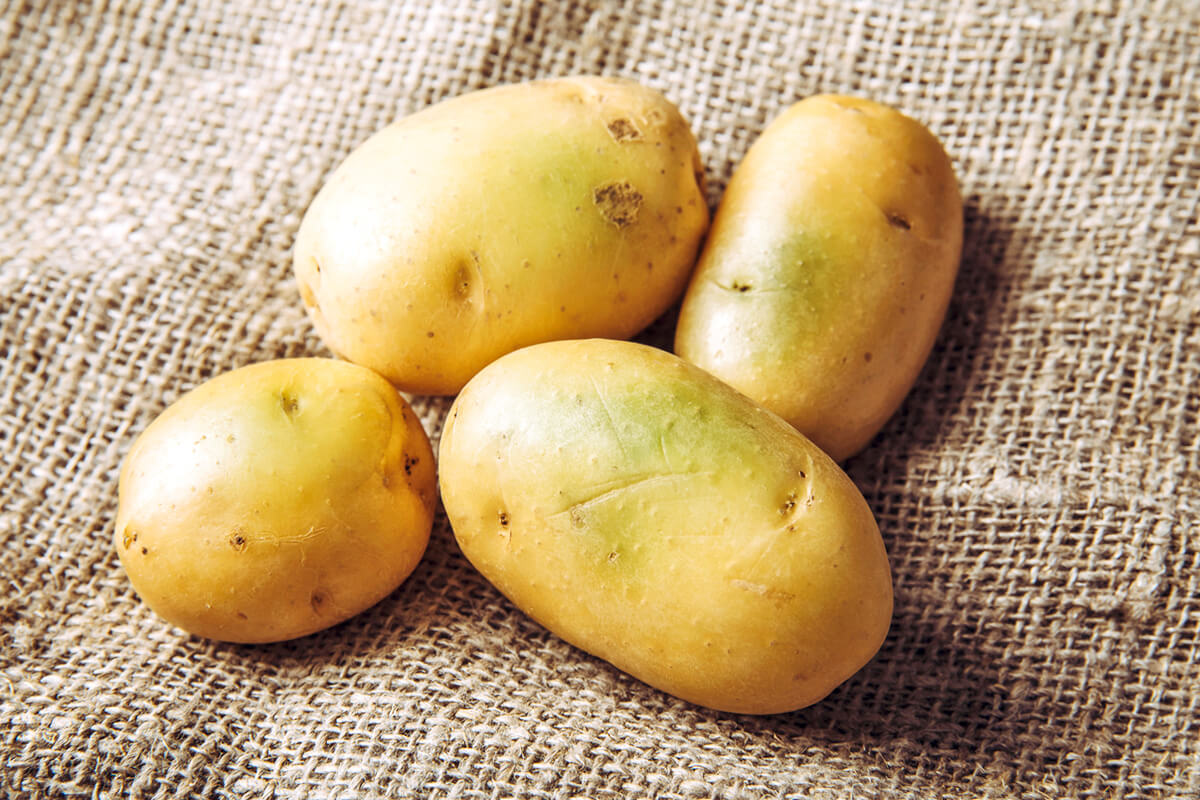
Green Potatoes
Potatoes are the third-most consumed food crop in the world after rice and wheat — and normally, they’re very safe to eat. But if they’re stored in a warm, bright place, the tubers identify it as a suitable growing location and prepare to sprout. This increases chlorophyll production, which slowly colors the peel and some of the flesh green.
Chlorophyll is harmless, but its presence indicates the potato has also increased its production of a toxic glycoalkaloid called solanine. If enough is consumed, solanine can cause nausea, headaches, neurological problems and even be fatal. For that reason, you should always remove the green parts of potatoes — or discard green potatoes entirely.
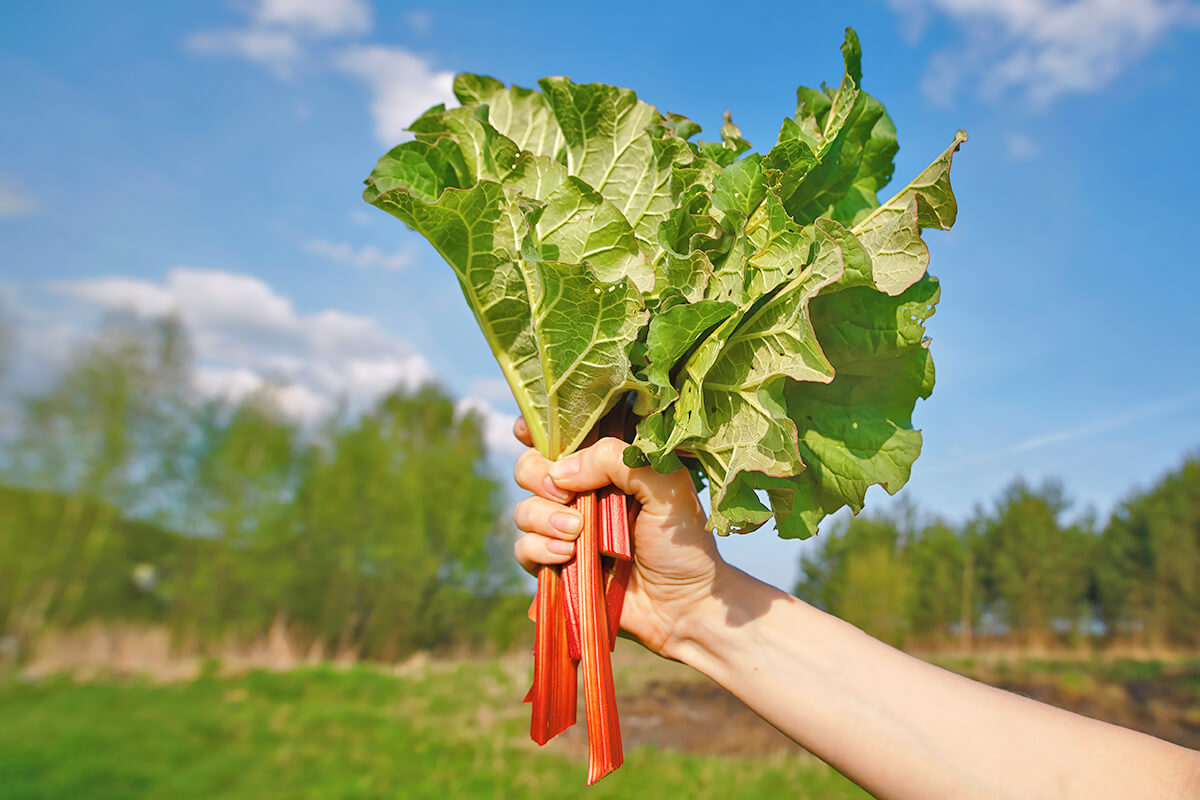
Rhubarb Leaves
Rhubarb is great for incorporating into delicious pies, cobblers, crumbles, jellies, and jams — but only if you use the stalk. If you ever find yourself thinking about throwing in the leaves as well, think again. Rhubarb leaves contain dangerously high levels of oxalic acid (a known toxin), as well as anthraquinone glycosides (suspected toxins).
Consuming rhubarb leaves can cause all manner of issues, including breathing difficulties, burning sensations in the mouth and throat, nausea, vomiting, kidney stones, and seizures. In severe cases, consumption can even result in kidney failure, coma, and fatalities. So while the stalks are safe to eat, be sure to discard every bit of the leaves.
More Interesting Reads
Cassava
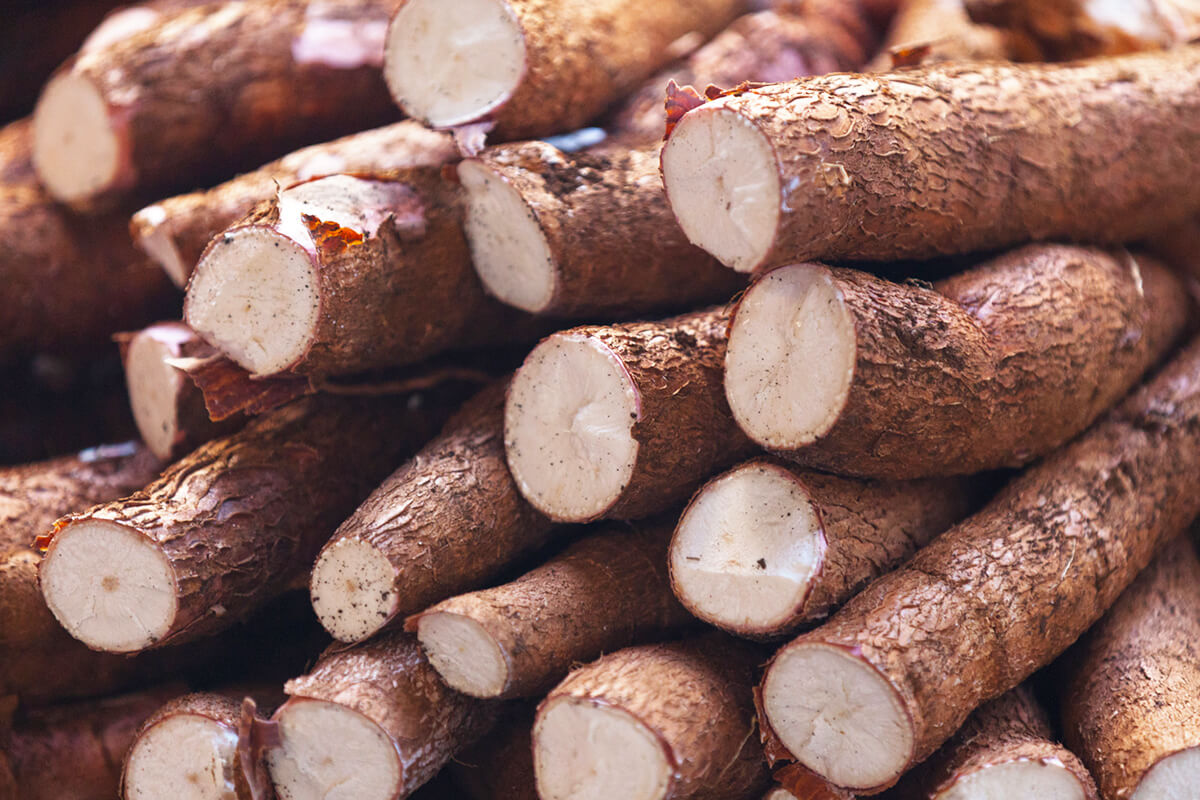
Cassava, also known as yuca or manioc, is one of the most important tuber crops in the world, especially in tropical and subtropical regions, providing a major source of food to more than 800 million people globally. This starchy root vegetable, however, can be highly poisonous. The leaves and edible roots contain cyanogenic glycosides — in other words, cyanide.
If consumed raw, cassava can cause cyanide poisoning, leading to paralysis, organ failure, convulsions, and death. When prepared correctly — typically through peeling followed by prolonged soaking and boiling — the dangerous toxins are removed. But as a general rule, never eat raw cassava, and make sure it’s prepared by someone familiar with the correct cooking methods.
Elderberries
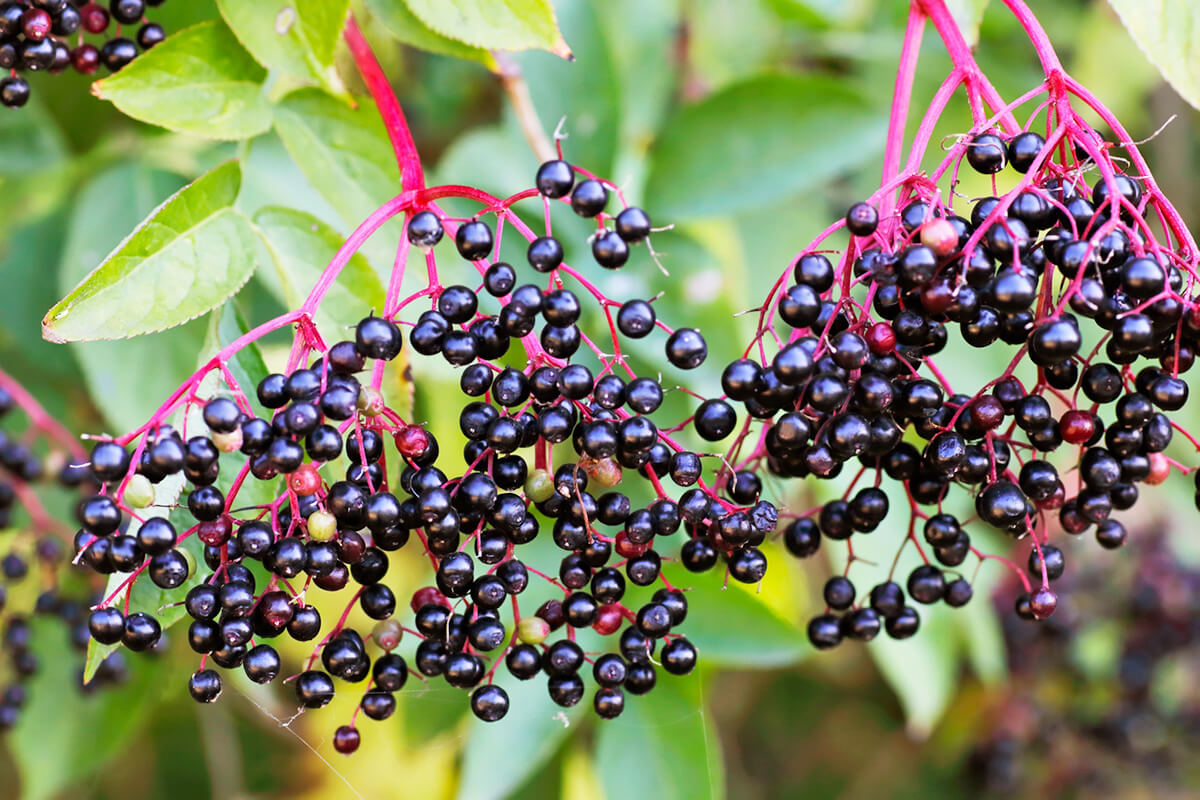
Cooked elderberries are perfect for concocting jams and syrups. They’ve also been used for centuries in folk medicine as a treatment for colds and the flu, and to this day they’re sold as “immune boosters” (although evidence for their effectiveness is limited). But raw or unripe elderberries, as well as other parts of the elder tree, contain poisonous cyanide-producing substances.
Thankfully, proper cooking eliminates those toxins, and commercial elderberry products are processed to remove any harmful compounds. If you do go foraging for elderberries, never eat them raw — and be sure to cook them properly before consumption.
Nutmeg
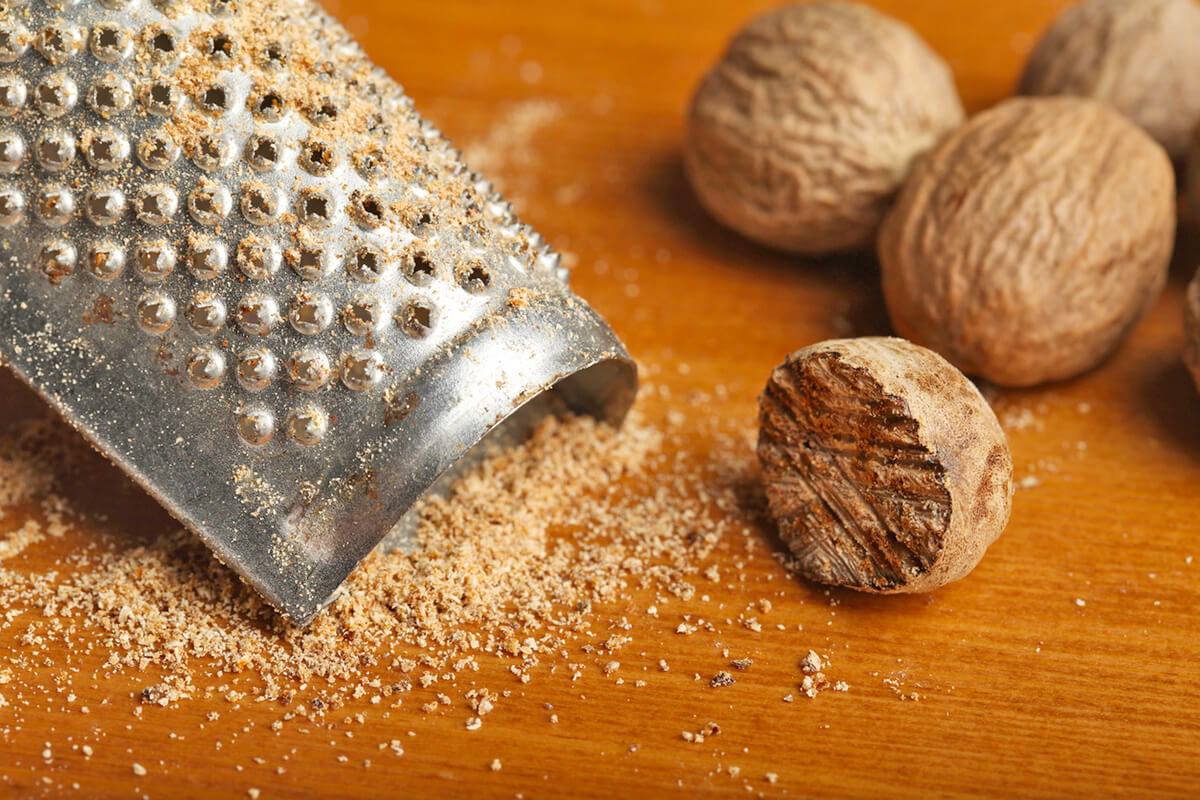
Nutmeg is a no-brainer when you want to add a warm, nutty flavor to both savory and sweet dishes; this commonly consumed spice goes great in pumpkin pie and eggnog or sprinkled on a hot chocolate or latte. But beware: Nutmeg contains myristicin, a naturally occurring compound that’s toxic if consumed in sufficient quantities.
While a sprinkling on your Frappuccino is fine, ingesting as little as 1 tablespoon can produce a toxic reaction. According to a report by Michael K. Abernethy and Lance B. Becker in The American Journal of Emergency Medicine, symptoms can include hallucinations, palpitations, and feelings of impending doom.
Nutmeg is normally perfectly safe when used for cooking, as the amounts used in recipes are far too small to cause harm — most recipes call for just ¼ or ½ a teaspoon of nutmeg, not a full tablespoon, with those amounts spread across an entire dish rather than being concentrated. But if large quantities are ingested, either accidentally or on purpose, the intoxicating, negative effects can last for days.

Tony is an English writer of nonfiction and fiction living on the edge of the Amazon jungle.
top picks from the Inbox Studio network
Interesting Facts is part of Inbox Studio, an email-first media company. *Indicates a third-party property.