
Original photo by © natatravel/iStock
Unless you’re a historian who’s pored over every last detail in each city charter and state constitution, you may be shocked to learn about the everyday activities that were once considered taboo in the eyes of the law. It’s hard to fathom that lawmakers once took issue with shimmying shoulders, common arcade games, or playing sports on certain days of the week — but it’s true. Here’s a look at five surprisingly unlawful actions from the past.
Playing Sports on Sunday
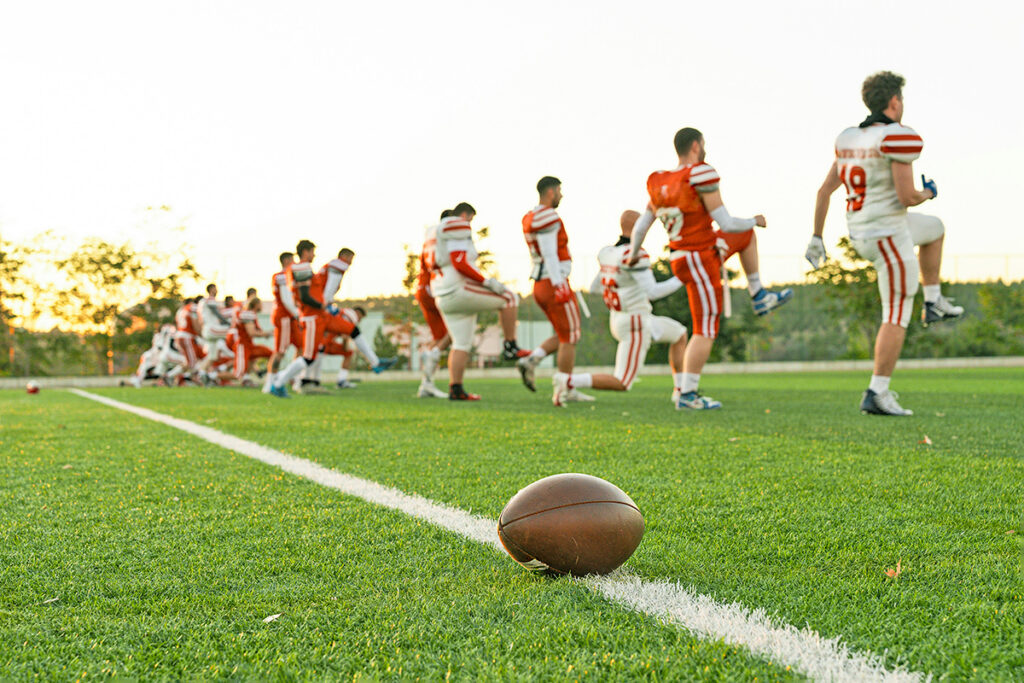
For many people, Sunday is now synonymous with professional sports, such as baseball and football. But enjoying those activities on a Sunday was once strictly prohibited in many parts of the U.S. This stems from blue laws, which have existed since the nation’s creation. Blue laws were typically imposed on a state or local level, and they forbade secular activities on Sundays so Christians could focus their attention on religious observance. While many such laws were repealed over time, some stayed on the books for decades.
As baseball surged in popularity throughout the late 18th and early 19th centuries, many states prohibited Sunday games due to those blue laws. The managers of the New York Giants and Cincinnati Reds were even arrested for playing a game one Sunday in 1917. Two years later, New York changed its laws to allow Sunday sports.
While other states followed suit in allowing sports on Sundays, Pennsylvania remained the final holdout. Having adopted blue laws back in 1794, voters there didn’t overturn the laws until 1933 — the same year the National Football League’s Pittsburgh Steelers (then called the Pirates) debuted.
The team’s first Sunday home game on November 12, 1933 was technically illegal. Citizens had voted down blue laws a few days prior, but the law hadn’t been formally repealed. However, team owner Art Rooney bribed the superintendent of police, who allowed the Sunday game to take place.
Today, the majority of blue laws across the nation have been overturned, though some areas still restrict alcohol and other retail sales on Sundays. But when it comes to playing sports, no such restrictions remain.
Dancing
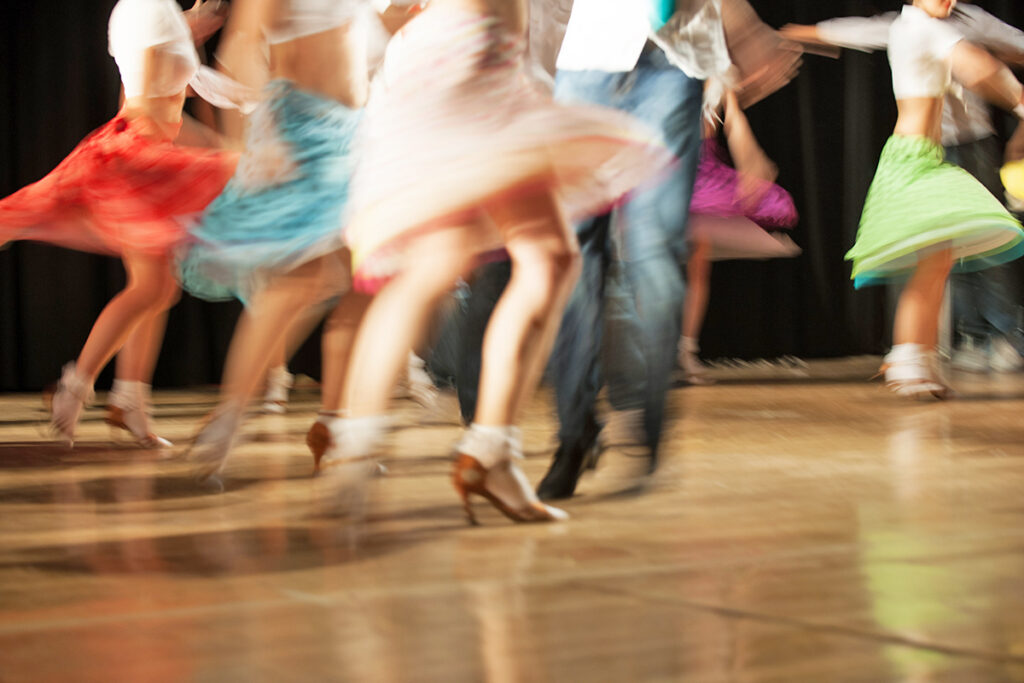
The movie Footloose was more than just a work of fiction — it was based on the strange dancing bans that have existed throughout the U.S. since the 19th century. That film was inspired, in part, by the town of Elmore City, Oklahoma, where a dancing ban had been on the books since 1898. Religious groups viewed dancing as a gateway to immoral acts such as sex and alcohol consumption. The law was eventually lifted in 1980 thanks to a group of Elmore City High School students who fought for the right to have senior prom.
But it wasn’t just rural towns such as Elmore City that banned dancing — New York City did as well. In 1926, the Big Apple enacted the New York City Cabaret Law, which banned dancing, singing, and general entertainment at commercial establishments that sold food or liquor without being granted permission. Dancing was only permitted if the business acquired a cabaret license.
Many derided this as a selectively enforced tool used primarily for racial discrimination, and the city eliminated the law in 2017. However, it’s still technically illegal to shake a leg in NYC restaurants that serve liquor, as the State Liquor Authority bans dancing per the liquor licenses they issue. Luckily, that odd rule is never enforced, and the state government is looking to remove the wording from those liquor licenses and allow dancing by default.

Government Employees Writing Crossword Puzzles
The U.S. Ethics Reform Act of 1989 sought to prevent corruption by establishing clear ethical guidelines for government employees. This included an honoraria ban, which prohibited lawmakers from accepting financial compensation for speeches, appearances, or written articles. But the law’s loose wording had inadvertent consequences, also restricting civil servants’ ability to participate in paid hobbies on the side.
Among the most infamous examples was an unnamed government investigator who was informed he could no longer create crossword puzzles for a newspaper unless he quit his job first. In another case, an IRS employee with a degree in geophysics was banned from speaking about earthquake preparedness, while a separate instance saw a different IRS worker prohibited from covering baseball and hockey games.
Another example featured a civil servant who moonlighted as an after-hours dance instructor, only to be told teaching dance class was a prohibited form of paid speech. The portion of the Ethics Reform Act that included the honoraria ban was overturned by the Supreme Court in 1995, who deemed it a violation of free speech.
More Interesting Reads



Kissing in Public
One of the first-known instances of a kissing ban was enacted on July 16, 1439, when Henry VI banned smooching in England to prevent the spread of bubonic plague. But in colonial America, religious Puritans prohibited kissing for a very different reason: They believed public displays of affection were an affront to God, and that offenders should be punished with fines.
In a legal spectacle that would’ve surely had wall-to-wall coverage if TV cameras had existed, Connecticut residents Sarah Tuttle and Jacob Murline were brought before the court on May 1, 1660, and prosecuted for “sinful dalliance.” They were accused of sitting on a chest with their arms wrapped around each other for around half an hour. Horrified witnesses also reported the pair had been kissing, and they were sentenced to pay a fine of 20 shillings (or roughly $240 today).
Pinball Machines
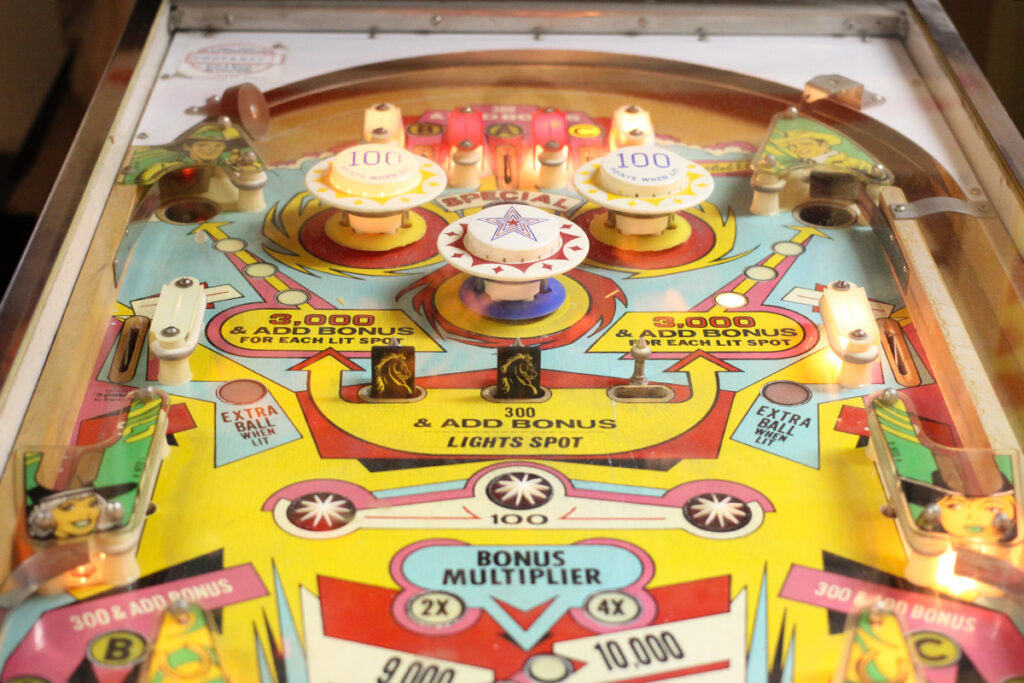
In 1931, the coin-operated Whiffle machine was unveiled to the public, and many regard this device as the first modern pinball machine. And while plenty of people viewed the machine as a fun way to pass the time, others worried it encouraged gambling.
Some folks even suspected the machine was the work of the mafia, given that many pinball machines were manufactured in Chicago, which had strong mob ties. One person who held this belief was New York City Mayor Fiorello LaGuardia, who helped spearhead a movement to ban pinball.
Following the 1941 attack on Pearl Harbor, LaGuardia began arguing that pinball machines were a waste of wartime resources. Public opinion shifted against pinball for this reason and due to the game’s perceived ties to the mafia, and on January 21, 1942, a Bronx court declared pinball a form of illegal gambling. The police began raiding shops around the city, collecting and destroying 3,000 pinball machines in three weeks.
Other cities, including Chicago and Los Angeles, followed suit with similar bans, and it took decades for pinball to shed its seedy reputation. Tensions cooled in the 1970s: In 1974, the California Supreme Court overturned the ban by stating it was a game of skill, not gambling. New York City lifted its own ban in 1976, and pinball machines began to pop up in arcades around the country.

Bennett Kleinman is a New York City-based staff writer for Inbox Studio, and previously contributed to television programs such as "Late Show With David Letterman" and "Impractical Jokers." Bennett is also a devoted New York Yankees and New Jersey Devils fan, and thinks plain seltzer is the best drink ever invented.
top picks from the Inbox Studio network
Interesting Facts is part of Inbox Studio, an email-first media company. *Indicates a third-party property.