
Original photo by katjabakurova/ Adobe Stock
Almost everyone has a favorite type of candy. Some of us prefer chocolate bars, others opt for something fruity or gummy, and then there are folks who enjoy something more old-school, such as butterscotch hard candies.
Many of these beloved candies have histories as remarkable as their flavors, from the popular confection created explicitly for soldiers to the chocolate bar that traveled to space. Let’s unwrap these nine mouth-watering facts about popular candies.
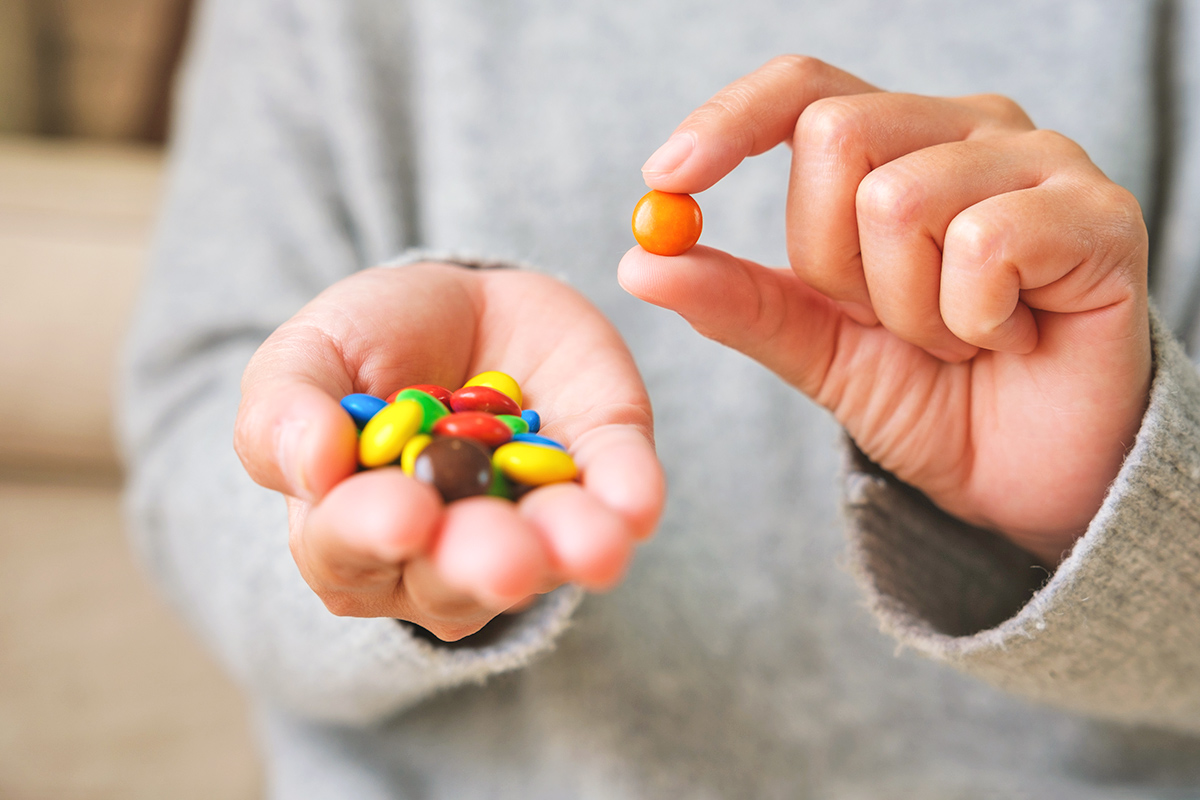
M&M’s Came Out of World War II
In the late 1930s, Forrest Mars Sr., then-director of the Mars candy company, was traveling through Spain during the Spanish Civil War when he noticed some soldiers eating small chocolate pellets encased in a hard sugar coating, which kept the chocolate interior from melting in the hot sun. Mars returned to the U.S. feeling inspired and began developing a similar candy of his own.
In 1941, Mars partnered with confectioner Bruce Murrie to produce the first M&M’s, named after the founders’ surnames. Like the candy that inspired them, M&M’s were designed to be eaten by soldiers, since the treats could withstand the hot and humid conditions of World War II’s Pacific front without melting as easily as typical chocolates. M&M’s were originally sold exclusively to the U.S. military, and eventually released to the public in 1947.
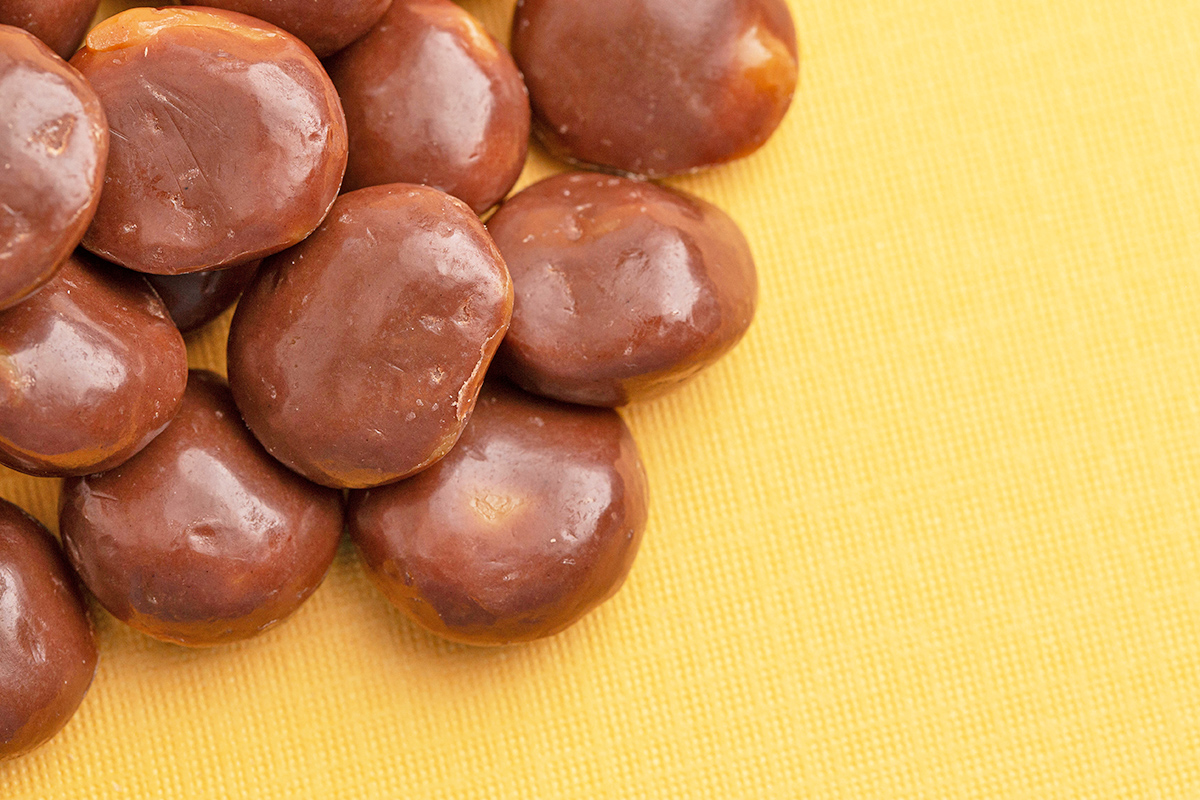
Milk Duds Got Their Name From a Manufacturing Failure
Milk Duds were invented in 1928 by the Chicago-based F. Hoffman & Co. The company had initially hoped to create a perfectly round ball of chocolate and caramel, but due to manufacturing limitations the candy always came out as a semi-round, imperfectly oblong shape. So the company referred to the failed candy as “duds.”
Despite their imperfect shape, the confections were still delicious, so the company chose to take them to market anyway. The candy ballooned in popularity after a businessman named Milton Holloway took over the company. He marketed the treat under the name Milk Duds — referring to both the large quantity of milk used in production and the “dud” nickname.
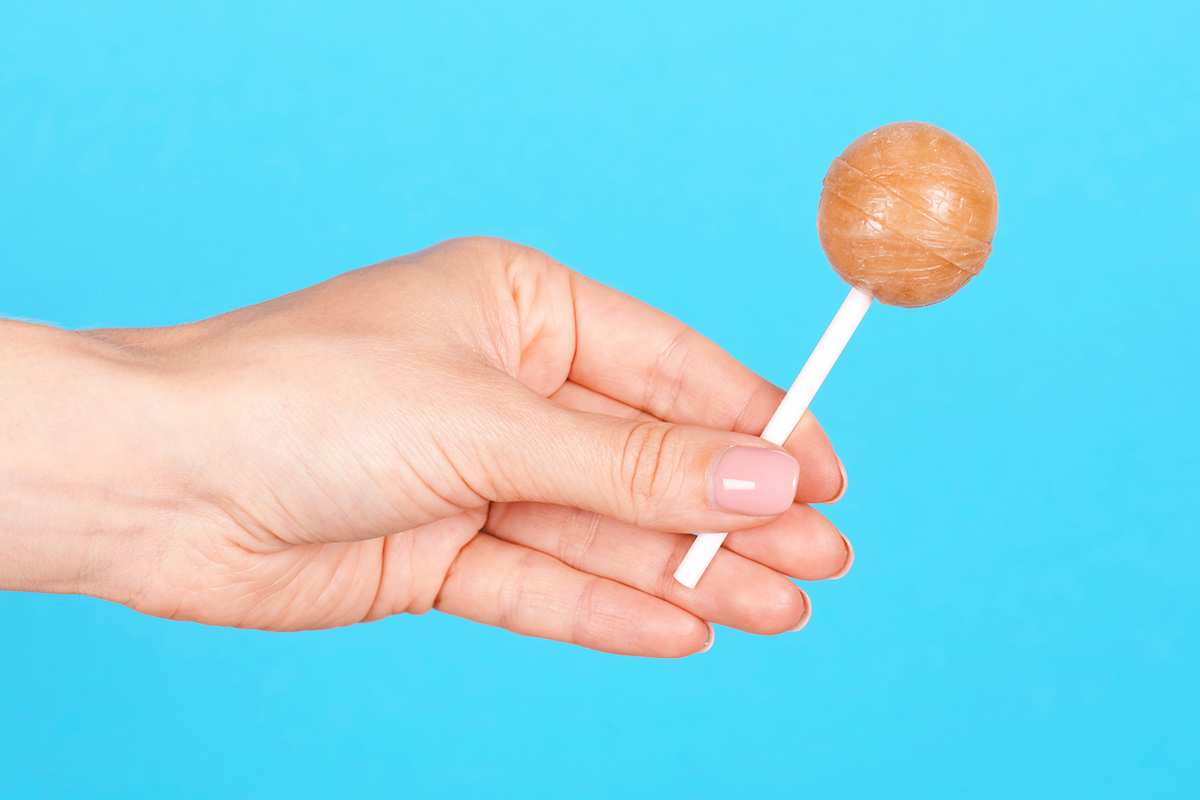
We Know (Roughly) How Many Licks It Takes To Reach the Center of a Tootsie Pop
According to Mr. Owl in the classic commercial, it only takes three licks to reach the chewy center of a Tootsie Pop. But based on the findings from several studies, the true number of required licks appears to be far higher.
One study conducted by students at Swarthmore Junior High School determined it takes an average of 144 licks to reach the center. Another group of engineering students at Purdue University found the average number to be closer to 252.
Both of those experiments used human lickers, but at least two known studies used robots instead. That same group of Purdue students created a licking machine modeled after a human tongue, which took an average of 364 licks to reach the lollipop’s center. An engineering doctorate student at the University of Michigan also built a licking machine, which resulted in an average of 411 licks.
This large range of results is attributable to a number of factors, including, but not limited to, the force and consistency of each lick, the total amount of saliva (or lack thereof), and tongue size.
More Interesting Reads


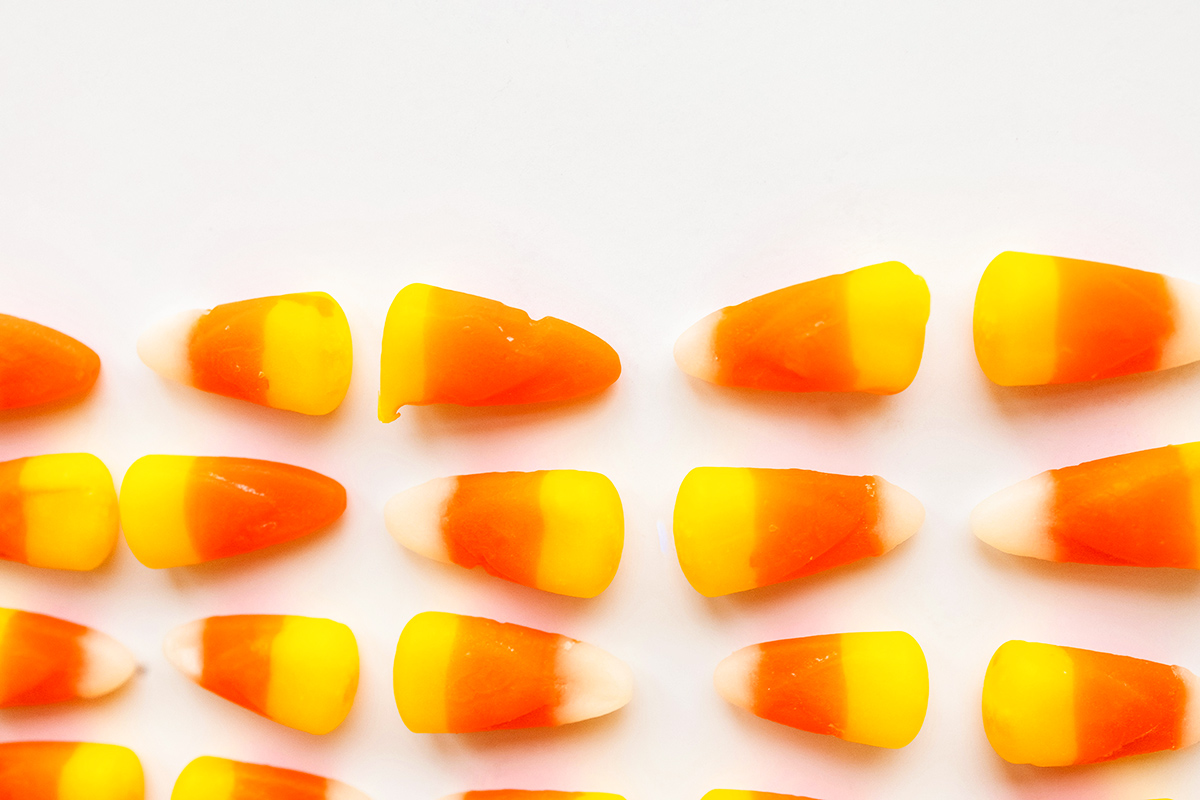
Candy Corn Was Originally Called “Chicken Feed”
Candy corn was invented in the 1880s, when many companies were marketing products toward farmers, a profession that comprised roughly half of the American workforce. Several candies were modeled after pumpkins, turnips, or other foods that resonated with agrarian communities.
In 1898, the Goelitz Confectionery Company (known today as Jelly Belly) acquired the recipe for what we know today as candy corn. But the company initially decided to market the treat as “chicken feed” — a playful name they believed would appeal to farmers and their families.
After World War I, human corn consumption rose in the United States due to postwar agricultural surplus, a rise in processed corn-based products, and economic shifts that made corn an affordable staple food. To capitalize on this trend, Goelitz renamed its confection “candy corn” based on its resemblance to corn kernels. Even after the name change, early ads for candy corn featured poultry iconography that paid homage to its original moniker.
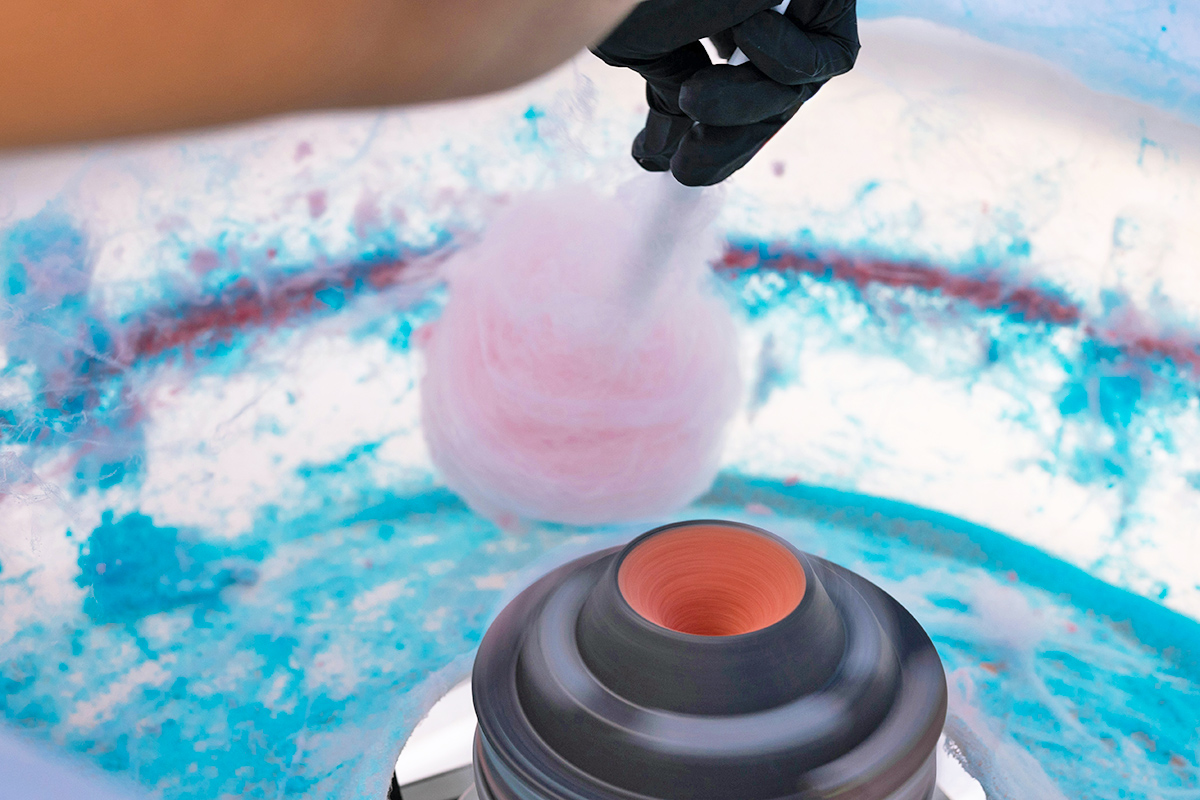
A Dentist Invented Cotton Candy
Most dentists would tell you to steer clear of eating too much candy, but dentist William Morrison may have been tempted to encourage otherwise. In 1897, Morrison was living in Nashville, Tennessee, when he teamed up with a local candymaker named John C. Wharton to create and patent an electric candy machine that produced what they called fairy floss, though we know it today as cotton candy.
Fairy floss exploded in popularity at the 1904 World’s Fair in St. Louis, where Morrison and Wharton sold their product for $0.25 per box (equivalent to roughly $9.10 today). The pair was able to sell a staggering 68,655 boxes of candy, raking in $17,163.75, or upwards of $625,000 when adjusted for inflation. The confection was rebranded as cotton candy in 1920 to market its texture, which was said to be as soft and fluffy as cotton.
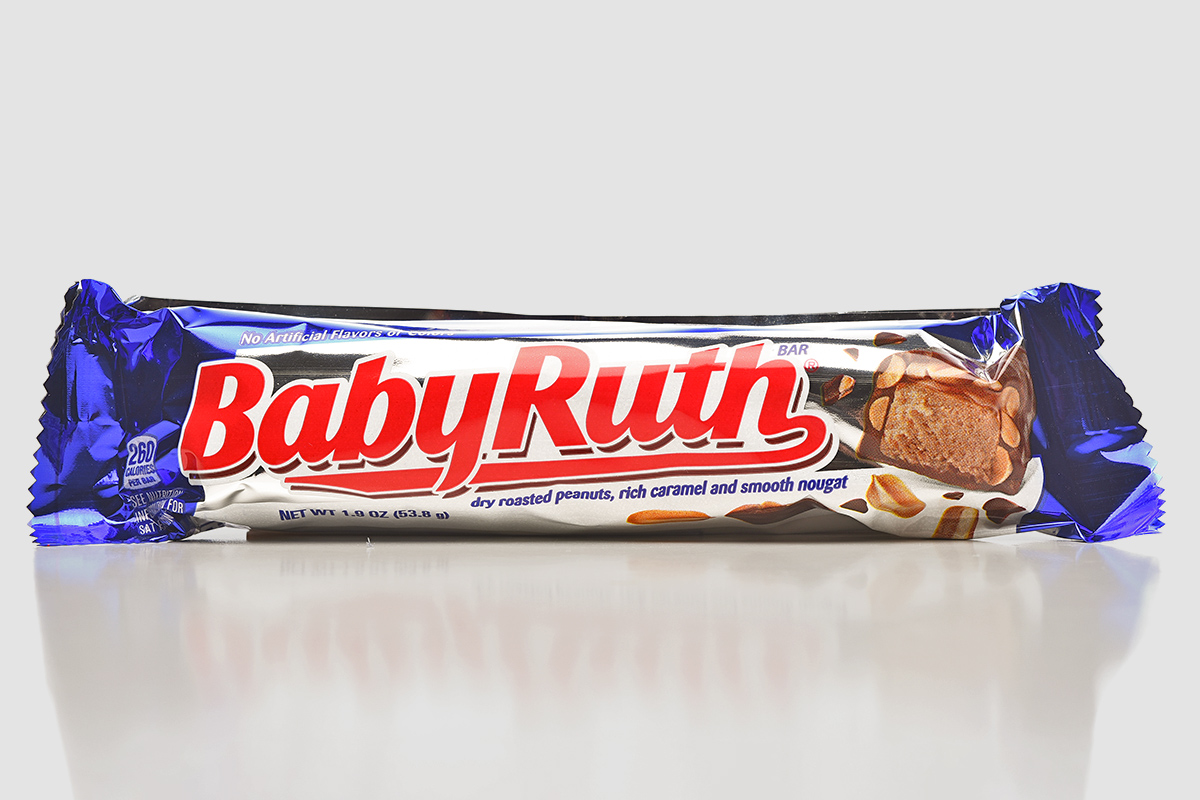
The Creator of Baby Ruth Sued Babe Ruth
The Baby Ruth candy bar was created by the Curtiss Candy Company in 1920 — the same year that baseball legend Babe Ruth hit a then-record 54 home runs. But the Great Bambino was irked that the company was selling a candy bar with such a similar name to his own without offering him any royalties. Rather than take the Curtiss Candy Company to court, the Sultan of Swat decided to make his own candy bar, and in 1926 he debuted Ruth’s Home Run bar.
The Curtiss Candy Company responded by turning the tables and taking Ruth to court. They accused the slugger of trying to steal their trademark and capitalize on the success of their brand. In a 1931 deposition, Curtiss founder Otto Schnering insisted the candy was named after “Baby Ruth” Cleveland — the daughter of President Grover Cleveland.
He also attested that the company came up with the name in 1919 before the baseball player had become a household name and that the name was merely coincidental. While the validity of those claims is disputed to this day, the court nonetheless ruled in favor of the candy company, forcing Ruth to end his foray into the world of candy.
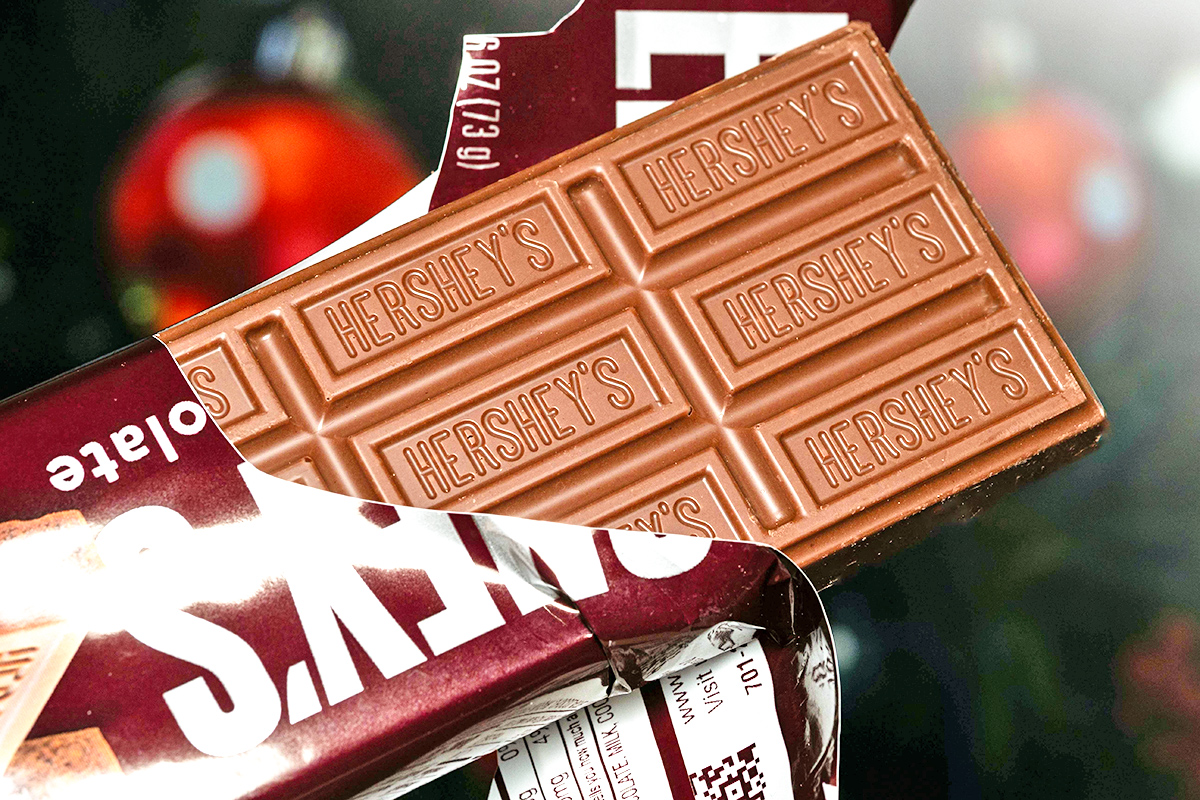
A Hershey Bar Designed for War Went to the Moon
In the 1930s, Hershey’s was tasked with creating a new protein-dense chocolate bar that could provide soldiers with essential nutrients. The company was also warned to avoid making it too tasty, as the military didn’t want soldiers overindulging.
Thus, in 1943, the Hershey’s Tropical Chocolate Bar was born. In addition to its lack of flavor and nutrient-rich nature, the bar included ingredients that made it durable and prevented it from melting in temperatures up to 120 degrees Fahrenheit.
Decades later, NASA realized those durable bars would make an excellent protein-rich dessert for astronauts during lunar missions. In 1971, Tropical Chocolate Bars were loaded onto the Apollo 15 spacecraft for the crew to enjoy at the end of meals. The bars also remained a staple of U.S. military rations until 1991, when they were phased out.
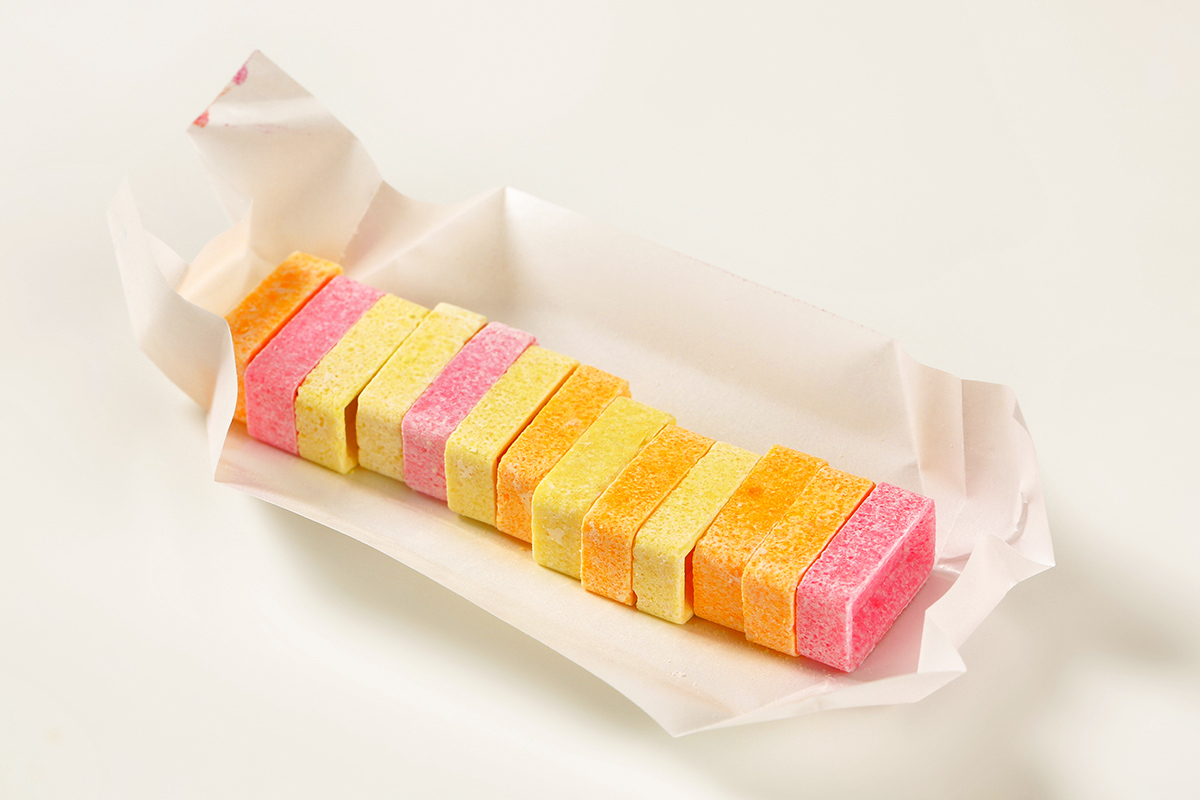
PEZ Was Created To Help People Quit Smoking
In 1927, Austrian businessman Eduard Haas III created PEZ, a name derived from pfefferminz, the German word for peppermint. To be precise, the candy was originally called “PEZ drops” due to its rounded nature.
But the treat wasn’t initially marketed as candy — it was advertised as something for former smokers to chew on in lieu of puffing on cigarettes. Haas was a staunch anti-smoking advocate, and he marketed the drops under the slogan, “Smoking prohibited, PEZing allowed.”
PEZ sales expanded outside of Austria in 1948 and extended into the U.S. market in 1953. Shortly after, Haas developed a plan to market PEZ as a children’s candy. He unveiled new fruity flavors, and the company began selling colorful PEZ dispensers designed to look like fun and familiar characters.
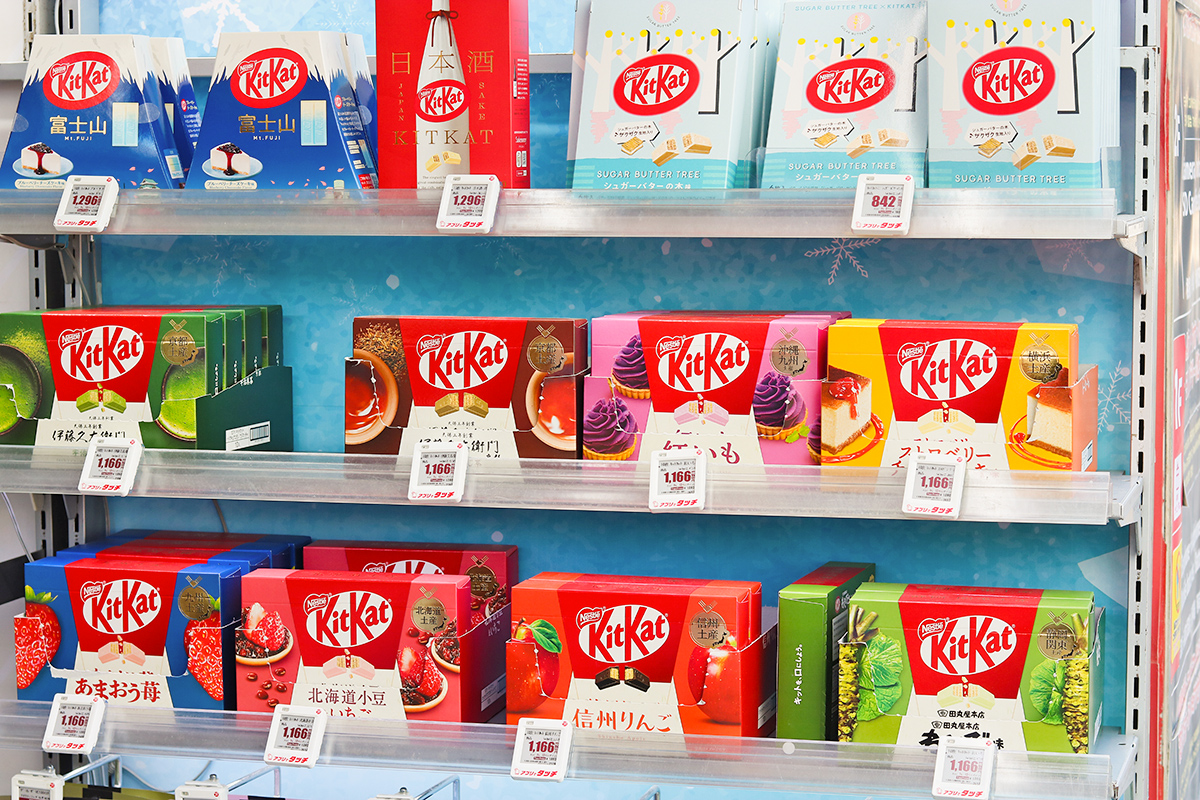
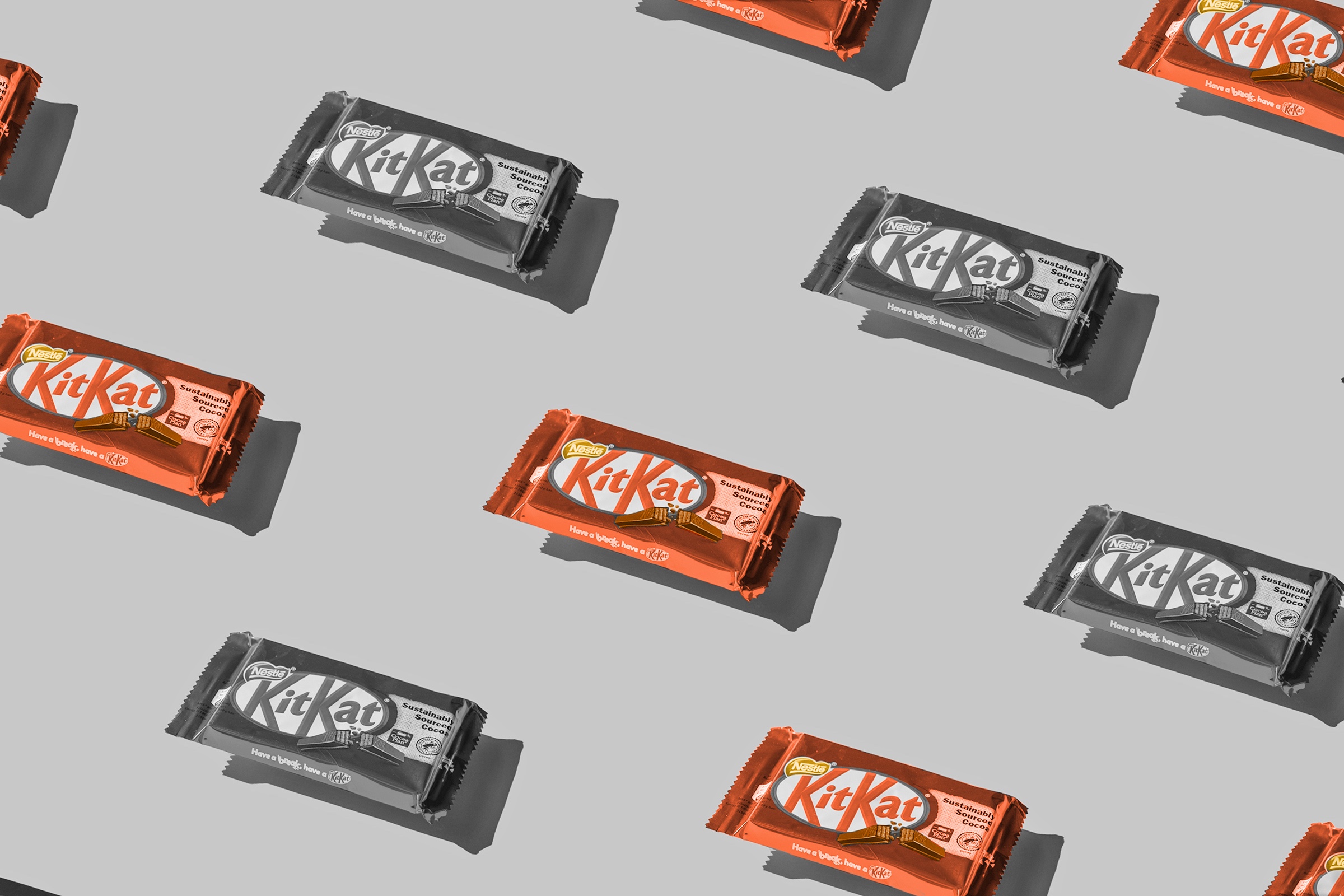
There Are Hundreds of Kit Kat Flavors in Japan
Pop into any convenience store in the United States and you’ll likely see common Kit Kat flavors such as milk chocolate, dark chocolate, or maybe vanilla. But in Japan, where Kit Kats are a national sensation, there are hundreds of unique flavors you won’t find in the U.S.
Kit Kats debuted in Japan in 1973, gaining widespread popularity in part because of their lucky-sounding name, which sounds similar to the Japanese phrase kitto katsu, meaning “you’ll certainly win.”
While Japanese candy stores do sell the classic chocolate flavors, you’ll also come across Kit Kats flavored like green tea, Japanese plum, salt lychee, banana, sake, wasabi, soy sauce, and hundreds of others.

Bennett Kleinman is a New York City-based staff writer for Inbox Studio, and previously contributed to television programs such as "Late Show With David Letterman" and "Impractical Jokers." Bennett is also a devoted New York Yankees and New Jersey Devils fan, and thinks plain seltzer is the best drink ever invented.
top picks from the Inbox Studio network
Interesting Facts is part of Inbox Studio, an email-first media company. *Indicates a third-party property.