
Original photo by Pixabay/ Pexels

It’s nearly impossible to imagine life without the World Wide Web, which has had an indelible impact on the way we live, work, and connect. Today, roughly two-thirds of the world’s population has access to this vast network of more than one billion websites. But the internet didn’t always look like this. Initially, it was devoid of websites and was primarily used for email by universities, researchers, and government agencies, with early precursor networks dating back to the 1960s

Then, on January 1, 1983, the internet was “born” with the establishment of a universal language, a communications protocol called Transmission Control Protocol/Internet Protocol (TCP/IP). While this allowed for file transferring and text-based directories, “dot-coms” did not yet exist. This lasted until August 6, 1991, when the world’s very first website — a page explaining what a website is — launched. This invention, defined as a collection of materials stored in a file archive for public access via the internet, changed the world forever.

Since that groundbreaking development, billions of users have visited countless web addresses, most of which begin with the familiar letters “WWW” or “HTTP.” Created in the late 1980s, those acronyms, which stand for “World Wide Web” and “Hypertext Transfer Protocol,” respectively, are the building blocks of the modern internet, designed to allow users to connect via websites across a global network. 

So how did we go from one lonely website to billions of them, and what’s the significance of those acronyms? Let’s jump in and decode these mysteries.

Credit: Catrina Genovese/ Hulton Archive via Getty Images

The World Wide Web’s Humble Beginnings

In 1989, British computer scientist Tim Berners-Lee was working at CERN (a French acronym for the European Organization for Nuclear Research) when he had a breakthrough idea that led to the creation of the World Wide Web. “There have always been things which people are good at, and things computers have been good at, and little overlap between the two,” Berners-Lee explained in 1998. 

He noted that computers worked “mechanically in tables and hierarchies” while humans usually opted for “intuition and understanding.” He imagined a system that could bridge the gap.

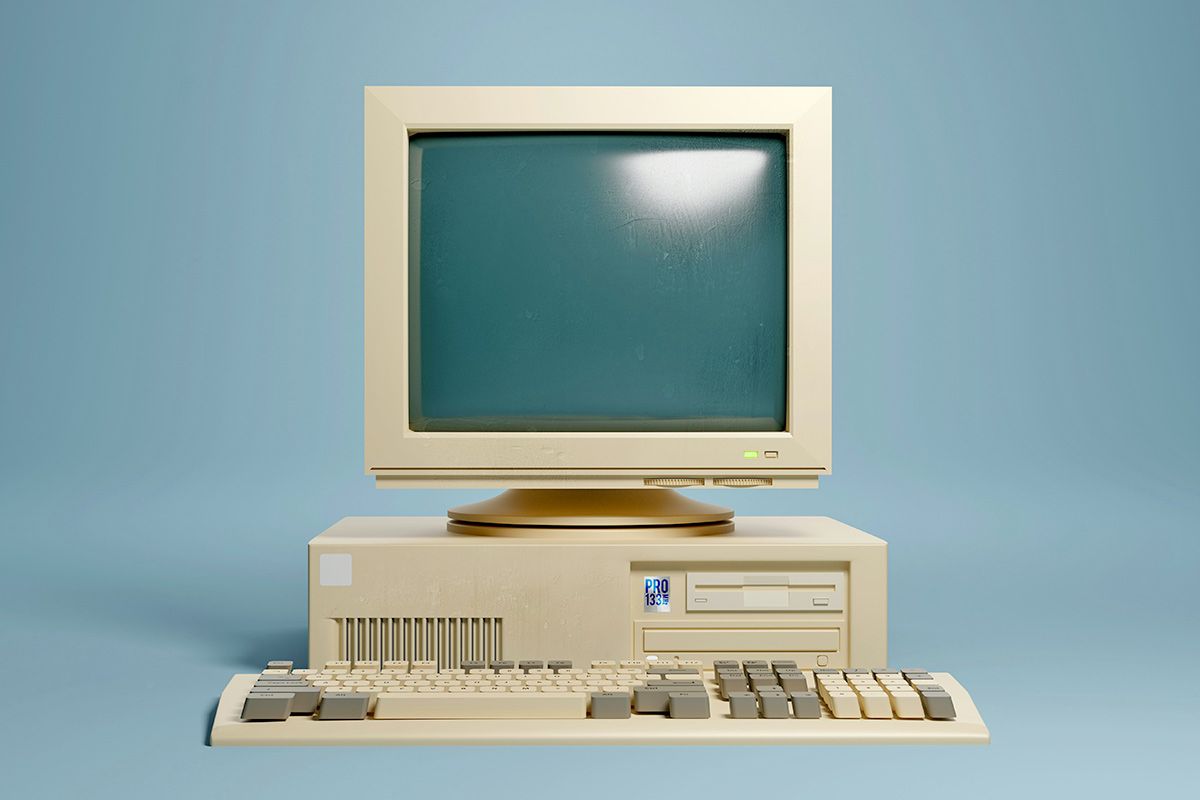
Berners-Lee’s vision was to develop a way to view and link documents across different computers, using the internet as the backbone. He partnered with Belgian systems engineer Robert Cailliau on the  project and coined the term “World Wide Web” in 1989 to emphasize the global reach and decentralized nature of the web. On a NeXT computer (designed by none other than Steve Jobs), the team created a network of hypertext documents viewable on web browsers. 

By the time Berners-Lee was ready to launch in 1991, he had invented “HTML” (Hypertext Markup Language), “HTTP” (Hypertext Transfer Protocol), “URL” (Uniform Resource Locator), and, of course, the World Wide Web itself.
Credit: Unsplash+ via Getty Images

The World’s First Website

On August 6, 1991, the world’s first website, info.cern.ch, was launched by CERN. The site provided instructions for users to create their own web pages and explained the function of hypertext — coded text that links to content on the internet. Still active today, the site also now explains the history of Berners-Lee’s project.

By 1992, there were only 10 websites on the World Wide Web, but by the late 1990s, in large part due to the launch of Google, that number had ballooned to 2 million. Unfortunately, most early websites weren’t archived and have since vanished. In 2013, however, CERN revived its original site, unveiling what some may call a digital fossil of the early web. The resurgence of info.cern.ch brought about an interesting question: Why didn’t that URL include”WWW” or “HTTP”? 
Credit: mariusFM77/ iStock

So Why Do We Use “WWW”?

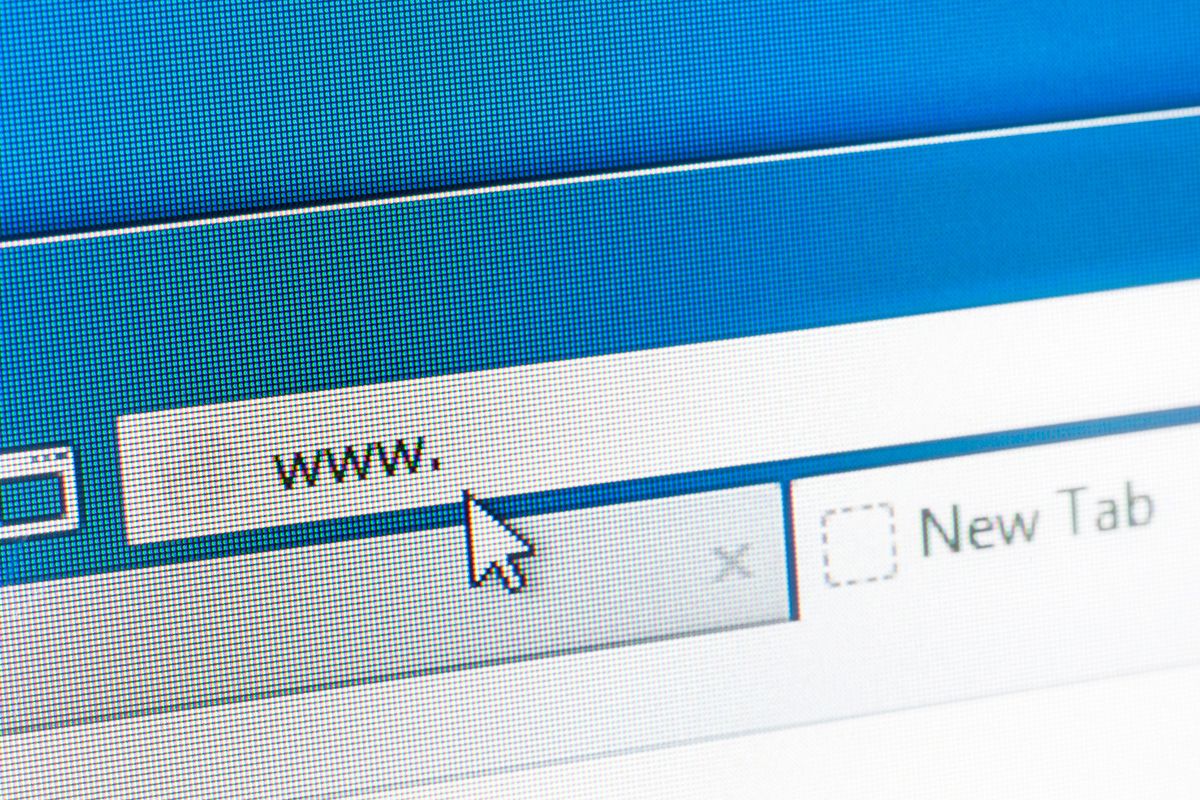
The “WWW” in a URL is an abbreviation for “World Wide Web,” but contrary to what some may believe, this part of a URL isn’t actually necessary for a website to work. You could type in “google.com” instead of “www.google.com” and still land in the same place. That’s because “WWW” is more of a naming convention than a technical requirement: Back in the 1990s, it helped distinguish websites from other services, such as email servers.

Today, many websites omit the “WWW” completely, but it’s still widely used as a stylistic choice in certain instances, such as marketing and print materials. When featured on billboards, postcards, TV commercials, and magazine ads, “WWW” clearly signals that the address in question is a website. 

Basically, while “WWW” isn’t essential anymore, it remains one of the most recognizable acronyms on the web, earning it a permanent place in internet tradition and history.

Credit: KTStock/ iStock

What’s the Meaning of “HTTP” and “HTTPS”?

Another acronym often seen in website URLs is “HTTP,” but this one actually does serve a functional purpose. It stands for “Hypertext Transfer Protocol” — that is, a communication protocol allowing browsers and servers to exchange information and permitting users to access websites. It essentially acts as a set of rules that lets your browser “talk” to the server, enabling it to load text, images, videos, and everything else you see and hear on web pages. Without “HTTP,” the World Wide Web couldn’t function.

You may notice there is sometimes an “S” at the end of the “HTTP” acronym, which stands for “secure.” If a URL starts with “HTTPS,” it means the site in question encrypts your data. This adds a layer of security to protect users and safeguard sensitive information, including passwords and credit card numbers. Most websites today use “HTTPS,” and browsers may even warn you if a site doesn’t use it and therefore isn’t secure.

Credit: Kaboompics/ Pexels

Are There Other URL Protocols?

While “HTTP” and “HTTPS” are by far the most commonly seen internet protocols at the beginning of web addresses today, they’re just two among thousands of others. These protocols generally fall into three main categories: communication, management, and security, with “HTTP” and “HTTPS” belonging to the security category.

Most alternative protocols are rarely encountered by everyday users, either because they serve technical functions or because they operate in areas of the internet that aren’t easily accessible to the public. That said, you may still have utilized a few of them while surfing the net. For instance, “mailto://” opens your default email application to start a draft addressed to the email in the URL, while “ftp://” transfers files between computers over a network.

So if you stumble across a URL that starts with something unfamiliar, it may not be a red flag for a dangerous site; it’s probably just a different protocol designed for a specific purpose. The internet is much more flexible than we probably realize and likely much more expansive than Tim Berners-Lee could have ever imagined.

Rachel Gresh
Writer

Rachel is a writer and period drama devotee who's probably hanging out at a local coffee shop somewhere in Washington, D.C.

Original photo by Maryam Sicard/ Unsplash

Rice is a dietary staple in many cultures around the globe, especially in Asia, Sub-Saharan Africa, and South America, the regions that consume the most rice. In fact, more than 3.5 billion people depend on rice to provide some 20% of their daily calories, proving just how pivotal this versatile grain can be. 

But despite rice’s widespread popularity, there are plenty of things most people don’t know about this culinary mainstay. Here are six facts about rice to whet your appetite.

Credit: Ella Wei/ Pexels

It Helps Hold the Great Wall of China Together

A 2020 study conducted by researchers at China’s Zhejiang University determined that sticky rice was once used in the construction of various Chinese structures, including the Great Wall of China. The study determined this unique mortar was likely developed around 1,500 years ago, combining sticky rice soup with more traditional elements such as lime and water. 

The research team wrote that sticky rice has “more stable physical properties” than the standard mortars that preceded it, thus providing additional strength and durability. For example, sticky rice is less permeable to water than lime, so the former could offer more structural integrity amid changing weather conditions.

Not only was this sticky-rice mortar used for portions of the Great Wall, but researchers also noted that given its impeccable performance, it was incorporated into “important buildings such as tombs, city walls, and water resource facilities.” Since the study’s publication, conservation teams have used special sticky rice mortars to restore various centuries-old structures, including the 800-year-old Shouchang Bridge in Huzhou, China.

Credit: Vardhan/ iStock

84% of Rice Is Produced in Just 10 Countries

Roughly 84% of the world’s rice is produced in just 10 countries. India tops the list, surpassing China, which previously held the top spot, according to United States Department of Agriculture data from 2024 and 2025. Both countries accounted for roughly 27% of the global rice production, with India producing 147 million metric tons compared to China’s 145.28 million.

The other eight countries are also in Asia. They include Bangladesh at 7%, Indonesia at 6%, Vietnam at 5%, Thailand at 4%, and the Philippines, Burma, Pakistan, and Cambodia all at 2%. Brazil ranked 11th by producing 8,200 metric tons of rice — the most of any non-Asian country.

Credit: Pixabay/ Pexels

Arkansas Produces the Most Rice of Any U.S. State

According to the USDA, the United States accounts for 1.3% of the global rice trade. Domestically, rice production is dominated by the state of Arkansas, which accounts for an incredible 40% of U.S. rice cultivation. Arkansas’ annual output is more than double that of California, which ranks second among U.S. states, followed by Louisiana, Mississippi, Missouri, and Texas. 

Arkansas’ thriving rice industry can be traced back to the late 19th century. It’s thanks, in part, to a man named William Fuller, nicknamed the “father of Arkansas rice.” In 1896, the Arkansas native visited Louisiana on a hunting trip and took an interest in the farmers growing rice in that region.

Fuller took note of how Louisiana’s soil shared similarities with the soil in Arkansas and began experimenting with techniques to grow rice back in his home state. He ultimately succeeded, inspiring other Arkansan farmers to follow suit. By 1905, Arkansas’ rice industry was bustling, and the state became the nation’s leading rice producer by the 1940s.

Credit: Consolidated News Pictures/ Archive Photos via Getty Images

George H.W. Bush Declared September National Rice Month

On August 20, 1991, President George H.W. Bush signed Proclamation 6323, officially designating September as National Rice Month in the United States. Bush signed the order “to promote greater awareness of the versatility and the value of rice, and to celebrate America’s status as a major exporter,” according to the text of the proclamation.

This decree was just one example of an awareness initiative that sought to boost the popularity of rice in the United States during the 1990s. While it’s hard to say whether National Rice Month had a direct impact, numbers show that per capita rice consumption in the U.S. certainly shot up during the decade. 

According to the Cereal & Grains Association, Americans ate 15.75 pounds annually during the mid-1980s — a number that increased to 27.09 pounds by the new millennium. The average American continues to consume roughly 27 pounds of rice on a yearly basis, according to the USA Rice Foundation.

Credit: Synergee/ iStock

There are More Than 40,000 Varieties of Rice

More than 40,000 varieties of rice are grown worldwide, most of which fall into one of two major groups: indica or japonica. Indica rice tends to be longer, thinner, and less starchy than its japonica counterparts and includes popular varieties such as Indian basmati and Thai jasmine rice. The U.S. Department of Agriculture estimates that certain indica rice varieties account for 62% to 66% of the global rice trade, with basmati and jasmine rice (also members of the indica subspecies, but technically classified as “aromatic” varieties for trade purposes) accounting for an additional 23% to 25%.

Japonica rice, on the other hand, only accounts for 9% to 10% of the global rice trade. These varieties tend to be grown in regions with cooler climates such as Japan, Korea, and parts of the European Union. Japonica rice varieties tend to develop a sticky texture when cooked and are often used as sushi rice or in risotto.

Credit: Maryam Sicard/ Unsplash+

All White Rice Starts Out as Brown

Given the significant visual and nutritional differences between white and brown rice, you may be surprised to learn that all white rice is initially brown. This color change is the result of a milling process that strips rice of its husk, bran, and germ, which are naturally browner in color. In turn, the process leaves behind the rice’s endosperm, which is much whiter.

This milling process is used to increase the grain’s shelf life: In its natural state, brown rice tends to have a shelf life of around six months, given the outer layers spoil more rapidly. White rice, on the other hand, has had those outer layers stripped away and can therefore keep for three decades if stored properly. 

But in addition to causing rice to lose its brown color, the milling process also removes many of the fibers and nutrients contained in those outer layers. To account for this nutritional loss, the white rice you see sold in stores has usually been enriched with added nutrients.

Bennett Kleinman
Staff Writer

Bennett Kleinman is a New York City-based staff writer for Inbox Studio, and previously contributed to television programs such as "Late Show With David Letterman" and "Impractical Jokers." Bennett is also a devoted New York Yankees and New Jersey Devils fan, and thinks plain seltzer is the best drink ever invented.

Original photo by Creative-Family/ iStock

Southpaws. Lefties. Mollydookers. There’s no shortage of nicknames for the left-handed people of the world, even if much of everyday life seems to have been designed without them in mind. 

Hand preference remains an intriguing puzzle for scientists, with researchers still questioning why a small percentage of people favor their left hand over their right. This quirk has caused lefties to be saddled with historical baggage and ongoing inconveniences — unfortunately, The SimpsonsLeftorium, where left-handed folks can find everything from can openers to cars suited to their needs, remains fictional.

We may still be working to uncover the origins of this unusual hand preference and to create a more lefty-friendly world, but in the meantime, here are some curious facts about left-handed life. 

Credit: Mariana Sandoval Camargo/ iStock

Being Left-Handed Used To Be a Red Flag

For centuries, being left-handed in a primarily right-handed world wasn’t just inconvenient; it was also seen as suspicious or even dangerous. This bias goes way back: The word “sinister” comes from a Latin word of the same spelling meaning “on the left side.”

In medieval Europe, left-handedness was thought to have ties to witchcraft and, for some religious groups, demonic possession. These suspicions lingered for centuries — even into the early 1900s, left-handed schoolchildren in the U.S. and Europe were retrained to use their right hand instead.

These perceptions didn’t shift in any major way until the mid-20th century. Time magazine suggests one notable turning point came in 1968 with the opening of London’s  Anything Left Handed store, which celebrates southpaws rather than condemning them.

By the 1970s, more manufacturers were producing products specifically for lefties, and by the end of the decade, the number of people publicly embracing their preferred hand had risen from 2% in 1939 to approximately 12% in 1979.

Credit: Orbon Alija/ iStock

Only 10% of the World’s Population Is Left-Handed

Only about one in 10 people worldwide are left-handed — or at least that’s the most accurate estimate the latest data can offer. As it turns out, pinning down an exact number is trickier than you might think. 

Some people write with their left hand but throw a ball with their right. Others, thanks to the aforementioned long-held misconceptions and stigmas, were flat-out forced into right-handedness as children, even if they innately favored their left hand.

Despite the margin of error, this 10% statistic has held up across time and cultures spanning more than 10,000 years. Modern tools, various teaching methods, and shifting social norms have all seemed to have negligible effects on this ratio, and that’s unlikely to change anytime soon. 

Credit: D3Damon/ iStock

Genetics Are Partially Responsible

Left-handedness tends to run in families, but it’s not as straightforward as, say, eye color or blood type. Instead, it’s likely influenced by a combination of genetic, prenatal, and possibly even environmental factors. 

Research has identified rare genetic variants, particularly in a gene called TUBB4B, that appear 2.7 times more often in left-handed people than in right-handed people. Other studies suggest a left-handed preference may be detected in the womb as early as 10 weeks into pregnancy based on thumb-sucking activities. 

Handedness also appears to have an environmental component. In a 2019 U.K. study of more than 500,000 participants, the percentage of people identifying as left-handed increased steadily among those born each year starting from around 1920 until roughly 1970, when it leveled off. But this wasn’t simply because more left-handed people began to be born; instead, it was likely due to a decline in the social pressure to switch hands.

The study also suggested that low birth weight and being part of a multiple birth seems to increase the chance of left-handedness. Further research suggests seasonal hormone levels or exposure to infections may even make women born in the summer more likely to be lefties, but the exact reasons for these correlations remain murky and there are likely still other undiscovered factors as well.

Credit: fizkes/ iStock

Men Are More Likely To Be Southpaws

One pattern that consistently shows up in handedness studies is that men are more likely to be left-handed than women. The gap isn’t huge: about 12% of men versus roughly 10% of women prefer their left hand. Given the low number of lefties overall, though, it is statistically significant, and scientists still aren’t entirely sure why this is the case. One theory suggests hormones — specifically, higher levels of prenatal testosterone — may play a role. 

Credit: Wirestock/ iStock

Even Animals Can Be “Left-Handed”

Favoring one’s left or right side isn’t solely relegated to humans; plenty of animals show their own versions of “handedness.” Kangaroos often prefer their left hand for grooming and feeding, and even tiny creatures such as bees can display side biases when navigating around objects. 

Dogs, too, will favor a paw, and there’s a way to test it beyond a paw shake: It’s called the Kong test. Give your dog a food-stuffed Kong or other treat-dispensing toy and watch which paw they use to hold it in place while eating. If they consistently favor one paw, that’s likely their dominant side. 

Some dogs may use both paws equally, but many demonstrate a clear preference. One study found that, among dogs that showed a clear paw preference, about 58% were right-pawed and 42% were left-pawed, making “left-handedness” much more common in dogs than in humans.

Lefties Have an Edge in Certain Sports

Despite most sports gear being designed for right-handed players, lefties often hold a surprising advantage, especially in fast-paced competitive sports such as tennis, baseball, boxing, and fencing, in which an opponent’s reaction time is lower. 

Because southpaws are relatively rare, right-handed athletes don’t get as much practice facing them, whereas lefties spend their whole lives playing against righties. This creates an element of unpredictability for righties when facing a lefty: The latter’s movements, angles, and timing can feel unfamiliar to their opponents. 

In baseball, for example, left-handed pitchers are especially prized for their ability to throw off a batter’s rhythm. While left-handedness doesn’t necessarily guarantee athletic success, the list of elite athletes who’ve been left-handed is undeniably impressive: LeBron James, for example, is naturally left-handed but shoots basketballs with his right. Babe Ruth and Wayne Gretzky, two of the greatest athletes of all time in their respective sports of baseball and hockey, also belong to this distinguished club.

Nicole Villeneuve
Writer

Nicole is a writer, thrift store lover, and group-chat meme spammer based in Ontario, Canada.

Original photo by Paris Bilal/ Unsplash

Some animals make noises that seem perfectly aligned with their looks and behavior, whether it’s the roar of a lion, the howl of a wolf, or the happy clicks and whistles emitted by dolphins. We’re well-versed in these iconic sounds, even if we’ve never seen or heard the animals for ourselves. 

But the animal kingdom is full of acoustic surprises, with creatures whose vocalizations defy our expectations entirely. Some stealthy animals we may assume to be basically silent are actually highly vocal, while others produce unexpected sounds that seem to belong to a different species altogether.

The following five animals all make sounds that subvert our expectations, including predators whose calls are far from fearsome and cute critters whose sounds are surprisingly unnerving. 

Credit: Ingo Doerrie/ Unsplash+

Bald Eagles

You’d think the powerful and majestic national bird of the United States would have a soulful, piercing cry, but the reality is quite different. Bald eagles produce surprisingly weak-sounding calls, typically a series of high-pitched whistles, chirps, and piping notes often described as similar to the cries of gulls.

These sounds are probably not what you would expect from a 10- to 15-pound bird of prey with a wingspan of up to 8 feet. Hollywood is partially to blame for our misconceptions: The sound of the bald eagle is considered somewhat lackluster when depicting the animal onscreen, so film editors often replace real eagle noises  with the more dramatic, haunting cry of the red-tailed hawk.  

Credit: Unsplash+ via Getty Images

Cheetahs 

Cheetahs are the world’s fastest land mammal, reaching speeds of up to 60 or 70 miles per hour. These big cats are apex predators, using their speed, ferocity, and power to chase down their prey on the wide-open grasslands and savannas of southern and eastern Africa. You may therefore expect them to have an impressive roar akin to some other big cats, but cheetahs cannot roar at all.

Instead, these speedy cats make a variety of chirps, purrs, and high-pitched yelps that sound more like bird noises — a far cry from the fearsome roars of lions, tigers, and jaguars. This is due to the structure of the cheetah’s hyoid bone — a U-shaped bone in the neck — which is ossified (rigid and fixed in one position), allowing the animals to purr but not roar. Lions, tigers, jaguars, and leopards, on the other hand, all have flexible hyoid bones that allow them to produce deeper and far more intimidating noises.  

Credit: Unsplash+ via Getty Images

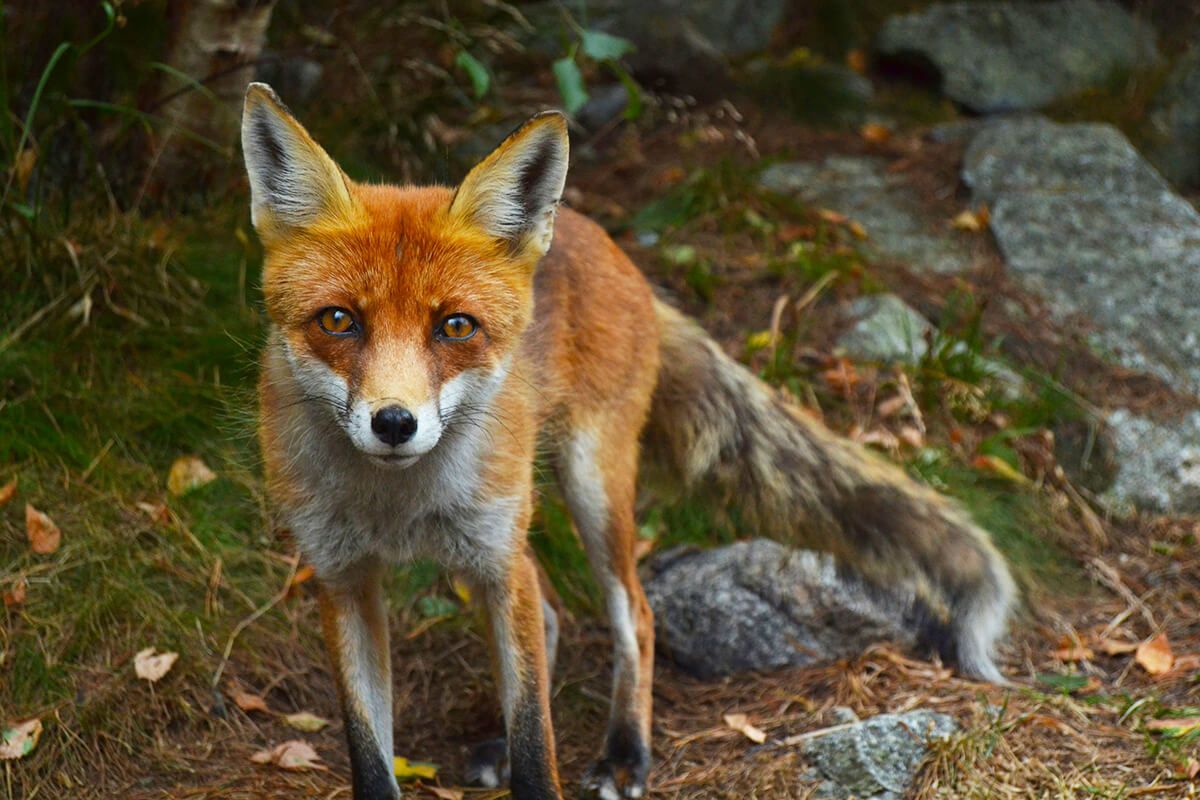
Red Foxes

Red foxes make a variety of surprising sounds, including breathy barks, frightening screams, howls, and squeals. They also make a strange combination of noises known as gekkering — a series of stuttering, chattering, throaty vocalizations — when fighting or during play. 

The loudest and most chilling sound made by foxes is the scream, or contact call, normally made by vixens when they’re ready to breed. This shriek can sound very similar to a human woman screaming, which can be particularly unnerving if you happen to hear it while walking in the countryside at night. At the other end of the sound spectrum is the infectious and endearing noise foxes make when they’re excited or having fun, which strongly resembles a squeaky human laugh. 

Credit: Flip Side/ Pexels

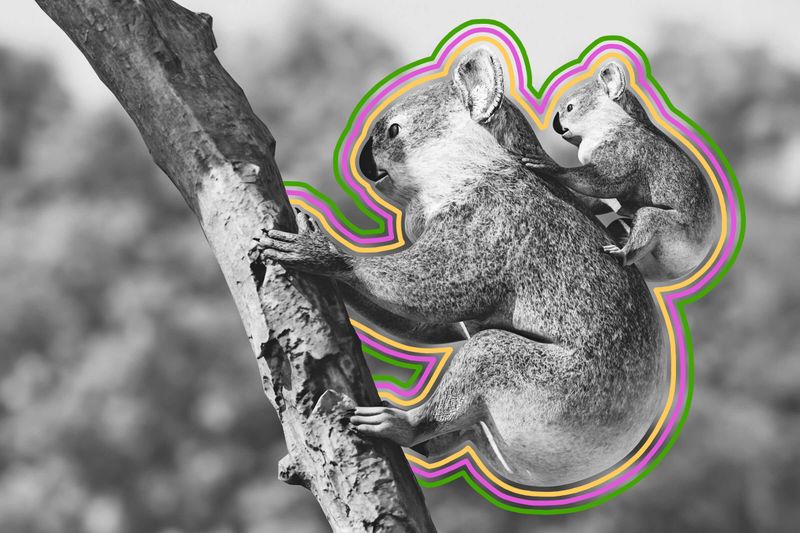
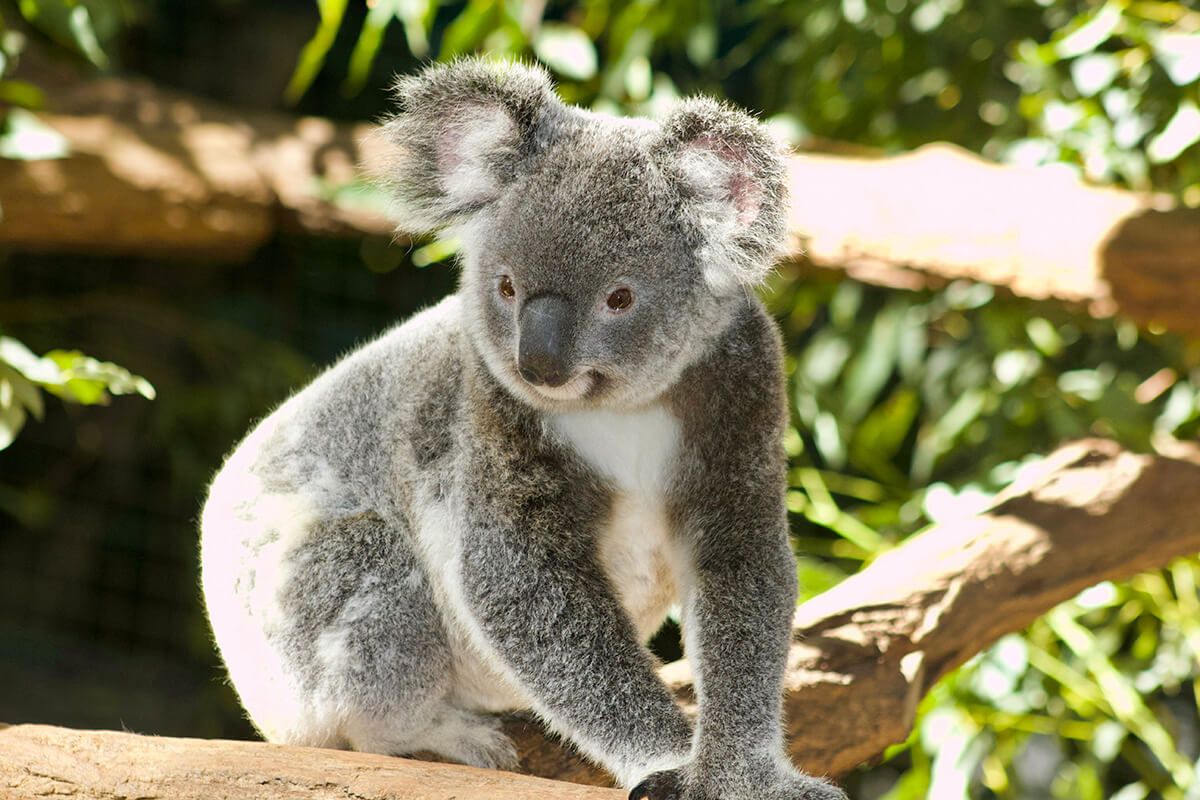
Koalas

These fuzzy marsupials may look like cuddly teddy bears, but they’re capable of making some fearsome noises. In addition to emitting an array of snarls, squeaks, and screams, koalas can produce a shockingly deep, guttural bellow that sounds like a strange mix of a pig grunting and a motorcycle engine revving. 

Research biologist Benjamin Charlton of the University of Sussex, explained to the BBC that a male koala’s bellow is “20 times lower than would be expected for an animal of its size” and more typical “of an animal the size of an elephant.” The unexpected depth of the sound comes from a special extra set of vocal folds outside the larynx that are more than three times longer and about 700 times heavier than those of the larynx, allowing koalas to produce extremely deep pitches with tremendous power. 

Credit: ALENA MARUK/ Pexels 

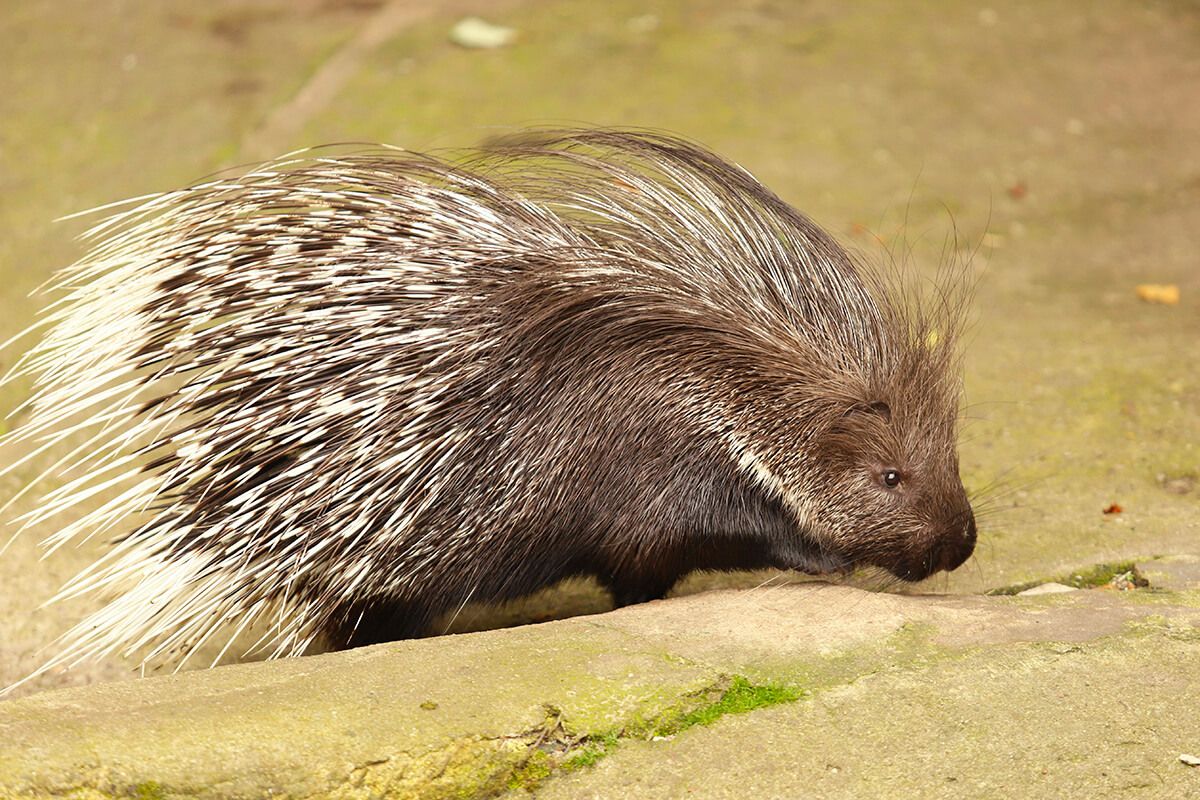
Porcupines

Porcupines are notoriously prickly, but they produce some of the animal kingdom’s most unexpected and downright adorable sounds. These animals are remarkably vocal, creating a range of vocalizations that includes whines, squeaks, moans, and grunts.

The overall effect is reminiscent of a cute yet slightly frenzied video game character, with elements of Ewokese (the language spoken by the Ewoks of the Star Wars universe). Porcupines also make a clicking noise with their teeth to scare off predators, and they can produce a loud hissing sound by rattling their quills. On the other end of the spectrum, baby porcupines — charmingly called porcupettes — make little squeaks and coos that do perfectly suit their ridiculously cute appearance.

Tony Dunnell
Writer

Tony is an English writer of nonfiction and fiction living on the edge of the Amazon jungle.

Original photo by Jacob Wackerhausen/ iStock

If you’ve ever found yourself tossing and turning in a hotel bed or on a friend’s futon, you aren’t alone. A study by InterContinental Hotels Group (IHG) determined 80% of travelers struggle to sleep when they’re away from home, and nearly half attribute this to being in an unfamiliar environment. 

There is, in fact, a scientific explanation for this widespread phenomenon. It’s called the “first-night effect” (FNE), and it’s something sleep scientists have been studying for decades. This natural reaction to being in a new place has become deeply ingrained in our brain’s architecture due to our evolutionary history. 

In recent years, scientists have uncovered more details about why the FNE occurs and, thankfully, given us tips to ease those sleepless nights away from home. Let’s dive in and look at the facts.

Credit: kieferpix/ iStock

What Is the First-Night Effect?

Essentially, the brain doesn’t fully power down during the first night in a new environment, causing travelers to feel worn out the next day. Research shows one brain hemisphere, usually the left, remains more alert throughout the night, subtly monitoring our new environment for threats to keep us safe. The first-night effect has been well documented for decades, so much so that sleep scientists tend to throw out the first night’s data of any sleep study because of the way the effect skews results.

In 2016, researchers from Brown University explored this phenomenon by monitoring brain activity among participants in a sleep lab. During the first night, the left side of their brains reacted strongly to irregular beeping sounds, while the right side maintained a deeper sleep. By the second night, neither hemisphere responded strongly to the beeping, indicating a deeper sleep for both, with the left hemisphere’s initial wary response subsiding. 

Scientists suggest this is because the environment had become more familiar by the second night and therefore was perceived as less of a threat. The study concluded that “troubled sleep in an unfamiliar place is an act of survival.”

Credit: ohrim/ Adobe Stock

It’s Animal Instinct

The partial brain alertness seen in the first-night effect mirrors how animals remain vigilant in the wild, hinting that this phenomenon is an evolutionary adaptation for survival. Many animals have developed their own versions of this type of asymmetrical sleep to protect themselves from danger. Humans and some mammals exhibit bihemispheric slow-wave sleep (BSWS), wherein both hemispheres are technically asleep, but one side can remain more vigilant. 

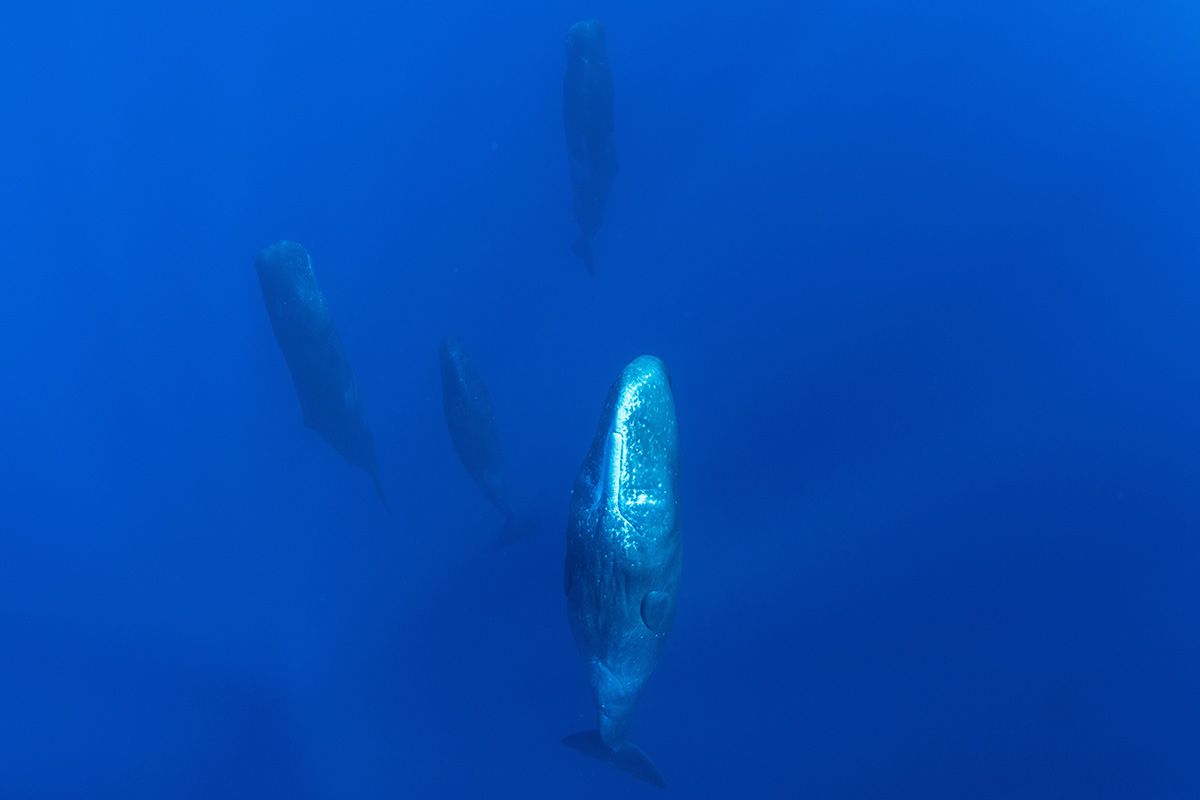
However, other animals have evolved one step further. Some species, including whales, dolphins, fur seals, sea lions, and certain birds, exhibit unihemispheric slow-wave sleep (USWS), in which only one hemisphere is asleep at a time, giving them an even greater ability to perceive threats while asleep. This allows some animals, such as birds and dolphins, to literally “sleep with one eye open” to detect predators. 

While these animals rely on this strategy regularly, humans typically only make use of it during exposure to a new environment, reinforcing the idea that this is a deep-rooted instinct meant to protect us, not inconvenience us.

Credit: LumiNola/ iStock

Beyond the First Night

While the first-night effect is most prominent during your first shuteye away from home, research suggests it may extend beyond a single evening. For some travelers, it can cause interrupted sleep for several days, negatively affecting mood and energy levels during a trip as a result. One culprit of this extended FNE could be its impact on rapid eye movement sleep (REM), a crucial phase of the sleep cycle linked to memory and emotional regulation.

In one sleep study, researchers recorded the impacts of REM while participants slept in a new environment for several nights. Results showed the FNE’s impacts on REM sleep extended up to the fourth night.

According to Harvard Medical School, “REM sleep is so important that if you don’t get enough one night, your body will naturally increase it the next — you’ll enter this stage earlier and stay in it for longer. This is known as REM rebound.” Basically, if the FNE wreaks havoc on your REM cycle one night, it can cause further disruptions in your sleep cycle, resulting in a ripple effect and many subsequent sleepless nights.

Credit: LumiNola/ iStock

How To Minimize the First-Night Effect

As Rebecca Robbins, assistant professor of medicine at Harvard Medical School, told National Geographic, “The truth is that when we are in an unfamiliar environment, we fundamentally have a harder time unwinding.” Robbins, a leading researcher in circadian health, is working to identify behavioral changes to help patients improve sleep. But regardless of the FNE’s impacts and longevity, there are some ways to make your brain settle down and rest more deeply while in a new place. 

The trick is to minimize the effect by introducing comforting and familiar sensory cues that signal to your brain you’re in a safe environment. Simple steps such as bringing your own pillow, using a familiar body lotion or essential oil, or playing calming music or a noise machine can create a sense of safety. These small comforts of home may be just enough to trick your brain into thinking you’re not in a foreign place, allowing you to sleep more soundly and, hopefully, feel more rested during your travels.

Rachel Gresh
Writer

Rachel is a writer and period drama devotee who's probably hanging out at a local coffee shop somewhere in Washington, D.C.

Original photo by W W/ Pexels

For many of us, the ocean is a place to visit on a beach vacation or hot summer day, and we don’t give it much thought beyond that. But beneath the surface lies a vast and largely unexplored world — one that’s deeper, stranger, and more surprising than we realize. 

Though we divide it into regions including the Atlantic and Pacific, the ocean is one continuous, global body of water that connects all the continents and shapes nearly every aspect of life on Earth. This vast body of water is jam-packed with strange life, ancient history, and untapped potential. It regulates our weather, sustains our food systems, and produces more than half the oxygen we breathe. 

And yet, despite its vital role in our lives, there’s still so much we don’t know about the ocean. For all our technological progress, the vast sea reminds us that the planet is still full of mysteries to be uncovered. Here are seven fascinating facts that just might change the way you think about the sea.

Credit: Unsplash Community/ Unsplash+

We’ve Only Explored a Tiny Fraction of the Ocean

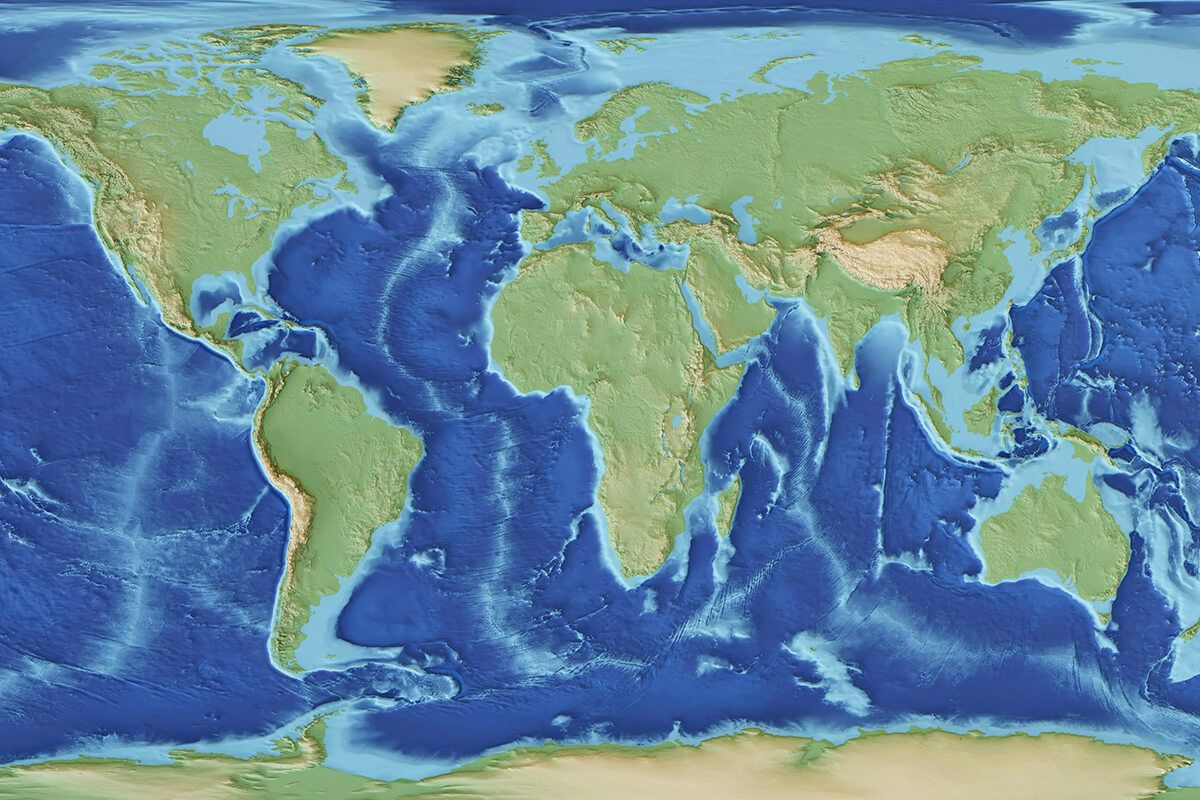
Although the ocean covers about 71% of the Earth’s surface, an incredible 80% of it still remains unexplored, unmapped, and unseen by humans. In an age where GPS can pinpoint your exact location in seconds and satellites track hurricanes from space, much of what lies beneath the surface of the ocean still remains as mysterious as it was to early explorers. 

That’s partly because exploring the deep sea is no easy feat — the pressure down there is intense, thousands of times greater than at the surface. On top of that, it’s incredibly expensive to reach those remote depths. Even with today’s advanced sonar and underwater robots, most of the ocean is still unexplored by humans.

Credit: Unsplash+ via Getty Images

The Ocean Is Home to as Many as 2 Million Species 

The ocean represents Earth’s largest habitat by volume; estimates suggest it’s home to around 2 million marine species. Of those, only around 240,000 have been officially documented — meaning more than 90% of oceanic life remains unknown to science.

Many newly discovered species are surprising and unlike anything above the surface. In recent years, scientists have identified fish with transparent heads, squids that flash bright lights, and crabs that farm bacteria on their claws for food. 

Credit: OntheRun photo/ Alamy Stock Photo 

The Deepest Part of the Ocean Is Nearly 7 Miles Down

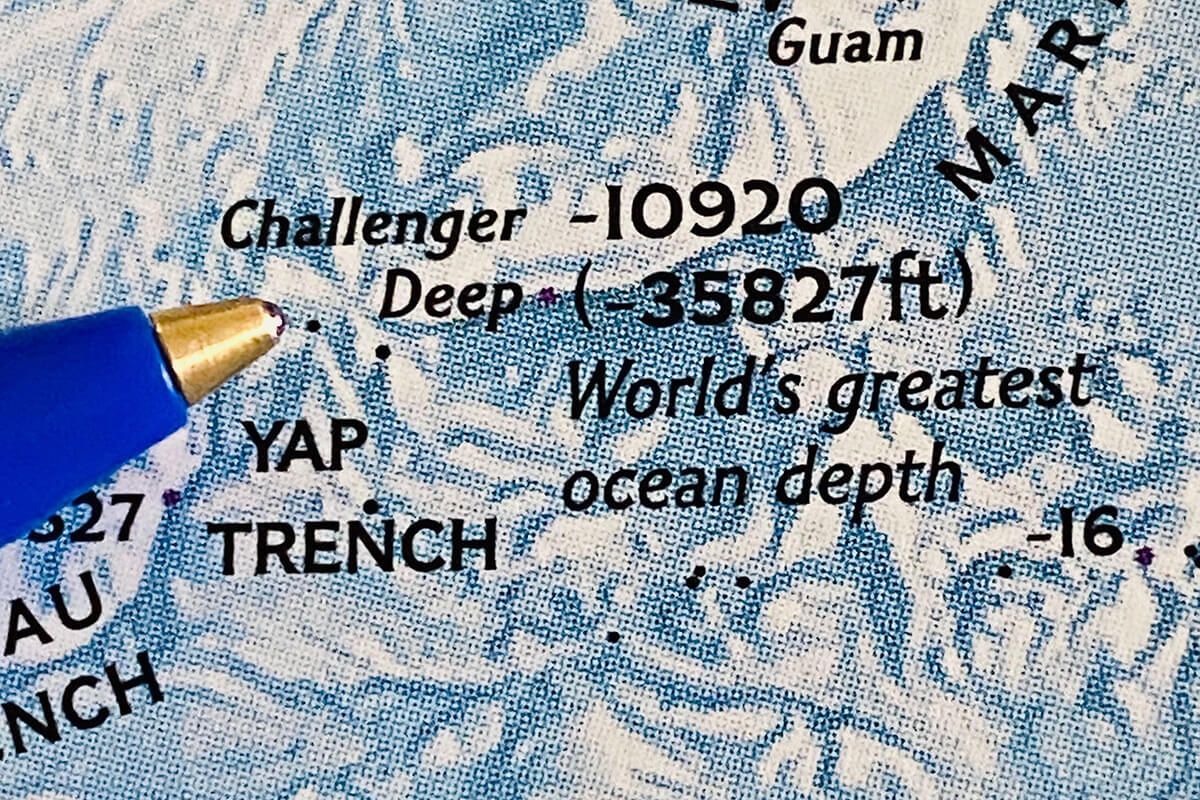
The Mariana Trench, located in the western Pacific Ocean, is home to the Challenger Deep — the deepest known point in Earth’s oceans. It plunges nearly 11 kilometers (almost 7 miles) below the surface. To put that in perspective, if Mount Everest were placed in the trench, its peak would still be more than a mile underwater. 

To date, only a handful of human-made submersibles have reached this extreme depth because the conditions are formidable: complete darkness, temperatures near freezing, and crushing pressure that would flatten most vehicles. Yet life still manages to exist in that alien world: Thousands of amphipods and microbe species thrive where life was once thought impossible.

Credit: Pascal Ingelrest/ Pexels

The Ocean Contains More Than 3 Million Shipwrecks

Throughout history, humanity has lost countless vessels to the sea — from ancient trading ships and pirate galleons to military submarines and modern cargo vessels. The United Nations estimates there may be as many as 3 million shipwrecks scattered across the ocean floor — and fewer than 1% of them have been explored. 

Some of the oldest wrecks date back thousands of years, and others, such as the Titanic, still loom large in our collective imagination long after they were lost to sea. The ocean preserves many of these wrecks surprisingly well, especially in deep, cold waters where corrosion and decay are slowed. 

Credit: Yanguang Lan/ Unsplash

The Largest Living Structure on Earth Is in the Ocean

The Great Barrier Reef, stretching more than 1,400 miles along the northeast coast of Australia, is the largest living structure on the planet. It’s so large, in fact, that it’s visible from space. 

Made up of around 3,000 individual coral reefs, 600 continental islands, 300 coral cays, and 150 inshore mangrove islands, the Great Barrier Reef supports an ecosystem so large and complex that it’s often compared to a rainforest in terms of biodiversity. The reef is home to more than 1,600 species of fish, 450 types of hard coral, and hundreds of species of sharks, turtles, and marine mammals.

Credit: Wirestock/ iStock

The Ocean Produces More Than Half the World’s Oxygen

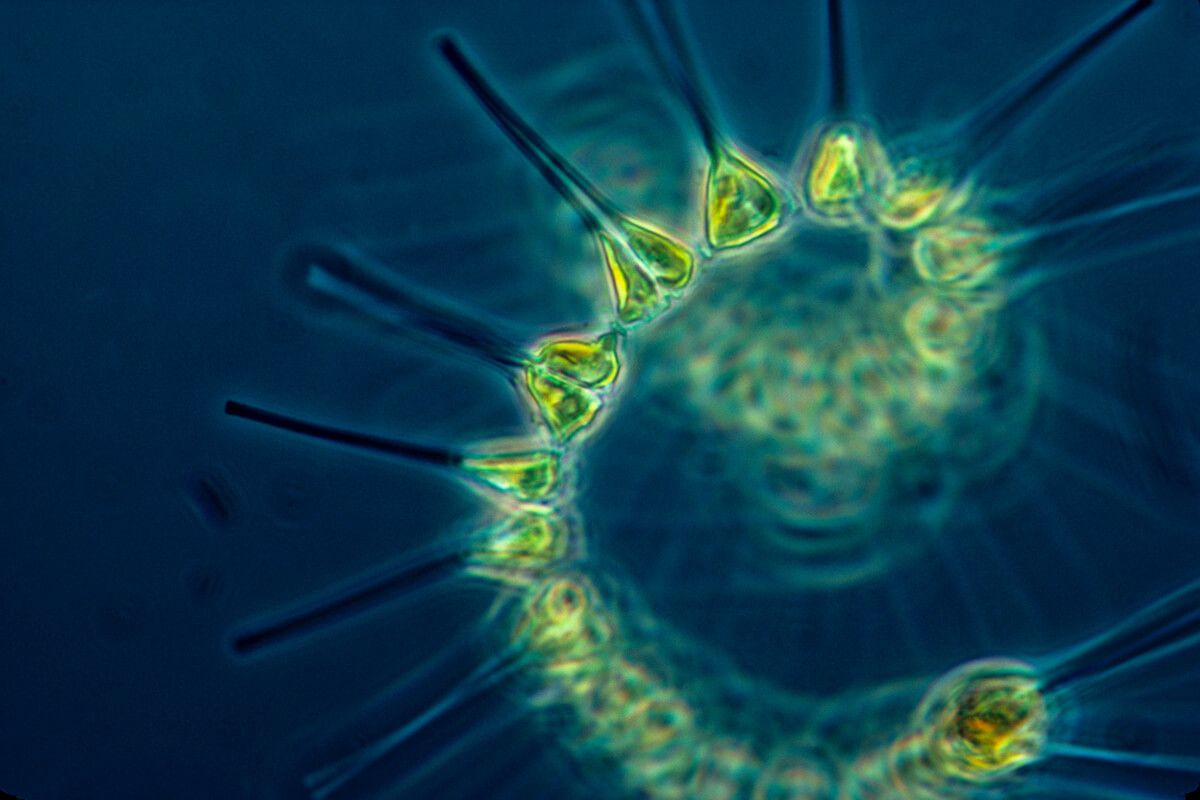
When it comes to oxygen production, most of us think of forests and trees, but marine plants — especially oceanic phytoplankton — actually produce more than 50% of the Earth’s oxygen supply. Those tiny, photosynthetic organisms drift near the surface of the ocean and convert carbon dioxide into oxygen, much like plants on land. 

Marine plants aren’t just important for air quality; they also form the base of the marine food chain, supporting everything from shrimp to whales. Without phytoplankton, life in the oceans — and on land — would be drastically different.

Credit: Adrian Weston/ Alamy Stock Photo 

There Are Underwater Rivers, Lakes, and Waterfalls

It may sound like something out of science fiction, but the ocean contains its own rivers, lakes, and even waterfalls — entire hydrological systems beneath the sea. These strange features are formed when water with a different salinity and temperature — often brine, which is denser than water on the surface — settles into seafloor depressions, forming distinct, visible pools. 

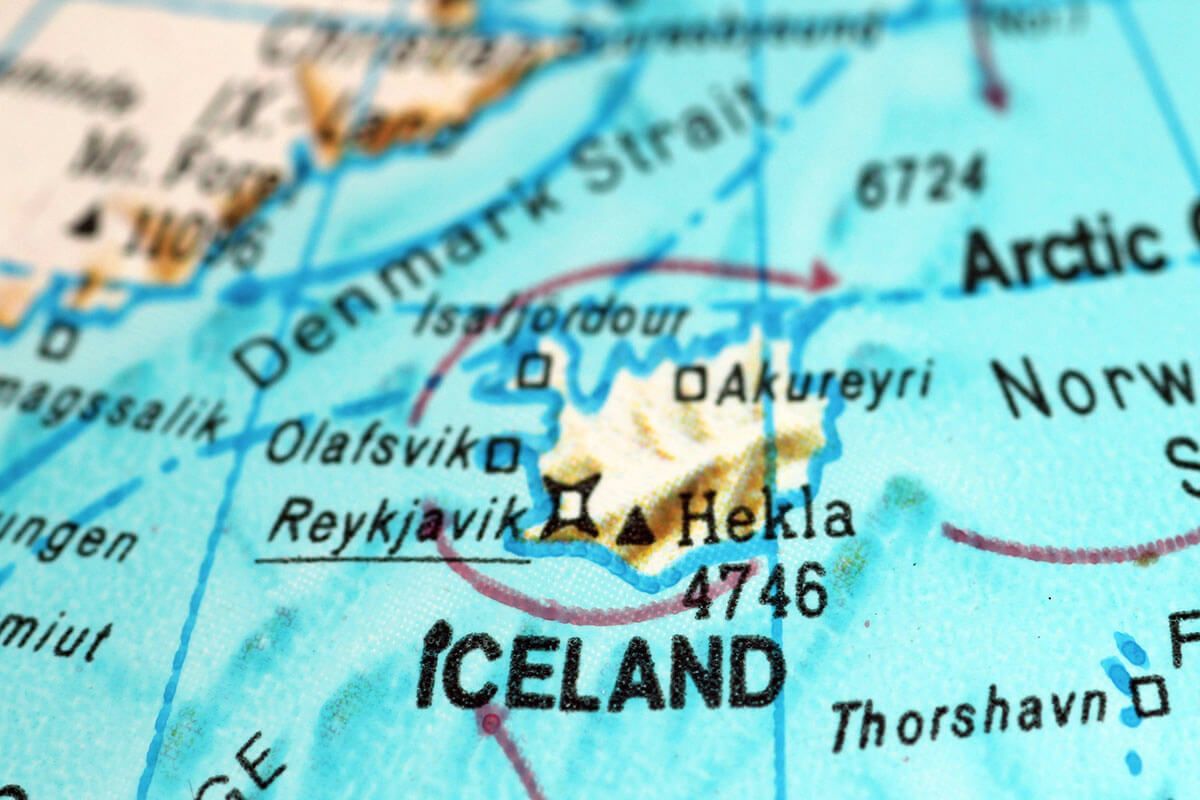
Underwater waterfalls occur when this heavier water spills over ledges or seafloor escarpments. One of the most famous examples is the Denmark Strait cataract between Greenland and Iceland, which plunges 11,500 feet — making it the largest waterfall anywhere on Earth, either on land or in the sea.

Kristina Wright
Writer

Kristina is a coffee-fueled writer living happily ever after with her family in the suburbs of Richmond, Virginia.

Original photo by angelsimon/ iStock

We already know taste isn’t just about what’s on our plate; it’s also shaped by smell, temperature, and even expectations, making it a multisensory experience our brains piece together in real time. Sometimes, the taste of what we eat can even be manipulated by eating something else: Some foods numb the tongue, others trigger sweetness, and some may even throw your whole palate off balance for days. 

These surprising culinary quirks are what happens when science meets the senses, turning our everyday meals into an unexpected edible experiment. Here are five foods that change the way other foods taste.

Credit: Aleq Aleq/Wirestock/ Adobe Stock

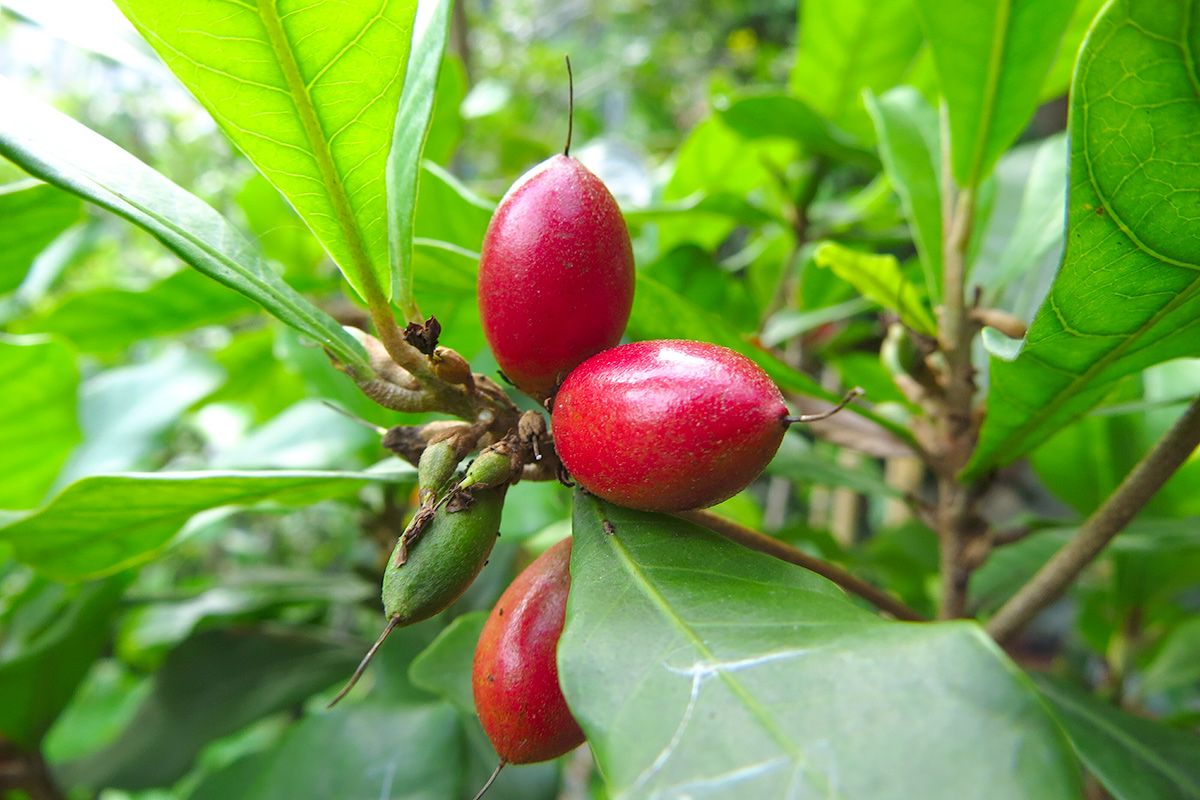
Miracle Berries Turn Sour Food Sweet

The miracle berry, a small red fruit native to West Africa, doesn’t taste particularly remarkable on its own. But once eaten, this mild, slightly tangy fruit temporarily transforms how we experience other foods — especially sour and bitter ones. Lemons suddenly taste like lemonade, and even vinegar can seem almost syrupy. 

The key to this feat is a glycoprotein (a protein with sugar molecules attached) called miraculin, named by American scientists in the 1960s for its “miraculous” effects. On its own, miraculin binds to the tongue’s sweet receptors without doing much else. But when you eat something acidic, it activates those receptors, tricking your brain into tasting sweetness without any added sugar. 

The effect can last anywhere from 15 minutes up to an hour. Scientists are still exploring potential uses for miracle berries, from helping chemotherapy patients enjoy food again to reducing dietary sugar. In the meantime, the easiest way to try them is by ordering miracle berry tablets online and perhaps sampling a selection of your favorite tart treats at a so-called “flavor-tripping” party.
Credit: xiaolong wang/ iStock

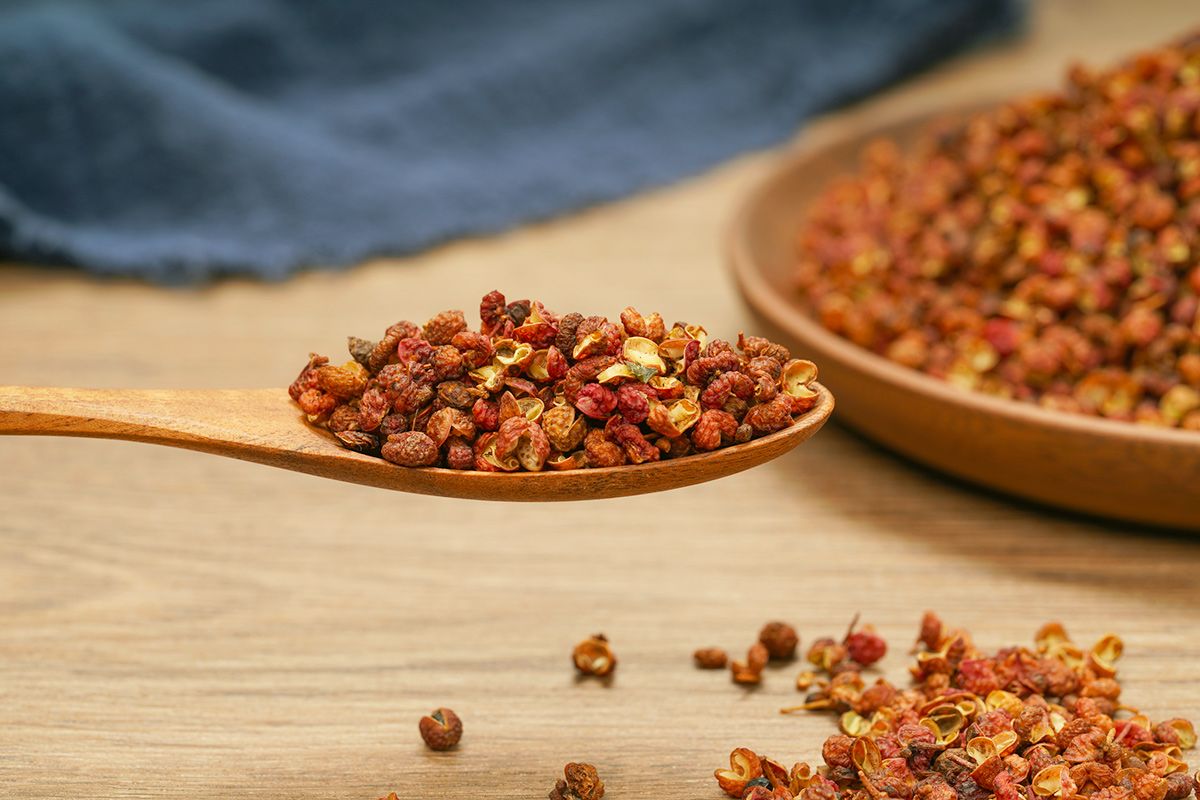
Sichuan Pepper Tingles the Taste Buds

Despite its name, Sichuan pepper isn’t related to black pepper or chili peppers: It’s actually a Chinese spice made from the dried husks of berries from Zanthoxylum plants, a type of prickly ash in the citrus family. Instead of heat, it induces  a unique tingling or numbing sensation on the tongue and lips known as paraesthesia. 

The tingling sensation comes from one of the pepper’s oil compounds called hydroxy-alpha-sanshool. Rather than binding to taste receptors, it instead stimulates sensory nerves in the mouth — the same ones that respond to touch and temperature. 

The effect isn’t just physical, either. The numbing helps balance out spicy heat by dulling some of the burn while also sharpening or exaggerating other sensations and flavors such as citrus or sweetness. In Chinese, Sichuan’s numbing effect is called ma, and when paired with the fiery heat of chilies — known as “la” — it creates mala, the signature numbing spicy flavor at the heart of Sichuan cuisine.

Credit: Funwithfood/ iStock

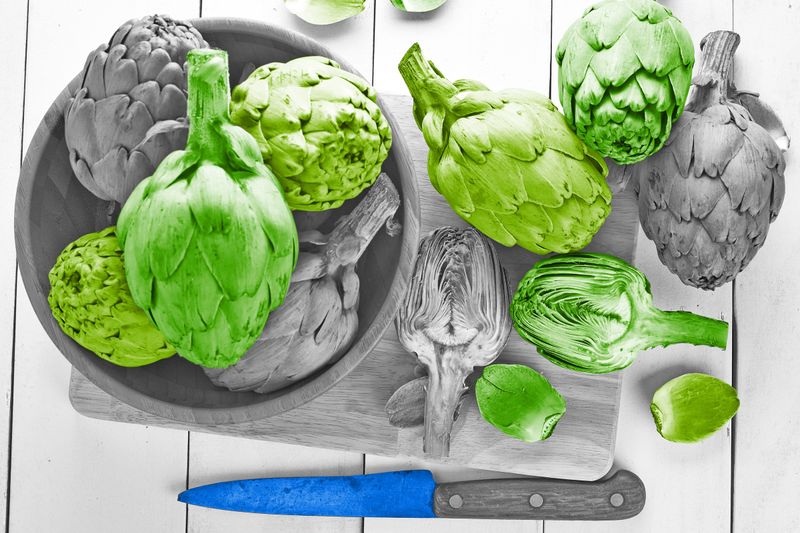
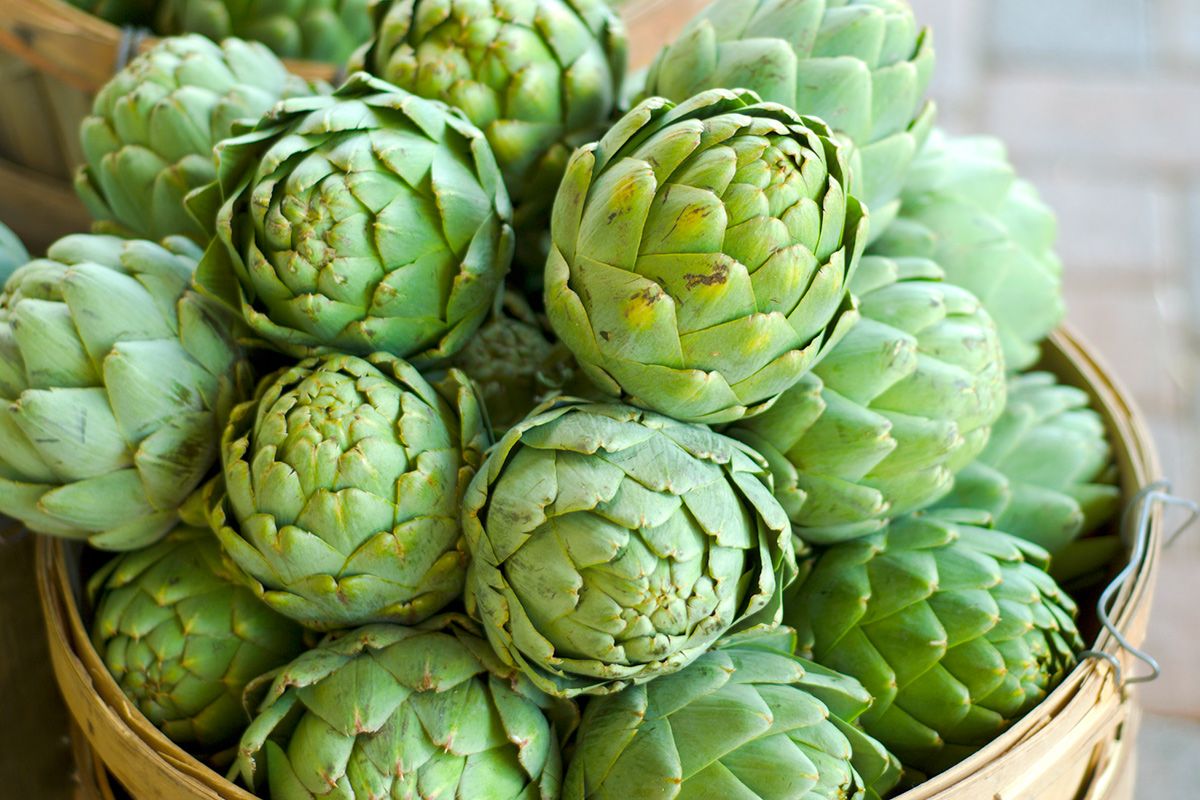
Artichokes Trick the Tongue

Artichokes are a culinary curiosity. Though they’re often thought of as a vegetable, they’re actually edible flower buds. They also have a clever trick up their leaves: After eating them, other foods and drinks can suddenly taste sweeter than usual. The reason lies primarily in cynarin, a naturally occurring plant acid that doesn’t taste sweet by itself but that does temporarily interfere with taste receptors. 
Psychologist Linda Bartoshuk has spent her career researching the science of taste. As she told the Los Angeles Times, the cynarin seems to temporarily block the tongue’s sweet taste receptors. When you stop eating and take a drink of water or a bite of bread, the cynarin washes or brushes away and the receptors rebound, suddenly sending their “sweet” signals to the brain. 

Credit: Marko Jan/ iStock

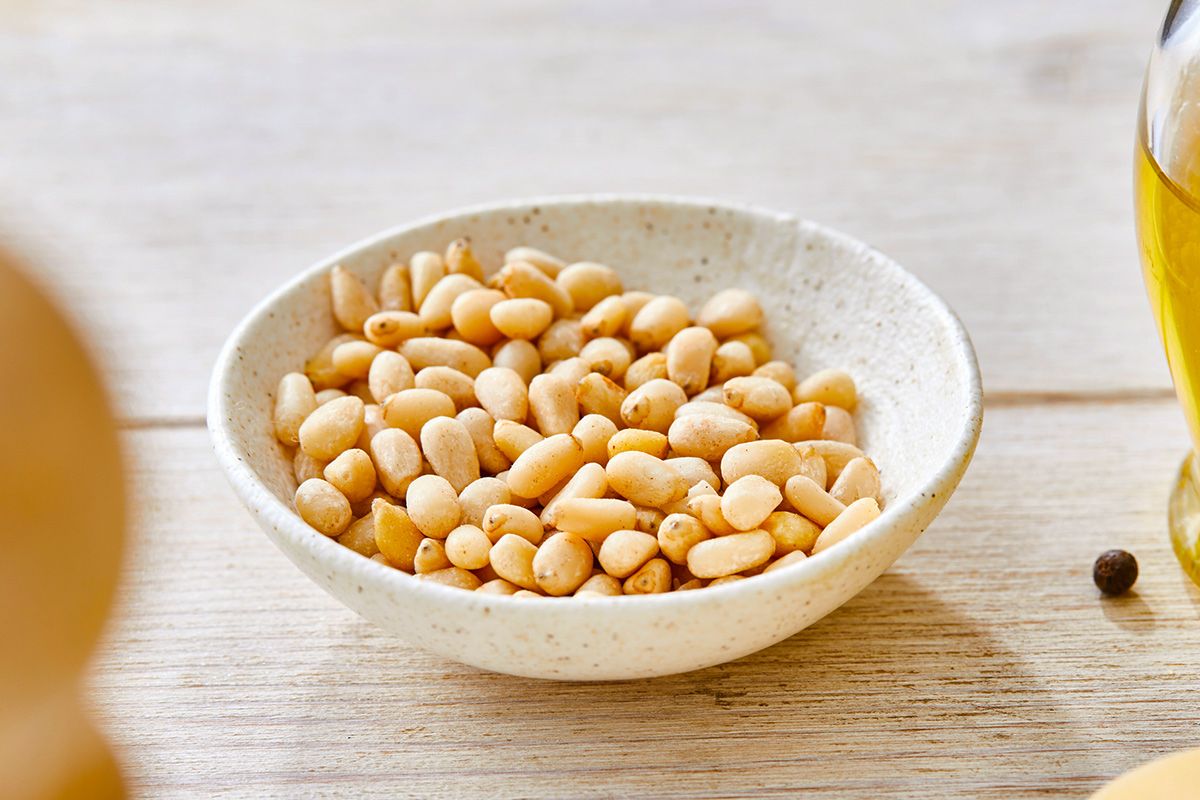
Pine Nuts Make Things Taste Metallic

A few select foods, such as pine nuts, have the power to potentially alter taste perception for weeks at a time. Some people have reported a lingering bitter or metallic taste in their mouth a day or two after eating certain kinds of pine nuts that’s only made worse when other food or drinks are consumed. Symptoms can last anywhere from two days up to four weeks.

The phenomenon, known as the horror-movie-esque “pine mouth,” isn’t yet fully understood. There was no clear throughline of underlying medical causes or common triggers found among 15 people who reported experiencing the condition, and researchers think it may only occur with specific species of pine nuts, such as the Pinus armandii. While most of the nut is made up of fats, proteins, and starches, it also contains lots of tiny trace compounds, leaving it difficult to pinpoint which one of those could be behind the strange aftertaste.

Credit: Nature Portrait/ Adobe Stock

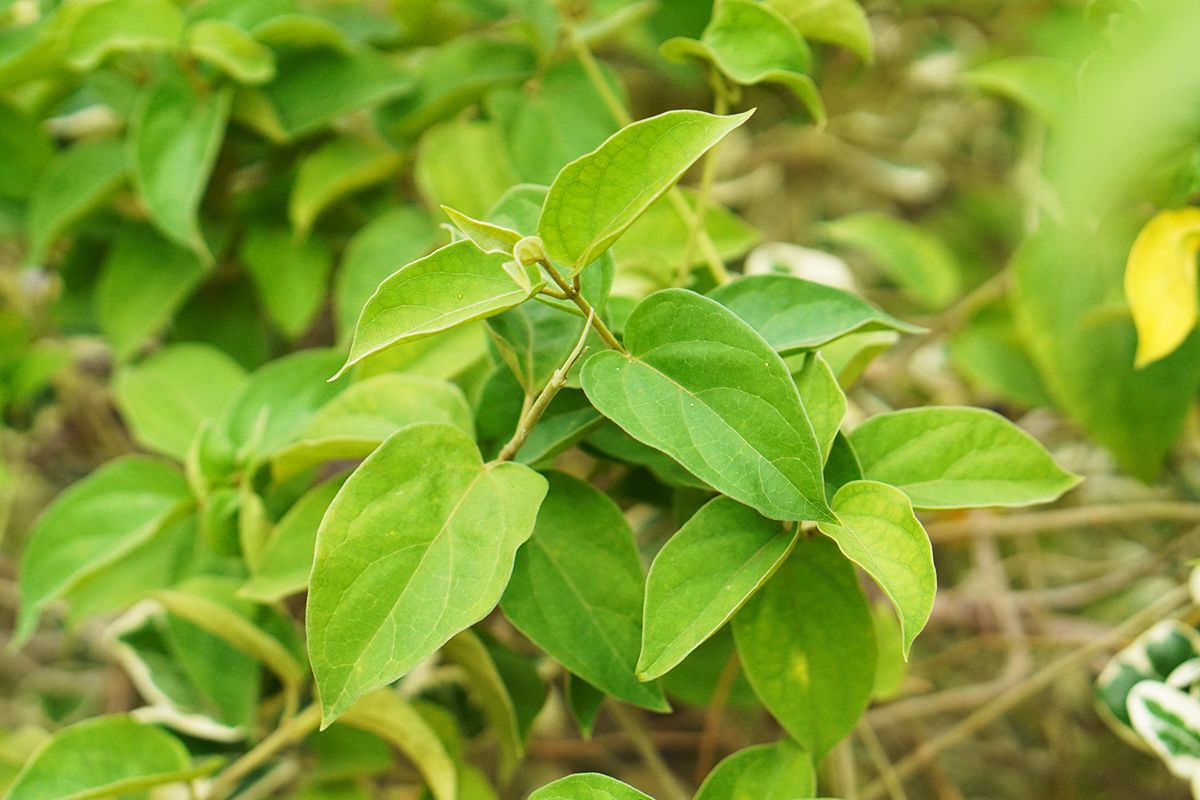
The “Sugar Destroyer”

Unlike miracle berries, which make sour foods taste sweeter, the “sugar destroyer” makes sweet foods taste more bland. The leafy plant named Gymnema sylvestre is traditionally used in India’s Ayurveda medicine (the plant’s more commonly used name, gurmar, means “destroyer of sugar” in Hindi). When chewed or consumed in extract form, its active compounds, especially the gymnemic acids, bind to the sweet taste receptors on our taste buds and prohibit sugar from doing the same. As a result, sugary foods and drinks taste rather bland for about 30 minutes.

In North America, the extract is most commonly available as a lozenge. Results have been found to vary: Some people required two doses to notice a reduction in subsequent foods’ sweetness, while others didn’t notice a difference at all. But studies continue to be done on the plant’s potential for helping to prevent the buildup of triglycerides in muscle and liver tissue (high levels of which have been linked to an increase in heart disease) as well as to regulate glucose levels.

For many, Gymnema sylvestre’s taste-altering properties could help curb the consumption of sweets and manage dietary sugars as needed. Those of us with an insatiable sweet tooth, however, are probably more likely to be tempted by miracle berries.

Nicole Villeneuve
Writer

Nicole is a writer, thrift store lover, and group-chat meme spammer based in Ontario, Canada.

Original photo by Piches Kanthawong/ iStock

Tipping etiquette is a hot-button issue, especially in the United States, where customers are expected to leave a 15% to 25% gratuity for many services. But while tipping may be increasingly common, it’s not always expected. There are certain professions you should never feel obligated to tip, regardless of the quality of the services they offer. In fact, some tips may actually be viewed as an awkward, insulting, or unethical gesture. Here’s a closer look at 10 occupations for which you’re not expected to leave a tip.

Credit: Unsplash+ via Getty Images

Medical Professionals

In traditional doctor’s offices and hospitals, accepting tips is sometimes considered a violation of medical ethics. While the tip may be well-intentioned, many medical papers discuss how it creates a dilemma regarding preferential care. Doctors and nurses are expected to treat every patient equally and are appropriately compensated so they don’t feel the temptation to solicit extra tips. Holt Law firm, which specializes in healthcare-related issues, adds that medical boards often discourage accepting gifts that may influence the quality of care, and doctors may even be penalized for accepting them.

That being said, there’s a burgeoning gray area with regard to elective medical spas, as discussed in this opinion piece from The New York Times. These medical spas offer both traditional spa services you should tip for (such as facials or waxing) as well as cosmetic medical services you shouldn’t tip for (such as Botox injections).

Board-certified nurse practitioner Michelle Paty, who runs an aesthetic practice in California, told HuffPost, “Since the [injectable] procedures are performed by licensed medical professionals… tipping is not something that is expected or that is generally practiced.” In these cases, never feel obligated to tip if your procedure was medical in nature, even if a tip screen appears at the end of your visit.

Credit: PixelsEffect/ iStock

Hotel Receptionists

There are some hotel employees you should always tip — valets, bellhops, and housekeeping, just to name a few. But tips for hotel receptionists are neither expected nor encouraged. The financial company Wise notes that many of the tasks performed by receptionists are part of their basic job description (for instance, helping you call a cab, booking a restaurant reservation) and don’t require you to tip.

However, you’re more than welcome to provide a gratuity as a thank you when your receptionist goes above and beyond. If they offer you a complimentary room upgrade at check-in, then by all means, feel free to leave them a small tip. Just remember these gestures aren’t expected, and tipping the receptionist is entirely up to your discretion.

Credit: Unsplash+ via Getty Images

Lawyers

As noted by etiquette expert Thomas Farley, you should avoid tipping lawyers or anyone else who earns a salary and performs a trade. Farley warns in a CNBC article that if you tip a lawyer, “you could be seen as attempting to curry some sort of favor,” and that the gesture could very well be viewed as an outright bribe.

Remember, lawyers abide by a strict code of ethics, and a well-intentioned tip could be viewed as an ethical violation. Instead of an extra financial compensation, you could show your appreciation by leaving a positive review for the practice online, which could help them earn more business.

Credit: Unsplash+ via Getty Images

Flight Attendants

It’s a flight attendant’s job to keep their passengers safe, regardless of whether the passengers can offer additional compensation. Sara Nelson, president of the Association of Flight Attendants-CWA, issued a statement in 2019 effectively saying as much: “Tipping is not a part of a Flight Attendant’s compensation for serving as aviation’s first responders.” In general, if a person’s safety is at risk, tipping should never be part of the equation.

But when it comes to flight attendants, tipping isn’t just an ethical matter — it also has to do with fair employment. In 2019, Frontier Airlines introduced tipping on flights, which was met with backlash, including from Nelson. In her statement, she decried tipping as a means of dissuading flight attendants from negotiating a fair contract with increased wages. 

Credit: Mikhail Nilov/ Pexels

Accountants

The financial blog Finance Buzz mentions you shouldn’t tip accountants, especially if you only work with them at tax season and already pay them a fair rate for that service. Accountants are well compensated for the skilled trade they perform, so an added gratuity is often superfluous. Of course, you may be tempted to give them a small gift after the fact, especially if they help net you a big tax return, but don’t feel obligated.

Instead of tipping your accountant for a job well done, you could show your gratitude by telling their manager (if applicable) about the excellent service they provided. If the accountant runs their own business and doesn’t have a manager, leave them a good review for others to read. 

Credit: mediaphotos/ iStock

Government Workers

According to section 3.101-2 of the Code of Federal Regulations, “no Government employee may solicit or accept, directly or indirectly, any gratuity… from anyone who… has interests that may be substantially affected by the performance or nonperformance of the employee’s official duties.”

While this law leaves some room for interpretation, it’s generally best to avoid tipping any person working for the government, whether at the federal, state, or local level. For instance, if the town mayor institutes new parking regulations that personally benefit you, you may be tempted to thank them. But giving them a small gift could be viewed as a case of quid pro quo, which may result in them being accused of ethics violations.

Credit: Phynart Studio/ iStock

Technical Specialists

If someone comes to, say, repair your washing machine, odds are that technician is already being fairly compensated for their time and skilled labor. In a Money.com article, etiquette expert Jodi R.R. Smith explains you should avoid tipping professionals such as plumbers, electricians, painters, and appliance repair workers, among others. As Smith advises, “They are well-paid professionals, and a tip could offend them.”

When it comes to technical specialists, tips are rarely offered to begin with. One survey conducted by Michigan Appliance Repair found only 4% of customers tried to leave a tip, and in each of those cases the gesture was deemed unnecessary. In cases where customers insist on tipping, many companies impose a limit on what technicians can accept.


Credit: xavierarnau/ iStock

First Responders

Police, firefighters, EMTs, and other similar professions unquestionably do important work — but they should never be tipped, as gratuities are taboo when safety and security is on the line. For instance, it would be unethical for a cop to accept a tip as thanks for giving you a warning instead of a speeding ticket or for an EMT to accept $20 to examine you first after a car crash. Those are both ethical violations worthy of dismissal if the tips were to be accepted.

Of course, despite those ethical concerns, offering perks to first responders still happens from time to time. A 1985 study discusses how offering cops 50% off at a restaurant may result in them spending more time there and thereby acting as a deterrent to robbers. But that could also leave other members of the community at greater risk. The same applies to each one of us on a personal level — you may think of a tip as a harmless gesture, but it could be perceived as trying to get the first responder to play favorites.

Credit: Hrant Khachatryan/ Unsplash+

Mental Health Professionals

Similar to how it’s unethical for a doctor of internal medicine to accept tips, this also applies to psychotherapists and other mental health professionals. Let’s say you have a particularly productive therapy session — you may feel like sending your therapist some extra cash as a thank you. But this could lead to an ethical conundrum, as the therapist may feel financially incentivized to tell you what you want to hear as opposed to what you need to hear.

But what about during the holiday season? Should you tip your therapist once per year, much like you’d tip a postal worker or building staff? According to an article written by clinical psychologist Ryan Howes for Psychology Today, the answer is still no. Howes writes that therapists don’t rely on tips and may even encounter issues with the IRS if they receive gratuities. Howes adds that when it comes to therapy, the client’s emotional needs take priority over the feelings of the therapist, so you shouldn’t feel obligated to tip your therapist just to make them feel good.

Credit: alvarez/ iStock

Service Workers in Some Countries

When traveling abroad, it’s important to educate yourself on the local tipping etiquette. While many professions in the United States welcome tips, employees in other countries may view it as offensive or confusing. This is especially true in Japan: Japan’s National Tourism Organization notes how unusual it is to tip in restaurants or bars. The Boutique Japan blog adds that tips will “almost certainly” be turned down, which may lead to some awkward exchanges.

In some other countries, tips are unnecessary due to the service charges already baked into the cost of your bill. Many services in Denmark, for example, already include a charge in the bill, rendering additional gratuity unnecessary. This is common practice among European nations, especially in Scandinavia.

Brazil is another country with built-in service fees, and if you receive particularly poor service while visiting, many restaurants and hotels will remove the charge at your request. These are just a few examples of other countries where tipping culture is less common than in the United States, so be sure to research local customs before you travel.

Bennett Kleinman
Staff Writer

Bennett Kleinman is a New York City-based staff writer for Inbox Studio, and previously contributed to television programs such as "Late Show With David Letterman" and "Impractical Jokers." Bennett is also a devoted New York Yankees and New Jersey Devils fan, and thinks plain seltzer is the best drink ever invented.

Original photo by ZUMA Press Inc/ Alamy Stock Photo

Each year, millions of readers pick up a copy of the Farmers’ Almanac or The Old Farmer’s Almanac hoping for a glimpse into the future — specifically, what the next year of weather might look like. These almanacs have become staples of rural Americana, sought out not only for their forecasts but also for their folksy wisdom. But how do they actually come up with their well-known weather predictions? Let’s dive in and find out.

Credit: Phil Slattery/ Denver Post via Getty Images

What Is an Almanac?

An almanac is, essentially, a calendar, usually containing information on tides, the weather, and when the sun and moon rise and set. They’ve been around in various forms since about the 12th century, when ancient Babylonian astronomers tracked and predicted planetary activity. 

Almanacs were especially handy in agrarian societies, helping farmers plan around the weather. In 1792, Robert B. Thomas founded The Old Farmer’s Almanac. The Farmers’ Almanac, a separate publication, was first released in 1818. While both include gardening advice, home remedies, astronomical events, recipes, and more, the guides are in fact competitors — and both claim to use time-tested secret methods for forecasting the weather for broad zones across the United States and Canada.

Credit: Bettmann via Getty Images

Their Methods Are Secret

The Old Farmer’s Almanac bases its weather forecasts on a formula originally devised by Thomas himself, using a combination of solar activity, climatology (the study of weather patterns), and meteorology (the study of the atmosphere). 

It also consults large, long-term weather patterns called teleconnections, the most famous of which are El Niño and La Niña, and looks for patterns in how weather has behaved under similar conditions over a 30-year average. The almanac’s formula, it says, has been refined to incorporate technology and modern science over the years, but has otherwise stayed true to Thomas’ original formulation. 

The Farmers’ Almanac, meanwhile, makes weather forecasts based on a formula originally developed in 1818 by founding editor David Young; it relies mainly on changes in the sun’s activity and the moon’s movement, along with tidal patterns and high-altitude winds near the equator. It also uses comparisons to past weather patterns. 

Sandi Duncan, an editor at the Farmers’ Almanac, says the forecast is prepared nearly a year ahead of time using a time-intensive manual process. While computers are used to type and organize the information, the core formula still relies heavily on human calculation and input. A mysterious forecaster known only by the pseudonym Caleb Weatherbee serves as the in-house weather prognosticator. His true identity, says the publication, is kept secret in order to protect the proprietary prediction formula. 

If this all sounds rather vague, that’s because it is. Both almanacs are tight-lipped about the specifics of their weather prediction systems; The Old Farmer’s Almanac has even claimed to keep their formula locked in a black box at the company’s Dublin, New Hampshire headquarters. Both The Old Farmer’s Almanac and the Farmers’ Almanac claim their predictions are accurate about 80% of the time. But most of us know even short-range weather forecasts can be unreliable, so is that success rate really possible?

Credit: Daniel Balakov/ iStock

How Almanacs Compare to Modern Meteorology

Almanacs certainly share something in common with modern meteorology — a desire to understand weather patterns and make that information useful for the general public. But a widely cited University of Illinois study estimated the two main almanacs’ accuracy at only about 50%. One reason for this is the vague, generalized nature of the predictions. Rather than precise data, the almanacs tend to offer broad descriptions such as “warm and dry,” “unsettled,” or “average rainfall.” Their forecasts also cover large and geographically diverse areas (such as the Great Lakes and the Midwest) together as one zone.

Modern meteorologists, by comparison, feed real-time data from satellites, ground radar, aircraft, and ocean buoys into complex computer models that simulate how the atmosphere will evolve and how heat, moisture, and pressure move across the planet. These models often develop much more accurate short-term predictions: The National Oceanic and Atmospheric Administration (NOAA) found that five-day forecasts made from its data produce accurate predictions about 90% of the time, and even seven-day forecasts were found to be accurate about 80% of the time.

Even the best forecasts, however, grow fuzzier beyond a week: According to the NOAA, 10-day forecasts are only right about half the time, as the atmosphere changes too much to accurately gather information that far ahead of time. The NOAA’s National Weather Service does produce 90-day seasonal outlooks but admits these are vague thanks to the atmosphere’s complexities.

The almanacs’ reliance on historical patterns may also mean a growing mismatch with reality: As climate change disrupts established trends and introduces unprecedented weather events that past data can’t account for, statistical models become increasingly unreliable. Today, this leaves the farmers’ almanacs somewhere between folklore and forecasting, and their value lies more in tradition than precision.

Nicole Villeneuve
Writer

Nicole is a writer, thrift store lover, and group-chat meme spammer based in Ontario, Canada.

Original photo by Dzmitry Skazau/ iStock

Our world is full of lexical quirks and misleading misnomers. Lead pencils, for example, have never contained lead, and yet we call them that anyway. Koala bears are not bears, Panama hats are not from Panama, and we park in driveways and drive on parkways. The culinary world is no exception when it comes to confusing names. Throughout history, foods have acquired names that, while now firmly entrenched in our vocabulary, are scientifically, botanically, or geographically inaccurate. Here, we take a look at seven notorious culinary misnomers. 

Credit: fcafotodigital/ iStock

Peanuts

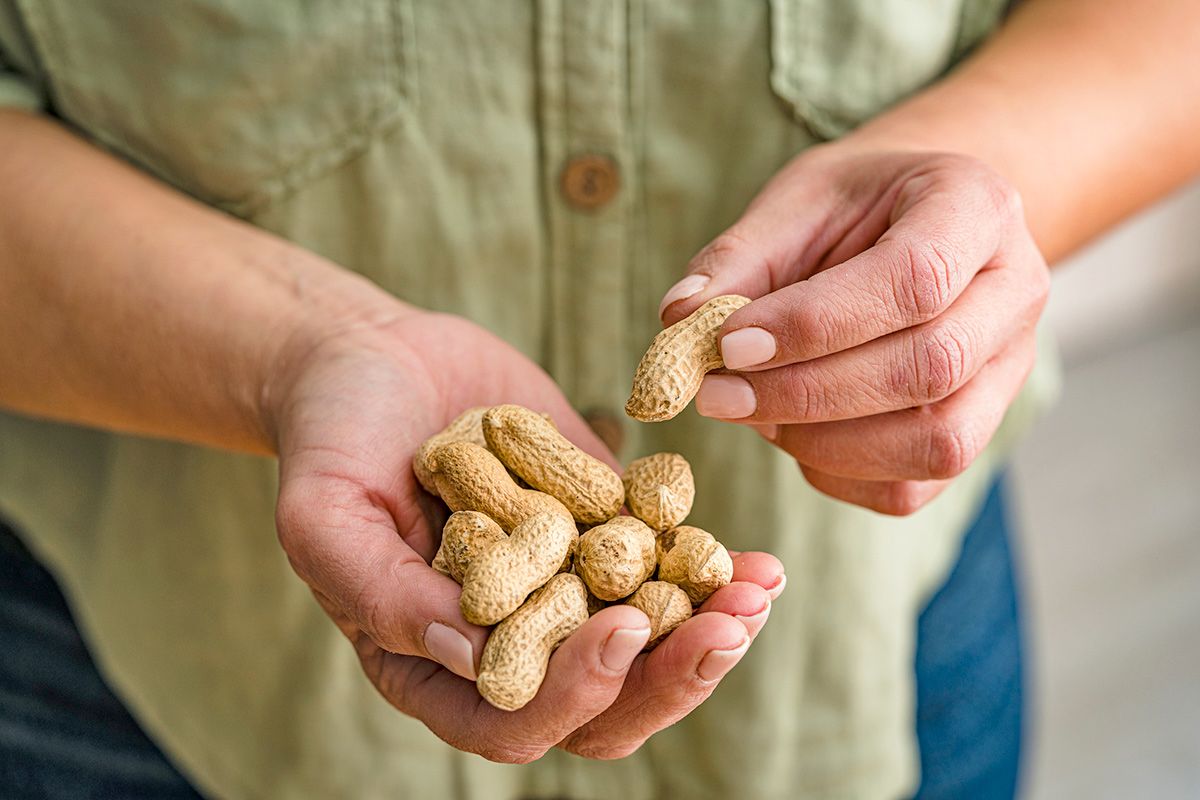
Despite their name and undeniably nutty characteristics, peanuts are not nuts at all. They are, in fact, legumes, a family of plants that produce their fruit in a pod, and they have more in common with snow peas than actual nuts. In botanical terms, true nuts are strictly a particular type of dry fruit that has a single seed, a hard shell, and a protective husk. Peanuts, which grow in pods like other legumes, do not meet this botanical definition. 

Peanuts aren’t the only popular food guilty of wielding the “nut” label in spurious fashion. Technically speaking, both coconuts and walnuts are actually a type of fruit called a drupe, rather than being the nuts their names suggest them to be. 

Credit: Mariana Sandoval Camargo/ iStock

Strawberries

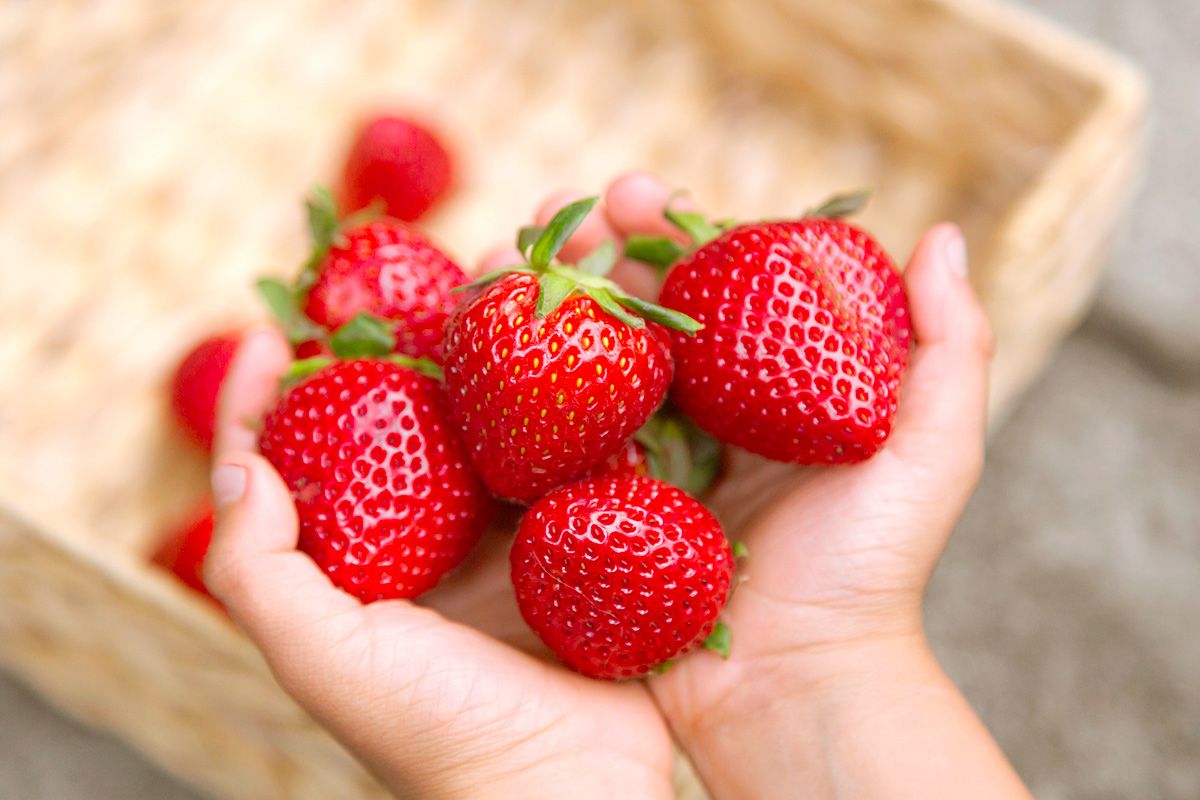
Strawberries quite clearly have the word “berry” in their name, but don’t let that fool you; they’re not berries in the botanical sense. Botanists call the strawberry a “false fruit,” or, if they want to sound clever, a pseudocarp (which sounds more like a fake fish, perhaps further  adding to the confusion). 

A strawberry is actually a multiple fruit that consists of many tiny individual fruits embedded in a fleshy receptacle. Those white specks on the outside, which we often think are seeds, are actually the true fruits called achenes, and each one surrounds a tiny seed.

Credit: krblokhin/ iStock

Sweetbreads

Ah, sweet bread! It sounds like something that would be lovely with a cup of coffee, right? Maybe, but not if we’re talking about sweetbreads — spelled as one word — which are neither sweet nor bread. They are, instead, something quite different: organ meats. More specifically, they’re the thymus or pancreas glands of a calf or lamb. 

That might not sound too appealing, but sweetbreads are often positively described as having a smooth texture with a mild and creamy flavor. They’ve also become more fashionable in recent years, appearing on the menus of many luxury restaurants — so if you want to be hip, try ordering this trendy offal. 

Credit: bagi1998/ iStock

Jerusalem Artichokes

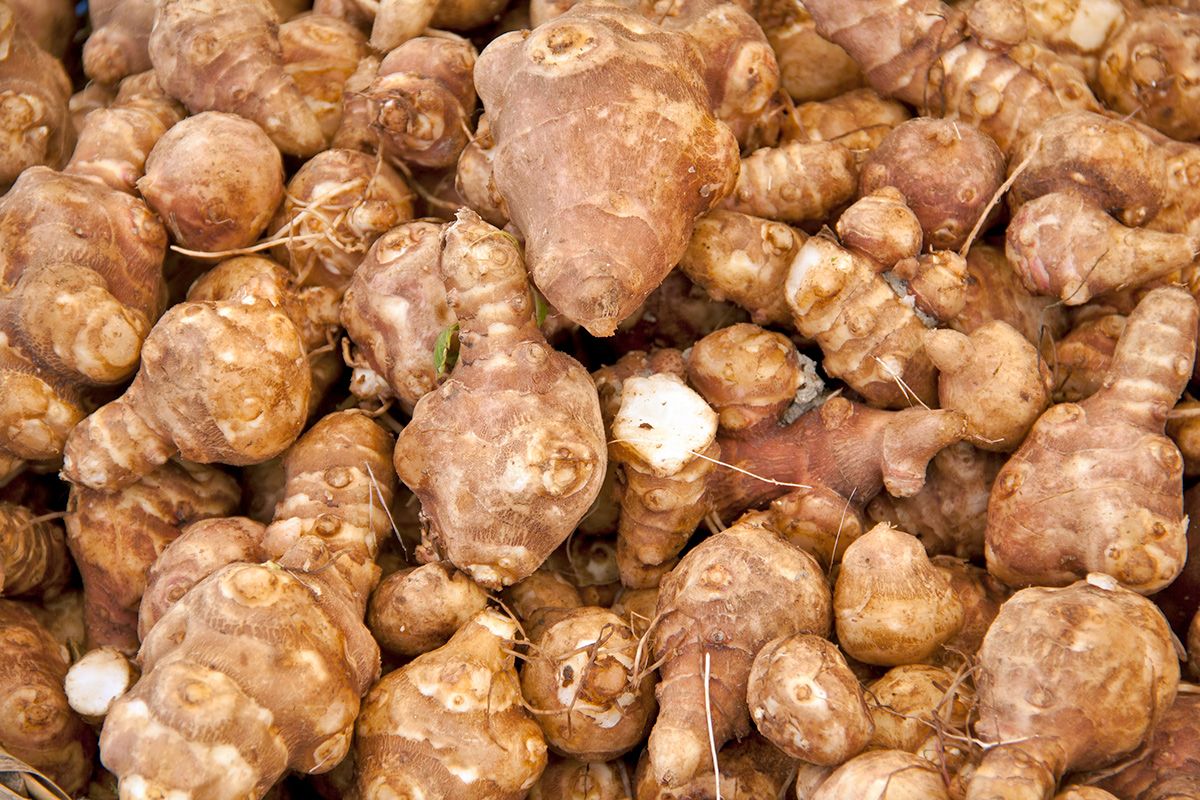
The Jerusalem artichoke is one of the big fibbers of the culinary world. It represents a double misnomer, as it has nothing to do with Jerusalem and it isn’t even an artichoke. These knobby tubers are actually part of the sunflower family and are sometimes called sunchokes to avoid confusion. 

The reason these tubers bear the name “artichoke” is simple: They share a similar taste — a delicate, sweet flavor — to the globe-shaped vegetable. As for how “Jerusalem” became part of the name, one theory posits that, when the tuber was introduced into Europe from its native North America, it was given the Italian name “girasol,” meaning sunflower, which was corrupted by English-speakers to “Jerusalem,” and the name stuck. Another theory argues it may have earned the “Jerusalem” label thanks to the pilgrims, who ate the tubers while trying to establish a “new Jerusalem” in the New World. It’s hard to say whether either theory is correct, but one thing’s for certain — these root vegetables don’t come from Jerusalem.

Credit: li dekun/ iStock

Geoduck

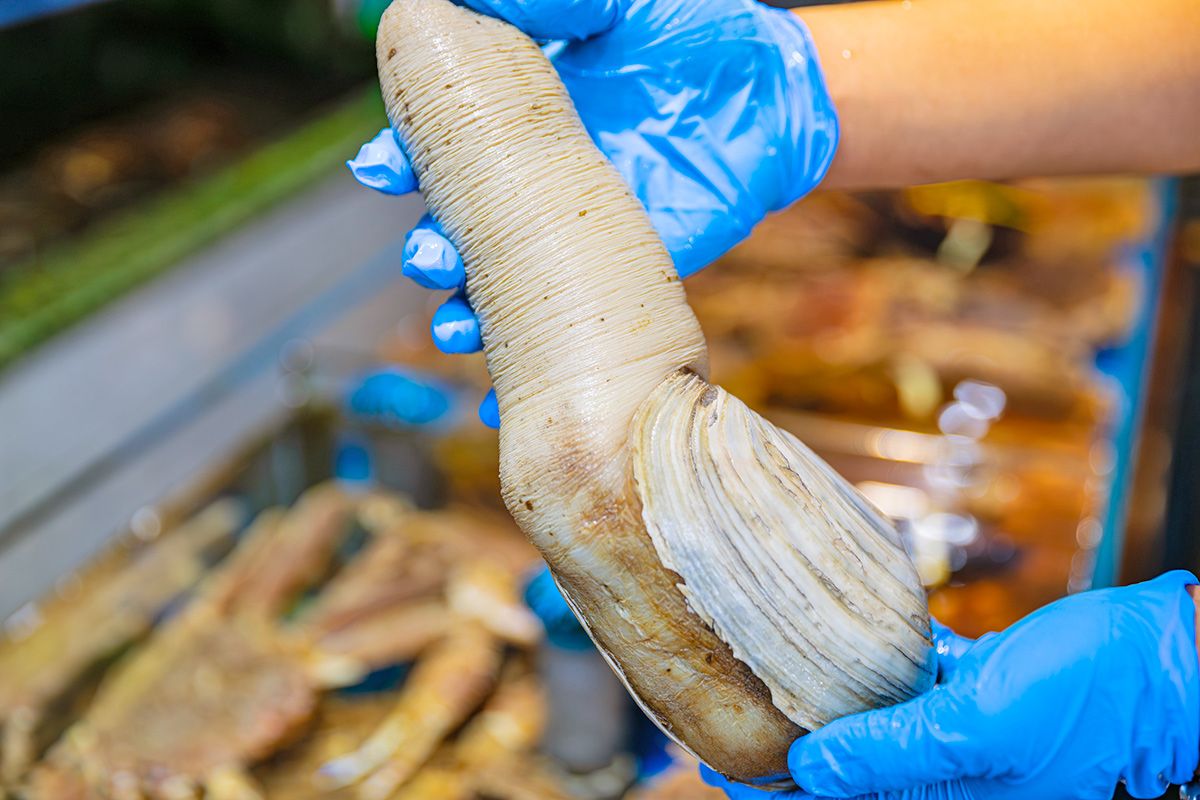
Everything about geoduck is pretty strange. Pronounced “gooey-duck,” this undeniably phallic-looking shellfish has one of the most misleading names in the culinary world. Firstly, it’s not particularly gooey, being variously chewy or crunchy depending on the part of the creature and how it’s prepared. 

Secondly, and more importantly, it’s nothing close to a duck: It’s actually the world’s largest burrowing clam, native to the coastal waters of the eastern North Pacific Ocean. They can weigh up to 8 pounds and reach lengths of about 3.3 feet over an impressive lifespan that can exceed 165 years. It’s a bizarre clam with a suitably strange name, which evolved from the Nisqually Indian word gweduc, meaning “dig deep.” 

Credit: Basilios1/ iStock

Head Cheese

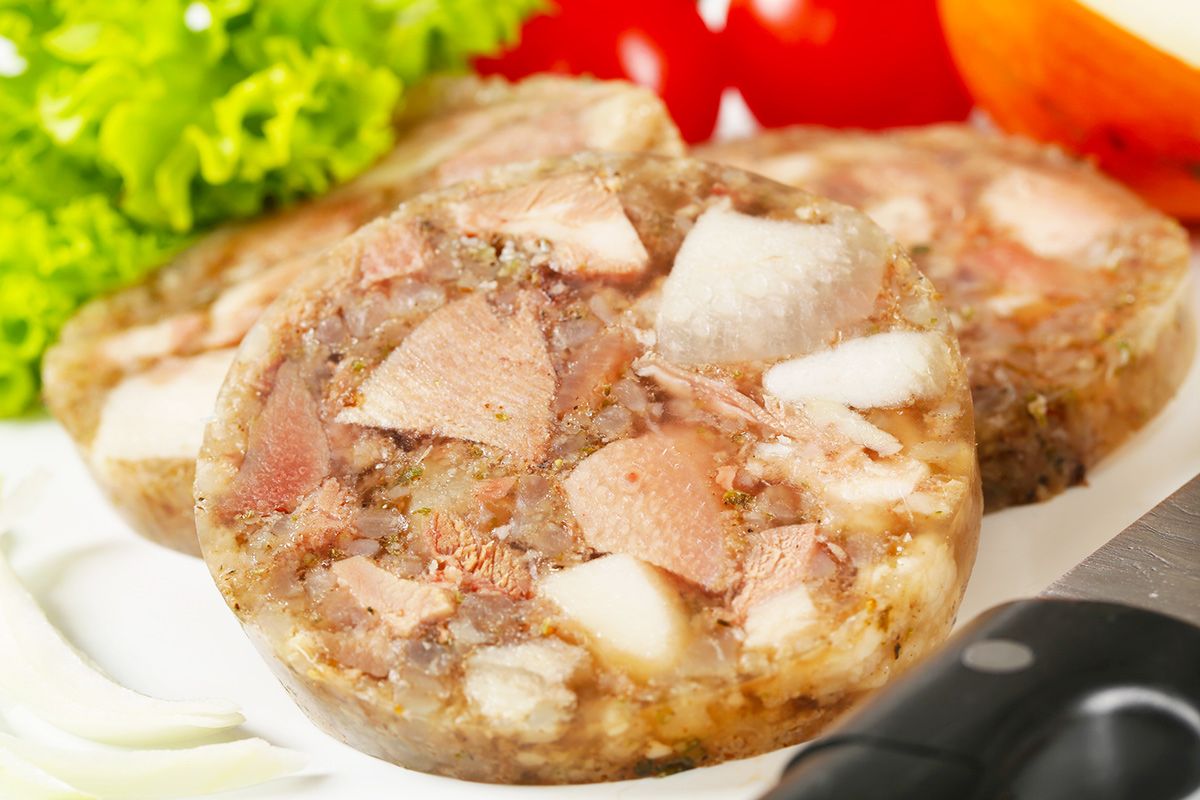
Head cheese isn’t a great name for a food; it sounds more like a bizarre medical issue or an insult than something someone would want to eat. It’s also a misnomer — or at least half of it is, as there’s no cheese involved. There is, however, plenty of “head.” 

Traditionally, head cheese is a type of jelly or aspic made of pig head parts including the ears and cheeks, which is then combined with spices and herbs. The misleading “cheese” label possibly derives from the meat mixture being poured into cheese molds to cool and form, or it may simply have developed because head cheese has been described as having a similar texture to some real cheeses. 

The confusing name perhaps explains why head cheese is sometimes instead referred to as “souse” or “brawn” — neither being particularly pretty words in their own right, but they’re at least a slight improvement in terms of accuracy. 

Credit: Fotopogledi/ iStock

Rocky Mountain Oysters 

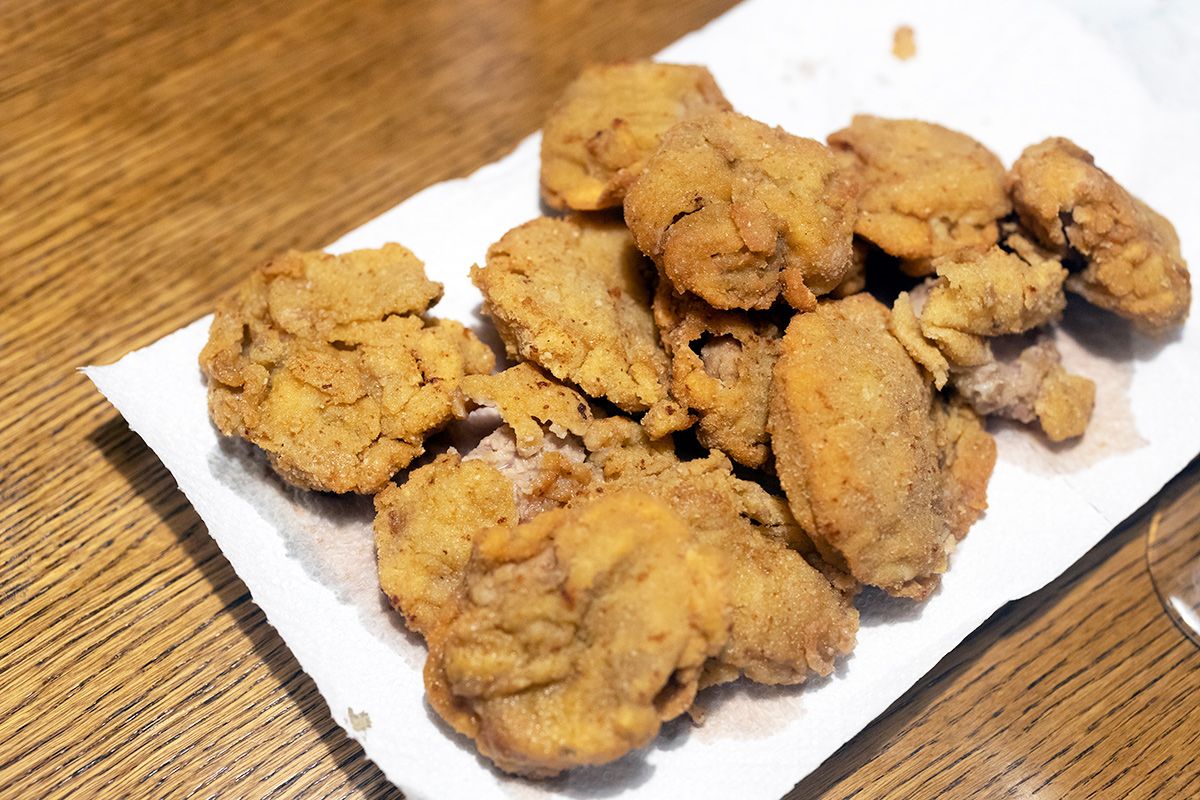
To the unaware, Rocky Mountain oysters may sound delightful, like some kind of freshwater mollusk plucked from a pristine mountain stream. The reality is quite different.

These charmingly named “oysters” are in fact bull testicles, the consumption of which dates back to the rancher way of life and the expansion into the American and Canadian West. Rather than waste the testicles of their freshly castrated bulls, ranchers served them up battered and fried, often with a side of hot sauce. Rocky Mountain oysters are also known by a variety of other colorful names, including prairie oysters, Montana tendergroins, cowboy caviar, dusted nuts, and swinging beef.

Tony Dunnell
Writer

Tony is an English writer of nonfiction and fiction living on the edge of the Amazon jungle.